
A Centretown fixture since 2020, ARLO pairs concise, ingredient-driven Canadian menus with a natural wine program that earns serious attention without the ceremony. Co-owner Jamie Stunt's silver at the 2013 Canadian Culinary Championship signals the kitchen's competitive standing, while sommelier Alex McMahon's Noma internship shapes a list that rewards curiosity. The room is warm, the terrace leafy, and the food consistently purposeful.
Pearl is the En Primeur Club membership app — saves, bookings, and concierge access live there. Same editors, same standards.
- Address
- 340 Somerset St W, Ottawa, ON K2P 0J9, Canada
- Phone
- +1 613-421-1424
- Website
- restaurantarlo.com
- Directions
- Get directions
 Saves & bookings on Pearl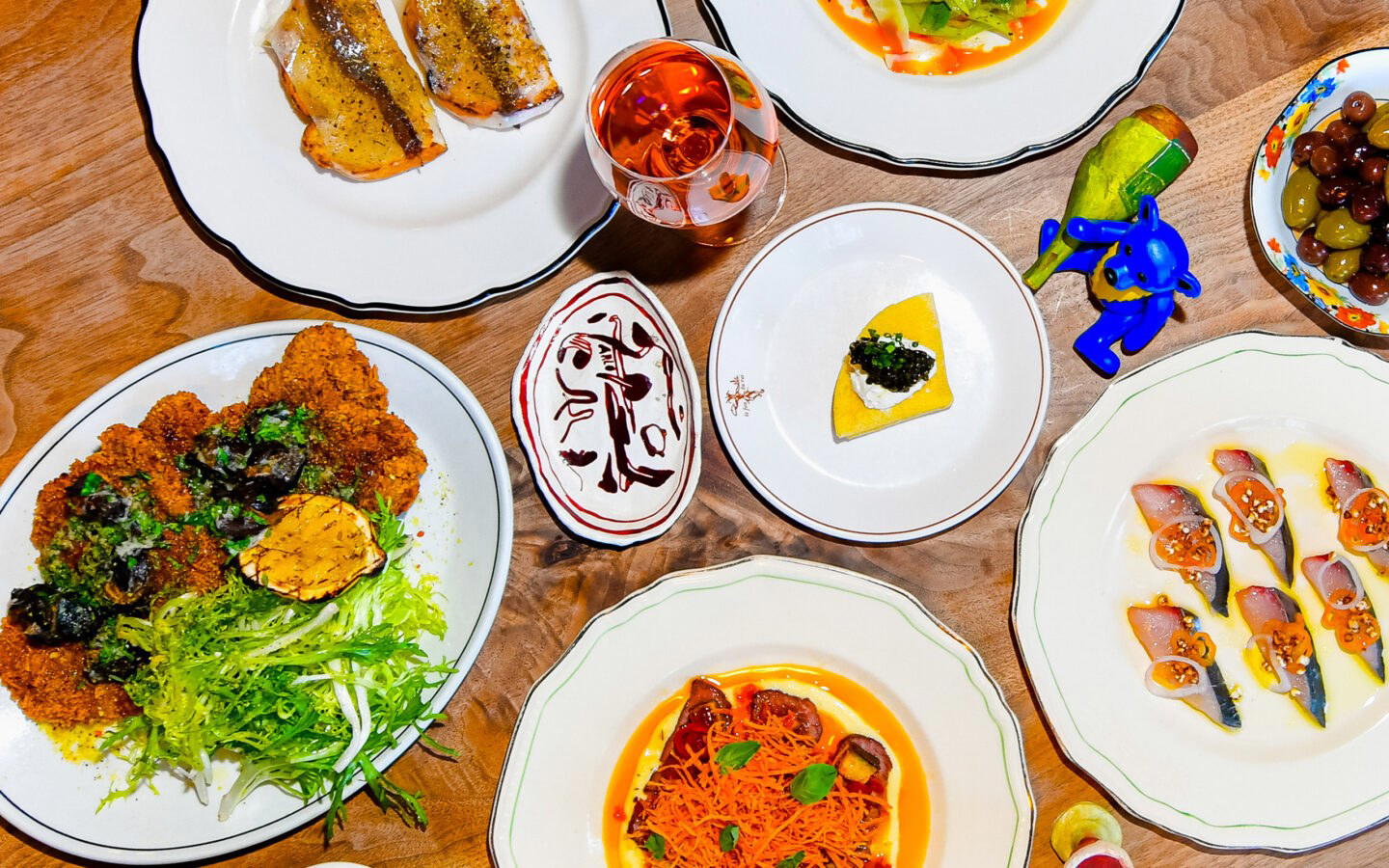
Centretown's Case for Ingredient-First Dining
Ottawa's mid-market restaurant scene has, over the past decade, split into two recognizable camps: ambitious tasting-menu operations that position themselves against national fine-dining peers, and a smaller tier of neighbourhood-rooted restaurants where the cooking is equally serious but the format stays loose and accessible. ARLO, on Somerset Street West in Centretown, belongs firmly to the second camp. This is a restaurant that knows its register and plays it with confidence.
That confidence is not accidental. Co-owner Jamie Stunt earned a silver medal at the Canadian Culinary Championship in 2013, a competition that benchmarks professional kitchens nationally. Co-owner and sommelier Alex McMahon spent time at RIVIERA and Fauna before an internship at Noma in 2015. The credentials matter here because they explain the kitchen's discipline, not because they are the point of the meal.
What the Menu Actually Argues
Across Canada's progressive restaurant tier, ingredient sourcing has become central to the menu. What is grown here, raised here, fermented here, and why does it appear on this plate in this form? The strongest practitioners, from Atelier in Ottawa's Golden Triangle to AnnaLena in Vancouver and Tanière³ in Québec City, treat the Canadian larder as both constraint and subject. ARLO operates within this same framing, but at a more democratic price point and with shorter, rotating menus that keep sourcing decisions visible without becoming didactic.
The kitchen's approach favors combinations that read as counterintuitive until they land. Beef tataki alongside barbecued eel with chili, pickled shallots, crispy sweet potato, and aioli is a dish built around texture contrast and controlled acidity. Scallop tartare with black garlic, kohlrabi, cilantro, and mushroom vinegar uses fermentation-derived depth, the kind of building block that connects ARLO's cooking to the broader Canadian trend of treating preservation and fermentation as flavor strategies rather than pantry afterthoughts. These are not decorative combinations. The dish architecture suggests a kitchen that works backward from what an ingredient does rather than forward from what sounds appealing.
Because the menu changes continuously, the specific dishes above represent the kitchen's demonstrated range rather than a fixed offering. That volatility is the point. A restaurant anchored to rotating seasonal sourcing cannot hold a static menu without compromising its own argument.
The Wine Program as a Parallel Statement
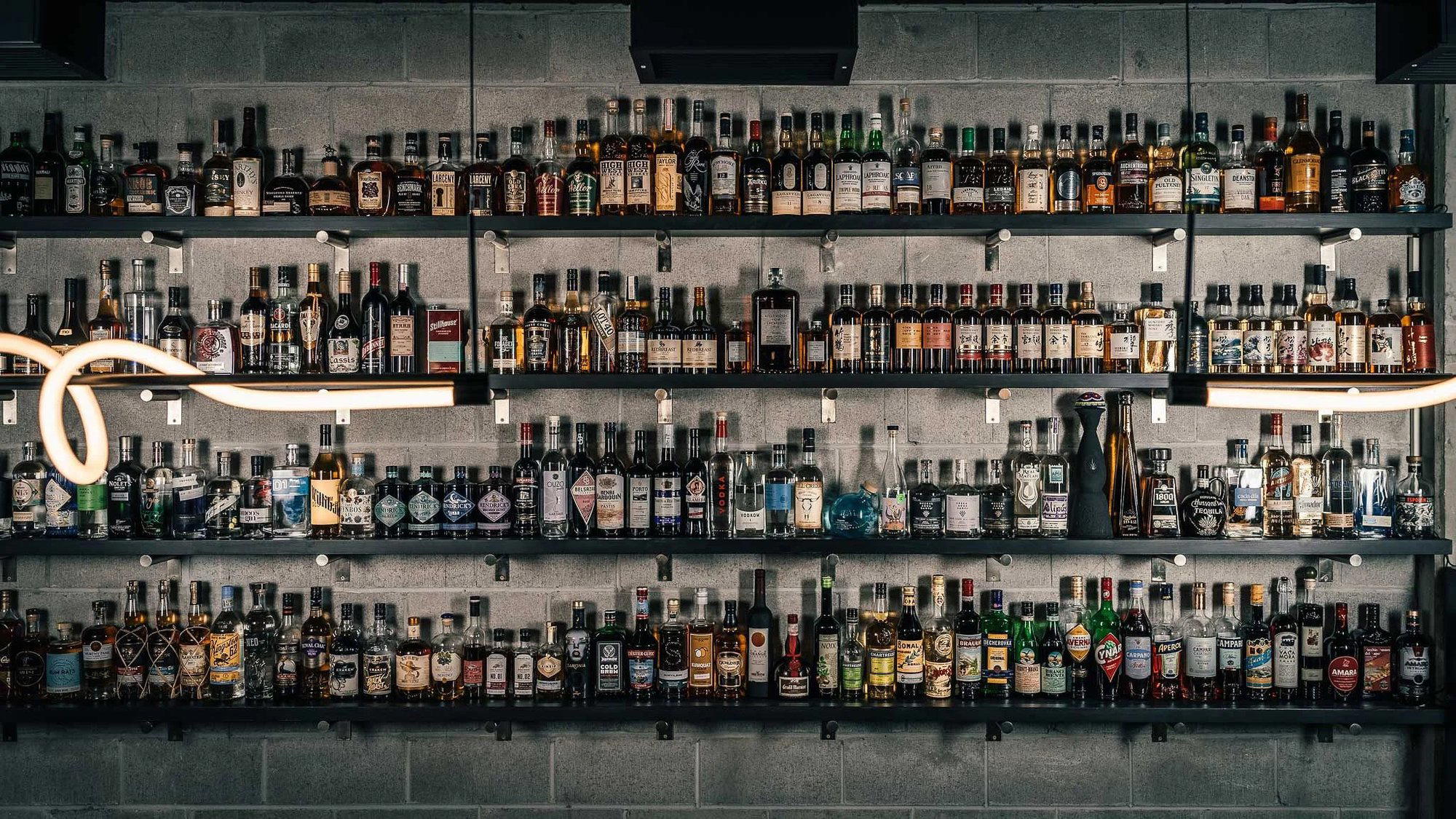
Natural wine in Ottawa, as in most Canadian cities, exists in a spectrum between evangelical and accessible. McMahon's list sits toward the accessible end without abandoning rigor. His Noma internship situates him within a hospitality tradition where low-intervention wine is treated as a kitchen extension rather than a beverage category, and that framing shapes how ARLO's list reads. The selections skew toward producers working with minimal additions, but McMahon's floor presence is described consistently as disarming rather than prescriptive. The recommendation style, by multiple accounts, makes unfamiliar bottles feel like obvious choices rather than tests.
Ottawa's fine-dining wine programs, including those at PERCH, tend toward conventional depth. ARLO's list is narrower but more editorially coherent, and its natural-wine focus connects the room to a national conversation happening at restaurants like Restaurant Pearl Morissette in Lincoln and The Pine in Creemore, where producer relationships and low-intervention sourcing define the cellar logic.
Where ARLO Sits in a National Context
Canadian progressive cooking has a well-documented centre of gravity in Toronto and Montreal, where operations like Alo and Jérôme Ferrer's Europea attract national press attention and drive reservation demand months in advance. Ottawa's dining scene occupies a different position: a government and diplomatic capital with a local population that supports serious cooking but without the same critical mass of food media or tourism volume. Within that context, ARLO has earned a standing that extends beyond what the city's profile might predict.
Stunt's silver medal at the 2013 Canadian Culinary Championship remains a clear benchmark of technical standing. For Ottawa specifically, that pairing gives ARLO a polish that outpaces its neighbourhood setting. For comparison, operations with equivalent ambition but larger formats, such as Eigensinn Farm in Singhampton or Narval in Rimouski, have built national reputations from locations that are similarly distant from major media centers.
Planning a Visit
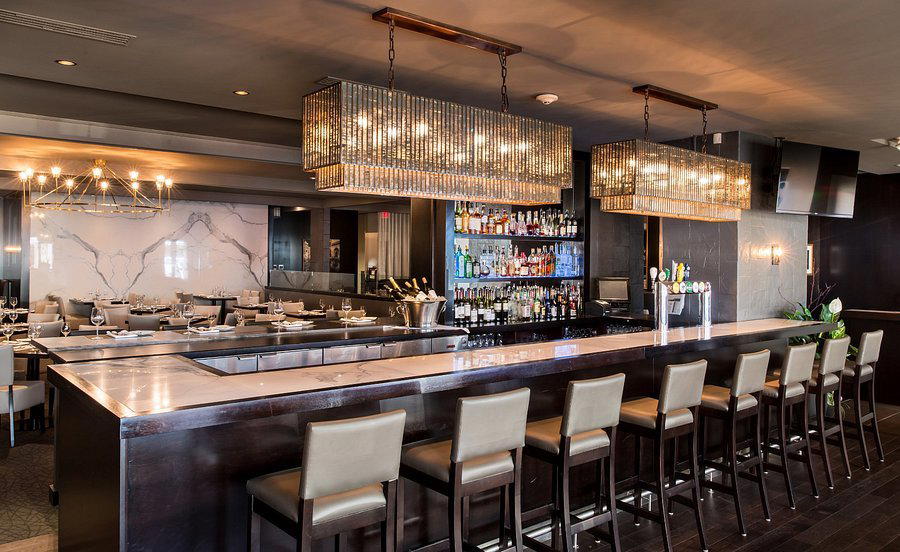
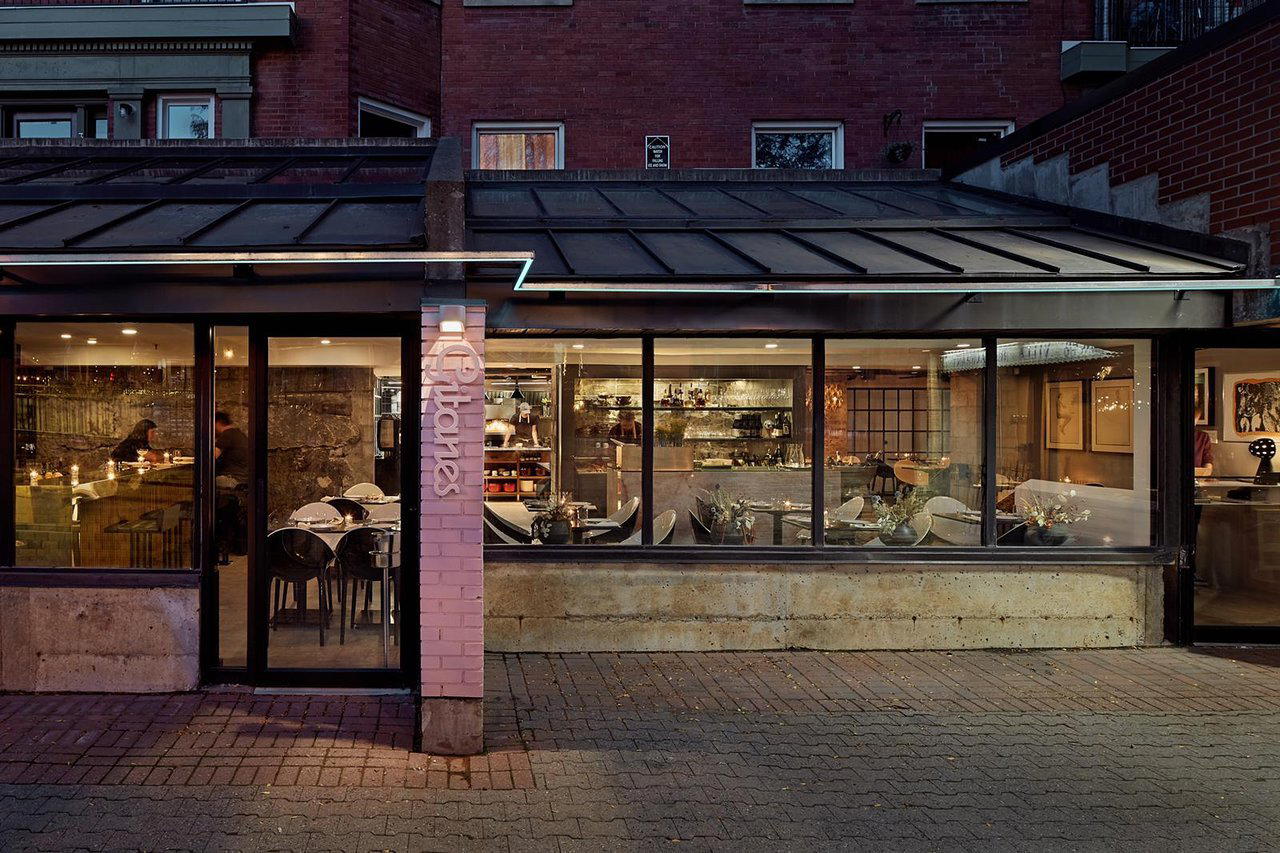
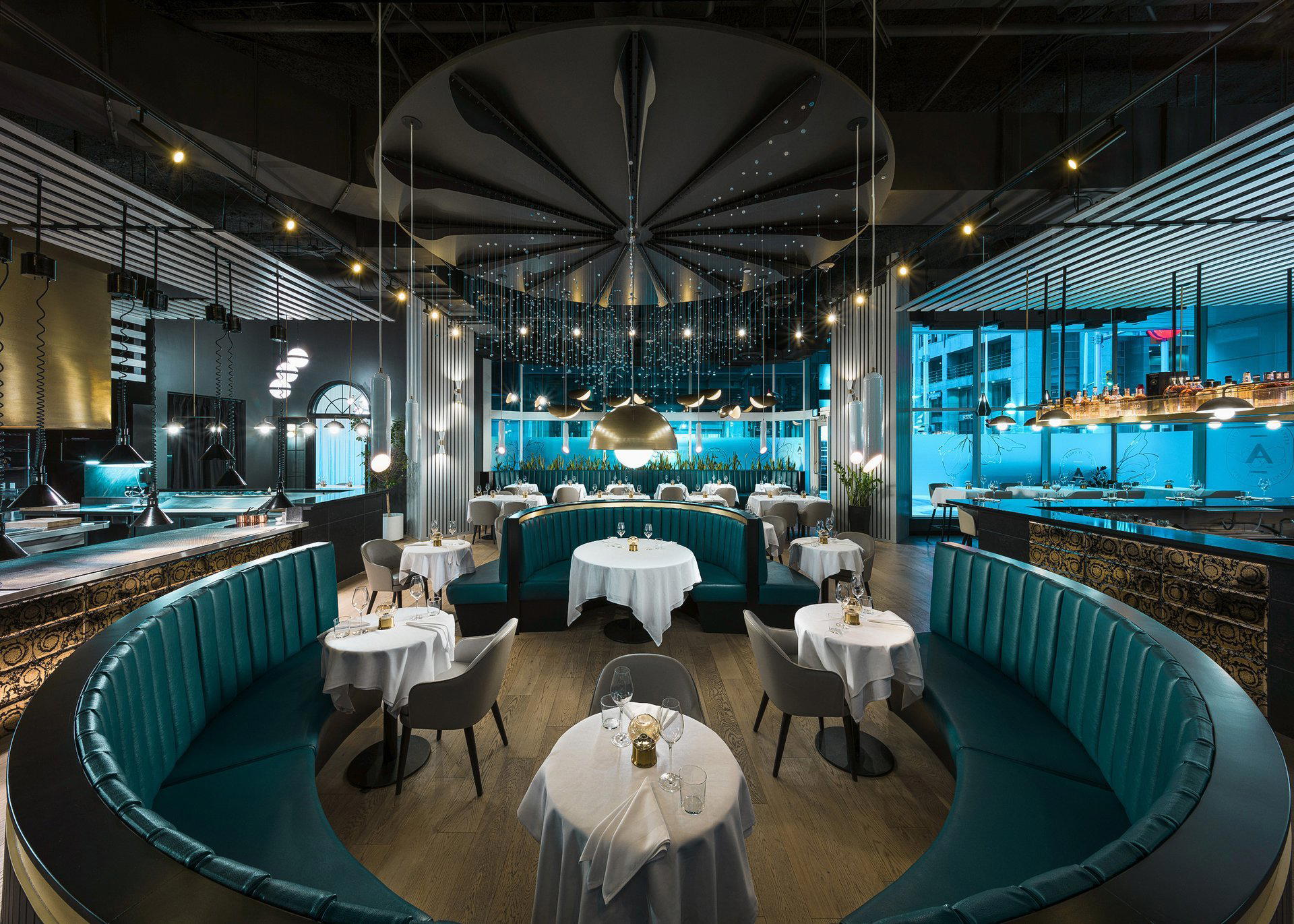
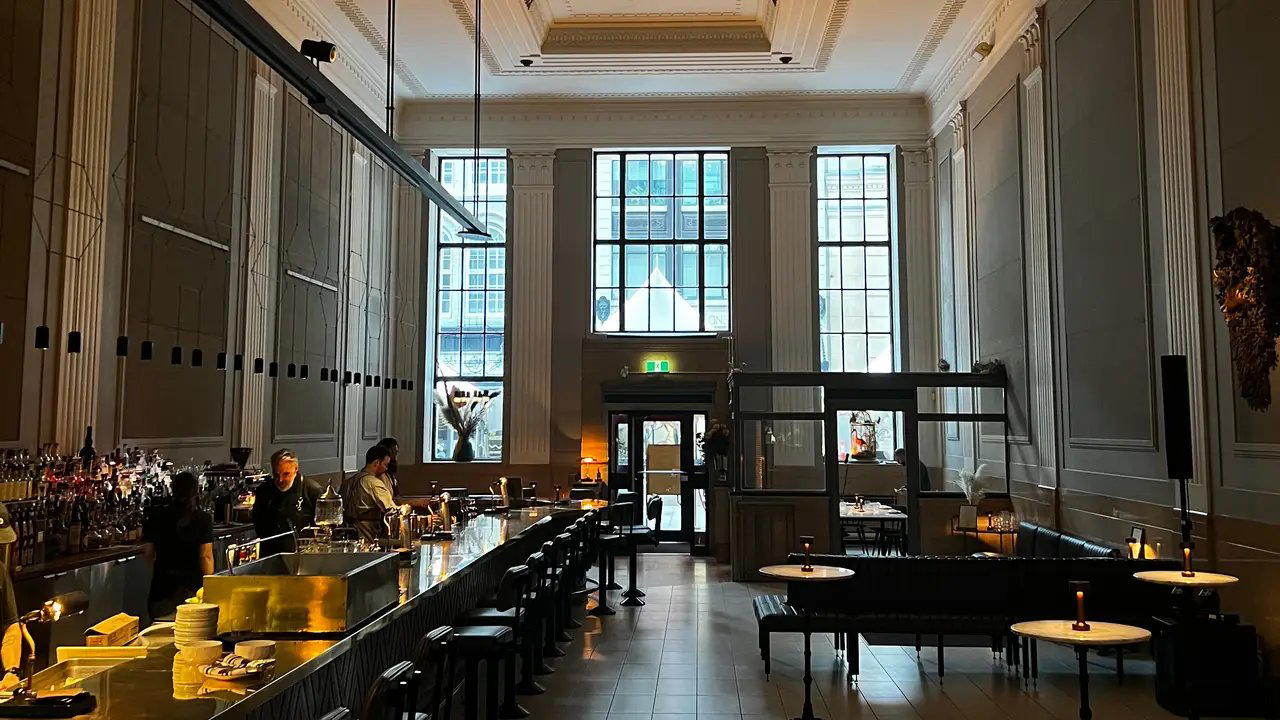
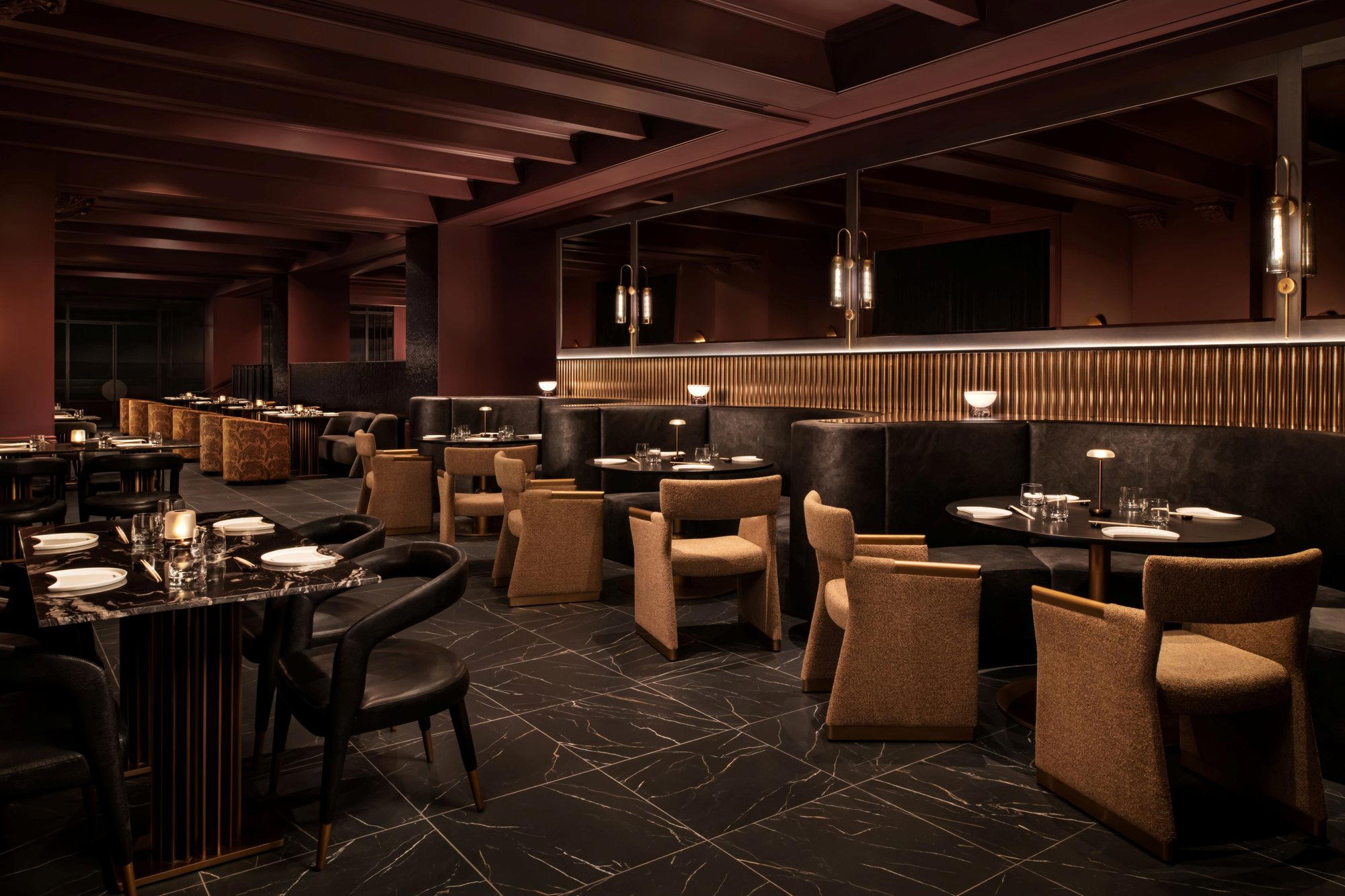
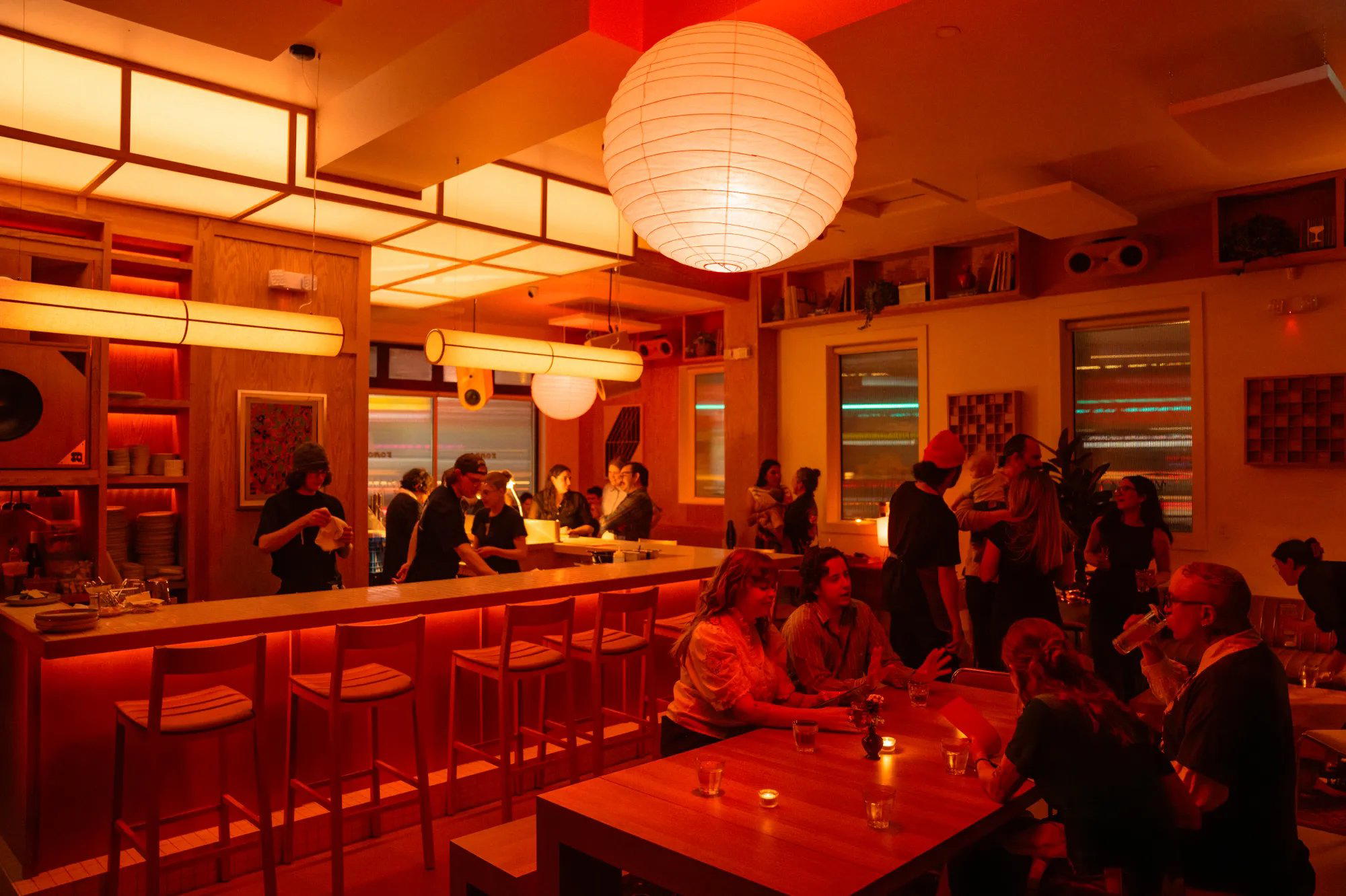
ARLO is at 340 Somerset Street West in Centretown, within walking distance of several downtown hotels and accessible by transit along the Somerset corridor. The dining room splits between a front bar area that fills quickly on weekday evenings and booth seating in the back that offers more room to settle in. In summer months, the back terrace is the preferred option; it books ahead. Reservations are recommended, especially Thursday through Saturday. The menu's rotating structure means there is no fixed set of dishes to plan around, which argues for arriving with flexibility rather than expectations built on a previous visit.
Side-by-Side Snapshot
Comparable venues nearby, for context on price, style, and recognition.
| Venue | Cuisine | Price | Notes |
|---|---|---|---|
| ARLOThis venue — the venue you are viewing | Modern Canadian Wine Bar | $$$ | Not listed |
| PERCH | Modern Tasting Menu | $$$$ | Little Italy |
| The Vanitea Room, A Tea Salon & Eatery | Contemporary European Tea Salon & Brunch | $$ | Centretown |
| RIVIERA | New Canadian with Mediterranean Influences | $$$ | Downtown |
| Bier Markt | European-Inspired Gastropub | $$ | Parliament Hill |
| Sidedoor | Southeast Asian Fusion Street Food | $$$ | ByWard market |
Recognition history
Dated appearances from independent guides and award organizations, with the underlying list record or original source where available.
Canada's 100 Best Restaurants #77
Canada's 100 Best
Canada's 100 Best Restaurants #49
Canada's 100 Best

At a Glance
- Cozy
- Modern
- Trendy
- Intimate
- Date Night
- Special Occasion
- Terrace
- Open Kitchen
- Natural Wine
- Sommelier Led
- Local Sourcing
Current opening hours
- Monday
- 5:30–11 PM
- Tuesday
- 5:30–11 PM
- Wednesday
- 5:30–11 PM
- Thursday
- 5:30–11 PM
- Friday
- 5:30 PM–12 AM
- Saturday
- 5:30 PM–12 AM
- Sunday
- 5:30–11 PM
Hours can change for holidays and private events. Last verified .
Cozy and laid-back with warm lighting, lush greenery, and a welcoming dinner-party vibe; buzzy front room and intimate back booths.