
On Preston Street in Ottawa's Little Italy, PERCH runs a nine-course tasting menu shaped by a kitchen lineage that traces through Hawksworth in Vancouver and Atelier in Ottawa. Dishes like a savoury Dijon macaroon with Acadian sturgeon mousse and koji-aged, seaweed-wrapped duck breast signal a kitchen working at the serious end of progressive Canadian cooking.
Pearl is the En Primeur Club membership app — saves, bookings, and concierge access live there. Same editors, same standards.
- Address
- 300 Preston St, Ottawa, ON K1R 7R6, Canada
- Phone
- +1 613-515-0535
- Website
- perchottawa.ca
- Directions
- Get directions
 Saves & bookings on Pearl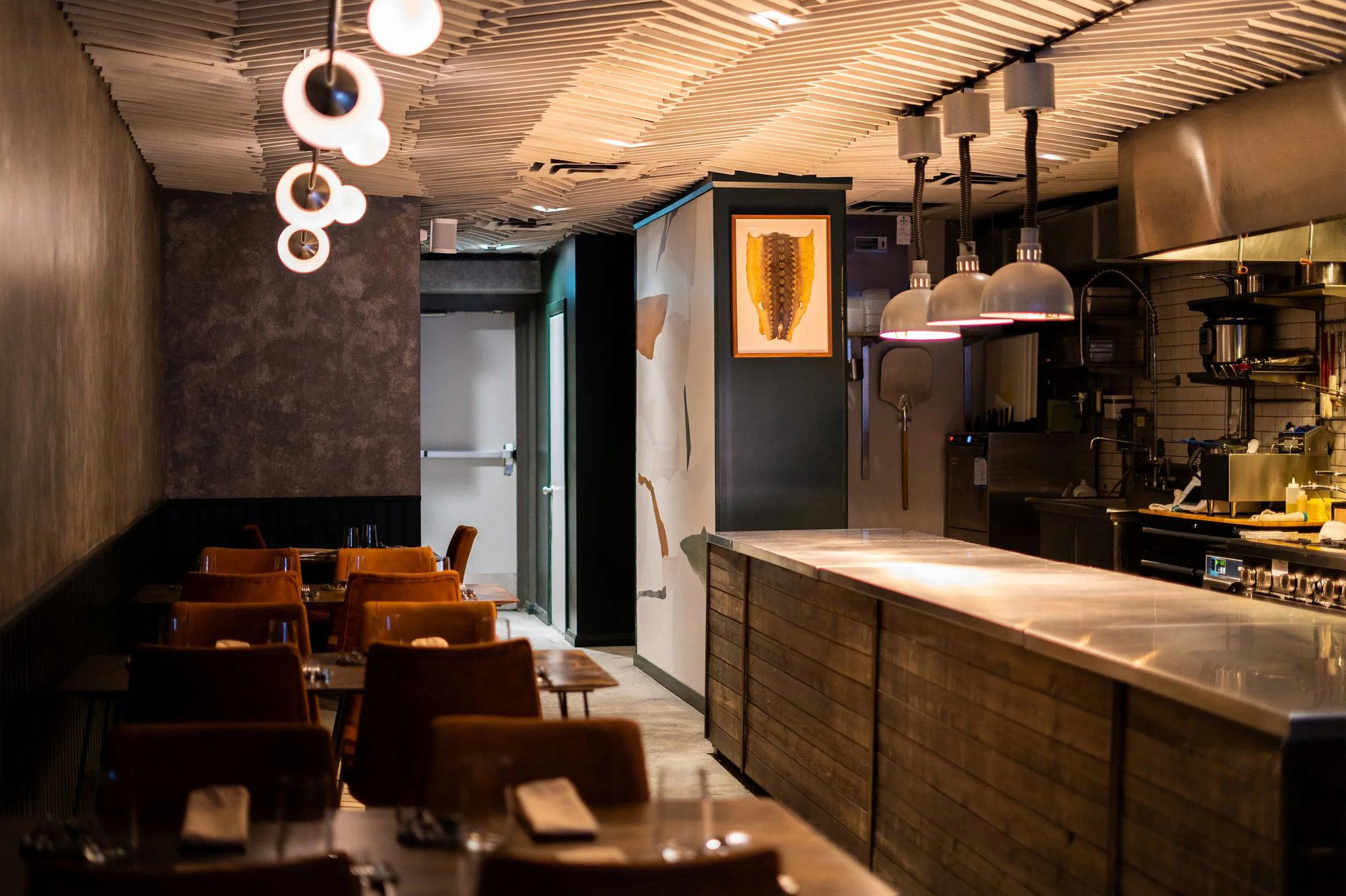
Preston Street, Where Tasting Menus Are Taken Seriously
Ottawa's Little Italy has long operated as a neighbourhood where the restaurants outlast the trends. Preston Street runs a practical, unhurried block through the city's residential west end, and PERCH sits within that context as a room that asks something of its guests: time, attention, and a willingness to surrender the pace of the meal to the kitchen. In cities like Toronto and Vancouver, the tasting menu format has become highly choreographed; here, the format still carries real weight. A nine-course progression is a commitment, not a statement, and the dining ritual at PERCH reflects that distinction clearly.
Canadian fine dining has shifted toward tasting-menu formats over the past decade. From Alo in Toronto to Tanière³ in Québec City, the defining kitchens have standardised around a fixed progression, often with a strong regional-sourcing ethic and a preference for fermentation, curing, and preservation techniques. PERCH positions itself within that current, and does so with credentials that matter in this comparable set.
The Pacing of a Nine-Course Evening
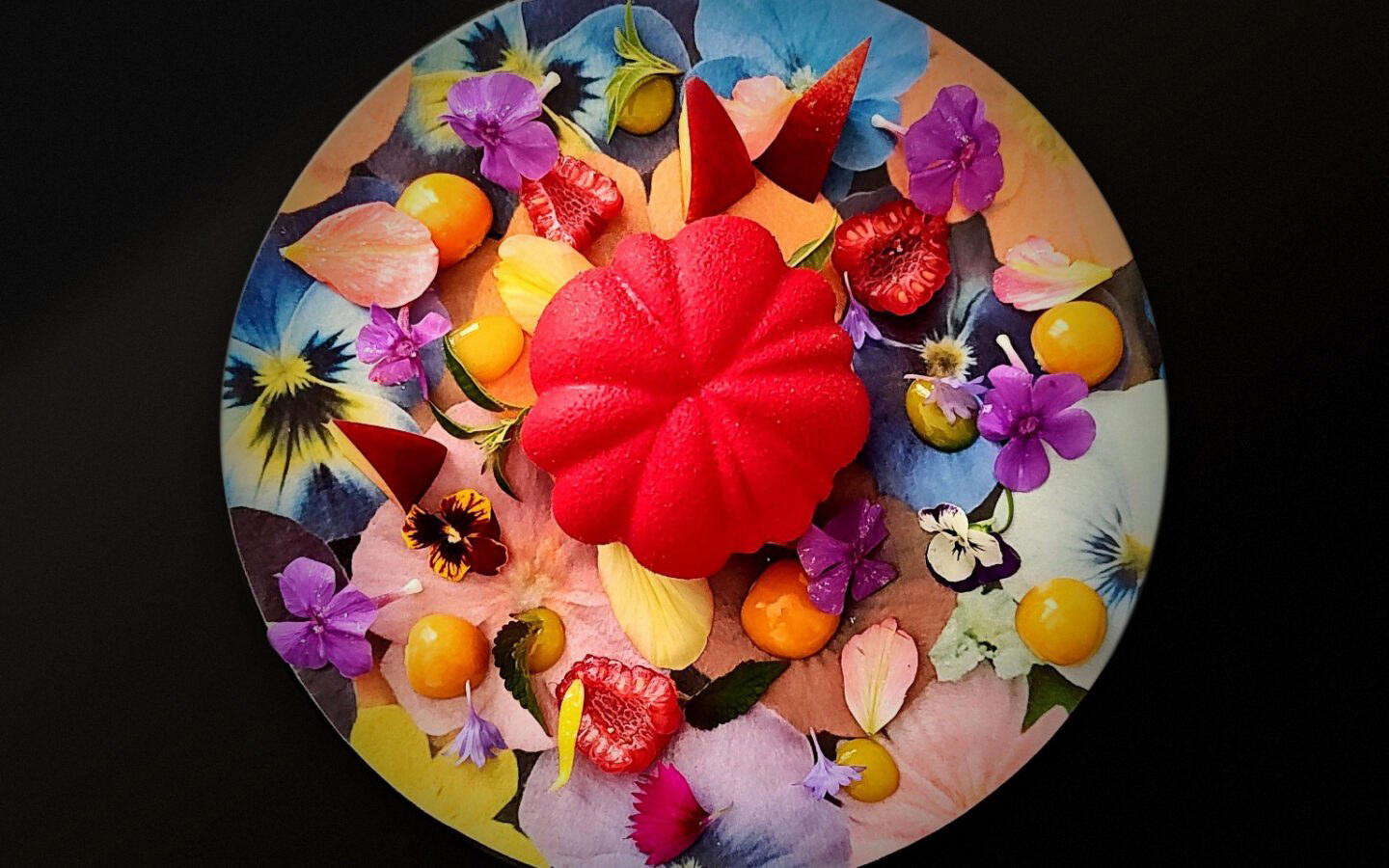
The ritual of a nine-course tasting menu imposes its own logic on an evening. Arrival matters; the first courses set the register. At PERCH, the kitchen's inclination toward technical contrast is legible early: a savoury Dijon macaroon filled with Acadian sturgeon mousse is the kind of course that signals comfort across registers, using a familiar French pastry form for Canadian coastal product. The macaroon format requires precision, and deploying it as a savoury canape with sturgeon mousse is a choice that signals confidence rather than novelty for its own sake.
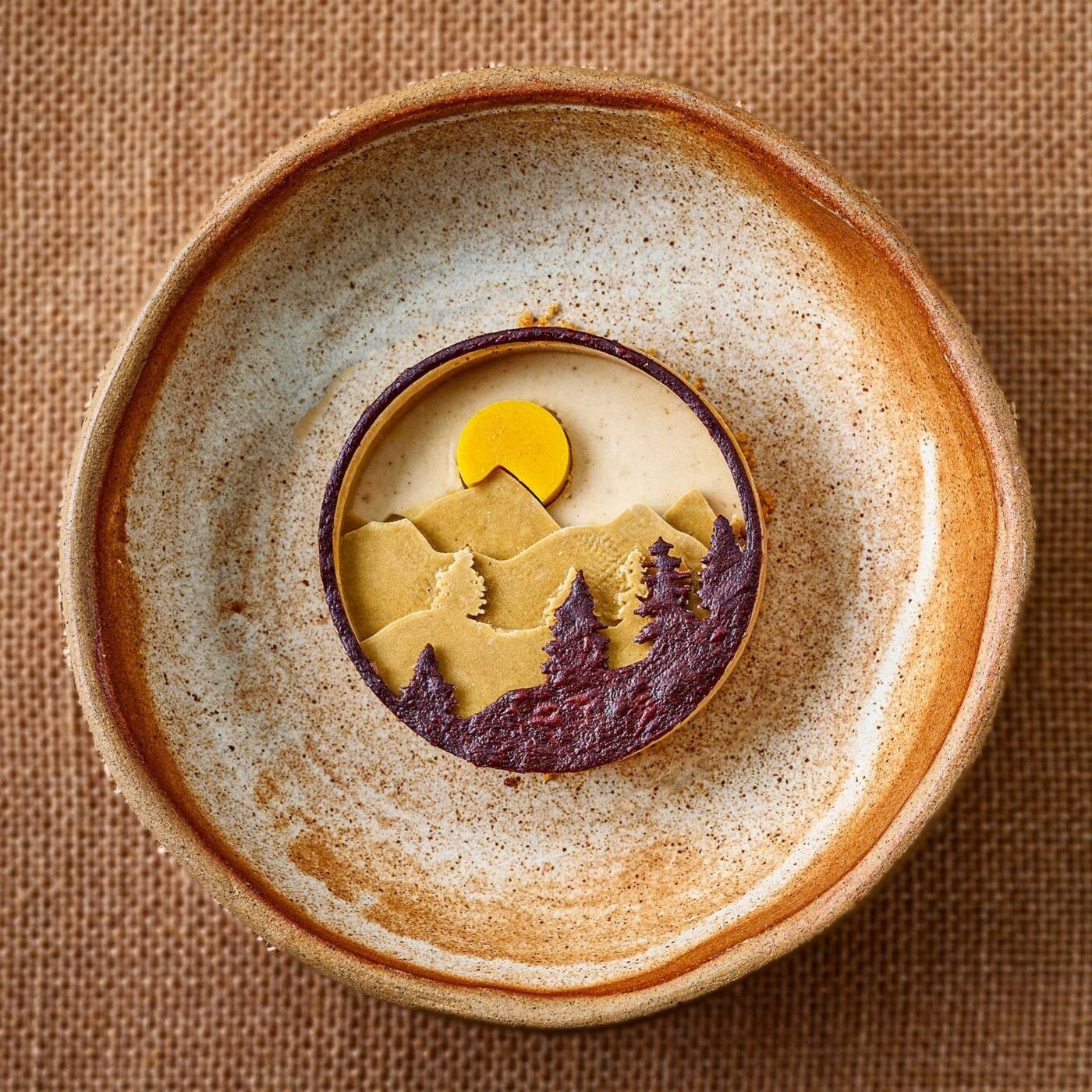
What tasting menus of this length do well, when the kitchen is calibrated correctly, is build a cumulative argument across courses. The arc from a delicate first bite to a course like koji-aged, seaweed-wrapped duck breast with red-wine sauce is substantial. Koji aging and seaweed wrapping represent two distinct fermentation and curing traditions, Japanese and coastal Atlantic, applied to a French classical protein treatment. That kind of cross-referencing is characteristic of the Canadian progressive style, which has always drawn more freely on Japanese technique than its European counterparts. Comparably structured menus at Jérôme Ferrer's Europea in Montreal and AnnaLena in Vancouver operate in a related register.
The pacing of the meal is where a room's philosophy becomes tangible. Courses that arrive in rapid succession read as a kitchen demonstrating volume; courses with measured intervals between them signal that the kitchen expects the guest to think about what they've just eaten. PERCH's format, with its technically complex preparations, benefits from that measured approach. The duck breast alone, with its layered fermentation and classical sauce, warrants a moment of consideration before the next course intervenes.
Kitchen Lineage and What It Signals
In Canada's tight network of serious kitchens, where a cook has worked carries interpretive weight. Chef Justin Champagne-Lagarde's trajectory, through Hawksworth in Vancouver and then as sous-chef at Atelier in Ottawa, places him in two of the more technically demanding kitchens the country has produced. Hawksworth established itself as one of Vancouver's defining addresses for refined Canadian cooking; Atelier has operated since 2008 as one of Ottawa's most rigorous tasting-menu kitchens, a room without printed menus where courses arrive unannounced. Sous-chef experience in that environment builds a specific kind of discipline: comfort with improvisation, an expectation of high technical tolerance, and familiarity with a clientele that has already opted into serious dining.
That training context is relevant because it explains the character of the cooking at PERCH without requiring recourse to the chef's personal philosophy. The Atelier lineage connects PERCH to a longer Ottawa tradition of taking the tasting-menu format seriously. RIVIERA and ARLO sit within the broader Ottawa conversation around progressive dining, each occupying a different tier and register, but PERCH's kitchen lineage places it at the more technically demanding end of that local spectrum.
The same cross-country pipeline that connects Ottawa kitchens to Vancouver and Toronto has produced a generation of Canadian chefs working with similar technical vocabularies but adapting them to local product and local pace. Restaurant Pearl Morissette in Lincoln and Eigensinn Farm in Singhampton represent one pole of that movement, deeply rural and product-driven. PERCH operates from an urban address but draws on similar fermentation and preservation sensibilities, with the Acadian sturgeon and seaweed-wrapped duck both pointing toward Atlantic coastal Canada as a larder rather than a geographic category.
Dining at PERCH: What to Expect
The format is a nine-course tasting menu, which means the evening runs on kitchen time rather than guest time. That is not a criticism; it is the nature of the format, and guests who sit down at a table like this implicitly agree to the terms. The preparation techniques in evidence, koji aging, macaroon shells, seaweed curing, red-wine sauce reduction, suggest a kitchen with multiple stations working in parallel on any given night.
For guests considering the Ottawa tasting-menu circuit more broadly, PERCH operates in a distinct register from the city's other options. The Atelier lineage gives it a specific technical seriousness, and the menu samples available point toward a kitchen genuinely interested in Canadian product, particularly Atlantic coastal ingredients applied through French and Japanese technique. That combination is not arbitrary: it reflects where Canadian fine dining has been heading for the better part of a decade, and PERCH's kitchen history places it squarely within that current.
Reservations are essential, and a nine-course kitchen requires advance planning on the service side as much as the guest side.
For a wider view of Ottawa's dining, drinking, and hotel options, see our full Ottawa restaurants guide, our full Ottawa bars guide, our full Ottawa hotels guide, our full Ottawa wineries guide, and our full Ottawa experiences guide. Further afield, comparable tasting-menu kitchens worth cross-referencing include Narval in Rimouski, The Pine in Creemore, Le Bernardin in New York City, and Atomix in New York City.
Cuisine and Recognition
Comparable venues nearby, for context on price, style, and recognition.
| Venue | Cuisine | Price | Notes |
|---|---|---|---|
| PERCHThis venue — the venue you are viewing | Modern Tasting Menu | $$$$ | Not listed |
| Al's Steakhouse | Classic Steakhouse | $$$$ | Golden Triangle |
| Blumenstudio | Floral Studio Café | $$ | Hintonburg |
| RIVIERA | New Canadian with Mediterranean Influences | $$$ | Downtown |
| The Whalesbone Bank Street | Sustainable Seafood & Oysters | $$$ | Centretown |
| Buvette Daphnée | French-Canadian Wine Bar | $$$$ | ByWard market |
Recognition history
Dated appearances from independent guides and award organizations, with the underlying list record or original source where available.
Canada's 100 Best Restaurants #95
Canada's 100 Best





At a Glance
- Intimate
- Cozy
- Elegant
- Modern
- Sophisticated
- Date Night
- Special Occasion
- Celebration
- Open Kitchen
- Craft Cocktails
- Local Sourcing
Current opening hours
- Monday
- Closed
- Tuesday
- Closed
- Wednesday
- 6–10 PM
- Thursday
- 6–10 PM
- Friday
- 6–10 PM
- Saturday
- 6–10 PM
- Sunday
- Closed
Hours can change for holidays and private events. Last verified .
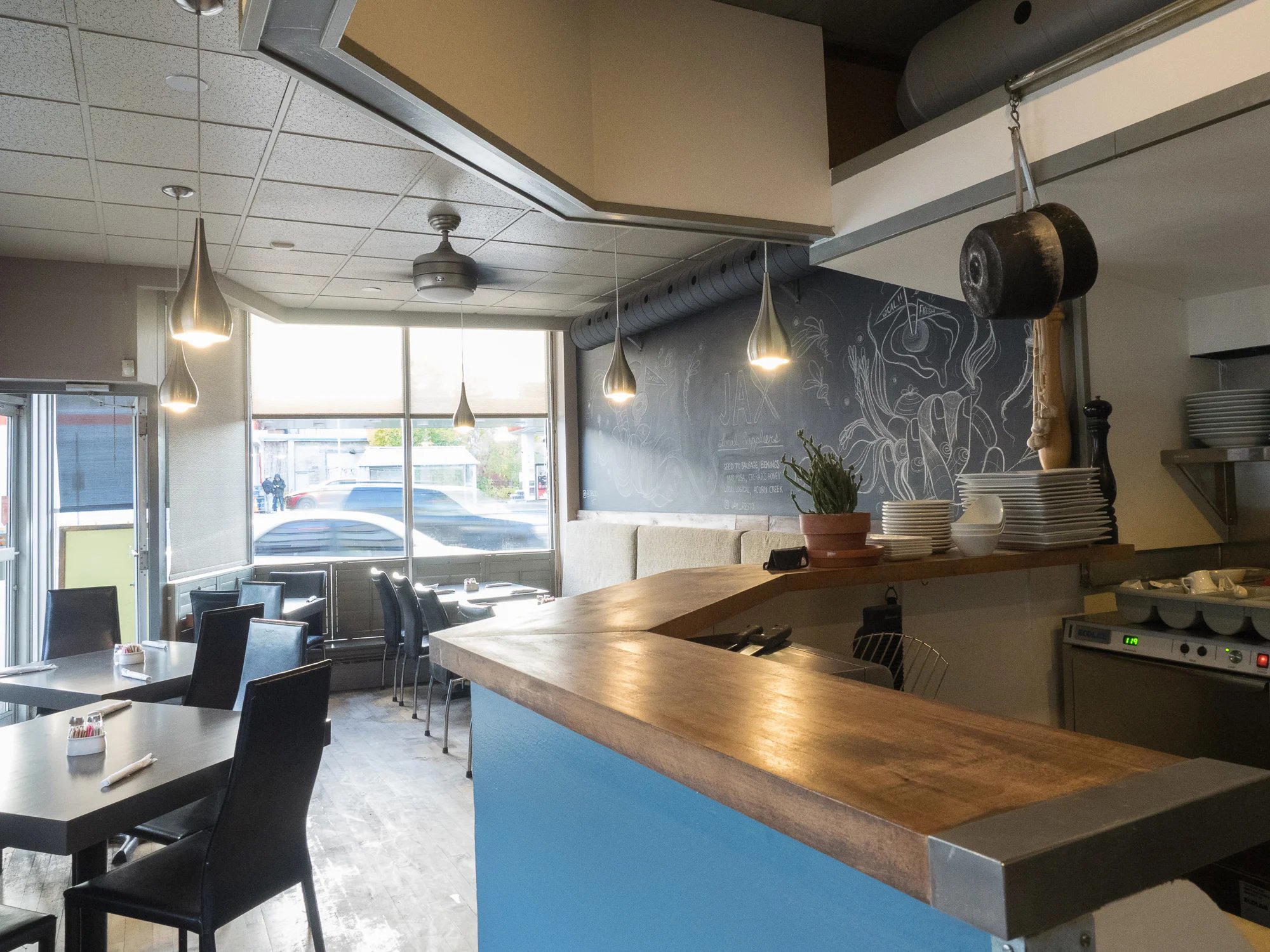
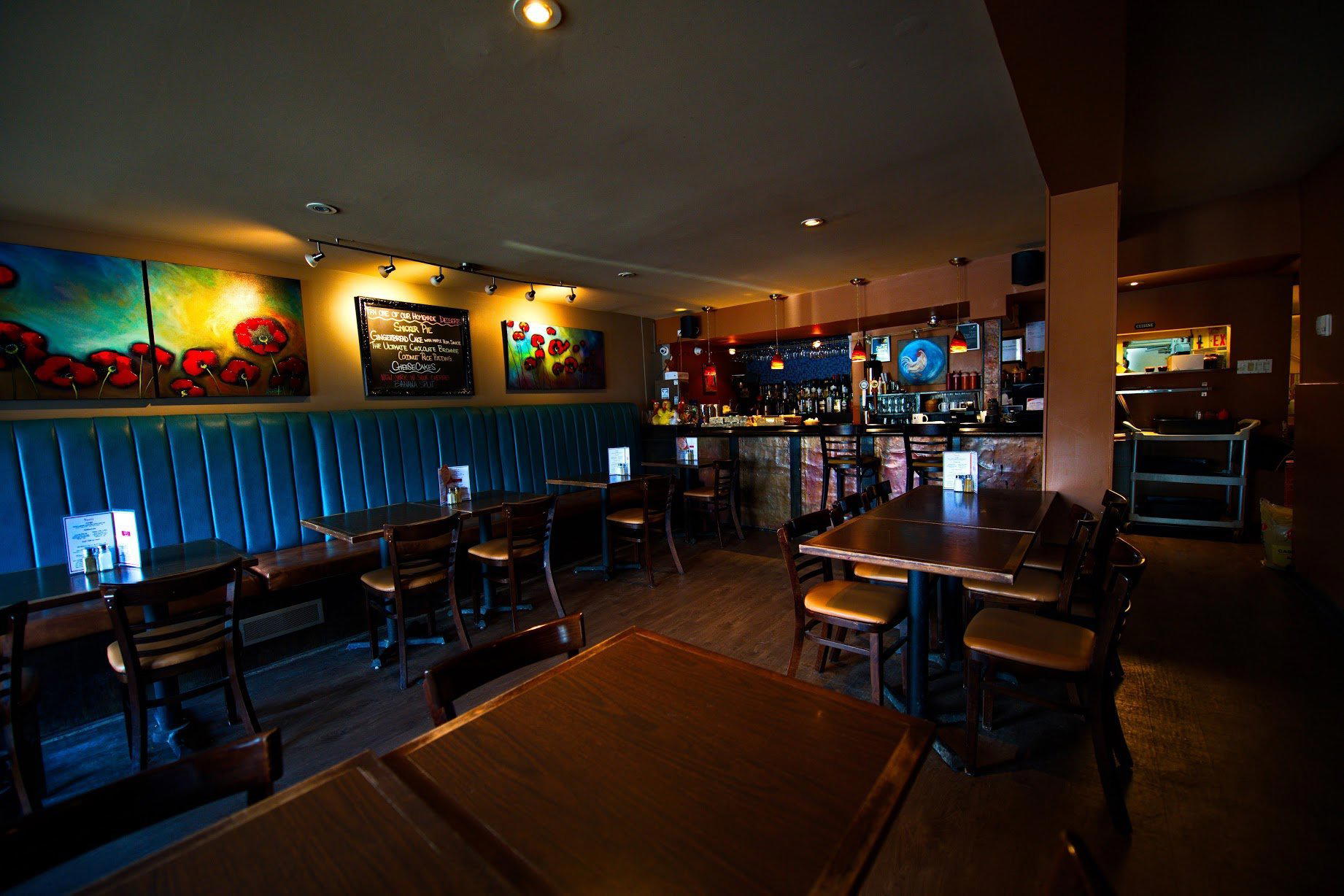
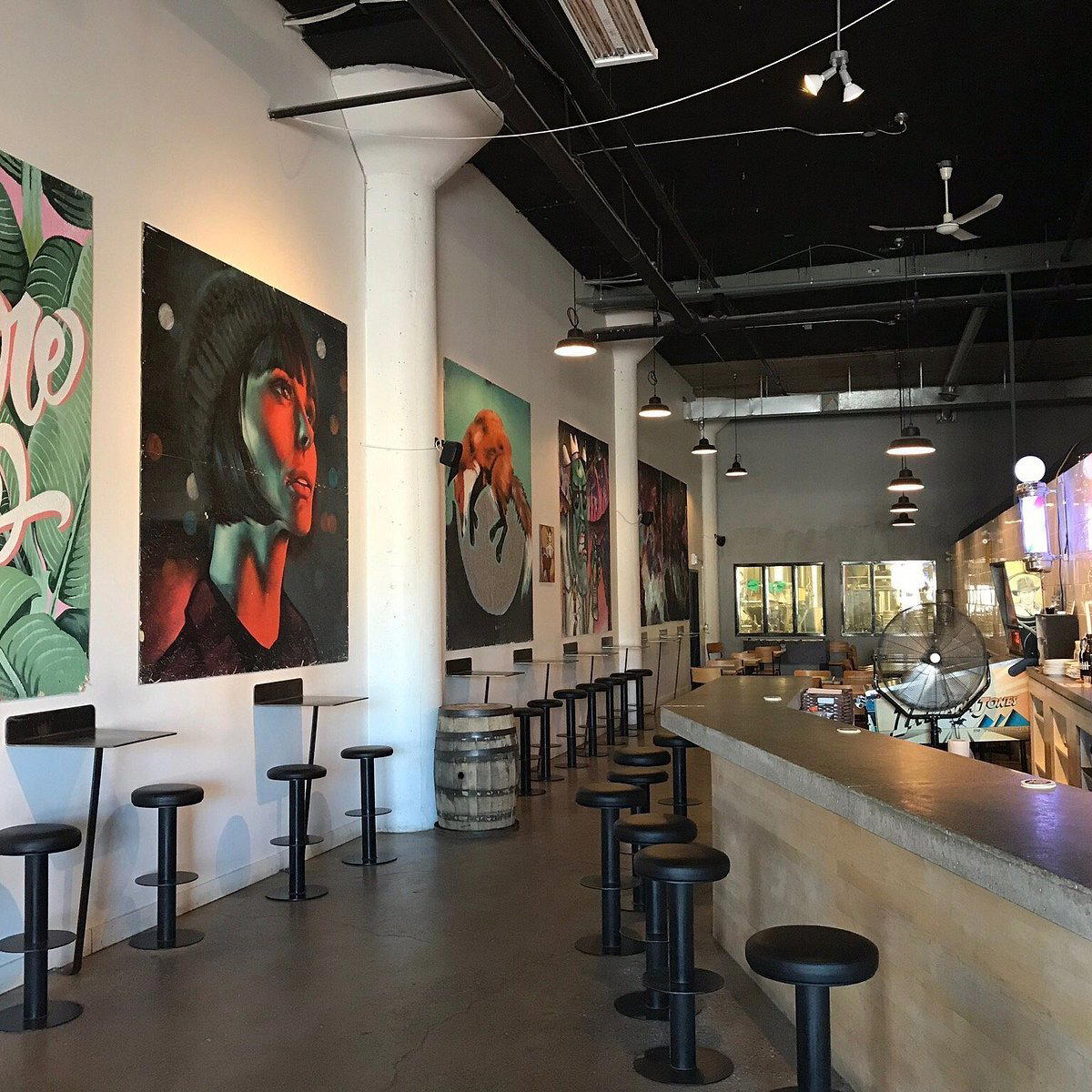
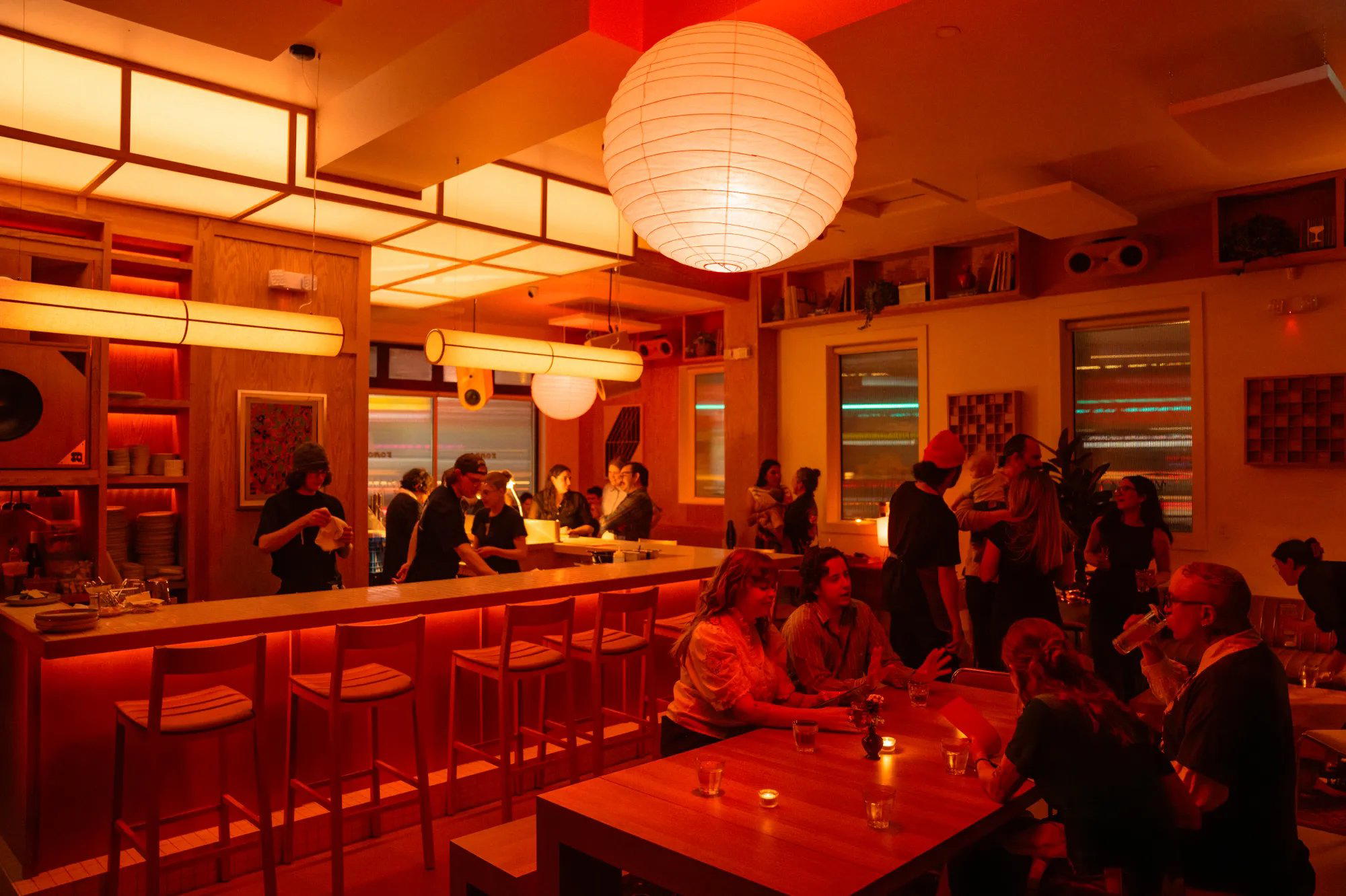
Cozy and warm with jazzy background music, open kitchen ballet-like interaction, and an inviting atmosphere that feels like a collective menu progression.