Our verdict
On Wellington Street West, Absinthe occupies a stretch of Ottawa's Hintonburg neighbourhood that has grown into one of the city's more serious dining corridors. The kitchen works within a French-influenced framework that has made it a reference point for the kind of considered, ingredient-led cooking that defines Ottawa's upper-mid tier. Reservations are advised, particularly on weekends.

Pearl is the En Primeur Club membership app, where members save venues, book tables and use the concierge.
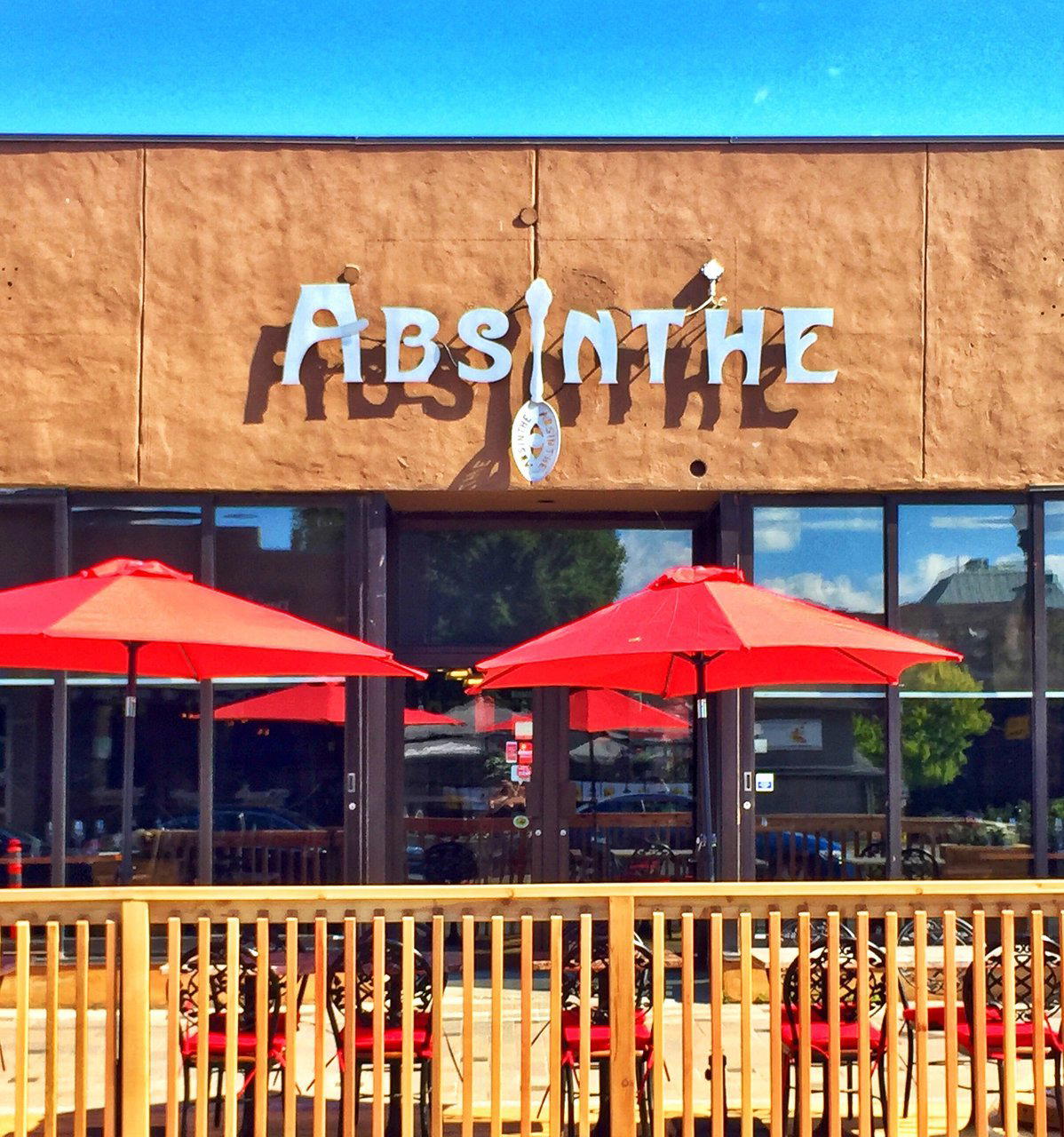
Wellington West and the Making of Ottawa's Serious Dining Corridor
There is a particular kind of neighbourhood restaurant that a city's dining culture depends on: not the headline tasting-menu destination that draws out-of-town press, but the anchor address that gives a street its culinary identity. Wellington Street West in Ottawa's Hintonburg district has developed into exactly that kind of corridor over the past decade, and Absinthe, at 1208 Wellington St. W, has been part of that development long enough to qualify as one of its defining fixtures.
The street now sits alongside Elgin and Preston as one of the corridors locals point to when they want to make the case that Ottawa's restaurant scene has matured beyond its civil-servant-and-expense-account reputation. That argument carries more weight than it once did. The capital has seen a steady accumulation of kitchens that treat sourcing and technique as primary obligations rather than marketing language, and Wellington West has more than its share of them. Absinthe fits inside that pattern rather than standing apart from it, which is precisely why it matters to anyone mapping the city's dining geography. For a broader survey of where the city stands, the full Ottawa restaurants guide provides the wider context.
French Roots, Canadian Address
French-influenced cooking in Canada carries a specific weight that it does not carry in most other contexts. The tradition arrives through two distinct channels: the Québécois lineage that runs from farmhouse cuisine through the modernist ferment that produced places like Tanière³ in Quebec City, and the classical French training that shaped a generation of anglophone Canadian chefs who came up through brigades rather than through regional tradition. Absinthe draws from the second stream.
Classical French technique in a neighbourhood setting means something specific on the plate: stocks reduced properly, proteins treated with attention to resting time and temperature, sauces that exist because the food requires them rather than because the menu needs a description. It also means a wine program oriented toward France and its immediate satellites, even in a country whose own wine regions, from Niagara to the Okanagan, are producing bottles worth serious attention.
The distinction between a French-trained kitchen and a French restaurant matters here. Absinthe is not a bistro in the Parisian sense, and it does not perform that identity. It is a Canadian restaurant that uses French methodology as its structural vocabulary, which allows the kitchen to engage with local ingredients without abandoning the discipline that makes the cooking coherent.
Where Absinthe Sits in Ottawa's Competitive Set
Ottawa's upper tier divides, roughly, between progressive Canadian rooms and kitchens that work within more established European frameworks. On the progressive side, Atelier remains the city's most discussed tasting-menu address, running a format that has no prix-fixe menu and requires a degree of surrender from the diner that not everyone is prepared to offer. Absinthe operates in a different register: more legible, more accommodating of diners who want to order recognisably rather than commit to a full experimental sequence.
That positioning is not a compromise. It reflects a different set of priorities, one that values accessibility within quality rather than difficulty as a signal of seriousness. The comparison matters because Ottawa diners who want the full progressive-Canadian format already have Atelier. What Absinthe provides is a French-grounded alternative that sits in the same general price bracket without replicating the same experience. Other Ottawa rooms worth considering alongside it include Alice, Aiana Restaurant, Alora, and Al's Steakhouse for those seeking a protein-forward format. For something with a different cultural register entirely, A La Istanbul Turkish Cuisine offers a useful contrast on the same broader street network.
At the national level, the reference points for what Absinthe is attempting are places like Alo in Toronto and AnnaLena in Vancouver: rooms that have resolved the tension between European training and Canadian address by treating local ingredients as the subject and classical technique as the method. The more rural end of that tradition runs through places like Eigensinn Farm in Singhampton and Restaurant Pearl Morissette in Lincoln, where the farm itself becomes part of the editorial argument. Absinthe makes that argument from a city address, which requires a different kind of sourcing discipline.
The Atmosphere and What It Signals
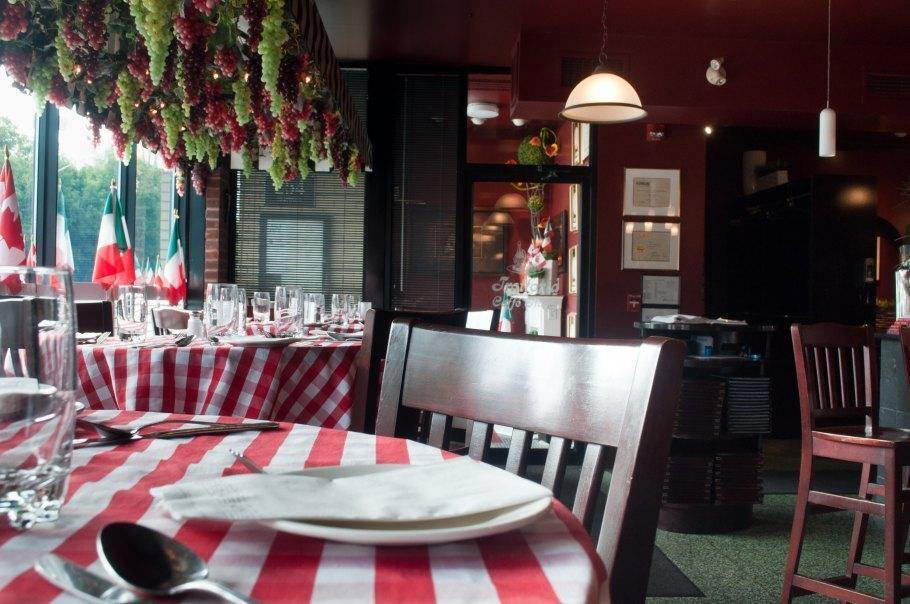
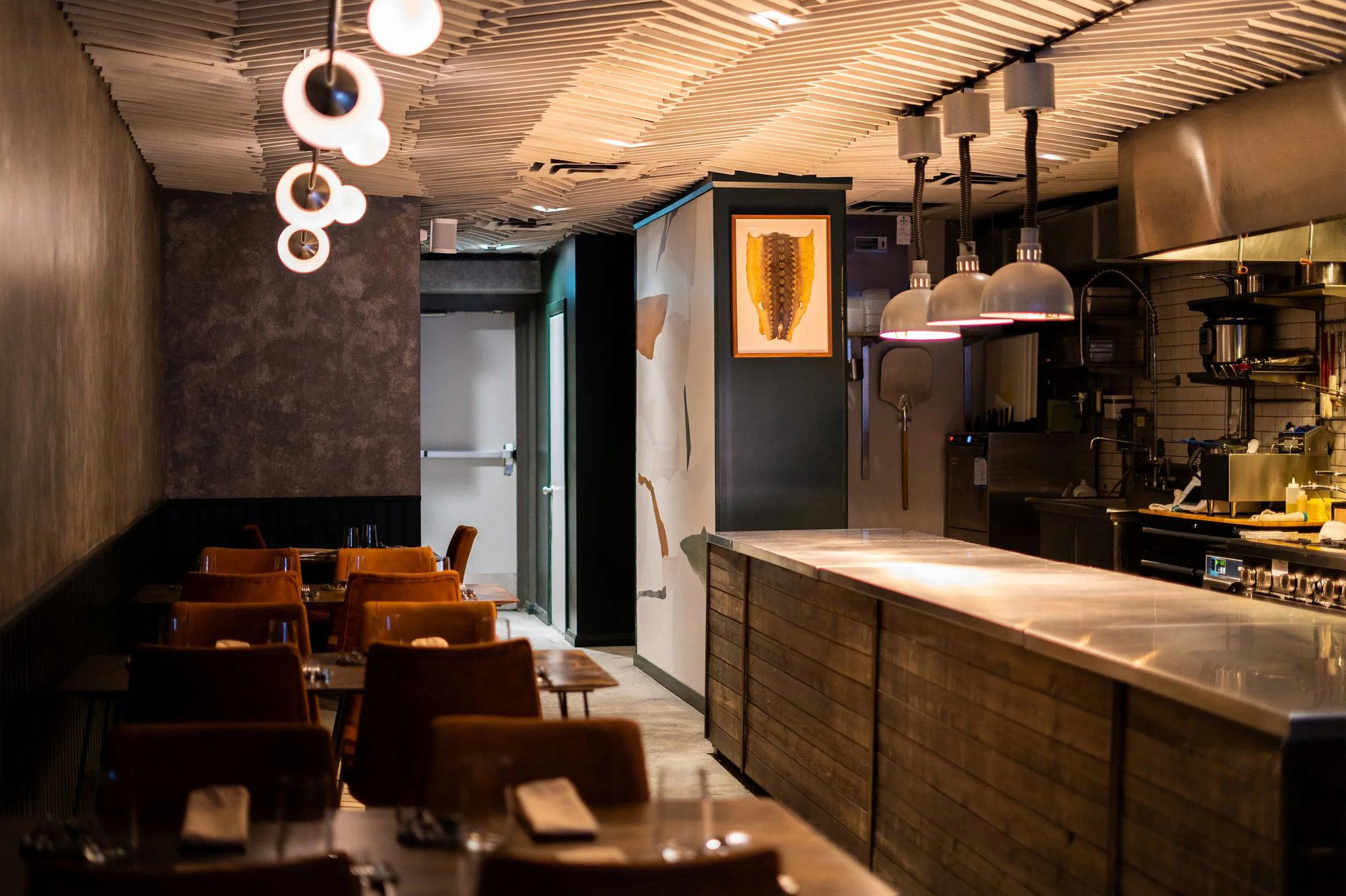
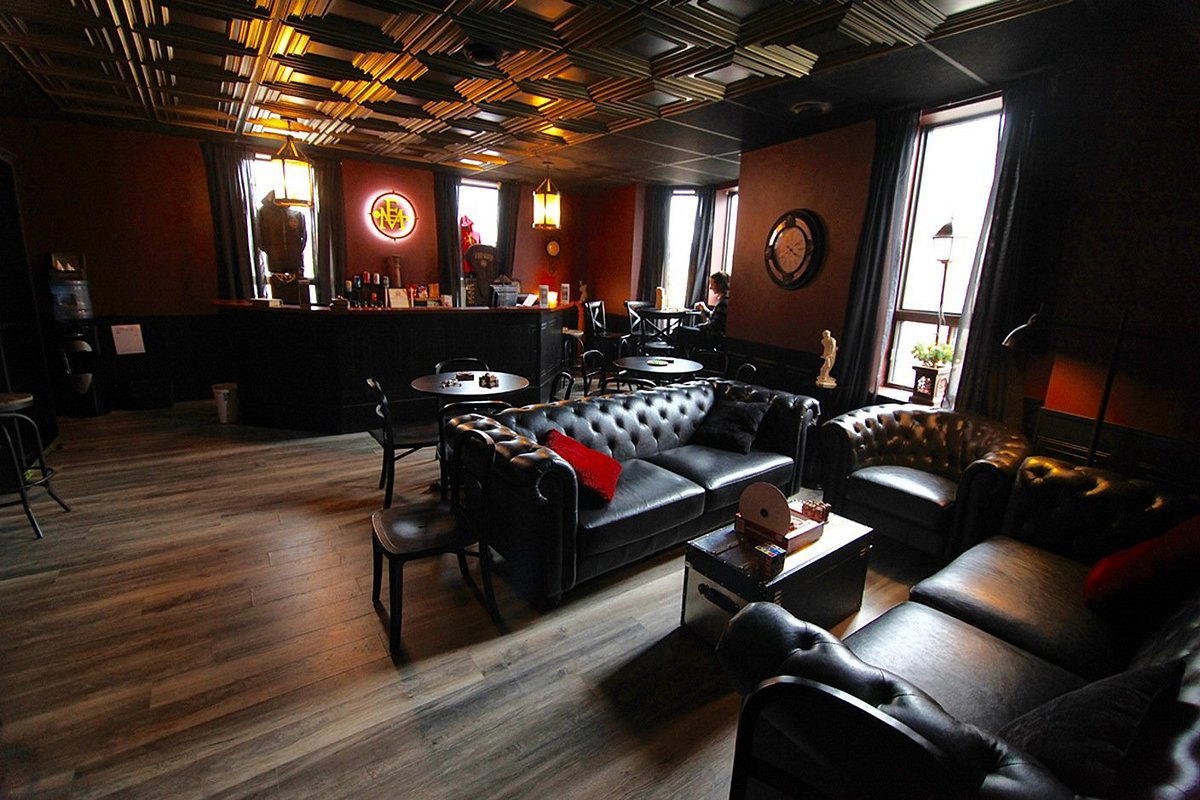
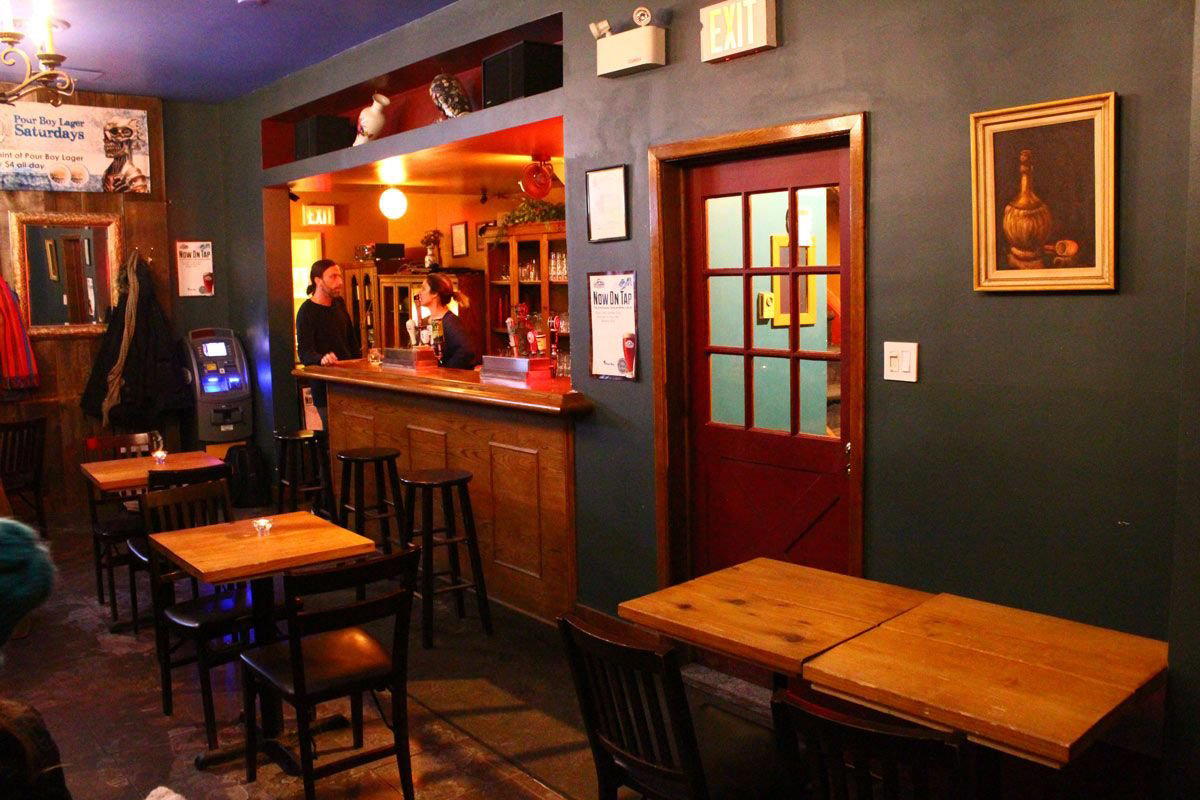
Walking into Absinthe from Wellington Street West, you are entering a room that belongs to the neighbourhood rather than performing indifference to it. The proportions are modest, the light measured, the noise level pitched for conversation rather than energy management. These are not incidental details. A room of this type operates on the assumption that the diner has come to eat rather than to be seen eating, which shapes everything from table spacing to the pace of service.
That atmosphere places Absinthe in a specific category of urban dining room: the kind that accumulates a loyal neighbourhood following before it accumulates press, and whose reputation travels by recommendation rather than by review cycle. It shares that character with places like The Pine in Creemore and, at a different scale, Narval in Rimouski, where the physical setting and the culinary ambition are calibrated to each other rather than in competition. For a venue at the more extreme end of that logic, Fogo Island Inn Dining Room and Lazy Bear in San Francisco demonstrate how far the format can stretch when setting and sourcing are treated as inseparable. And for a counterpoint that prioritises directness over atmosphere, Busters Barbeque in Kenora operates on entirely different premises.
Planning Your Visit
Absinthe is located at 1208 Wellington St. W in Hintonburg, reachable by transit or a short drive from the city centre. Wellington West restaurants at this level tend to fill Thursday through Saturday evenings at least a week in advance, and Absinthe's standing in the neighbourhood means walk-in availability on those nights is not reliable. Booking ahead is the practical position. Lunch and early-week evenings offer more flexibility for those with schedule constraints. Given that the venue has been part of the Wellington West corridor long enough to have developed a loyal repeat clientele, weekend tables at prime times warrant the most lead time.
Frequently asked questions
What part of town is Absinthe in?
Absinthe is located at 1208 Wellington St. W, Ottawa, ON K1Y 2Z7, Canada, Ottawa.
Is Absinthe in Ottawa suitable for a special occasion dinner?
Absinthe's French-influenced format and its standing as one of the more serious kitchens on Wellington Street West make it a natural choice for a dinner with some weight to it. The room in Hintonburg belongs to the neighbourhood without being casual in any way that would undercut the occasion. It occupies a position in Ottawa's upper tier of European-framework restaurants, which places it alongside rooms where the cooking is the point.
What do people recommend at Absinthe?
Absinthe's reputation in Ottawa is built on its French-influenced kitchen, and regulars tend to return for the cooking that sits within that tradition rather than chasing trends. The room at 1208 Wellington St. W draws a neighbourhood crowd that takes the food seriously, which is itself a reliable signal of where the kitchen's strengths lie.
How far ahead should I plan for Absinthe?
Absinthe holds a loyal following in Ottawa's Wellington West corridor, and tables at well-regarded neighbourhood rooms in that stretch fill faster than their low profiles suggest. A week's notice is a reasonable minimum for weekday visits; weekend reservations warrant two to three weeks of lead time, particularly in the colder months when Ottawa dining crowds consolidate indoors. Checking availability directly through the restaurant is the most reliable approach.
How It Stacks Up
Comparable venues nearby, for context on price, style, and recognition.
| Venue | Cuisine | Price | Awards | Notes |
|---|---|---|---|---|
| AbsintheThis venue (the venue you are viewing) | Modern French Bistro | $50–100 | Not listed | Not listed |
| Le St. Laurent | Modern French-Canadian Fine Dining | $50–100 | Not listed | CFB Ottawa North |
| Giovanni's Restaurant | Authentic Italian Trattoria | $50–100 | Not listed | Little Italy |
| Stofa Restaurant | Contemporary Canadian | Not listed | Not listed | Hintonburg |
| Buvette Daphnée | French-Canadian Wine Bar | $50–100 | Not listed | ByWard market |
| Gitanes | Modern French Bistro | $100–150 | Star Wine List | Golden Triangle |