Our verdict
Alice occupies a quietly residential corner of Ottawa's Centretown at 40 Adeline Street, operating in the smaller, more considered tier of the city's progressive dining scene. Its address places it away from the tourist circuit, drawing a crowd that books deliberately rather than stumbles in. For Ottawa diners tracking where serious cooking is happening outside the established flagship addresses, Alice is part of that conversation.

Pearl is the En Primeur Club membership app, where members save venues, book tables and use the concierge.

Where Ottawa's Quieter Dining Ambition Lives
Ottawa's restaurant scene has spent the better part of a decade bifurcating. On one side sit the high-profile progressive tasting rooms, the kind that draw national press and operate on months-long waitlists. On the other, a smaller cluster of neighbourhood-rooted addresses has emerged, operating with less fanfare but comparable seriousness. Alice, at 40 Adeline Street in Centretown, belongs to the latter category. The address itself signals something: Adeline Street is residential, unhurried, and conspicuously removed from the tourist corridors around Parliament Hill and the ByWard Market. Coming here requires intent.
That geographic positioning is not incidental. Across Canadian cities, the restaurants generating the most sustained critical interest have increasingly moved away from high-traffic central locations. AnnaLena in Vancouver built its reputation in Kitsilano rather than downtown. The Pine in Creemore operates entirely outside a major urban centre. The logic is consistent: remove yourself from the foot-traffic economy and you attract a different kind of diner, one arriving with sharper expectations and greater patience. Alice's Centretown positioning follows that same pattern.
The Architecture of the Menu
In the absence of a published menu or confirmed cuisine type in the public record, what can be said about Alice is structural rather than specific. The address and the venue's positioning within Ottawa's smaller, more deliberate dining tier suggest a format oriented toward considered, course-based eating rather than à la carte browsing. This is a distinction that matters. When a restaurant removes the casual optionality of a full à la carte menu, it is making an editorial decision about pacing and sequence. The kitchen controls the narrative; the diner agrees to follow it.
This model has become increasingly common at the serious end of Canadian regional dining. Tanière³ in Quebec City commits to tasting formats that move through local and foraged ingredients in a sequence the kitchen dictates. Alo in Toronto operates a fixed menu that has remained one of the country's most cited benchmarks for French-influenced progressive cooking. Restaurant Pearl Morissette in Lincoln pairs tasting menus with natural wine in a way that treats the two as genuinely inseparable. What these restaurants share is a conviction that the menu's structure is itself a form of communication, not merely a list of available dishes.
If Alice operates within that tradition, the relevant question is what its particular sequence reveals about its kitchen's priorities. Ottawa's geography places it at the intersection of Quebec produce culture and Ontario's agricultural network, giving any serious kitchen here access to a dual pantry. That positioning, between two of Canada's most culinarily productive provinces, is a resource that the city's better restaurants have only recently begun to exploit systematically.
Ottawa's Progressive Tier and Where Alice Sits
Ottawa has historically operated in Toronto and Montreal's shadow when the national dining conversation begins. That gap has narrowed. Atelier, operating as a progressive Canadian address in the city, demonstrated that Ottawa could sustain a technically ambitious tasting format without a celebrity-city address. Absinthe has held its position as one of the city's more consistent French-leaning addresses. Aiana Restaurant operates in the contemporary Canadian register. Alora and Al's Steakhouse anchor different ends of the city's mid-to-upper dining range. The point is that Ottawa now has sufficient depth in its serious dining tier to sustain genuine critical comparison between its own addresses, rather than simply measuring itself against larger cities.
Alice enters that comparison as a venue that has chosen a residential, low-visibility location, which in this context reads as a marker of confidence rather than obscurity. Restaurants that depend on walk-in trade and tourist visibility operate under entirely different constraints than those relying on word-of-mouth and deliberate booking. Alice's Adeline Street address places it firmly in the latter category, alongside a small cohort of Canadian restaurants that have made geography a deliberate part of their identity. Eigensinn Farm in Singhampton and Fogo Island Inn Dining Room in Joe Batt's Arm represent the extreme version of that logic. Alice operates closer to the urban end of that spectrum, but the underlying signal is similar.
Planning a Visit
Alice sits in Centretown, accessible from central Ottawa without significant travel time, though its residential setting means the surrounding block offers little in the way of pre-dinner bar options or post-dinner foot traffic. Plan accordingly. Given the venue's positioning in the quieter, more serious end of Ottawa's dining tier, booking ahead is advisable; restaurants at this level and format typically do not hold tables for walk-ins. For a fuller picture of Ottawa's dining scene across price points and styles, the EP Club Ottawa restaurants guide covers the city's key addresses in comparative context.
For those travelling from elsewhere in Canada with Alice as the draw, it is worth noting that Ottawa pairs well as a destination with Quebec City's dining circuit, where Tanière³ operates at a different but comparable level of ambition. The two cities are connected by road and represent meaningfully different expressions of serious Canadian regional cooking. Internationally, those benchmarking Alice against rooms at a similar tier might look at Le Bernardin in New York City or Lazy Bear in San Francisco for how fixed-format, cook-led dining operates at its most developed.
Ottawa's dining scene also includes addresses worth combining on the same visit: A La Istanbul Turkish Cuisine offers a sharp contrast in format and tradition, while Jérôme Ferrer's Europea in Montreal and Narval in Rimouski sit within the broader Quebec dining circuit for those extending their trip. Busters Barbeque in Kenora represents the other end of the Canadian register entirely, a useful reminder of how wide the country's serious eating spans.
Frequently asked questions
Where is Alice in Ottawa?
Alice is located at 40 Adeline St, Ottawa, ON K1S 3L3, Canada, Ottawa.
Is Alice in Ottawa suitable for a special occasion dinner?
Alice's address at 40 Adeline St places it in a quiet residential pocket of Centretown, away from Ottawa's busier dining corridors, a setting that suits occasions where the meal itself is the event rather than the street energy around it. No awards are listed in the public record, but its standing within Ottawa's progressive dining conversation points to a room with a specific point of view. Price range is not confirmed publicly, so contacting Alice directly before booking is advisable if budget is a factor.
What do people recommend at Alice?
What Ottawa diners consistently note is the considered approach to the menu's structure rather than any single standout plate. For current recommendations, checking recent local coverage from Ottawa food writers is the most reliable route. Check the venue's official channels for the latest details.
How hard is it to get a table at Alice?
Alice operates out of a residential stretch in Ottawa's Centretown, which limits walk-in traffic and keeps the room small by default. No booking data is published, but its position within Ottawa's emerging progressive dining tier, alongside venues like Atelier, which books weeks out, suggests reservations are advisable rather than optional. Contacting Alice directly ahead of your intended date is the practical approach.
What's Alice best at?
Based on its placement in Ottawa's Centretown and the structural reading of how it fits within the city's progressive dining conversation, Alice appears to prioritise considered, deliberate menus over broad crowd-pleasing formats. It occupies a quieter register in the Ottawa scene, which is itself a positioning choice.
Can Alice adjust for dietary needs?
No dietary accommodation policy is documented in Alice's public record. At restaurants operating at this level of intentionality in Ottawa's progressive tier, kitchen flexibility tends to exist but often requires advance notice at booking. Reaching out directly before your reservation is the most reliable way to confirm what adjustments are possible.
Reputation Context
| Venue | Cuisine | Price | Awards |
|---|---|---|---|
| AliceThis venue (the venue you are viewing) | Modern Vegetarian Fermentation Tasting | Not listed | Not listed |
| Atelier | Modernist Fusion Tasting Menu | $200–300 | Canada's 100 Best Restaurants #54 · The Best Chef One Knife |
| ARLO | Modern Canadian Wine Bar | $50–100 | Canada's 100 Best Restaurants #77 |
| Gitanes | Modern French Bistro | $100–150 | Star Wine List |
| PERCH | Modern Tasting Menu | $150–200 | Canada's 100 Best Restaurants #95 |
| RIVIERA | New Canadian with Mediterranean Influences | Not listed | Canada's 100 Best Restaurants #88 |
Continue exploring
More in Ottawa
Restaurants in Ottawa
All restaurants in Ottawa →

Details
- Modern
- Intimate
- Cozy
- Special Occasion
- Date Night
- Open Kitchen
- Natural Wine
- Local Sourcing
- Tasting Menu
- Vegetarian Friendly
- Vegan Options
- Gluten Free Options
Current opening hours
- Monday
- 9 AM–3 PM
- Tuesday
- 9 AM–3 PM
- Wednesday
- 9 AM–3 PM
- Thursday
- 9 AM–3 PM
- Friday
- 9 AM–3 PM
- Saturday
- 9 AM–3 PM
- Sunday
- 9 AM–3 PM
Hours can change for holidays and private events. Last verified .
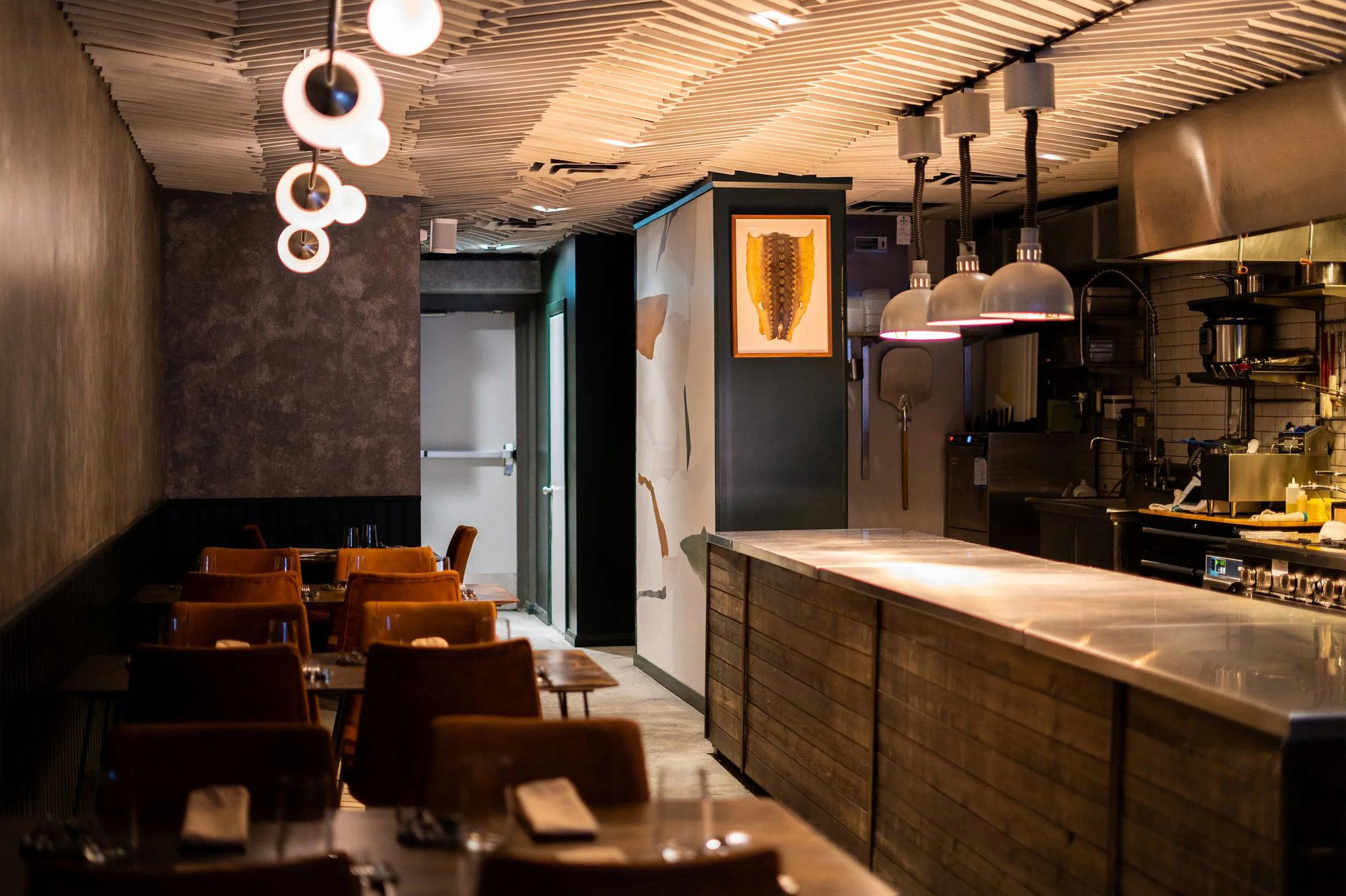
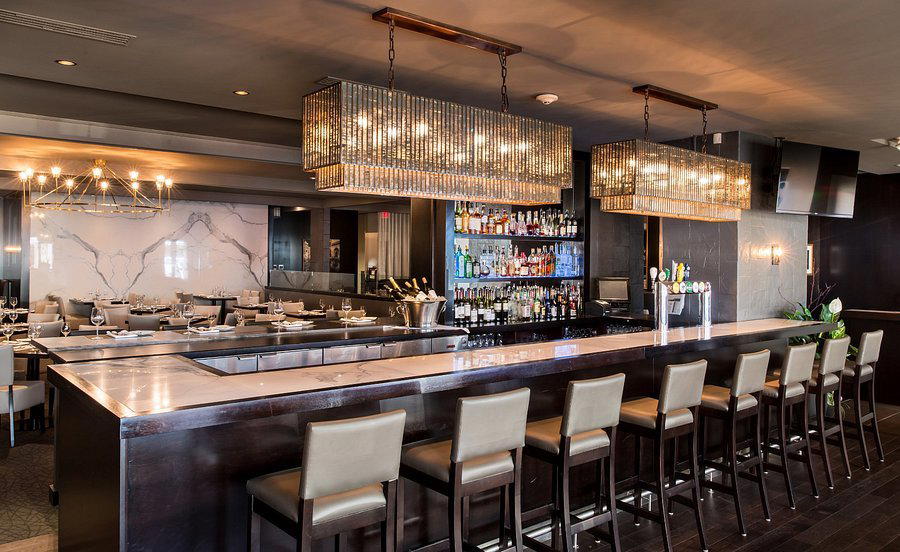
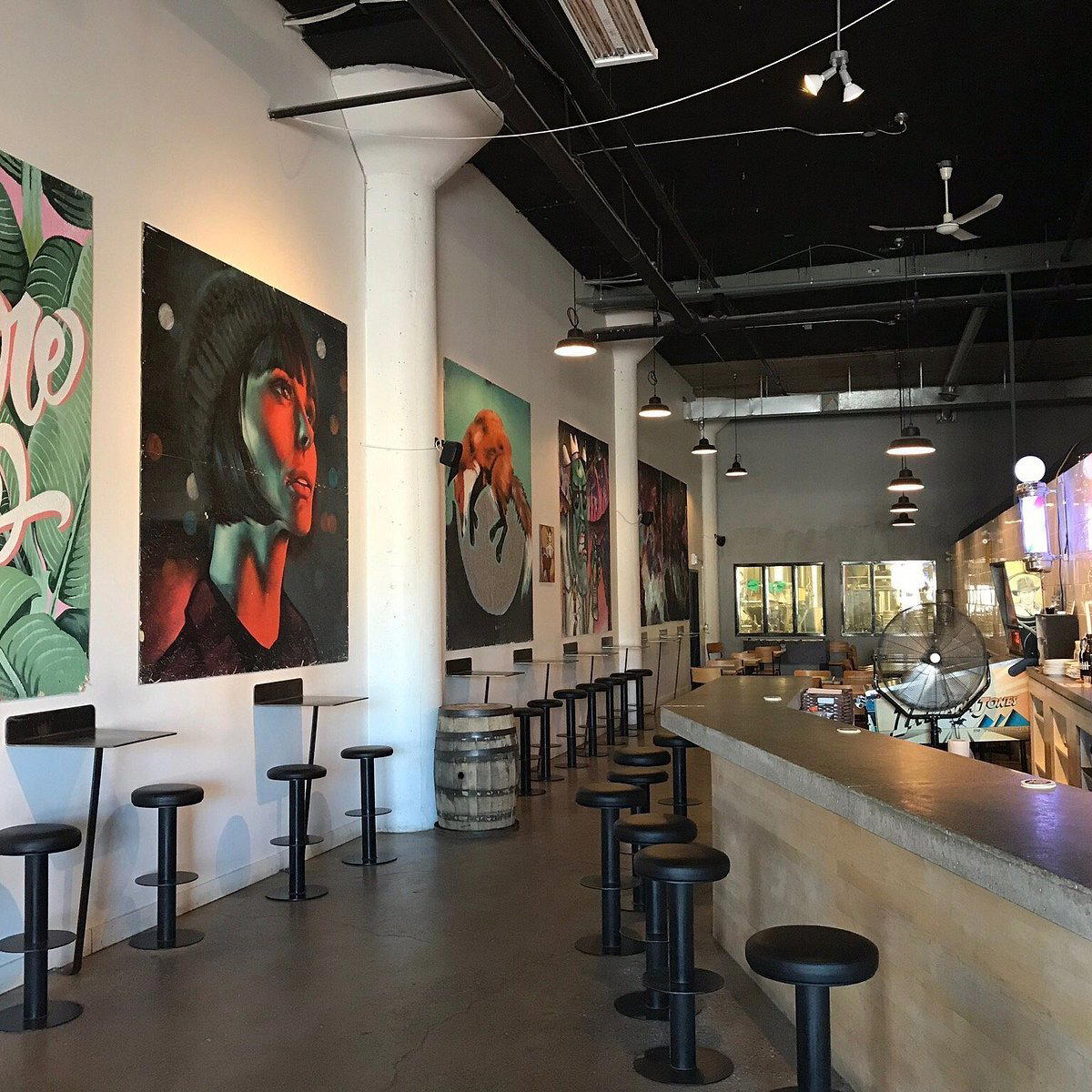
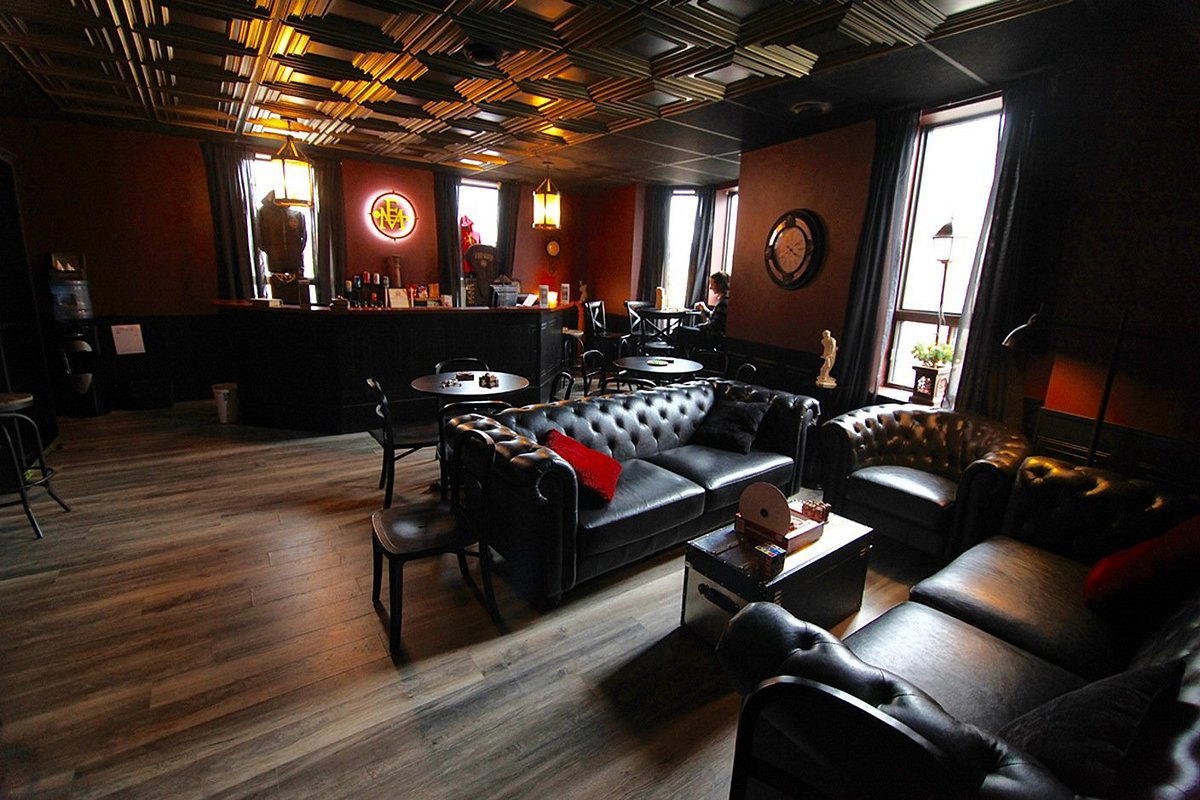
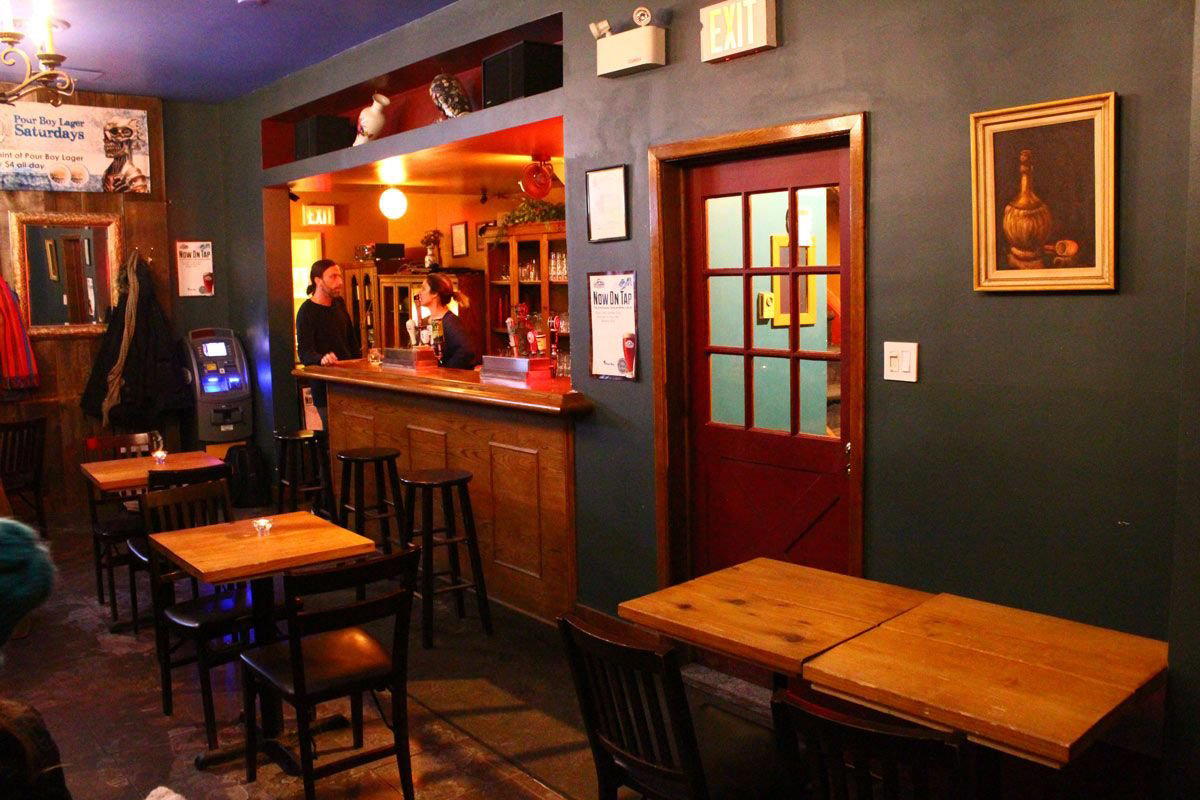
Intimate 28-seat space with a wall-sized fermentation cabinet and high-top kitchen overlook, creating a modern, cozy atmosphere.