
Wine Spectator Best of Award of Excellence
Our verdict
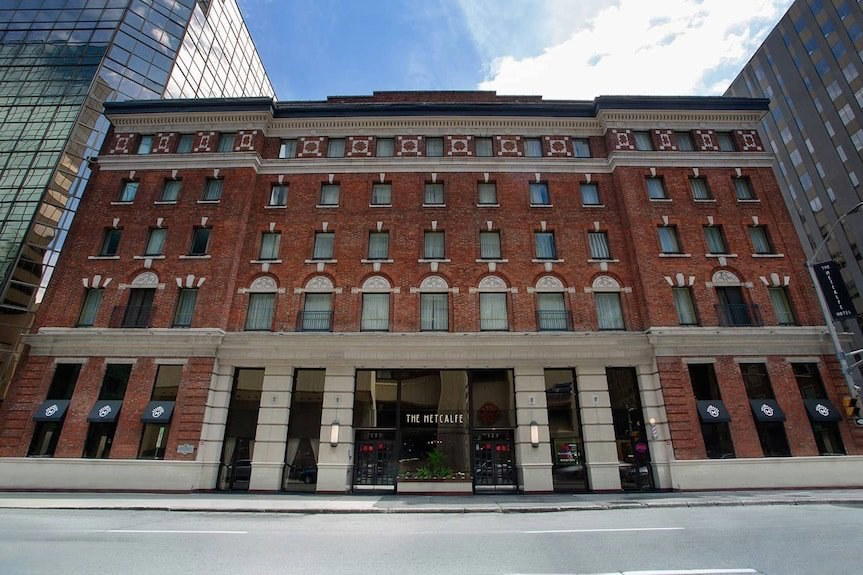
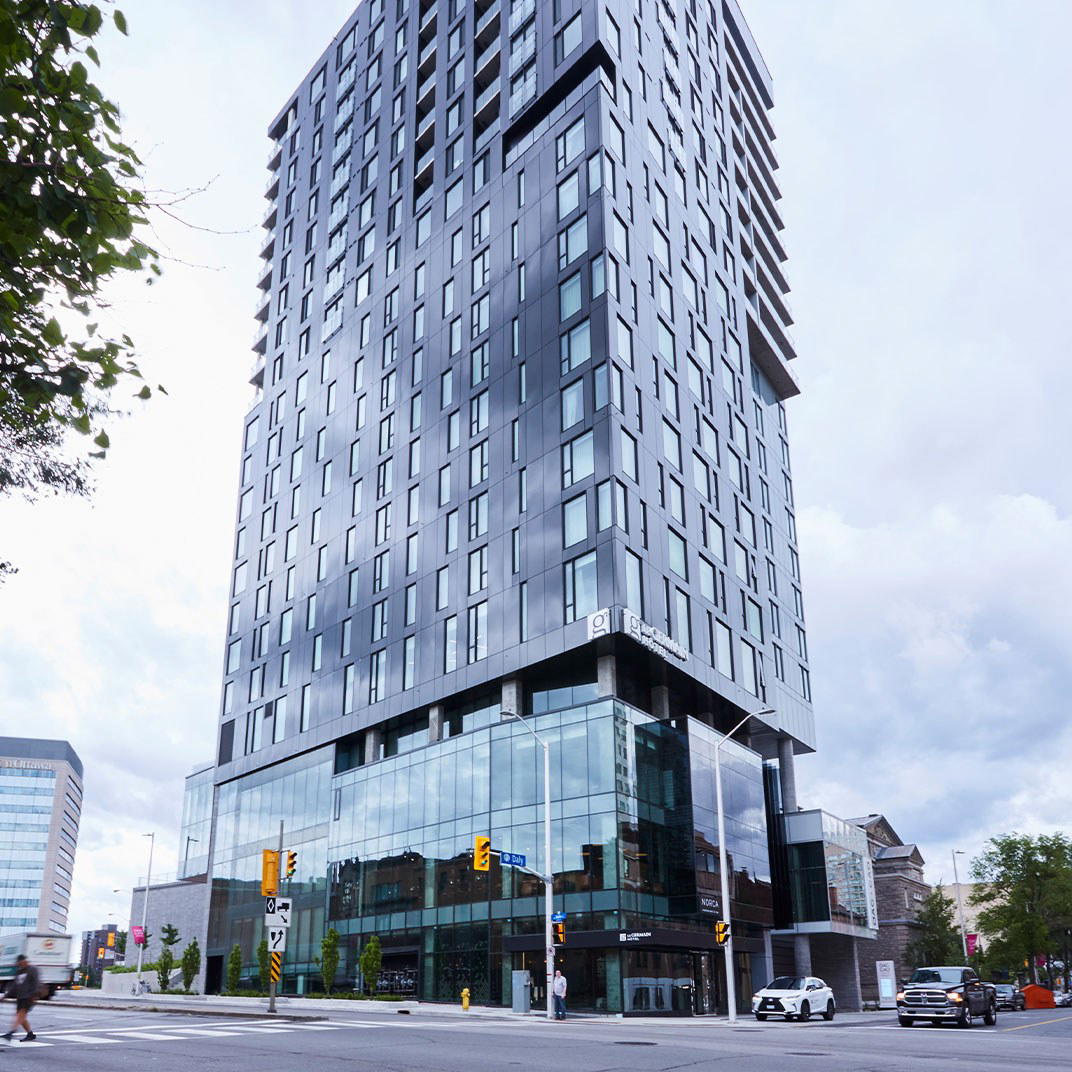
Positioned in the financial and governmental core of downtown Ottawa at 50 O'Connor Street, Aiana Restaurant operates in a district where power lunches and after-work tables set the rhythm. In a city where serious dining is spread thin across a handful of ambitious addresses, Aiana holds a place worth understanding before your next Ottawa visit.

Pearl is the En Primeur Club membership app, where members save venues, book tables and use the concierge.
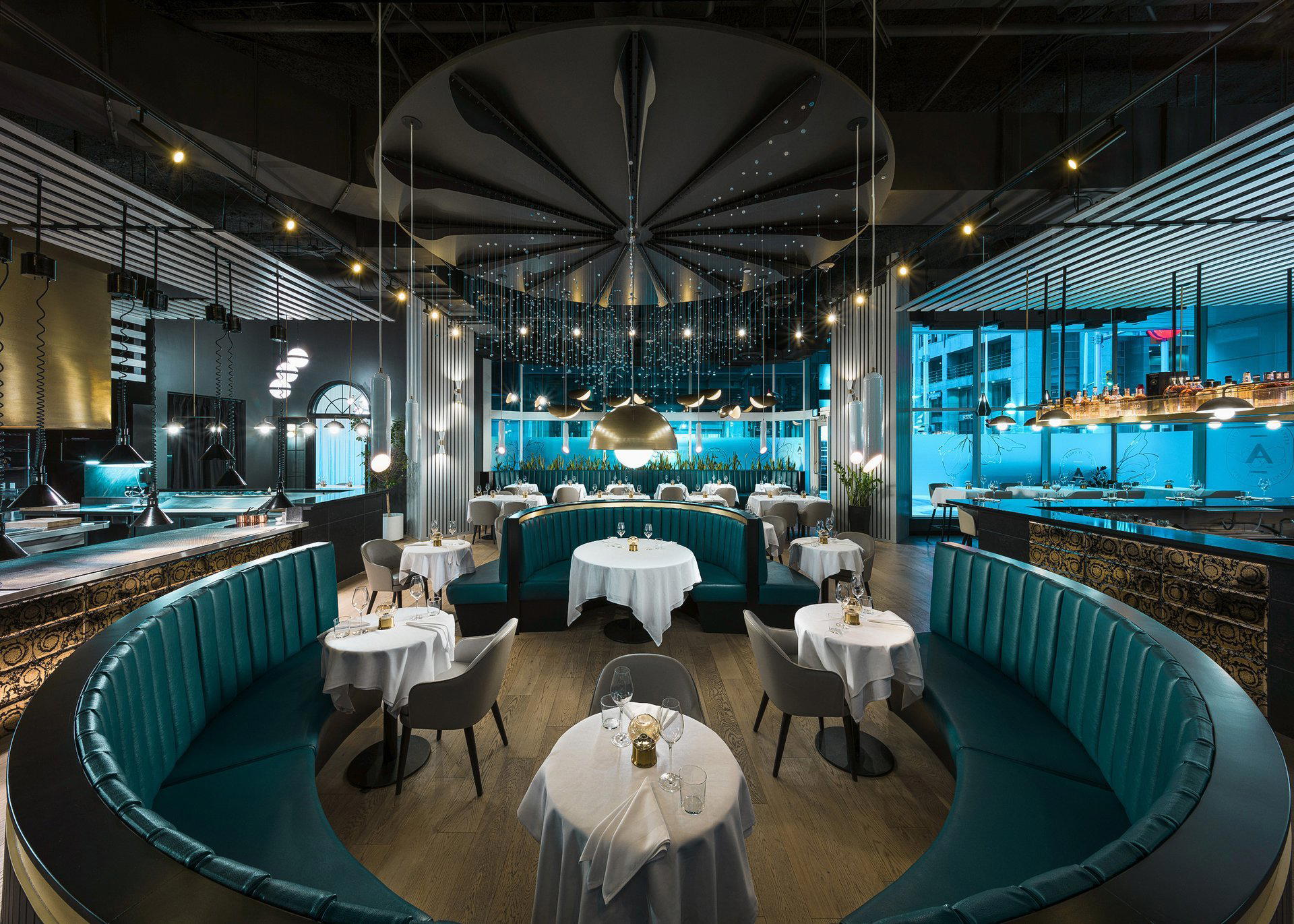
Where the Civic Core Meets the Dining Room
Downtown Ottawa's O'Connor Street corridor sits at the intersection of federal government offices, Bay Street-adjacent law firms, and the kind of foot traffic that demands restaurants capable of handling both a 12:30 working lunch and a considered dinner booking. The address at 50 O'Connor places Aiana squarely in that zone, a few blocks from Parliament Hill and within easy reach of the Shaw Centre and Rideau Centre. It is the sort of location that in other capitals would guarantee a certain institutional blandness, yet Ottawa's better dining rooms in this district have learned to work against type.
Ottawa's downtown restaurant scene occupies a peculiar middle ground in Canadian dining. It is neither as competitive nor as celebrated as Toronto or Montreal, which means that ambitious restaurants here operate with less peer pressure but also less critical scaffolding. Visitors arriving from cities like Toronto, where Alo has defined what a tasting-menu benchmark looks like, or from Quebec City, where Tanière³ anchors the fine dining conversation, often arrive in Ottawa without a calibrated map of what the city's upper tier actually delivers. Aiana Restaurant is one of the addresses worth plotting on that map.
The O'Connor Dining District in Context
The blocks surrounding 50 O'Connor contain a concentration of Ottawa restaurants that collectively illustrate the city's range. Absinthe has long held a position as one of the city's more considered French-influenced dining rooms, while Alice and Alora occupy newer entries in Ottawa's evolving dining conversation. Further afield, Al's Steakhouse draws the steak-and-sides crowd that any business-district neighbourhood generates. The presence of A La Istanbul Turkish Cuisine nearby signals the broader ethnic diversity that Ottawa's restaurant community has developed over the past decade, pulling the city's dining offer beyond its historically French-English binary.
That clientele tends to reward consistency and room quality as much as creative ambition, which has historically shaped what downtown Ottawa restaurants prioritise. The more progressive kitchens in Canada's capital, including the widely referenced Atelier on Rochester Street, have generally needed to sit slightly outside the core to build the kind of cult following that sustains genuinely experimental work.
Ottawa Within the Broader Canadian Dining Conversation
Canada's restaurant scene in 2024 has fragmented interestingly across its major cities and some of its smaller ones. Restaurant Pearl Morissette in Lincoln and Eigensinn Farm in Singhampton represent the destination-dining end of the Ontario spectrum, where the drive is part of the proposition. The Pine in Creemore anchors a regional-produce story in a small-town setting. At the other geographic extreme, Fogo Island Inn Dining Room has made the case that radical remoteness can itself be a culinary credential. AnnaLena in Vancouver and Jérôme Ferrer's Europea in Montreal anchor their respective city's premium dining tiers with longevity and award recognition.
Ottawa sits in a different register from all of these. It is a city where dining has often been driven by diplomatic entertaining and government hospitality rather than by a food-media culture or a restaurant-investor class. That context shapes what restaurants at addresses like 50 O'Connor are built to do: service quality, room composure, and wine programs tend to be prioritised alongside kitchen ambition. Restaurants that succeed in Ottawa's downtown core tend to be those that understand this balance, rather than those that import a model from Toronto or Montreal without adjustment. For a broader orientation to where Ottawa dining sits across its neighbourhoods, the EP Club Ottawa restaurants guide maps the full field.
What the Location Signals About the Experience
The practical implications of the O'Connor Street address are worth understanding before booking. The neighbourhood is leading reached by foot from most central Ottawa hotels and is directly accessible via the Rideau or Parliament LRT stations. Parking in this district follows the standard downtown Ottawa logic: street parking is limited on weekdays, with garage options on adjacent blocks. The rhythm of the surrounding area means weekday lunch service tends to draw a professional crowd; evenings shift toward a mix of government and hospitality-sector diners and visitors staying in the central hotel corridor.
For a point of international reference, consider that restaurants operating in comparable civic-core locations in other capitals, from the area around the Treasury buildings in Washington D.C. to the Whitehall-adjacent dining rooms in London, often navigate a similar dual identity: serious enough for formal business, accessible enough for a well-organised tourist evening. Globally, the addresses that manage both functions without compromising either tend to invest heavily in room quality and service structure. Le Bernardin in New York City operates in a midtown business corridor yet maintains one of the most focused kitchen disciplines on the continent. Ottawa's ambitions are different in scale, but the underlying logic of location-versus-programme tension is the same. Lazy Bear in San Francisco offers a contrasting model: a communal dining format that works precisely because it resists the conventions of its urban setting.
For dining that sits outside the downtown core but within the Ottawa orbit, Busters Barbeque in Kenora and Narval in Rimouski illustrate how smaller Canadian cities are developing their own distinct dining identities, each shaped by geography and local ingredient access rather than by the conventions of a capital-city dining room.
Planning Your Visit
Aiana Restaurant's location at 50 O'Connor Street, Ottawa, places it within a ten-minute walk of most central Ottawa accommodation. Weekday evenings in Ottawa's downtown tend to see higher demand from the local professional and diplomatic community, so advance planning is advisable rather than walk-in assumptions, particularly if you are building a visit around a specific occasion.
Frequently asked questions
Where exactly is Aiana Restaurant?
Aiana Restaurant is located at 50 O'Connor St, Ottawa, ON K1P 6L2, Canada, Ottawa.
Is Aiana Restaurant a good option for a working lunch near Ottawa's Parliament Hill?
At 50 O'Connor Street, Aiana sits within the cluster of addresses that Ottawa's federal and professional communities use most for working meals, placing it closer to Parliament Hill and the core government precinct than most comparable dining rooms in the city. That geography matters for time-sensitive bookings where walking distance from major departments and committee buildings is a factor. EP Club will add cuisine and format detail as verified data becomes available.
What's the must-try dish at Aiana Restaurant?
EP Club's verified dataset does not currently include dish-level detail for Aiana Restaurant at 50 O'Connor Street. For current menu specifics, contacting the venue directly before your visit is the most reliable approach. Ottawa's serious dining rooms in this address tier typically rotate their menus seasonally, so asking about the kitchen's current focus is worthwhile.
What's the best way to book Aiana Restaurant?
Confirmed reservation channels for Aiana are not in EP Club's verified data at this time. For a restaurant at 50 O'Connor in Ottawa's downtown core, demand from the surrounding government and professional services offices tends to compress midweek lunch availability in particular.
What's the standout thing about Aiana Restaurant?
Aiana's position at 50 O'Connor places it inside Ottawa's civic and financial core, a location that few ambitious dining rooms in the city occupy. That address carries practical weight: the surrounding blocks house federal offices, major law firms, and professional service clusters, which sets a specific expectation for the kind of hospitality the room needs to deliver. Whether the kitchen meets or exceeds that expectation is something EP Club will document once full verification data is available.
Do they accommodate allergies at Aiana Restaurant?
At Ottawa restaurants operating in the downtown professional corridor, allergy communication before arrival is standard practice. Contacting Aiana directly at 50 O'Connor Street ahead of your booking is the appropriate step to confirm what the kitchen can accommodate.
A Minimal comparable set
Comparable venues nearby, for context on price, style, and recognition.
| Venue | Cuisine | Price | Awards | Notes |
|---|---|---|---|---|
| Aiana RestaurantThis venue (the venue you are viewing) | Modern Canadian Fine Dining | Not listed | Wine Spectator Best of Award of Excellence | Not listed |
| Stofa Restaurant | Contemporary Canadian | Not listed | Not listed | Hintonburg, Contemporary Canadian |
| Feast + Revel | New Canadian | $50–100 | Not listed | ByWard market, New Canadian |
| ZOE'S | Modern Canadian with Plant-Based Focus | $30–50 | Not listed | ByWard market, Modern Canadian with Plant-Based Focus |
| EkBar | Modern Indian Small Plates & Cocktails | $50–100 | Not listed | Little Italy, Modern Indian Small Plates & Cocktails |
| Daly's Restaurant | Canadian Breakfast Diner | $30–50 | Not listed | ByWard market, Canadian Breakfast Diner |
Recognition history
Dated appearances from independent guides and award organizations, with the underlying list record or original source where available.
Wine Spectator Best of Award of Excellence
Wine Spectator
Continue exploring
More in Ottawa
Restaurants in Ottawa
All restaurants in Ottawa →

Bars in Ottawa
All bars in Ottawa →

Aiāna Restaurant
The wine
Aiāna Restaurant holds the Wine Spectator Best of Award of Excellence, which Wine Spectator gives to lists of usually 350 or more selections.
- Wine program
- Deep wine list
- Wine Spectator
- Wine Spectator Best of Award of Excellence
- Extensive wine list
- Craft cocktails
Details
- Elegant
- Sophisticated
- Modern
- Intimate
- Date Night
- Special Occasion
- Business Dinner
- Open Kitchen
- Extensive Wine List
- Craft Cocktails
- Farm To Table
- Local Sourcing
Current opening hours
- Monday
- Closed
- Tuesday
- 11 AM–10 PM
- Wednesday
- 11 AM–10 PM
- Thursday
- 11 AM–10 PM
- Friday
- 11 AM–10 PM
- Saturday
- 5–10 PM
- Sunday
- Closed
Hours can change for holidays and private events. Last verified .
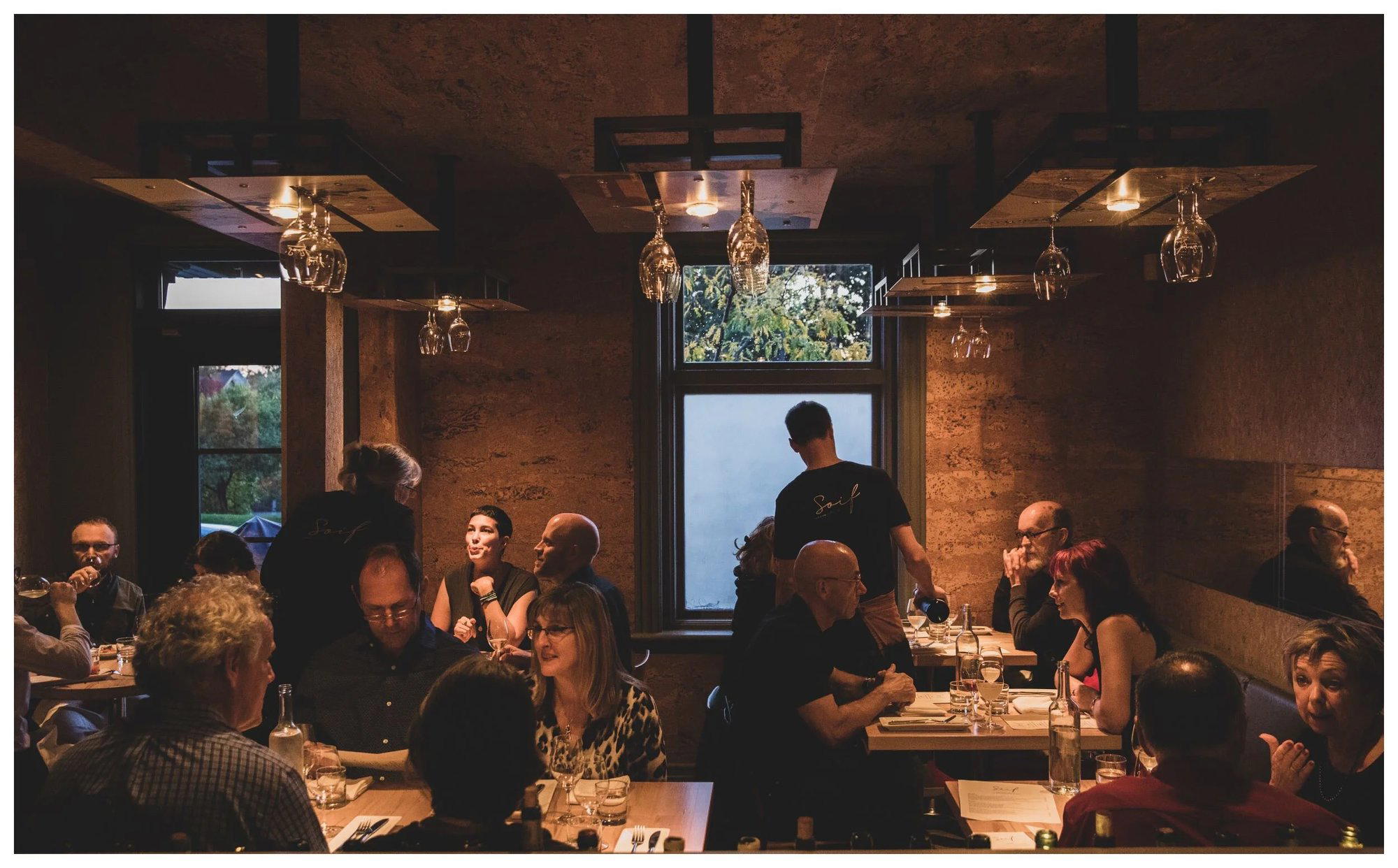
Elegant and chic with soft lighting, open kitchen view, and sophisticated atmosphere.