Graft Wine Shop

Graft Wine Shop pairs a wine bar with small plates, a cheese plate, and a natural-wine, extensive-wine-list program at 700b King St in Charleston.
Pearl is the En Primeur Club membership app — saves, bookings, and concierge access live there. Same editors, same standards.
- Address
- 700b King St, Charleston, SC 29403
- Phone
- +18437183359
- Website
- graftchs.com
- Directions
- Get directions
 Saves & bookings on Pearl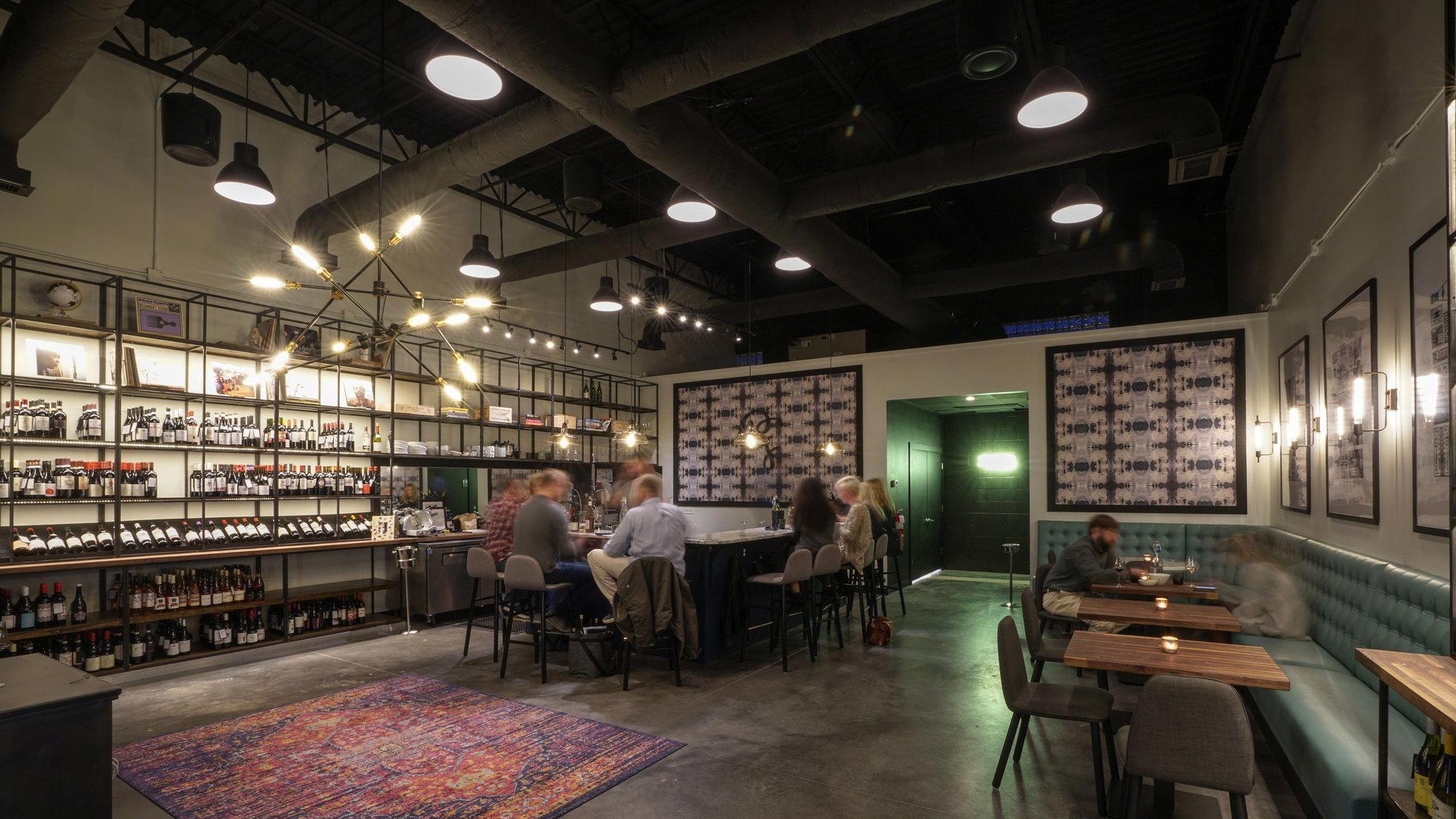
King Street's Quiet Authority: Charleston's Retail Wine Scene
Graft Wine Shop is a wine bar with small plates in Charleston, South Carolina, at 700b King St, and it is priced around $25 per person. On the upper stretch of King Street, where the boutiques thin out and the foot traffic settles into something more deliberate, a particular kind of retail wine operation has taken hold. The model is familiar from cities like Portland, Nashville, and Richmond: a shop anchored not by volume or brand-name bottles but by a curatorial point of view, where the person behind the counter is as much a guide as a retailer. Graft Wine Shop, at 700b King Street, occupies that tier in Charleston's drinking culture, functioning as a reference point for the city's growing appetite for natural, minimal-intervention, and low-production wines.
Charleston's broader dining and drinking scene has shifted over the past decade. Restaurants like Vern's and Lowland have pushed the front-of-house wine conversation toward producers that rarely appear on conventional lists, and that shift has created demand for retail outlets that can match the conversation. A wine shop positioned at that intersection, stocking bottles that complement the new restaurant culture rather than simply mirroring the mainstream, fills a genuine gap in the market.
The Collaborative Floor: How Retail Wine Teams Work
The angle that defines shops like Graft is less about any single buyer and more about the relationship between the person who selects the inventory, the staff who interpret it for walk-in customers, and the broader community of restaurant professionals who treat the shop as a sourcing partner. In the American independent wine retail scene, this three-part dynamic tends to determine whether a shop develops genuine authority or simply stocks interesting bottles without a coherent voice.
At the better end of that spectrum, the floor team functions as translators: they move between the technical register of the buyer's selections and the practical questions a customer brings in. What should I bring to a low-country dinner? What pairs with the kind of food coming out of Malagón Mercado y Taperia? Is there something local or regional worth exploring? The answers to those questions, delivered consistently over time, are what distinguish a shop with a real perspective from one that simply curates aesthetics. Charleston's position as a city with serious restaurant culture, anchored by institutions like Rodney Scott's BBQ and newer expressions like 1010 Bridge, means the floor team at a shop like Graft is fielding genuinely sophisticated questions from both civilians and professionals.
Where Graft Sits in the Charleston Drinking Ecology
Independent wine retail in mid-sized American cities tends to split between two models: the broad-church shop that stocks everything from entry-level supermarket alternatives to prestige labels, and the specialist operation that bets on a tighter, more opinionated selection. The specialist model carries more risk, because a customer who walks in looking for a familiar Napa Cabernet may leave empty-handed. But it also builds a more loyal and more engaged audience over time, particularly in cities where the restaurant culture has moved ahead of the retail culture and left a gap for focused operators to fill.
Charleston fits that pattern. The restaurant scene, which now includes ambitious operations that would compete credibly against comparable openings in larger cities, has developed faster than the retail wine infrastructure. A shop with a clear point of view on small-production European and American wines, stocked with the kind of bottles that end up on lists at places that prioritize producer relationships over recognizable labels, addresses that gap directly. For visitors exploring what Charleston has become, the wine shop on King Street is part of the same story as the dining room a few blocks away. For a broader sense of how the city's food and drink identity has developed, our full Charleston restaurants guide maps the territory in more detail.
What the American Natural Wine Retail Tier Looks Like
Nationally, the independent wine shop focused on natural and low-intervention producers has moved from a niche curiosity to a recognizable format. Cities like New York, San Francisco, and Los Angeles now have multiple operations competing in that space, and the format has spread to smaller markets where a single well-positioned shop can define the category for an entire city. The benchmark experiences at that level, the shops that stock the kind of producers referenced at restaurants like Lazy Bear in San Francisco or Blue Hill at Stone Barns in Tarrytown, share a common infrastructure: a buyer with genuine producer relationships, a floor team trained to communicate the selection without condescension, and a physical space that signals commitment without tipping into pretension.
The gap between that benchmark and what most cities offer is often significant. The shops that close it are ones where the team dynamic functions as a coherent whole. A buyer who selects interesting bottles but whose floor staff can't articulate the selection produces frustration, not loyalty. A team that communicates well but whose inventory is shallow produces enthusiasm without repeat visits. The operations that build lasting authority are the ones where selection, communication, and community engagement reinforce each other.
Planning a Visit to King Street
Graft Wine Shop sits at 700b King Street, in a section of the corridor that rewards walking rather than driving. King Street itself is Charleston's primary retail spine, and the upper stretch, above Calhoun, has a different character from the tourist-heavy lower blocks: more local, more specific, more likely to reward a slower pace. For visitors building a day around the area, the concentration of independent restaurants and bars within a short radius makes the neighborhood a practical anchor point for an afternoon and evening. Wine purchased at retail can often be taken to nearby restaurants with a corkage arrangement, though that varies by establishment and is worth confirming in advance.
For context on what Charleston's dining scene has become, and how a shop like Graft fits into the broader pattern, the comparison set extends well beyond the city. The collaborative floor model that defines the better independent wine shops nationally, the same model visible at operations feeding the culture around restaurants like Alinea in Chicago or Providence in Los Angeles, has arrived in Charleston in recognizable form. That's not a small thing for a city still establishing its credentials in the national conversation.
A Pricing-First Comparison
Comparable venues nearby, for context on price, style, and recognition.
| Venue | Cuisine | Price | Notes |
|---|---|---|---|
| Graft Wine ShopThis venue — the venue you are viewing | Not listed | $$ | Not listed |
| Mondo's Delite | Not listed | $$ | James Island, Traditional Italian Trattoria |
| Ciao Bella | West Ashley, Italian American Comfort | $$ | Not listed |
| The Crossing | Not listed | Not listed | :null,null |
| Ichiban Steak House & Asian Fusion | Not listed | $$ | West Ashley, Japanese Teppanyaki & Asian Fusion |
| The Glass Onion | Not listed | $$ | West Ashley, Lowcountry Southern Comfort Food |
Recognition history
Dated appearances from independent guides and award organizations, with the underlying list record or original source where available.
James Beard Award Semi Finalist
James Beard Award
Continue exploring
More in Charleston
Restaurants in Charleston
Browse all →
Bars in Charleston
Browse all →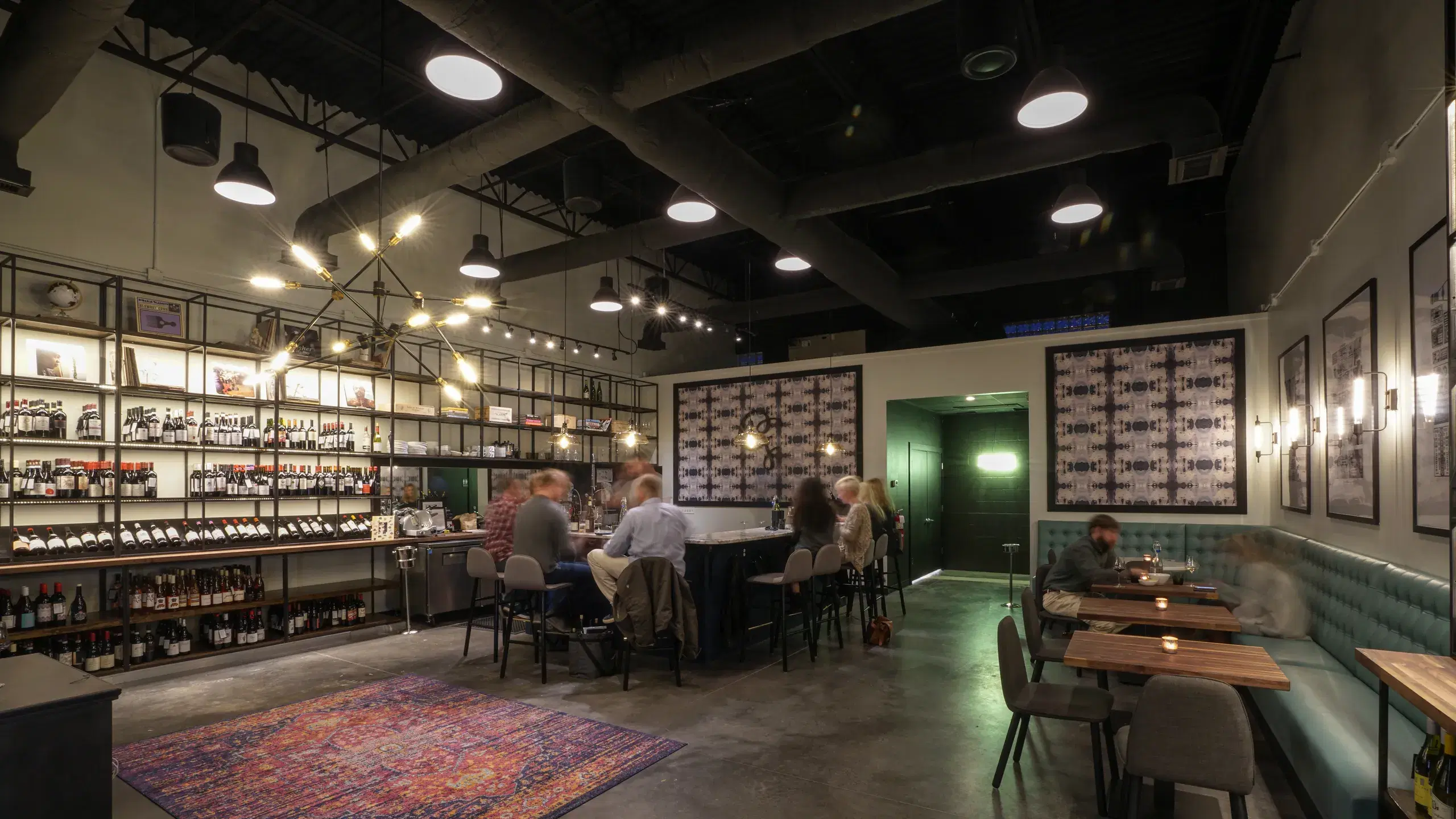
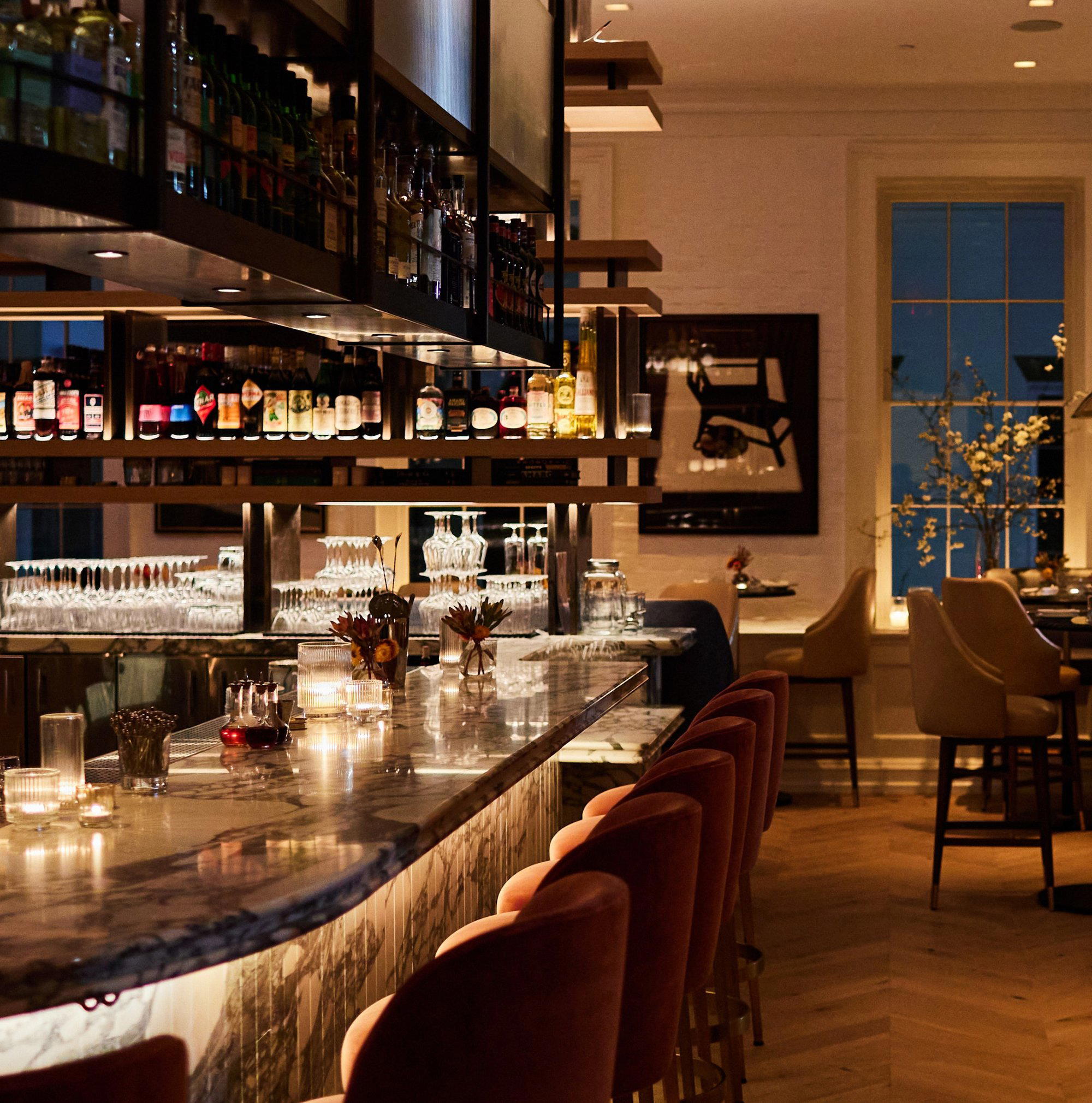
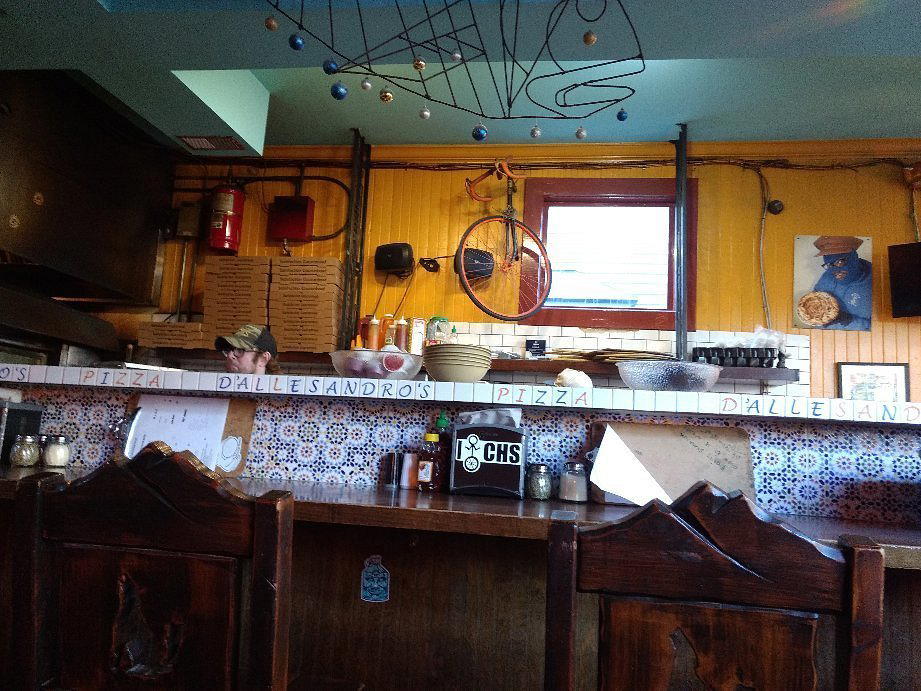
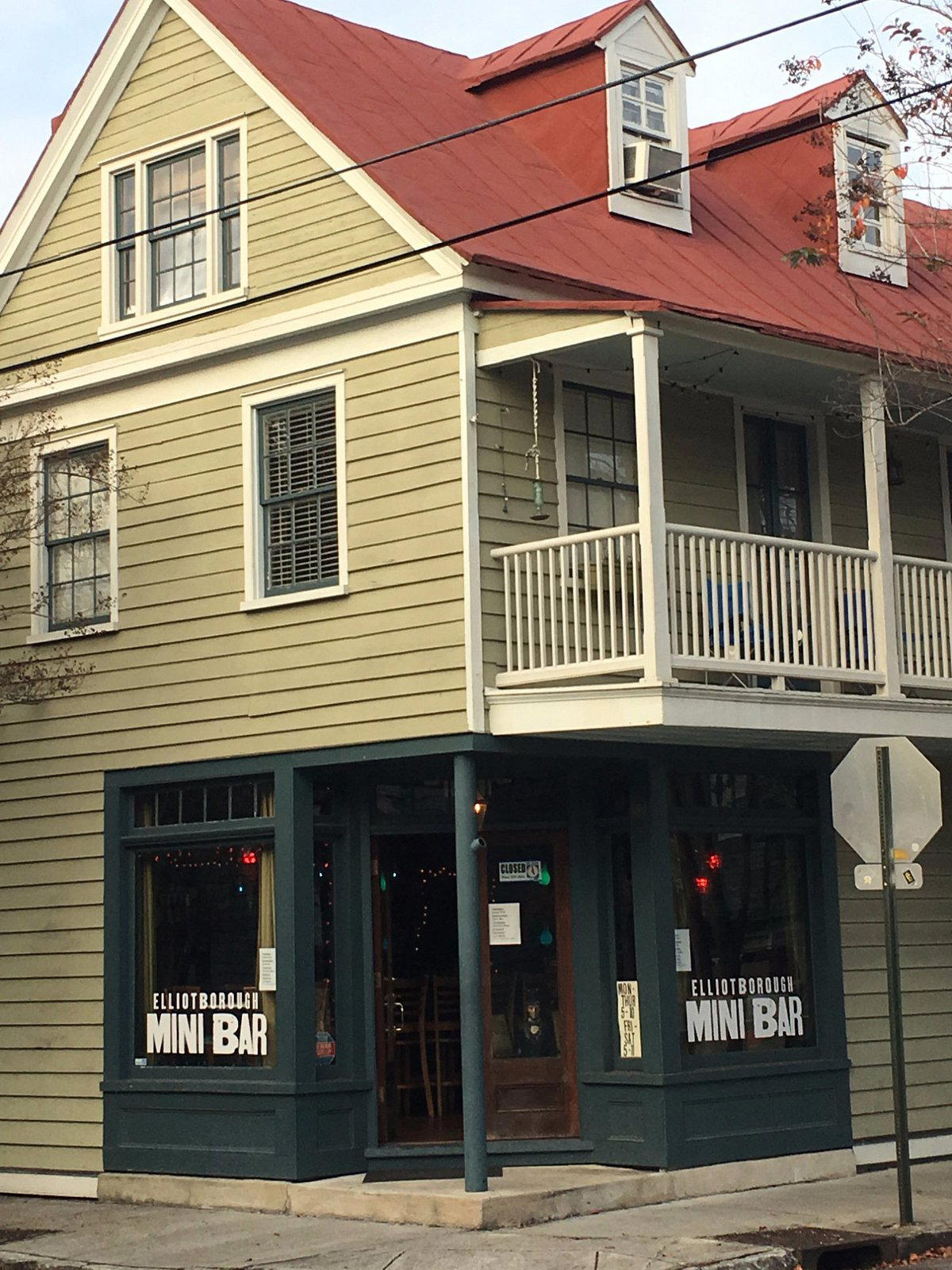
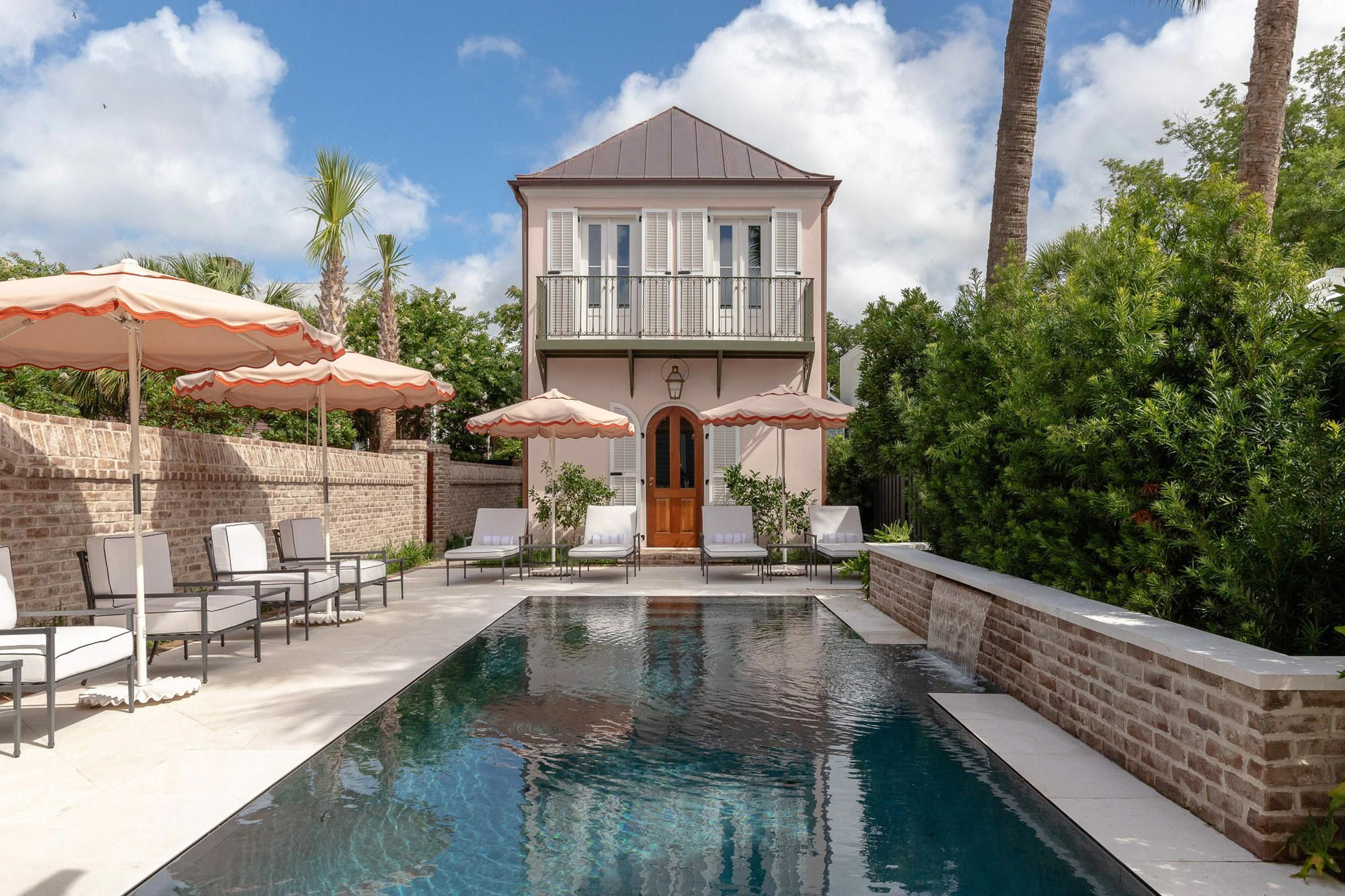
At a Glance
- Cozy
- Trendy
- Modern
- Intimate
- Date Night
- Casual Hangout
- Solo
- Wine Cellar
- Natural Wine
- Extensive Wine List
- Natural Wine
- Local Sourcing
- Organic
- Street Scene
Current opening hours
- Monday
- 12–10 PM
- Tuesday
- 12–10 PM
- Wednesday
- 12–10 PM
- Thursday
- 12–10 PM
- Friday
- 12–10 PM
- Saturday
- 12–10 PM
- Sunday
- 12–10 PM
Hours can change for holidays and private events. Last verified .
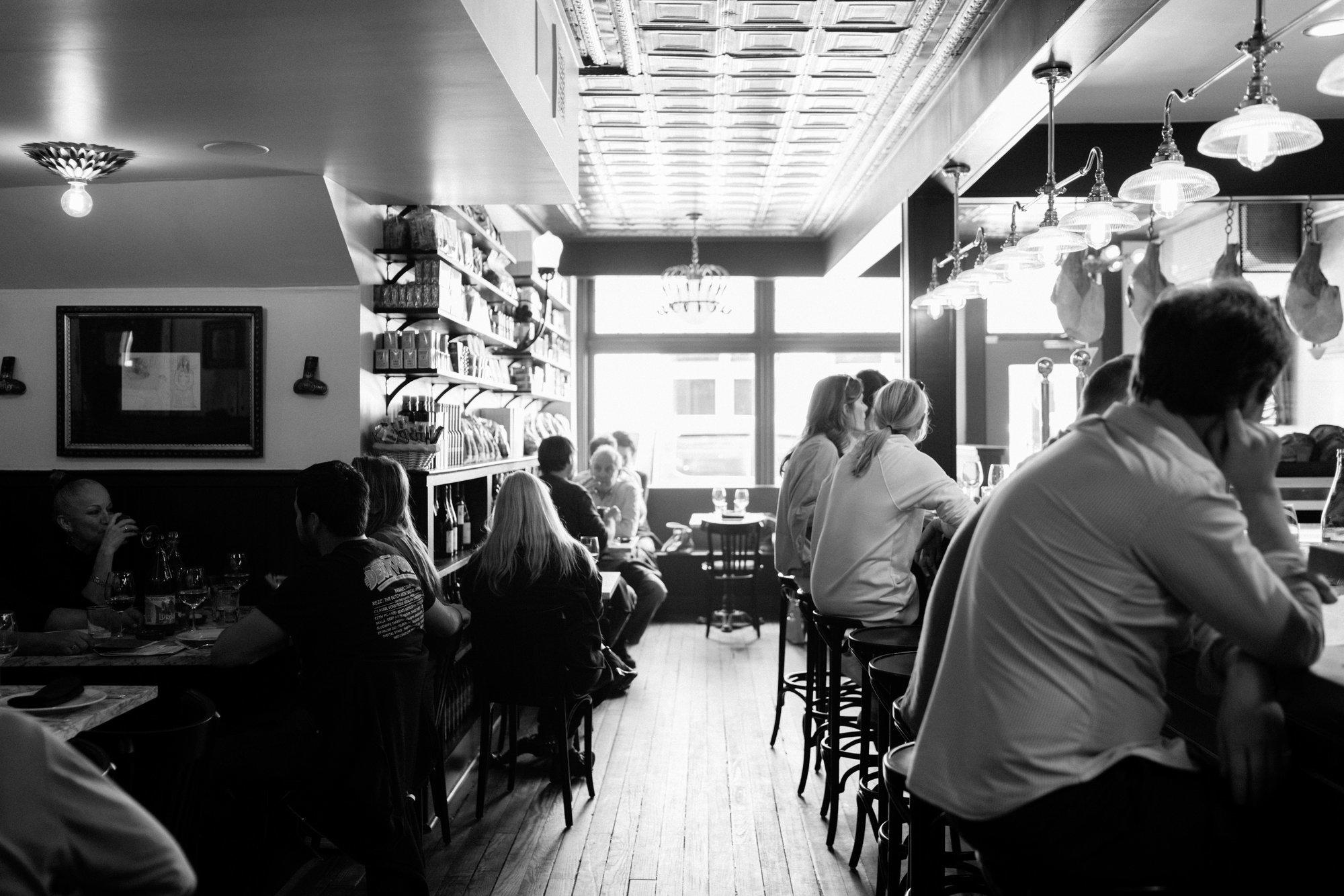
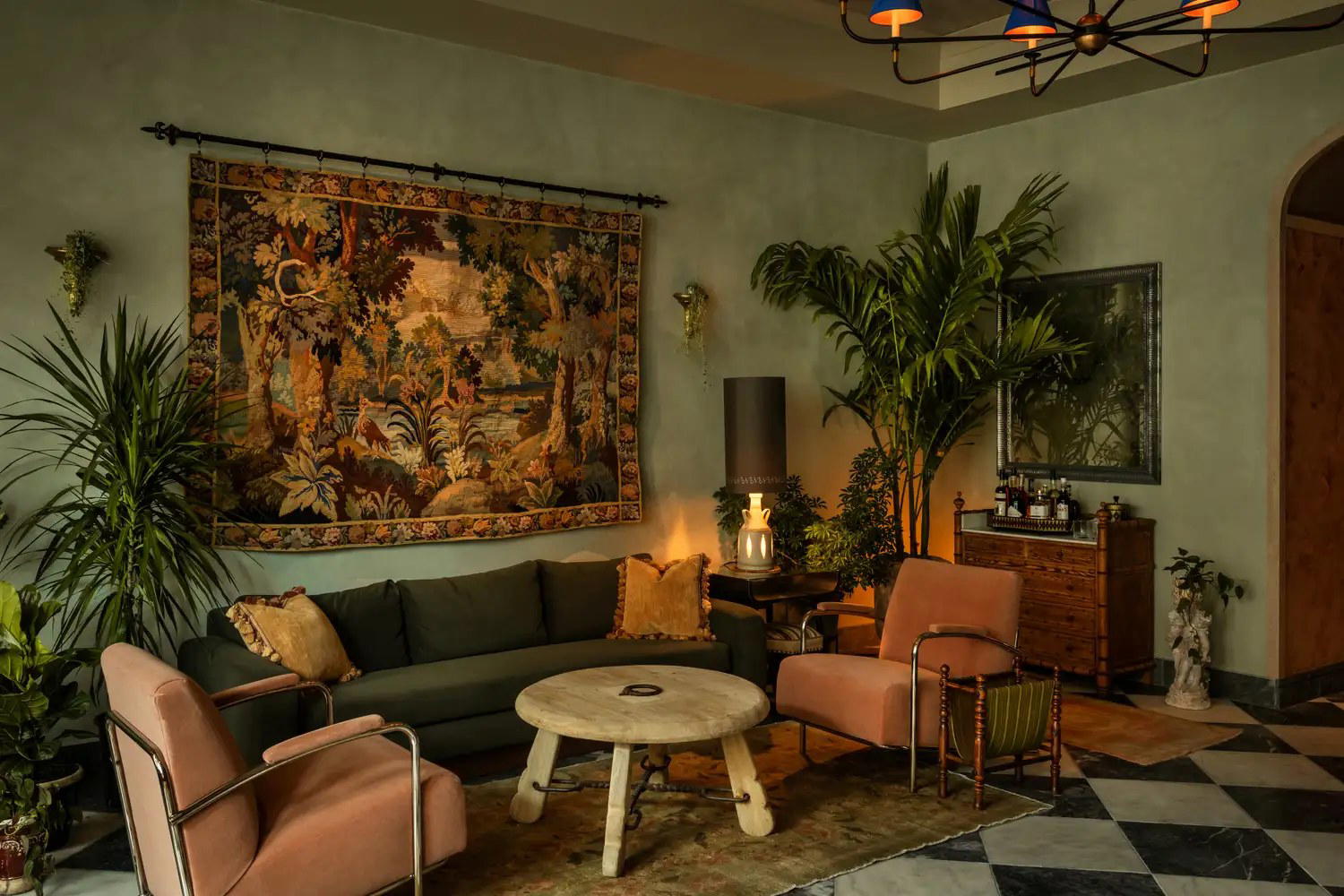
Laid-back with hip modern vibe, background music not too loud, L-shaped bar encouraging conversation.