At 79 Rue Jeannin in central Dijon, Masami sits within a city that has spent decades building a serious fine-dining infrastructure around Burgundian produce and French culinary tradition. The name suggests a Japanese inflection, placing Masami in a growing cohort of French restaurants that structure their menus at the intersection of two culinary grammars. Dijon's dining scene rewards advance research, and Masami is a venue that merits it.
Pearl is the En Primeur Club membership app — saves, bookings, and concierge access live there. Same editors, same standards.
- Address
- 79 Rue Jeannin, 21000 Dijon, France
- Phone
- +33380652180
- Directions
- Get directions
 Saves & bookings on Pearl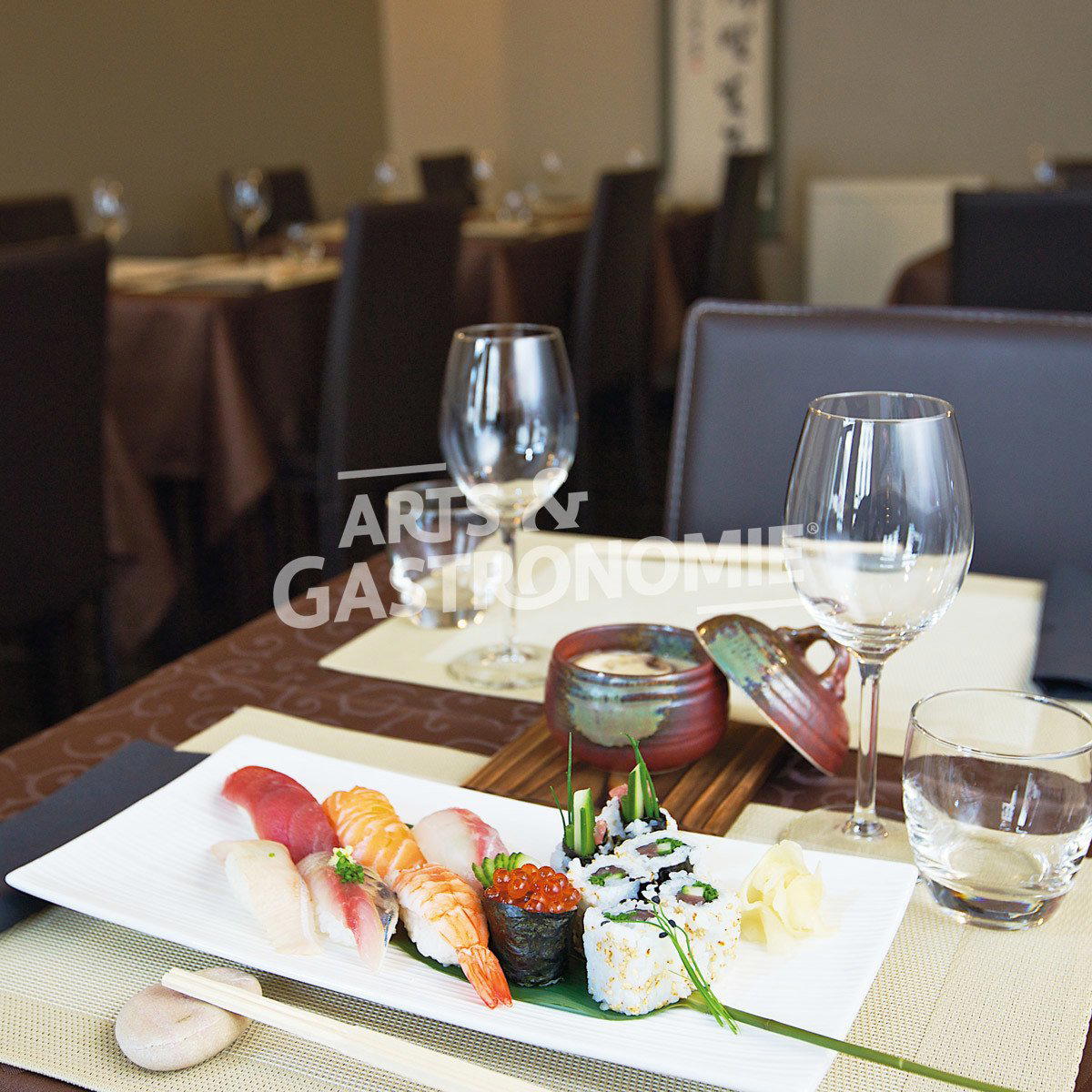
Where Dijon's Culinary Ambition Meets a Different Grammar
Masami is a restaurant at 79 Rue Jeannin, 21000 Dijon, France, serving Authentic Japanese Sushi at a price tier of about $35 per person. The logic is geographic: the city sits at the northern entry point of the Côte de Nuits, within reach of particularly storied vineyard appellations in Burgundy, and its restaurant culture has grown around that proximity. Producers, vintners, and chefs circulate through a relatively compact city, and the effect on restaurant ambition is measurable. William Frachot, the city's Michelin-starred anchor for modern French cooking, sets a benchmark against which other addresses position themselves. Loiseau des Ducs and L'Aspérule occupy the mid-to-upper tier of that structure. It is inside this layered, Burgundy-rooted scene that Masami, at 79 Rue Jeannin, enters the conversation.
The name carries unmistakable Japanese resonance, and in the context of French provincial dining that is a considered signal. Across France, a specific generation of restaurants has emerged that do not simply borrow Japanese technique as a garnish but reorganise their menus around it. Think of the structural discipline of omakase sequencing applied to French ingredient sourcing, or the Japanese principle of not obscuring a primary ingredient translated into a Burgundian context where the mushroom, the river fish, or the aged cheese is already doing most of the work. Whether Masami operates fully in that register or occupies a more selective hybrid position, its name alone places it within that broader editorial conversation, one that venues like Atomix in New York City have demonstrated can produce particularly architecturally coherent tasting menus currently being served anywhere.
Reading the Menu as a Document
The editorial angle that matters most when approaching a restaurant like Masami is not the individual dish but the menu as a structural argument. In French fine dining, the sequence of a meal has always carried meaning: the amuse-bouche as a statement of intent, the middle courses as the intellectual core, the cheese as a regional anchor before the dessert pivot. When a Japanese sensibility enters that architecture, the result tends to compress certain transitions and expand others. Courses become more precise in portion, negative space acquires a function, and the progression often moves with less theatrical fanfare and more cumulative logic.
This structural mode is now well-documented at the highest level of French gastronomy. Alléno Paris au Pavillon Ledoyen has explored extraction and fermentation as structural tools. Mirazur in Menton uses biodynamic calendar logic to sequence its menu. Bras in Laguiole has long built menus around the argument that a plant, in its season, needs minimal mediation. Masami, operating in Dijon rather than Paris or the coast, inherits a different set of raw ingredients to argue with: Burgundian terroir, local produce rhythms, and a city audience that knows its wines and expects its food to rise to meet them.
For a restaurant at 79 Rue Jeannin, the address itself frames expectation. Rue Jeannin is a central Dijon artery, close enough to the old ducal quarter that the physical surroundings carry historic weight. The approach to the address is urban and dense, Dijon's centre does not offer the pastoral framing of, say, Flocons de Sel in Megève or the river-house setting of Auberge de l'Ill in Illhaeusern. What the city address offers instead is immediacy: Masami opens its door directly onto one of France's most culinarily literate provincial publics.
Masami Within Dijon's Current Dining Tier
Dijon's restaurant map has become more differentiated in recent years. At the creative end, Origine and Akatsuki represent two different ways of thinking about innovation within the city's fine-dining tier. Akatsuki is particularly instructive as a comparison point given its own Japanese framing in a Burgundian context. The existence of more than one Japanese-inflected address in Dijon suggests not a coincidence but a pattern: the city's ingredient culture and the Japanese commitment to primary flavour integrity have a compatibility that several chefs and restaurateurs have independently identified.
This pattern is visible at scale across provincial France. Troisgros - Le Bois sans Feuilles in Ouches demonstrated decades ago that regional France could sustain three-Michelin-star ambition without Parisian infrastructure. Paul Bocuse - L'Auberge du Pont de Collonges built a parallel argument around Lyonnaise identity. More recently, AM par Alexandre Mazzia in Marseille and Assiette Champenoise in Reims have shown that ambitious tasting menus with strong regional anchors continue to earn serious recognition outside the capital. Dijon sits comfortably within that provincial ambition tradition, and Au Crocodile in Strasbourg offers a useful parallel as a city of similar cultural weight navigating its own Franco-German identity question. Masami participates in this larger argument about what it means to build a serious modern restaurant outside Paris.
Planning Your Visit
Masami is located at 79 Rue Jeannin, 21000 Dijon, in the central arrondissement. Reservations are essential.
Recognition, Side-by-Side
Comparable venues nearby, for context on price, style, and recognition.
| Venue | Cuisine | Price | Notes |
|---|---|---|---|
| MasamiThis venue — the venue you are viewing | Authentic Japanese Sushi | $$$ | Not listed |
| L'AbenFant | Modern French Locavore Bistro | $$$ | old Dijon |
| Torikara San | Modern Japanese Izakaya | $ | Centre-ville |
| Akatsuki | Authentic Japanese Izakaya | $$ | Rue Coupée de Longvic |
| Le Pré aux Clercs | Traditional French Burgundian Brasserie | $$$ | Place de la Libération |
| BRASSERIE FRANCOIS | Classic French Brasserie | $$ | central Dijon |
Continue exploring
More in Dijon
Restaurants in Dijon
Browse all →
Bars in Dijon
Browse all →
Hotels in Dijon
Browse all →
At a Glance
- Intimate
- Cozy
- Elegant
- Date Night
- Special Occasion
- Open Kitchen
- Extensive Wine List
Current opening hours
- Monday
- Closed
- Tuesday
- 12–1:45 PM, 7–9:30 PM
- Wednesday
- 12–1:45 PM, 7–9:30 PM
- Thursday
- 12–1:45 PM, 7–9:30 PM
- Friday
- 12–1:45 PM, 7–9:30 PM
- Saturday
- 12–1:45 PM, 7–9:30 PM
- Sunday
- Closed
Hours can change for holidays and private events. Last verified .
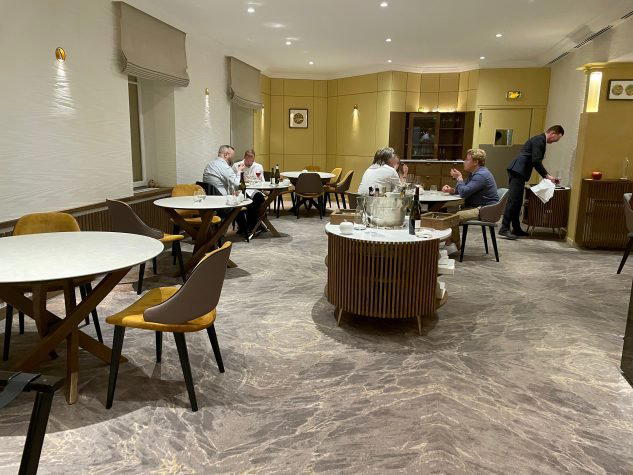
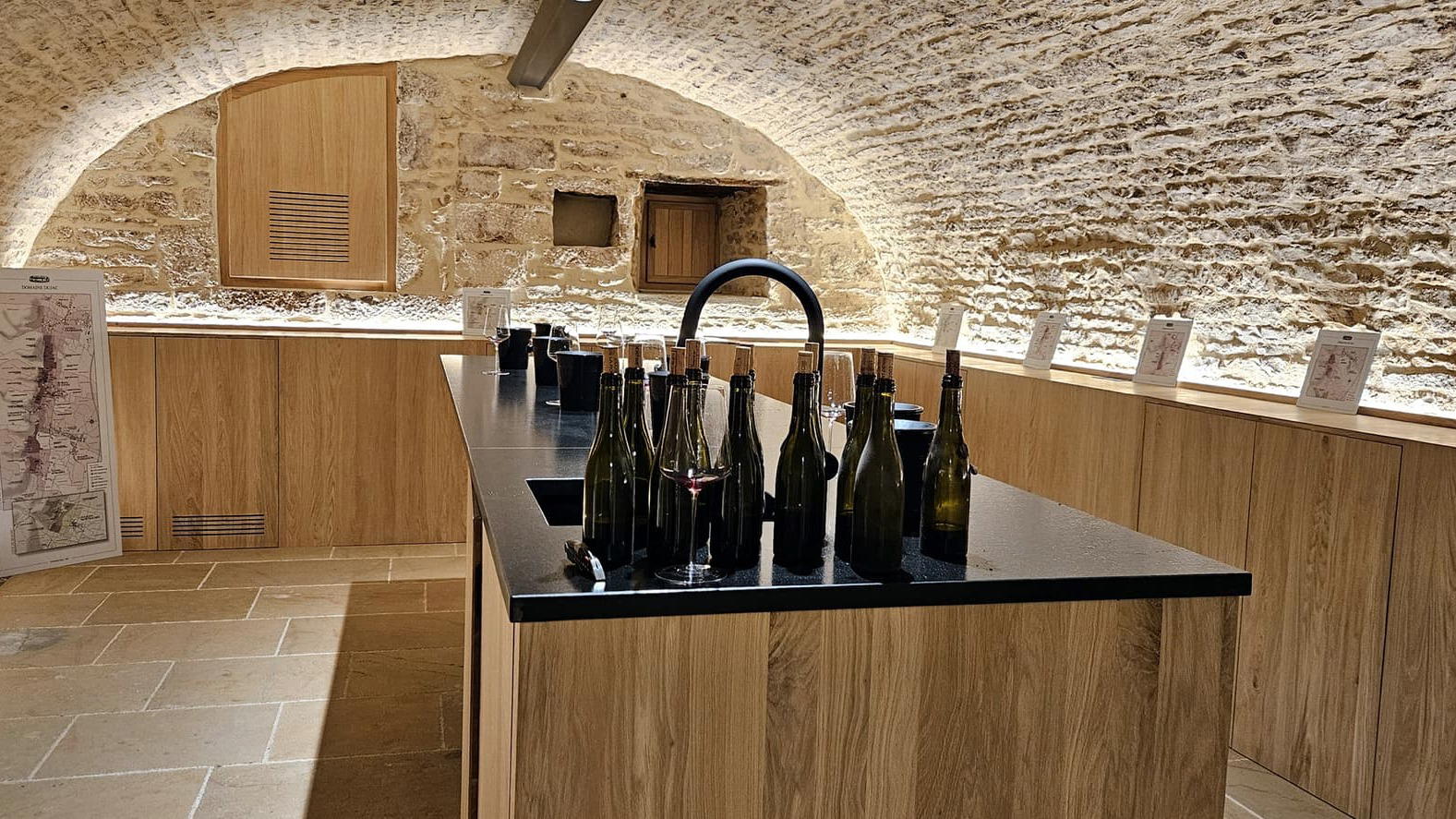
Cozy and zen atmosphere with a small number of tables, simple decor, warm welcoming service creating a home-like feel.