Akatsuki occupies a precise address on Rue Coupée de Longvic in Dijon, a city where the gap between neighbourhood dining and Michelin-starred French cuisine has narrowed considerably in recent years. The name signals a Japanese-inflected sensibility in a region defined by Burgundian tradition, which places it in an interesting position relative to Dijon's broader restaurant scene. Visitors planning a table here should confirm hours and availability directly, as operational details are not widely listed.
Pearl is the En Primeur Club membership app — saves, bookings, and concierge access live there. Same editors, same standards.
- Address
- 8 Rue Coupée de Longvic, 21000 Dijon, France
- Phone
- +33 3 80 79 46 87
- Website
- restaurant-akatsuki.fr
- Directions
- Get directions
 Saves & bookings on Pearl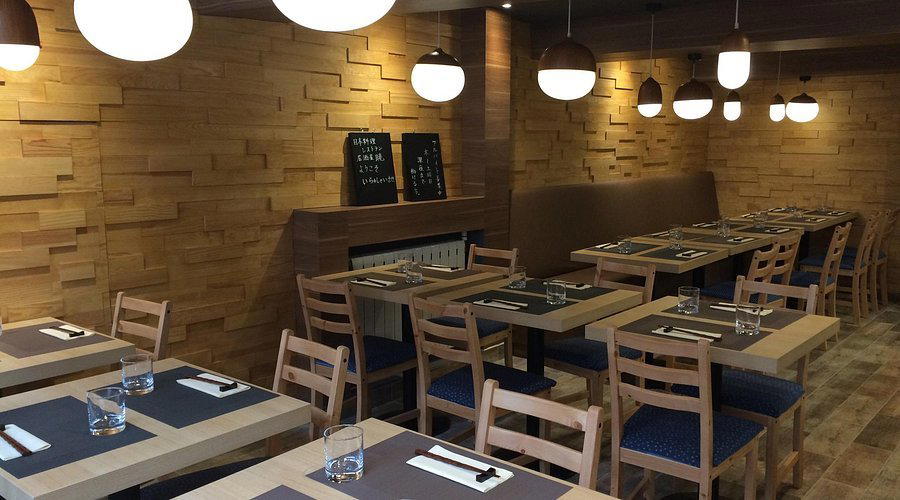
A Japanese Name in a Burgundian City
Dijon's restaurant scene has spent the past decade consolidating around two poles: the grand Burgundian tradition, cream sauces, mustard, Pinot Noir, and a younger generation of kitchens pulling from further afield. Akatsuki is an Authentic Japanese Izakaya in Dijon, France, at 8 Rue Coupée de Longvic, with a casual dress code, essential reservations, and an average price of about $35 per person. The Japanese-origin name Akatsuki, meaning dawn or daybreak, signals immediately that this address on Rue Coupée de Longvic is not positioning itself as another interpretation of coq au vin. That tension between place and influence is exactly what makes mid-tier Dijon dining worth tracking. Cities like Lyon, with institutions such as Paul Bocuse - L'Auberge du Pont de Collonges, set a regional benchmark for French culinary identity, while places like Troisgros - Le Bois sans Feuilles have long argued that classical French cooking absorbs foreign influence without losing its grounding. Akatsuki, from its name alone, appears to be working within that same argument at a neighbourhood scale.
The Address and What It Signals
Rue Coupée de Longvic sits at the southern edge of Dijon's central arrondissement, a zone that lacks the tourist foot traffic of the market streets near Place François Rude but carries a quiet, residential credibility. In French dining culture, addresses like this tend to produce cooking that answers to regulars rather than to passing visitors. That accountability to a local clientele often results in more considered sourcing decisions: a kitchen that sees the same faces twice a week cannot rely on spectacle alone. The contrast with Dijon's more prominent dining addresses is instructive. William Frachot, operating at the €€€€ tier with a Modern French and Creative format, anchors the upper end of the city's dining register. Loiseau des Ducs occupies a similar position. Akatsuki's Rue Coupée de Longvic location places it outside that prestige circuit, in a part of the city where a kitchen earns its reputation through consistency rather than ceremony.
Ingredient Sourcing in a Region That Takes Provenance Seriously
Burgundy is one of the few French regions where the provenance conversation extends naturally from wine to food. The same appellations logic that governs a Gevrey-Chambertin Premier Cru, where the soil, the slope, and the microclimate are considered intrinsic to the product, filters into how serious Dijon kitchens think about their mise en place. Mustard seed from around Dijon itself has seen a partial revival after years of Canadian imports dominating the market. Charolais beef from the western edge of the region remains a reference point. Bresse chicken, one of France's few AOC-protected poultry products, is accessible within a reasonable supply radius. Kitchens that lean on Japanese technique but operate in Burgundy are in a particularly interesting sourcing position: the precision of Japanese cooking, its insistence on the quality of a single ingredient rather than the complexity of a sauce, maps well onto a region where raw material quality is already taken as a first principle. Whether Akatsuki exploits that alignment specifically is not confirmed, but the structural logic is sound. Compare the French-Japanese axis at work in restaurants like Mirazur in Menton or the hyper-local sourcing discipline at Flocons de Sel in Megève, and you begin to see the template: regional French ingredients handled with a precision borrowed from Japanese cooking culture.
How Akatsuki Sits Within Dijon's Competitive Set
Dijon currently supports several distinct tiers of serious dining. At the leading, Origine and William Frachot operate at the €€€€ level with creative and modern French formats. A step below, L'Aspérule occupies the €€€ bracket with Modern Cuisine. Au Gré de mes Envies represents the more accessible end of considered dining in the city. That is not a diminishment. Particularly consistent cooking in any French city happens at the level just below the Michelin threshold, where pressure for theatricality is lower and the kitchen can focus on doing a few things correctly. For broader context on French fine dining benchmarks, the multi-decade records of Auberge de l'Ill in Alsace and Les Prés d'Eugénie - Michel Guérard in the southwest demonstrate how regional identity anchors a restaurant's long-term credibility. Akatsuki's Japanese sensibility in a French regional city is a different bet, but it is a coherent one. See our full Dijon restaurants guide for broader context on where the city's dining scene is moving.
Planning Your Visit
The address, 8 Rue Coupée de Longvic, 21000 Dijon, is confirmed.
- sushi
- sashimi
- yakitori
- donburi
- udon
- gyoza
- tonkatsu
- katsudon
At-a-Glance Comparison
Comparable venues nearby, for context on price, style, and recognition.
| Venue | Cuisine | Price | Notes |
|---|---|---|---|
| AkatsukiThis venue — the venue you are viewing | Authentic Japanese Izakaya | $$ | Not listed |
| Restaurant Jaipur | Authentic Indian Cuisine from Rajasthan | $$ | Dijon city center |
| Au Gre de mes envies | Authentic Taiwanese Asian | $$ | Centre-ville |
| Chez Septime | Traditional French Bistro | $$ | near the train station |
| Le Coin Caché | French Bistronomique | $$$ | Jouvence |
| Le Pré aux Clercs | Traditional French Burgundian Brasserie | $$$ | Place de la Libération |
Continue exploring
More in Dijon
Restaurants in Dijon
Browse all →
Bars in Dijon
Browse all →
Hotels in Dijon
Browse all →
At a Glance
- Intimate
- Cozy
- Casual Hangout
- Group Dining
- Date Night
- After Work
- Standalone
- Open Kitchen
- Sake Program
- Beer Program
Current opening hours
- Monday
- 11:30 AM–2 PM, 6:30–10 PM
- Tuesday
- 11:30 AM–2 PM, 6:30–10 PM
- Wednesday
- 6:30–10 PM
- Thursday
- 11:30 AM–2 PM, 6:30–10 PM
- Friday
- 11:30 AM–2 PM, 6:30–11 PM
- Saturday
- 6:30–11 PM
- Sunday
- Closed
Hours can change for holidays and private events. Last verified .
Small, neatly decorated space with traditional Japanese décor creating an intimate and welcoming environment; clean and well-lit with discreet, helpful staff.