Our verdict
On Rue Jean Jacques Rousseau in central Dijon, Torikara San occupies a corner of the city's dining scene that sits outside the Burgundian canon. The name and address suggest a Japanese-inflected format in a city better known for its Michelin-decorated French tables, making it an address worth tracking for travellers who want contrast alongside the region's dominant gastronomic tradition.

Pearl is the En Primeur Club membership app, where members save venues, book tables and use the concierge.

A Different Register on Rue Jean Jacques Rousseau
Dijon's dining reputation is anchored in the French tradition: slow-braised Charolais, mustard-laced sauces, Époisses in its proper rind, and Burgundy poured with the confidence of a region that has been doing this for centuries. The Michelin-decorated tier, led by addresses like William Frachot and Loiseau des Ducs, represents the apex of that tradition. But Dijon is also a functioning city of 160,000 people with a university population, an active market culture, and a growing appetite for formats that sit outside the Burgundian playbook. That is the context in which Torikara San, at 45 Rue Jean Jacques Rousseau, becomes legible. The name itself signals something different: a Japanese-inflected register in a city where the dominant foreign culinary influence has historically been more likely to arrive from Lyon or Paris than from Tokyo.
The address places the restaurant in central Dijon, within walking distance of the Place de la République and the old ducal quarter. This is not a peripheral neighbourhood experiment. It sits where foot traffic is consistent and where the city's dining concentration is highest, alongside addresses across the price spectrum from L'Aspérule at the €€€ tier to more accessible neighbourhood formats. That central positioning matters for a concept that draws on a culinary register unfamiliar to much of the local audience.
The Arc of a Meal: What the Format Implies
Japanese yakitori-adjacent formats, which the name Torikara San most plausibly references, tend to follow a particular meal structure that contrasts sharply with classical French sequencing. Where a Burgundian tasting menu builds through courses weighted toward terroir and sauce work, a Japanese skewer or karaage-led format organises the table experience around repetition with variation: successive passes of protein, punctuated by vegetable treatments and lighter accompaniments, with rice arriving late to anchor the sequence. The progression is horizontal rather than hierarchical, which changes the pacing of an evening significantly.
In the broader French context, this kind of format has found an audience at the intersection of izakaya culture and the French bistro tradition. The more technically ambitious end of that category, as seen at addresses like Akatsuki in Dijon, applies French product discipline to Japanese frameworks. What can be said is that Dijon's appetite for Japanese-inflected dining has grown alongside the national trend, and the city now has enough critical mass in this category to sustain more than one address.
For context on how ambitious Japanese-French hybrids operate at their ceiling, the reference points are not in Burgundy but elsewhere in France. Alléno Paris au Pavillon Ledoyen represents one pole of French technical ambition, while AM par Alexandre Mazzia in Marseille shows how a highly personal multi-course idiom can absorb international influences without losing identity. Torikara San operates at a different scale and with different objectives, but those comparisons illuminate what the category can reach when fully developed.
Dijon's Broader Table: Where Torikara San Fits
The city's fine dining tier is well-documented. Origine holds the creative end of the market at the €€€€ tier. The French regional tradition is represented at various price points, with L'Aspérule at €€€ serving as a reliable mid-market option for Burgundian cuisine. The €€ tier is occupied by addresses that skew traditional, including Cave, which anchors regional classics at accessible prices.
The national picture suggests the answer is yes. Japanese restaurants across France have moved from novelty to neighbourhood staple in most cities above 100,000 people, and Burgundy's wine culture has created a local palate that is already attuned to umami-heavy profiles and the kind of restrained seasoning that Japanese cooking requires. That is a structural advantage that Torikara San, whatever its precise format, can plausibly draw on.
For travellers calibrating their Dijon itinerary against the broader French dining canon, the anchors for comparison include Mirazur in Menton, Troisgros in Ouches, and Auberge de l'Ill in Illhaeusern at the apex of the regional tradition, and Flocons de Sel in Megève for a sense of how alpine terroir intersects with modern technique. Bras in Laguiole and Paul Bocuse in Collonges-au-Mont-d'Or represent the historical poles of the French canon. Against that backdrop, Torikara San operates as a counter-programme rather than a competitor, which is precisely what makes it relevant to a certain kind of Dijon visitor.
Those who want an international point of reference for the Japanese-influenced tasting format at its most technically rigorous should look at Atomix in New York City, where Korean-Japanese influences intersect with fine dining structure, or Le Bernardin in New York City for a sense of how French technique and non-French ingredients have been integrated at the highest level over decades. Assiette Champenoise in Reims and Au Crocodile in Strasbourg anchor the broader northeastern French fine dining circuit for context on the region's competitive set. See our full Dijon restaurants guide for a mapped view of the city's dining options across all tiers and formats.
Planning Your Visit
Torikara San is located at 45 Rue Jean Jacques Rousseau in the 21000 postcode, central Dijon, accessible on foot from the city's main train station in under fifteen minutes. For a city of Dijon's size, demand at well-positioned addresses in non-French formats can be stronger than expected on weekend evenings, and checking availability in advance is advisable regardless of tier.
Frequently asked questions
What is the atmosphere like at Torikara San?
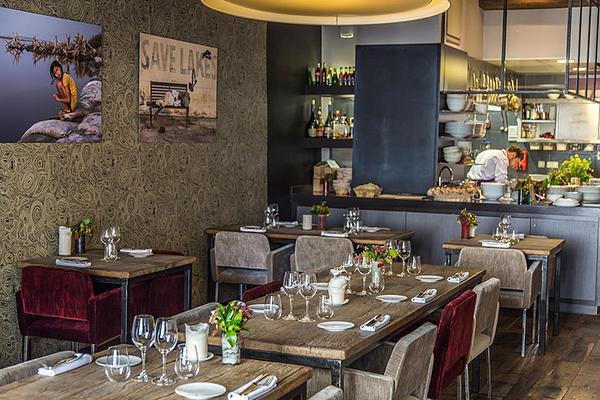
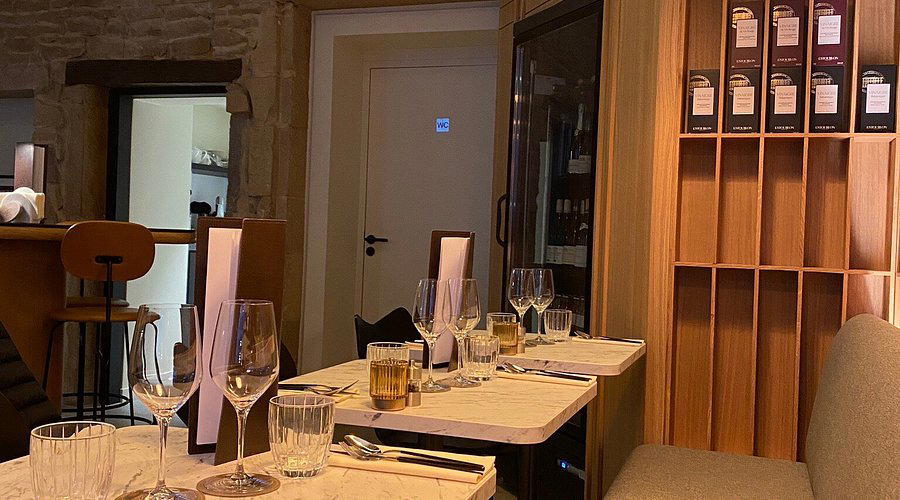
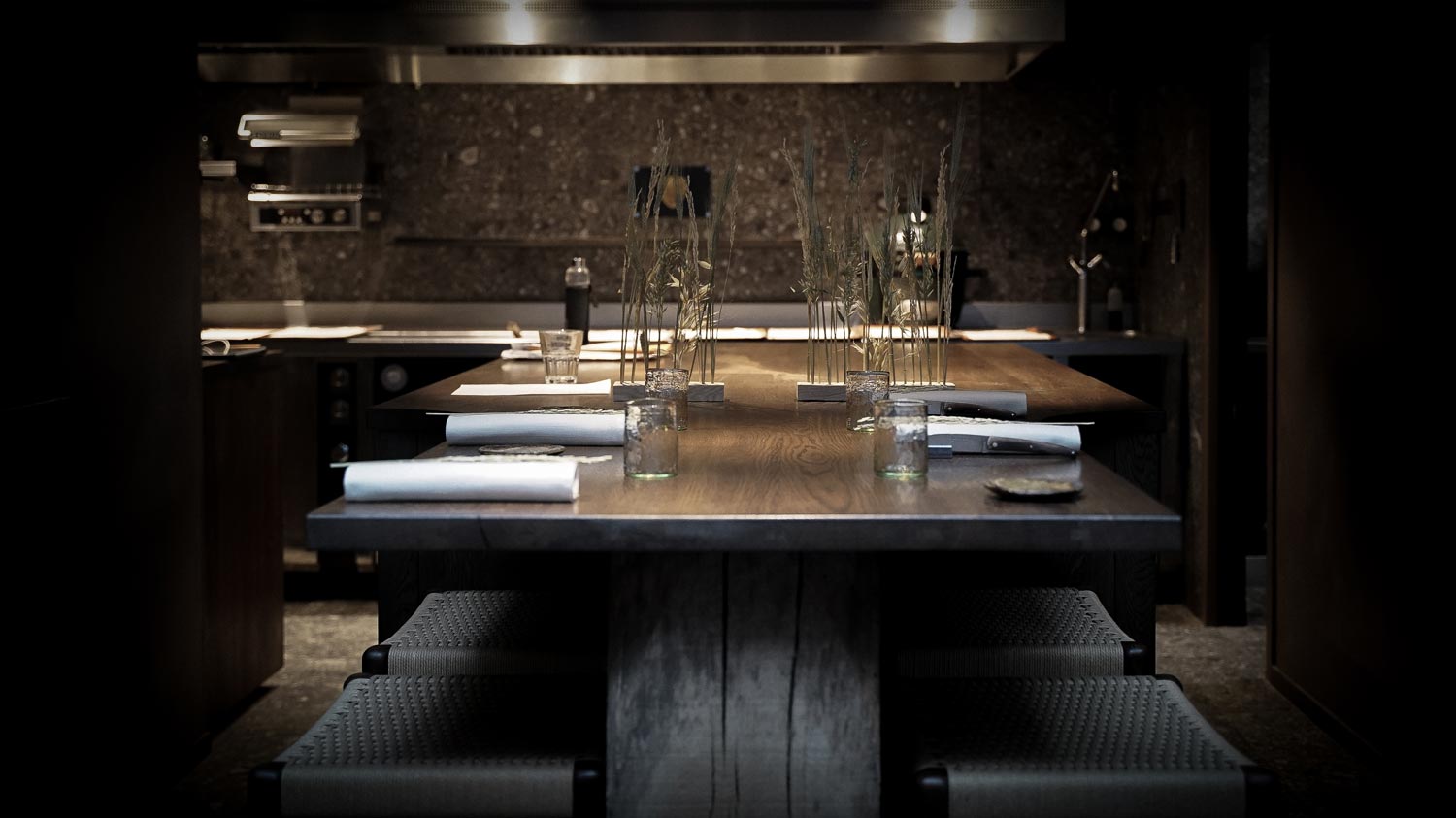
Torikara San sits on Rue Jean Jacques Rousseau in central Dijon, a street within easy walking distance of the city's main train station and its historic core. The Japanese karaage and yakitori format the name signals typically produces a counter-oriented, informal setting rather than the tablecloth formality associated with Dijon's established French houses. Confirmed interior details are not available, but the address places it squarely in the active, pedestrian-friendly part of the city.
How do I find Torikara San?
Torikara San is located at 45 Rue Jean Jacques Rousseau, 21000 Dijon, France, Dijon.
Is Torikara San one of the few Japanese restaurants in Dijon city centre?
Dijon's restaurant scene is heavily weighted toward French regional cooking, with venues like Origine representing the city's creative fine-dining tier and the broader table anchored in Burgundian tradition. A karaage or yakitori-format address on Rue Jean Jacques Rousseau in the central 21000 postcode represents a narrow category in that context. Confirmed peer comparisons are not available, but the format itself occupies a distinct position relative to the city's dominant offering.
What do people recommend at Torikara San?
The name Torikara San points clearly toward a Japanese karaage or yakitori-led menu, formats built around seasoned fried chicken or skewered grilled chicken served across multiple small passes rather than a single main course. That structure typically rewards ordering broadly rather than anchoring to one dish.
What's the standout thing about Torikara San?
Its position in Dijon's dining map is the clearest distinguishing factor: a Japanese-inflected address operating at the centre of one of France's most codified regional food cities. Burgundy's restaurant culture is defined by Charolais, mustard sauces, Époisses, and the wine pairings that frame them, Torikara San operates outside that frame entirely. That contrast, on Rue Jean Jacques Rousseau in the 21000 postcode, gives the venue a legibility that few comparable addresses in the city share.
A Credentials Check
Comparable venues nearby, for context on price, style, and recognition.
| Venue | Cuisine | Price | Notes |
|---|---|---|---|
| Torikara SanThis venue (the venue you are viewing) | Modern Japanese Izakaya | $10–20 | Not listed |
| Le Coin Caché | French Bistronomique | $30–50 | Jouvence |
| Merídio | Mediterranean Fusion with French-Italian Influences | $30–50 | Old Town (Vieux Dijon) |
| L'AbenFant | Modern French Locavore Bistro | $30–50 | old Dijon |
| Restaurant Jaipur | Authentic Indian Cuisine from Rajasthan | $10–20 | Dijon city center |
| Chez Septime | Traditional French Bistro | $20–30 | near the train station |
Continue exploring
More in Dijon
Restaurants in Dijon
All restaurants in Dijon →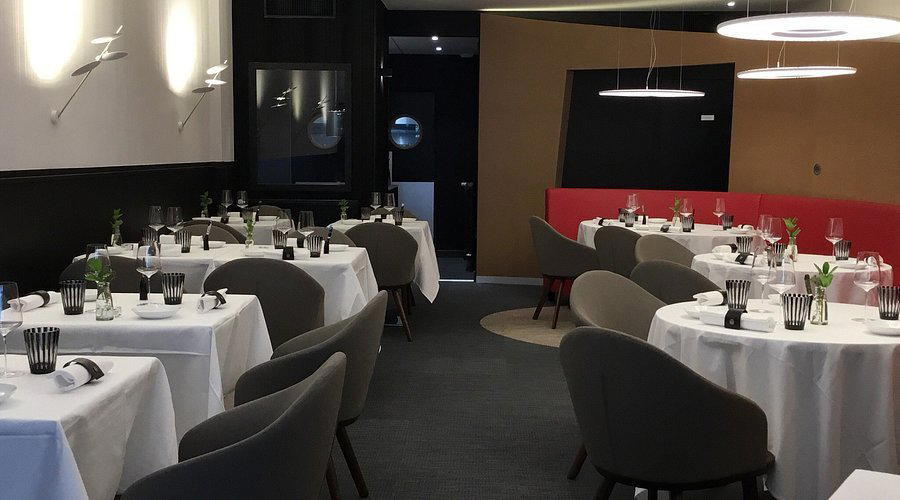

Bars in Dijon
Browse all →
Hotels in Dijon
All hotels in Dijon →
Details
- Trendy
- Modern
- Casual Hangout
- After Work
- Open Kitchen
- A La Carte
- Small Plates
Current opening hours
- Monday
- Closed
- Tuesday
- 11:30 AM–1:30 PM, 5:30–10 PM
- Wednesday
- 11:30 AM–1:30 PM, 5:30–10 PM
- Thursday
- 11:30 AM–1:30 PM, 5:30–10 PM
- Friday
- 11:30 AM–1:30 PM, 5:30–10 PM
- Saturday
- 11:30 AM–1:30 PM, 5:30–10 PM
- Sunday
- Closed
Hours can change for holidays and private events. Hours as of .
Casual and relaxed counter dining with a modern Japanese street food atmosphere.