Our verdict
Located in Yomitan, a village in Okinawa's Nakagami District known for its ceramics tradition and unhurried pace, Maruki sits in a part of Japan where the dining ritual tends to reflect the surrounding temperament: deliberate, locally grounded, and removed from the urban rush. The restaurant draws visitors looking for a meal that connects to Okinawan place rather than performing for outside expectations.

Pearl is the En Primeur Club membership app, where members save venues, book tables and use the concierge.
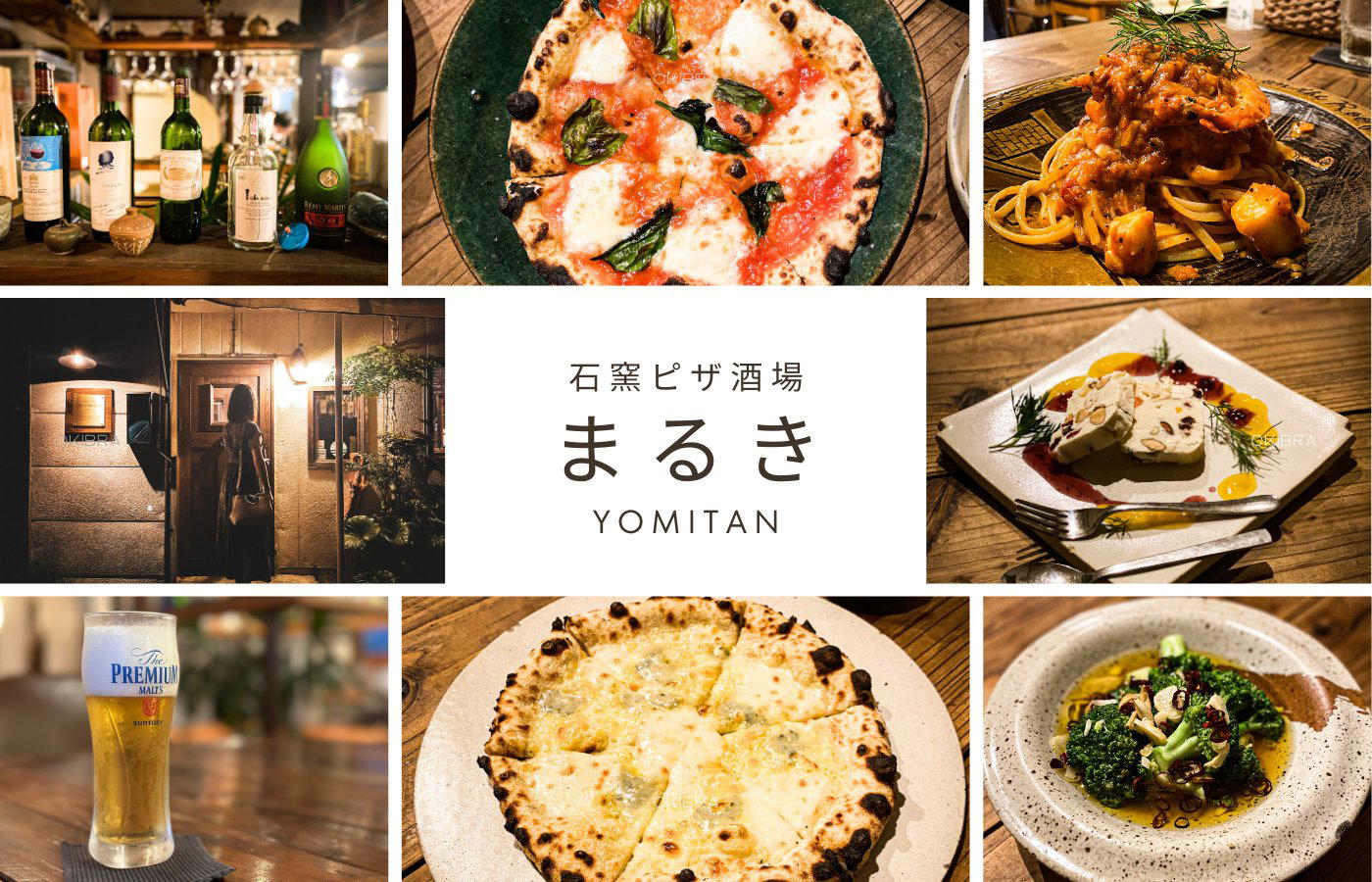
Where Okinawa's Pace Sets the Table
Arrive in Yomitan and the tempo changes immediately. The village sits on Okinawa's west coast, roughly twenty kilometres from Naha, and it has long occupied a different register from the capital's dense restaurant blocks. Yomitan built its post-war reputation through pottery and craft, and that inclination toward slow, skilled production has quietly shaped the kind of eating that feels most at home here. Maruki, addressed at 230 Senaha in the village's coastal edge, belongs to that context. It is not a restaurant that announces itself through a famous neighbourhood or a marquee award. It operates in a district where the dining room's connection to local rhythm matters more than its position on any list.
For readers mapping their way through the broader Okinawan dining scene, it helps to understand where Nakagami District sits in relation to the prefecture's restaurant geography. The main drag of American Village in Chatan draws a dense concentration of steakhouses, yakiniku tables, and international formats, venues like Blue Ocean Steak, Wagyu Teppanyaki SASUKE, Grilled Fukugyu restaurant, and Yakiniku Ryukyunoushi Chatan that collectively reflect a high-volume, tourism-adjacent dining culture. Move west toward the coastline villages and the register shifts. Yomitan and its surrounding communities have a smaller, quieter restaurant scene, one that tends to serve regulars and deliberate visitors rather than foot traffic. Maruki sits in that quieter tier. See our full Nakagami District restaurants guide for a mapped view of how the district's dining options spread across this range.
The Ritual of a Meal in Rural Okinawa
Dining customs in rural Okinawa carry a different architecture than those found at the prefecture's resort-facing tables or the refined kaiseki rooms further up the Japanese archipelago. At venues like Gion Sasaki in Kyoto or Harutaka in Tokyo, the ritual is codified: course order, serving interval, counter etiquette, and even the arc of the evening follow conventions that guests are expected to understand in advance. In Okinawa, particularly outside Naha, the ritual is less formal but no less present. It operates through a different set of signals: the pace at which dishes arrive, the expectation that a table will settle in rather than turn quickly, and a menu logic that tends to follow local availability rather than fixed seasonal programming.
This is a meaningful distinction for the traveller planning a meal at Maruki. The restaurant sits in a location where the dining occasion is not engineered for a particular duration. Meals here tend to expand into the evening in a way that the restaurant-dense areas of Chatan or Naha are less set up to allow. The coastal edge of Yomitan, particularly around Senaha, invites that kind of unhurried consumption. Arriving with an agenda timed to another booking or a resort curfew works against the venue's natural register.
Okinawan cuisine at its most local operates within a logic that mainland Japanese cooking does not always share. The prefecture's food culture draws on distinct sourcing traditions, including pork preparations that differ substantially from Honshu norms, coastal ingredients tied to specific local fishing practices, and bitter vegetable profiles that reflect the island's agricultural character rather than continental Japanese taste preferences. Restaurants in Yomitan occupy a space where these traditions have not been modernised for outside audiences to the degree that some Naha venues have, and that shapes what a meal tends to look and taste like. Whether Maruki specifically expresses these traditions in a particular way cannot be verified from available data, but the district context is a reliable indicator of the general orientation a diner should expect.
Placing Maruki in a Broader Critical Frame
Japan's most-discussed restaurants cluster in the major urban centres. HAJIME in Osaka and Atomix in New York City represent opposite ends of a global fine-dining conversation that Okinawa's village restaurants simply do not participate in, by design as much as by circumstance. The same is true of the multi-course precision that defines akordu in Nara or the seafood discipline at Le Bernardin in New York City. Maruki does not sit in that competitive tier, and understanding that is part of reading the venue correctly.
The more instructive comparisons are the smaller, locally embedded restaurants found in prefectural Japan outside the major cities. Venues like Goh in Fukuoka demonstrate how regional Japanese cities sustain serious cooking outside Tokyo's orbit. At a further remove, venues in smaller settlements across Japan's regional prefectures, places like 一本木 石川制 in Nanao or 羽黒屋 in Nishikawa Machi, illustrate how Japan's strongest local cooking often happens in places that attract no Michelin inspector and carry no international press profile. Maruki operates in that tradition: a restaurant in a specific place, for a specific community, with a value that is geographic and cultural before it is gastronomic in the award-competition sense. That positioning is not a limitation. For the traveller who has already covered the celebrated restaurants of Sapporo or Takashima, a meal in Yomitan represents a different kind of engagement with Japanese food culture, one grounded in place rather than prestige.
Planning a Visit
Yomitan is accessible by car from Naha in approximately thirty to forty minutes via the Okinawa Expressway, and car rental is the practical choice for visitors staying in Naha who want to reach the village's coastal edge without relying on infrequent bus connections. The Senaha area, where Maruki is addressed, sits near a coastal road that also passes the Yomitan sunset coast, making an early evening arrival feasible alongside a short exploration of the shoreline before sitting down. Visitors travelling from the Chatan or American Village area, where several of the district's more prominent restaurants cluster around venues like 北谷ダイニング ちゃぁぶ~, would find Maruki a twenty-minute drive north. Booking details, hours, and current pricing are not available in verified form and should be confirmed directly with the restaurant before travel, particularly for visitors arriving outside the main summer season when smaller Okinawan venues may adjust their schedules. Late spring and early autumn represent the most comfortable windows for the west coast of Okinawa in terms of weather, though the prefecture draws visitors year-round and summer brings both heat and the prefecture's highest visitor volumes, which affects availability at dining rooms of all sizes across the district.
Frequently asked questions
Would Maruki be comfortable with kids?
Yomitan's dining culture is rooted in community and household rhythms, which generally means a relaxed pace rather than a formal or hushed setting. The rural Okinawa context, a village address at 230 Senaha rather than a resort corridor, suggests an unpretentious atmosphere. Calling ahead to confirm remains the practical step before arriving with young children.
How would you describe the vibe at Maruki?
Maruki sits in Yomitan, a village on Okinawa's west coast that operates at a pace distinct from Naha's urban dining scene or the resort strips further south. Rural Okinawan restaurants of this address type tend toward the unhurried and local-facing, where the room reflects the community rather than an outside audience. Think unpretentious and grounded rather than performance-oriented. The Senaha address places it firmly outside the tourist circuit, which shapes the atmosphere accordingly.
Is Maruki worth the drive from Naha for a meal in rural Okinawa?
Yomitan is approximately thirty to forty minutes from Naha by car via the Okinawa Expressway, and Maruki's address at 230 Senaha places it in the village interior rather than on a main transit route. That distance filters out casual drop-ins and means the room skews toward locals and deliberate visitors rather than passing resort traffic. For anyone already exploring Okinawa's west coast, Yomitan is well-positioned near the ceramic workshops of Yachimun no Sato, the detour adds context to a day rather than competing with it.
What's the must-try dish at Maruki?
Okinawan village dining in the Nakagami District context often draws on local ingredients, goya, rafute, sea vegetables from the surrounding coast, but confirming what Maruki actually serves requires a direct visit or contact with the venue. Arriving open to the day's offering is consistent with how rural Okinawa tables tend to operate.
Where is Maruki located?
Maruki is located at 230 Senaha, Yomitan, Nakagami District, Okinawa 904-0325, Japan, Nakagami District.
Category Peers
Comparable venues nearby, for context on price, style, and recognition.
| Venue | Cuisine | Price | Notes |
|---|---|---|---|
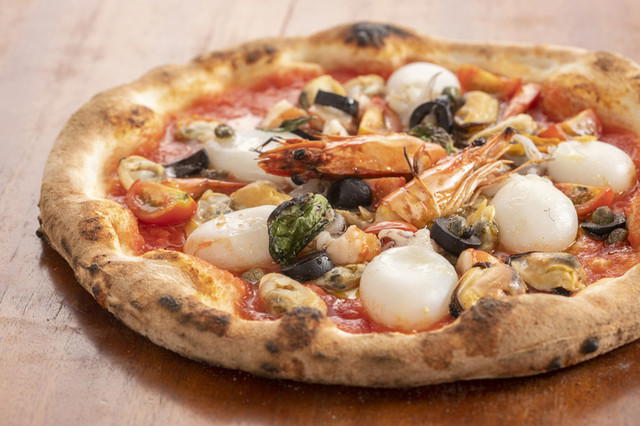
| MarukiThis venue (the venue you are viewing) | Stone Oven Pizza Italian | $20–30 | Not listed |
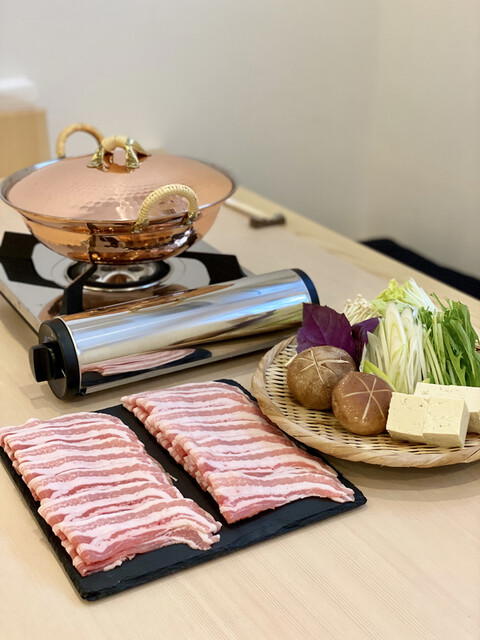
| 北谷ダイニング ちゃぁぶ~ | Okinawan Aguu Pork Shabu-Shabu | $30–50 | Chatan |
| Yakiniku Ryukyunoushi Chatan | Okinawan Yakiniku | $50–100 | Chatan-cho |
| Blue Ocean Steak | Okinawan Wagyu Steakhouse | $50–100 | Chatan-cho |
| Wagyu Teppanyaki SASUKE | Premium A5 Wagyu Teppanyaki | $100–150 | Chatan, Nakagami District |
| Grilled Fukugyu restaurant | Yakiniku Wagyu | $100–150 | Chatan-cho |
Continue exploring
More in Yomitan
Restaurants in Yomitan
All restaurants in Yomitan →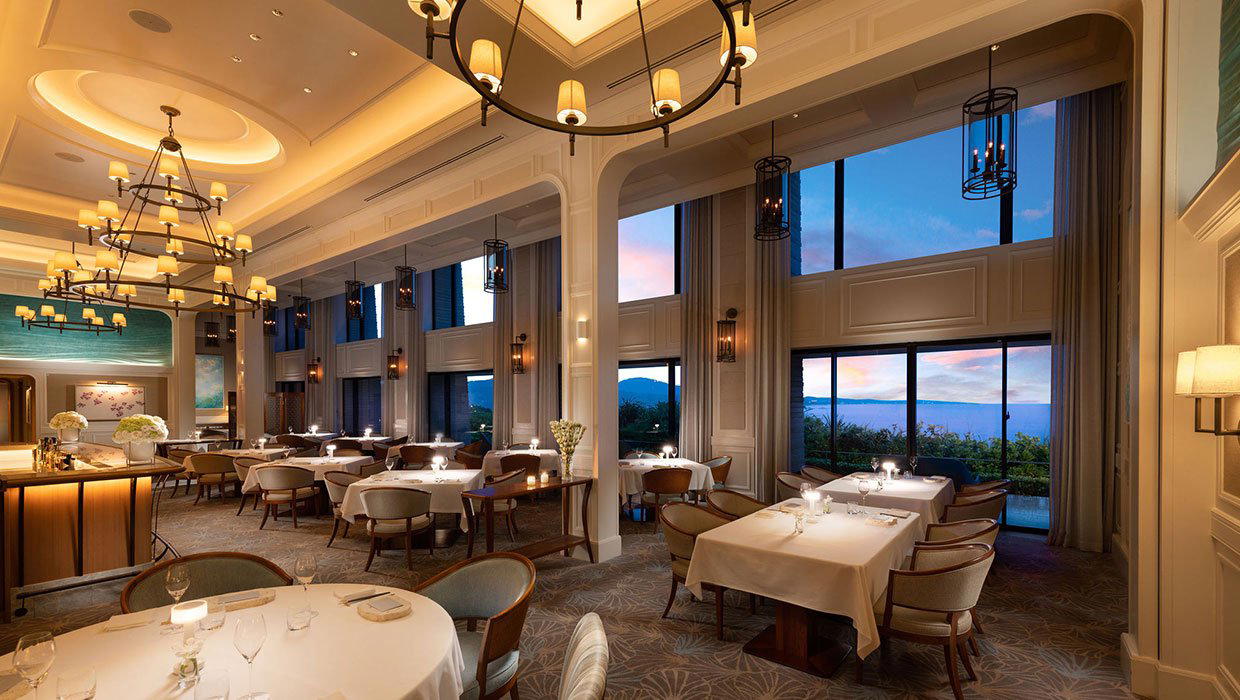
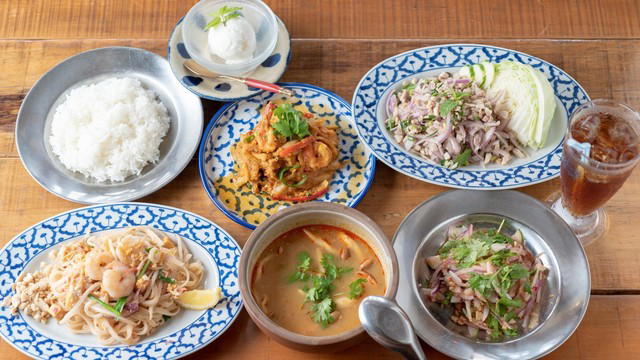
Details
- Cozy
- Intimate
- Date Night
- Casual Hangout
- A La Carte
Current opening hours
- Monday
- 5:30–10:30 PM
- Tuesday
- Closed
- Wednesday
- 5:30–10:30 PM
- Thursday
- 5:30–10:30 PM
- Friday
- 5:30–10:30 PM
- Saturday
- 5:30–10:30 PM
- Sunday
- Closed
Hours can change for holidays and private events. Hours as of .
Cozy and secluded hideaway atmosphere well-suited for enjoying wood-fired pizza and drinks.