Our verdict
Located in Chatan, Okinawa's most outward-looking coastal town, 北谷ダイニング ちゃぁぶ~ sits within a dining district that blends Ryukyuan food traditions with influences shaped by decades of cultural exchange. The restaurant draws from the local dining character of Nakagami District, where casual format and regional ingredient focus coexist with genuine kitchen ambition. A reference point for the area's neighbourhood dining scene.

Pearl is the En Primeur Club membership app, where members save venues, book tables and use the concierge.
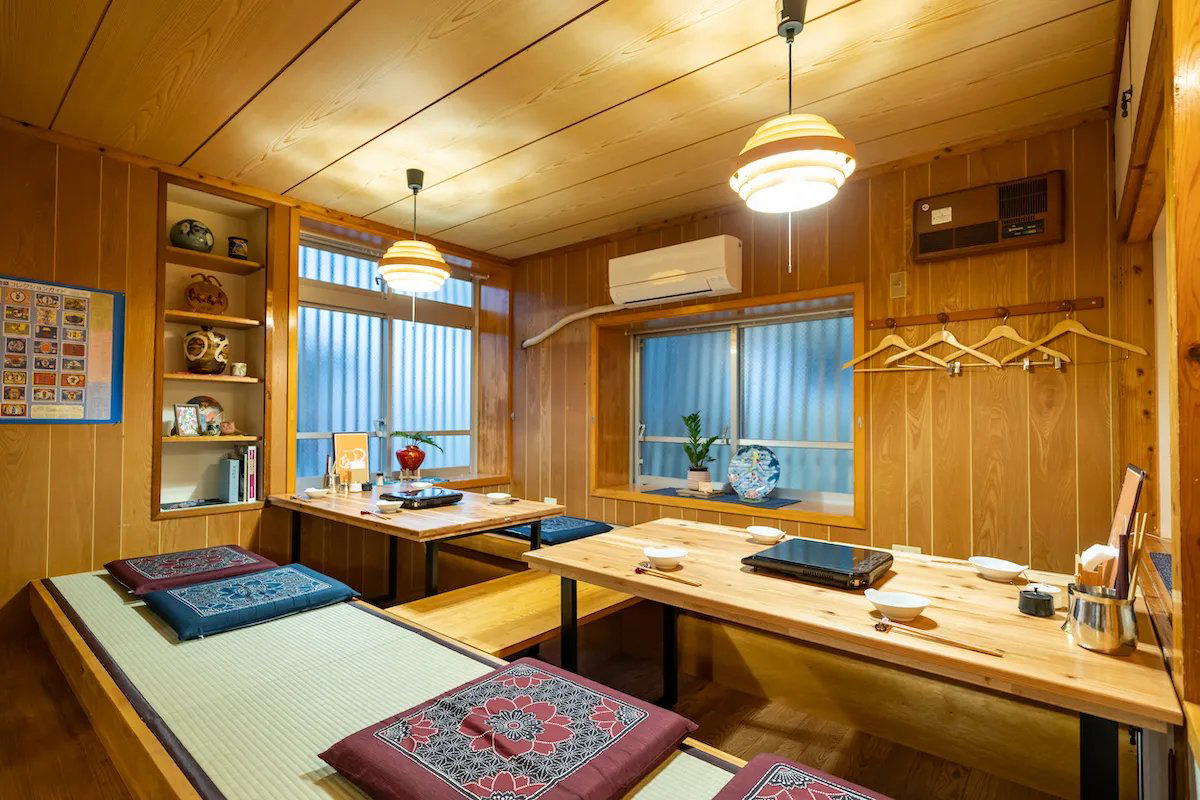
Where Chatan's Dining Character Comes Into Focus
Chatan, the coastal town in Okinawa's Nakagami District built around the curve of Araha Beach and the commercial energy of American Village, has developed a dining scene that reflects its particular geography and history. Few places in Japan sit at the intersection of Ryukyuan culinary tradition and the long cultural presence of a foreign military community quite like this stretch of the western coast. The result is a restaurant district that doesn't resolve neatly into either direction: it holds both, and the more considered establishments here have learned to work with that tension rather than resolve it artificially.
北谷ダイニング ちゃぁぶ~, addressed at 614-1 Kuwae in Chatan, occupies this particular local register. The name itself signals something about the register: ちゃぁぶ~ carries the cadence of Okinawan dialect, an auditory marker of place that separates the venue from the more generic dining offer that lines the American Village perimeter. Approaching the address in Kuwae, you're moving slightly away from the tourist-facing strip and into the residential-commercial middle ground where locals actually eat.
Reading the Menu as a Document of Place
In Okinawa's more considered dining rooms, the menu functions as a kind of regional argument. The prefecture's food culture draws from a distinct pantry, goya (bitter melon), rafute (braised pork belly), mimiga (pig's ear), tofu variants like tofuyo, that differs substantially from mainland Japanese cuisine. The leading local establishments use that pantry with intention, not as folklore but as a working vocabulary that shapes how dishes are built and sequenced.
The structure of a menu at a venue like 北谷ダイニング ちゃぁぶ~ tends to reflect the Okinawan dining rhythm, which sits somewhere between the izakaya model of grazing and the more composed progression of kaiseki. What that typically means in practice: small plates that reward sharing, a middle section built around the protein traditions of the island (pork, above all, which runs through Okinawan cuisine more insistently than anywhere else in Japan), and a closing note that acknowledges the Ryukyuan sweet tradition. Whether the kitchen here hews strictly to that structure or departs from it in some direction is leading verified directly, the venue's specifics are not on public record in granular form.
What the location and context do suggest is a format oriented toward relaxed, multi-course grazing rather than the more formal tasting menu formats you'd encounter at destination restaurants elsewhere in Japan. Compare the approach to something like HAJIME in Osaka or Harutaka in Tokyo, and the contrast is immediately clear: Okinawan neighbourhood dining operates on a different axis entirely, where conviviality and ingredient directness matter more than technical architecture.
Nakagami's Restaurant Tier and What It Implies
The Nakagami District dining scene doesn't operate within a single register. On one end, you have the steak and wagyu houses that draw from Okinawa's Black beef reputation, venues like Blue Ocean Steak, Wagyu Teppanyaki SASUKE, and Grilled Fukugyu restaurant, which position themselves around premium protein formats. On another, yakiniku houses like Yakiniku Ryukyunoushi Chatan and more general dining options like Maruki occupy a more accessible middle band.
北谷ダイニング ちゃぁぶ~ appears to sit within that neighbourhood dining tier rather than the destination-protein tier. That's not a criticism, it reflects a different function. The venue serves the everyday dining life of Chatan residents and the kind of visitor who wants to eat the way locals do, not perform the wagyu ritual. That's a legitimate and often more instructive choice for anyone trying to understand what Okinawan food actually looks and tastes like on an ordinary Tuesday evening.
Across Japan's broader dining spectrum, regional neighbourhood restaurants of this type carry a kind of credibility that formal destination dining sometimes loses. Gion Sasaki in Kyoto and Goh in Fukuoka represent the high end of that spectrum, where regional tradition is expressed through technical precision. But the foundation those restaurants draw from, the local ingredient culture, the daily eating habits, the unforced rhythm of regional food, is exactly what venues at the neighbourhood level preserve and transmit.
The Chatan Context: Why Location Matters
Chatan's dining geography has shifted over the past decade. American Village, the commercial complex that drew initial visitor attention, has become more saturated and formula-driven. The more interesting eating is now happening in the surrounding streets, where rents are lower and the kitchens less obligated to the tourist expectation. The Kuwae address places 北谷ダイニング ちゃぁぶ~ in that secondary zone, which in most Japanese cities tends to be where the more honest cooking lives.
Okinawa's food culture also carries a health dimension that has attracted growing international attention. The prefecture has historically been associated with longevity research, the Okinawan diet, high in vegetables, tofu, and sweet potato, low in processed food, has been studied extensively. That context colours how visitors approach the local table, and how the better neighbourhood restaurants frame their menus: not as wellness product, but as direct expression of how people here have always eaten. The distance between that and the high-concept kaiseki of akordu in Nara or the precision of Atomix in New York City is considerable, and instructive.
Planning a Visit
北谷ダイニング ちゃぁぶ~ is located at 614-1 Kuwae, Chatan, in the Nakagami District of Okinawa. The venue sits within comfortable reach of the main Chatan tourist corridor but away from its more congested sections. Phone and website details are not currently listed on public platforms, so the most reliable approach is to visit in person or check local aggregators for current hours and reservation requirements. Okinawa's neighbourhood dining rooms tend to fill on weekend evenings, so arriving early or checking in advance is the practical approach regardless of formal booking requirements. For broader orientation on what the district's dining scene offers, our full Nakagami District restaurants guide covers the range of options across cuisine type and price tier.
Visitors moving through Japan's broader dining circuit may find useful contrast in venues like Le Bernardin in New York City for understanding how regional ingredient focus operates at the formal end of the spectrum, or regional Japanese houses like 一本木 石川製 in Nanao, 夕佳亭山乃 in Sapporo, 琵琶湖畔 in Takashima, 庭羽屋 in Nishikawa Machi, or Birdland in Sakai for a cross-section of how Japan's regional dining traditions express themselves outside the major metropolitan centres.
Frequently asked questions
Where do I go for 北谷ダイニング ちゃぁぶ~?
北谷ダイニング ちゃぁぶ~ is located at 614-1 Kuwae, Chatan, Nakagami District, Okinawa 904-0103, Japan, Nakagami District.
Where exactly is 北谷ダイニング ちゃぁぶ~ located in Chatan, and how accessible is it for visitors staying near American Village?
北谷ダイニング ちゃぁぶ~ is at 614-1 Kuwae, Chatan, Nakagami District, Okinawa 904-0103, a Chatan address that sits within the broader cluster of dining and commercial activity anchored by American Village and Araha Beach. The Kuwae area is accessible by car, which remains the standard mode in Nakagami District, and sits comfortably within the Chatan tourist corridor. Visitors based near the beachside hotels on Route 58 will find the location within the same general zone.
What's the signature dish at 北谷ダイニング ちゃぁぶ~?
What the venue's name and Chatan address suggest is a dining approach rooted in the Okinawan regional pantry, a tradition that draws heavily on sea vegetables, pork, tofu variants like jimami, and ingredients shaped by both Ryukyuan and broader East Asian influence. For current menu specifics, contacting the venue directly or visiting in person is advisable.
Is 北谷ダイニング ちゃぁぶ~ reservation-only?
No booking policy is publicly documented for 北谷ダイニング ちゃぁぶ~ at 614-1 Kuwae, Chatan. Dining rooms in the Nakagami District of this profile can range from walk-in to advance booking, particularly on weekends when Araha Beach and American Village draw heavier visitor traffic. Arriving early or inquiring locally in Chatan is the practical approach until confirmed reservation details become available.
What do critics highlight about 北谷ダイニング ちゃぁぶ~?
The venue holds no documented Michelin or major award listing at this time. Its position in Chatan's Kuwae area places it within a dining tier that tends to attract attention for grounding regional Okinawan food culture rather than international fine-dining convention.
Can 北谷ダイニング ちゃぁぶ~ adjust for dietary needs?
Okinawan dining in the Nakagami District frequently involves pork-based broths and dashi preparations, which can affect guests with specific restrictions. Communicating requirements directly to the venue before visiting is the only reliable way to confirm what adjustments, if any, are possible.
A Credentials Check
Comparable venues nearby, for context on price, style, and recognition.
| Venue | Cuisine | Price | Notes |
|---|---|---|---|
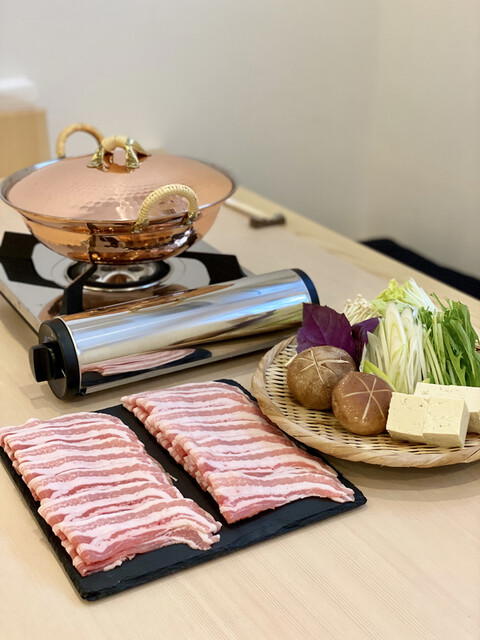
| 北谷ダイニング ちゃぁぶ~This venue (the venue you are viewing) | Okinawan Aguu Pork Shabu-Shabu | $30–50 | Not listed |
| Wagyu Teppanyaki SASUKE | Premium A5 Wagyu Teppanyaki | $100–150 | Chatan, Nakagami District |
| Maruki | Stone Oven Pizza Italian | $20–30 | Yomitan-son |
| Yakiniku Ryukyunoushi Chatan | Okinawan Yakiniku | $50–100 | Chatan-cho |
| Grilled Fukugyu restaurant | Yakiniku Wagyu | $100–150 | Chatan-cho |
| Blue Ocean Steak | Okinawan Wagyu Steakhouse | $50–100 | Chatan-cho |
Continue exploring
More in Chatan
Restaurants in Chatan
All restaurants in Chatan →


Details
- Cozy
- Rustic
- Intimate
- Family
- Casual Hangout
- Historic Building
- Sake Program
- A La Carte
Current opening hours
- Monday
- 5:30–11 PM
- Tuesday
- 5:30–11 PM
- Wednesday
- 5:30–11 PM
- Thursday
- 5:30–11 PM
- Friday
- 5:30–11 PM
- Saturday
- 5:30–11 PM
- Sunday
- 5:30–11 PM
Hours can change for holidays and private events. Hours as of .
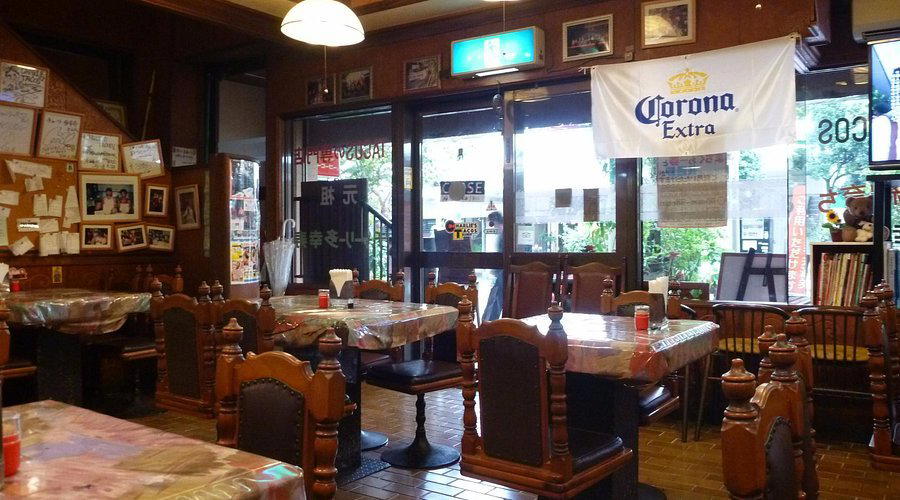
Relaxed, home-like atmosphere in a renovated traditional Okinawan kominka with spacious dug-out kotatsu seating.