Our verdict
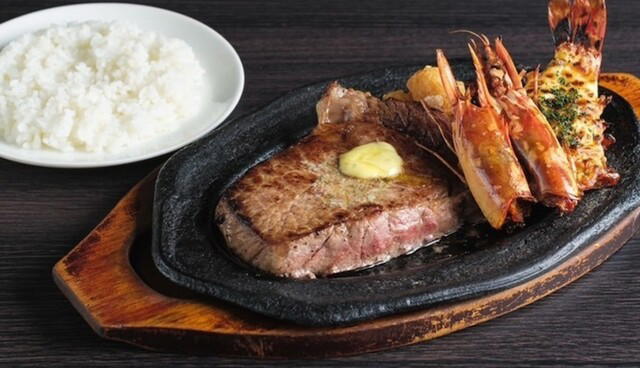
Yakiniku Ryukyunoushi Chatan sits on the second floor of a Mihama complex in Chatan, where Okinawa's American Village backdrop meets a serious commitment to grilled beef. The restaurant occupies a corner of Nakagami District's growing premium meat scene, drawing on locally sourced Ryukyuan cattle alongside wagyu cuts. For visitors positioning themselves between Naha and the central coast, it anchors an evening well.

Pearl is the En Primeur Club membership app, where members save venues, book tables and use the concierge.

Chatan's Waterfront Strip and the Case for Yakiniku Here
Mihama in Chatan is a particular kind of place: a planned entertainment district built around American Village, the sprawling retail and dining complex that grew up near the former US military perimeter. The streets there run wider than in older Okinawan towns, the signage mixes Japanese and English freely, and the crowd on any given evening includes American servicemembers, mainland Japanese tourists, and Okinawa locals who have claimed the area as a regular haunt. Against that backdrop, a second-floor yakiniku restaurant is not an unusual proposition. What determines whether one earns repeat visits is the quality of the grill and the sourcing behind it.
Yakiniku Ryukyunoushi Chatan addresses that question through its name: "Ryukyunoushi" signals a connection to Okinawan cattle, a thread of local identity that distinguishes the premise from generic wagyu houses. The restaurant sits on the second floor of a Mihama building at 51-1, positioned above street level in the way that many of Chatan's more considered dining rooms are, removing the diner from the foot traffic below without isolating the experience from the district's energy entirely.
For context on how Nakagami District's premium meat scene fits together, see our full Nakagami District restaurants guide, which maps the range of options across Chatan and its neighbouring areas.
The Yakiniku Format in an Okinawan Setting
Yakiniku as a dining format rewards attention to sourcing in a way that other grill traditions do not always demand. The cook-at-table model means the quality of the raw cut is immediately legible: fat distribution, freshness, and the precision of the butchering all register within the first few seconds on the grate. This is precisely why the better yakiniku rooms in Japan compete primarily on their beef supply chains rather than on kitchen technique.
Okinawa adds a specific regional dimension. The prefecture has its own cattle-raising tradition, historically distinct from the Kuroge Wagyu lineage dominant on the mainland, shaped by climate, feed, and the island's geographic separation. A restaurant that grounds itself in Ryukyuan cattle is making a curatorial claim: that local terroir produces a product worth centring, rather than simply importing the most recognisable premium brand from Kyushu or the Kansai region. This is the same logic that has made regional beef identity a compelling angle in other parts of Japan, where producers with distinct local breeds have carved out serious followings among travellers who read provenance carefully.
Yakiniku Ryukyunoushi Chatan positions itself within that argument. Whether the execution fully bears it out depends on variables including the day's sourcing and the cut selection on offer, but the framing is coherent and the location in Mihama gives it access to a mixed clientele capable of supporting that level of ambition.
How It Sits Among Nakagami's Meat Restaurants
The Nakagami District has a cluster of meat-focused restaurants worth knowing for anyone planning a multi-day stay in the area. Blue Ocean Steak approaches the premium beef category from a Western steakhouse angle, while Wagyu Teppanyaki SASUKE uses the teppan format, where the chef controls the cook rather than the diner. Grilled Fukugyu restaurant occupies adjacent territory to Ryukyunoushi on the yakiniku side, making the two a natural point of comparison for anyone who wants to compare sourcing approaches within the same grill format.
Maruki and 北谷ダイニング ちゃぁぶ~ represent the broader Chatan dining scene beyond the dedicated meat category, useful reference points for planning an evening that might not centre on beef at all.
For travellers who use Okinawa as a starting point for thinking about Japanese dining more broadly, the regional contrast is worth noting. The refined precision of counter omakase rooms like Harutaka in Tokyo or the kaiseki formality of Gion Sasaki in Kyoto operates in a completely different register. Yakiniku in Chatan is convivial and participatory, built for groups and for conversation across the grill, not for the studied quiet of a sushi counter or a kaiseki progression. That distinction is not a hierarchy; it is a difference in what a dinner is for.
Planning a Visit: What to Know Before You Go
The Mihama address places Yakiniku Ryukyunoushi Chatan within easy reach of the main Chatan hotel cluster and a short drive from Naha if you are staying in the capital. The American Village area is walkable from several accommodation options in Mihama, making the second-floor location accessible without requiring a taxi or rental car for those already in the neighbourhood.
The restaurant occupies a position that is neither a quick casual stop nor a formal reservation-driven destination in the way that the tightly controlled counters of mainland Japan operate. Yakiniku rooms at this tier typically accept reservations and appreciate them, particularly for groups of four or more where table configuration and grill setup matter. Walk-ins depend heavily on the evening and the season, with the tourist-heavy months around Okinawa's extended warm season generating more competition for tables.
Pricing for yakiniku in this bracket generally runs in line with mid-to-upper casual dining in Japan's regional cities, below the reservation-fee structures of Tokyo's serious wagyu rooms but above the izakaya price point.
For reference on what serious Japanese dining looks like at other price points and formats across the country, HAJIME in Osaka, akordu in Nara, and Goh in Fukuoka each illustrate how regional culinary ambition can anchor itself outside Tokyo while maintaining a clear sense of what it is doing and why.
Frequently asked questions
What part of town is Yakiniku Ryukyunoushi Chatan in?
Yakiniku Ryukyunoushi Chatan is located at Japan, ã904-0115 Okinawa, Nakagami District, Chatan, Mihama, 51-1 ãã«ã¤ãªã¾ã¼ãåè°· 2F, Nakagami District.
Is Yakiniku Ryukyunoushi Chatan a good option for visitors staying near American Village in Chatan?
The Mihama address at 51-1, second floor, places the restaurant within walking distance of the main Chatan hotel cluster that surrounds American Village, making it a practical choice for guests who want a sit-down grill dinner without driving into Naha. Yakiniku as a format suits groups and pairs equally well, since the cook-at-table structure sets its own pace. Visitors coming from Naha can reach Mihama in roughly 30 minutes by car along Route 58.
What do regulars order at Yakiniku Ryukyunoushi Chatan?
The cook-at-table format at Yakiniku Ryukyunoushi Chatan places the sourcing of meat at the centre of the experience, so regulars tend to gravitate toward cuts that showcase local provenance rather than familiar barbecue staples. Okinawa's cattle-raising traditions differ from those of the mainland, and a restaurant operating in Mihama's competitive dining strip has reason to lean into that regional identity.
How far ahead should I plan for Yakiniku Ryukyunoushi Chatan?
Yakiniku Ryukyunoushi Chatan sits on the second floor of a Mihama address inside the American Village complex, which draws consistent foot traffic from both domestic tourists and the area's resident international community. Demand at Mihama restaurants tends to spike on weekends and during Okinawa's peak travel window from late spring through summer.
What makes Yakiniku Ryukyunoushi Chatan worth seeking out?
Yakiniku Ryukyunoushi Chatan occupies a second-floor position on the Mihama strip in Chatan, a district where most dining options orient around American-influenced fast casual or izakaya formats. A yakiniku specialist in this setting fills a specific gap for anyone wanting a slower, more deliberate meal built around grilled meat rather than the broader bar-and-plates model that dominates the neighbourhood. The Nakagami District's cluster of meat-focused restaurants gives it genuine local competition, which tends to sharpen the sourcing conversation at any serious grill house in the area.
A Tight Comparison
Comparable venues nearby, for context on price, style, and recognition.
| Venue | Cuisine | Price | Notes |
|---|---|---|---|
| Yakiniku Ryukyunoushi ChatanThis venue (the venue you are viewing) | Okinawan Yakiniku | $50–100 | Not listed |
| Grilled Fukugyu restaurant | Yakiniku Wagyu | $100–150 | Chatan-cho, Yakiniku Wagyu |
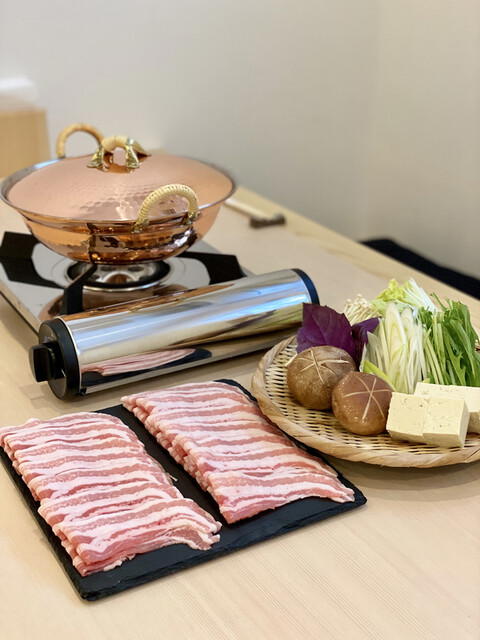
| 北谷ダイニング ちゃぁぶ~ | Okinawan Aguu Pork Shabu-Shabu | $30–50 | Chatan, Okinawan Aguu Pork Shabu-Shabu |
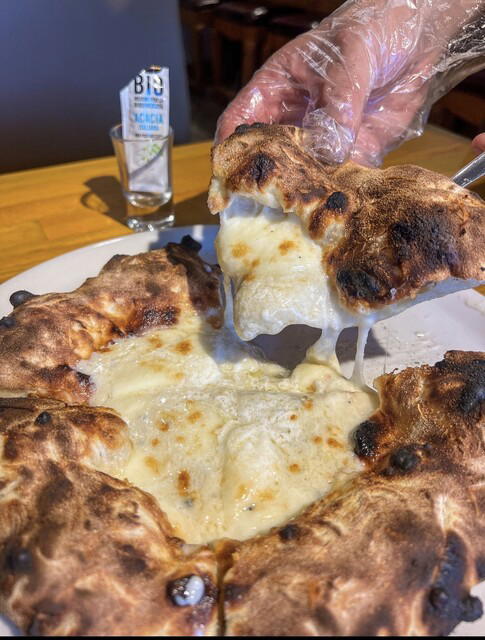
| Maruki | Stone Oven Pizza Italian | $20–30 | Yomitan-son, Stone Oven Pizza Italian |
| Blue Ocean Steak | Okinawan Wagyu Steakhouse | $50–100 | Chatan-cho, Okinawan Wagyu Steakhouse |
| Wagyu Teppanyaki SASUKE | Premium A5 Wagyu Teppanyaki | $100–150 | Chatan, Nakagami District, Premium A5 Wagyu Teppanyaki |
Continue exploring
More in Chatan
Restaurants in Chatan
All restaurants in Chatan →
Details
- Cozy
- Modern
- Family
- Group Dining
- Special Occasion
- Open Kitchen
- Sake Program
- Local Sourcing
- A La Carte
Current opening hours
- Monday
- 4:30–11 PM
- Tuesday
- 4:30–11 PM
- Wednesday
- 4:30–11 PM
- Thursday
- 4:30–11 PM
- Friday
- 4:30–11 PM
- Saturday
- 4:30–11 PM
- Sunday
- 4:30–11 PM
Hours can change for holidays and private events. Hours as of .
Nice ambience with stylish and relaxing space, good ventilation, and table-side grilling.