Our verdict
Wagyu Teppanyaki SASUKE sits on the third floor of American Village's Central Park complex in Chatan, Okinawa, placing premium teppanyaki within one of the island's most active dining corridors. The format centers on wagyu beef prepared tableside over a teppan grill, a format that rewards ingredient quality above all else. For visitors working through Nakagami District's restaurant scene, SASUKE represents the teppanyaki option in a neighborhood otherwise heavy on casual dining.

Pearl is the En Primeur Club membership app, where members save venues, book tables and use the concierge.

The menu
What to order
- A5 Wagyu Teppanyaki
- Wagyu Bone Broth Soup
Teppanyaki in Okinawa: Where the Grill Meets the Island
Okinawa occupies an unusual position in Japan's beef culture. The prefecture sits far south of the mainland prefectures most associated with premium wagyu production, yet its dining scene has developed a consistent appetite for grilled beef formats, driven partly by the influence of American military presence in Chatan and partly by the island's own evolving restaurant culture. Teppanyaki, as a format, sits at the intersection of performance and precision: the chef works the grill at close range, the heat is immediate, and the quality of the raw ingredient has nowhere to hide. That dynamic makes sourcing the central argument of any serious teppanyaki kitchen.
Wagyu Teppanyaki SASUKE operates from the third floor of the Central Park building inside American Village in Mihama, Chatan. American Village is not a quiet neighbourhood address. It is a purpose-built commercial and entertainment district developed around the land returned by the US military, and it functions as one of Nakagami District's primary dining destinations for both residents and tourists. The surrounding area includes a range of formats, from casual yakiniku to international chains, which makes a focused wagyu teppanyaki offering a distinct position within that mix. Visitors exploring the wider Chatan restaurant scene will also find Blue Ocean Steak, Grilled Fukugyu restaurant, and Yakiniku Ryukyunoushi Chatan nearby, all operating in the premium grilled beef tier of the local market.
The Sourcing Logic Behind Wagyu Teppanyaki
In Japan's beef market, wagyu is a broad term that covers a range of breeds and regional designations, from nationally celebrated brands like Kobe and Matsusaka to lesser-known prefectural cattle that rarely reach export markets. The teppanyaki format has historically been associated with premium cuts precisely because the grill's simplicity demands that the meat carry the experience. Marbling, provenance, and handling all become legible on a flat iron surface in ways that slow braises or sauce-heavy preparations can obscure. This is why ingredient sourcing is not incidental to a teppanyaki kitchen's identity; it is the kitchen's identity.
Okinawa itself does not produce wagyu at the scale of Kagoshima or Miyazaki, its Kyushu neighbours to the north. Kagoshima wagyu in particular has accumulated significant recognition in competitive assessments of Japanese beef, and Miyazaki has won the leading prize at Japan's National Wagyu Olympic on multiple occasions, most recently bringing further attention to Kyushu as a production region. A teppanyaki restaurant in Okinawa drawing on that supply chain is making a deliberate argument about where its standard sits relative to the local casual market. The beef's journey south to the island is part of what positions a restaurant like SASUKE within the serious tier of Nakagami District's dining options.
This sourcing logic also connects to a broader shift in how Japanese teppanyaki has evolved outside of the traditional hotel dining room format. For much of the late twentieth century, teppanyaki was associated with high-ceilinged hotel restaurants serving large groups. The format has moved, across Japan and in pockets like American Village, toward smaller, more ingredient-focused operations where the grill counter functions more like an omakase bar than a banquet service. At those counters, the cut selection and provenance narrative carry the same weight that a wine list carries in a Western fine dining context. Comparable formats elsewhere in Japan, including at HAJIME in Osaka and noted across the kaiseki tier in Kyoto at venues like Gion Sasaki, demonstrate how seriously Japanese kitchens treat ingredient provenance as a primary editorial statement.
Chatan's Dining Position Within Nakagami District
Nakagami District is not a single neighbourhood. It is an administrative unit that takes in Chatan, Okinawa City, and several other municipalities, and its dining character varies significantly across that geography. Chatan, and specifically the Mihama American Village zone, has the densest concentration of restaurants in the district, with formats ranging from Okinawan soba and goya champuru to steak houses and izakayas. The third-floor placement of SASUKE within Central Park is a practical logistics note: the building houses multiple food and retail tenants, so navigation on arrival matters. The Mihama area is accessible by car, with parking infrastructure in the American Village complex, and sits roughly in the centre of Okinawa's main island, making it reachable from both Naha to the south and the central resort corridor to the north.
For context within the district's broader restaurant offer, Maruki and 北谷ダイニング ちゃぁぶ~ represent different points on the dining spectrum in Chatan, and our full Nakagami District restaurants guide maps the wider field if you are building an itinerary across multiple meals. Travellers spending more than two nights on the island will find that American Village functions well as an early-evening base before moving to quieter parts of Chatan for later drinks or dessert.
Teppanyaki in Japan's Wider Dining Conversation
Teppanyaki as a format rarely commands the same critical attention in Japan as kaiseki or sushi omakase. The format's association with tourist-facing hotel dining has historically placed it outside the conversation that drives recognition from bodies like Michelin or Asia's 50 Best. Yet at its sharpest end, teppanyaki demands the same sourcing rigour and technical consistency as those more celebrated formats. Kitchens in Fukuoka such as Goh and in Nara such as akordu illustrate how Japanese regional dining continues to push beyond its comfort categories, and the teppanyaki format in regional settings like Okinawa is part of that same pressure on what counts as serious cooking outside of the three main urban centres. Even internationally recognised kitchens such as Le Bernardin in New York City and Atomix demonstrate that format specificity and ingredient discipline, rather than category prestige, are what separate notable restaurants from their peers.
Within that frame, a wagyu teppanyaki operation in Chatan is making a format-specific argument: that the grill counter, properly supplied, is a sufficient and complete expression of Japanese ingredient culture. What can be said is that the format itself, teppanyaki anchored to named wagyu beef, places the kitchen in a position where the ingredient has to carry the room.
Planning a Visit
SASUKE is located on the third floor of the Central Park building in Mihama, Chatan, within the American Village complex. The Mihama area has street and structured parking; arriving by car is the practical default for most visitors staying outside of Naha. For visitors building a multi-restaurant itinerary across Okinawa's main island, SASUKE fits most naturally into an evening slot in the Chatan corridor, with American Village's other dining options providing before or after options at different price points and formats.
Frequently asked questions
How do I find Wagyu Teppanyaki SASUKE?
Wagyu Teppanyaki SASUKE is located at Japan, ã904-0115 Okinawa, Nakagami District, Chatan, Mihama, 34çªå°3 ããã»ã³ãã©ã«ãã« 3é, Nakagami District.
Is Wagyu Teppanyaki SASUKE suitable for a special occasion dinner in the Chatan area?
The teppanyaki format, centred on premium wagyu beef cooked to order on an iron griddle, suits a deliberate sit-down meal rather than casual dining. SASUKE sits on the third floor of the Central Park building in Mihama, Chatan, within the American Village complex, which provides a distinct setting above the ground-level retail and food stalls. For confirmed pricing, group capacity, and reservation arrangements, check the venue's official channels before visiting.
What do people recommend at Wagyu Teppanyaki SASUKE?
SASUKE is a wagyu teppanyaki venue, so the grill-cooked beef courses are the draw. The teppan format means the beef is prepared on an iron griddle in view of diners, which makes the cut and grade selection the central decision of any visit. Specific menu items and current offerings are best confirmed directly with the venue at the Central Park building in Mihama, Chatan.
What's the best way to book Wagyu Teppanyaki SASUKE?
SASUKE is located on the third floor of the Central Park building in Mihama, Chatan, within the American Village complex.
What makes Wagyu Teppanyaki SASUKE worth seeking out?
Teppanyaki venues with a specific wagyu focus are less common in Okinawa than on the mainland, where the format clusters around urban centres like Tokyo and Osaka. SASUKE's position in Chatan's Mihama district places it inside one of Nakagami District's most visited dining corridors, making it one of the more accessible options for live-grill wagyu preparation in the prefecture. The third-floor setting in the Central Park building also separates it from the street-level fast-casual density of American Village.
Quick Comparison
Comparable venues nearby, for context on price, style, and recognition.
| Venue | Cuisine | Price | Notes |
|---|---|---|---|
| Wagyu Teppanyaki SASUKEThis venue (the venue you are viewing) | Premium A5 Wagyu Teppanyaki | $100–150 | Not listed |
| Blue Ocean Steak | Okinawan Wagyu Steakhouse | $50–100 | Chatan-cho |
| Grilled Fukugyu restaurant | Yakiniku Wagyu | $100–150 | Chatan-cho |
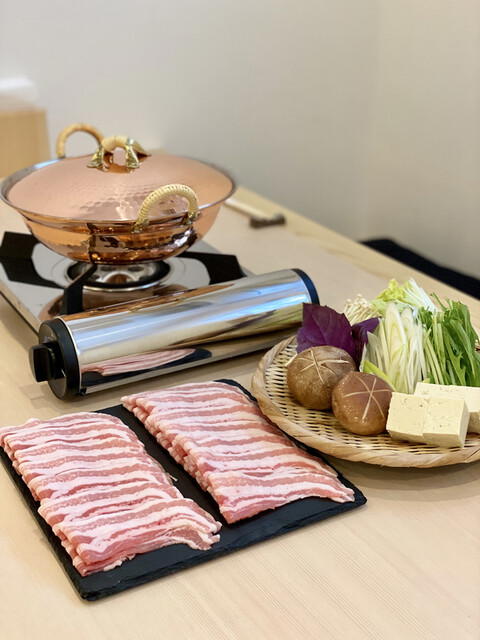
| 北谷ダイニング ちゃぁぶ~ | Okinawan Aguu Pork Shabu-Shabu | $30–50 | Chatan |
| Yakiniku Ryukyunoushi Chatan | Okinawan Yakiniku | $50–100 | Chatan-cho |
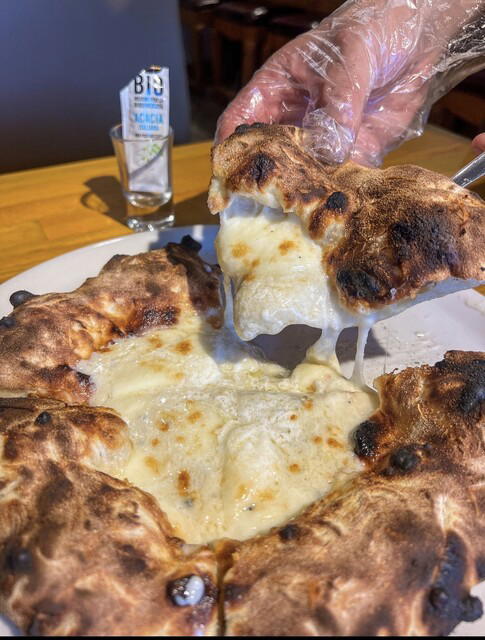
| Maruki | Stone Oven Pizza Italian | $20–30 | Yomitan-son |
Continue exploring
More in Chatan
Restaurants in Chatan
All restaurants in Chatan →
Details
- Elegant
- Intimate
- Romantic
- Sophisticated
- Date Night
- Special Occasion
- Celebration
- Business Dinner
- Open Kitchen
- Chefs Counter
- Private Dining
- Local Sourcing
- Counter Dining
- A La Carte
Current opening hours
- Monday
- 5–10 PM
- Tuesday
- 5–10 PM
- Wednesday
- 5–10 PM
- Thursday
- 5–10 PM
- Friday
- 5–10 PM
- Saturday
- 5–10 PM
- Sunday
- 5–10 PM
Hours can change for holidays and private events. Hours as of .
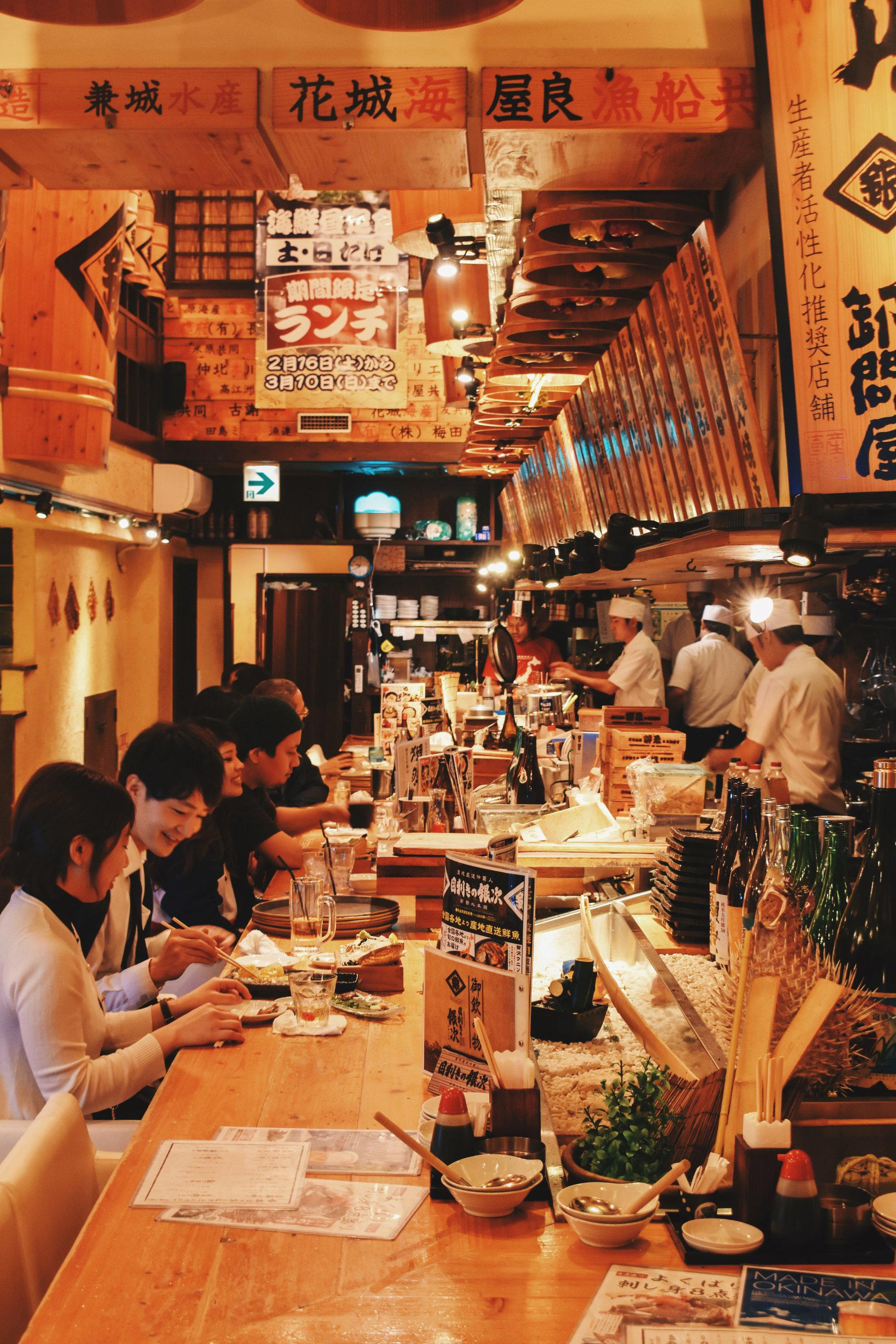
Relaxed yet refined atmosphere with counter seating overlooking the teppanyaki grill, creating an interactive and luxurious dining experience.