Marlow Bistro
Marlow Bistro on Amsterdam Avenue operates in a Upper West Side neighbourhood that has long supported neighbourhood-anchored dining over destination spectacle. The restaurant sits at the intersection of casual accessibility and considered cooking, drawing from the broader New York movement toward sourcing-conscious menus. For visitors and locals alike, it represents the mid-tier of Manhattan dining that the city's most award-heavy addresses rarely occupy.
Pearl is the En Primeur Club membership app — saves, bookings, and concierge access live there. Same editors, same standards.
- Address
- 1018 Amsterdam Ave, New York, NY 10025
- Phone
- +12126629020
- Website
- marlowbistro.com
- Directions
- Get directions
 Saves & bookings on Pearl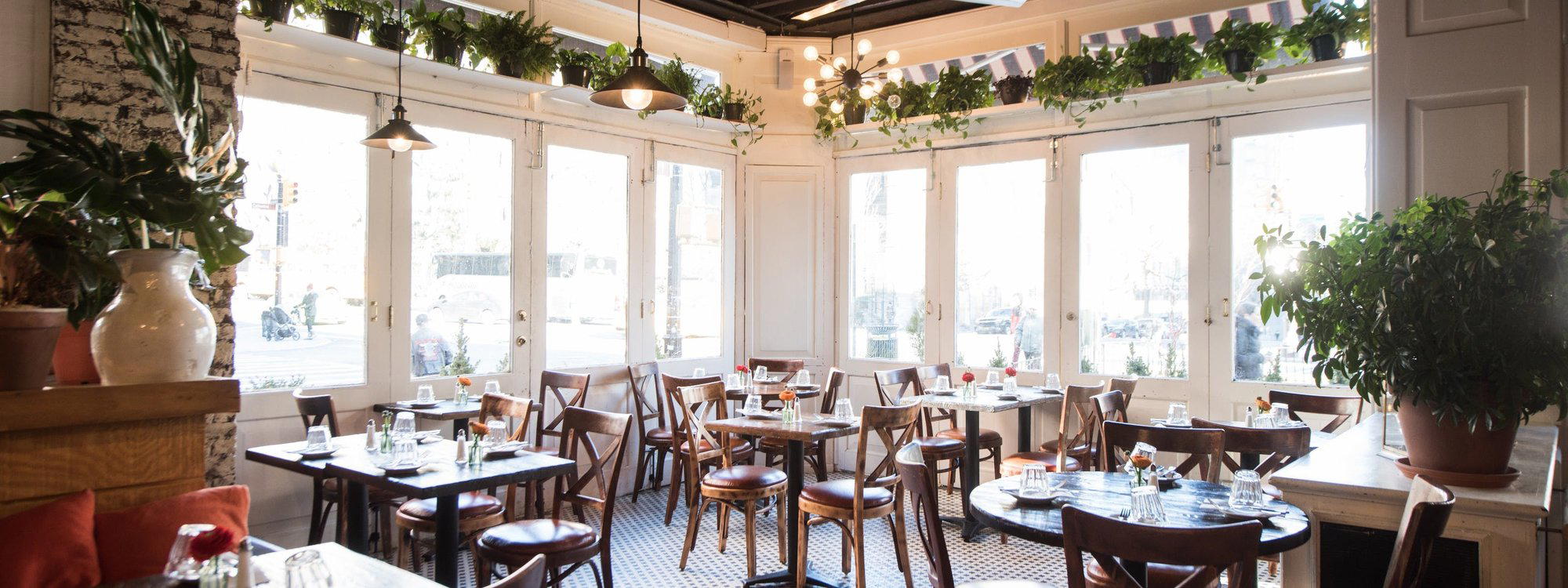
Amsterdam Avenue and the Case for Neighbourhood Dining
Marlow Bistro is a Modern Mediterranean Bistro at 1018 Amsterdam Ave, New York, NY 10025,031 reviews. Manhattan's dining conversation tends to collapse around two poles: the Michelin-chased tasting-menu circuit, where Le Bernardin, Per Se, and Masa anchor an elite bracket demanding significant planning and spend, and the casual end that rarely warrants editorial attention. Between those poles sits a more interesting category: the neighbourhood bistro that functions as a community anchor rather than a destination. Marlow Bistro, at 1018 Amsterdam Ave in the Upper West Side, occupies that middle ground. It is not competing with the prix-fixe formality of Atomix or the progressive ambition of Jungsik New York. Its comparable set is the network of independently operated bistros that keep residential Manhattan coherent as a place to actually live and eat, night after night.
The Upper West Side has historically supported this kind of operation. The neighbourhood's density of long-term residents, proximity to Columbia University, and relative insulation from the tourist-heavy foot traffic of Midtown all create conditions where a bistro can build a return clientele rather than chasing first-time visitors. That dynamic shapes what a restaurant like Marlow can reasonably be, and what its guests expect from it.
Sustainability as Operating Logic, Not Marketing
Across American dining, the sourcing-conscious kitchen has moved from fringe positioning to something closer to a baseline expectation among engaged diners. One rigorous versions of this approach, Blue Hill at Stone Barns in Tarrytown, Single Thread Farm in Healdsburg, build entire tasting formats around seasonal availability from named farming partners, and price accordingly. The French Laundry in Napa and Providence in Los Angeles have each, in different ways, embedded ethical sourcing into menus that carry significant critical weight. What distinguishes the neighbourhood bistro context is that sustainability, when practiced at this scale, tends to be operational rather than programmatic. It shows up in the decision to work with a smaller set of suppliers, to build menus around what is available rather than what is fashionable, and to reduce the waste cycles that high-volume kitchens tend to generate through over-ordering.
That kind of sourcing discipline is increasingly legible to diners. New York's broader restaurant culture has been shaped by venues like Addison in San Diego and Alinea in Chicago demonstrating that considered cooking and environmental consciousness are not in tension with serious dining. At the neighbourhood level, the translation is less theatrical but no less consequential: shorter supply chains, more honest menus, and kitchens that do not build their identity around product they cannot consistently source well.
What the Amsterdam Ave Address Signals
Location on Amsterdam Avenue rather than in the more densely reviewed corridors of the West Village, Tribeca, or the Lower East Side places Marlow Bistro in a different visibility category. The Upper West Side's restaurant scene receives less column space than it might warrant given its population density. That relative editorial quietness means venues in the area build reputations more slowly but often more durably, through word of mouth and repeat visits rather than opening-week press cycles. It is a pattern visible in other American cities: the strongest neighbourhood restaurants in residential zones, comparable in dynamic to what Bacchanalia has built in Atlanta or what Emeril's established in New Orleans over decades, tend to anchor communities rather than chase critical cycles.
For a visitor to New York City, a restaurant at this address is not the logical stop for a single special-occasion meal, where the calculus of time and spend pushes toward the concentrated excellence of the city's award-heavy rooms. But for anyone staying in the Upper West Side for several days, or for anyone specifically interested in how New York's residential dining functions outside the review economy, Amsterdam Avenue is worth the attention.
Placing Marlow in a Wider American Context
The neighbourhood bistro format has proven durable across American cities precisely because it answers a need that the destination-dining tier cannot. Lazy Bear in San Francisco and The Inn at Little Washington in Virginia represent the far end of the formality spectrum, where the dining experience is so tightly constructed that it functions more as an event than a meal. At the other end of that spectrum, the neighbourhood bistro exists to be visited on a Tuesday with no particular occasion attached. That accessibility is not a lesser ambition; it is a different one. The restaurants that sustain a city's daily dining life, that provide the rhythm of a neighbourhood rather than its highlight reel, occupy a category that merits its own critical attention. Internationally, this register has analogues in the brasseries of Paris, the trattorie of Rome, and the izakayas of Tokyo, formats that Alain Ducasse's Louis XV in Monte Carlo and 8 1/2 Otto e Mezzo Bombana in Hong Kong exist entirely outside, by design and by price.
Planning a Visit
The restaurant is located at 1018 Amsterdam Avenue, in the Upper West Side between 110th and 111th Streets, a few blocks south of Columbia University's main campus and within walking distance of Morningside Park. The 1 train stops at Cathedral Parkway (110th Street), making the address direct to reach from Midtown or Downtown Manhattan. The restaurant is recommended for reservations and operates on a smart casual dress code. The Upper West Side's bistro tier generally runs more accessibly priced than the city's flagship tasting-menu rooms, making this part of Amsterdam Avenue a sensible option when the objective is a relaxed dinner rather than a formal occasion.
In Context: Similar Options
Comparable venues nearby, for context on price, style, and recognition.
| Venue | Cuisine | Price | Notes |
|---|---|---|---|
| Marlow BistroThis venue — the venue you are viewing | Modern Mediterranean Bistro | $$$ | Not listed |
| Sopra | Mediterranean Tasting Menu | $$$ | Upper East Side-Carnegie Hill |
| TESSA | Modern Mediterranean | $$$ | Upper West Side (Central) |
| 19 Cleveland | Modern Mediterranean (Tel Avivian) | $$$ | SoHo-Little Italy-Hudson Square |
| Motek NY | Modern Mediterranean (Kosher-Style) | $$$ | Midtown South-Flatiron-Union Square |
| Or'esh | Live-Fire Modern Levantine Mediterranean | $$$$ | SoHo-Little Italy-Hudson Square |
Continue exploring
More in New York City
Restaurants in New York City
Browse all →
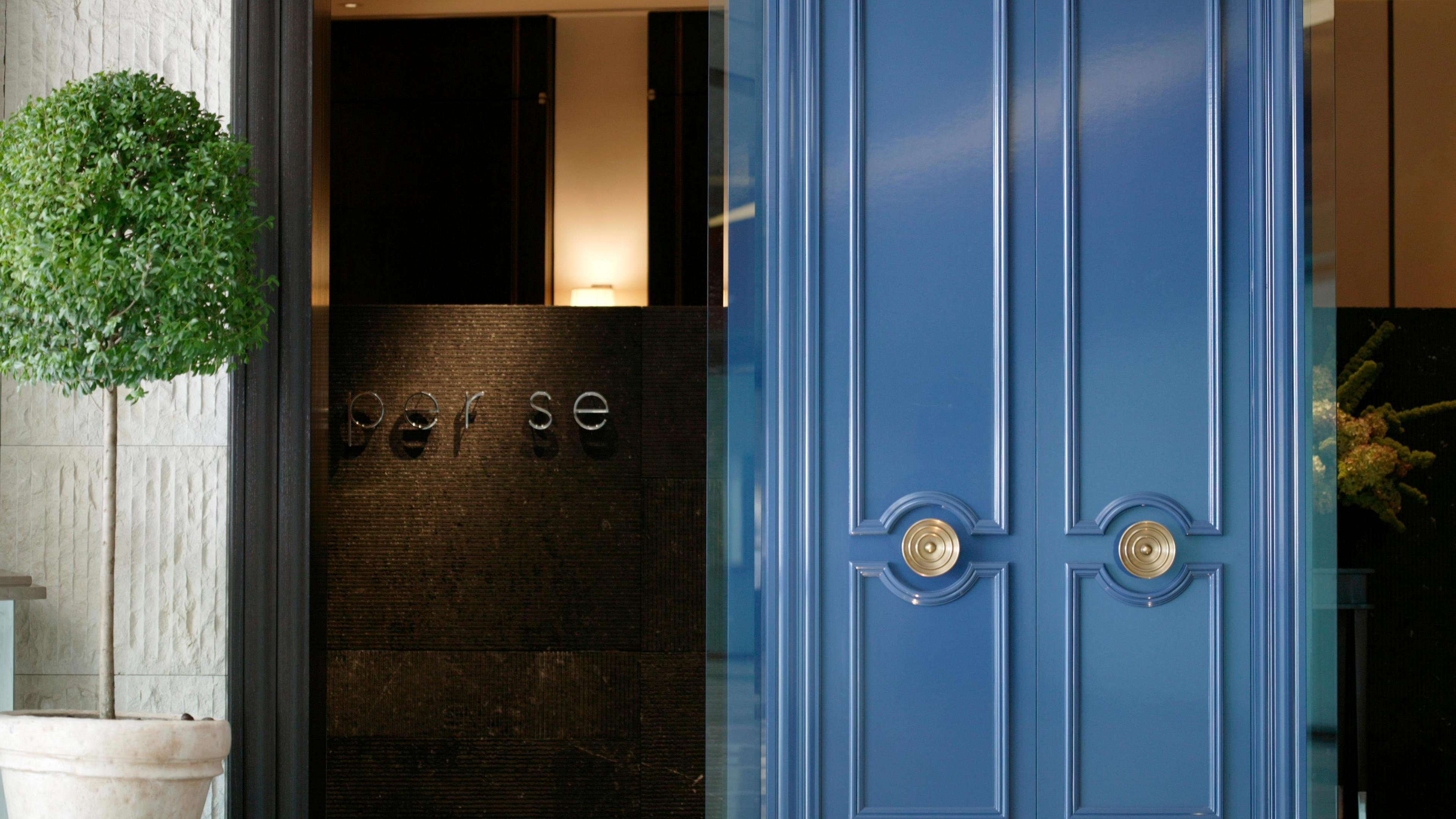
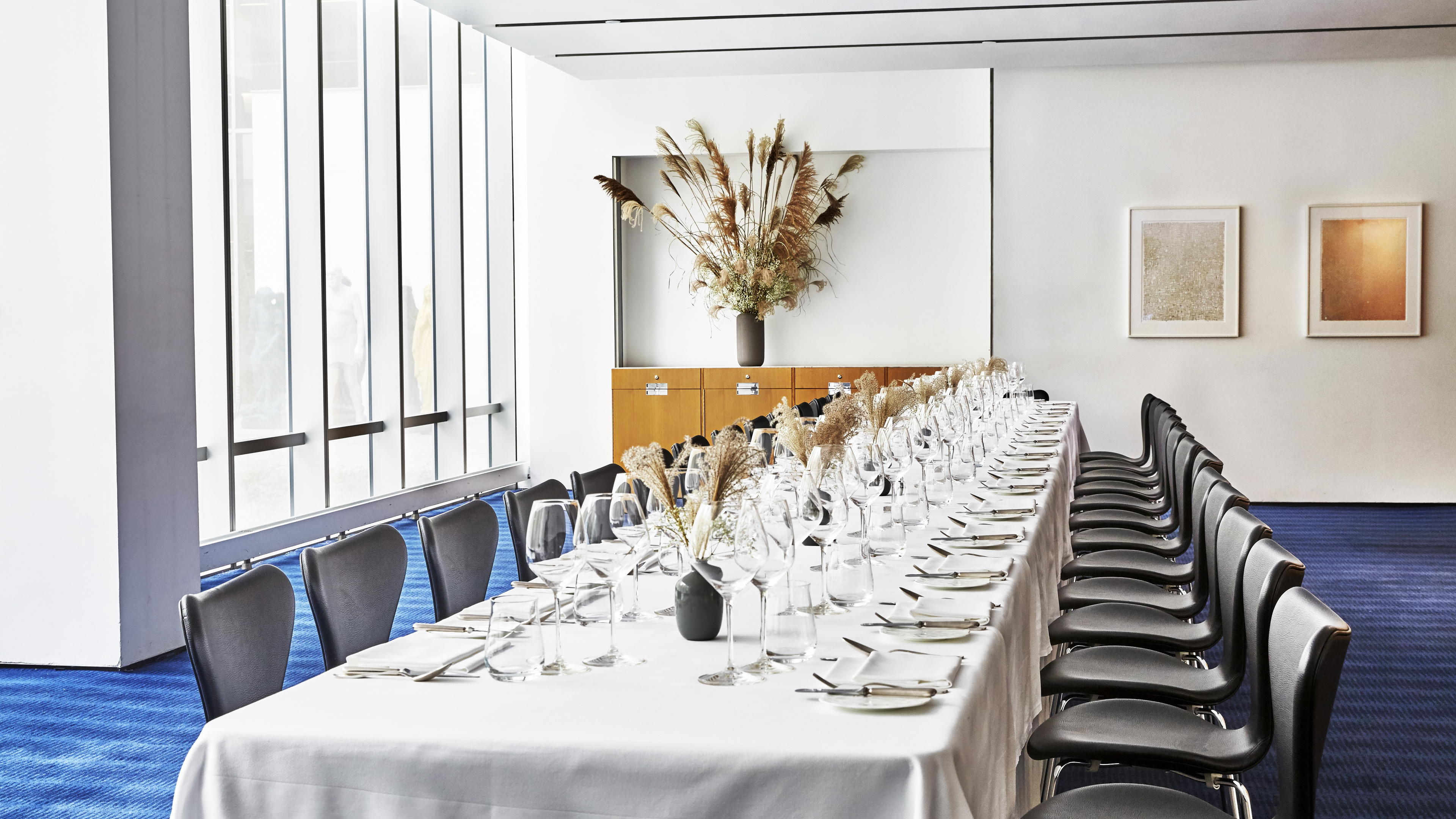
Bars in New York City
Browse all →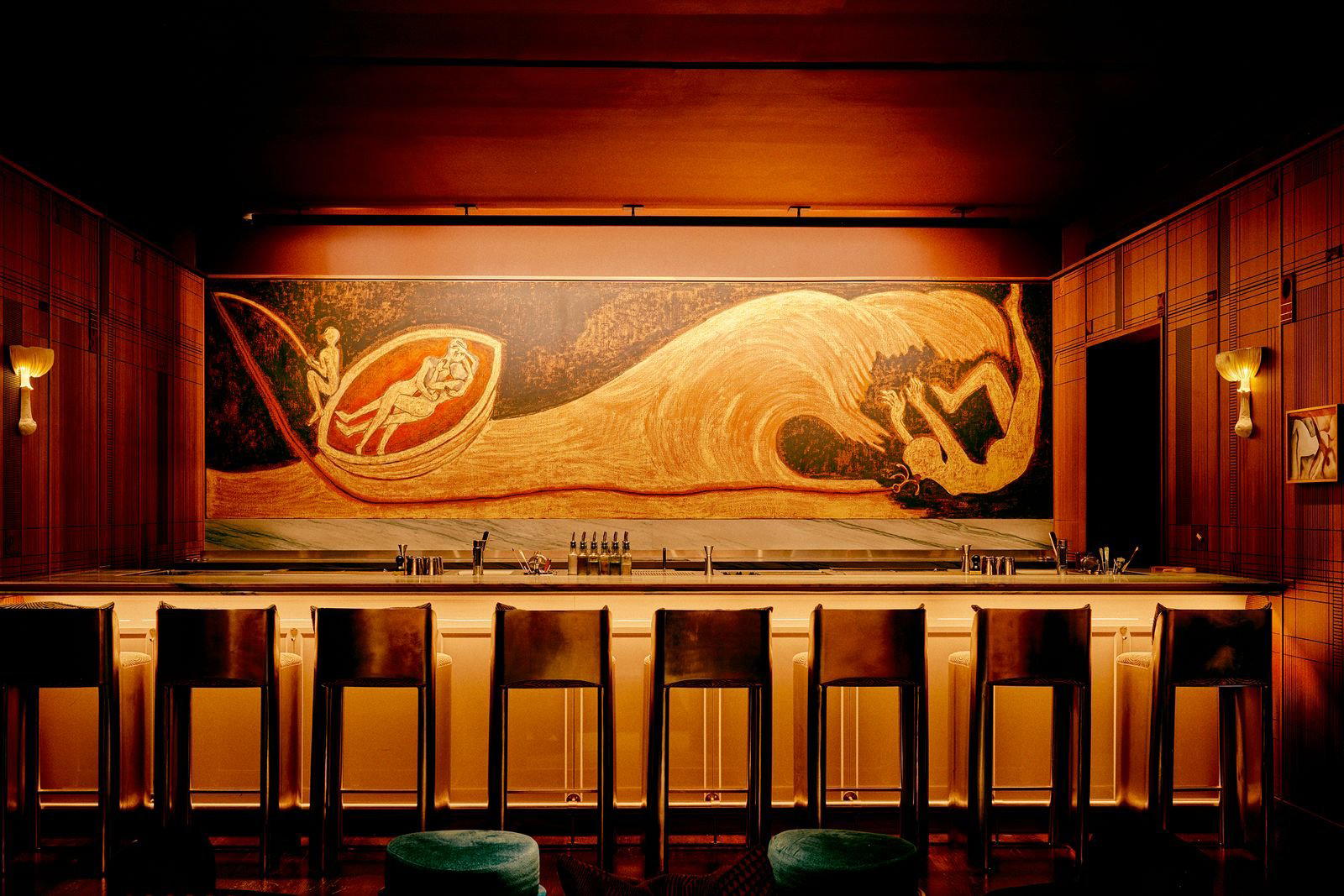
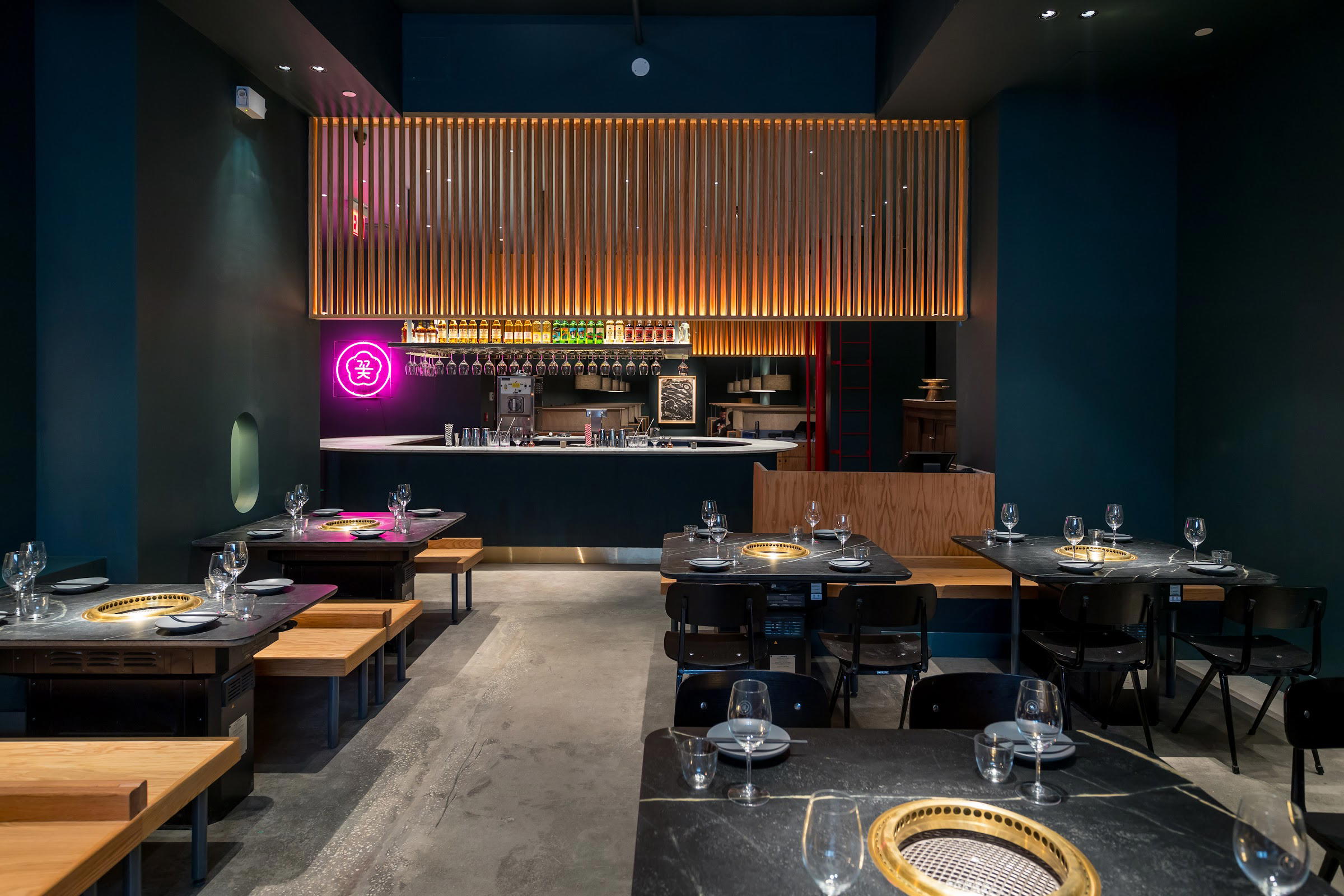
Hotels in New York City
Browse all →




At a Glance
- Cozy
- Rustic
- Romantic
- Elegant
- Date Night
- Group Dining
- Casual Hangout
- Brunch
- Open Kitchen
- Extensive Wine List
- Local Sourcing
- Street Scene
Current opening hours
- Monday
- 4–11 PM
- Tuesday
- 4–11 PM
- Wednesday
- 4–11 PM
- Thursday
- 4–11 PM
- Friday
- 4 PM–12 AM
- Saturday
- 11 AM–12 AM
- Sunday
- 11 AM–11 PM
Hours can change for holidays and private events. Last verified .
Charming, cozy, rustic atmosphere with beautiful decor, flowers everywhere, and a warm welcoming vibe that feels like Europe.