
On Besigheim's medieval market square, Marktwirtschaft holds consecutive Michelin Plate recognition for 2024 and 2025, signalling consistent kitchen discipline in a town better known for its Württemberg vineyards than its restaurant scene. The kitchen works a seasonal menu at mid-range prices, making it one of the more credible dining addresses between Stuttgart and Heilbronn.
Pearl is the En Primeur Club membership app — saves, bookings, and concierge access live there. Same editors, same standards.
- Address
- Marktpl. 2, 74354 Besigheim, Germany
- Phone
- +49 7143 9099091
- Website
- marktwirtschaft-besigheim.de
- Directions
- Get directions
 Saves & bookings on Pearl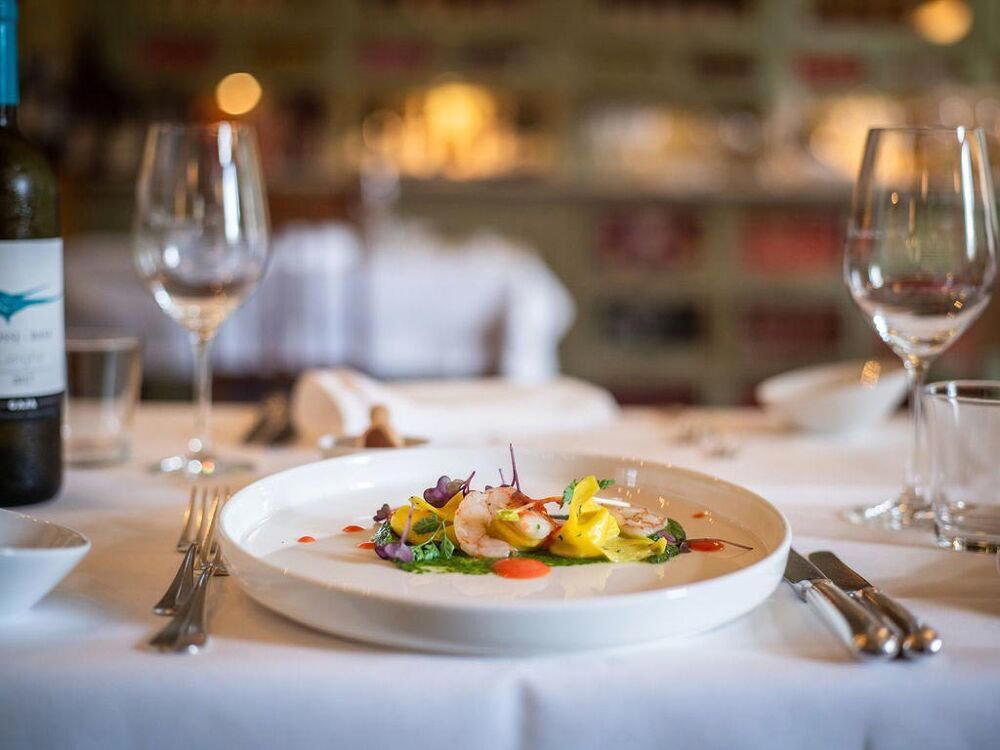
A Market Square Address in Wine Country
Marktwirtschaft Besigheim is a restaurant in Besigheim, Germany, serving seasonal German cooking with Mediterranean influences at mid-range prices and holding Michelin Plate recognition in 2024 and 2025. The focus tends to stay on the cellar: which cooperative is bottling Lemberger with some ambition, whether the Trollinger is worth the detour. Besigheim sits in exactly that category, a well-preserved medieval town above the Enz and Neckar confluence, surrounded by Württemberg slopes that feed cooperative and estate producers alike. The half-timbered market square, Marktplatz 2, is the kind of address that suggests civic life rather than serious cooking. Marktwirtschaft occupies that address and quietly complicates the assumption.
The setting matters here not as atmosphere for its own sake but because it frames the sourcing logic the kitchen operates under. In Württemberg's smaller towns, proximity to agricultural supply, market gardens, butchers with regional relationships, producers who show up at actual weekly markets, tends to shape what ends up on the plate more directly than in a city kitchen insulated from its sources. A restaurant on a functioning market square is not automatically a farm-to-table operation, but the geography creates conditions for it. For more on what's happening across Besigheim's dining scene, see our full Besigheim restaurants guide.
Seasonal Cooking in a Regional Context
The Michelin Plate designation, awarded in both 2024 and 2025, signals a kitchen meeting a defined standard of quality. In Germany's current Michelin geography, the Plate tier is notably populated by regional restaurants working honest seasonal menus rather than destination tasting formats: places where the cooking is precise enough to earn recognition but where the ambition is calibrated to the room and the neighbourhood rather than to a competitive national ranking. Marktwirtschaft reads within that pattern.
Seasonal cuisine as a category has an obvious risk: it can mean everything and therefore nothing, a menu that rotates by month without any particular discipline about where the ingredients come from or why. The more substantive version, which the Michelin Plate recognition implies, though it does not guarantee, involves actual sourcing relationships: knowing which farm's asparagus arrives first in Baden-Württemberg's spring, working with the butcher who still handles whole animals, choosing the mushroom supplier over the catalogue option. Württemberg's agricultural density makes this practical rather than ideological. The Swabian hinterland is not short of small producers growing things worth cooking.
For comparison, the highest-end seasonal and creative cooking in Germany's southwest operates at a different register: Schwarzwaldstube in Baiersbronn works at the three-star level with classical French foundations, while ES:SENZ in Grassau represents the kind of destination ambition that draws diners from across the country. Marktwirtschaft does not compete in that tier, the €€ price range places it several brackets below, but the Plate recognition puts it in a different conversation than an unrecognised regional Gasthaus. The distinction matters for how you book and what you expect when you arrive.
Where Marktwirtschaft Sits in the Price Tier
The mid-range price positioning (€€) is worth reading carefully against the Michelin recognition. Plates at this price point are less common than at higher tiers, where the investment in sourcing, labour, and kitchen technique more easily justifies starred or Plate-level ambition. A kitchen operating at €€ with consecutive Plate recognition is either absorbing cost through tight margins, relying heavily on regional supply relationships that reduce input costs, or both. Either way, the value ratio is higher here than at the €€€€ addresses that anchor Germany's critical conversation, venues like Vendôme in Bergisch Gladbach, Aqua in Wolfsburg, or CODA Dessert Dining in Berlin.
That value gap is part of why restaurants in smaller German towns with genuine culinary credentials often go underreported. The critical machinery tends to concentrate on Stuttgart, Munich, Frankfurt, and Hamburg, which means mid-tier recognised kitchens in places like Besigheim operate below the radar of most food media while serving a local and regional clientele that has simply been eating there for years.
The Wider Württemberg Dining Picture
Besigheim's position in Württemberg wine country adds a pairing dimension that doesn't apply in every German region. Württemberg produces more red wine than any other German region, with Lemberger (Blaufränkisch) and Trollinger as the dominant varieties alongside a growing number of smaller estates working Pinot Noir with real seriousness. A restaurant working seasonal ingredients in this environment has access to a local wine context that pairs logically with the kitchen's register, not the Riesling-led pairing logic of the Mosel or Rheingau, but something heavier and more food-adapted. See our full Besigheim wineries guide for the regional cellar picture.
For those building a wider itinerary around southwest Germany's recognised kitchens, the region within reasonable driving distance includes several Michelin-starred addresses. JAN in Munich and Restaurant Haerlin in Hamburg represent the northern and southern poles of Germany's formal dining range, while closer comparisons in seasonal format include Kirchenwirt in Leogang and Mesnerhaus in Mauterndorf, both working seasonally-driven menus in small-town Alpine contexts. Further afield, Schanz in Piesport, Waldhotel Sonnora in Dreis, Victor's Fine Dining by Christian Bau in Perl, and Bagatelle in Trier anchor the Moselle region's serious dining circuit.
Planning a Visit
Marktwirtschaft Besigheim sits on the market square at Marktpl. 2 in Besigheim, roughly 25 kilometres north of Stuttgart, making it accessible as a day-trip dining destination from the city or as a stop within a broader Württemberg wine route. The €€ price range means a meal here carries no real financial friction, it is the kind of address where you book based on timing and availability rather than budget planning. Reservations are recommended.
Side-by-Side Snapshot
Comparable venues nearby, for context on price, style, and recognition.
| Venue | Cuisine | Price | Awards | Notes |
|---|---|---|---|---|
| Marktwirtschaft BesigheimThis venue — the venue you are viewing | Seasonal German with Mediterranean Influences | $$ | Michelin Plate | Not listed |
| Elefanten | Classic Regional German | $$ | Michelin Plate | Lauffen am Neckar |
| Stubersheimer Hof | Traditional Swabian German | $$ | Michelin Plate | Stubersheim |
| Ebanat | Modern Seasonal German with International Influences | $$ | Michelin Plate | Sinzheim |
| Die Krone | Swabian Regional with Mediterranean Influences | $$ | Bib Gourmand | Sulzbach-Laufen |
| Bachmaier | Modern German Fine Dining | $$$ | Michelin Plate | Heilbronn |
Recognition history
Dated appearances from independent guides and award organizations, with the underlying list record or original source where available.
Michelin Plate
Michelin · 2026 Michelin Plate
Michelin Plate
Michelin
Michelin Plate
Michelin
Continue exploring
More in Besigheim
Restaurants in Besigheim
Browse all →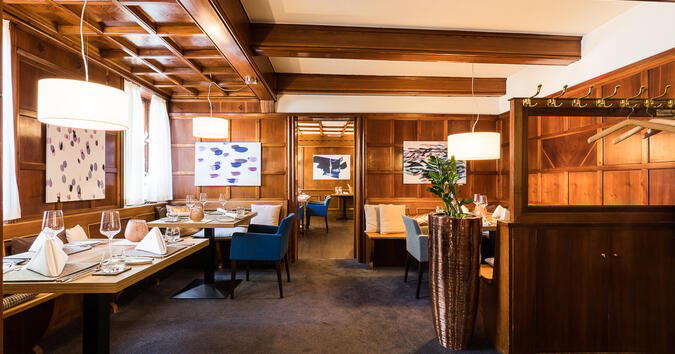
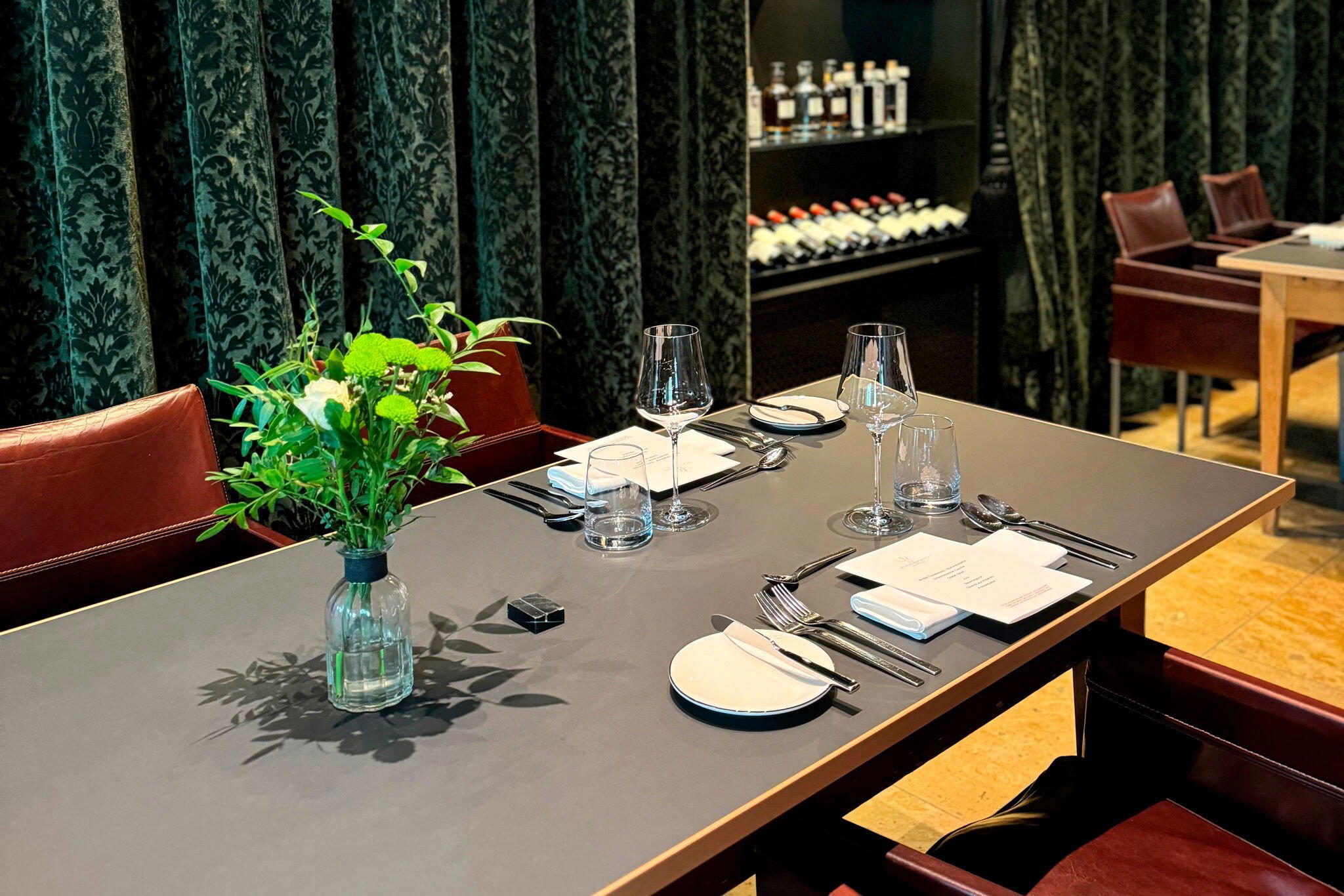
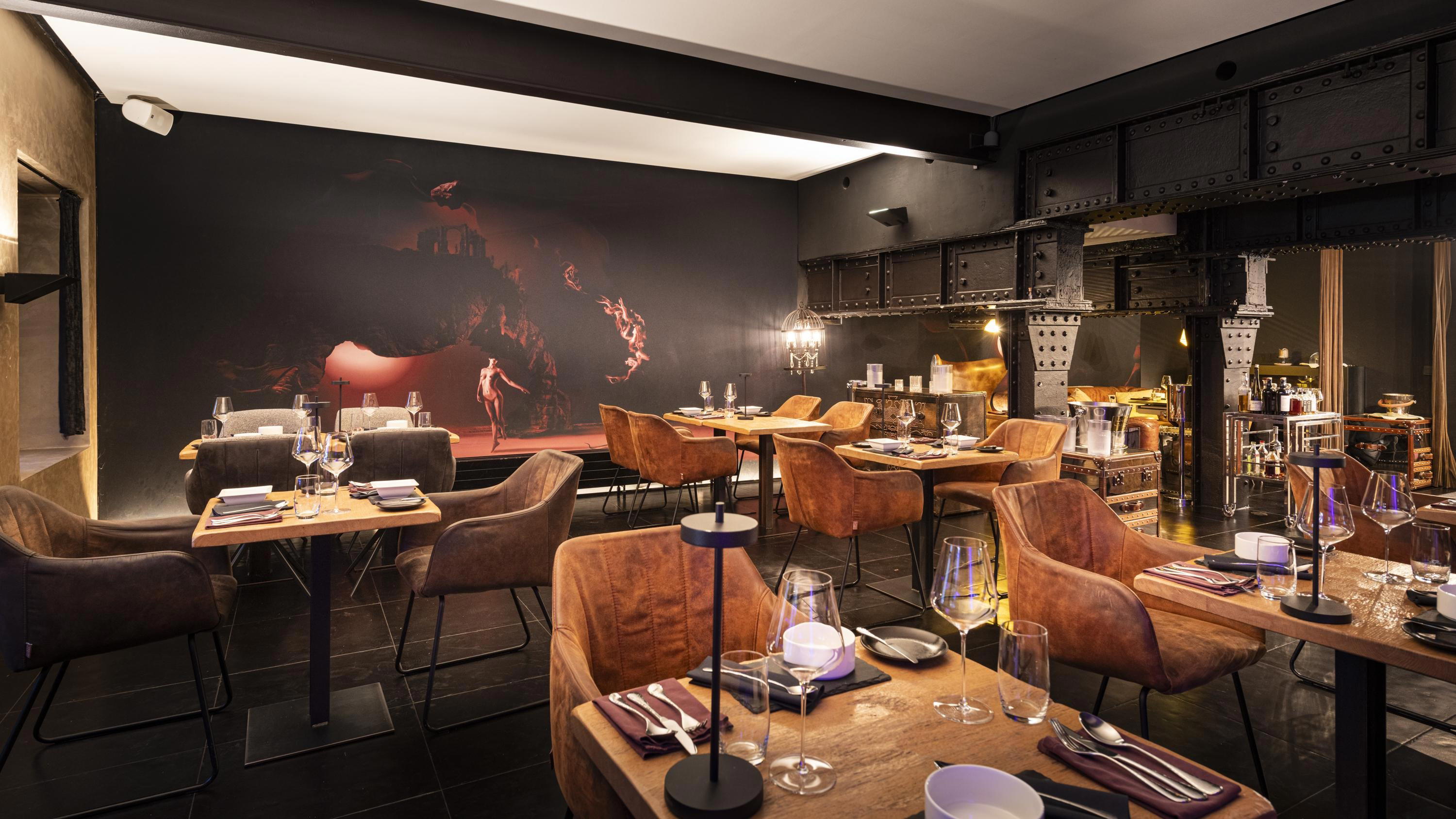
Bars in Besigheim
Browse all →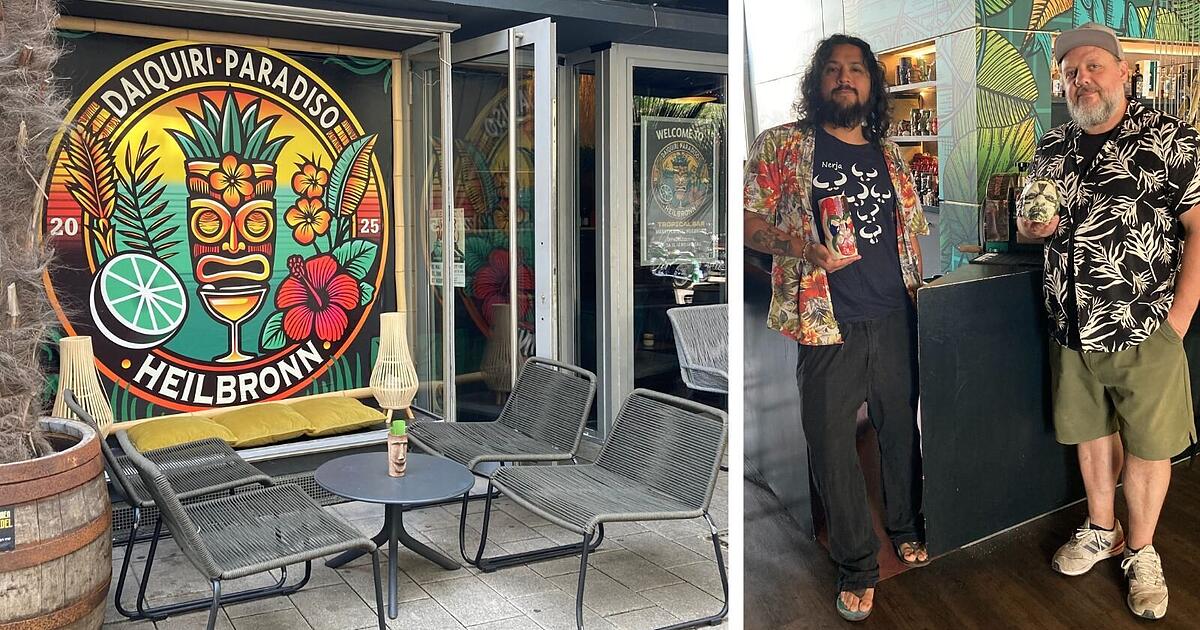
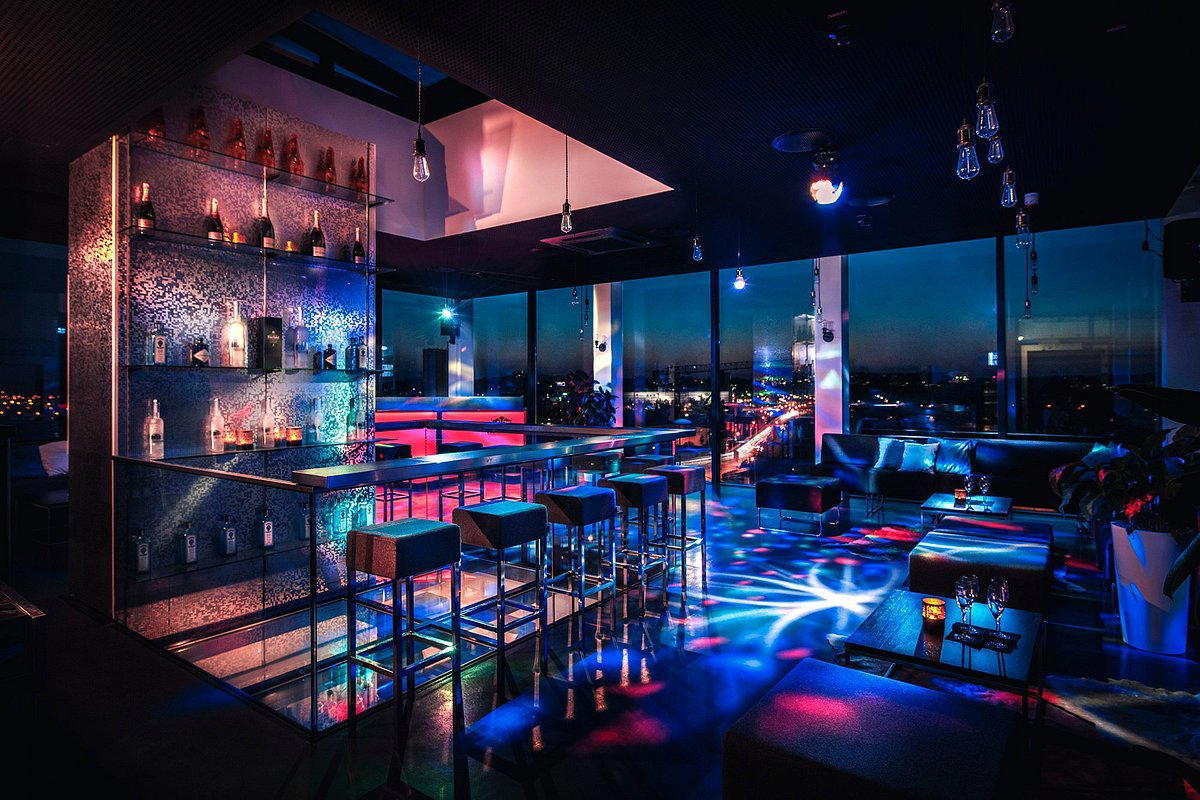
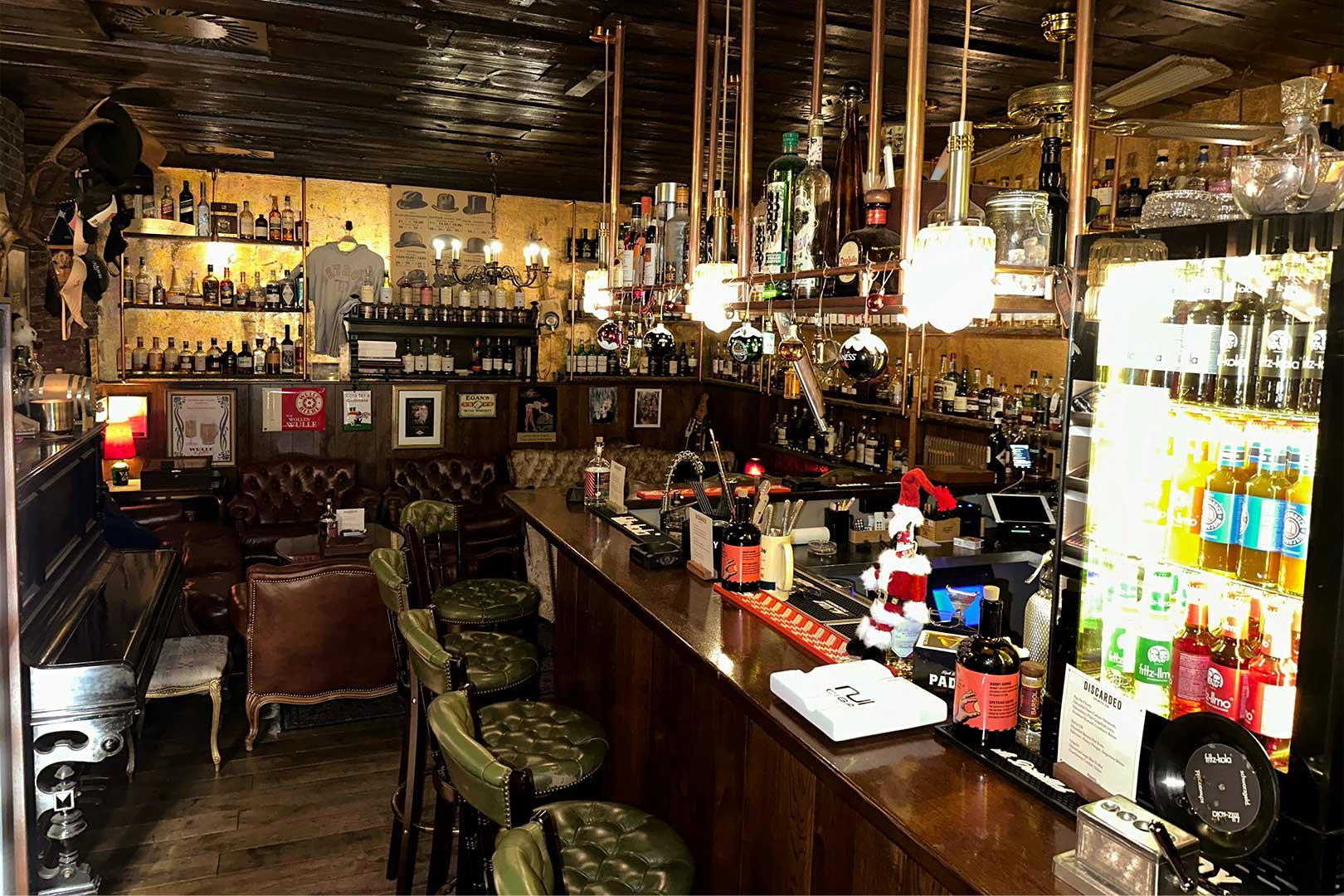

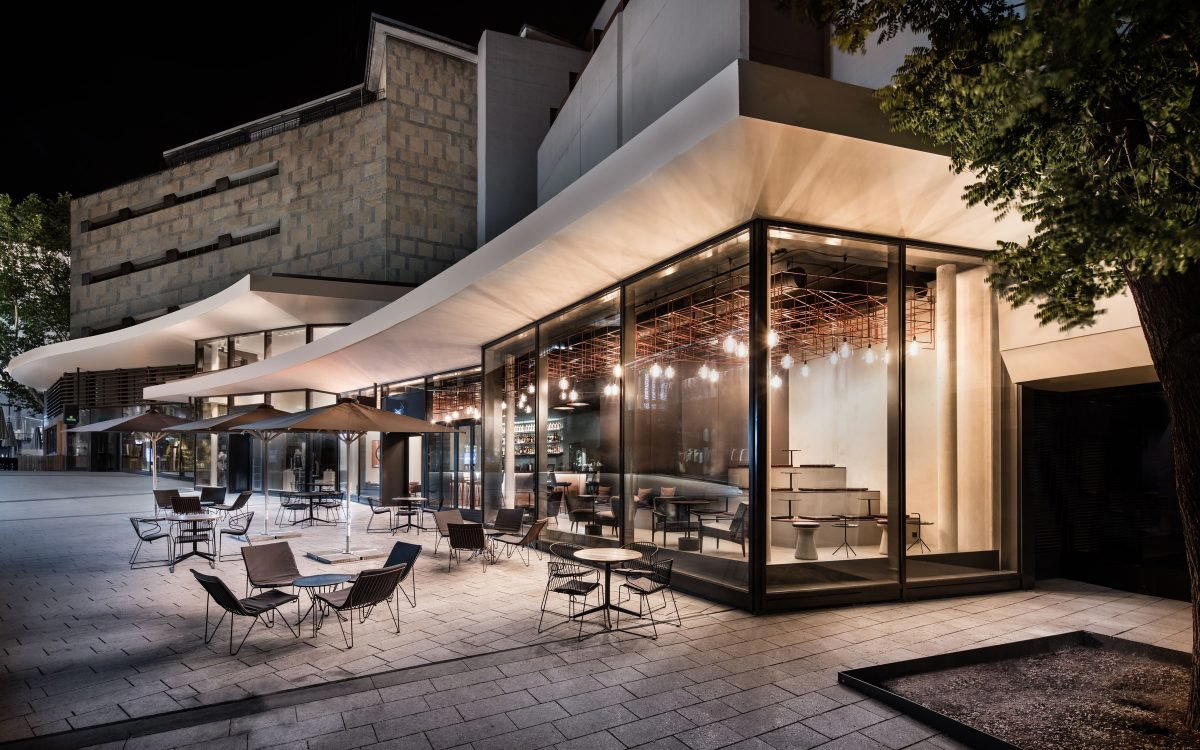
Hotels in Besigheim
Browse all →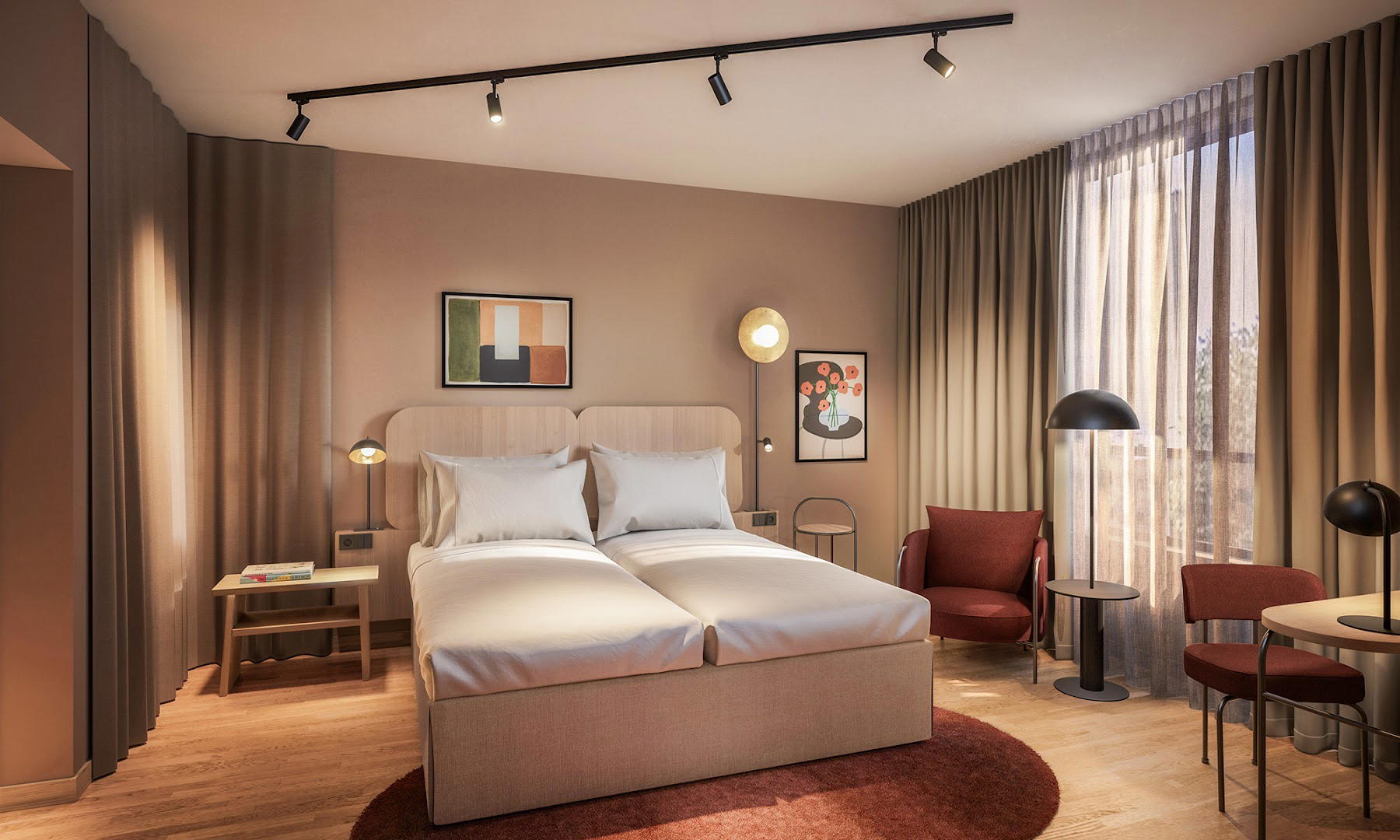

At a Glance
- Cozy
- Rustic
- Classic
- Scenic
- Date Night
- Group Dining
- Family
- Casual Hangout
- Terrace
- Historic Building
- Extensive Wine List
- Farm To Table
- Local Sourcing
- Street Scene
Current opening hours
- Monday
- 12–10:30 PM
- Tuesday
- 12–10:30 PM
- Wednesday
- Closed
- Thursday
- 12–10:30 PM
- Friday
- 12–10:30 PM
- Saturday
- 12–10:30 PM
- Sunday
- 12–10:30 PM
Hours can change for holidays and private events. Last verified .
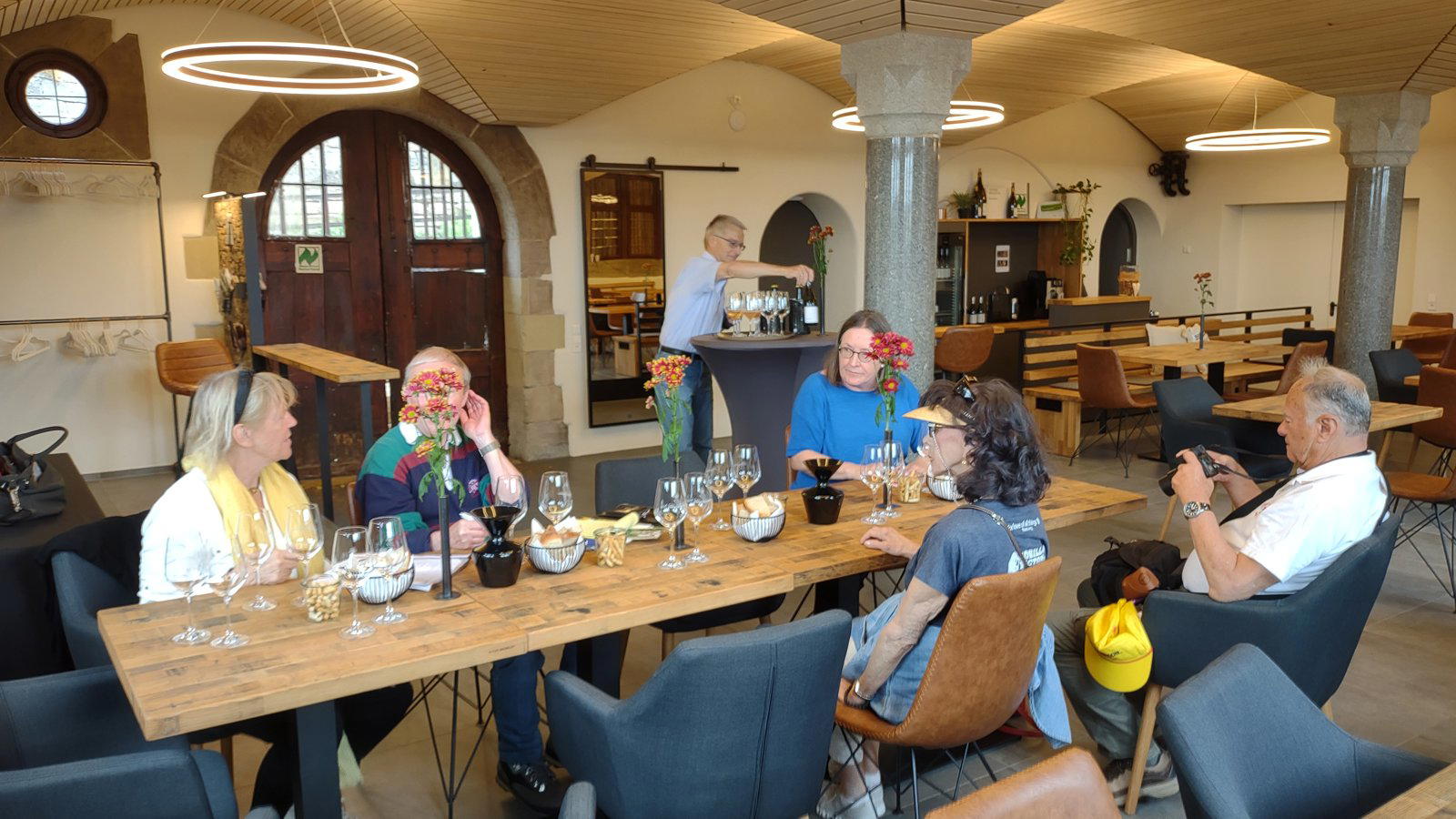
Cozy and welcoming atmosphere in a beautifully renovated historic building blending historic charm with modern touches, enhanced by friendly service.