In the Salzburg highlands above Wagrain, Kühberg Alm represents a category of Alpine dining defined by proximity to its ingredients rather than distance from them. The kitchen draws from the surrounding mountain terrain, placing it in a regional dining tradition where the altitude and the season determine what reaches the table. For visitors to the Pongau valley, it anchors a circuit of serious Austrian mountain restaurants worth planning around.
Pearl is the En Primeur Club membership app — saves, bookings, and concierge access live there. Same editors, same standards.
- Address
- Markt 59, 5602 Wagrain, Austria
- Phone
- +43641320302
- Website
- kuehberg-alm.at
- Directions
- Get directions
 Saves & bookings on Pearl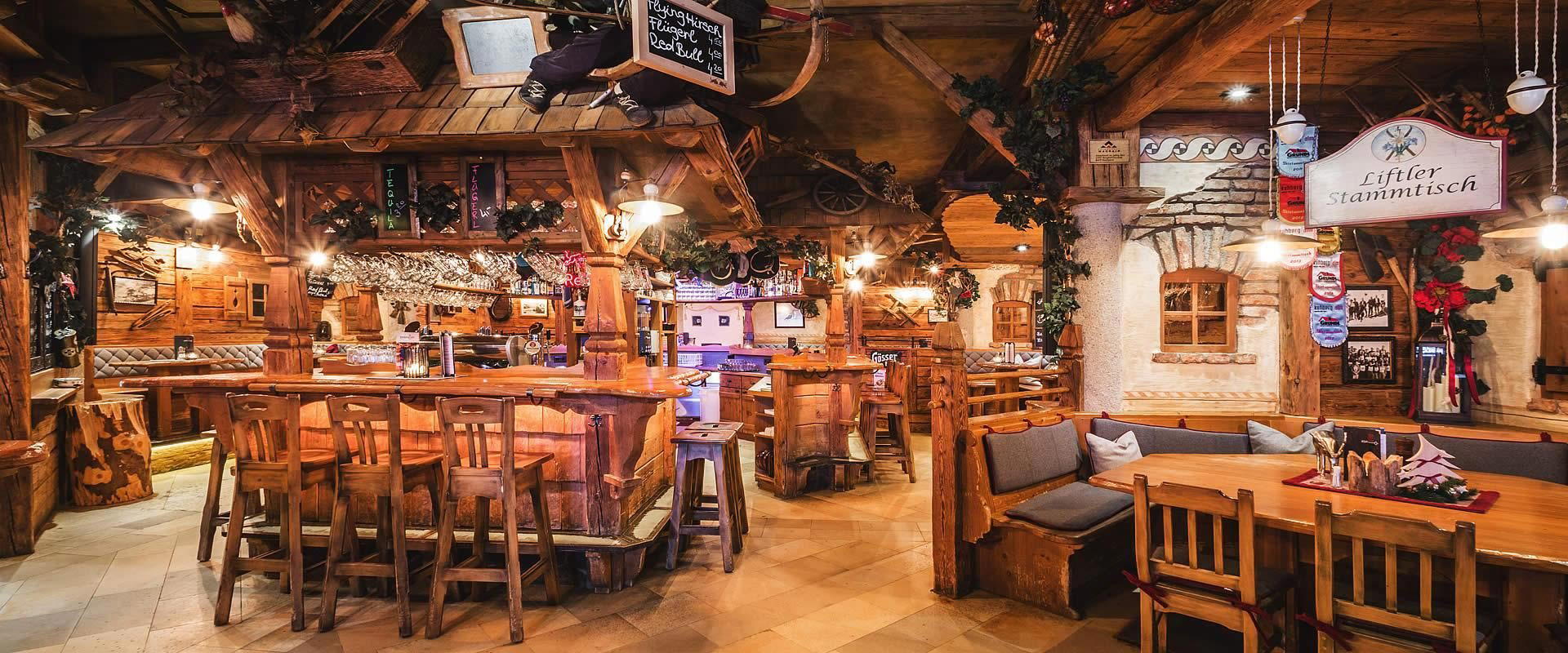
Where the Mountain Determines the Menu
Kühberg Alm is a traditional Austrian restaurant in Wagrain, Austria, with a casual dress code and recommended reservations. The Kühberg Alm sits above Wagrain in the Salzburg Pongau, a district that runs from the market town floor up into meadow grazing land at elevations where the growing season compresses to a matter of weeks. In this context, ingredient sourcing is not a marketing decision, it is a structural constraint that shapes what arrives at the table and when. The kitchen's relationship with the surrounding terrain is the central fact of the dining experience here, not an incidental detail.
Wagrain itself sits within a broader network of serious Austrian regional dining. The Pongau and its neighbouring valleys have produced some of Austria's most ingredient-focused kitchens, from Kräuterreich by Vitus Winkler in Sankt Veit im Pongau, where alpine herb cultivation drives the menu, to Obauer in Werfen, which has maintained one of Austria's most disciplined regional sourcing programs for decades. Kühberg Alm operates in this tradition, albeit at a different register: less formal, more rooted in the Alm culture of seasonal mountain use that defines how these upland pastures have always fed people.
The Alm Tradition and What It Actually Means
The word Alm refers to the high mountain pastures used for summer grazing across the Austrian and Bavarian Alps. For centuries, this transhumance culture sustained a food economy built around what cattle, goats, and sheep could produce at altitude: milk, cheese, butter, and the meat of animals that had grazed on high-pasture grasses rather than lowland feed. The Alm restaurant tradition preserves this logic, even as it has been absorbed into modern tourism. At its leading, an Alm kitchen sources dairy from animals that have genuinely spent time at altitude, produces its own cured meats, and times its menu around what the surrounding terrain yields rather than what a central purchasing system delivers.
This places Alm dining in a distinct category from the Michelin-registered creative kitchens of the Austrian Alps, places like Griggeler Stuba in Lech or Stüva in Ischgl, where the sourcing story is filtered through a tasting menu format and presented with technical precision. The Alm register is less mediated. The sourcing is the experience, and the preparation tends to let the ingredients carry their own argument.
Sourcing at Altitude: Why the Provenance Matters
High-altitude grazing produces measurably different dairy than lowland production. The variety of grasses, herbs, and wildflowers at elevation creates milk with a different fatty acid profile and a complexity that lowland monoculture pastures cannot replicate. This is the reason that mountain cheeses across the Alpine arc, Austrian, Swiss, French, and Italian alike, have historically commanded premium positioning in their respective regional markets. When an Alm kitchen uses milk and cheese drawn from animals grazing the surrounding pasture, that provenance has a traceable effect on what ends up on the plate.
The same logic applies to foraged elements. The Salzburg highlands produce wild mushrooms, mountain herbs, and berries across a compressed seasonal window. A kitchen operating within this system works with ingredients that have a short supply and a specific character, which produces menus that shift quickly and cannot be replicated month to month. This seasonality is a constraint and a discipline, and it separates sourcing-led mountain restaurants from operations that simply dress up standard supply-chain produce with Alpine aesthetic.
For reference, Döllerer in Golling an der Salzach has built one of Austria's most deliberate Alpine sourcing programs at the fine dining level, with a documented commitment to regional producers. The Alm register at Wagrain operates with less formality but within the same underlying logic: the mountain provides, and the kitchen follows.
Wagrain in the Context of Alpine Dining
The Salzburg Pongau is not the first region that comes to mind when Austrian food culture is discussed internationally. Vienna draws the critical attention, with Steirereck im Stadtpark maintaining its position as the country's most decorated kitchen, and Salzburg holds its own with operations like Ikarus. But the Pongau valley system, running through Wagrain, St. Johann, and the Hochkönig range, has a quieter, more embedded food culture that rewards visitors willing to look past the headline addresses.
Wagrain sits roughly equidistant between Salzburg and the Styrian border, which places it within a day-trip radius of serious dining rooms in multiple directions. Atelier Fischer in Sankt Gilgen is accessible to the northwest via the Salzburg lake district, while Gourmetrestaurant Tannenhof in Sankt Anton am Arlberg anchors the western end of a broader Alpine dining circuit. For visitors building a multi-day Austrian mountain itinerary, Wagrain functions as a practical base that connects these registers without requiring a return to a major city.
Planning a Visit
Wagrain operates on a dual-season model, with winter ski traffic from December through March and summer hiking and cycling visitors from June through September. Alm restaurants in this region typically align their calendars with these windows, and access to higher-altitude venues may depend on weather conditions and whether mountain lifts are running. The address is Markt 59, 5602 Wagrain, Austria.
Those exploring the wider Austrian dining circuit will find useful reference points in restaurants operating at different price and formality levels across the region: Schwarzer Adler in Hall in Tirol, Taubenkobel in Schützen am Gebirge, Landhaus Bacher in Mautern an der Donau, Restaurant 141 by Joachim Jaud in Mieming, Ois in Neufelden, and Artis in Graz.
Comparison Snapshot
Comparable venues nearby, for context on price, style, and recognition.
| Venue | Cuisine | Price | Notes |
|---|---|---|---|
| Kühberg AlmThis venue — the venue you are viewing | Traditional Austrian | $$ | Not listed |
| Restaurant Herzenslust | Modern Alpine Austrian | $$ | Obertauern |
| Steinerwirt | Modern Austrian | $$ | Zell am See center |
| CULT IM | Austrian Local Cuisine | $$ | Parsch |
| Orther Stub'n | Traditional Austrian | $$ | Seeschloss Ort |
| Weitblick | Regional Austrian Organic | $$ | Kaprun |
Continue exploring
More in Wagrain
Restaurants in Wagrain
Browse all →
Bars in Wagrain
Browse all →


Hotels in Wagrain
Browse all →
Wineries in Wagrain
Browse all →
At a Glance
- Rustic
- Lively
- Cozy
- Classic
- Casual Hangout
- Group Dining
- After Work
- Celebration
- Live Music
- Standalone
- Local Sourcing
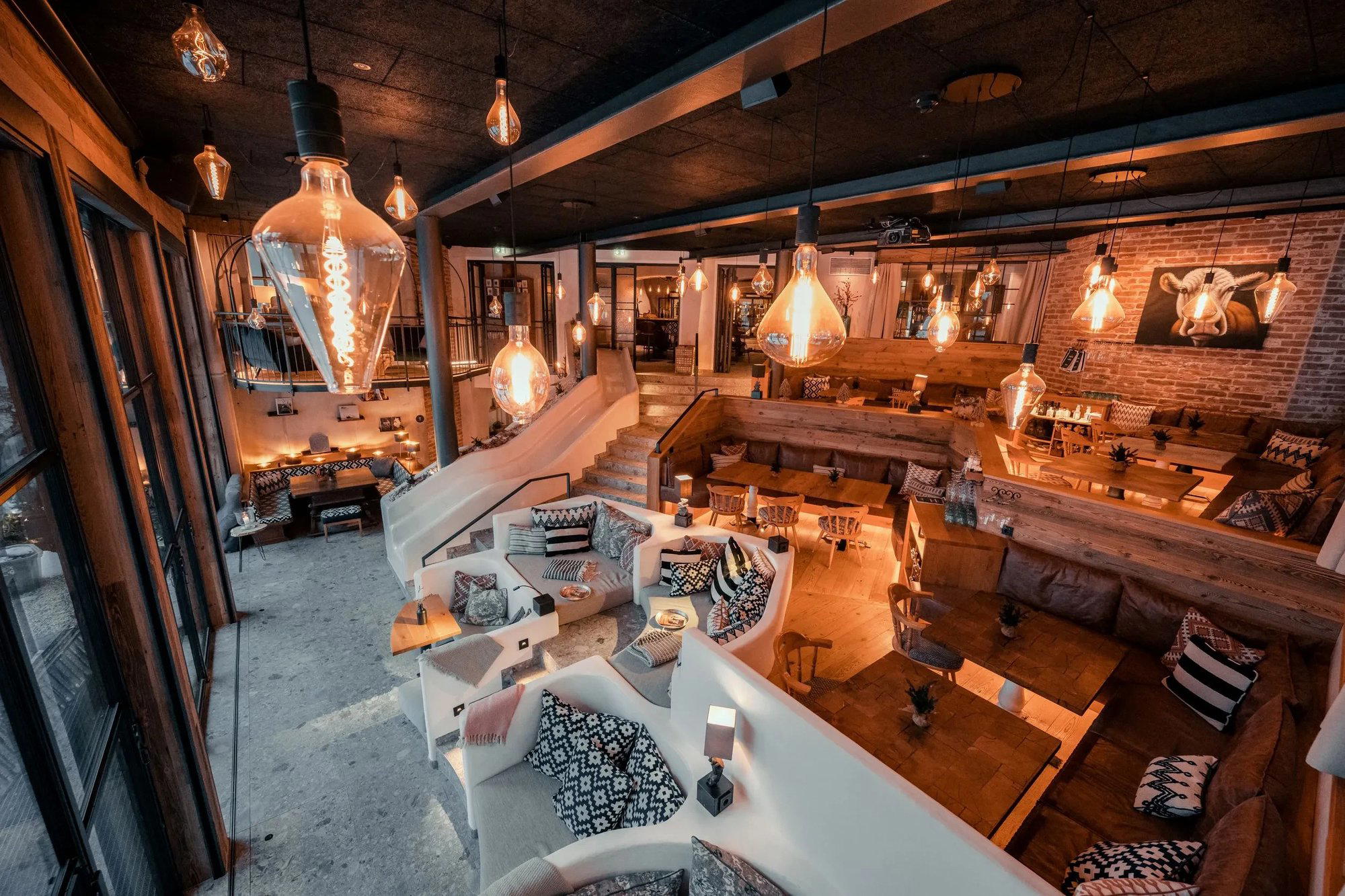
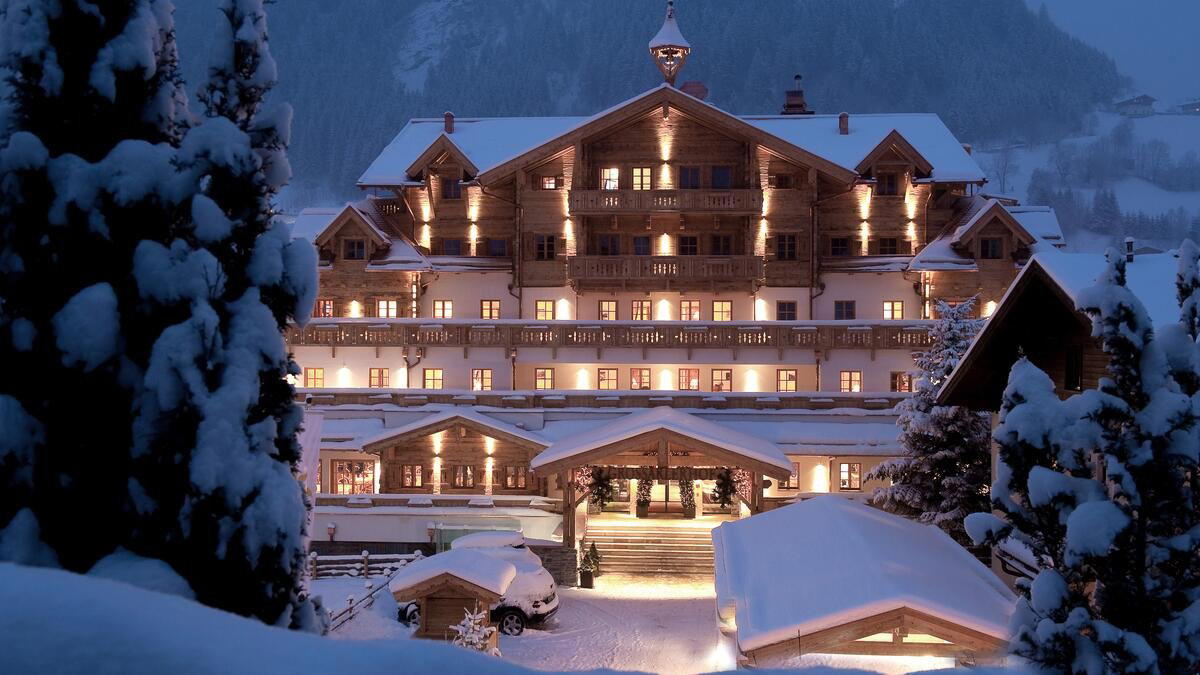
Warm, wood-lined traditional Salzburg-style setting with a festive après-ski atmosphere, especially during live music performances.