Marina sits along the Istrian interior near Poreč, where the agricultural rhythms of the Lipa valley shape what reaches the table. The setting is quiet, grounded in the kind of countryside that produces good olive oil and local wine before it produces dining destinations. For visitors making the drive from the coast, it represents a different register of the Istrian eating tradition.
Pearl is the En Primeur Club membership app — saves, bookings, and concierge access live there. Same editors, same standards.
- Address
- Kukci, Lipa 1, 52440, Poreč, Croatia
- Phone
- +38552456147
- Website
- restaurant-marina.com
- Directions
- Get directions
 Saves & bookings on Pearl
Where the Istrian Interior Sets the Table
The road into Kukci from Poreč passes through a stretch of Istrian countryside that operates at a different pace from the coast. Vineyards and olive groves run along low hillsides, and the villages are small enough that agriculture is still the primary fact of daily life rather than a backdrop for tourism. It is in this context that Marina, addressed at Lipa 1, makes most sense: a restaurant whose location in the interior already says something about its relationship to sourcing, seasonality, and the kind of table that feeds from what surrounds it rather than what arrives on refrigerated trucks.
Istria has built a credible argument over the past two decades as one of Croatia's most serious food regions. Truffles from the Motovun forest, olive oil from groves along the western coast, and wines from Malvazija and Teran vines have given the peninsula a larder that chefs in Zagreb and further afield now reference. The restaurants that work most convincingly within that tradition are not always the ones on the harbour in Rovinj or on the Poreč waterfront. Particularly grounded Istrian cooking happens inland, where proximity to producers is a practical reality rather than a menu talking point.
Sourcing as Setting
The ingredient story of inland Istria is worth understanding before arriving at any table in the region. Unlike coastal restaurants that position local sourcing as a differentiator, interior venues in the Poreč hinterland operate within short supply chains almost by default. Seasonal vegetables, foraged herbs, and preserved ingredients define the rhythm of a kitchen that cannot rely on year-round tourist traffic to support a fixed, elaborate menu. This is the eating tradition that Croatian food at its most disciplined draws from: not the dressed-up presentation of Adriatic seafood, but the slower, more considered use of what the land produces by season.
This pattern appears across Istria's better inland tables and is visible in how the region's cooking differs from the Dalmatian coast to the south. Restaurants like Pelegrini in Sibenik and Restaurant 360 in Dubrovnik work at the four-toque end of the price scale with full Mediterranean produce access. Inland Istrian kitchens occupy a different position in the hierarchy: less formal in structure, more directly tied to what the agricultural calendar allows. That constraint is, for the right diner, a feature rather than a limitation.
The Istrian Interior in Comparative Context
Croatia's restaurant scene has diversified considerably since the early 2000s, when fine dining was concentrated in Dubrovnik and Zagreb and almost nothing of note existed outside those centres. The current picture is more distributed. Rovinj now has Agli Amici Rovinj, which operates at Italian contemporary price points and draws an international clientele. The island dining tradition is represented by venues like Alfred Keller in Mali Lošinj and Boskinac in Novalja, each with its own regional identity. In Zagreb, Dubravkin Put represents the urban end of Croatian cuisine with a long-standing local reputation.
What the Kukci area offers sits apart from all of these. There is no harbour view, no tourist infrastructure within walking distance, and no obvious occasion-dining category to anchor the experience. What there is: countryside, agricultural context, and the kind of quietness that filters out the performative elements of restaurant dining and leaves the food to carry the weight. Visitors who have worked through the coastal circuit and are looking for a different register of Croatian eating tend to find that the interior rewards the detour. The drive from Poreč takes under twenty minutes, which places Marina within easy reach of the peninsula's main tourist base without belonging to it.
Reading the Region Through Its Tables
Istrian food culture draws on layered historical influences: Venetian, Austro-Hungarian, and Slavic, all compressed into a peninsula that spent much of the twentieth century on the margins of Italian and Yugoslav politics. That layering shows up in the cooking in ways that are more interesting than the standard Adriatic seafood narrative suggests. Pasta with truffles, slow-cooked meats with local wine reductions, and preserved vegetable preparations appear regularly on inland menus, reflecting a kitchen tradition that developed through scarcity and adaptation rather than coastal abundance.
This broader tradition is worth keeping in mind when comparing Istrian inland dining to what Croatia's coast offers. The approach is closer in spirit to what you find at Korak in Jastrebarsko or Burin in Crikvenica, where local produce and regional cooking traditions shape the menu more than international fine dining conventions. Inland Istria operates outside that conversation.
The Istrian interior achieves something similar in ethos through geography alone: the producer is often close enough to visit in the same afternoon.
Planning a Visit
Marina's address at Lipa 1 in Kukci places it in the Poreč municipality, making it accessible from the town by a short drive along inland roads. The surrounding Istrian countryside sees its peak visitor season between June and September, when the coast is at its most crowded and the interior offers a quieter alternative. Visitors staying in Poreč who want to move beyond the town's waterfront dining circuit will find this area navigable without a guide.
A Quick Peer Check
Comparable venues nearby, for context on price, style, and recognition.
| Venue | Cuisine | Price | Notes |
|---|---|---|---|
| MarinaThis venue — the venue you are viewing | Traditional Mediterranean Seafood & Istrian Cuisine | $$ | Not listed |
| Mali Raj | Mediterranean Seafood | $$ | old town |
| Konoba Jure | Traditional Croatian Seafood | $$ | Cademia |
| Rino | Traditional Istrian | $$ | Momjan |
| Bukaleta | Traditional Croatian Grill & Seafood | $$ | Murine |
| Puli Pineta | Traditional Istrian | $$ | Zminj |
Continue exploring
More in Kukci
Restaurants in Kukci
Browse all →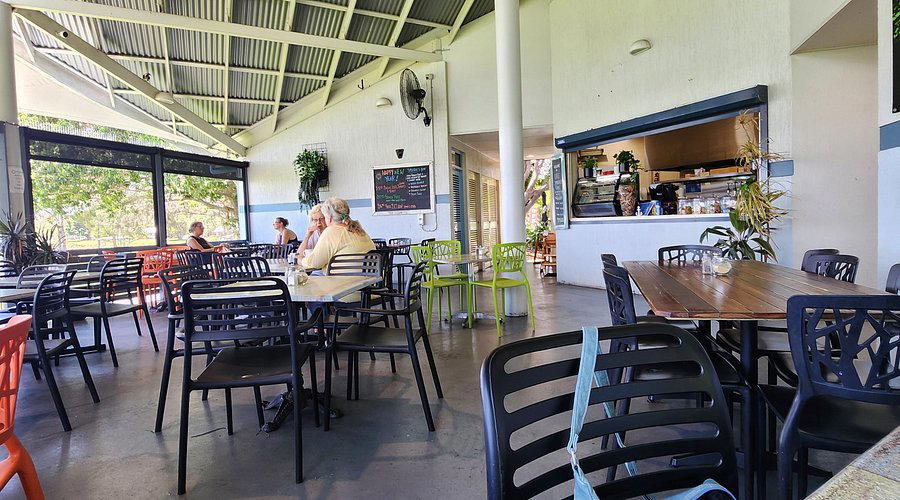
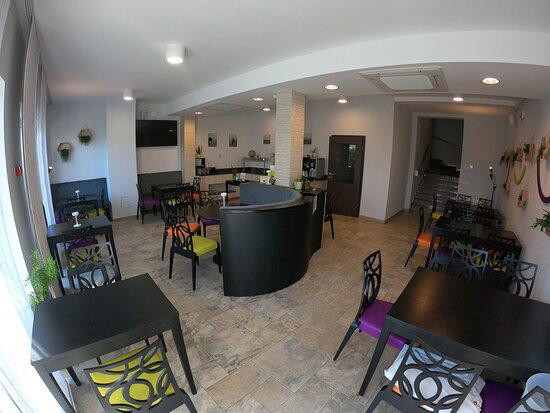
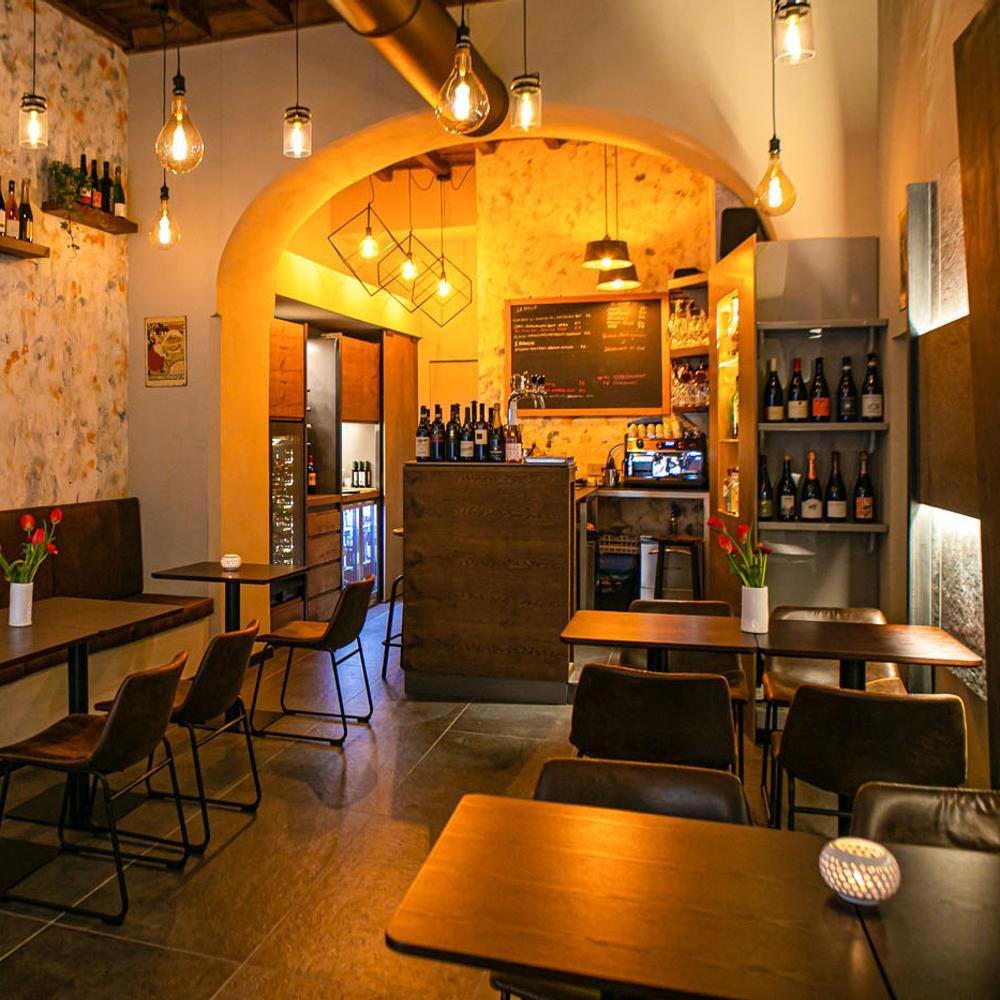
Bars in Kukci
Browse all →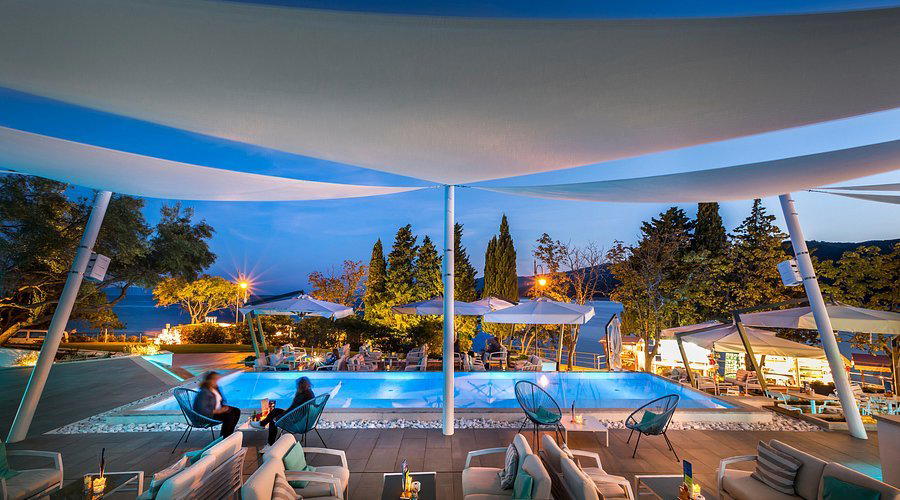
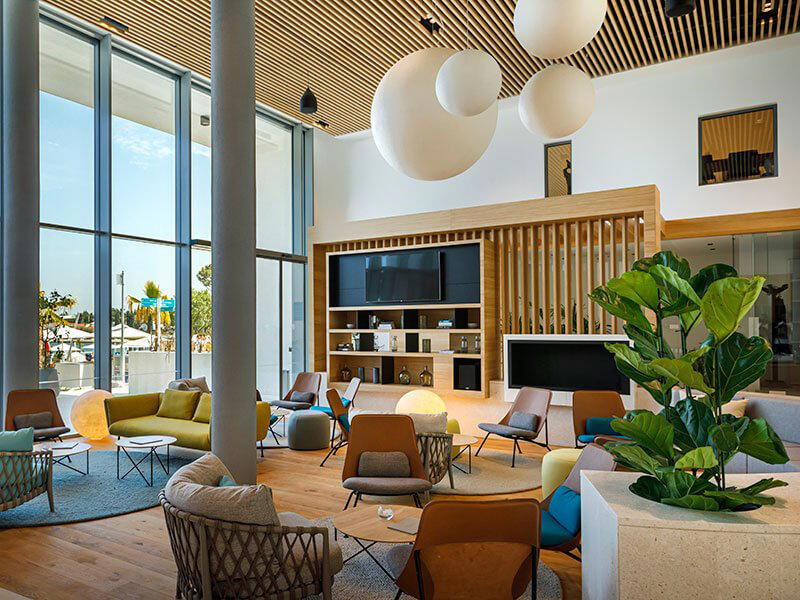
Hotels in Kukci
Browse all →

At a Glance
- Romantic
- Classic
- Cozy
- Date Night
- Family
- Group Dining
- Casual Hangout
- Terrace
- Private Dining
- Beer Program
- Local Sourcing
- Sustainable Seafood
- Street Scene
Current opening hours
- Monday
- 12–11 PM
- Tuesday
- Closed
- Wednesday
- 12–11 PM
- Thursday
- 12–11 PM
- Friday
- 12–11 PM
- Saturday
- 12–11 PM
- Sunday
- 12–11 PM
Hours can change for holidays and private events. Last verified .
Calm and pleasant atmosphere with glazed frontage overlooking the main road; spacious indoor and outdoor summer terrace with shade.