
MarieIranganee gives Tokyo’s curry conversation a Sri Lankan accent in Shibuya, away from the city’s heavier European-style curry tradition. Its Tabelog Curry TOKYO 100 selections in 2023 and 2024, compact 15-seat scale, and curry-and-Sri Lankan category signal a small-format specialist rather than a broad casual diner.
Pearl is the En Primeur Club membership app — saves, bookings, and concierge access live there. Same editors, same standards.
- Address
- Japan, 〒150-0042 Tokyo, Shibuya, Udagawacho, 34−34 6M&Iビル 5階
- Phone
- +81 3-6455-3216
- Website
- facebook.com
 Saves & bookings on Pearl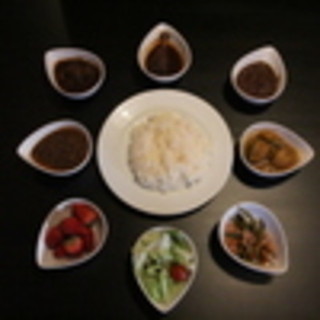
Udagawacho has a particular Tokyo energy: record shops, back-street bars, vertical buildings, and restaurants that make diners look upward rather than along the pavement. Here, curry culture is less a single national style than a stacked urban index of influences: Japanese yoshoku curry, South Asian canteens, spice-focused counters, and smaller Sri Lankan rooms working at a different rhythm. MarieIranganee belongs to that last category, a compact Shibuya specialist known for curry and Sri Lankan cooking rather than chef mythology or luxury signaling.
Tokyo has long treated curry as everyday fuel and obsessive subculture. The field spans railway-station comfort plates, Osaka-influenced spice curry shops, Indian and Nepali kitchens, and Sri Lankan restaurants where rice, heat, acidity, and multiple components matter more than one brown sauce. That range is why recognition on a curry-specific list carries different weight from a general restaurant award. Selection for Tabelog Curry TOKYO 100 in both 2023 and 2024 places this address in a competitive genre field, where repeat visibility is hard to dismiss as novelty.
Shibuya curry has moved beyond the quick plate
Shibuya’s dining identity is often reduced to late-night ramen, cafés, and youth-market volume, but specialist food cultures survive inside that churn. Curry suits the neighbourhood: fast enough for lunch, serious enough for repeat diners, and flexible enough to absorb regional styles without ceremony. A Sri Lankan curry room in Udagawacho is part of that evolution, giving the area something distinct from the polished expense of Ajuuta or the high-ticket formality of Chinese Shindai, while sitting in a more focused register than bakery-café traffic around VIRON Shibuya ten.
The useful comparison is intent, not luxury versus cheapness. Tokyo curry devotees often judge structure: how a plate handles spice, grain, secondary preparations, heat, and contrast. Sri Lankan cooking fits that scrutiny because the meal is built through combination rather than one dominant element. That places MarieIranganee within the city’s specialist curry conversation, not generic international dining, and explains why its appeal extends beyond Shibuya convenience.
For readers mapping Tokyo by genres rather than neighbourhood checklists, it sits naturally among narrow-format addresses. The city can move from curry at 3 Chome no Curry Ya San to yakitori at 124. KAGURAZAKA (Yakitori), casual visual café culture at 2D Cafe, or seafood-and-charcoal formats such as . 鮪と炭火焼き うお炭 秋葉原店. That variety is the point: Tokyo’s strength is not one dining hierarchy, but a dense field of micro-specialisms.
A small room changes the stakes
Scale matters in Tokyo curry. A 15-seat restaurant faces different pressures from a high-volume lunch shop: turnover, prep, and consistency become visible. Small rooms reward diners who understand timing and format. MarieIranganee has no private-room setup, and private use is listed for groups up to 20, underlining the compact operation. This is not for a sprawling group meal or leisurely hotel-dining evening; it is a focused stop in a city where better casual restaurants often ask for precision from the diner.
The restaurant’s public profile is refreshingly uninflated. It does not need imported grandeur or a heroic chef narrative. The stronger editorial point is that a Sri Lankan curry restaurant in Shibuya can earn repeat curry-list recognition while remaining modestly priced and physically tight. In Tokyo, that combination often signals a serious local following: not luxury by cost, but selectivity by category and consistency.
Drinks add another clue. Shochu, wine, and cocktails are listed, placing the meal beyond the stripped-back lunch-counter model without becoming bar-led. Non-smoking status matters to international visitors, especially in older Tokyo buildings where ventilation and room size shape comfort. These practical signals define the restaurant: compact, specialist, and built for repeat social dining rather than spectacle.
Where it fits in a Tokyo itinerary
The case for MarieIranganee is strongest for travellers who know Tokyo dining is not only omakase counters and tasting menus. Curry is one of the city’s great democratic obsessions, and Sri Lankan cooking gives it a sharper, more layered form. The 2024 Tabelog Curry TOKYO 100 selection confirms category relevance; the 2023 selection shows the attention did not arrive for one season and disappear.
It also corrects the habit of treating Shibuya as a transit zone. The neighbourhood’s better food often sits above street level or beyond the first obvious crossing, and curry is a smart way to read that pattern. Diners can pair a Shibuya meal here with a broader Tokyo food plan through Our full Tokyo restaurants guide, then widen the trip with Our full Tokyo bars guide, Our full Tokyo hotels guide, Our full Tokyo experiences guide, and, for category completists, Our full Tokyo wineries guide.
Japan’s broader casual-dining map adds context. Curry in Sapporo looks different at [Curry Senmon Ten] Maruyama Kyoju. in Sapporo; Vietnamese cooking shifts the lens at (Shoku) Vietnam in Kawasaki; Kyoto’s dining grammar changes again at [ki:] in Kyoto. Outside Japan, focused small-format eating has parallels from Jōdo Saké Bar in Los Angeles to Onigiri Time in Pasadena. The connective tissue is not cuisine alone, but clarity of format.
The sensible read: choose MarieIranganee to understand Tokyo curry as a living specialist scene, not to chase ceremony. It is a Shibuya address with repeat curry-list recognition, a Sri Lankan focus, and a room small enough to make planning matter. In a city where prestige often attaches to counter seats and long menus, that modesty is part of the argument.
For adjacent planning, Tokyo’s restaurant range can stretch from 12/10 Shinjuku ten to regional detours such as -Grilled beef Sukiyaki- KAMAKURA TANUKIAN 鎌倉 たぬき庵 in Kamakura, while lighter city breaks may point to.cafe in Osaka or.know in Kumamoto. Against that wider field, this Shibuya curry room is not trying to be grand. It shows how a specific regional cuisine can hold its place inside Tokyo’s restless casual dining economy.
At-a-Glance Comparison
Comparable venues by price and recognition.
| Venue | Cuisine | Price | Notes |
|---|---|---|---|
| MarieIranganee | Sri Lankan Curry | $$ | Shibuya |
| AJANTA | Long-established Pure Indian Curry House | $$ | Chiyoda |
| Andhra Dining GINZA Ginza | Traditional South Indian Andhra cuisine | $$ | Chūō |
| Curry Spice Gelateria KALPASI | Indian-style curry and spice gelato | $$ | Setagaya |
| AROMAS of INDIA | Traditional North Indian Curry House | $$ | Chiyoda |
| Indian Restaurant Aarti | Indian Curry | $$ | Chiyoda |
Recognition history
Dated appearances from independent guides and award organizations, with the underlying list record or original source where available.
Tabelog 100 #69 · No. 69
Tabelog · Tabelog 100 - Curry - TOKYO - 2024














At a Glance
- Cozy
- Intimate
- Solo
- Casual Hangout
- Group Dining
- Standalone
Current opening hours
- Monday
- Closed
- Tuesday
- 11:30 AM–2:30 PM, 6–10 PM
- Wednesday
- 11:30 AM–2:30 PM, 6–10 PM
- Thursday
- 11:30 AM–2:30 PM, 6–10 PM
- Friday
- 11:30 AM–2:30 PM, 6–10 PM
- Saturday
- 11:30 AM–2:30 PM, 6–10 PM
- Sunday
- 11:30 AM–2:30 PM, 6–10 PM
Hours can change for holidays and private events. Last verified .
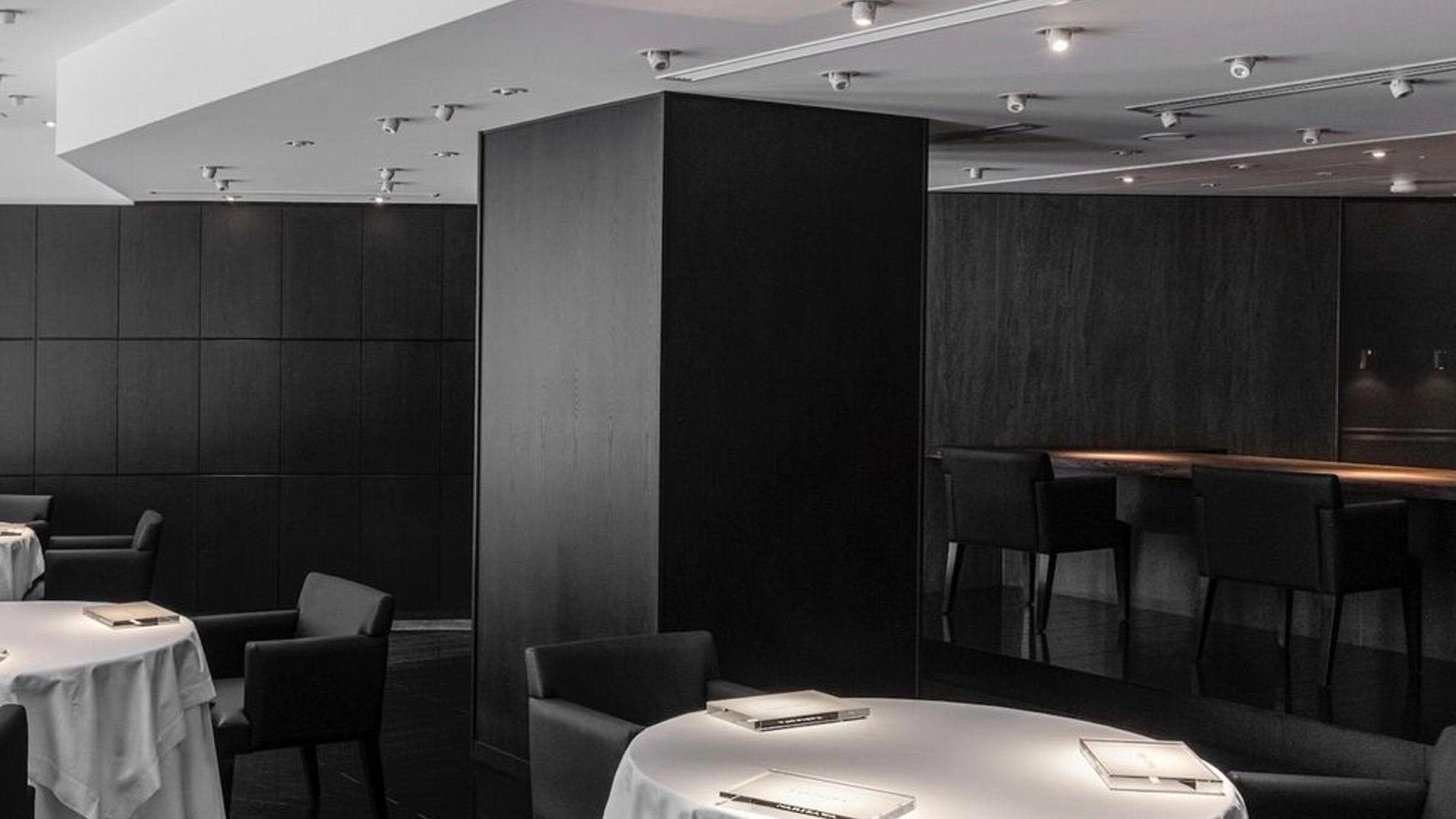
A low-key, tucked-away setting in an unassuming building, creating a quiet hidden-gem feel rather than a flashy dining room.