Mariano's Tastemaker Kitchen
On the western edge of the West Loop, Mariano's Tastemaker Kitchen at 40 S Halsted occupies a stretch of Chicago dining that sits between the neighborhood's celebrated tasting-menu circuit and its more casual corridor. The address places it within reach of some of the city's most closely watched restaurants, making it a reference point for understanding how the West Loop's dining identity continues to evolve.
Pearl is the En Primeur Club membership app — saves, bookings, and concierge access live there. Same editors, same standards.
- Address
- 40 S Halsted St, Chicago, IL 60661
- Phone
- +14142317705
- Website
- marianos.com
- Directions
- Get directions
 Saves & bookings on Pearl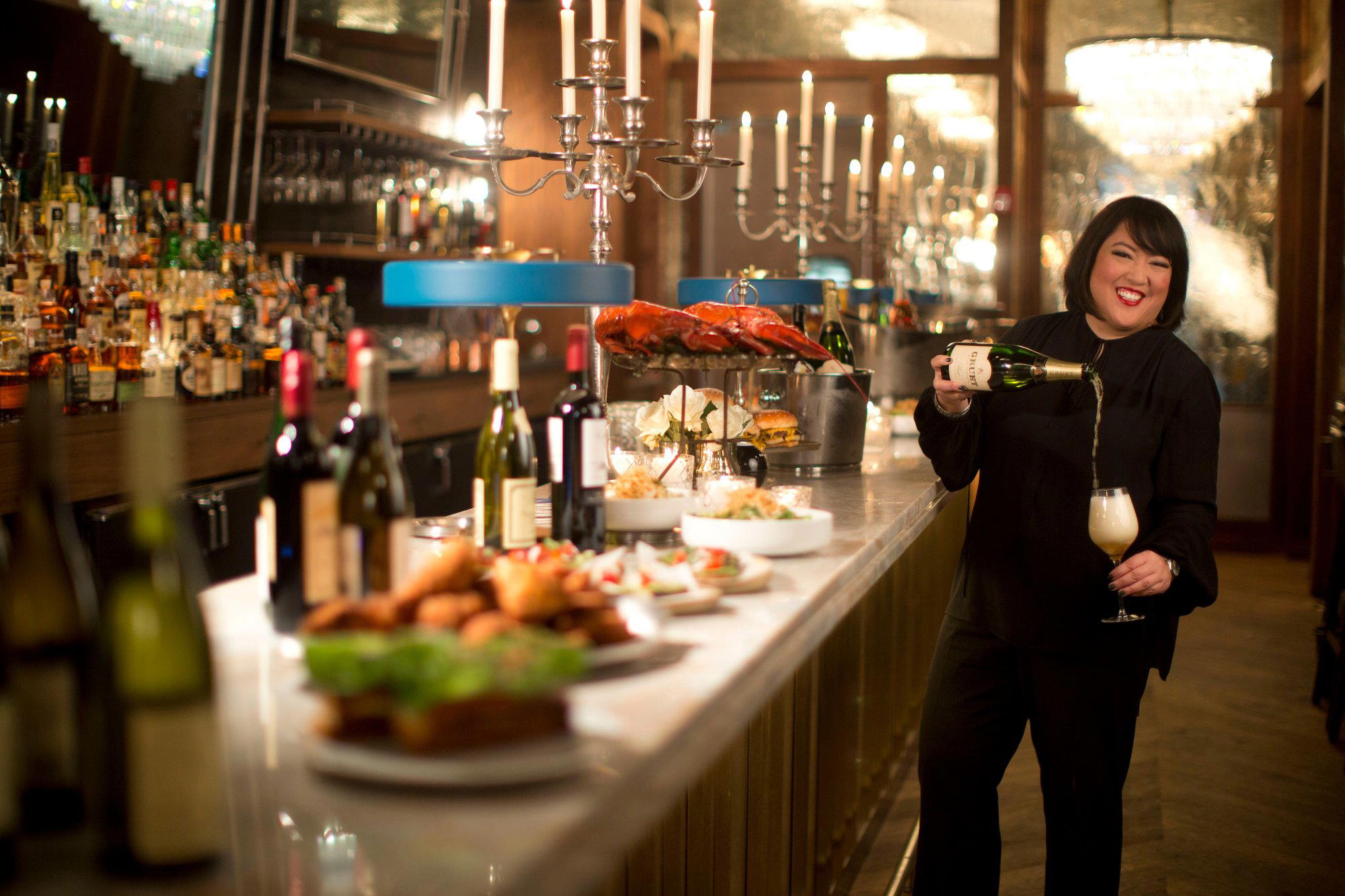
West Loop, Where the Tables Are Never Empty
The West Loop has spent the better part of two decades redefining what a Chicago dining neighborhood looks like at the serious end of the market. The stretch from Randolph Street down through Fulton Market now anchors a concentration of ambitious restaurants that positions Chicago alongside New York and San Francisco as a city where the full range of contemporary American cooking, from progressive tasting menus to hyper-specific cultural cuisine, is available within walking distance of one another. Mariano's Tastemaker Kitchen, at 40 S Halsted Street, sits at the southern edge of that corridor, where the character of the blocks shifts.
In a neighborhood where Alinea and Smyth operate at the summit of the tasting-menu tier, and where Kasama has demonstrated that a James Beard Award can follow a restaurant willing to define its own category, the question for any address in the West Loop is always the same: what does this place do that the block already does not?
The Regulars Know Something You Don't
Restaurants that build loyal repeat clientele in competitive urban markets rarely do so on the strength of a single dish or a well-designed room. The pattern in Chicago's West Loop, observable across the neighborhood's most durable openings, is that regulars return because a restaurant has an unwritten menu: the rhythm of service they know, the way a reservation gets handled on a busy Friday, the table they prefer, the dish that doesn't appear on the printed menu but arrives anyway because the kitchen knows them. That layer of familiarity is what separates a place people visit from a place people claim.
For an address on S Halsted, the neighborhood's foot traffic tells part of the story. The West Loop draws a dining public that ranges from out-of-town visitors working through a list to genuine local regulars who eat out three or four nights a week and have strong opinions about every restaurant within a ten-block radius. In a market like that, a restaurant's reputation among locals is set quickly and revised slowly. The challenge for any venue in this part of Chicago is earning the second visit before the first one is over.
Chicago's broader dining culture has a useful context here. The city's restaurant scene has historically rewarded restaurants that do one thing with unusual precision over restaurants that attempt to cover the full range of what a neighborhood might want. The discipline visible at Oriole, a two-Michelin-star operation that has maintained its format with little drift, reflects a Chicago tendency to respect specificity. Next Restaurant, which built its identity around a rotating concept rather than a fixed menu, represents a different but equally deliberate approach to the same principle. Both have sustained loyal audiences by committing to a format rather than chasing the room.
The West Loop in National Context
Chicago does not lack for serious dining at any tier of the market, and the West Loop's position in the national conversation about American restaurant culture is well established. The kind of cooking that defines the neighborhood's upper bracket, composed, technically careful, ingredient-forward, is a current that runs through comparable addresses in other cities: Lazy Bear in San Francisco, Single Thread Farm in Healdsburg, Providence in Los Angeles, and Blue Hill at Stone Barns in Tarrytown each represent a regional version of the same broad movement toward cooking that foregrounds sourcing and restraint.
At the more formal end, the benchmark names are equally clear. The French Laundry in Napa and Le Bernardin in New York City represent the older tier of American fine dining that established the vocabulary the current generation of West Loop restaurants is working with, extending, or deliberately rejecting. Atomix in New York City and Addison in San Diego each show how a city's fine dining identity can be shaped by a single restaurant with a clear point of view and the patience to maintain it.
Chicago's contribution to this national picture is a dining culture that has historically been less precious about the line between high and low, and more willing to let a great sandwich place and a two-Michelin-star kitchen coexist in the same neighborhood without either one feeling out of place. The West Loop carries that character even as it has moved upmarket over the past decade. Restaurants like Emeril's in New Orleans and Bacchanalia in Atlanta offer a point of comparison for how southern cities have built their own version of serious restaurant culture; Chicago's version is more compressed geographically and, at its leading, more willing to take aesthetic risks.
8 1/2 Otto e Mezzo Bombana in Hong Kong and The Inn at Little Washington offer international and East Coast reference points for how serious restaurants signal their tier to a well-traveled audience.
Know Before You Go
The Short List
Comparable venues nearby, for context on price, style, and recognition.
| Venue | Cuisine | Price | Notes |
|---|---|---|---|
| Mariano's Tastemaker KitchenThis venue — the venue you are viewing | West Loop, American Tastemaker Kitchen | $$ | Not listed |
| The Silver Palm | Not listed | $$ | River West, American Railroad-Themed Dining |
| Grant Park Bistro | Not listed | $$ | Downtown / The Loop, American Bistro |
| Stay Cafe | Not listed | $$ | Logan Square, American Breakfast & Brunch Café |
| All Too Well | Lincoln Park, Gourmet Sandwiches & Deli | $$ | Not listed |
| Tiny Tapp & Tiny Café | Not listed | $$ | Theater District, Contemporary American Riverside Café |
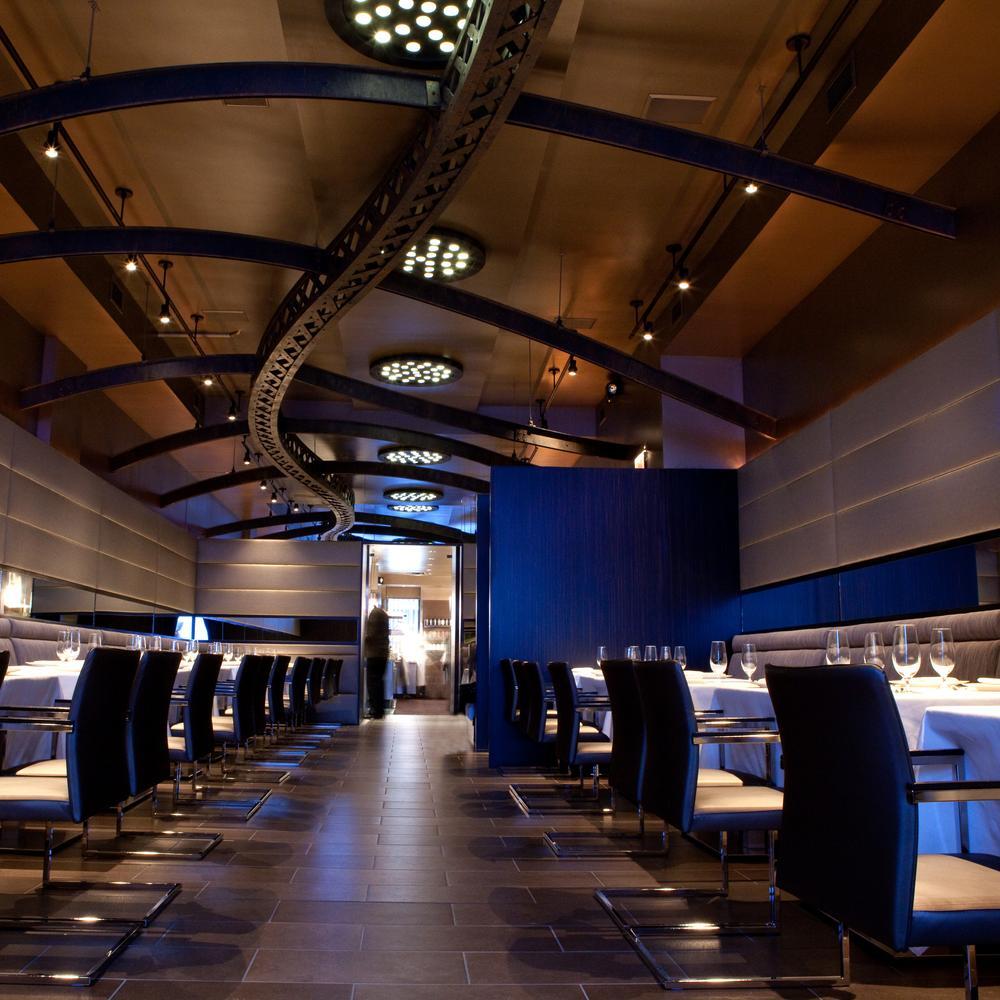
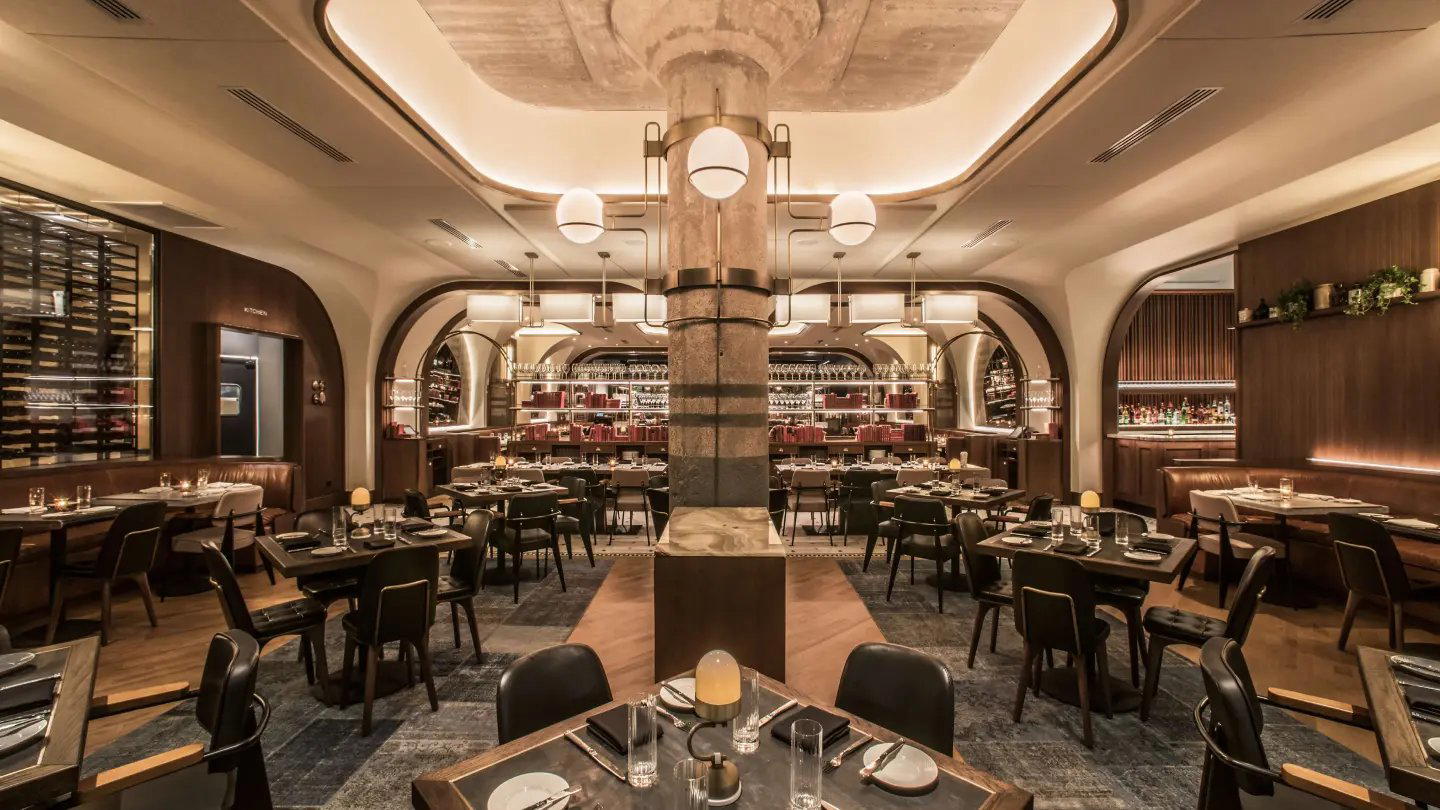
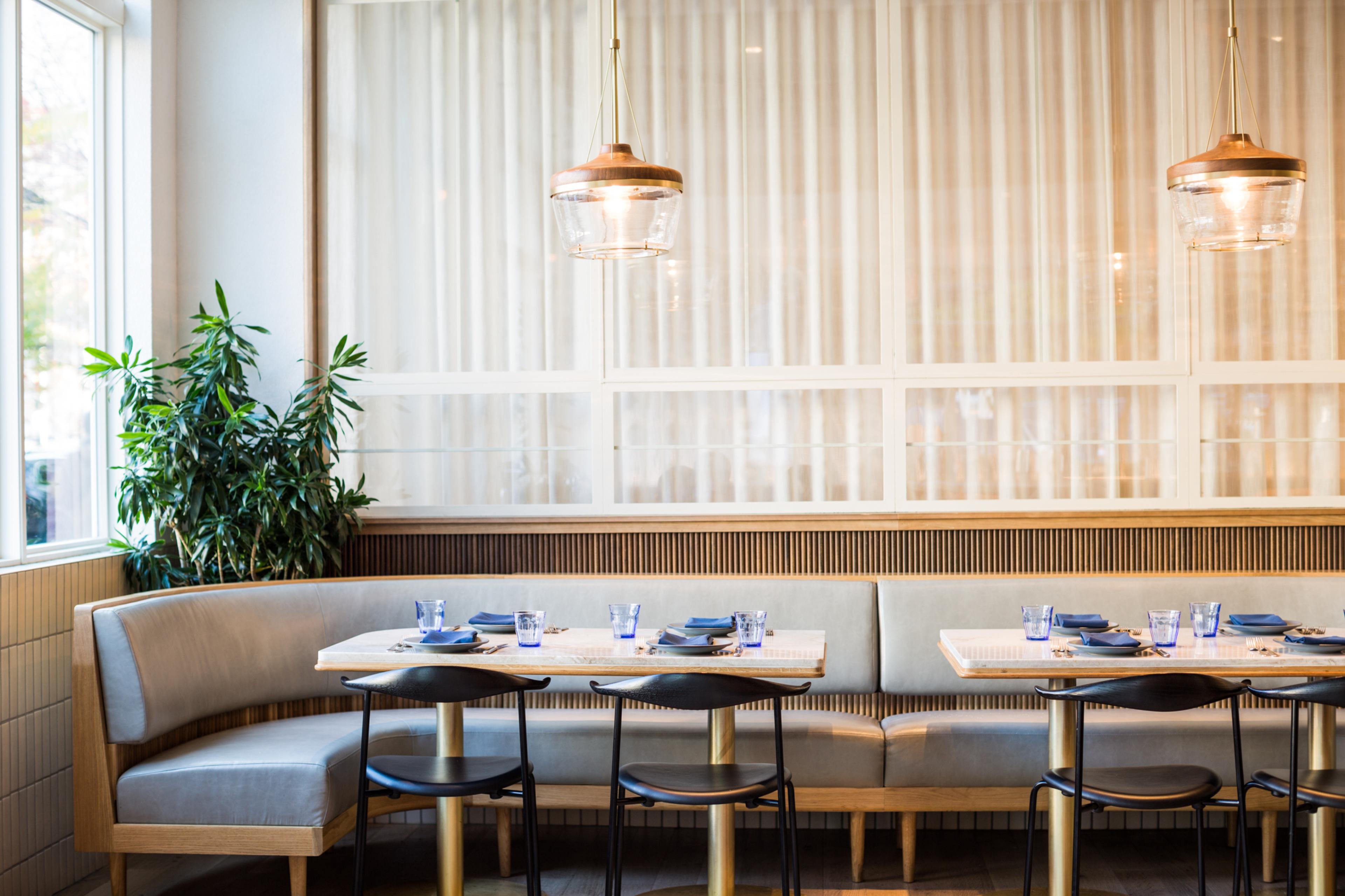
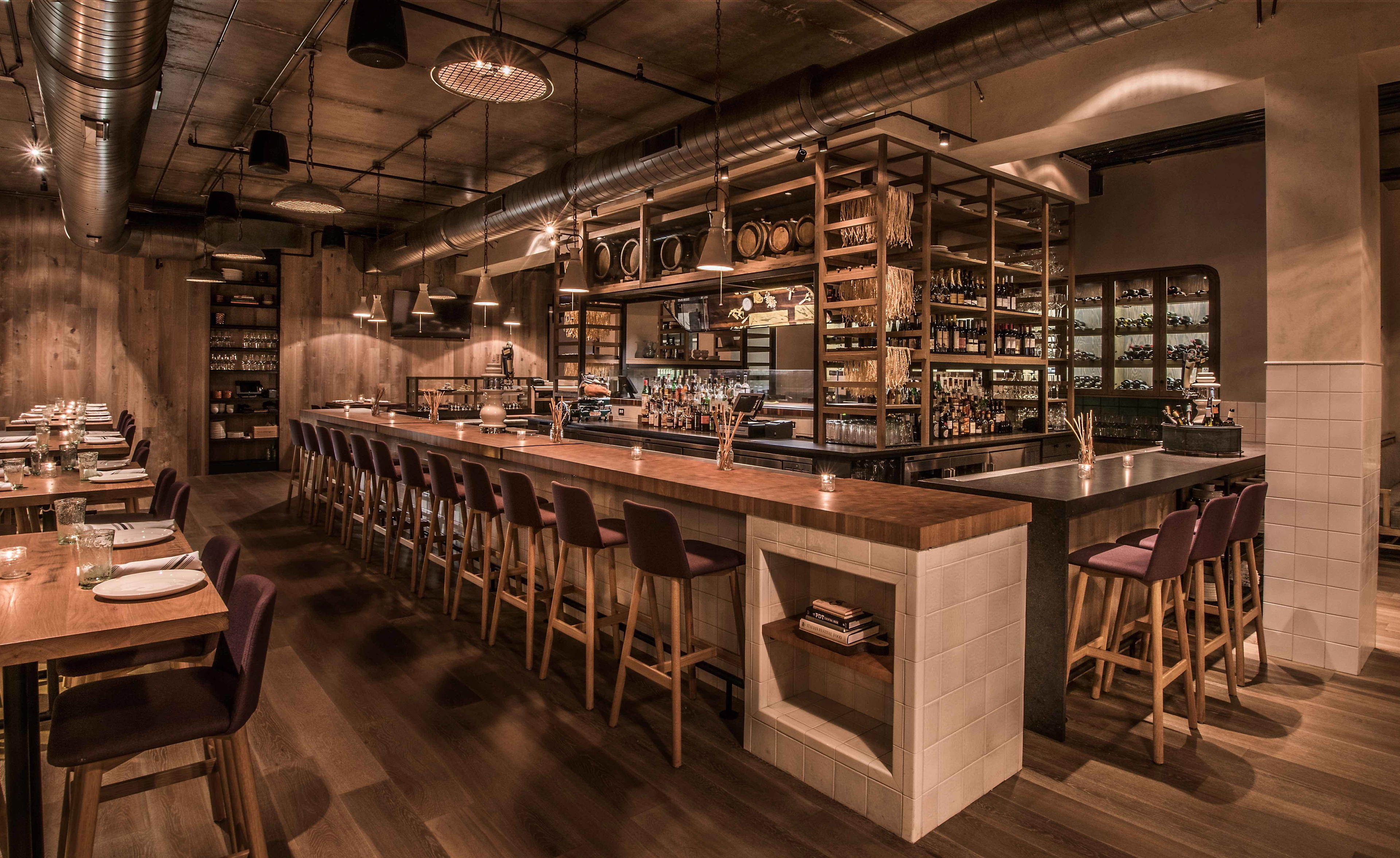
At a Glance
- Lively
- Modern
- Casual Hangout
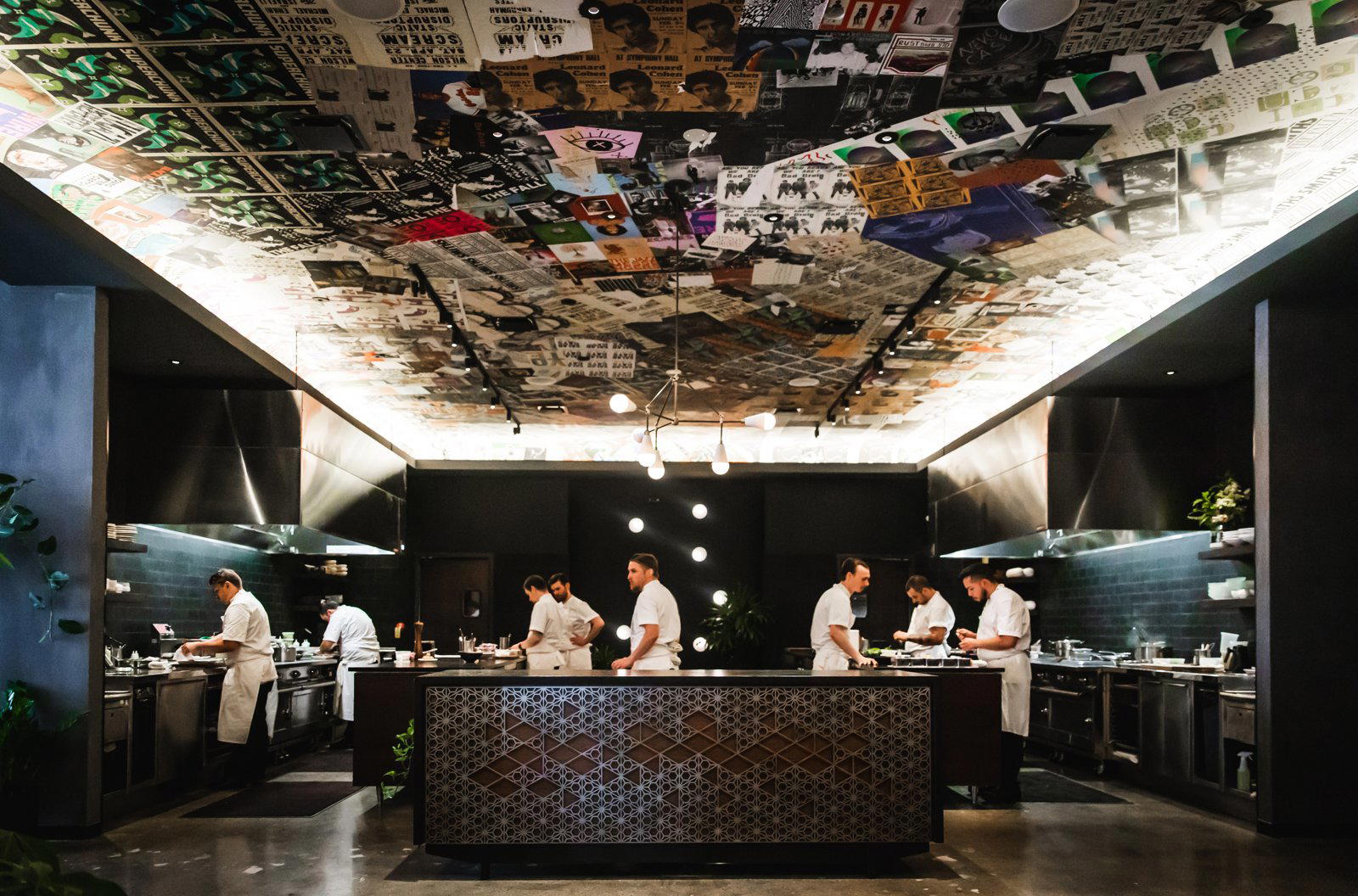
- Open Kitchen
- Extensive Wine List
- Local Sourcing
Energetic atmosphere with live Friday night entertainment at the wine bars.