Grant Park Bistro
Grant Park Bistro sits at 800 S Michigan Ave, positioned along one of Chicago's most recognizable stretches of lakefront boulevard. The address places it at the intersection of the Museum Campus and Grant Park's northern edge, a corridor that draws both local professionals and visitors moving between the Art Institute and the lakefront. What that location means for the dining experience is a question the room itself answers.
Pearl is the En Primeur Club membership app — saves, bookings, and concierge access live there. Same editors, same standards.
- Address
- 800 S Michigan Ave, Chicago, IL 60605
- Phone
- +13127533420
- Website
- grantparkbistro.com
- Directions
- Get directions
 Saves & bookings on Pearl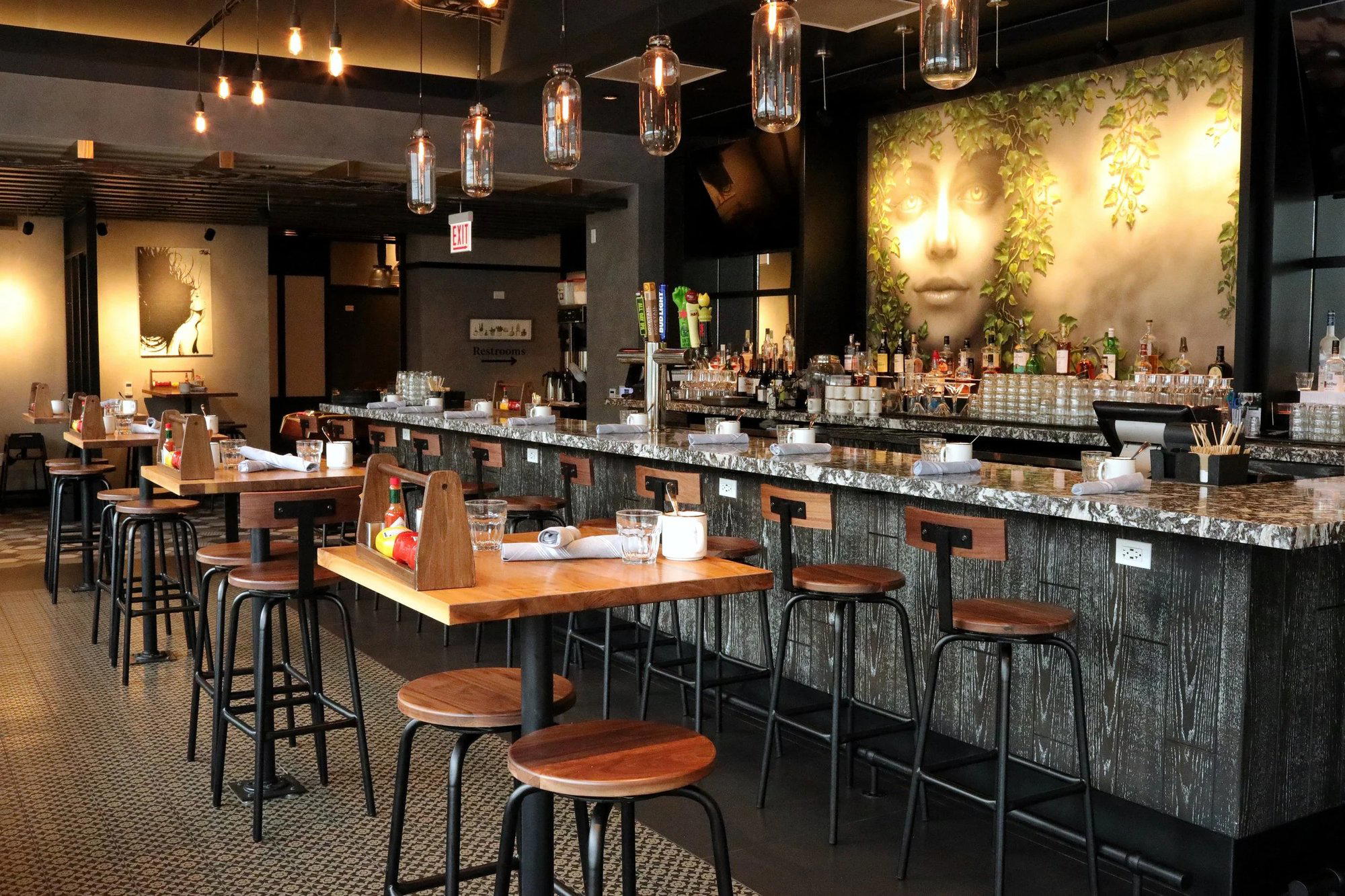
Michigan Avenue, the Museum Campus, and What It Means to Eat Here
South Michigan Avenue between the Art Institute and the Museum Campus is a major Chicago dining corridor. Grant Park spreads west to east, the skyline stacks up behind you, and the address at 800 S Michigan Ave places Grant Park Bistro in the path of a specific kind of Chicago energy: part civic pride, part tourist thoroughfare, part genuine neighbourhood for South Loop residents. Restaurants here face a practical question: are they serving the city or simply its image? The better ones do both.
Chicago's dining scene is among the country's most closely watched, and the South Michigan corridor sits apart from the rooms that dominate that conversation. The tasting-counter format, represented locally by Alinea, Smyth, and Oriole, tends to cluster in the West Loop and River North, leaving the lakefront as a different dining register. A bistro format in this address has a distinct role to play: accessible enough for a post-museum dinner, substantial enough to hold its own in a city where even the mid-tier options are genuinely competitive.
The Cultural Logic of the Bistro in an American City
The word bistro carries European freight that American restaurants have been selectively loading and unloading for decades. In its French original, a bistro meant low price, high regularity, and an absence of ceremony, a neighbourhood contract rather than a hospitality performance. What happened when that format crossed the Atlantic is a long story, but the short version is that American bistros tend to split between two poles: those that use the French framing as a license to charge for atmosphere, and those that genuinely commit to the bistro's democratic promise of good food without theatre.
Chicago has examples of both. The city's relationship with French-influenced cooking goes back to an era when Continental dining rooms defined the upper end of the market, and the residue of that history still shows up in how certain addresses price and position themselves. The more interesting question for any room with bistro in its name is where it sits on that spectrum, and what the local culinary conversation, which now runs from Kasama's Filipino-American tasting menus to Next Restaurant's concept-driven format, actually demands of a neighbourhood anchor.
Comparable bistro formats in other American cities offer a useful frame. In New York, Le Bernardin represents the French-trained fine dining end of the spectrum; in New Orleans, Emeril's shows how a mid-register room can carry cultural weight through consistency rather than ceremony. On the West Coast, Lazy Bear in San Francisco and Single Thread Farm in Healdsburg demonstrate what happens when a restaurant decides to make provenance the argument rather than the atmosphere. None of these are direct comparisons, but they mark out the range of positions a serious American restaurant can occupy, and they suggest that the bistro format, when it works, is doing something more specific than splitting the difference between casual and formal.
Location as Context: What the Address Tells You
An address on South Michigan Avenue is never just an address. The boulevard runs along the eastern edge of the Loop, and the blocks near Grant Park have historically attracted restaurants that serve a mixed audience, convention visitors, museum-goers, corporate lunch trade, and residents of the South Loop's growing residential stock. That mix creates specific pressures. A room here competes with hotel dining at the nearby properties along the strip and with the destination restaurants that draw diners from across the city for a specific occasion. The restaurants that survive on this stretch tend to offer something the hotel dining rooms don't: a clearer point of view, a more coherent menu logic, or simply a room that feels more like a place than a service.
For reference, the Museum Campus sits within easy walking distance of this address, putting Grant Park Bistro in natural contention for pre- or post-visit dining from visitors to the Art Institute, the Field Museum, and Shedd Aquarium. That demographic is not the same as the tasting-menu crowd that books The French Laundry months in advance or travels specifically for a seat at Providence in Los Angeles. It's a broader, more varied audience, and a bistro format is structurally well-suited to serve it without compromising on kitchen seriousness.
Chicago in the National Conversation
It is worth placing Chicago's dining ambitions in national perspective. The city's tasting menu rooms compete credibly with equivalent addresses in New York and San Francisco. Blue Hill at Stone Barns in Tarrytown, Addison in San Diego, The Inn at Little Washington, and Bacchanalia in Atlanta each represent regional fine dining identities that have held serious critical attention over time. Chicago's version of that conversation runs deep, and it creates a rising-tide effect on mid-register rooms: diners who eat at the summit end of the market bring higher expectations to every meal, including the ones they book for a Tuesday after a museum visit.
That context makes the South Michigan corridor more interesting than its tourist-corridor reputation sometimes suggests. Rooms like this one sit downstream of a serious culinary city, and the dining public they serve has been educated by years of access to tables at the level of Atomix in New York or 8½ Otto e Mezzo Bombana in Hong Kong. You can find a full map of where Grant Park Bistro sits within the broader Chicago dining picture in our full Chicago restaurants guide.
Planning Your Visit
The 800 S Michigan Ave address is well-served by public transit, with the Roosevelt CTA station on the Red, Green, and Orange lines a short walk south and the Museum Campus bus connections along Michigan Avenue. Street parking along this corridor is limited during museum hours, and the nearby Grant Park garage provides the more reliable option for those arriving by car. The restaurant is recommended for reservations and is open daily from 6:30 AM to 10 PM.
Comparable Venues
Comparable venues nearby, for context on price, style, and recognition.
| Venue | Cuisine | Price | Notes |
|---|---|---|---|
| Grant Park BistroThis venue — the venue you are viewing | American Bistro | $$ | Not listed |
| 90th Meridian | Contemporary American Casual | $$ | Downtown Chicago Loop |
| Bub City | American BBQ & Country Bar | $$ | River North |
| BRGRBELLY | Gourmet American Burgers | $$ | Portage Park |
| Call Your Mother | Modern Bagel Deli | $$ | Wicker Park |
| State and Lake Chicago Tavern | Polished American Gastropub | $$ | Loop |

At a Glance
- Modern
- Cozy
- Brunch
- Casual Hangout
- Date Night
- Open Kitchen
- Terrace
- Craft Cocktails
- Local Sourcing
- Street Scene
Current opening hours
- Monday
- 6:30 AM–10 PM
- Tuesday
- 6:30 AM–10 PM
- Wednesday
- 6:30 AM–10 PM
- Thursday
- 6:30 AM–10 PM
- Friday
- 6:30 AM–10 PM
- Saturday
- 6:30 AM–10 PM
- Sunday
- 6:30 AM–10 PM
Hours can change for holidays and private events. Last verified .
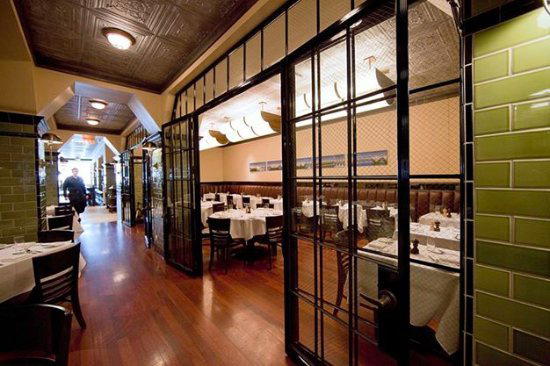
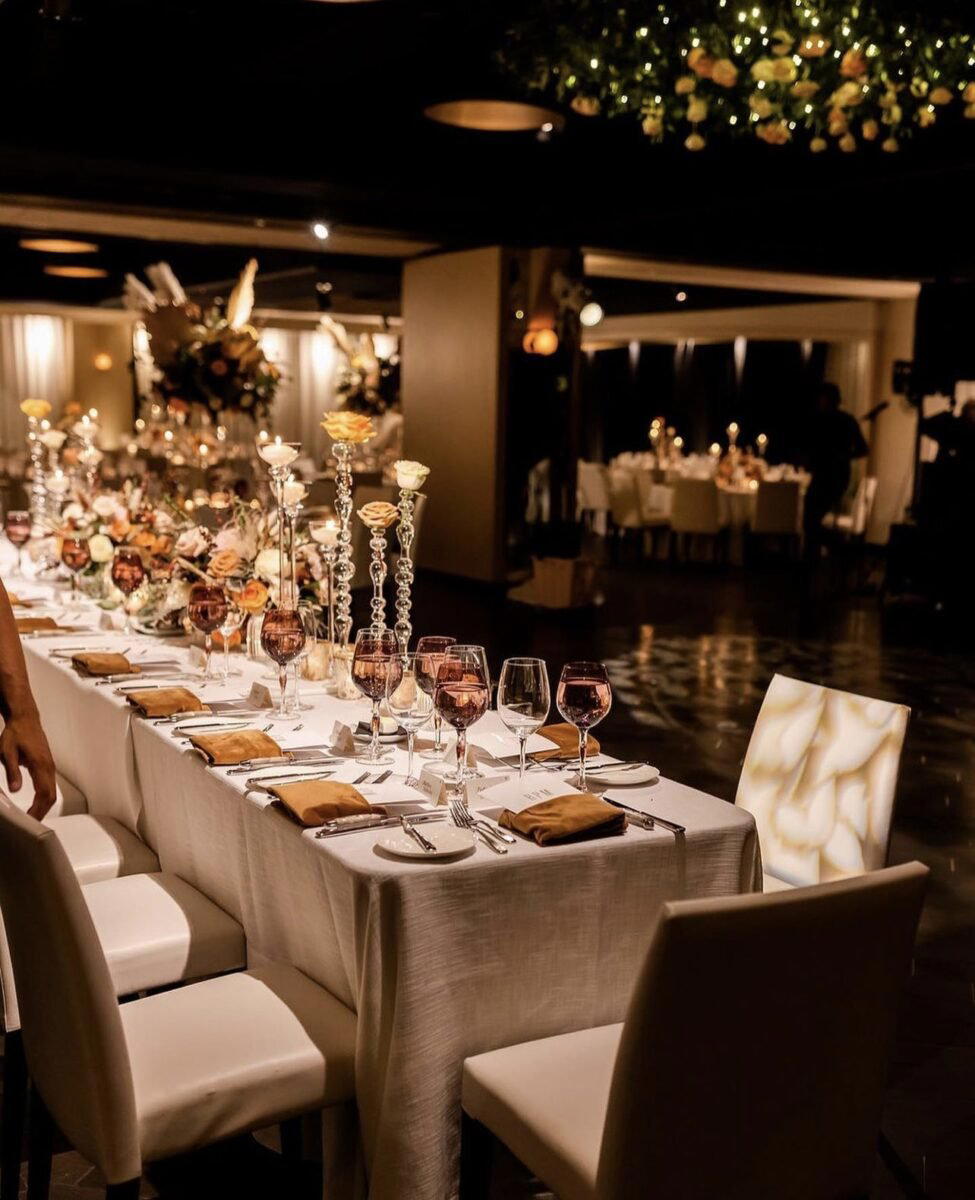
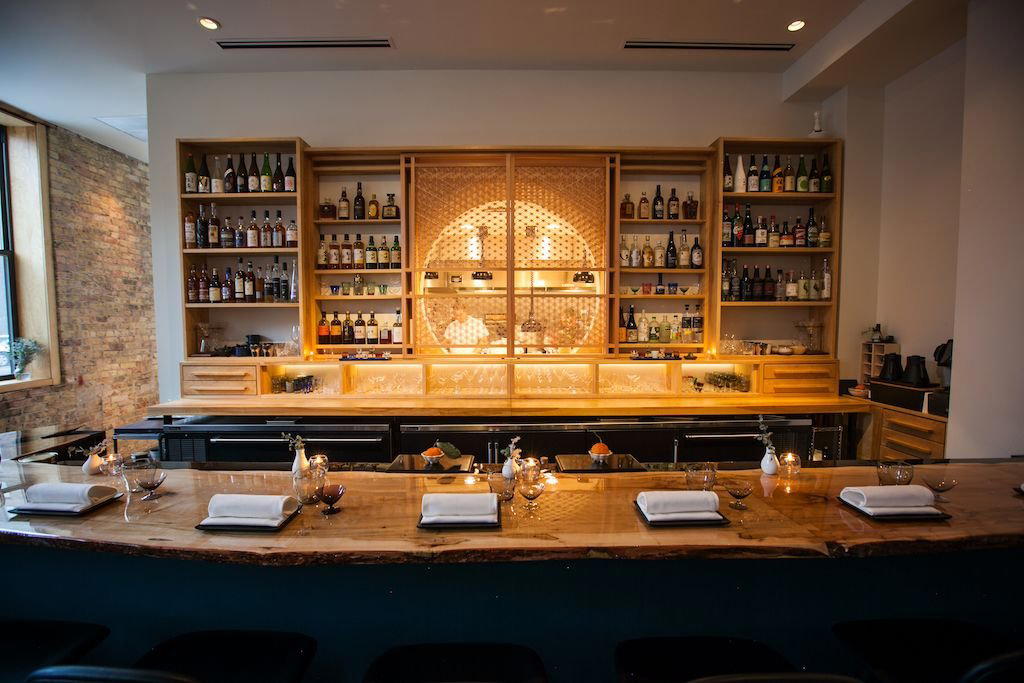
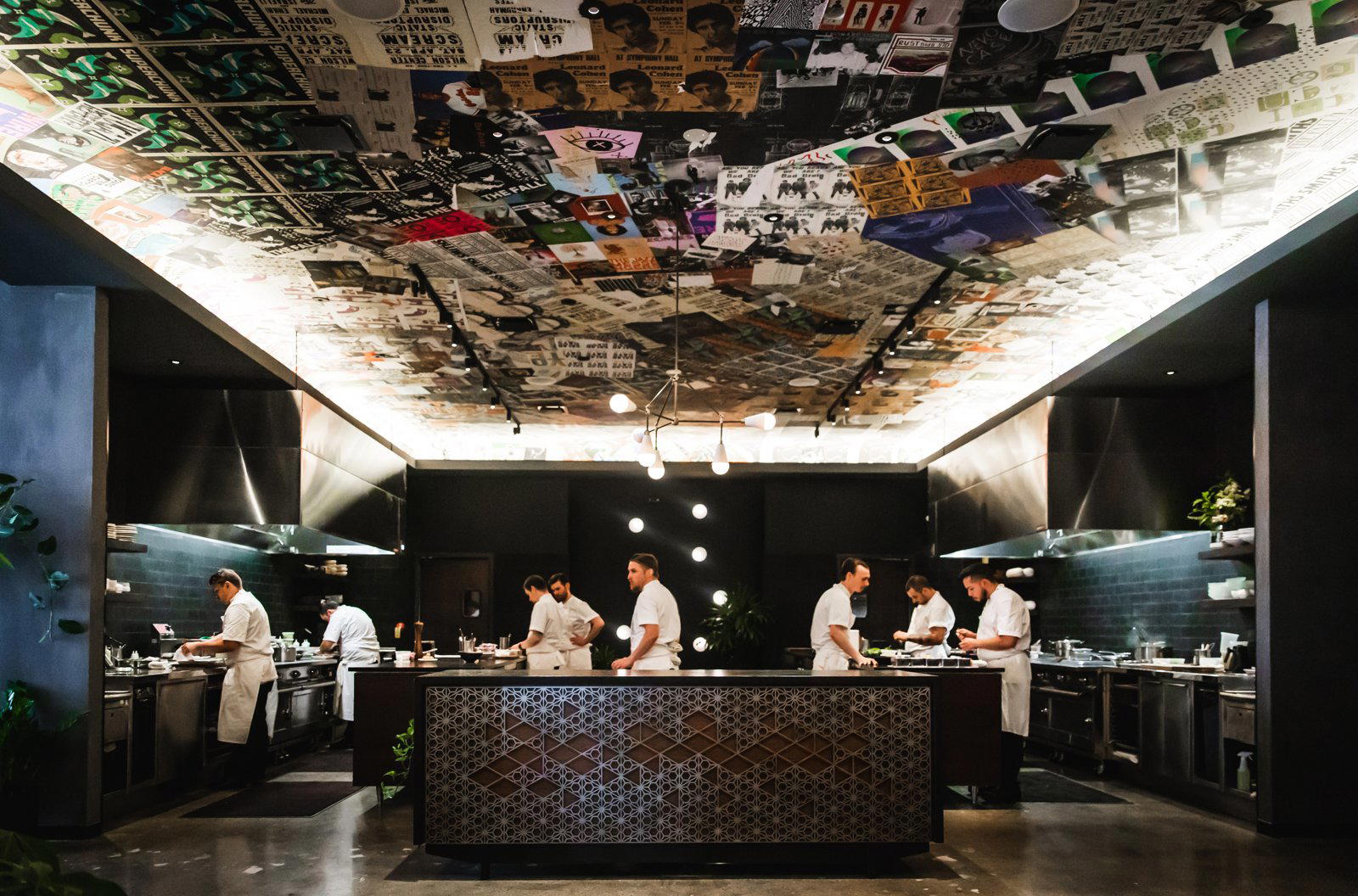
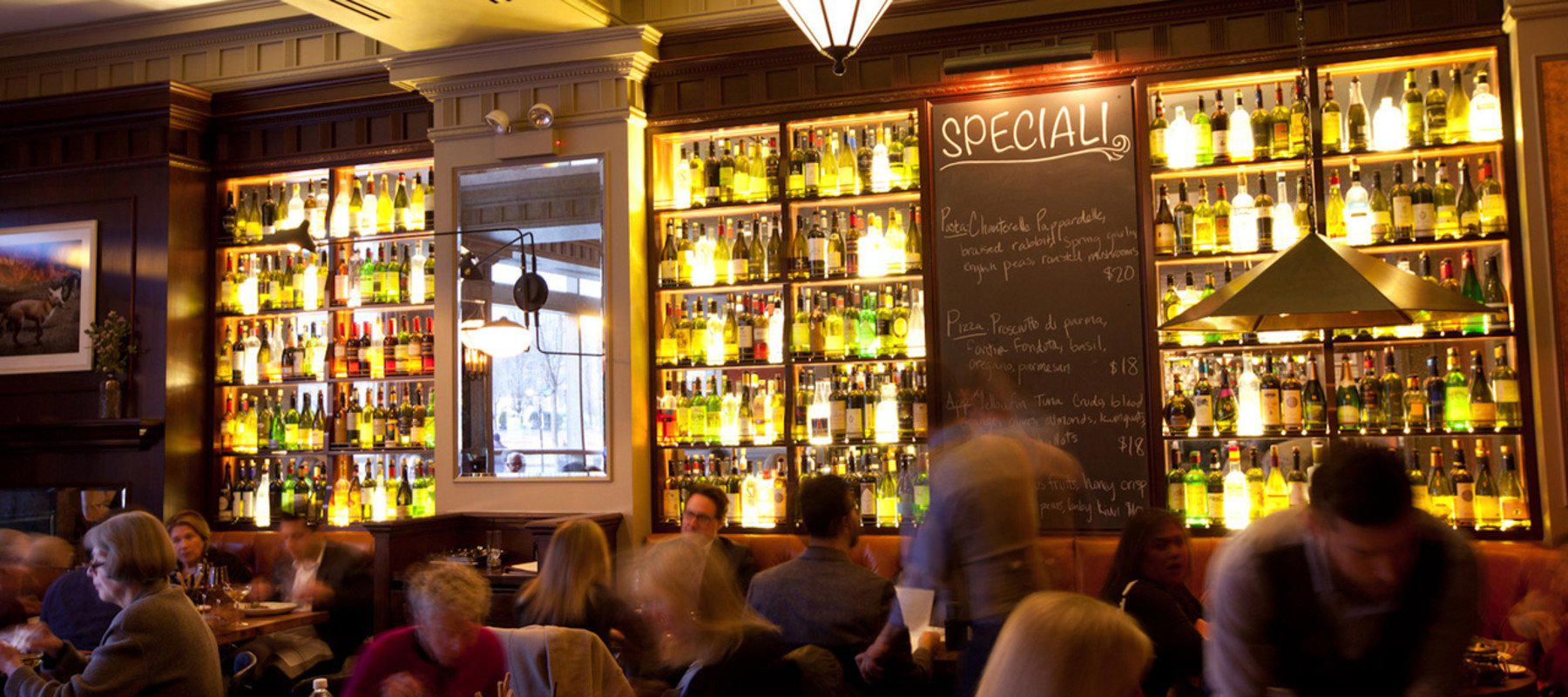
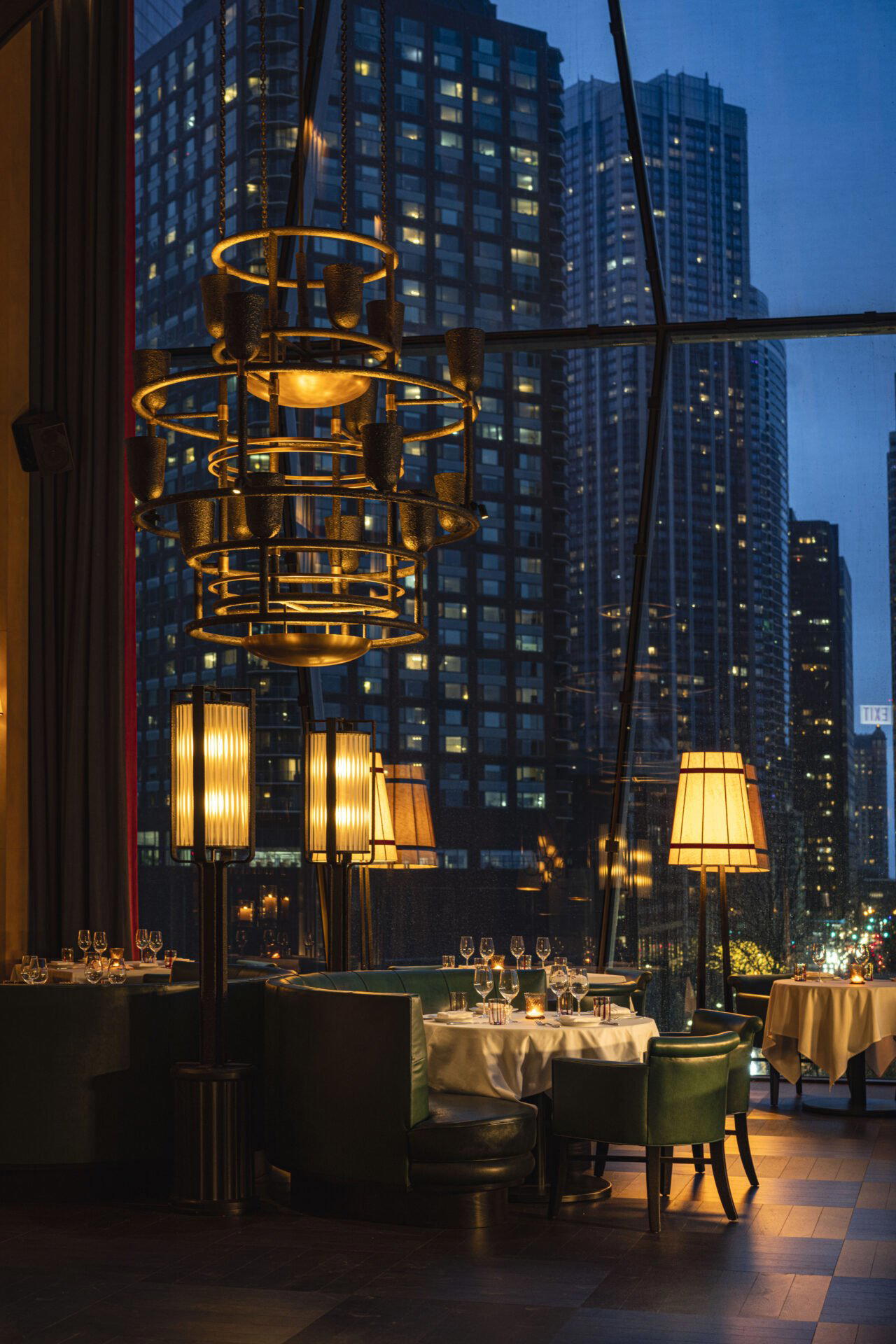
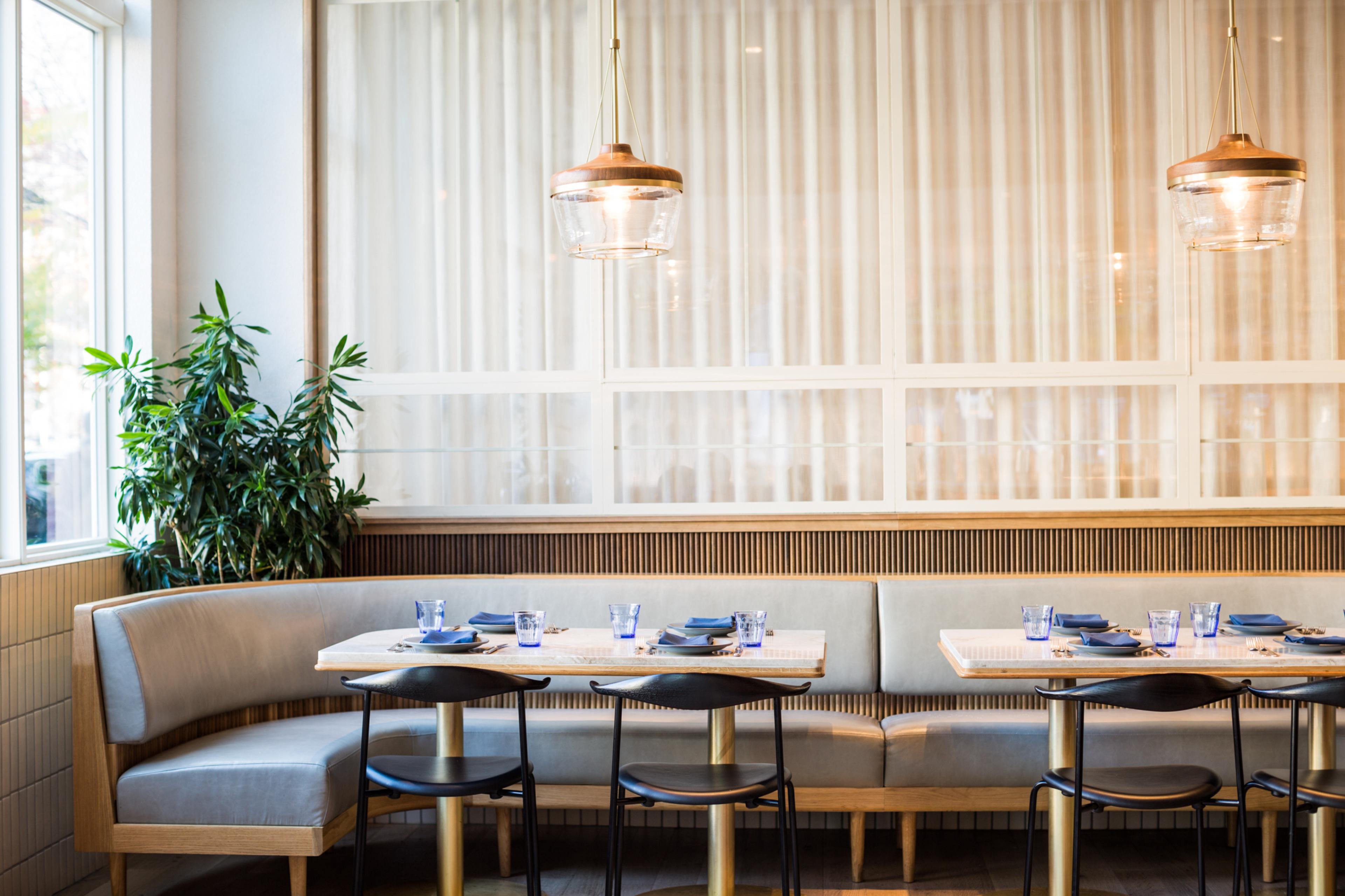
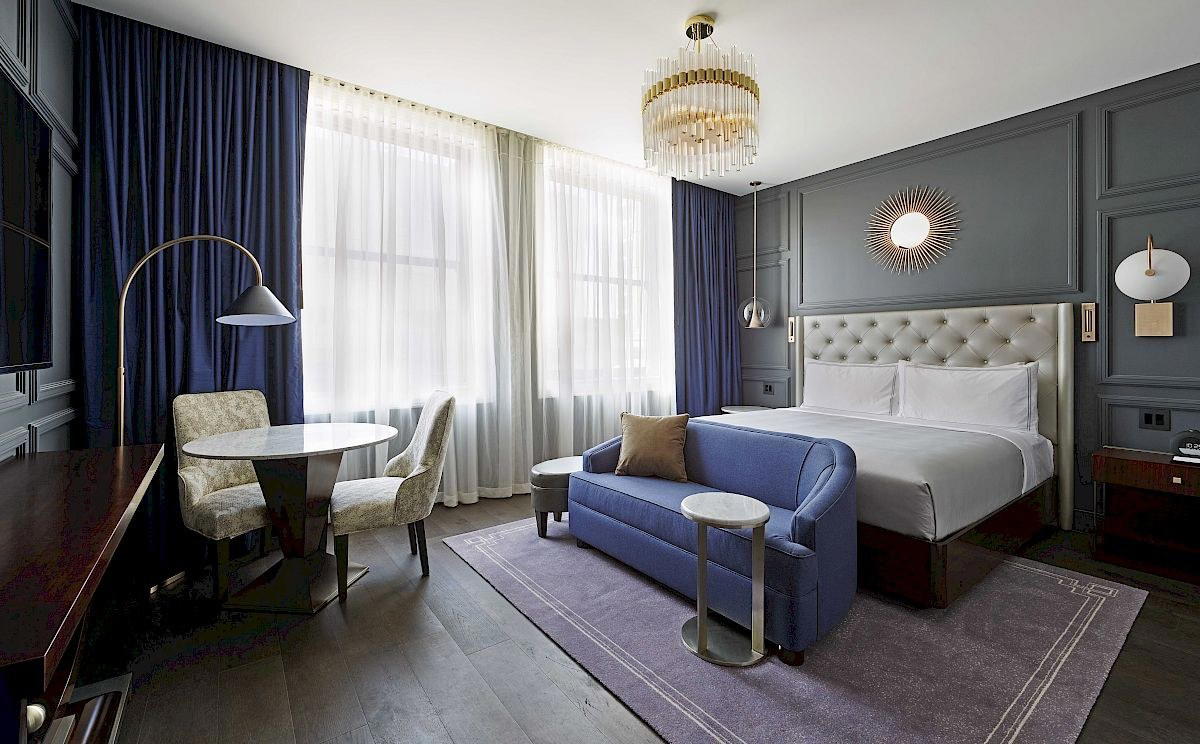
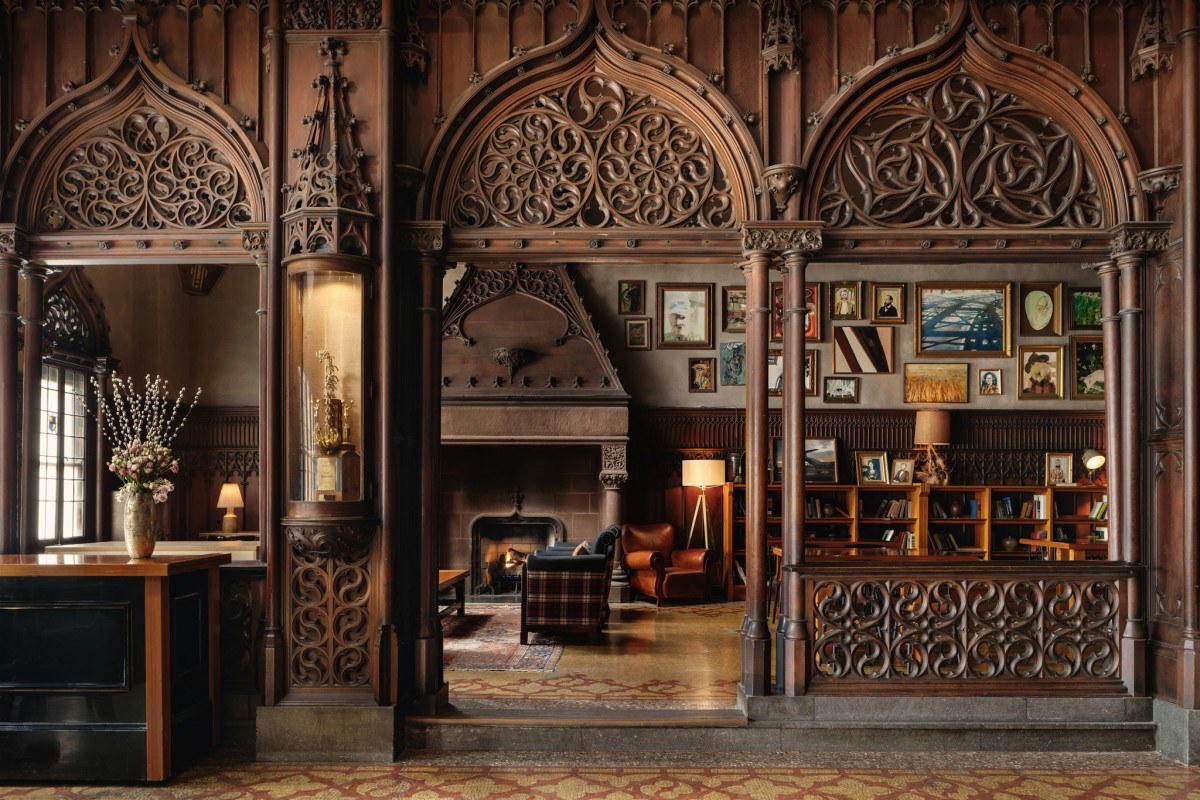
Modern and tastefully decorated with an intimate dining room featuring views of the open kitchen.