Marché Italien Le Richmond anchors Montreal's Saint-Henri neighbourhood at 333 Rue Richmond, bringing an Italian market format to a district better known for its industrial past than its olive oil. Among Montreal's many European-inflected dining rooms, it occupies a distinct lane: the communal, market-driven model that treats the ingredient as the main event rather than the technique applied to it.
Pearl is the En Primeur Club membership app — saves, bookings, and concierge access live there. Same editors, same standards.
- Address
- 333 Rue Richmond, Montréal, QC H3J 1R1, Canada
- Phone
- +15145088749
- Website
- shoplerichmond.com
- Directions
- Get directions
 Saves & bookings on Pearl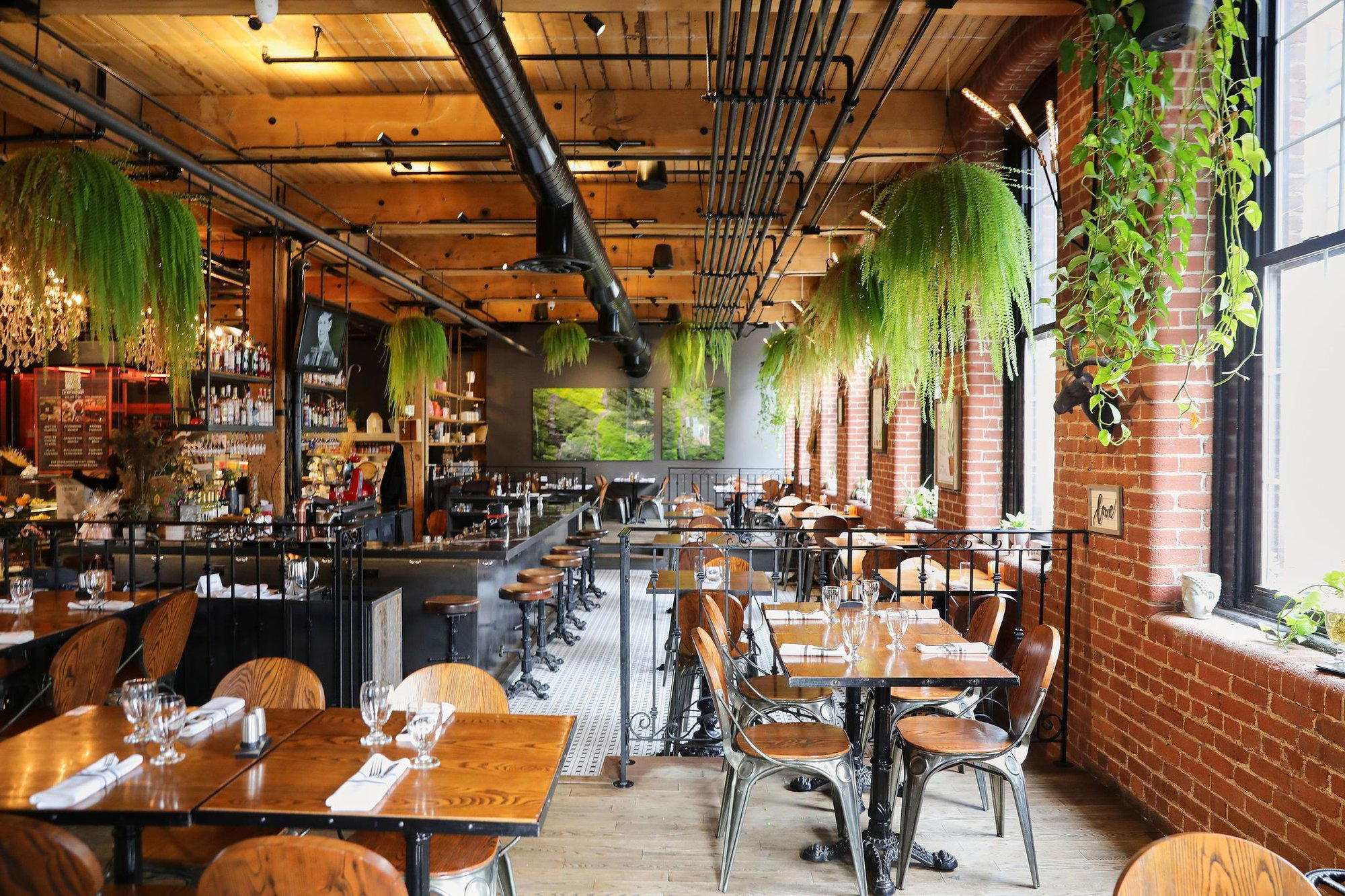
An Italian Market Model in a Post-Industrial Quarter
Saint-Henri's transformation from manufacturing corridor to dining destination has followed a familiar North American arc, but the neighbourhood has retained enough rough-edged character to resist the full polish of, say, Mile End or Old Montreal. Against that backdrop, the Italian market format carries specific cultural weight. In Italy, the mercato is not a retail concept but a civic institution: a place where the line between vendor, cook, and customer blurs, and where the quality of the ingredient is argued over in real time. Marché Italien Le Richmond, at 333 Rue Richmond, imports that logic into a Montreal context where Italian cuisine has historically been flattened into red-sauce comfort or, at the other end, overworked fine-dining compositions.
The market-hall format occupies a distinct position within Montreal's restaurant ecosystem. Where tasting-menu rooms like Jérôme Ferrer's Europea or Mastard centre the chef's editorial vision, and where brasseries like L'Express anchor themselves in classical French form, the Italian market model places selection and provenance at the front of the experience. You are, in effect, choosing your own sequence rather than deferring to a kitchen's predetermined arc.
The Cultural Roots of the Italian Market Tradition
To understand what a space like this is attempting, it helps to trace the lineage. The Italian mercato coperto, or covered market, became a template for everyday eating in cities from Turin to Palermo: a physical space where cured meats, aged cheeses, fresh pasta, prepared dishes, and regional wines coexist under one roof without hierarchy. The format reached North America unevenly. In New York and Toronto, high-investment versions of the concept, often built around imported product and ambitious retail, have expanded the category considerably. Montreal's Italian community, concentrated historically in the Petite Italie district around Jean-Talon Market, has long supported an ingredient-led culture without necessarily formalising it into destination dining. A market format planted in Saint-Henri rather than Petite Italie signals an intention to reach a different, broader audience.
That geographic choice matters. Saint-Henri's Rue Richmond corridor has developed a concentration of independent food and drink operators over the past decade, making it a logical location for a format that depends on foot traffic and repeat visits rather than one-off destination dining. The market model rewards proximity: it functions differently for a neighbourhood regular than for a tourist on a single evening. Montreal's dining culture, which has produced regional standouts alongside local neighbourhood staples, accommodates both modes, but the market format is inherently more rooted in the former.
Where This Format Sits Among Montreal's Dining Registers
Montreal's restaurant scene spans a wide register, from the four-dollar steamé at a depanneur counter to Sabayon's restrained modern cooking, and the Italian market concept occupies its own coherent tier. It is not the same category as Schwartz's, which operates as a single-product institution built on smoked meat. It is not Toqué, which represents the formal apex of Quebec's ingredient-driven fine dining. The Italian market sits in a middle space: casual in format, serious about provenance, and structured around the meal you assemble rather than the meal you are served.
In Canada more broadly, this model has found traction in cities that support a culture of informed eating. Alo in Toronto and AnnaLena in Vancouver represent the tasting-menu end of the Canadian dining spectrum, while market-driven formats like this one address a different set of priorities. Further afield, the commitment to terroir-led product that defines places like Restaurant Pearl Morissette in Lincoln or the foraging-centred approach of Tanière³ in Quebec City reflects the same broader current: Canadian dining increasingly positions itself through ingredient provenance rather than technique display alone.
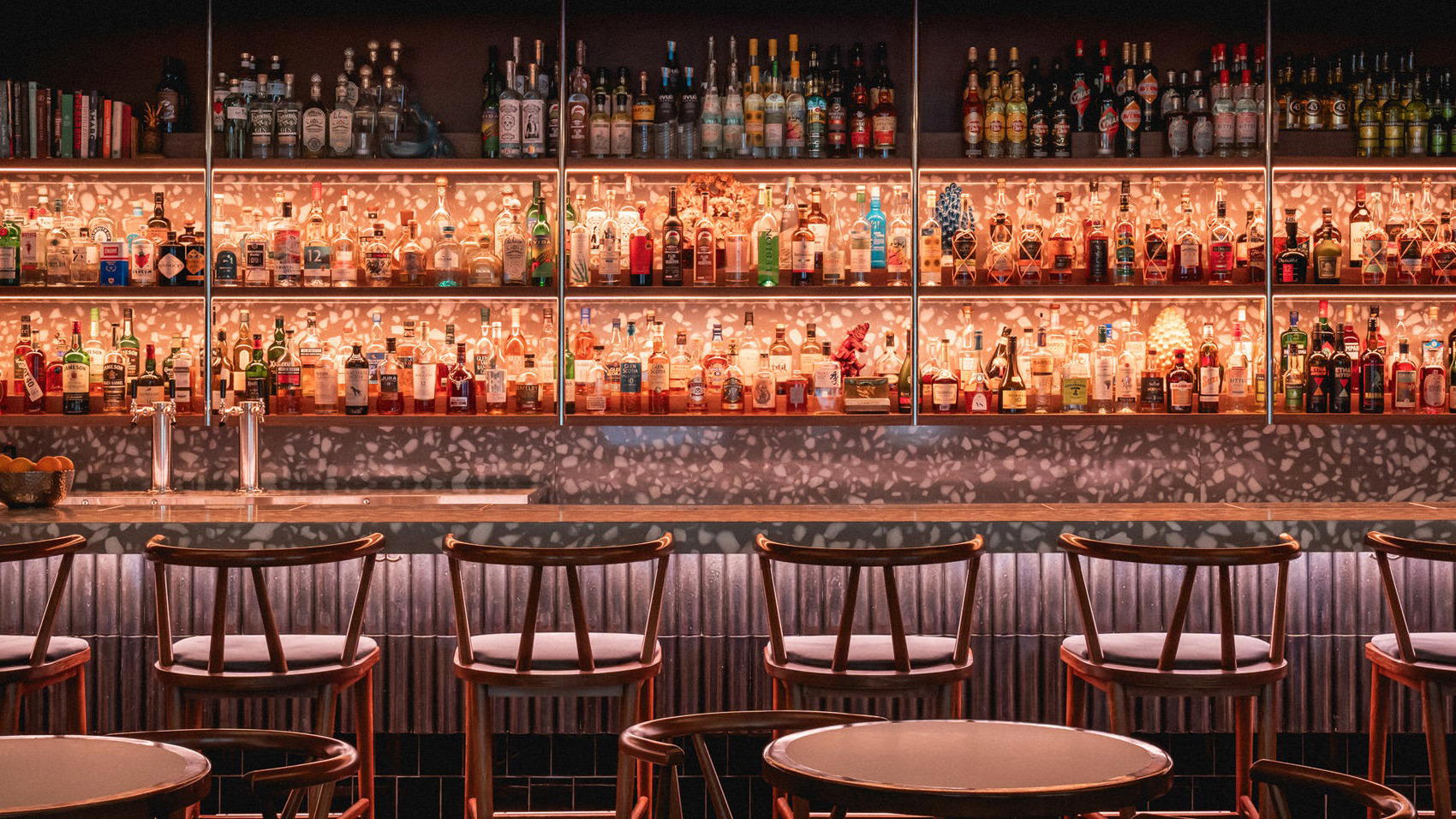
The Italian market format adds a European communal register to that conversation. Shared tables, counter seating, and the visual presence of product, hanging salumi, wheels of aged cheese, bottles grouped by region, all communicate a set of values before a single dish is served. At 3 Pierres 1 Feu or Abu el Zulof, Montreal's range of culinary registers is evident; Marché Italien Le Richmond adds an Italian market idiom to that plurality.
What the Format Asks of the Visitor
Market-style venues have a different hospitality logic than conventional restaurants. The visit is more self-directed. You navigate a space rather than being guided through a sequence. For visitors accustomed to tasting menus or prix-fixe formats, this can feel disorienting; for regulars, it is the point. The Italian market rewards those who have done a degree of research, who know which cured meats to prioritise, which cheese styles complement which wines, and which prepared dishes represent the kitchen's stronger hand. That prior knowledge doesn't gate the experience, but it deepens it.
The format also suits a particular rhythm of visit. A quick lunch anchored by charcuterie and a glass of Vermentino is a different proposition from a longer evening spread across multiple counters. Both are valid, and the venue's position on Rue Richmond, in a neighbourhood that draws both lunch-break professionals and evening diners from across the city, supports both patterns.
For those building a broader Montreal itinerary, the city's full dining range, from neighbourhood bistros to destination tasting rooms, is mapped in our full Montreal restaurants guide. Comparable market-driven or ingredient-centred formats elsewhere in Canada include Narval in Rimouski, The Pine in Creemore, and Eigensinn Farm in Singhampton, each working within a different regional idiom but sharing the same orientation toward product over performance. International reference points in the refined-ingredient category include Le Bernardin in New York City and Atomix in New York City, though both operate at a significantly different price point and formality level. For Quebec context rooted in tradition, Aux Anciens Canadiens in Quebec City and Barra Fion in Burlington represent the range of Canadian regional approaches. Bearspaw Golf Club in Calgary illustrates how the ingredient-led model translates into clubhouse dining at the western end of the country.
Know Before You Go
- Address: 333 Rue Richmond, Montréal, QC H3J 1R1
- Neighbourhood: Saint-Henri, southwest Montreal
- Format: Italian market, casual dining and retail
- Price tier: Market-format pricing; verify current range on arrival or via direct inquiry
- Getting there: Saint-Henri is accessible by metro (Lionel-Groulx or Place-Saint-Henri stations) and is walkable from the surrounding residential streets
Compact Comparison
A quick peer reference to anchor this venue in its category.
| Venue | Cuisine | Price |
|---|---|---|
| Marché Italien Le RichmondThis venue — the venue you are viewing | Not listed | Not listed |
| L’Express | French Bistro | $$ |
| Schwartz’s | Delicatessen | $ |
| Toqué | French | $$$$ |
| Jérôme Ferrer - Europea | Modern Cuisine | $$$$ |
| Mastard | Modern Cuisine | $$$ |

At a Glance
- Industrial
- Elegant
- Sophisticated
- Date Night
- Business Dinner
- Casual Hangout
- Open Kitchen
- Hotel Restaurant
- Extensive Wine List
- Local Sourcing
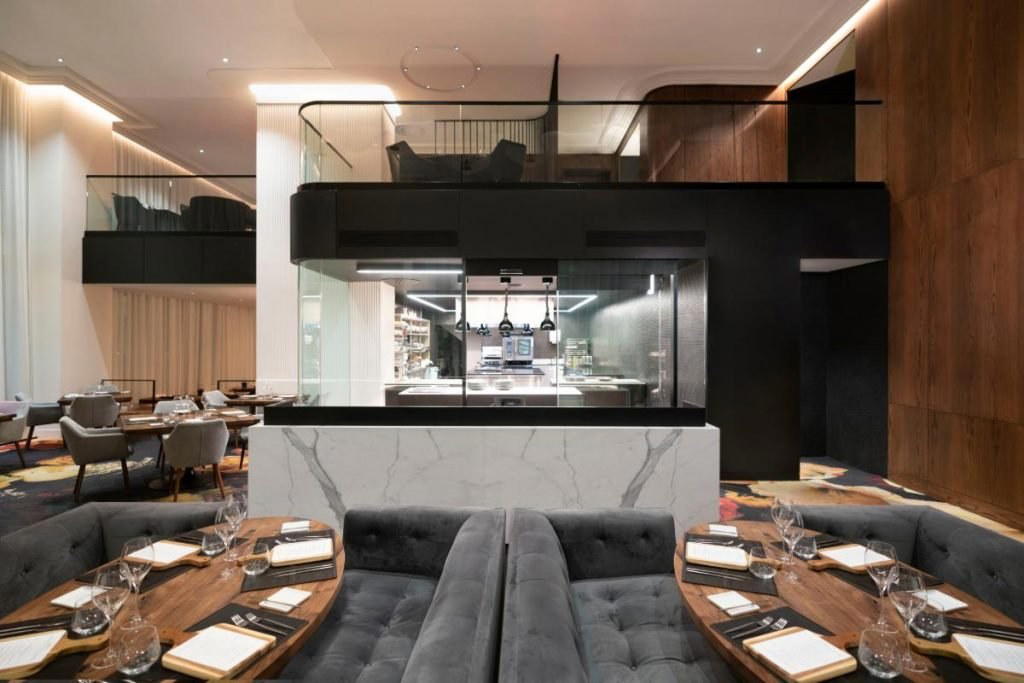
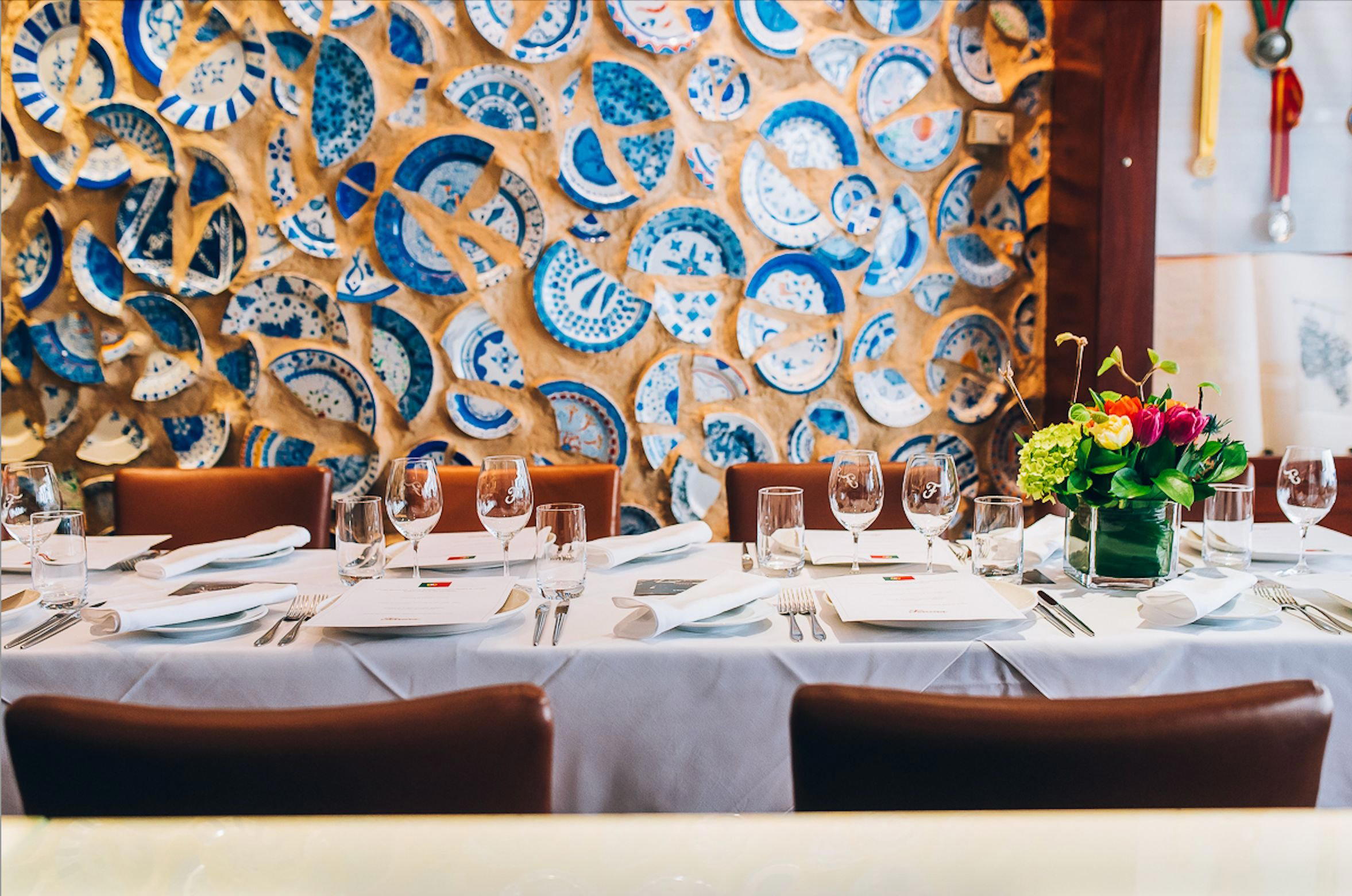
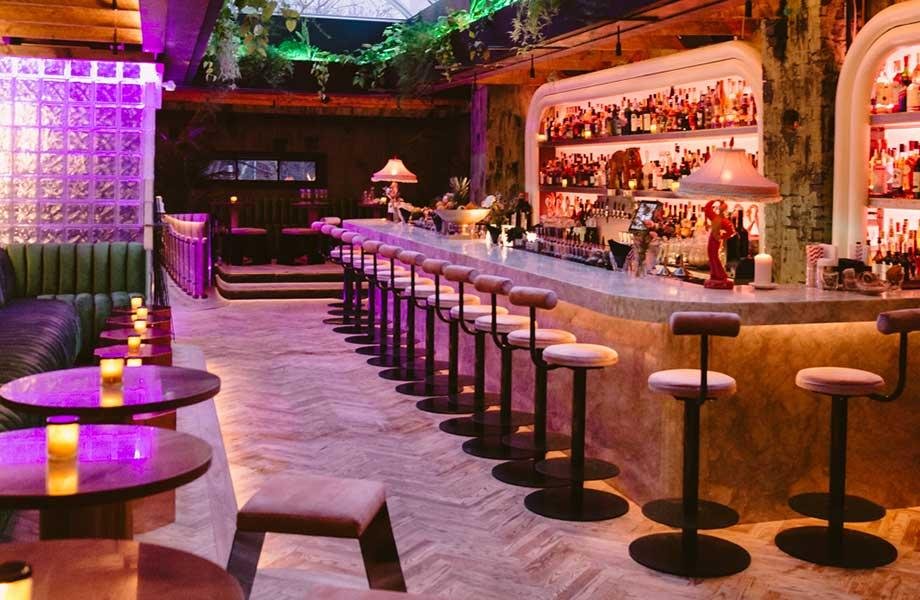
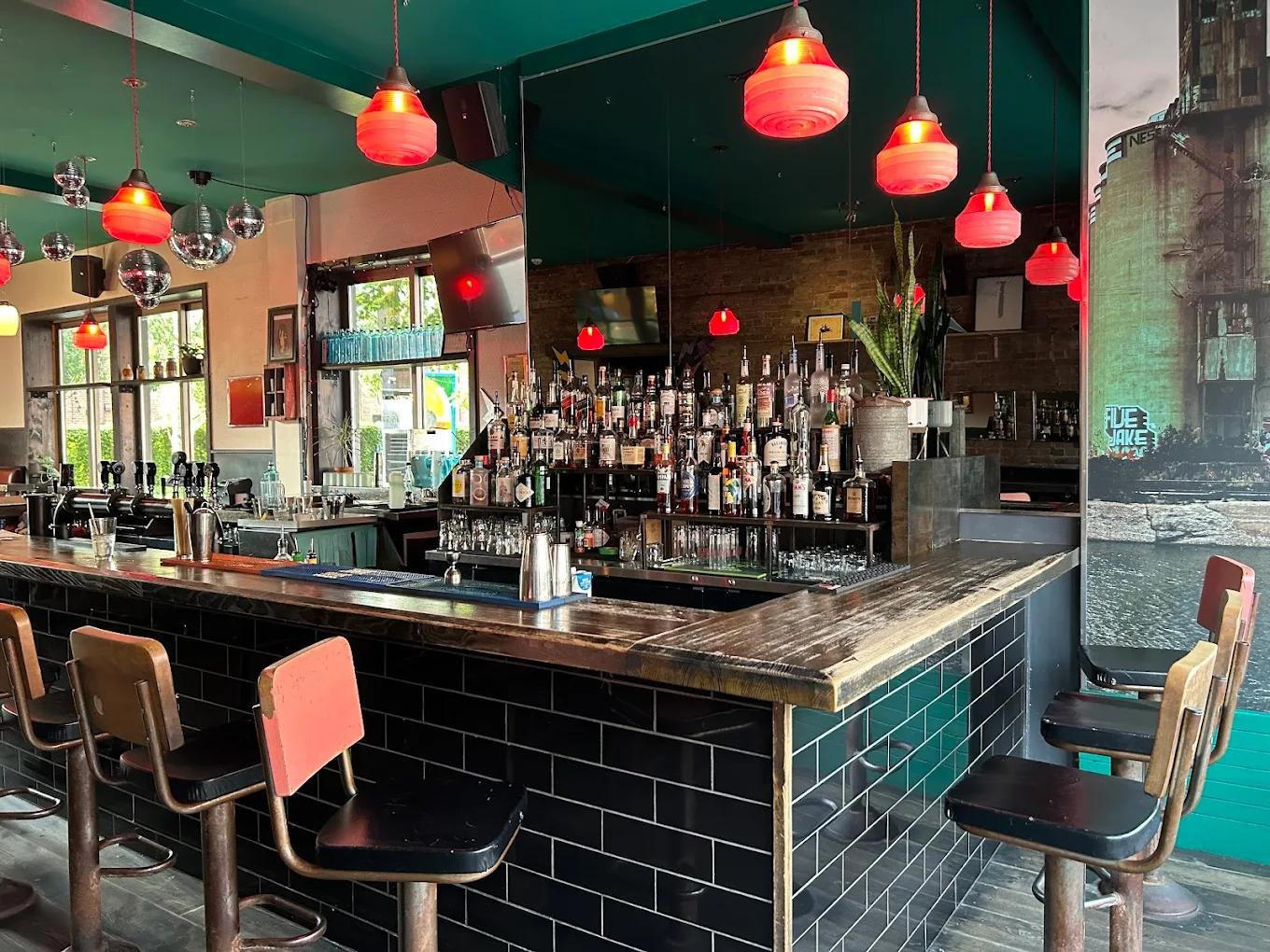
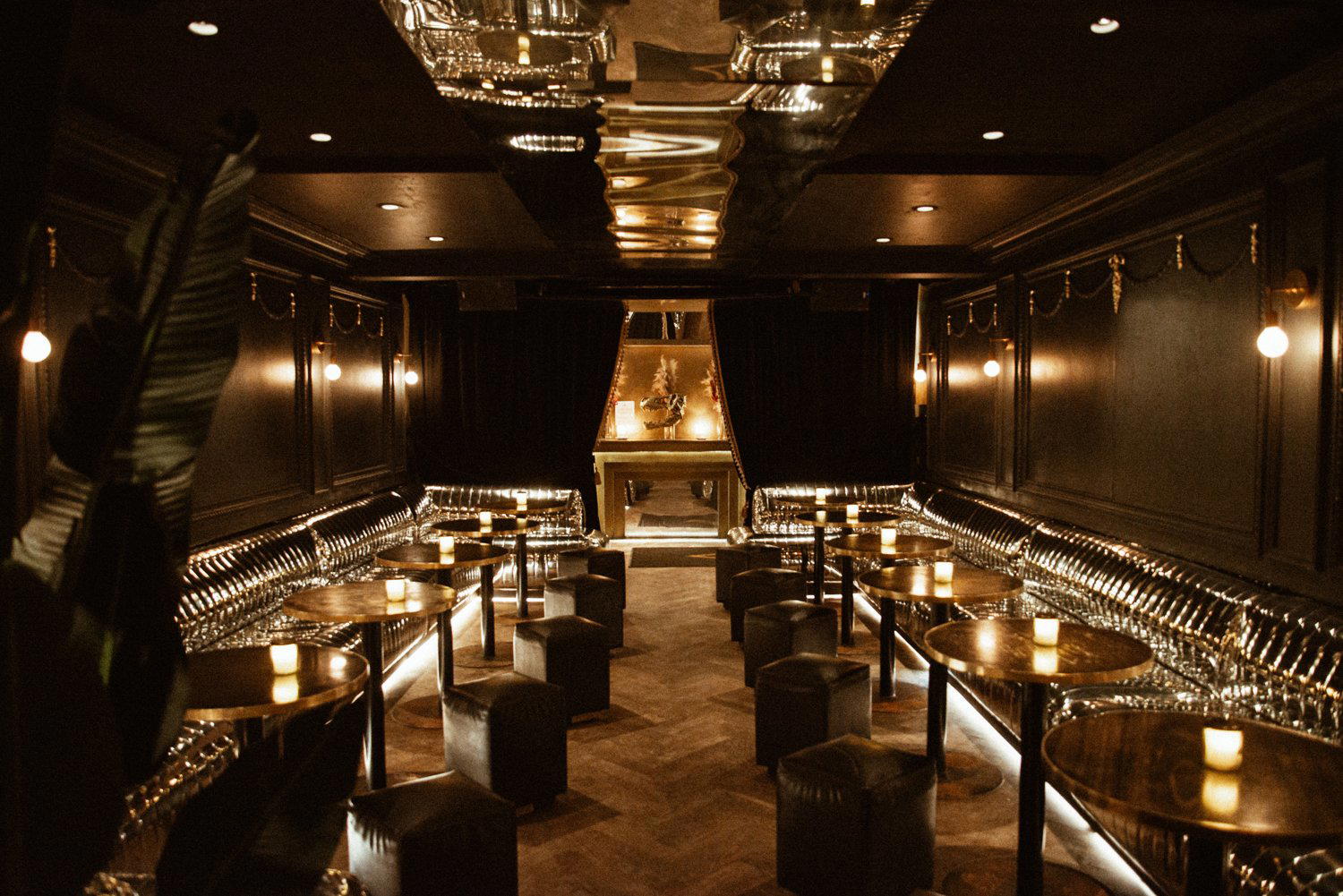
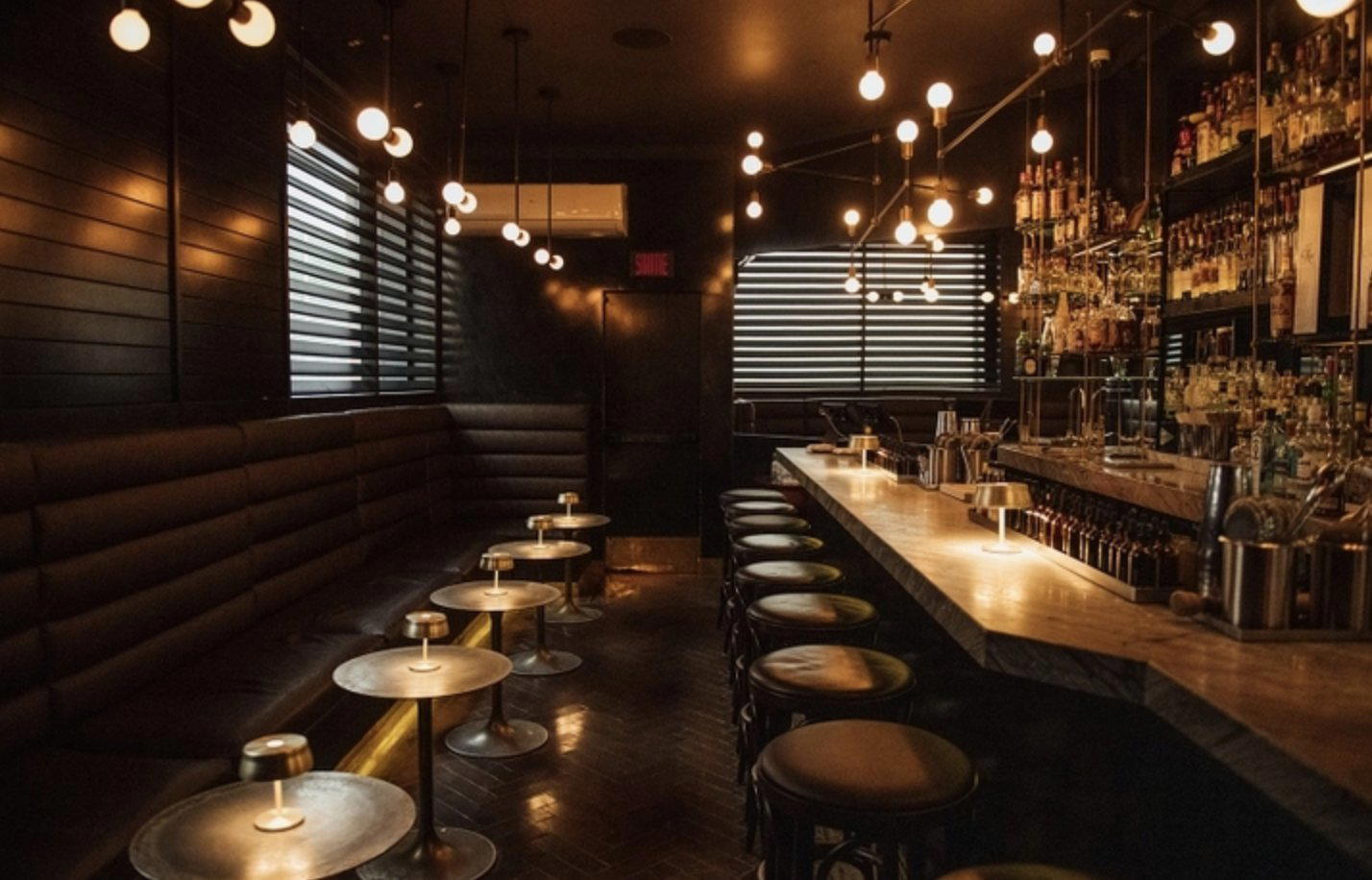
Swanky industrial space with sumptuous theatrical décor using period materials in contemporary ways, urbane atmosphere, and Louis XV chairs creating a magical dining experience.
Know Before You Go
- Getting there
- 333 Rue Richmond, Montréal, QC H3J 1R1, Canada