Bottega’s Neapolitan pizzeria format pairs an open kitchen with an extensive wine list and conversational pacing, making it workable for lunch or dinner.
Pearl is the En Primeur Club membership app — saves, bookings, and concierge access live there. Same editors, same standards.
- Address
- 65 Rue Saint-Zotique Est Est, Montreal, Quebec H2S 1K6, Canada
- Phone
- +15142778104
- Website
- bottega.ca
- Directions
- Get directions
 Saves & bookings on Pearl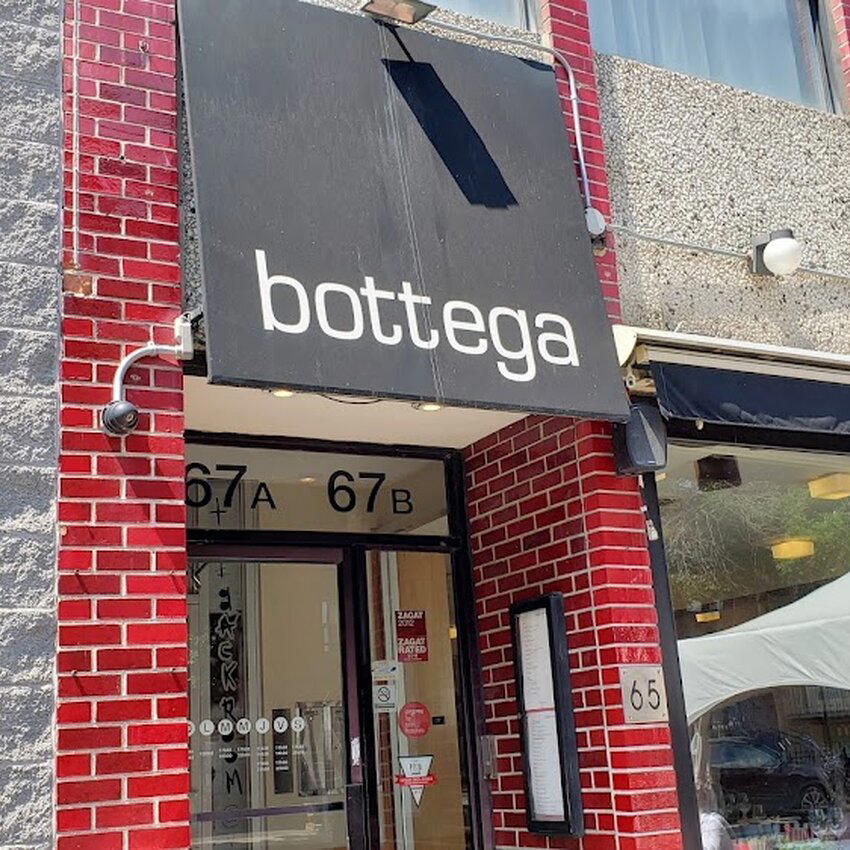
Saint-Zotique and the Neighbourhood That Shaped It
The stretch of Rue Saint-Zotique Est running through the Villeray district has long operated at a remove from the more photographed dining corridors of Montreal. Where the Plateau commands weekend foot traffic and Mile Ex draws the design-conscious crowd, this part of the city has accumulated a quieter density of neighbourhood restaurants whose regulars arrive on weekday evenings and rarely feel the need to announce themselves online. Bottega sits on that street, at number 65, in a district where the expectation is that food does the talking and the room does not need to perform.
Montreal as a whole has sustained a dining culture with few direct parallels in North America. The city's French inheritance is not ornamental; it shapes how kitchens are structured, how menus are conceived, and how long residents are prepared to sit at a table. But the more interesting development of the past two decades has been the conversation between that French technical base and everything else the city contains: Québécois terroir, Italian community traditions, and a generational cohort of cooks who trained internationally before returning to cook with local product. That tension between imported technique and indigenous ingredient is where many of Montreal's most considered restaurants operate, and it is the tension worth understanding before you book a table anywhere in this city.
Italian Tradition in a French City
The name Bottega situates the restaurant within an Italian reference, and the Italian-inflected restaurant has a specific history in Montreal. The city's Italian community, concentrated historically in the neighbourhoods around Saint-Laurent and extending into Villeray and Rosemont, has produced a strand of dining culture that runs parallel to the French-derived fine dining of downtown. Where venues like Jérôme Ferrer's Europea operate in the $$$$-tier grand dining register and Mastard pursues a contemporary local technique, the Italian-adjacent neighbourhood restaurant occupies its own distinct tier: ingredient-forward, technique-disciplined, and less dependent on tasting-menu architecture.
The Bottega name has been associated with pizza and Italian cooking in Montreal for long enough that it carries neighbourhood-level familiarity in this part of the city. The address on Saint-Zotique places it firmly in residential Montreal rather than the tourist or expense-account circuits, which tends to concentrate a particular kind of loyal, knowledgeable regular. Restaurants in this position within a city's geography often produce more consistent cooking than their higher-profile counterparts, because their audience returns frequently and notices when standards shift.
Where Local Product Meets Continental Method
Editorial angle that matters most for understanding where Bottega fits is the intersection of sourced Quebec product and technique inherited from Italian and broader European traditions. This is not a niche concern in Montreal; it is the operative question for a significant portion of the city's serious cooking. Quebec's agricultural season is compressed, which rewards kitchens that preserve, ferment, and cure with discipline. Italian culinary tradition, which has always placed curing and fermentation at its centre, translates with particular logic into a Quebec context.
Across Canada, the restaurants that have generated the most sustained critical attention are those that have made this intersection their explicit project. Tanière³ in Quebec City works within a similar framework, pushing Québécois terroir through a fine dining lens. Restaurant Pearl Morissette in Lincoln applies a comparable discipline to Ontario wine-country produce. Eigensinn Farm in Singhampton has operated at the extreme end of this approach for decades, where the farm itself is the kitchen's primary supplier. Fogo Island Inn's dining room represents what happens when local ingredient sourcing becomes nearly absolute. Bottega's position within this broader Canadian conversation is neighbourhood-scale rather than destination-scale, but the underlying logic is continuous with it.
In Montreal specifically, the comparison set includes Sabayon and the neighbourhood-rooted kitchens along Saint-Denis and in the Rosemont corridor. Farther afield within Canada, the pattern repeats in different registers: Alo in Toronto and AnnaLena in Vancouver each represent the higher-price-tier version of a kitchen that positions imported European technique against local sourcing, while Narval in Rimouski and Cafe Brio in Victoria operate in a more accessible neighbourhood register closer to what Saint-Zotique supports.
The Room and What to Expect
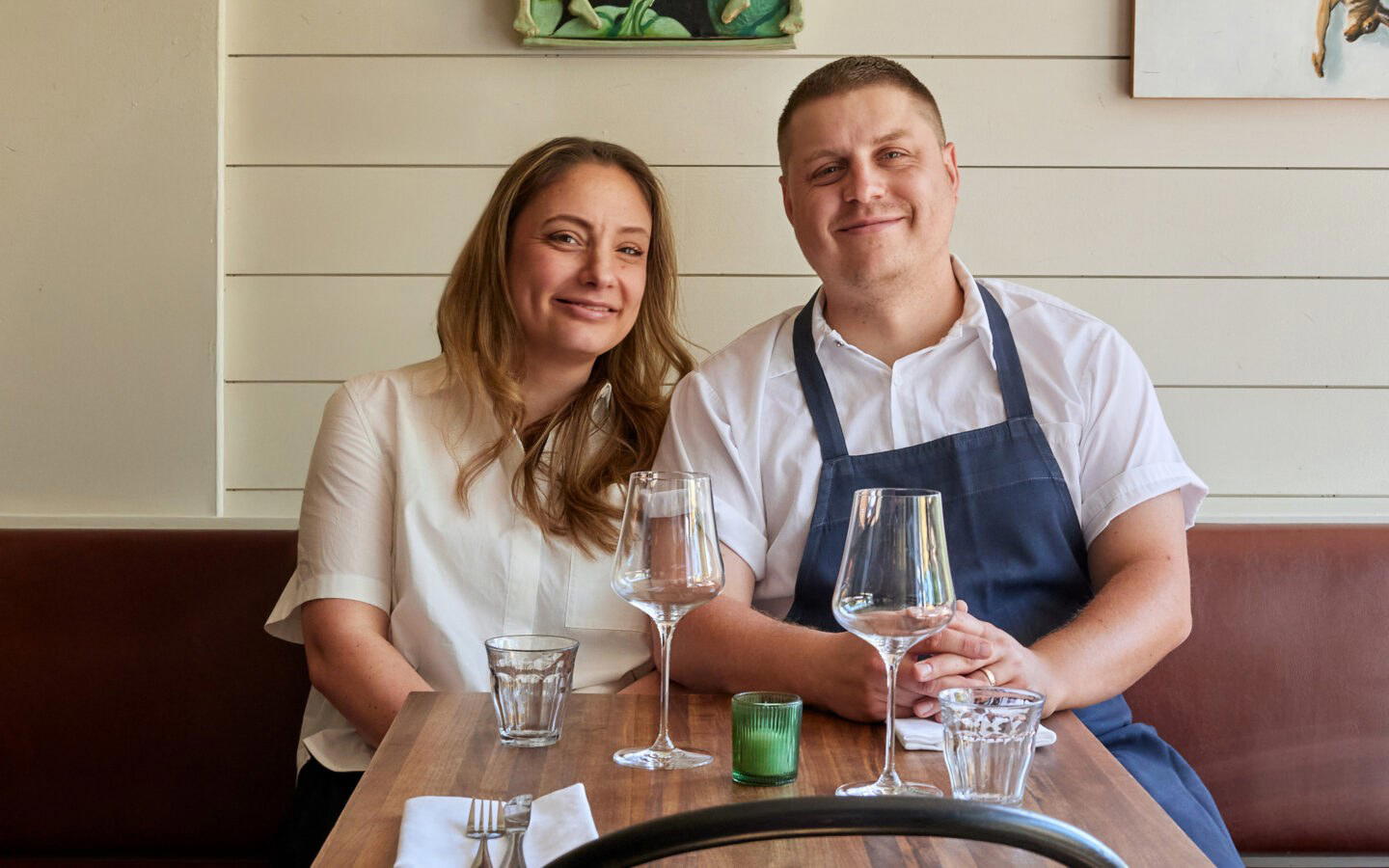
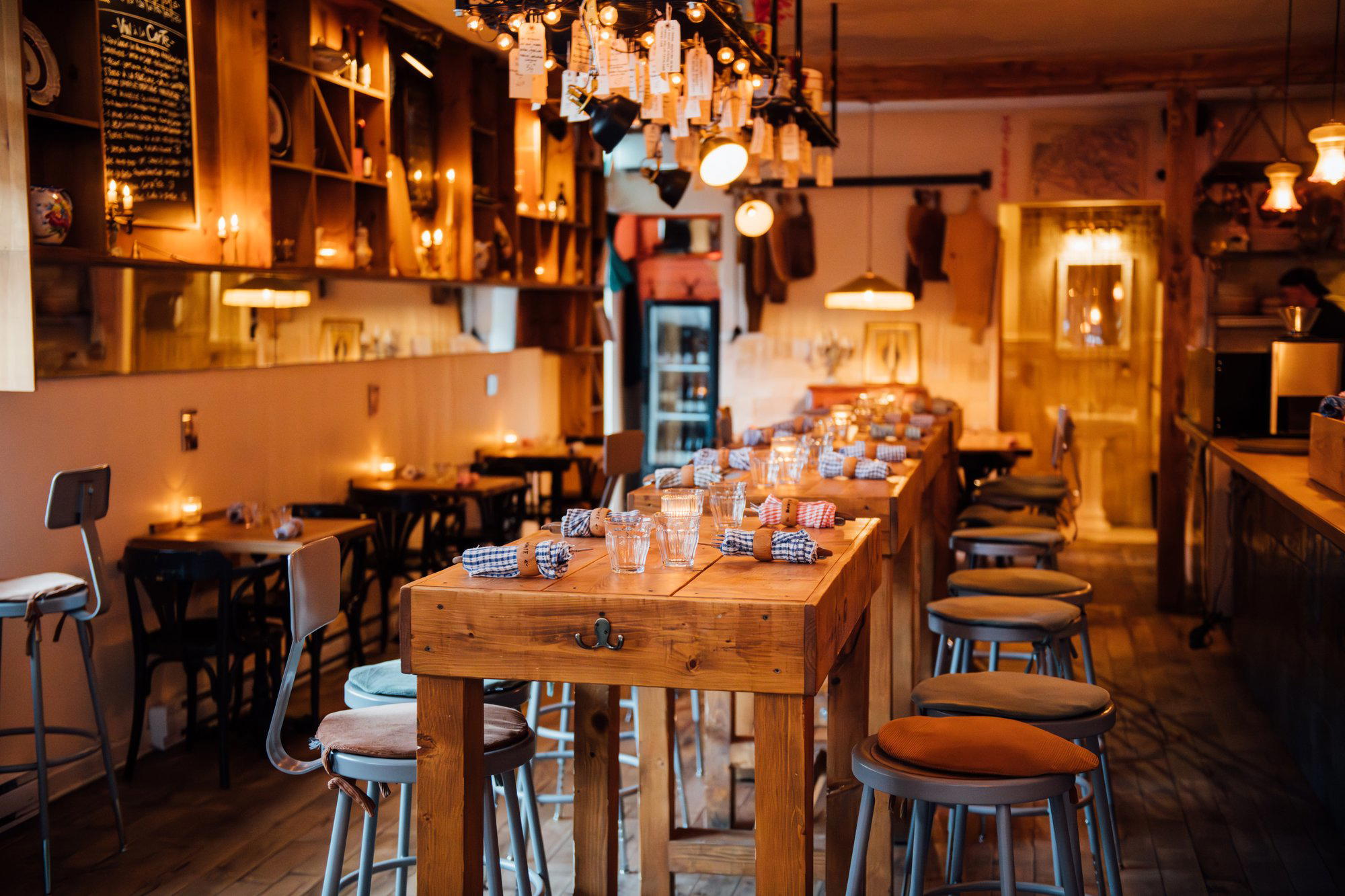
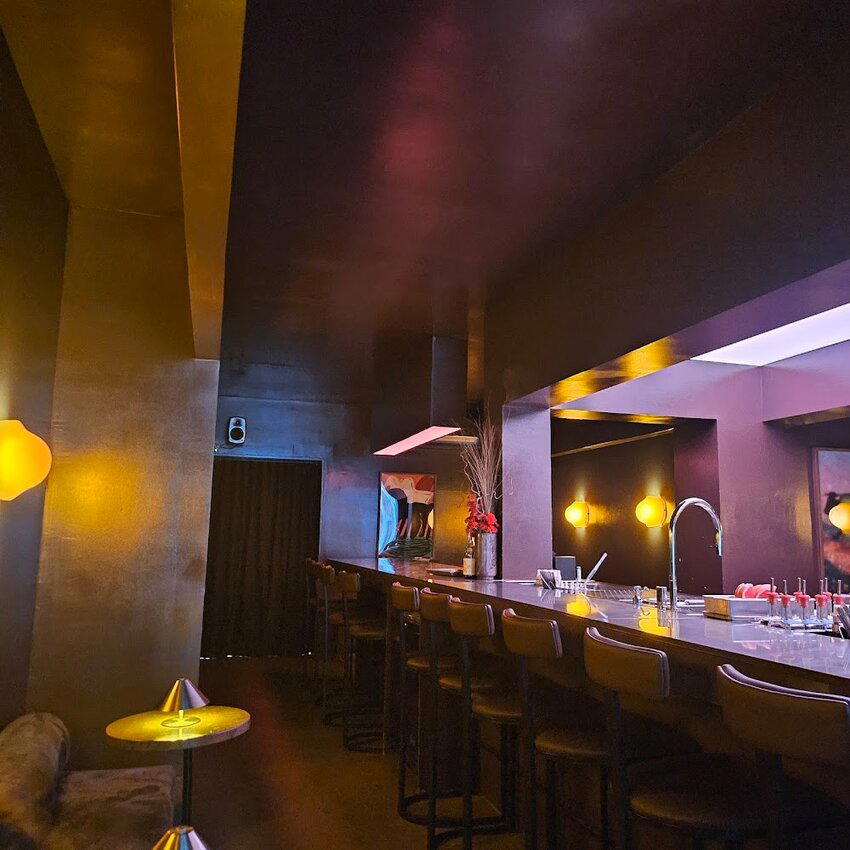
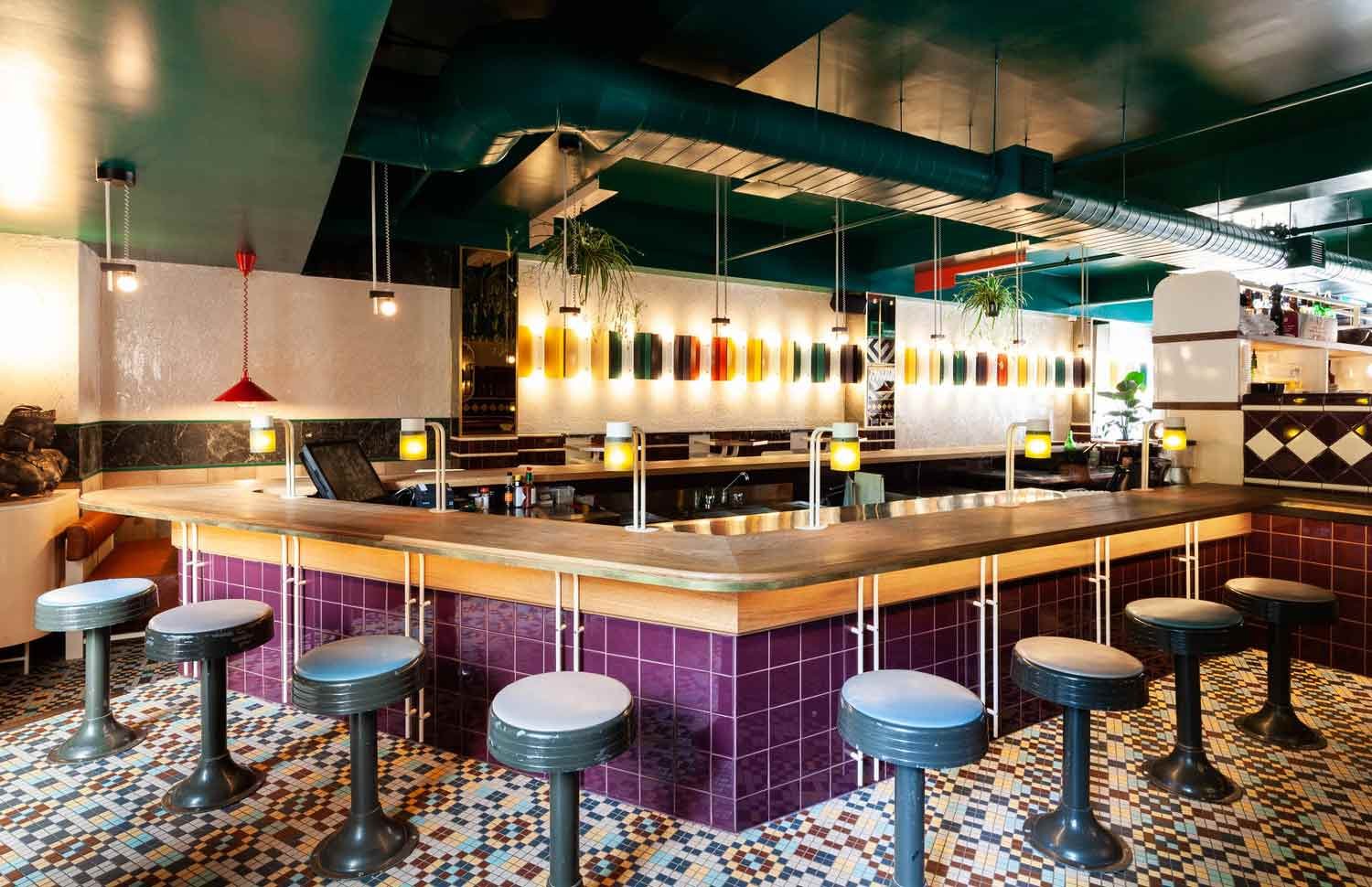
Villeray dining rooms of this type tend toward a certain deliberate modesty: wood surfaces, close tables, a room that functions as an extension of the neighbourhood rather than a departure from it. The logic is consistent with how Italian-rooted trattorias in North American cities have long positioned themselves against the grander European formal dining tradition. The experience is one of proximity and repetition rather than occasion and spectacle. You are expected to know what you want, or to ask without ceremony.
The street-level character of Saint-Zotique in this section of Villeray means the approach and entry carry the markers of a working Montreal neighbourhood rather than a dining destination engineered for first-time visitors. That is not a criticism; it is the context that makes regulars out of the people who find it. For reference points in the city's more theatrical end of the spectrum, 3 Pierres 1 Feu and Abu el Zulof occupy a different register. For the broader spread of what Montreal offers across price points and formats, the EP Club Montreal restaurants guide maps the full picture.
For those who want to place this kind of neighbourhood Italian dining within the North American context more broadly, Le Bernardin in New York City and Lazy Bear in San Francisco show what the higher-price, destination-format equivalent of ingredient-discipline and technique-precision looks like at the far end of the spectrum. Busters Barbeque in Kenora and The Pine in Creemore each represent the small-town Canadian version of the same instinct: a kitchen more interested in what the region produces than in what the trend cycle recommends.
Know Before You Go
- Address: 65 Rue Saint-Zotique Est, Montreal, Quebec H2S 1K6
- Neighbourhood: Villeray, residential Montreal; public transit accessible via the green line
- Dress code: Not specified; neighbourhood casual is standard for this part of the city
- Hours: Not confirmed; verify directly before visiting
Frequently Asked Questions
How Bottega Montréal compares with similar nearby venues.
| Venue | Cuisine | Price |
|---|---|---|
| Mon Lapin | Modern Cuisine | $$$ |
At a Glance
- Rustic
- Cozy
- Intimate
- Date Night
- Casual Hangout
- Group Dining
- Open Kitchen
- Extensive Wine List
- Local Sourcing
Current opening hours
- Monday
- Closed
- Tuesday
- 5–9 PM
- Wednesday
- 5–9 PM
- Thursday
- 5–10 PM
- Friday
- 5–10 PM
- Saturday
- 5–10 PM
- Sunday
- 5–9 PM
Hours can change for holidays and private events. Last verified .
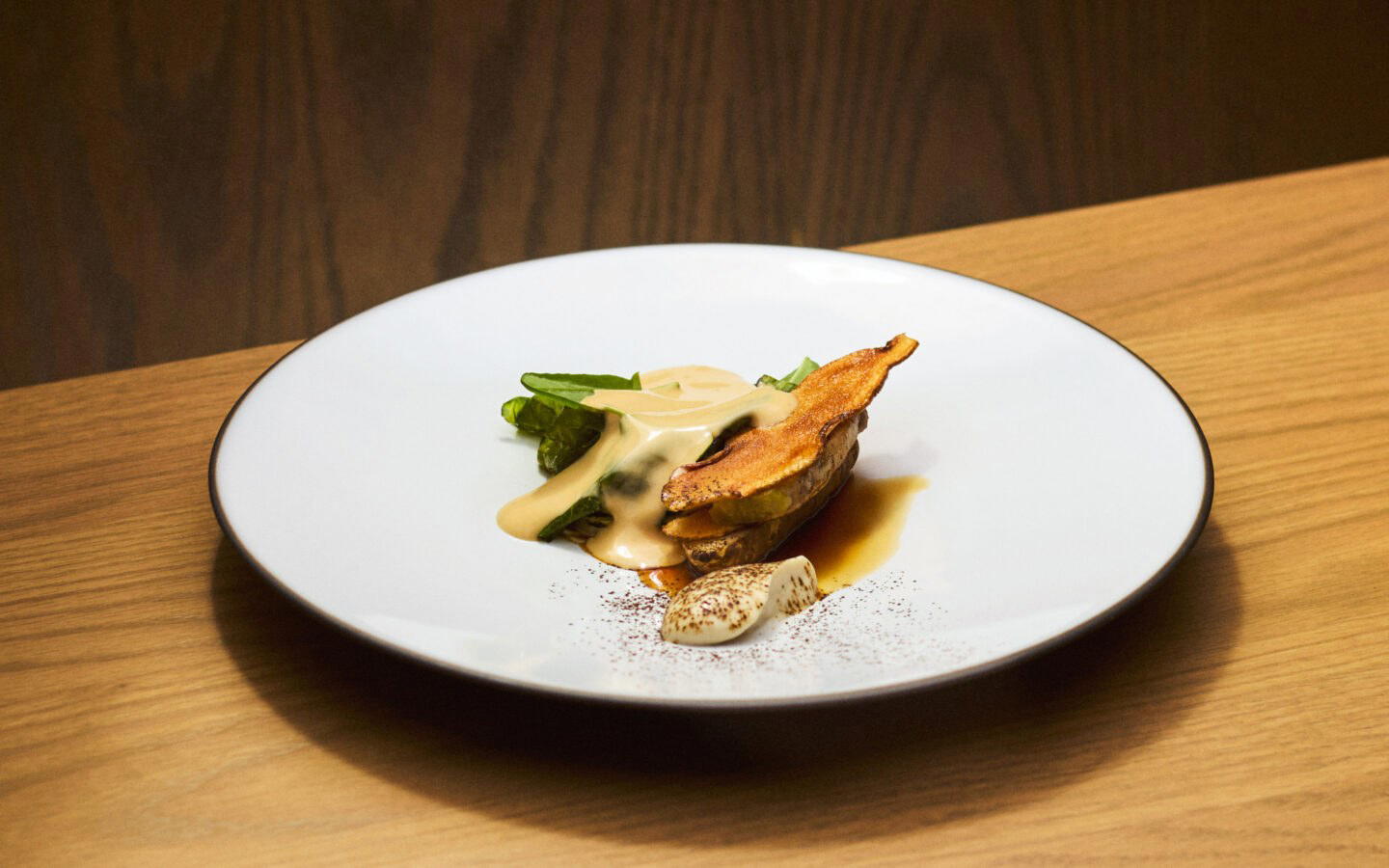
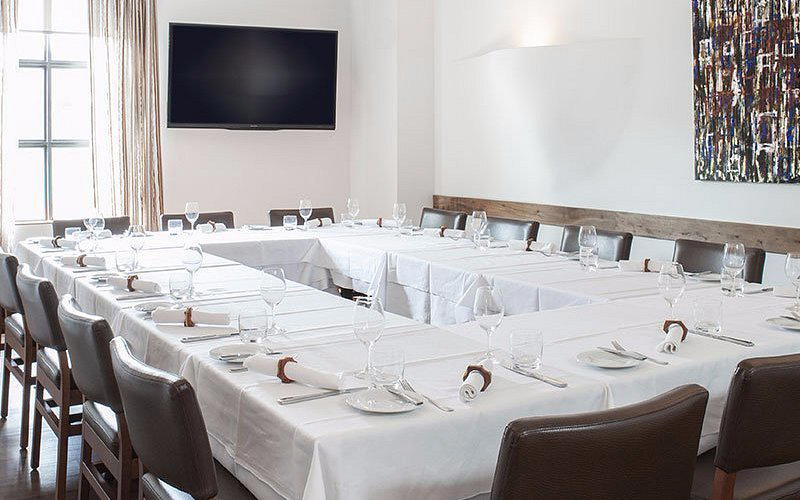
Warmly rustic space with white tablecloths and a neighborhood gem feel.
Know Before You Go
- Getting there
- 65 Rue Saint-Zotique Est Est, Montreal, Quebec H2S 1K6, Canada