Our verdict
Jacopo occupies a prominent address on Place Jacques-Cartier, one of Old Montreal's most architecturally charged squares. The setting places it squarely within the neighbourhood's tradition of room-forward dining, where the physical space carries as much weight as what arrives at the table. For visitors orienting around Old Montreal's restaurant tier, Jacopo warrants consideration alongside the area's established options.

Pearl is the En Primeur Club membership app — saves, bookings, and concierge access live there. Same editors, same standards.
- Address
- 436 Pl. Jacques-Cartier, Montréal, QC H2Y 3B3, Canada
- Phone
- (514) 876-8844
- Hours
- Mon–Thu 11:30 AM–10 PMFri 11:30 AM–11 PMSat 10:30 AM–11 PMSun 10:30 AM–10 PM
- Website
- jacopomtl.com
- Directions
- Get directions
- Booking
- Book on the venue's website
The menu
What to order
- Risotto with Shrimp and Scallops
- Grilled Calamari
- Truffle Pasta
Old Montreal and the Weight of Place
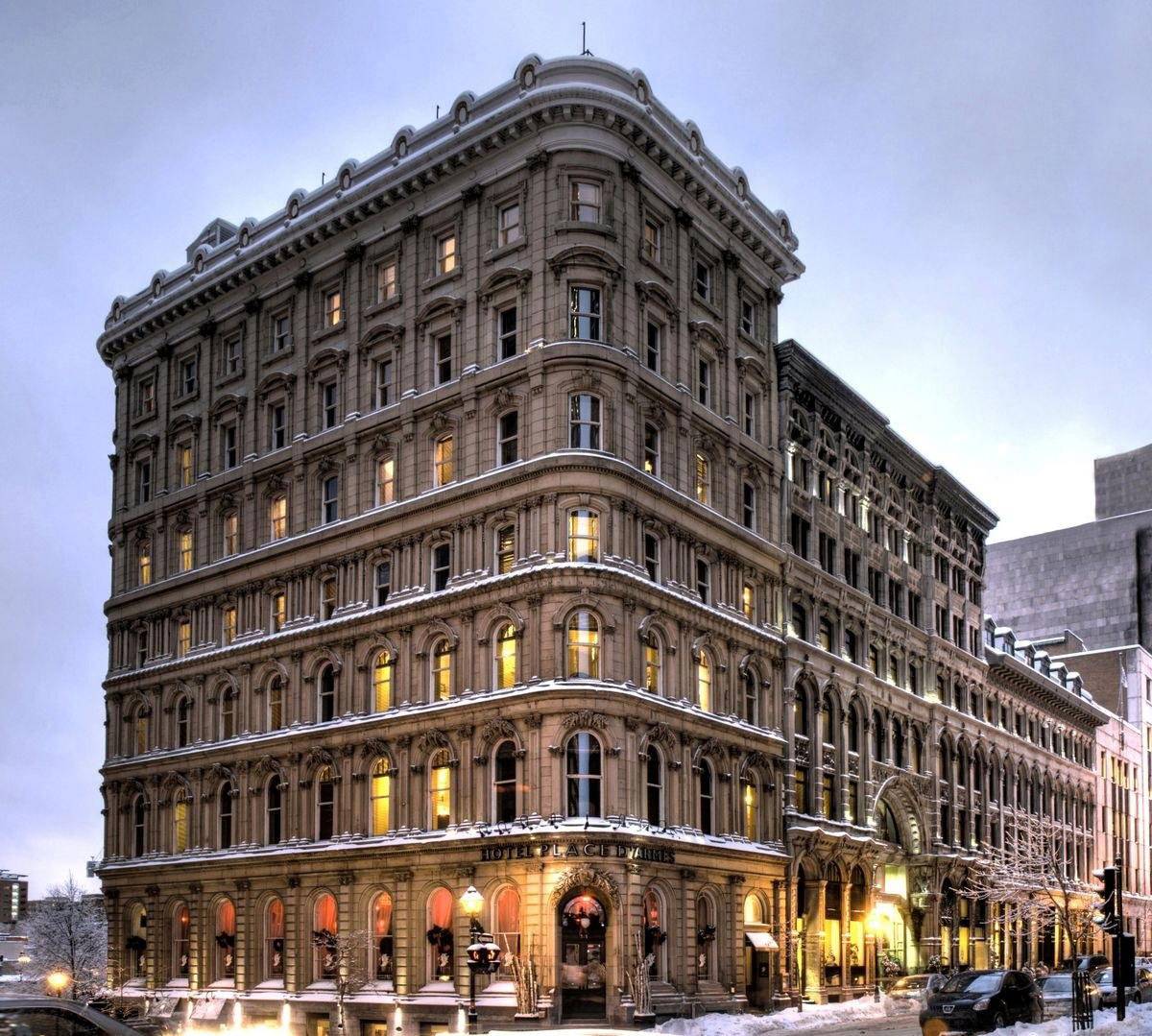
Place Jacques-Cartier is one of Montreal's most spatially deliberate addresses. The square slopes gently toward the St. Lawrence, flanked by 19th-century stone façades that have housed merchants, taverns, and restaurants across successive eras of the city's life. Dining here has always carried an implicit contract: the room arrives before the food does, and the physical environment sets expectations that the kitchen then has to meet or exceed. Jacopo, at 436 Place Jacques-Cartier, occupies that contract directly.
Old Montreal's restaurant scene has matured considerably over the past decade. What was once a corridor of tourist-facing brasseries and overlit terrasses has developed a more layered character, with serious kitchens now competing for the same stone-walled real estate. The neighbourhood sits in a different competitive tier from the Plateau or Mile End, where room costs are lower and a chef can absorb longer ramp-up periods. On Place Jacques-Cartier specifically, the physical container is part of the value proposition from the first evening of service.
The Physical Container
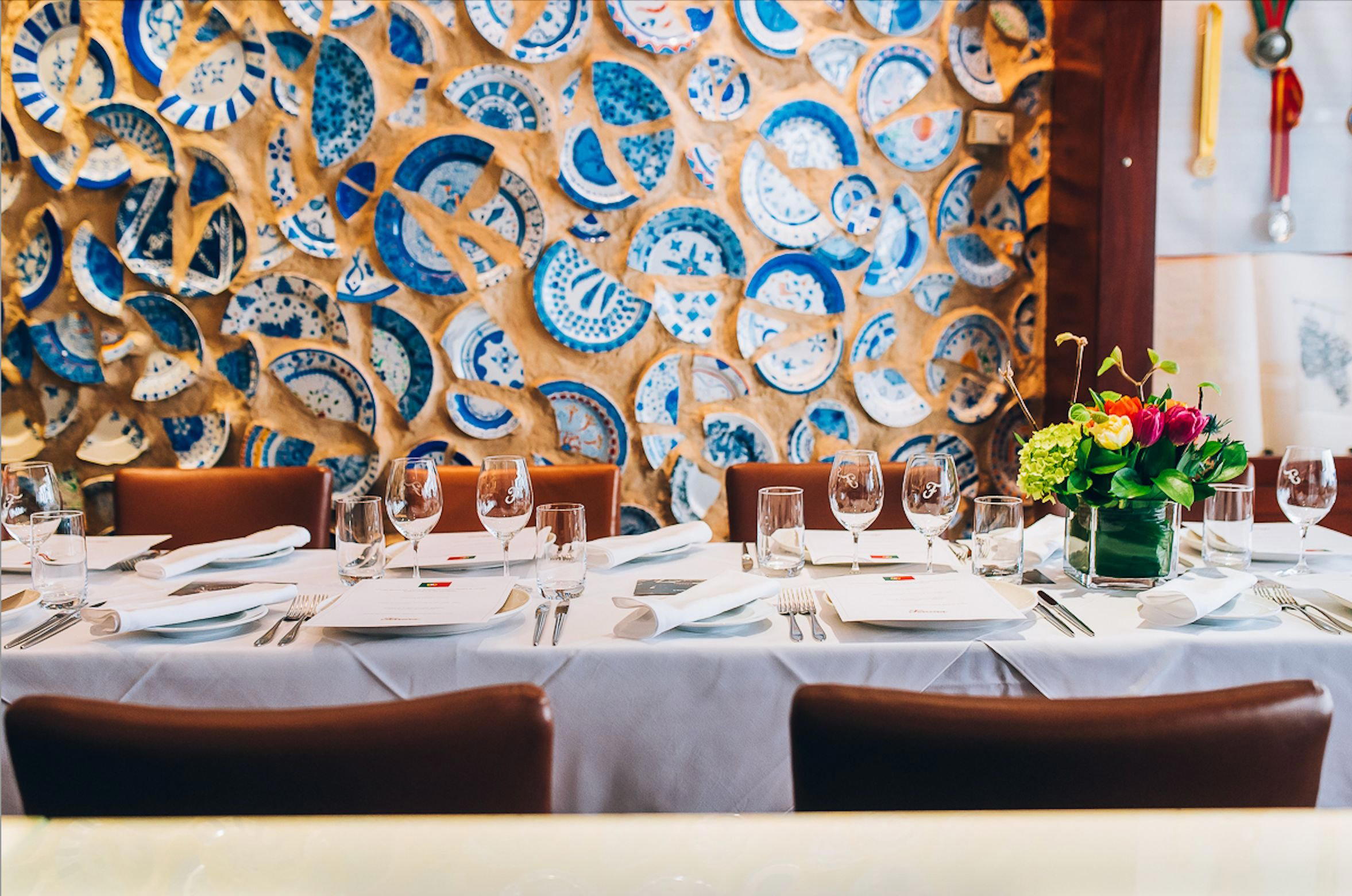
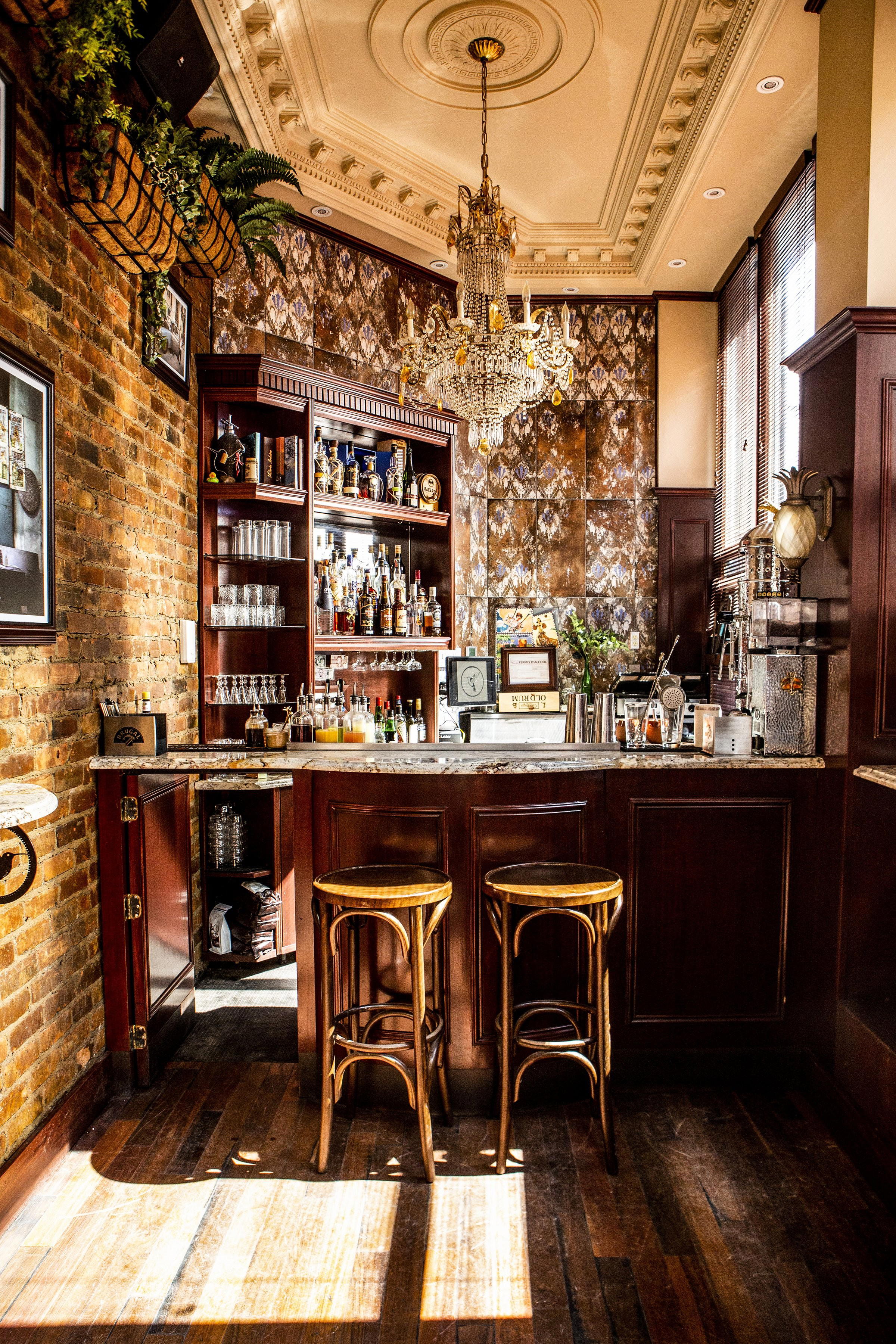
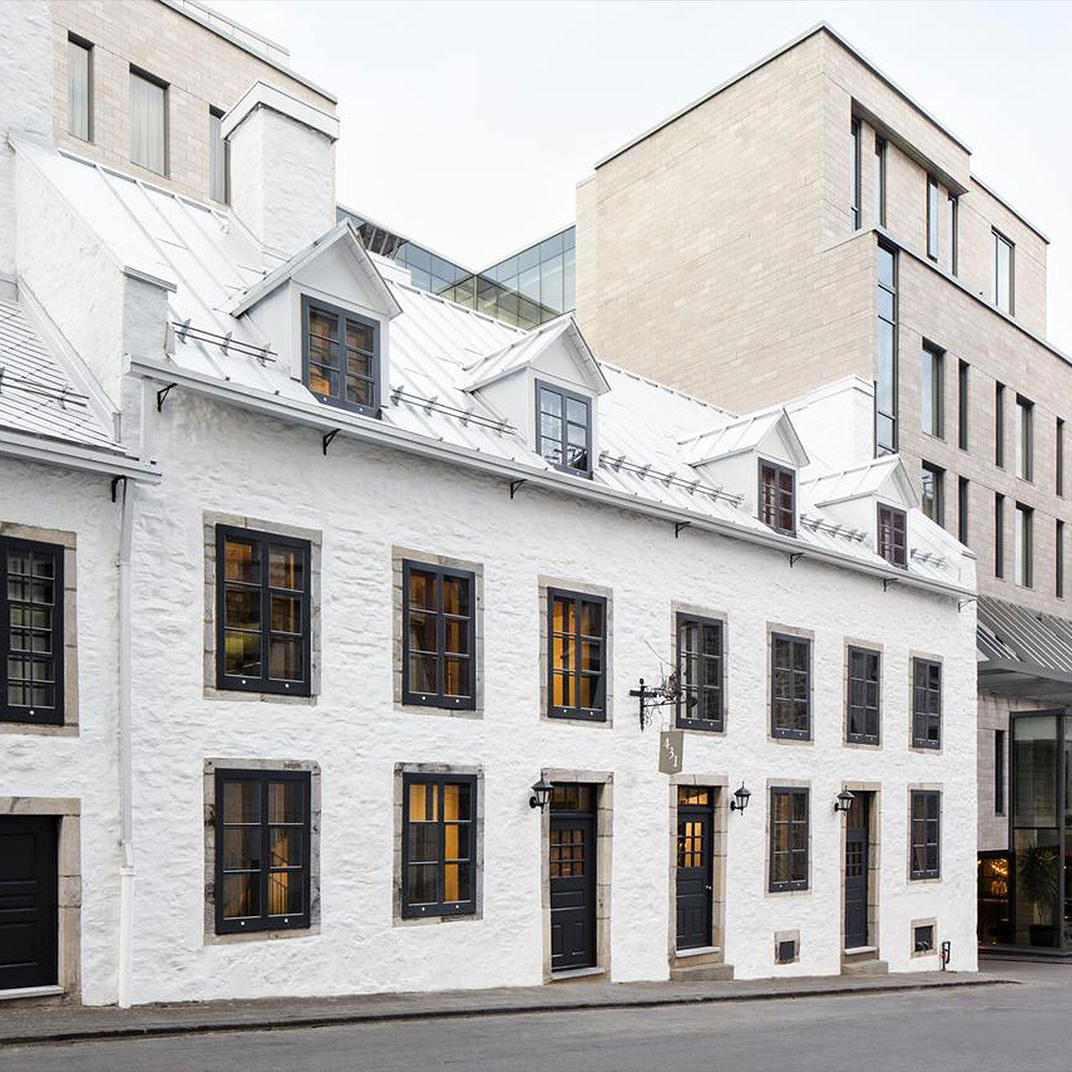
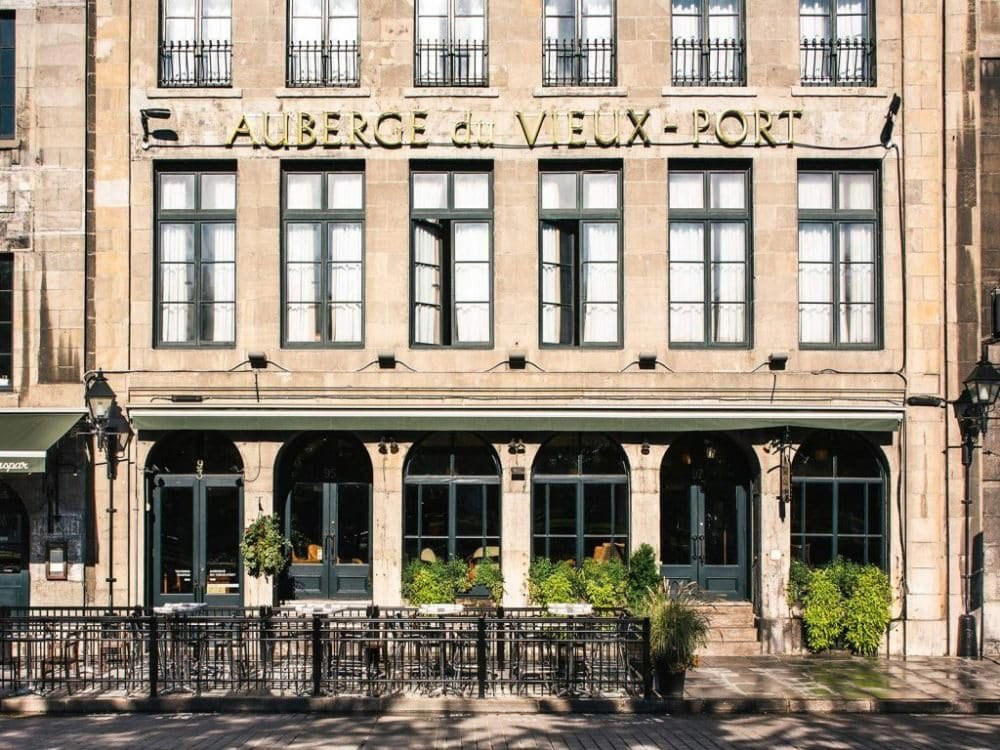
Old Montreal's built environment is one of the most architecturally consistent in Canada. The stone construction, the proportions of the windows, the relationship between indoor ceiling height and the square outside: these are not incidental details. They shape how a dining room feels at different times of day, and they place a particular kind of pressure on interior design decisions. A room that fights its architecture tends to lose. The more successful approach, seen across Old Montreal's better dining addresses, is to work with the materiality rather than against it.
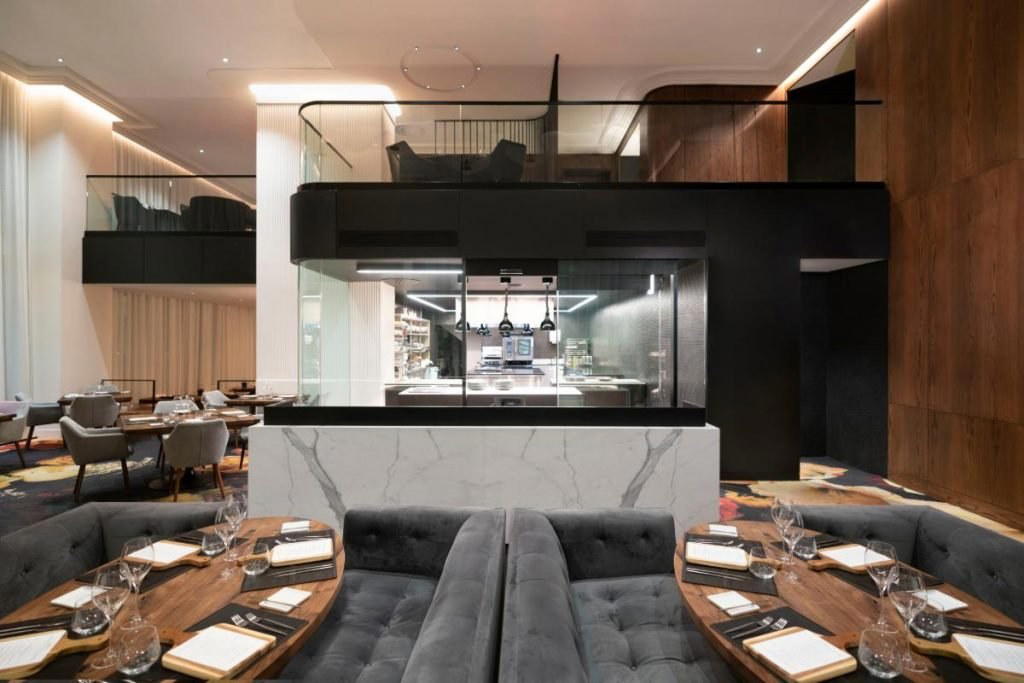
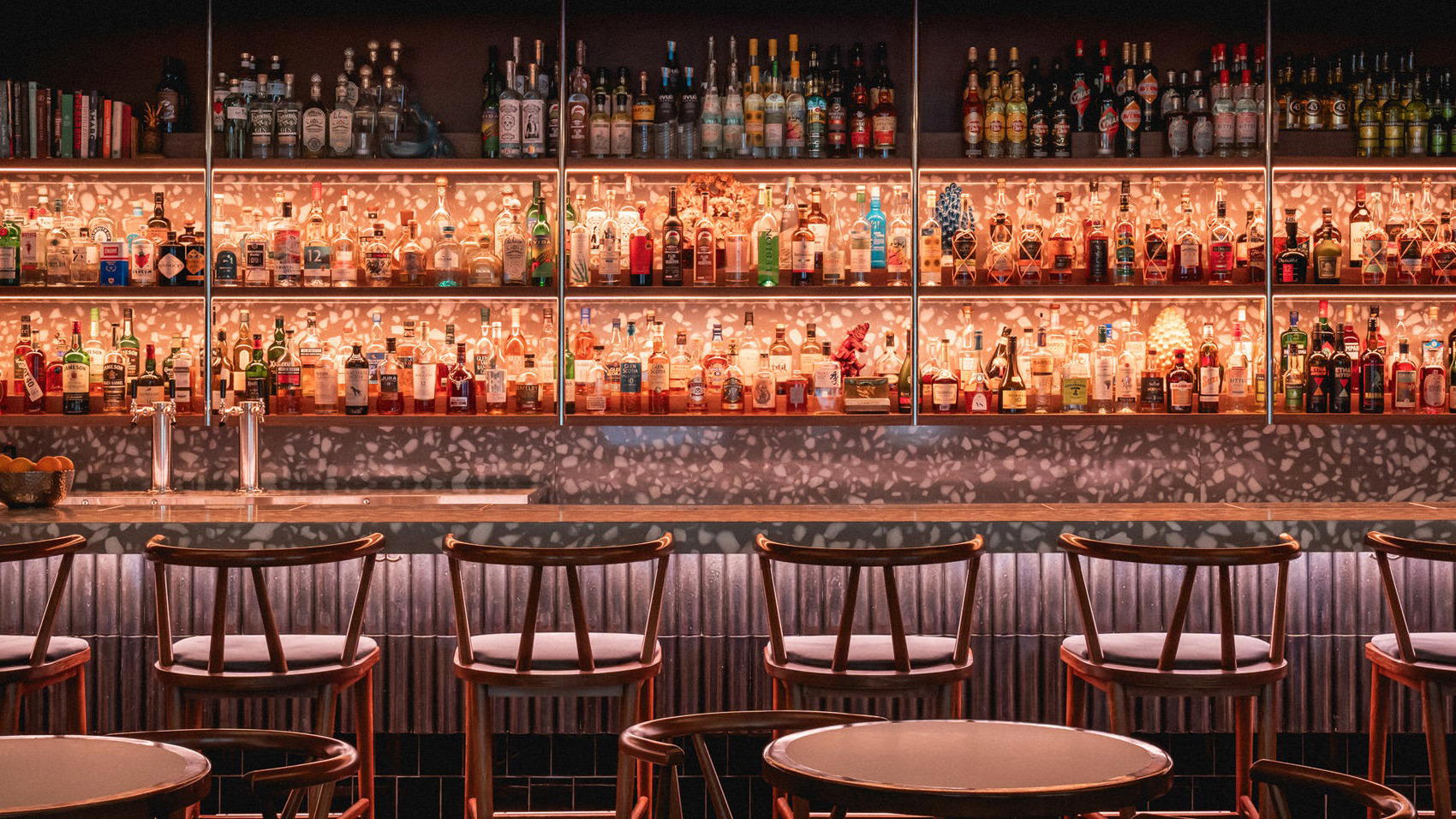
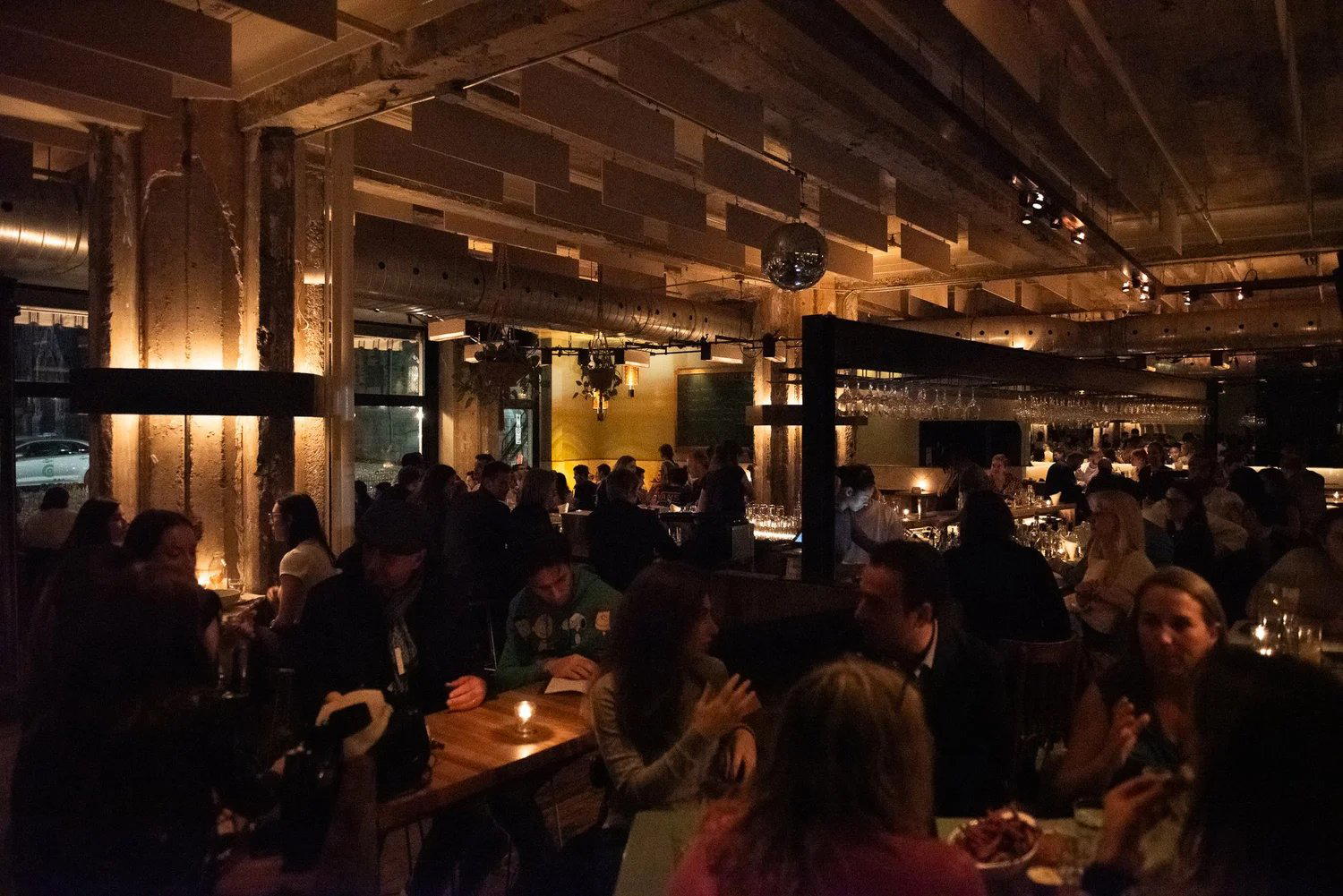
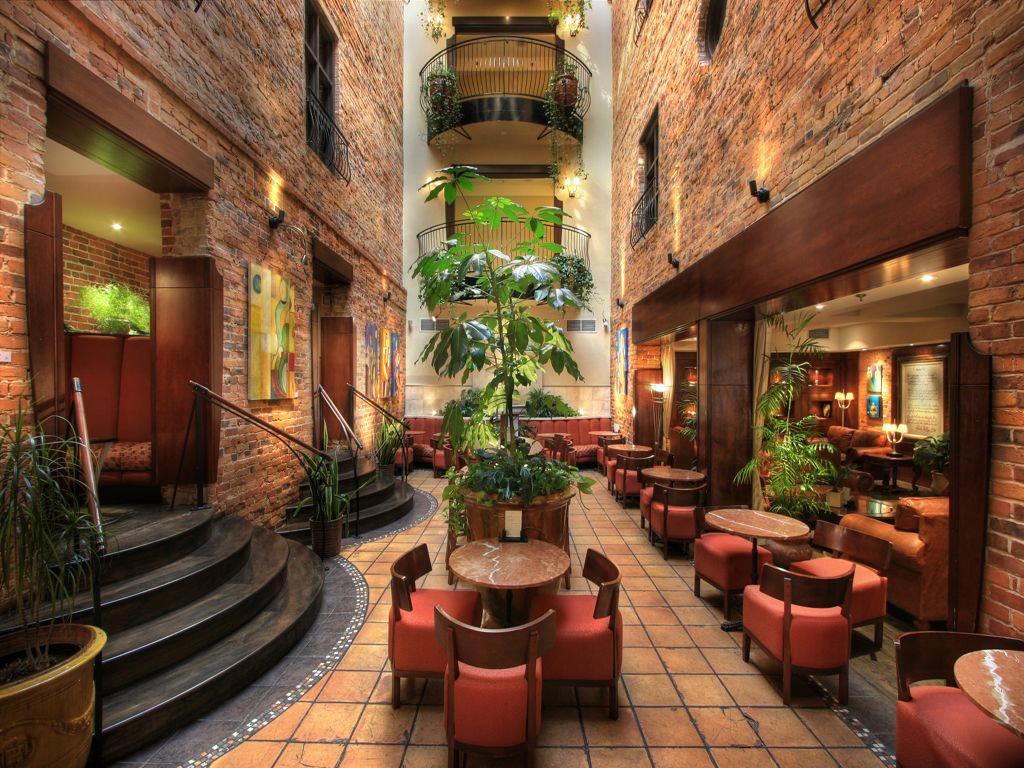
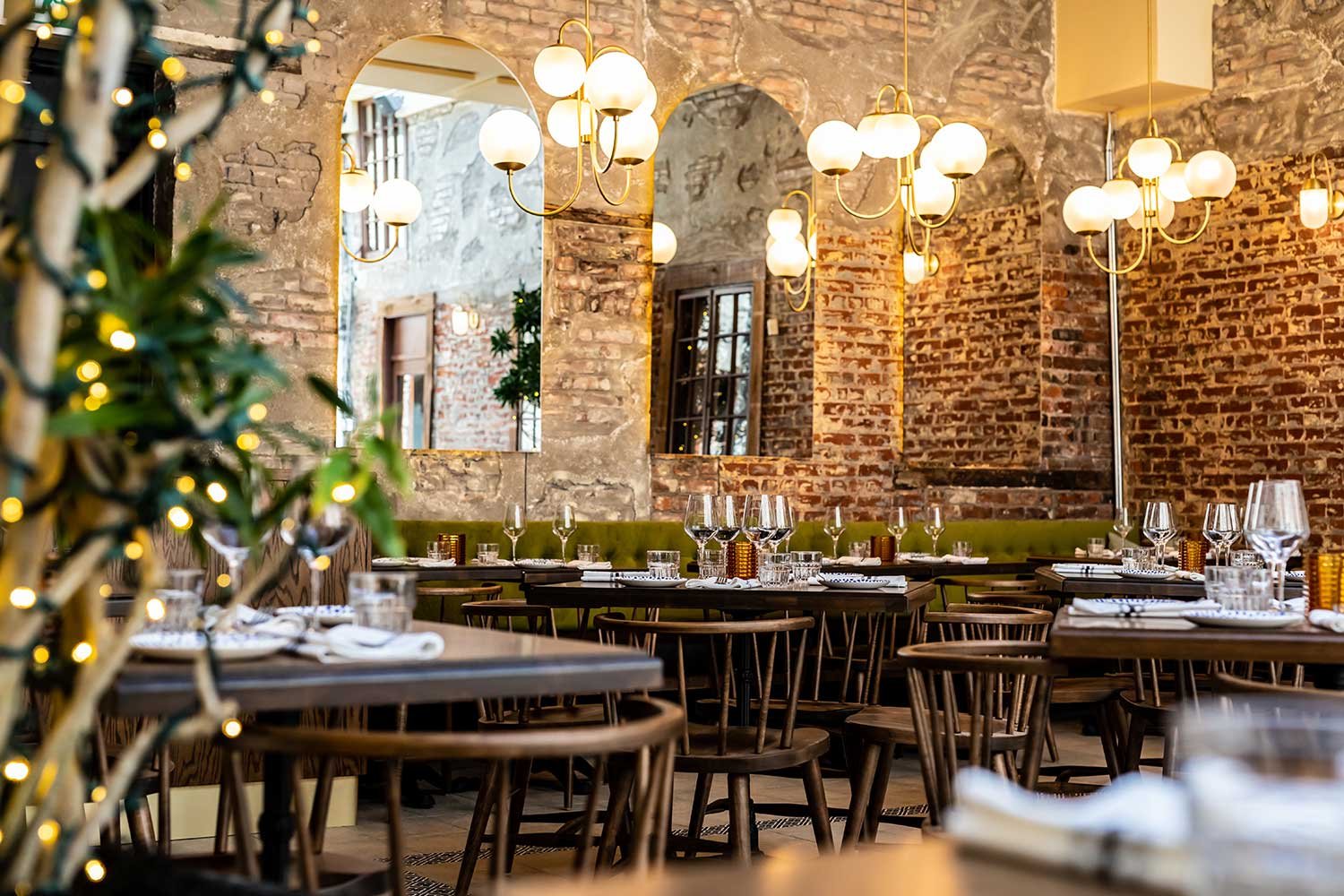
At an address like Jacopo's, the design brief almost writes itself: exposed stone or brick as a given, lighting calibrated to the warm spectrum of the masonry, a seating arrangement that acknowledges the view axis toward the square. These are not formulaic choices so much as responses to a specific physical situation. What distinguishes one room from another in this neighbourhood is the quality of those responses: whether the furniture scale matches the ceiling height, whether the lighting creates genuine warmth or just approximates it, whether the acoustics allow conversation without strain. These details define the experience long before the menu is discussed.
The broader shift in high-end Montreal dining has moved toward rooms that read as considered rather than decorated. Properties like Jérôme Ferrer - Europea and Mastard occupy different neighbourhoods but share an investment in spatial coherence: the room signals something about the kitchen's intentions before a single dish is served. Sabayon follows a similar logic. In Old Montreal, that coherence is harder to achieve precisely because the architecture is so strong: it demands a response, not a decoration.
Situating Jacopo Within Montreal's Dining Tiers
Montreal's restaurant market stratifies fairly clearly by neighbourhood and price point. The upper tier, anchored by tasting-menu houses like Toqué and the modern-cuisine format of Europea at the $$$$ bracket, sets the credentialing standard. A mid-tier of serious but more accessible rooms, represented by places like Mastard at $$$, has expanded meaningfully over the past five years. Old Montreal venues occupy their own sub-category: they carry higher real estate costs and a more tourist-mixed clientele, which creates a different kind of pressure on pricing and format decisions compared with chef-driven rooms in residential neighbourhoods.
For context across the broader Canadian scene, the benchmark for ambitious room-and-kitchen combinations has been set by addresses like Alo in Toronto and Tanière³ in Quebec City, each of which has demonstrated that the physical experience of dining and the culinary program can reinforce each other at a high level. AnnaLena in Vancouver represents a similar integration on the West Coast. These are the peer-set reference points for any Montreal room that aspires to hold both a strong space and a kitchen taken seriously by food media.
Within Old Montreal's own history, the more interesting comparison is with the neighbourhood's longer-standing addresses. Places like Aux Anciens Canadiens in Quebec City illustrate how a heritage interior can carry a dining concept across decades when the match between room and menu is intentional. The lesson from those long-running addresses is that spatial identity, when it is genuinely integrated with the food program, creates loyalty that a purely cuisine-forward approach cannot replicate on its own.
Further afield, venues like Eigensinn Farm in Singhampton and Restaurant Pearl Morissette in Lincoln demonstrate how strongly a physical setting can anchor a dining identity, even when that setting is rural rather than urban. The principle transfers: the most durable dining addresses tend to be the ones where the space and the program were conceived together, or where they have converged over time into something coherent.
For those building a broader itinerary around Quebec's dining scene, Narval in Rimouski and the neighbourhood spots catalogued in our full Montreal restaurants guide offer useful orientation points across different price tiers and formats. Internationally, the room-forward dining conversation extends to addresses like Le Bernardin in New York City and Atomix, both of which illustrate how spatial restraint can amplify rather than compete with a kitchen's ambitions.
Old Montreal options worth comparing directly include 3 Pierres 1 Feu and Abu el zulof, each operating within the same architectural vernacular and tourist-local mix that defines the neighbourhood's dining character. Additional reference points across Canada include The Pine in Creemore, Barra Fion in Burlington, and Bearspaw Golf Club in Calgary.
Timing and Approach
Old Montreal's seasonal rhythm matters for any visit to Place Jacques-Cartier. Summer brings the square to full density: the terrasses fill, the light off the cobblestones is warm until late, and the neighbourhood operates at peak tourist volume. Late September through November is the period when local diners reclaim the area; the crowds thin, the light shifts to something more amber and lateral, and the rooms themselves become the primary draw rather than the outdoor energy. Winter in Old Montreal has its own logic: the square is quieter, the stone interiors feel more purposeful, and the contrast between outside and inside sharpens the dining experience in a way that summer does not offer.
Know Before You Go
- Address: 436 Place Jacques-Cartier, Old Montreal, QC H2Y 3B3
- Neighbourhood: Old Montreal (Vieux-Montréal)
- Getting there: Champ-de-Mars metro station (Orange Line) is the closest transit point; the square is a short walk from the station exit
- Leading season: Late September through November for a quieter, more local atmosphere; summer for full terrace energy
Frequently asked questions
Where do I go for Jacopo?
Jacopo is located at 436 Pl. Jacques-Cartier, Montréal, QC H2Y 3B3, Canada, Montreal.
What makes Jacopo different from other Old Montreal restaurants on Place Jacques-Cartier?
Place Jacques-Cartier concentrates a high density of restaurants competing for the same tourist and local traffic, but Jacopo's positioning within that square reflects a more specific neighbourhood identity — the address at 436 places it within the historically preserved stone streetscape that defines Old Montreal's architectural consistency. Montreal's upper dining tier, anchored by tasting-menu houses elsewhere in the city, operates on different terms than this square, making Jacopo part of a distinct local tier shaped as much by location as by menu.
What's the signature dish at Jacopo?
Lawrence corridor and Quebec producers supply. Contacting the restaurant directly before visiting is the most reliable way to confirm current dishes.
Do I need a reservation for Jacopo?
Given Jacopo's address at 436 Place Jacques-Cartier, one of Old Montreal's most trafficked squares, walk-in availability compresses sharply during summer terrasse season and weekend evenings. Booking ahead is advisable, particularly from June through September when the square reaches its highest foot traffic. Check directly with the restaurant for current reservation options.
Nearby-ish Comparables
Comparable venues nearby, for context on price, style, and recognition.
| Venue | Cuisine | Price | Awards | Notes |
|---|---|---|---|---|
| JacopoThis venue — the venue you are viewing | Rustic Roman Trattoria | Not listed | Not listed | Not listed |
| Bis Ristorante | Classic Italian Fine Dining | $50–100 | Not listed | Golden Square Mile |
| Restaurant Elena | Contemporary Italian Pizza & Wine Bar | $30–50 | Canada's 100 Best Restaurants #93 | Saint-Henri |
| Moretti Griffintown | Authentic Italian Pizzeria | $30–50 | Not listed | Griffintown |
| Café Il Cortile | Italian | $50–100 | Not listed | Golden Square Mile |
| Lucca | Authentic Italian | Not listed | Not listed | La Petite-Italie |