Our verdict
Weinwirtschaft Friedrich-Wilhelm sits on Weberbach in Trier's old town, operating in the tradition of the Moselle-region wine restaurant where regional produce and local viticulture share equal billing on the plate and in the glass. The format is rooted in a style of German dining that treats the wine list as an argument about place rather than an afterthought, positioning it closer to the serious wine-bistro tier than to casual tavern dining.

Pearl is the En Primeur Club membership app — saves, bookings, and concierge access live there. Same editors, same standards.
- Address
- Weberbach 75, 54290 Trier, Germany
- Phone
- +4965199474800
- Hours
- Mon–Tue 12–2:30 PM, 5:30–10 PMWed ClosedThu–Fri 12–2:30 PM, 5:30–10 PMSat 12–10 PMSun 12–2:30 PM, 5–8 PM
- Website
- weinwirtschaft-fw.de
- Directions
- Get directions
- Booking
- Book on the venue's website
The menu
What to order
- Tapas Variation
- Handmade Gnocchi
- Schnitzel
Weberbach and the Wine Restaurant Tradition
Trier's dining character has always been shaped by its position at the northern edge of the Moselle wine corridor, where Roman viticultural heritage and contemporary German winemaking converge in a city that punches well above its population in gastronomic seriousness. Along streets like Weberbach, the dominant format is the Weinwirtschaft, a category that translates awkwardly into English but sits somewhere between wine bar and full restaurant, with the kitchen subordinate to, or at least in conversation with, the cellar. Weinwirtschaft Friedrich-Wilhelm at Weberbach 75 operates inside this tradition, in a city where that tradition carries genuine historical weight.
The Moselle valley's wine-restaurant culture differs from what you find in, say, Baden or Franconia. Here, the proximity of Riesling-producing slopes, many of them steep and slate-driven, gives wine-forward establishments an obvious editorial argument: the glass explains the region in a way that broader German wine lists rarely do. Restaurants operating in this format tend to organise their offer around that argument, using food as a frame for the wine rather than the reverse. It is a discipline that separates the serious Weinwirtschaft from the merely wine-adjacent Gasthaus.
Trier's Position in the German Dining Conversation
Trier does not generate the volume of critical attention that Munich, Hamburg, or Berlin attract, but it operates with a regional fine-dining ecosystem that extends well beyond the city limits. The nearby Moselle and Saar produce some of Germany's most discussed white wines, and the surrounding area includes Waldhotel Sonnora in Dreis and Victor's Fine Dining by christian bau in Perl, two of the country's most awarded kitchens. Schanz in Piesport operates along the Moselle itself. This cluster means that even mid-tier dining in the region exists in a more demanding context than equivalent establishments in comparable German cities.
Within Trier, the restaurant tier ranges from modern European formats at Gastraum and French Contemporary at Bagatelle through to the classic cuisine offer at BECKER'S Weinhaus and the more informal end of the spectrum at Marcels and Eurener Hof. The Weinwirtschaft category occupies a particular lane: more structured than a simple wine bar, less ceremony-driven than a tasting-menu restaurant. For visitors already navigating the full Trier restaurants guide, it represents a format worth understanding on its own terms.
The Sourcing Argument in Moselle-Region Cooking
In wine-focused restaurants along the Moselle, the sourcing logic tends to run in two directions simultaneously. The wine list, almost by definition, draws from a clearly defined geographical argument: Moselle slate Rieslings, Saar GGs, perhaps some Ahr Pinot Noir for contrast. The food sourcing is a separate but parallel discipline, and in serious Weinwirtschaft operations it tends to reflect the same regionalist instinct. Seasonal vegetables from the Eifel plateau, river fish from local suppliers, meat from producers within a manageable radius: these are not novelties in this format, they are structural assumptions.
This approach connects Weinwirtschaft Friedrich-Wilhelm to a broader tendency in German regional cooking that the country's most decorated kitchens have formalised at considerably higher price points. At ES:SENZ in Grassau or JAN in Munich, regional sourcing is part of an explicitly stated culinary programme. In the Weinwirtschaft format, the same logic operates without the tasting-menu scaffolding, which means the argument about provenance has to be made through the food itself rather than through a printed philosophy on a menu card.
Germany's engagement with ingredient provenance has accelerated over the past decade. Where once the sourcing conversation was confined to the country's Michelin tier, venues across Restaurant Haerlin in Hamburg through to CODA Dessert Dining in Berlin now make supply-chain transparency part of their identity. For reference points further afield, the same shift is visible in kitchens like Aqua in Wolfsburg, Schwarzwaldstube in Baiersbronn, and Vendôme in Bergisch Gladbach. The Weinwirtschaft operates at a different register, but the underlying sourcing instinct belongs to the same cultural moment.
What the Format Delivers
The appeal of the Weinwirtschaft format for a visitor to Trier is its compression. You get a meaningful engagement with regional wine without the commitment of a full tasting menu and its accompanying pairings at fine-dining prices. The food functions as the right kind of anchor: substantial enough to carry serious wine across multiple glasses, specific enough to reflect where you are eating. Compared to equivalent formats in the Alsace just across the French border, where the winstub tradition is better documented internationally, the Moselle Weinwirtschaft tends to be less theatrical and more internally focused, oriented toward regulars rather than tourist positioning.
For visitors who have already covered the obvious reference points internationally, from Le Bernardin in New York City to Atomix in New York City, the Weinwirtschaft offers something different in register. It is not competing on technical ambition. It is competing on rootedness, on the quality of the relationship between what is in the glass and what is on the plate, and on the specific credibility that comes from operating in one of Germany's most historically significant wine towns.
Planning Your Visit
Weinwirtschaft Friedrich-Wilhelm is located at Weberbach 75, 54290 Trier, within walking distance of the city's Roman monuments and the pedestrianised centre. Trier is accessible by train from Koblenz and Luxembourg, making it a practical stop for travellers moving through the Moselle corridor. As with most Weinwirtschaft-format establishments in smaller German cities, booking ahead is advisable, particularly on weekends and during the regional wine-festival calendar. The restaurant's website and contact details are not currently listed in publicly available directories, so direct contact or a walk-in visit on quieter weekday sessions is the practical approach for first-time visitors. Seasonal timing matters in this part of Germany: autumn, when the harvest is active in the surrounding vineyards, tends to draw both visitors and a sharper focus from regional producers supplying the city's kitchens.
Frequently asked questions
Where do I go for Weinwirtschaft Friedrich-Wilhelm?
Weinwirtschaft Friedrich-Wilhelm is located at Weberbach 75, 54290 Trier, Germany, Trier.
How does Weinwirtschaft Friedrich-Wilhelm fit into the broader wine culture of the Moselle region?
Trier sits at the northern gateway of the Moselle wine corridor, a region with documented viticultural roots stretching back to Roman settlement. A Weinwirtschaft in this city is not an incidental concept but a direct expression of that geography: the format exists specifically to present regional wines alongside food in an accessible, non-ceremonial setting. Weinwirtschaft Friedrich-Wilhelm on Weberbach 75 operates within that tradition, placing it inside one of Germany's oldest and most historically grounded wine cultures.
What dish is Weinwirtschaft Friedrich-Wilhelm famous for?
The Weinwirtschaft format, common along the Moselle corridor, typically centres cooking around regional produce chosen to complement the wine list rather than any single headline dish. Trier's position at the northern edge of the Moselle wine region shapes the sourcing logic, with seasonal and local ingredients forming the backbone of the menu.
What's the best way to book Weinwirtschaft Friedrich-Wilhelm?
The venue's phone number and website are not listed in current directories. For a restaurant at Weberbach 75 in Trier's historically dense centre, arriving in person during service hours or contacting the venue through local reservation platforms is the most reliable approach. Trier's dining scene is compact enough that the venue is well known to hotel concierge staff, who can often assist with reservations.
What's Weinwirtschaft Friedrich-Wilhelm best at?
The Weinwirtschaft format is designed around the convergence of wine and food rather than kitchen ambition alone. At Weberbach 75, the draw is engagement with Moselle-region wine in a setting that does not require the commitment of a formal tasting-menu restaurant. That compression — meaningful wine selection alongside regional cooking — is where the format earns its place in the Trier dining conversation.
Is Weinwirtschaft Friedrich-Wilhelm good for vegetarians?
In the Weinwirtschaft tradition, menus are typically short and market-driven, which can work in favour of vegetable-forward dishes but is not a guarantee of dedicated vegetarian options. It is worth contacting the restaurant directly before visiting if this is a requirement.
Is a meal at Weinwirtschaft Friedrich-Wilhelm worth the investment?
Within the Weinwirtschaft category across Germany, the format generally sits below formal restaurant pricing while still offering a considered wine selection. For a visitor to Trier, the location on Weberbach — within walking distance of the Roman monuments and the pedestrianised centre — adds practical value to the dining occasion.
Comparable Venues
Comparable venues nearby, for context on price, style, and recognition.
| Venue | Cuisine | Price | Awards | Notes |
|---|---|---|---|---|
| Weinwirtschaft Friedrich-WilhelmThis venue — the venue you are viewing | Regional German with Lebanese & Mediterranean Influences | $30–50 | Not listed | Not listed |
| Marcels | Modern German Bistro | Not listed | Not listed | Kürenz |
| Eurener Hof | German and European | $20–30 | Not listed | Euren |
| masons Restaurant Trier | International Tapas Around the World | $30–50 | Not listed | Trier City Center |
| Schlemmereule | Modern French-Nordic Fine Dining | $50–100 | Not listed | Domfreihof |
| Gastraum | Modern Regional German | $50–100 | Michelin Plate | Not listed |
Continue exploring
More in Trier
Restaurants in Trier
Browse all →
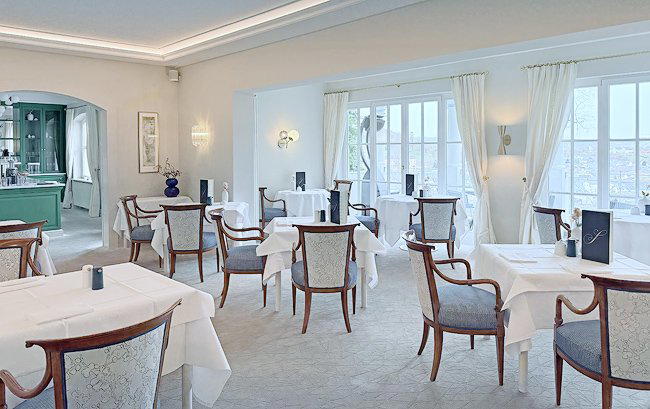
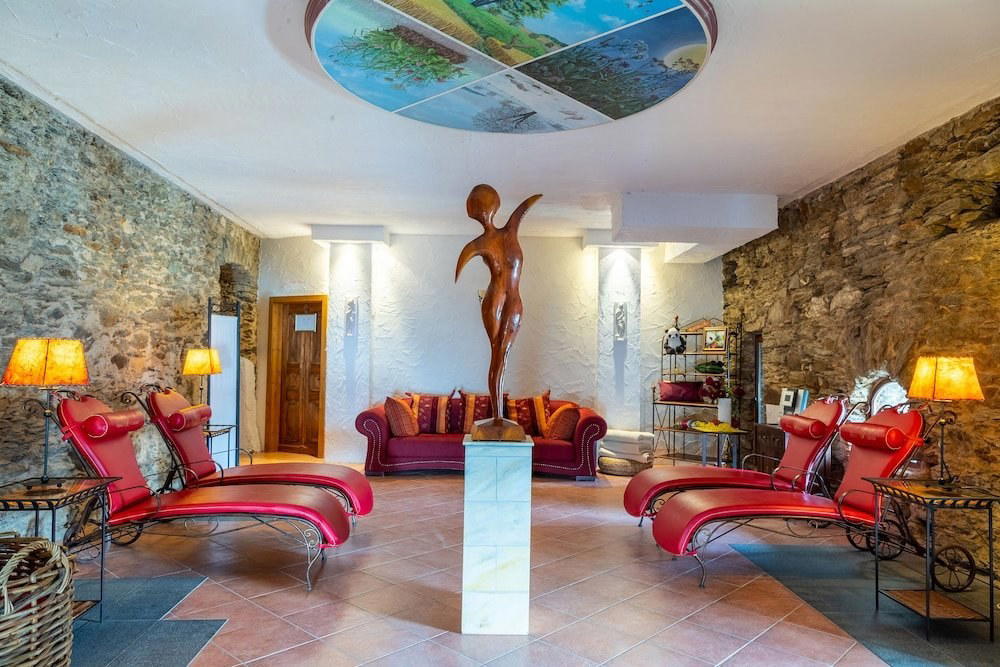
Bars in Trier
Browse all →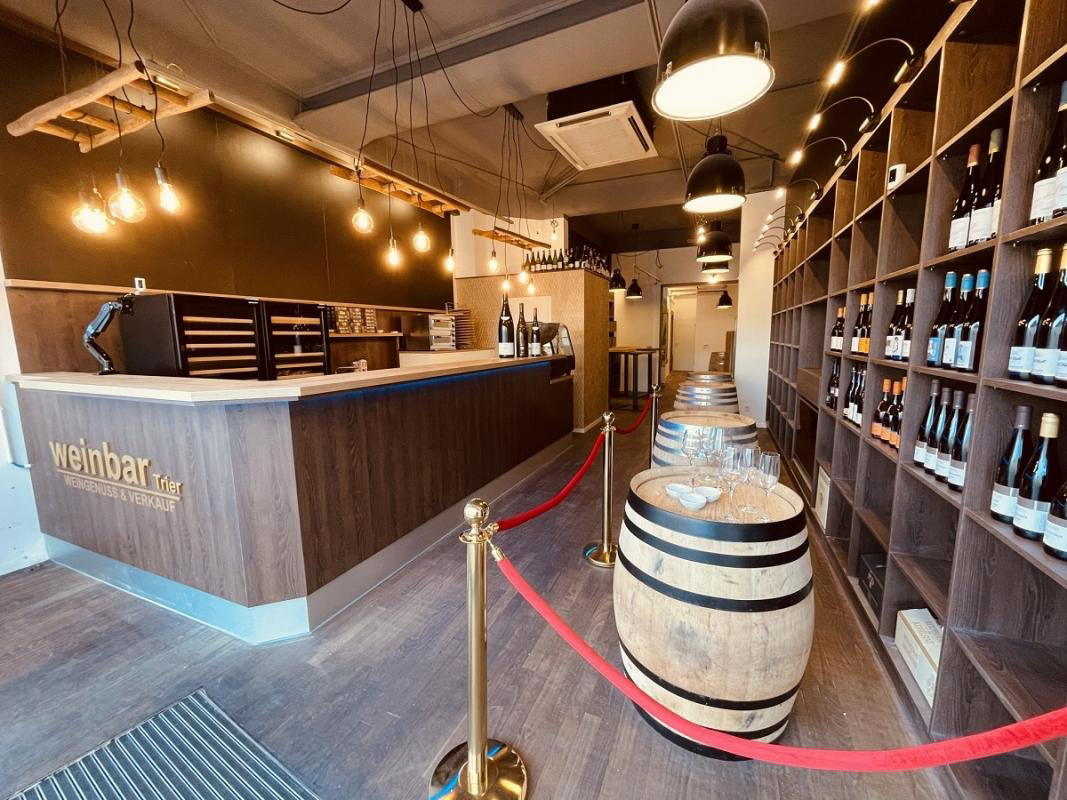
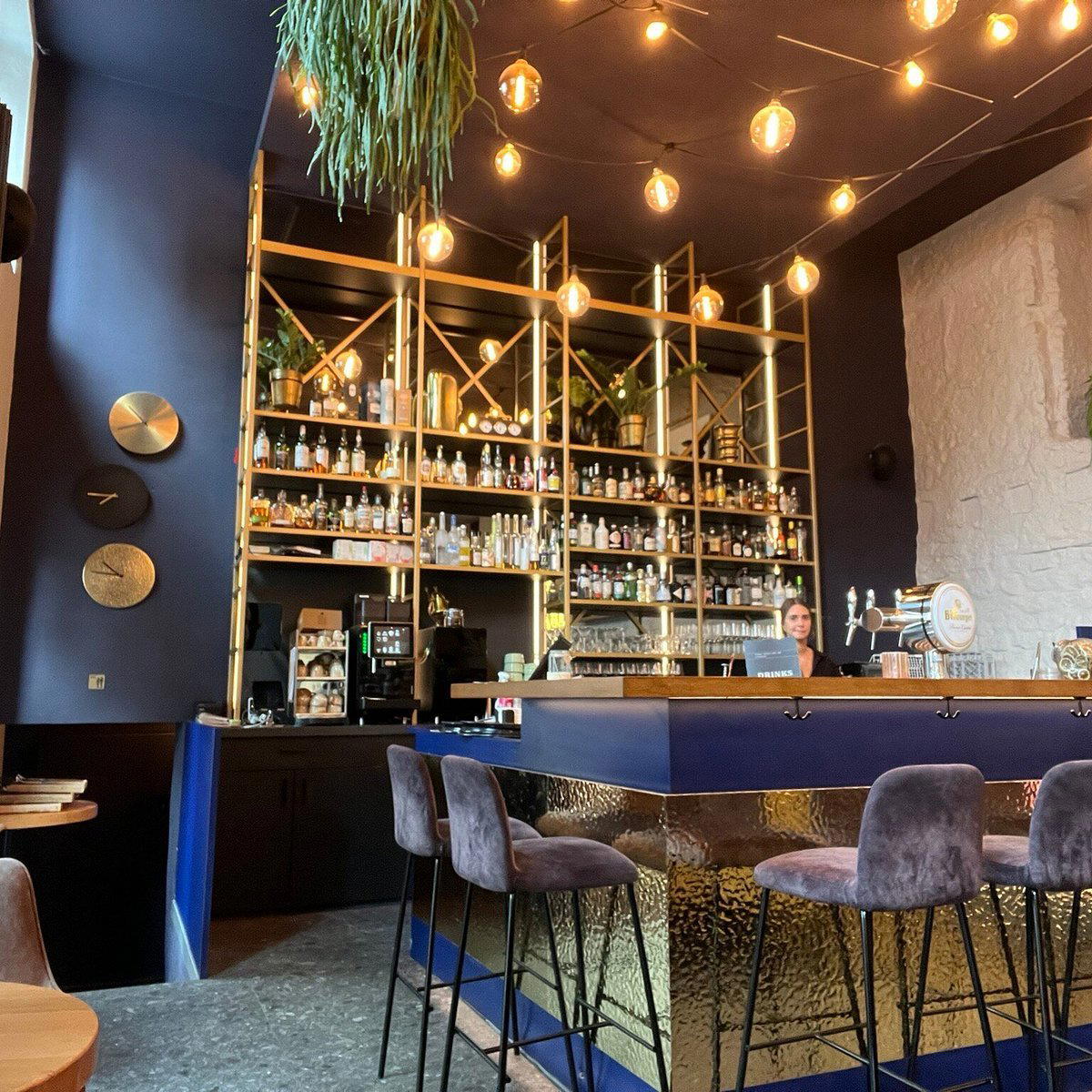
Hotels in Trier
Browse all →
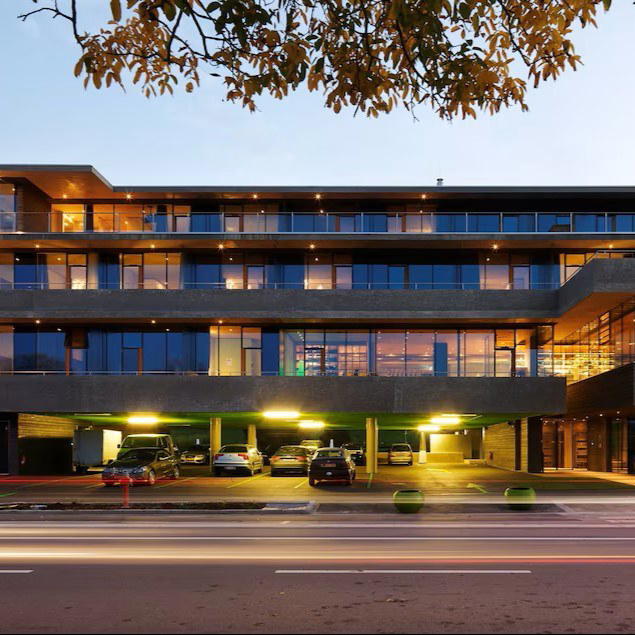
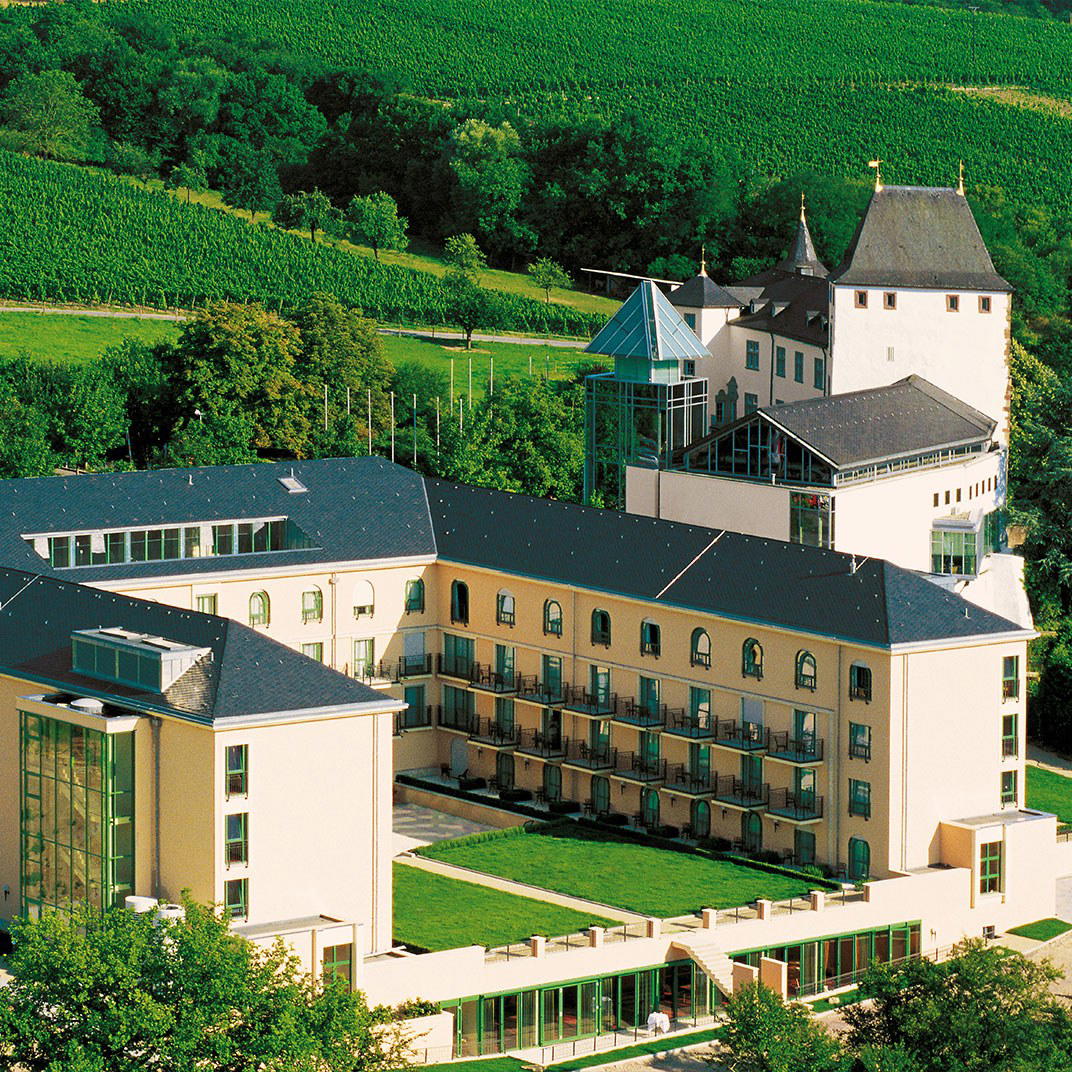
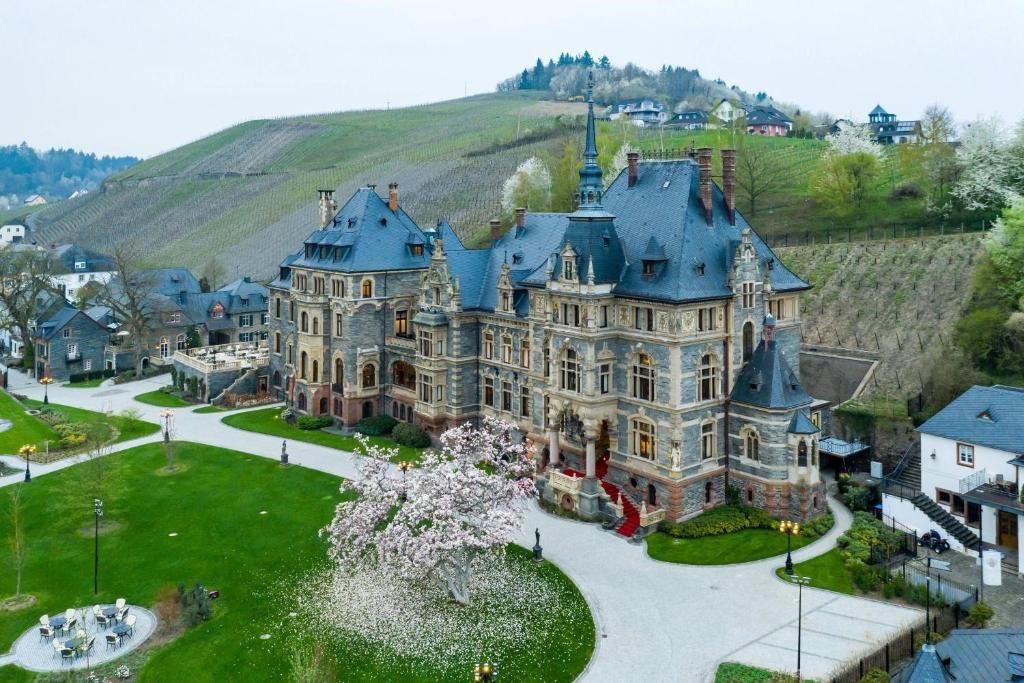
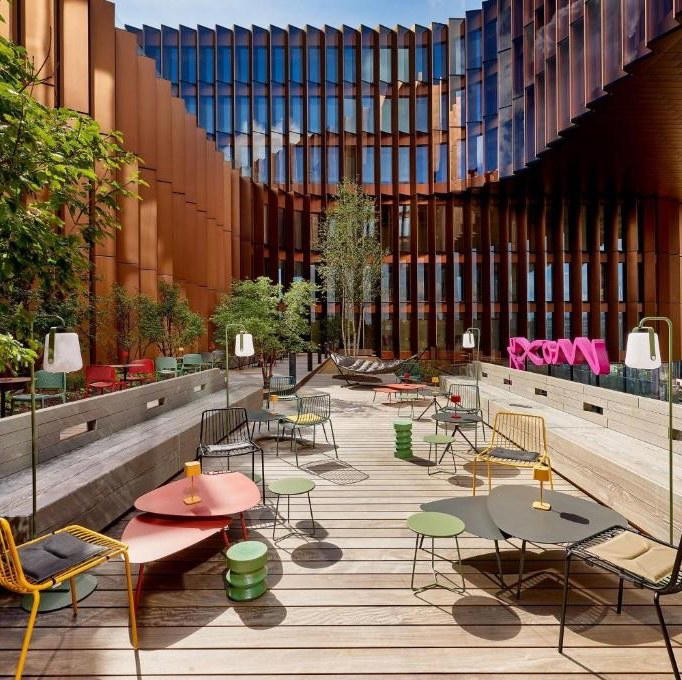
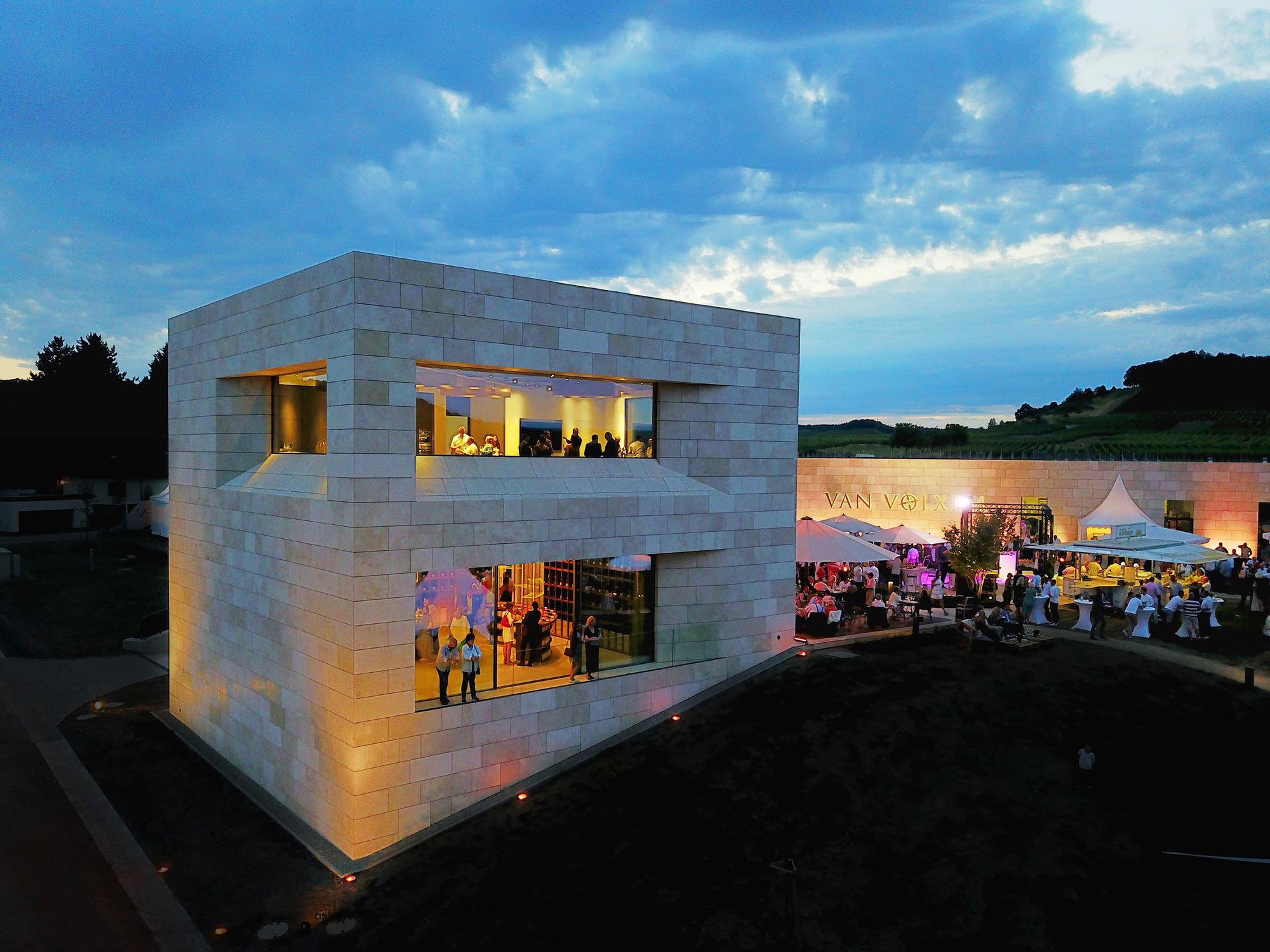
Weinwirtschaft Friedrich-Wilhelm
The wine
- Wine program
- Exceptional wine program
- Extensive wine list
Details
- Cozy
- Rustic
- Historic
- Elegant
- Date Night
- Casual Hangout
- Special Occasion
- Terrace
- Historic Building
- Wine Cellar
- Extensive Wine List
- Local Sourcing
- Street Scene
- A La Carte
- Small Plates
- Local Wines
- Vegetarian Friendly
- Vegan Options
- Gluten Free Options
Current opening hours
- Monday
- 12–2:30 PM, 5:30–10 PM
- Tuesday
- 12–2:30 PM, 5:30–10 PM
- Wednesday
- Closed
- Thursday
- 12–2:30 PM, 5:30–10 PM
- Friday
- 12–2:30 PM, 5:30–10 PM
- Saturday
- 12–10 PM
- Sunday
- 12–2:30 PM, 5–8 PM
Hours can change for holidays and private events. Last verified .
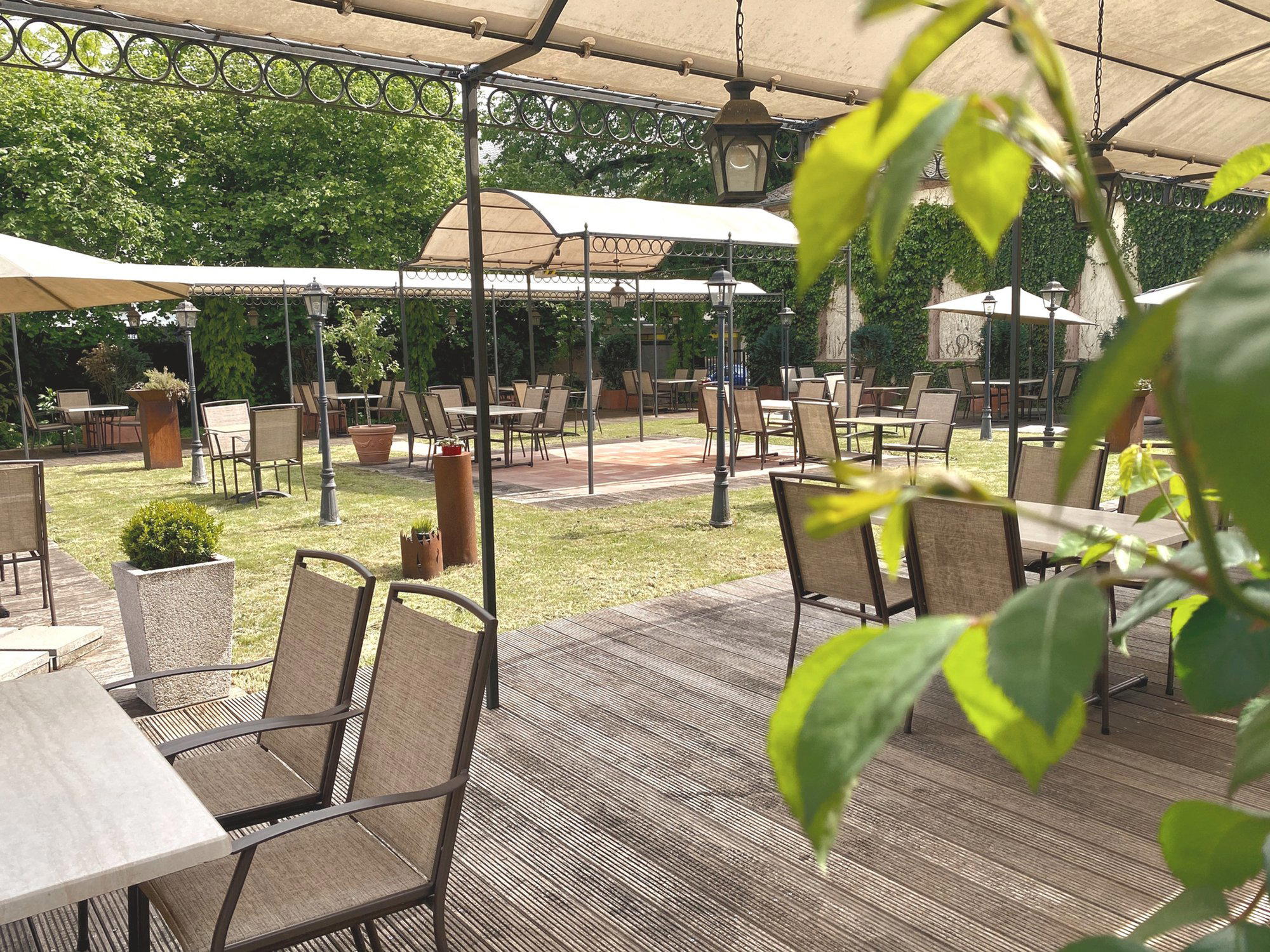
Cozy historic atmosphere with wooden beams, warm lighting, and a generous summer terrace amidst Trier's historic buildings.