
A Michelin Bib Gourmand recipient in Beijing's Chaoyang district, Jing Hua Lou serves painstakingly preserved Qing Dynasty classics at accessible mid-range prices. The retro-styled dining room on level two frames an extensive menu where technical precision, from oil-blanching temperatures to smoked preparation, defines the kitchen's approach to Beijing's oldest culinary traditions.
Pearl is the En Primeur Club membership app — saves, bookings, and concierge access live there. Same editors, same standards.
- Address
- WCPV+VJG, Chunxiu Rd, Chaoyang, Beijing, China, 100027
- Phone
- +86 10 6417 4075
- Website
- thebeijinger.com
- Directions
- Get directions
 Saves & bookings on Pearl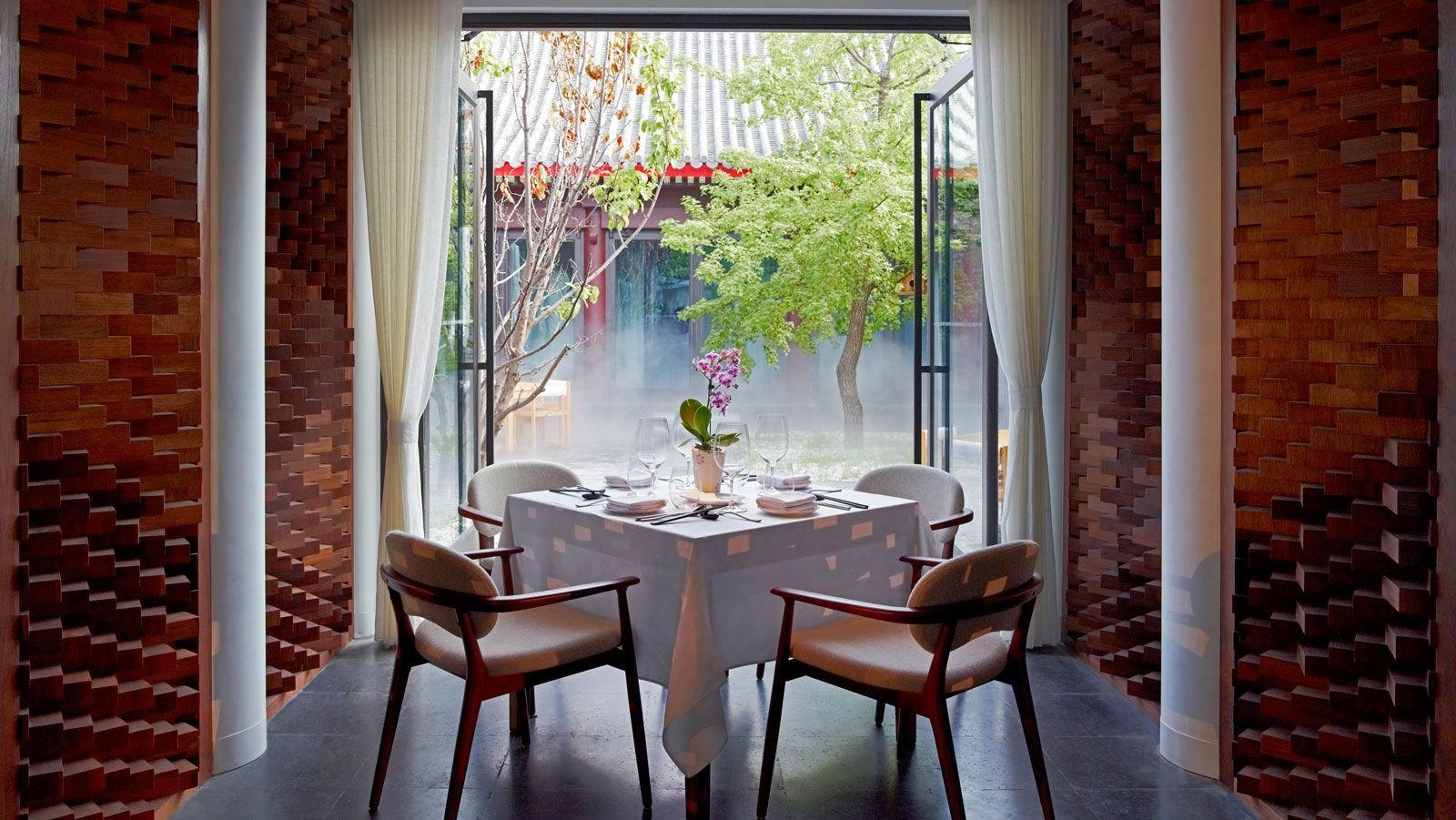
Where the Qing Dynasty Meets the Chaoyang Dining Room
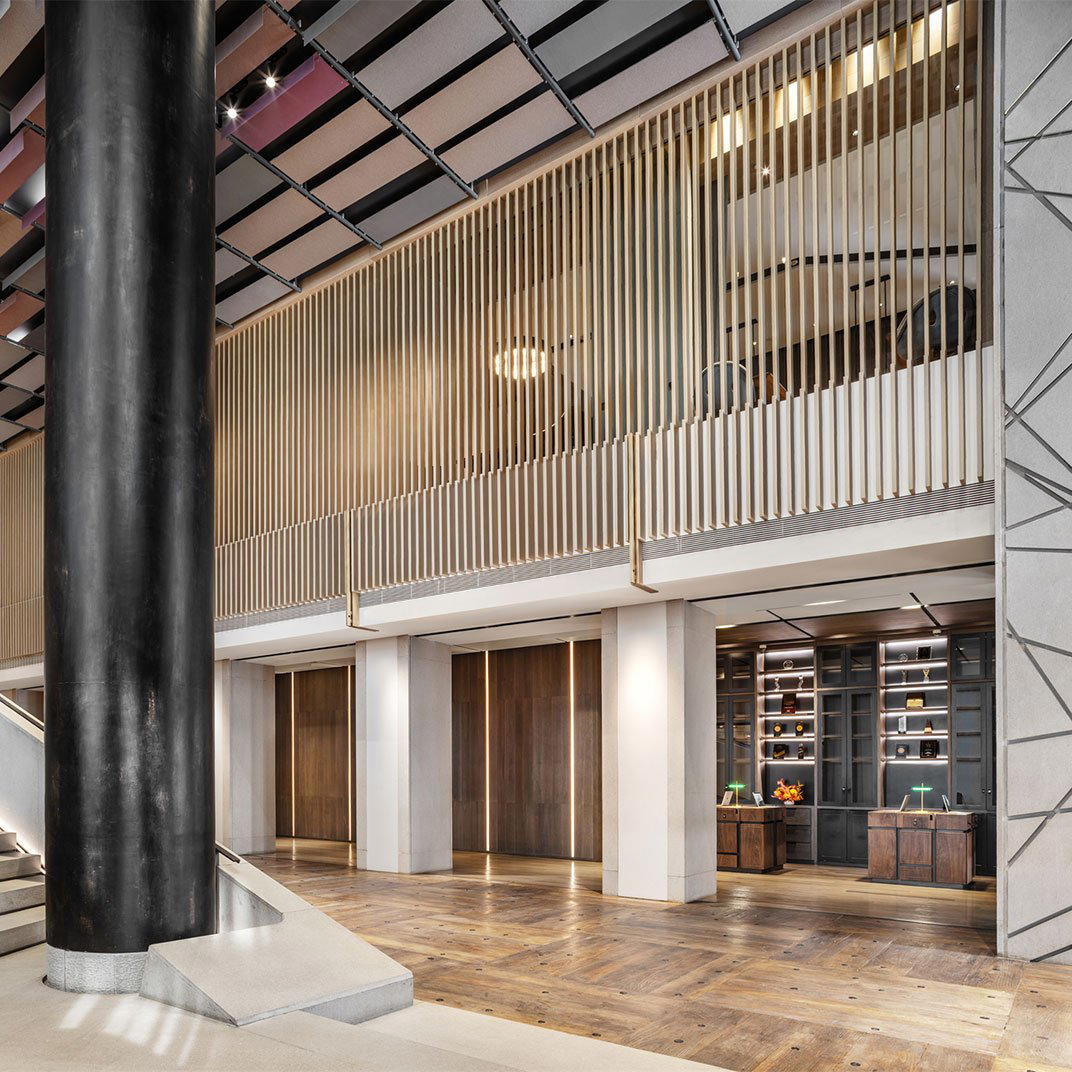
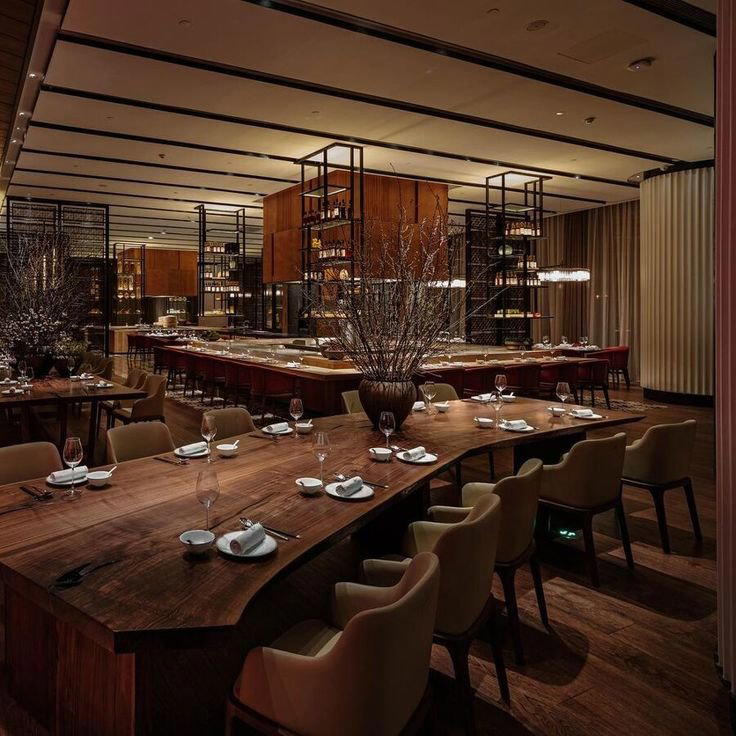
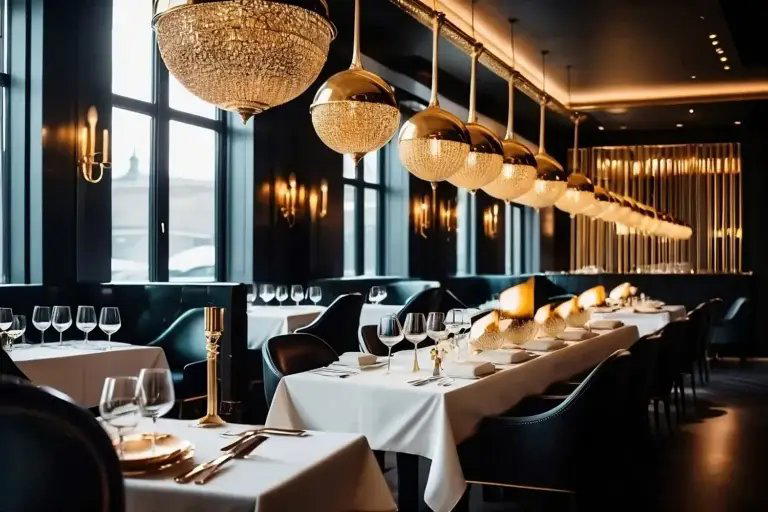
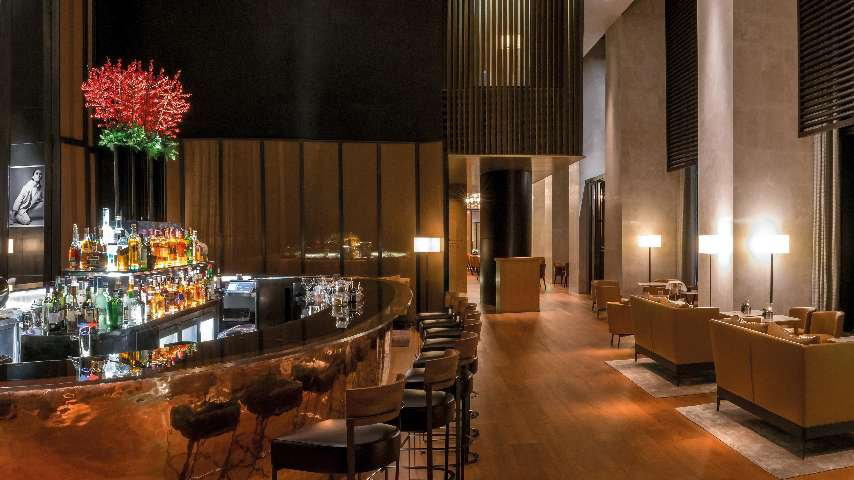
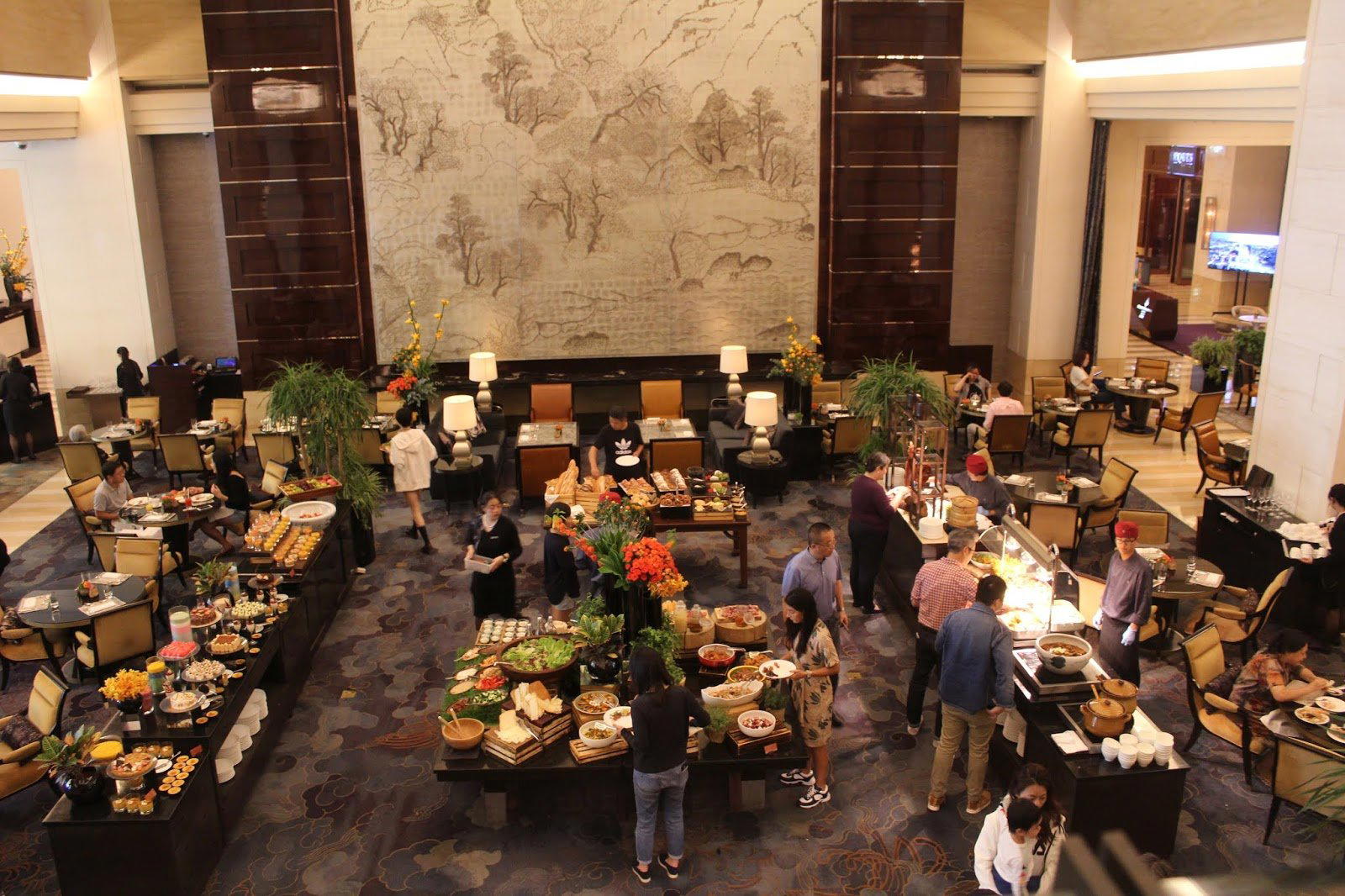
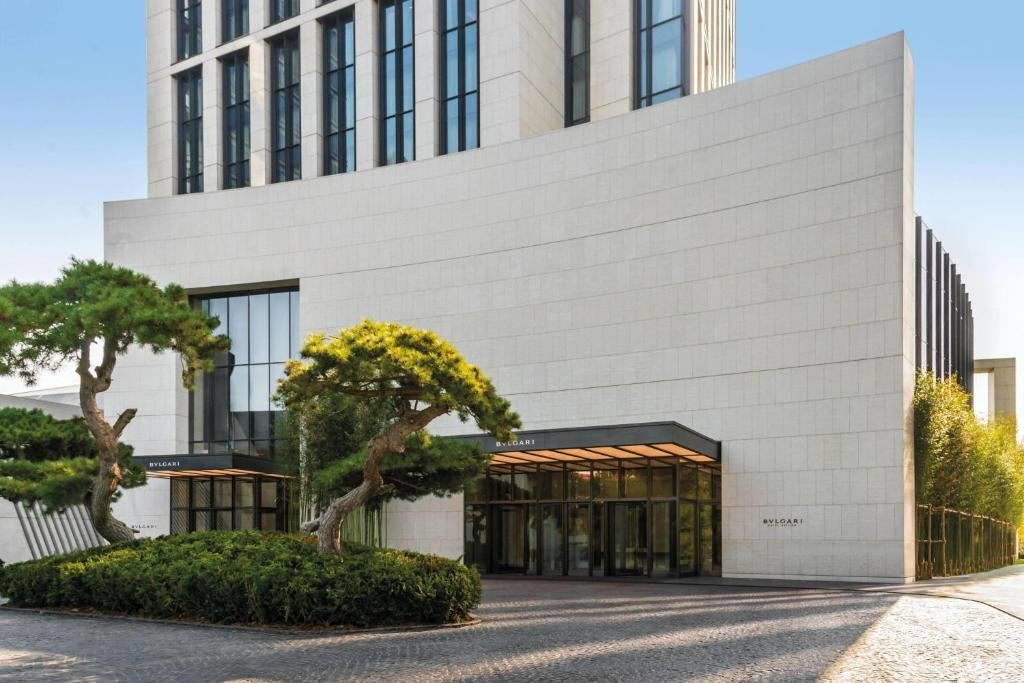
The approach to Jing Hua Lou along Chunxiu Road sets a particular tone. A grand entrance with deliberate retro character gives way to a lofty second-floor dining room, and that architectural register is not incidental. It signals the kitchen's intent: this is a restaurant in Beijing where the formal traditions of imperial Beijing cuisine are taken seriously, presented with precision, and priced accessibly. In a city where Beijing's own culinary heritage is increasingly squeezed between international fine dining and fast-casual formats, that positioning carries real editorial weight.
Qing Dynasty Technique as Living Practice
Imperial Beijing cuisine, the cooking that developed through the Qing Dynasty court and filtered outward through the capital's banquet culture, is one of China's most technically demanding traditions. The repertoire depends less on high-heat wok work than on precise temperature control, extended preparation cycles, and a rigorous understanding of texture transformation. These are techniques that translate poorly to mass production, which is part of why they have receded from most of Beijing's mid-range dining scene.
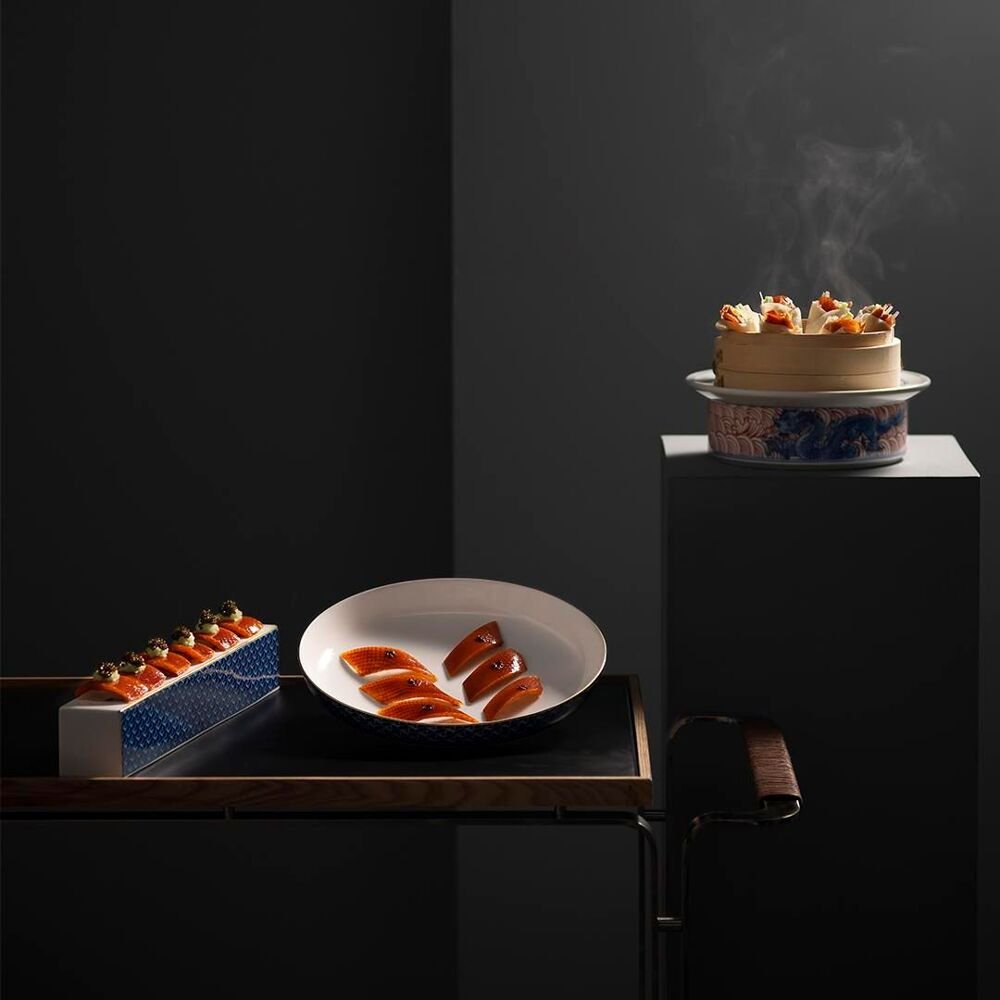
Jing Hua Lou's kitchen positions itself squarely inside this tradition. The menu is extensive and draws heavily on Qing-era preparations, with the editorial angle here being not nostalgia for nostalgia's sake but a disciplined application of historical method. The crispy duo, pork tripe and chicken gizzards blanched in oil, illustrates the point directly. The dish lives or dies on heat judgment: a few degrees either way and the texture collapses. That both proteins arrive perfectly cooked is a signal about kitchen discipline rather than ingredient quality alone. Jing Hua Lou's Bib Gourmand recognition from Michelin in 2024 effectively certifies that the same culinary tradition is being executed at its ¥¥ price tier without meaningful compromise.
The smoked pork head meat, thinly sliced, described as buttery and smoky, sits in a category of preparations where time and smoke management are the primary variables. This is not a dish that benefits from modernisation or ingredient substitution; it requires the original technique executed with patience. That it appears on the menu alongside Qing-era desserts such as rose puff pastry and split pea cake suggests a kitchen that has not cherry-picked the crowd-pleasing elements of the tradition but has committed to its full arc, savoury and sweet.
The Question of Technique Transfer
The editorial angle worth pausing on here is how imperial Beijing technique intersects with contemporary kitchen management. Qing Dynasty preparations were codified in court kitchens with unlimited resources and specialist labour pools; reproducing them in a modern commercial kitchen at accessible price points requires a different kind of intelligence. The challenge is not authenticity in the folkloric sense but process engineering, identifying which preparation steps cannot be compressed, where modern equipment assists without distorting, and where human judgment remains irreplaceable.
Beijing's mid-range dining scene has not always been a reliable address for this kind of work. The city's culinary identity at the ¥¥ tier is often dominated by hot pot formats, lamb skewers, and the city's famous bean sauce noodles, all legitimate, but representing a narrower technical range. A dedicated Beijing Cuisine kitchen at this price point, earning Michelin recognition, represents a relatively uncommon proposition. For comparison, Sheng Yong Xing in Shanghai offers Beijing Cuisine to an audience outside the capital, and Do It True in Taipei extends the tradition further across the Taiwan Strait. Both operate in markets where Beijing Cuisine carries an element of cultural distance; the restaurant operates in the source city, which raises the bar for credibility and precision simultaneously.
Chaoyang and Beijing's Dispersed Dining Map
Beijing's restaurant geography is less concentrated than Shanghai's or Hong Kong's. The city's scale means that culinary categories spread across districts without the district-level clustering that characterises, say, Guangzhou's Cantonese dining scene. Chaoyang, where the restaurant is located on Chunxiu Road, carries a dual identity: it hosts some of the capital's most internationally oriented dining and a parallel layer of serious local kitchens that operate largely below the radar of visiting food tourists.
Within Beijing's broader scene, the highest-recognition Chinese kitchens tend toward premium price tiers. Mansion Cuisine by Jingyan and Poetry and Wine on Dongsanhuan Middle Road represent the more formal end of Beijing's Chinese dining register. Fortune Long Beijing Bean Sauce Noodles on East Xinglong Street and Fu Man Yuan in Xinyuanli occupy the accessible end of the spectrum. The restaurant's Bib Gourmand places it in the latter camp by price while aligning it with the former by technical ambition, a positioning that is relatively unusual in the city's Michelin geography.
For visitors cross-referencing regional Chinese culinary traditions, it is worth noting that Michelin's recognition of Beijing Cuisine at accessible price points mirrors patterns visible in other Chinese cities. Ru Yuan in Hangzhou and Xin Rong Ji in Chengdu both demonstrate how deeply regional Chinese culinary traditions earn international recognition when technical standards are maintained. 102 House in Shanghai, Chef Tam's Seasons in Macau, Imperial Treasure Fine Chinese Cuisine in Guangzhou, and Dai Yuet Heen in Nanjing collectively map a broader picture of how Chinese regional cooking traditions are being preserved and recognised across the country.
Planning a Visit
The restaurant sits on Chunxiu Road in Chaoyang, accessible from central Beijing by metro or taxi. At ¥¥ pricing, a full meal covering multiple dishes from the extensive menu remains affordable by any comparison with Beijing's mid-to-upper dining tier. The Michelin Bib Gourmand designation, renewed in 2024, reflects consistent quality over time rather than a one-season spike; booking ahead is advisable given the recognition, particularly for evening sittings. The dining room occupies level two, so expect a short climb from the ground-floor entrance with its retro-styled grand foyer. The menu's range means it suits both diners focused on a few technical showpieces and those who want to work through multiple categories of the Beijing repertoire in a single sitting.
Side-by-Side Snapshot
Comparable venues nearby, for context on price, style, and recognition.
| Venue | Cuisine | Price | Awards | Notes |
|---|---|---|---|---|
| Jing Hua LouThis venue — the venue you are viewing | Refined Qing Dynasty Beijing Cuisine | $$$ | Bib Gourmand | Not listed |
| Country Kitchen | Traditional Northern Chinese (Beijing & Shandong) | $$$ | Michelin Plate | Dashanzi |
| Jingyi (Liulichang East Street) | Hubei Cuisine | $$ | Bib Gourmand | Dazhalan |
| Bao Bao Hao | Cantonese Claypot | $$ | Bib Gourmand | Chaowai |
| Hua Sheng Feng (Dongsanhuan South Road) | Zhejiang Wenzhou Cuisine | $$ | Bib Gourmand | Chuiyangliu |
| Ji Chuan | Modern Sichuan (Chongqing-inspired) | $$$ | Michelin Plate | Chaowai |
Recognition history
Dated appearances from independent guides and award organizations, with the underlying list record or original source where available.
Michelin Bib Gourmand
Michelin
Michelin Bib Gourmand
Michelin

At a Glance
- Elegant
- Classic
- Sophisticated
- Intimate
- Business Dinner
- Celebration
- Special Occasion
- Private Dining
- Extensive Wine List
- Sommelier Led
- Local Sourcing
Current opening hours
- Monday
- 11 AM–10 PM
- Tuesday
- 11 AM–10 PM
- Wednesday
- 11 AM–10 PM
- Thursday
- 11 AM–10 PM
- Friday
- 11 AM–10 PM
- Saturday
- 11 AM–10 PM
- Sunday
- 11 AM–10 PM
Hours can change for holidays and private events. Last verified .
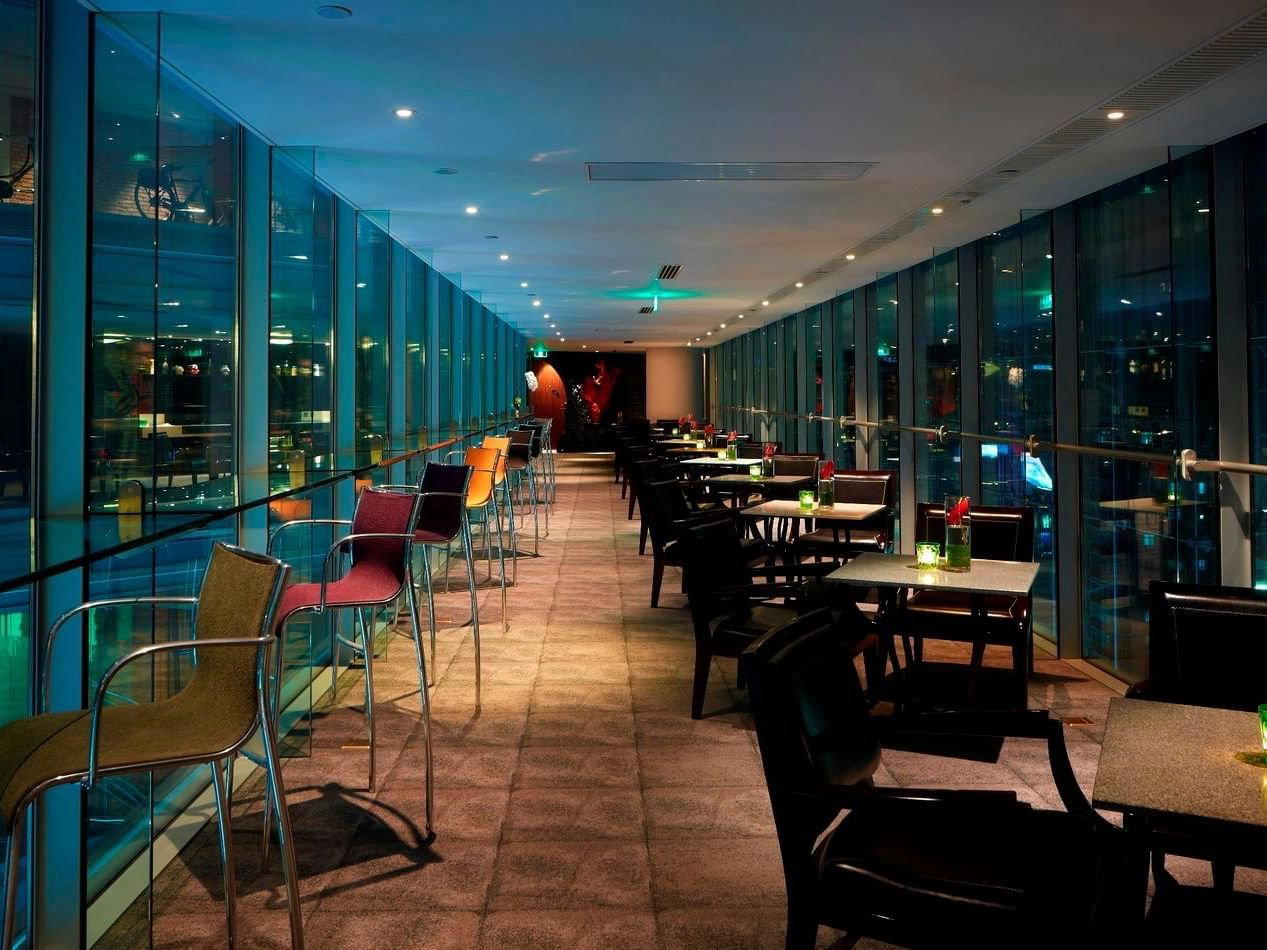
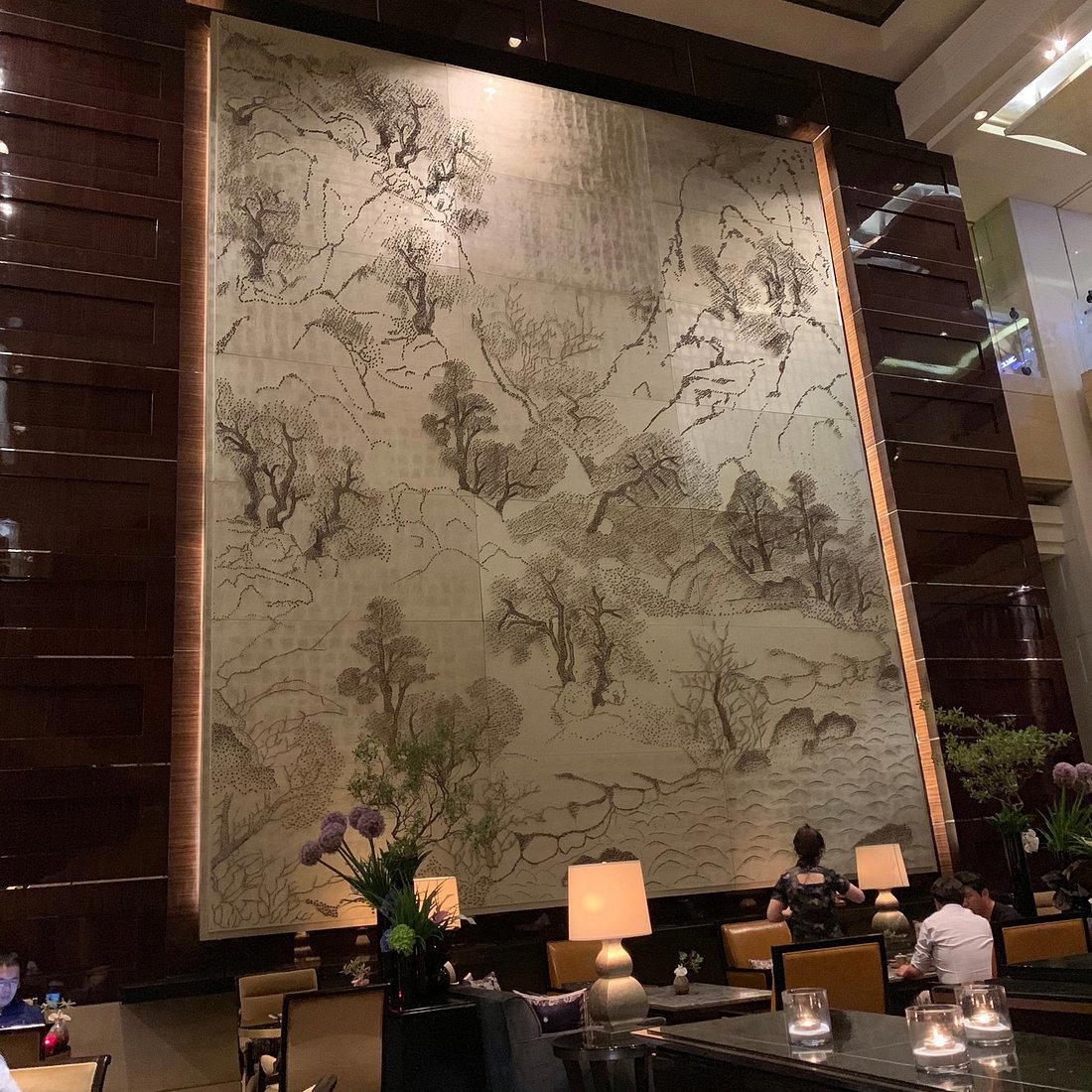
Lofty ceilings with nostalgic gloss, lacquered wood, soft lamps, and an urbane hush.