
Fu Man Yuan in Beijing's Xinyuanli district holds consecutive Michelin Plate recognition for 2024 and 2025, placing it among the city's mid-range Beijing Cuisine addresses worth tracking. Situated along Di'anmennei Avenue in Xicheng, the restaurant draws on the capital's classical cooking traditions at a price point well below the starred tier..
Pearl is the En Primeur Club membership app — saves, bookings, and concierge access live there. Same editors, same standards.
- Address
- 38 Di'anmennei Ave, 西城区 Beijing, China, 100009
- Phone
- +86 10 6403 0992
- Directions
- Get directions
 Saves & bookings on Pearl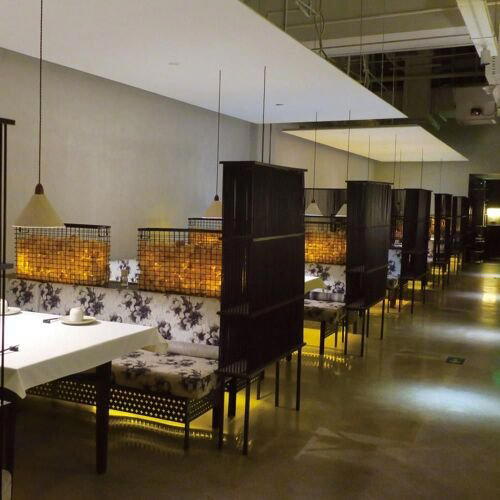
Beijing Cuisine at the Mid-Market: Where the Plate Recognition Sits
In Beijing's restaurant hierarchy, Michelin's Plate designation functions as a quality floor rather than a ceiling. It signals that inspectors found the food consistently worth eating, without placing the kitchen in the starred bracket occupied by addresses like Jingji, which holds two Michelin Stars at the ¥¥¥¥ tier for Beijing Cuisine. Fu Man Yuan (Xinyuanli), operating at ¥¥¥, positions itself in a different competitive set entirely: the mid-range Beijing Cuisine table where value relative to craft matters as much as the cooking itself.
That distinction shapes how the restaurant should be read. Across Chinese cities, the mid-price tier for regional cuisine has become an increasingly watched category. The approach seen at places like Sheng Yong Xing (Huangpu) in Shanghai, which represents Beijing Cuisine transplanted southward, demonstrates that the capital's culinary tradition travels well when the kitchen disciplines itself to classical technique. Fu Man Yuan operates in the original geography of that tradition, on Di'anmennei Avenue in Xicheng, a district with deep historical resonance for the city's older culinary culture.
The Tradition on the Plate: What Beijing Cuisine Actually Means
Beijing Cuisine is not a monolithic category. It draws from imperial court cooking, Muslim-influenced Hui traditions, and the everyday food of hutong neighborhoods, all filtered through centuries of the capital's particular relationship with wheat, fermented pastes, and slow-braised proteins. The cuisine's anchoring flavors tend toward saline depth, the sweet fermented bean paste known as tianmian jiang is a recurring thread, and its techniques favor controlled heat over aggressive wok fire.
That orientation makes Beijing Cuisine an interesting case study in what happens when classical regional cooking intersects with modern dining expectations. Across China's major cities, Michelin-recognized restaurants at every tier have been incorporating techniques borrowed from European kitchens, precision temperature control, staged reduction, fermentation managed with laboratory rigor, into regional frameworks. The tension between inherited method and imported precision is where some of the more interesting cooking is happening. At ¥¥ pricing, Fu Man Yuan sits at the accessible end of this conversation, which makes its consecutive Plate recognition a signal worth paying attention to: inspectors are finding something consistent enough to return to, at a price point where consistency is harder to maintain than at the luxury end.
For comparison within the Beijing Cuisine category alone, the gap between ¥¥ and ¥¥¥¥ is significant. Mansion Cuisine by Jingyan and Jingji operate at the higher end of the pricing range where ingredient sourcing and room design carry substantial weight in the overall proposition. Fu Man Yuan makes a different argument: that the cooking itself, at an accessible price, can earn recognition on its own terms.
The Xicheng Address and What It Implies
Di'anmennei Avenue runs through one of Beijing's most historically layered districts. Xicheng sits west of the old imperial axis, and its streets carry the density of a neighborhood that pre-dates the city's modern expansion by centuries. Restaurants along this corridor operate in an environment where locals are the primary audience, not international visitors moving between hotel-adjacent dining rooms. That audience tends to hold Beijing Cuisine to a different standard, one built on memory and repetition rather than novelty.
For travelers, this geography has a practical implication: Xicheng's dining rooms are generally less attuned to the infrastructural accommodations that hotels and tourist-adjacent restaurants build around foreign guests. Reservations are recommended, particularly for weekend meals, and some fluency in Mandarin or a translation app will smooth the experience considerably. The neighborhood itself rewards time spent beyond the meal; the proximity to hutong lanes and older commercial streets makes a visit to Fu Man Yuan logical within a broader Xicheng afternoon rather than as a destination requiring a separate trip.
Where Fu Man Yuan Sits in a Wider China Reading List
Tracking Beijing Cuisine across Chinese cities offers useful calibration. Sheng Yong Xing in Shanghai and Do It True in Taipei both represent the Beijing tradition in diaspora contexts, where the cuisine is often presented to audiences encountering it without the reference points that Beijingers bring. Eating Beijing Cuisine in Beijing, by contrast, means the kitchen has nowhere to hide behind novelty. The local audience knows what the dish should taste like.
That dynamic connects Fu Man Yuan to a broader pattern visible across Chinese regional cuisine: the mid-market tier, when it earns repeated inspector attention, is usually doing something technically disciplined rather than conceptually ambitious. The ambition, if it exists, is in execution and consistency, getting the sauce ratio right across 200 covers on a Saturday, not reinventing the dish from first principles. That is a different kind of kitchen achievement, and one that the Michelin Plate, in its quiet way, is designed to recognize.
For readers building a China itinerary across multiple cities, the regional cuisine perspective is worth tracking at each stop. Ru Yuan in Hangzhou, Xin Rong Ji in Chengdu, and Imperial Treasure Fine Chinese Cuisine in Guangzhou each represent their respective regional traditions at the higher price tier. Fu Man Yuan makes the case that Beijing's tradition is accessible without that premium, which is its own editorial argument.
Planning a Visit
Fu Man Yuan is located at 38 Di'anmennei Avenue in Xicheng District, Beijing. The ¥¥ pricing places it firmly in the mid-range, where a full meal for two sits well below what the city's starred tier demands. The restaurant has earned the Michelin Plate in consecutive years (2024 and 2025), which makes it a trackable address for readers following the Plate category as a value indicator rather than a consolation designation.
For readers who want to extend their Beijing dining research, our full Beijing restaurants guide covers the range from hutong casual to the starred tier. Our Beijing hotels guide, bars guide, wineries guide, and experiences guide complete the city picture. For comparable Beijing Cuisine at different price points, Jing Hua Lou, Fortune Long Beijing Bean Sauce Noodles, and Poetry Wine (Dongsanhuan Middle Road) each offer distinct entry points into the capital's culinary traditions. For those extending a China trip, 102 House in Shanghai, Chef Tam's Seasons in Macau, and Dai Yuet Heen in Nanjing offer points of comparison across the country's regional dining spectrum.
Cuisine and Awards Snapshot
Comparable venues nearby, for context on price, style, and recognition.
| Venue | Cuisine | Price | Awards | Notes |
|---|---|---|---|---|
| Fu Man Yuan (Xinyuanli)This venue — the venue you are viewing | Beijing Home-Style Cuisine | $$$ | Michelin Plate | Not listed |
| Xiang Shang Xiang (Jinhe East Road) | Modern Hunanese Tasting | $$$ | Michelin Plate | Chaoyang |
| Chao Shang Chao (Xicheng) | Refined Chaozhou Cuisine | $$$ | Michelin Plate | Chaowai |
| Tong Chun Yuan | Traditional Jiangsu Cuisine | $$ | Michelin Plate | Dewai |
| Na Jia Xiao Guan | Modern Imperial Manchu Cuisine | $$$ | Not listed | Dashanzi |
| Meng Du Hui | New Huizhou Cuisine | $$$ | Michelin Plate | Chaowai |
Recognition history
Dated appearances from independent guides and award organizations, with the underlying list record or original source where available.
Michelin Plate
Michelin
Michelin Plate
Michelin


At a Glance
- Elegant
- Modern
- Classic
- Family
- Group Dining
- Casual Hangout
- Standalone
Current opening hours
- Monday
- 10:30 a.m.–10 p.m.
- Tuesday
- 10:30 a.m.–10 p.m.
- Wednesday
- 10:30 a.m.–10 p.m.
- Thursday
- 10:30 a.m.–10 p.m.
- Friday
- 10:30 a.m.–10 p.m.
- Saturday
- 10:30 a.m.–10 p.m.
- Sunday
- 10:30 a.m.–10 p.m.
Hours can change for holidays and private events. Last verified .
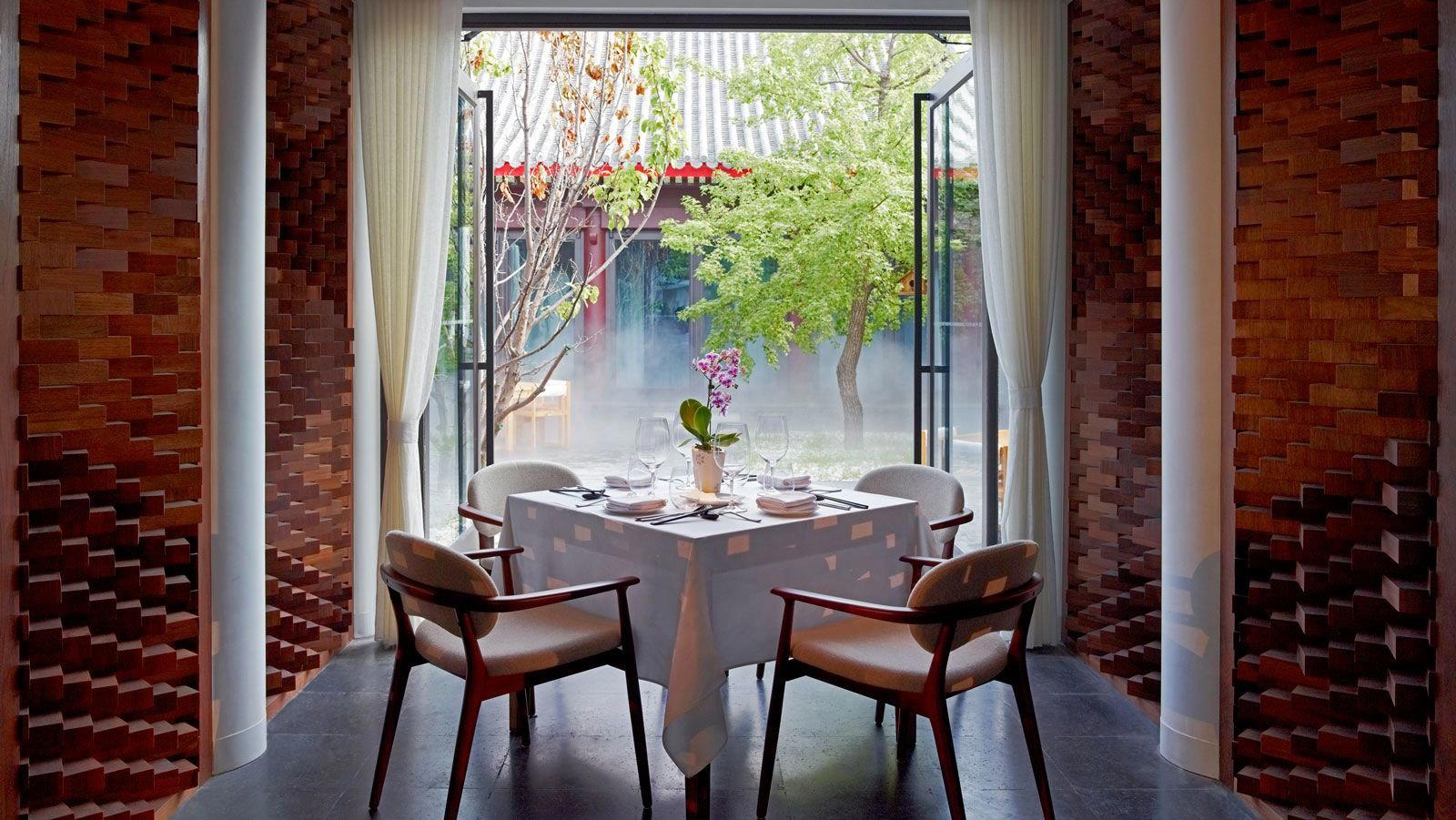
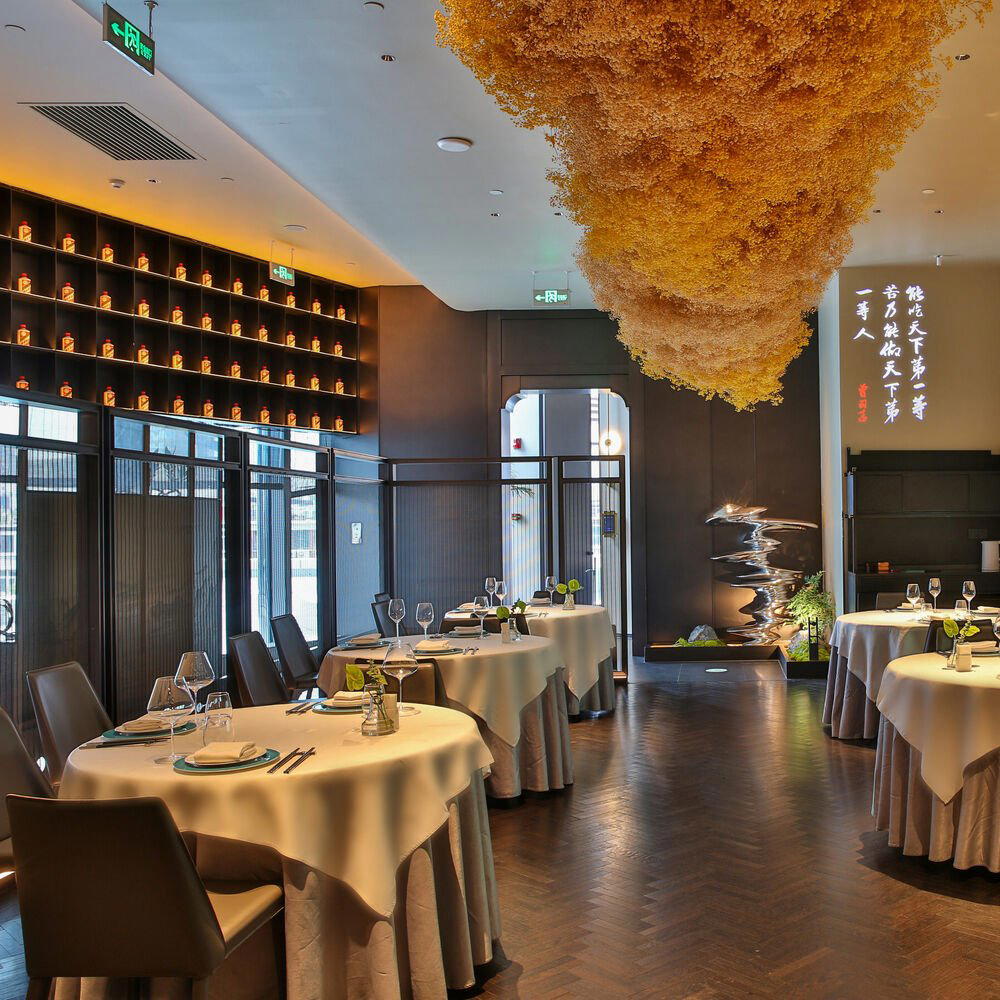
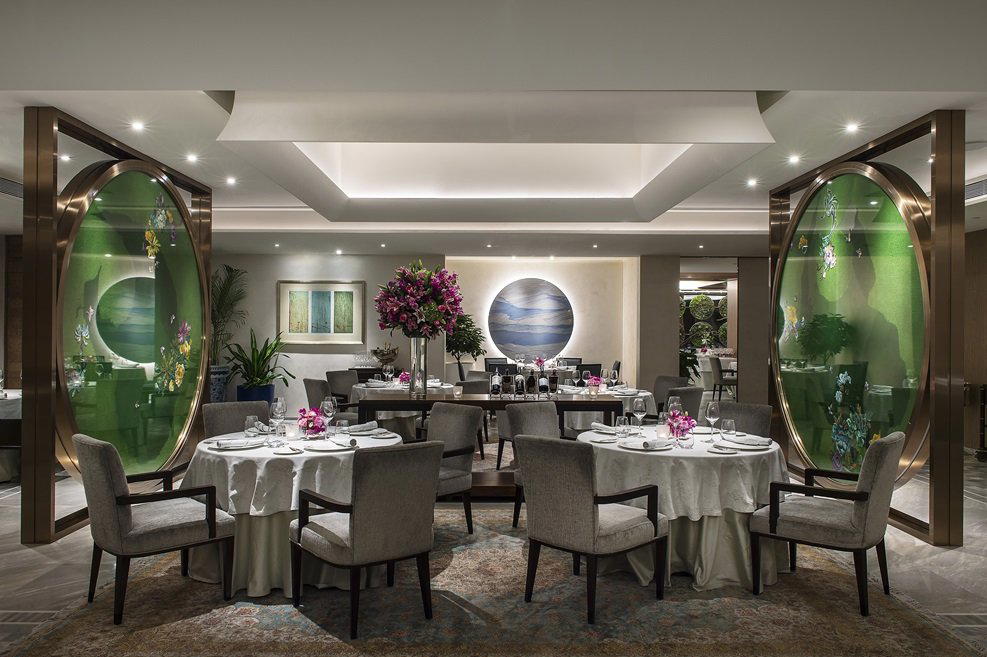
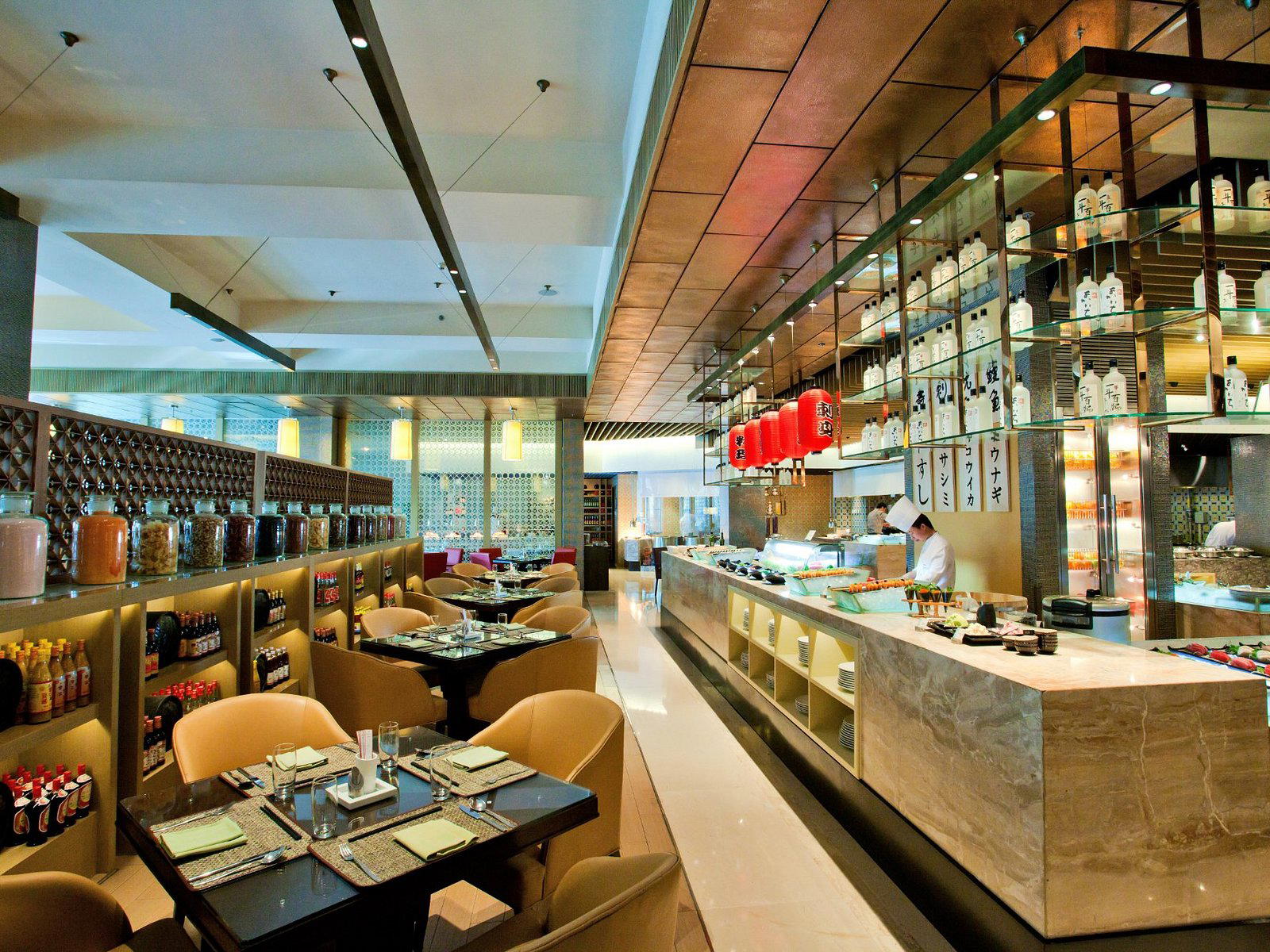
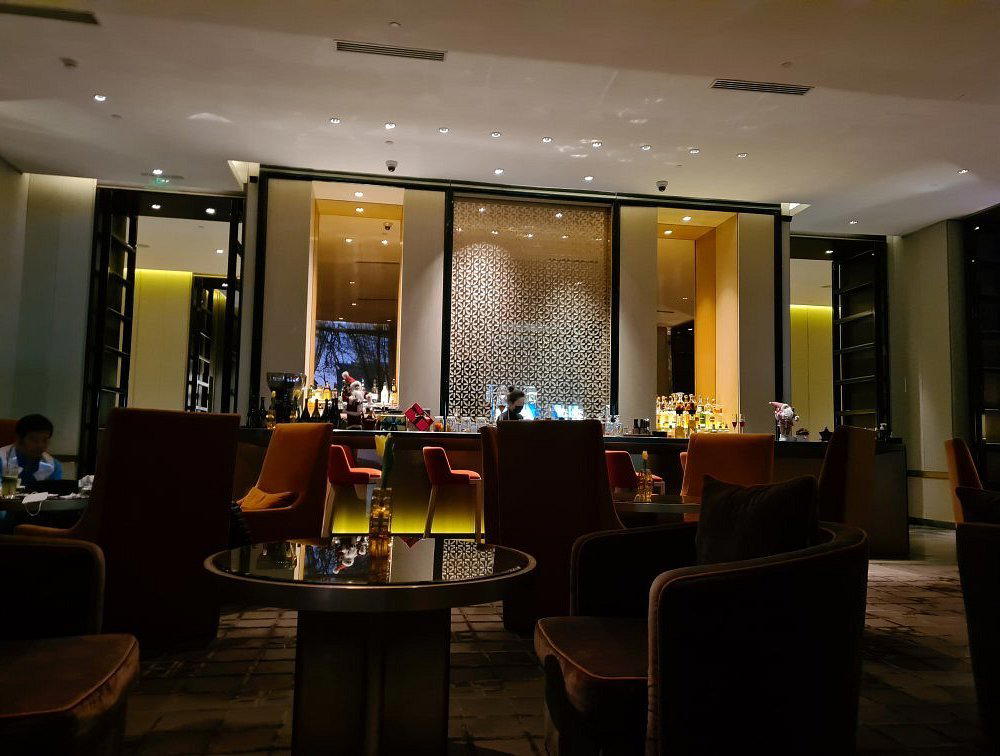
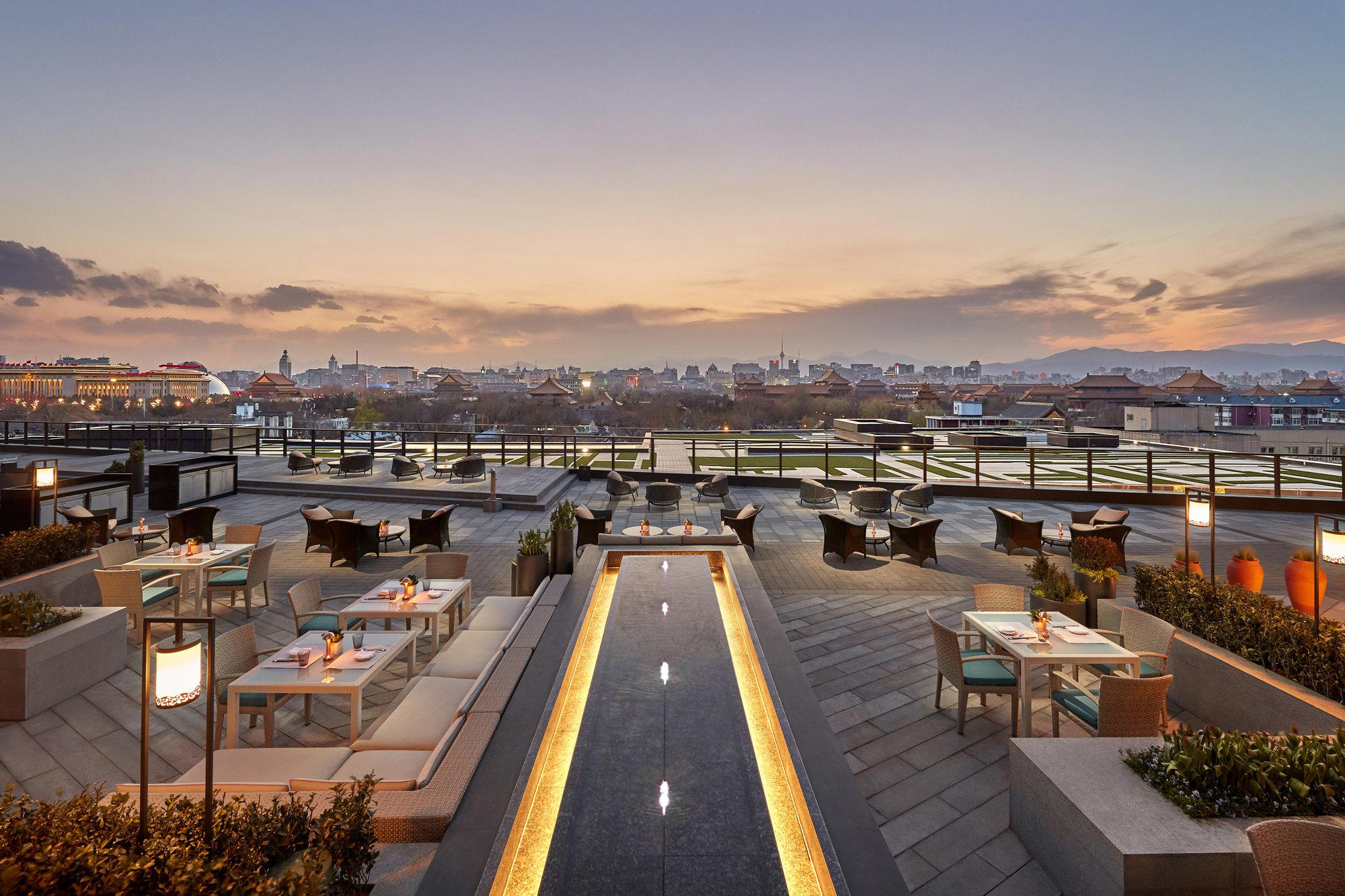
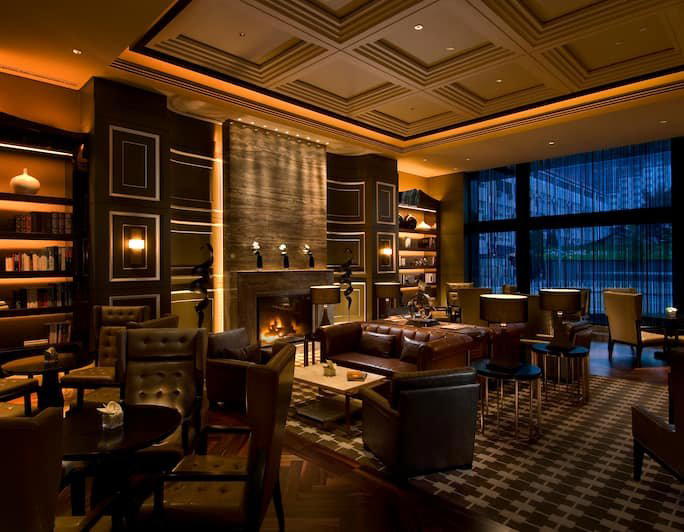
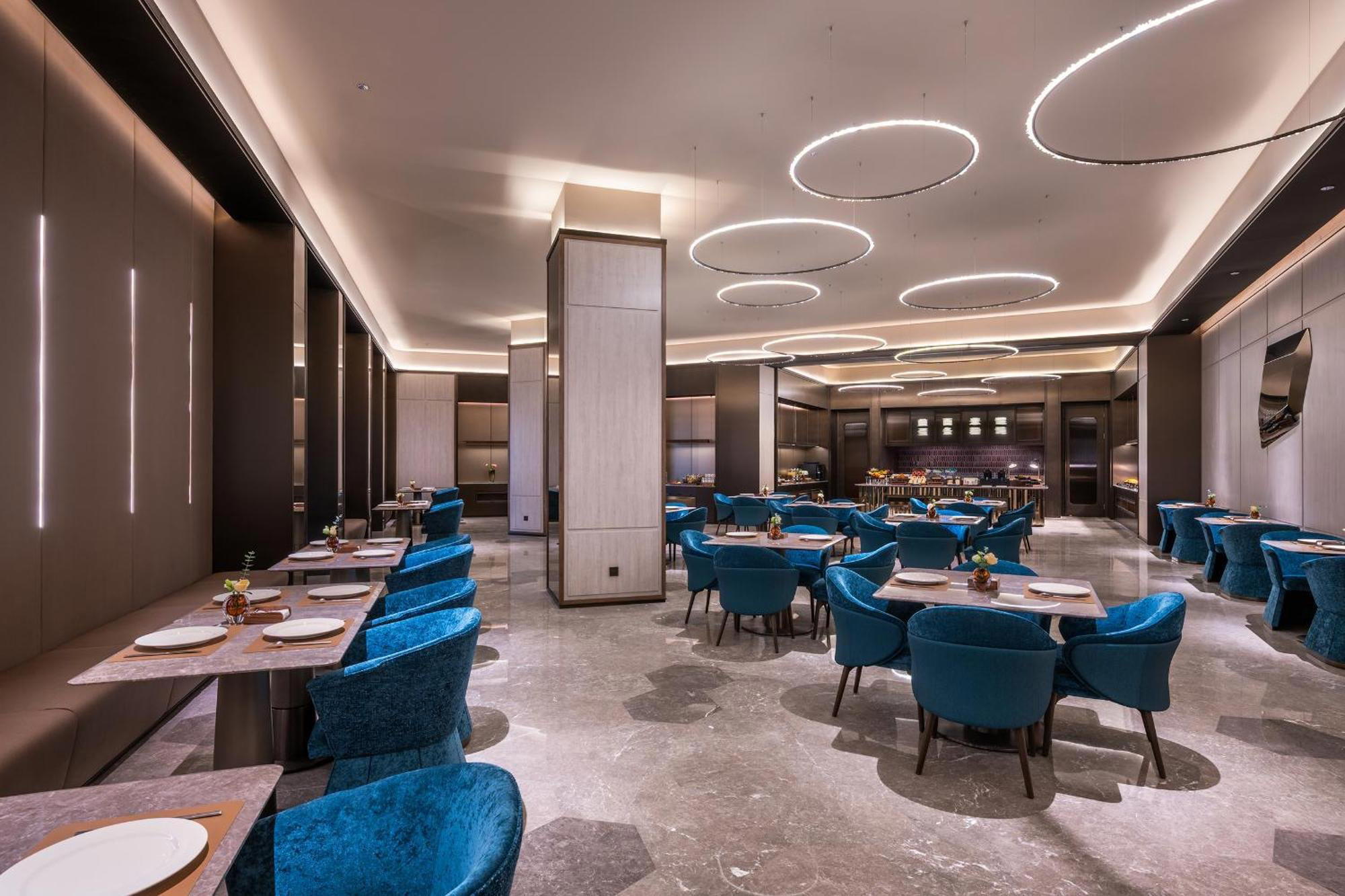
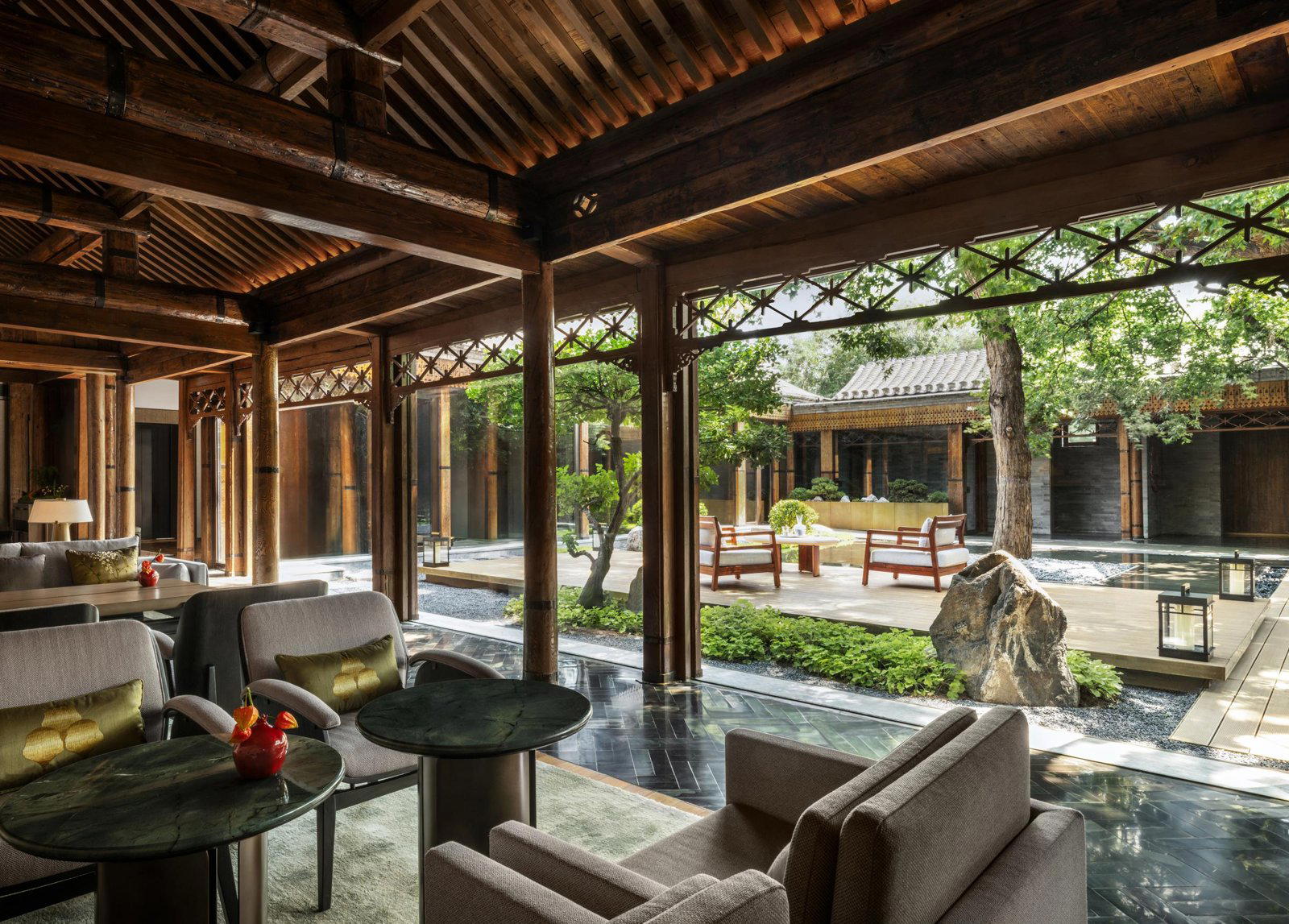
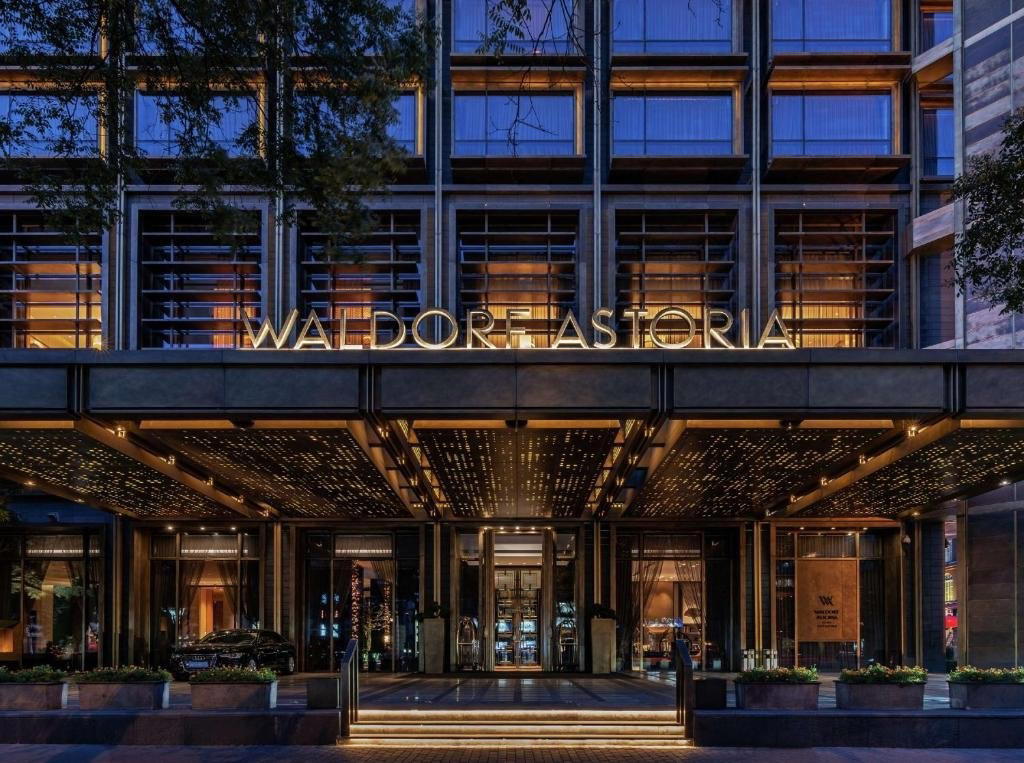
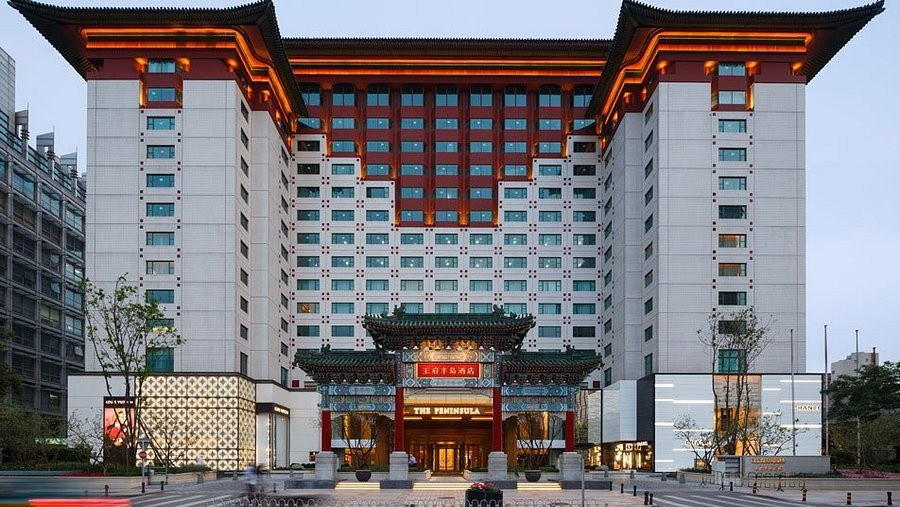
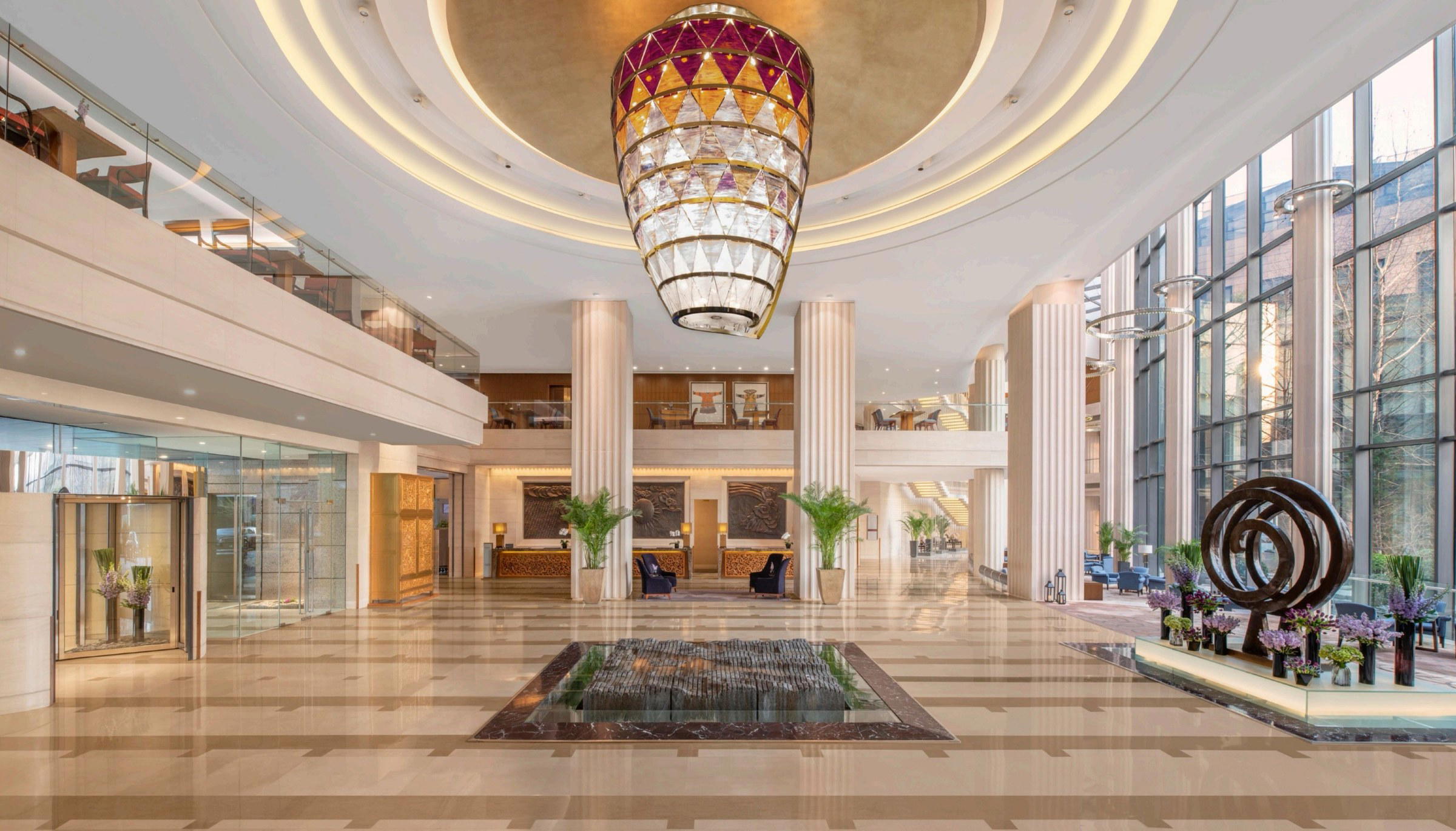
Sleek architecture with a glass façade creating a modern, refined dining environment that contrasts elegantly with classic Beijing culinary traditions.