Manivanh
On 24th Street in the Mission District, Manivanh represents the kind of Southeast Asian address San Francisco does quietly well: a neighborhood spot where the cooking carries more weight than the room. The Mission's density of immigrant-rooted kitchens provides real context here, and Manivanh earns its place among them through attention to the customs and pacing that define how this food is meant to be eaten.
- Address
- 2732 24th St, San Francisco, CA 94110
- Phone
- +14158246059
- Directions
- Get directions
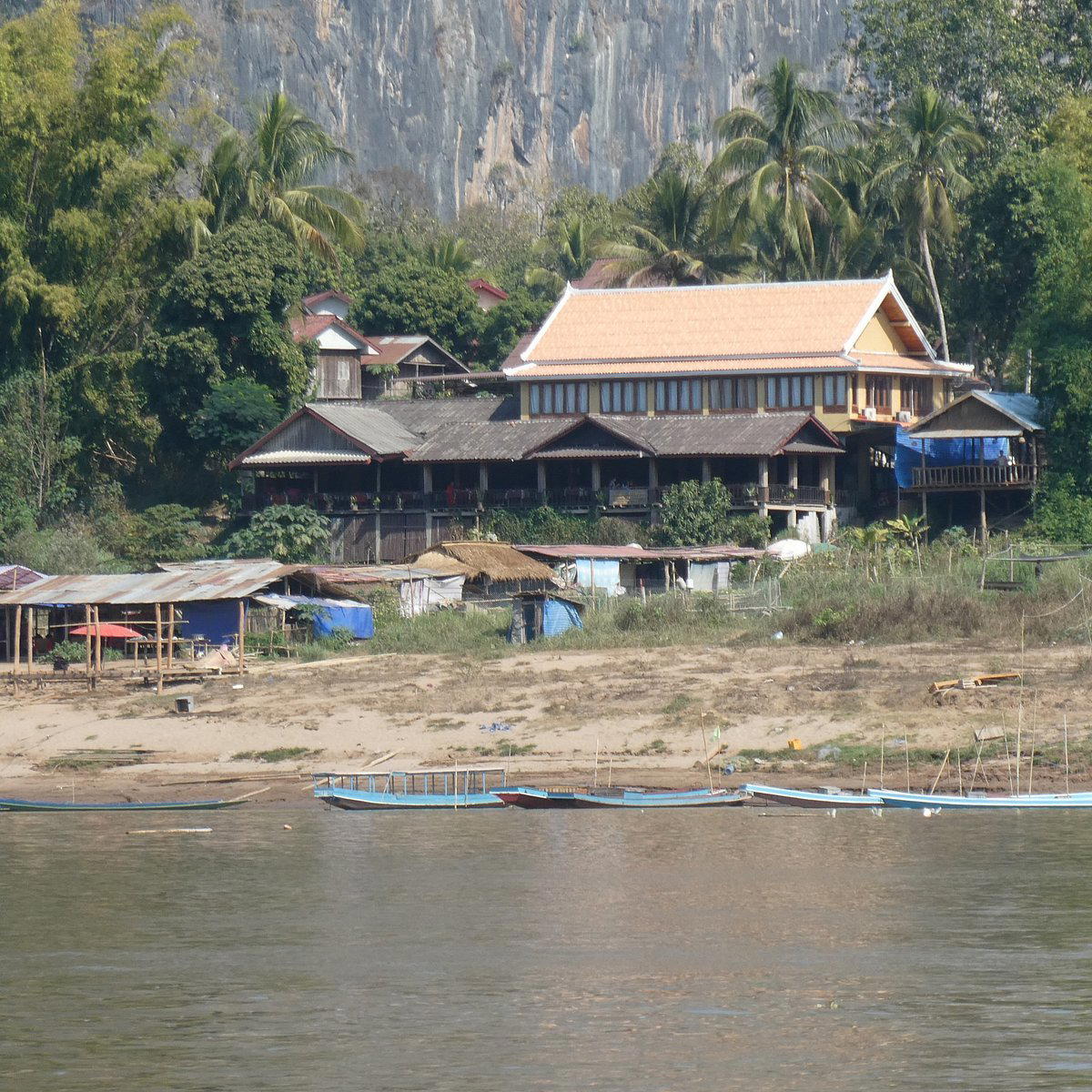
The Mission's Approach to Southeast Asian Ritual
San Francisco's Mission District has long operated as one of the city's most reliable corridors for immigrant-rooted cooking, where generations of families from Central America, Southeast Asia, and beyond have set up kitchens that answer to community standards rather than critic approval. On 24th Street, that tradition continues at Manivanh, a casual Thai restaurant at 2732 24th St in San Francisco's Mission District. The strip between Valencia and Mission Street holds a particular density of this kind of restaurant: places where the dining customs, the pacing of dishes, and the logic of the table matter as much as any single ingredient.
Manivanh, at 2732 24th St, sits inside this broader pattern. Southeast Asian cooking in San Francisco occupies a different register than the city's high-end tasting-menu tier, represented elsewhere by addresses like Lazy Bear, Atelier Crenn, and Benu, each charging four-figure bills for composed, multi-course progressions. What Manivanh and its Mission peers offer is a different set of dining rituals entirely, ones rooted in communal sharing, sequential ordering by feel rather than by printed course structure, and a direct relationship between diner and kitchen.
How the Meal Is Meant to Move
The dining ritual is rarely linear. Unlike the tightly sequenced omakase format that dominates San Francisco's upper-end Japanese counters, or the arc-driven progression at a restaurant like Quince, the logic here is additive and responsive. Dishes arrive as they're ready. The table builds gradually, with herb plates and dipping sauces establishing a shared grammar before proteins and soups fill in around them. This is the tradition Manivanh operates within, and understanding it shapes how to order and when to slow down.
In Lao cooking specifically, this communal rhythm is structural. Sticky rice often arrives in a woven basket and functions as both utensil and side. Soups are often ordered alongside grilled dishes rather than before them. Condiment trays are navigated by preference, not prescription. That distinction matters in a city where dining ritual is increasingly the product of a chef's vision alone, as at Saison, where the kitchen controls every variable.
The Mission District's Role in San Francisco's Dining Geography
Nationally, Southeast Asian cooking at the neighborhood-restaurant level is underrepresented in the conversations that shape fine dining coverage. Addresses like Le Bernardin in New York City, Alinea in Chicago, or The French Laundry in Napa dominate the award-weighted tier, while Lao and Thai kitchens in residential neighborhoods absorb their communities and do their leading work without institutional recognition. That structural gap is worth naming, because it shapes how a place like Manivanh is encountered: without the scaffolding of ratings or prix-fixe menus that signal quality in other contexts.
In San Francisco specifically, the Mission has absorbed enough culinary attention that even its lower-profile blocks carry a real editorial logic. Diners who track addresses like Single Thread Farm in Healdsburg or Blue Hill at Stone Barns in Tarrytown for their farm-sourcing credentials will find a different but no less considered relationship to ingredient provenance in the Mission's Southeast Asian kitchens, where the sourcing is built around specific varieties of produce and aromatics that are simply unavailable in mainstream supply chains.
Positioning Within San Francisco's Broader Scene
San Francisco's restaurant scene has polarized around two tiers that increasingly talk past each other. At the leading, a cluster of technically ambitious, heavily awarded kitchens, including Benu, Atelier Crenn, and peers, occupy a price bracket that aligns with destination restaurants in cities like Addison in San Diego, Providence in Los Angeles, or Atomix in New York City. Below that, a wide mid-range of neighborhood restaurants competes on value, consistency, and community loyalty. Manivanh functions in the latter category, where repeat local patronage and word-of-mouth carry more weight than external validation.
That positioning is not a limitation. Particularly consistent neighborhood restaurants in any city are often the ones that outlast critical cycles precisely because they are not optimized for them. The Lao kitchens of the Mission have operated this way for decades, and their durability reflects a different kind of authority than the award-weighted tier can claim. For context on how this plays out at the national level, the contrast with something like The Inn at Little Washington in Washington or Bacchanalia in Atlanta is instructive.
Internationally, the comparison holds too. The gap between neighborhood Southeast Asian cooking and the award-weighted tier is visible in markets like Hong Kong, where a restaurant like 8 1/2 Otto e Mezzo Bombana occupies a recognized prestige tier while neighborhood Cantonese and Thai kitchens operate in a separate register. And in New Orleans, Emeril's represents the branded, high-profile end of a city whose dining depth runs far deeper into neighborhood cooking than its famous names suggest. San Francisco follows a similar structure.
The Quick Read
Comparable venues nearby, for context on price, style, and recognition.
| Venue | Cuisine | Price | Notes |
|---|---|---|---|
| ManivanhThis venue — the venue you are viewing | Mission, Thai | $$ | Not listed |
| hed verythai | Not listed | $$ | Financial District/South Beach, Isaan Thai Khao Gaeng |
| Banana House Thai | Financial District, Authentic Thai | $$ | Not listed |
| Manora's Thai Cuisine | Mission, Authentic Thai Cuisine | $$ | Not listed |
| Osha Thai Embarcadero | Not listed | $$ | Financial District/South Beach, Modern Thai |
| Khao Tiew | West of Twin Peaks, Modern Thai | $$ | Not listed |
Continue exploring
More in San Francisco
Restaurants in San Francisco
Browse all →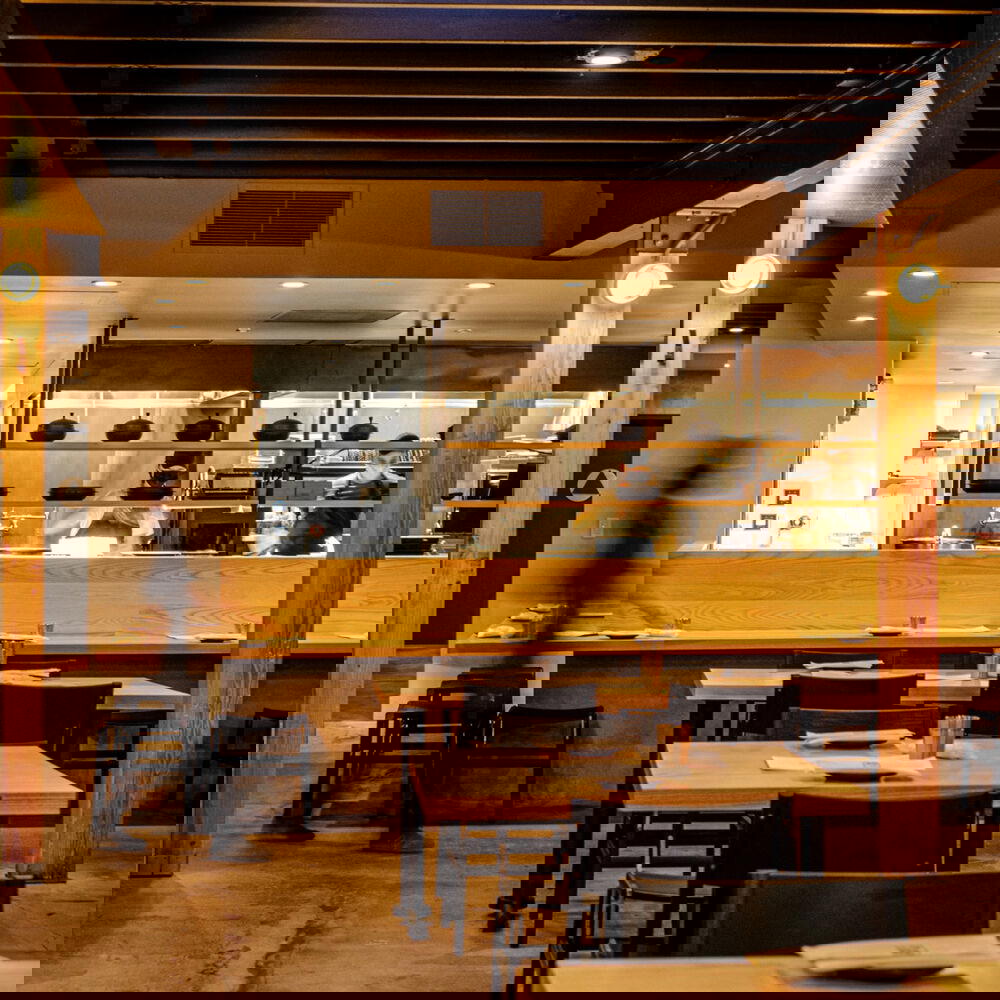
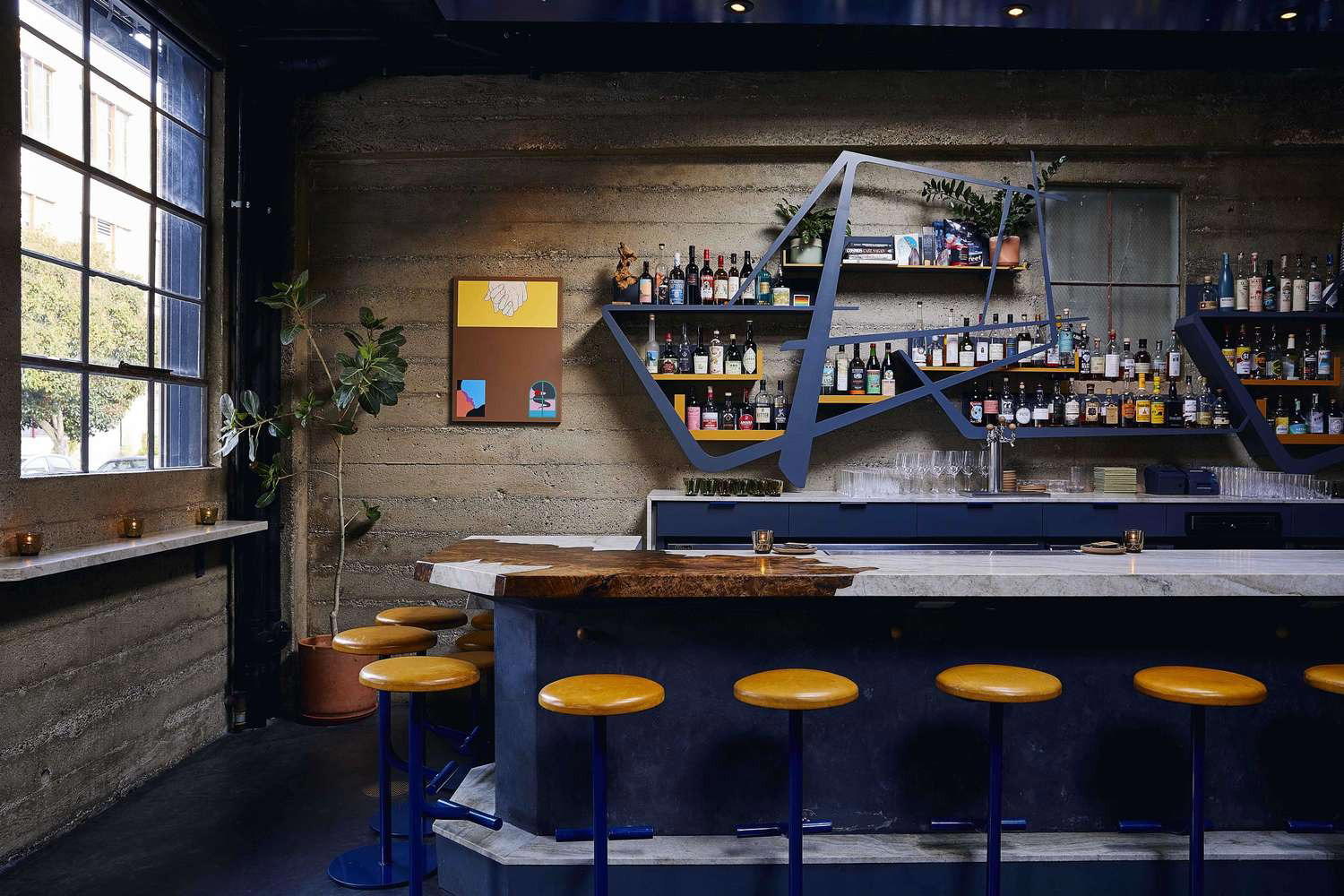
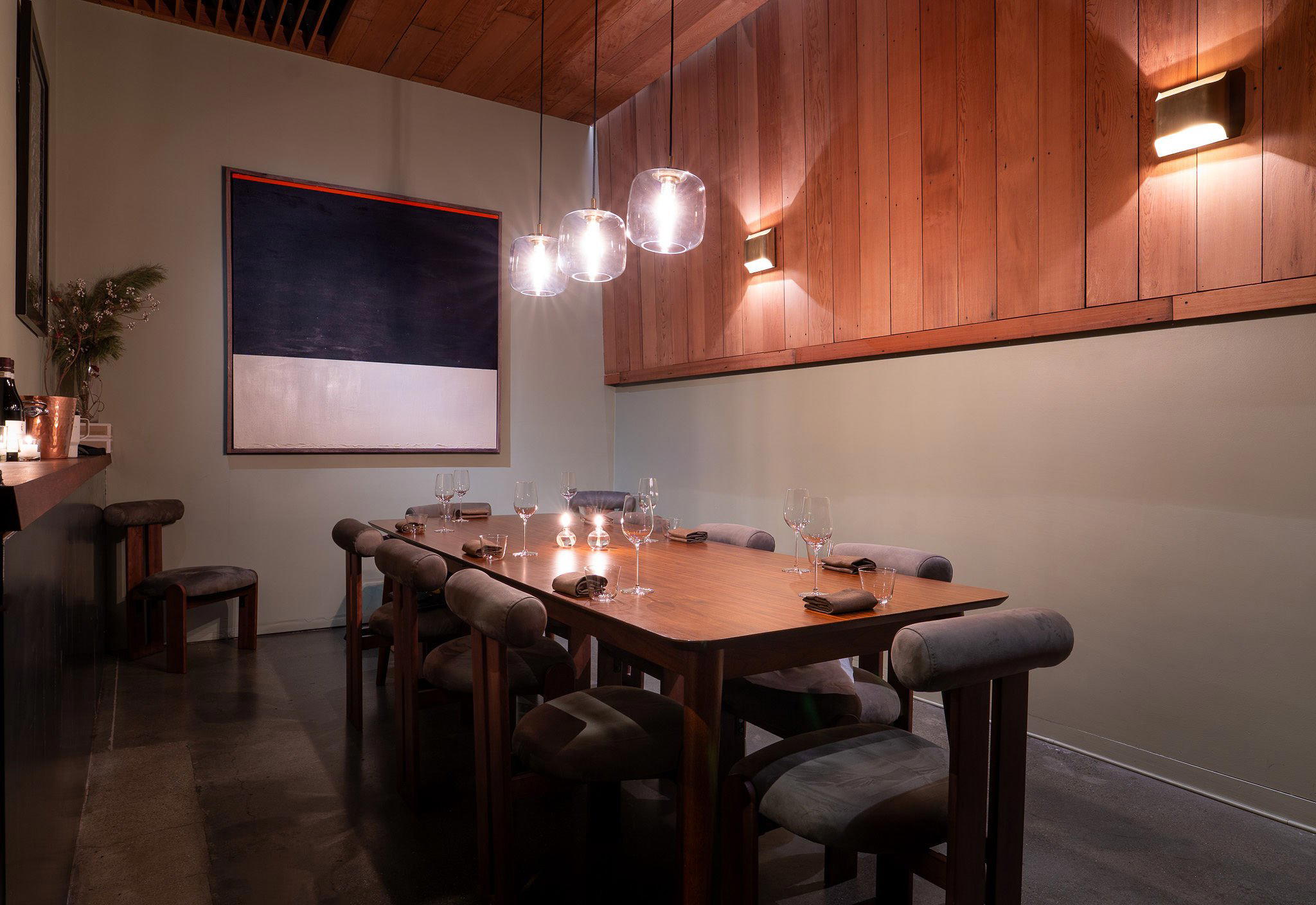
Bars in San Francisco
Browse all →
Hotels in San Francisco
Browse all →
At a Glance
- Cozy
- Intimate
- Casual Hangout
Clean wood-paneled walls with carvings and gilded iconography create a homey, quirky atmosphere belying the drab exterior.