Khao Tiew
Khao Tiew occupies a residential stretch of Claremont Boulevard in San Francisco's Glen Park-adjacent edge, placing it outside the city's downtown dining circuit.
Pearl is the En Primeur Club membership app — saves, bookings, and concierge access live there. Same editors, same standards.
- Address
- 272 Claremont Blvd, San Francisco, CA 94127
- Phone
- (415) 996-1919
- Website
- order.toasttab.com
- Directions
- Get directions
 Saves & bookings on Pearl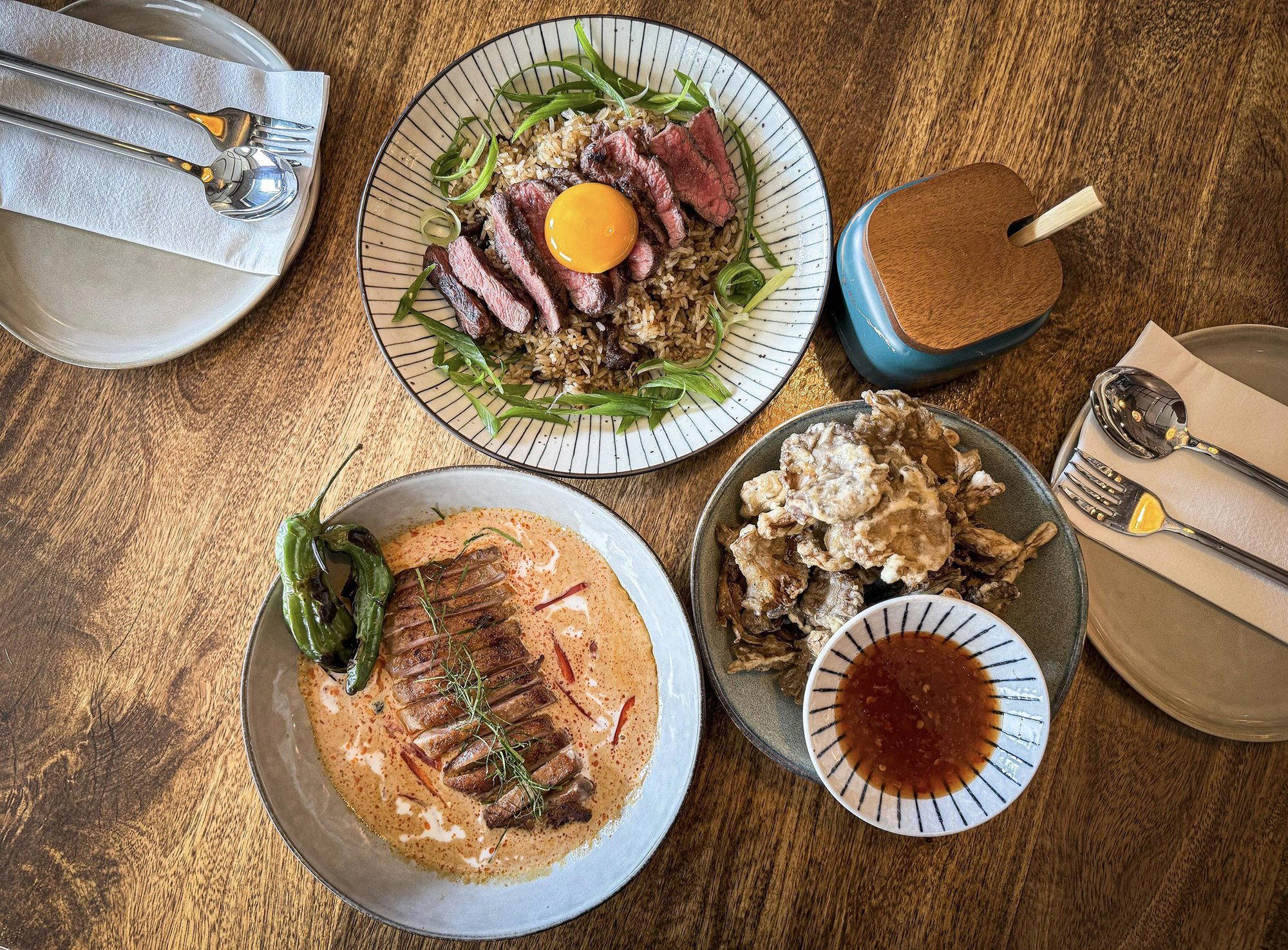
A Different Kind of San Francisco Address
San Francisco's premium dining conversation tends to collapse into a familiar set of coordinates: the Financial District omakase counters, the Mission's chef-driven small plates, the SoMa tasting-menu corridor. The 94127 zip code, where Claremont Boulevard runs through a quiet, residential pocket near Glen Park, sits at a deliberate remove from all of that. Restaurants that operate here are not competing for the same walk-in traffic or the same review cycle that drives covers in denser neighborhoods. They exist because a specific community gravitates toward them, which typically tells you something about the food before you read a single review.
Khao Tiew sits at 272 Claremont Blvd within that context. The name itself, khao tiew refers to a style of rice noodle preparation common across mainland Southeast Asian cuisines, signals an orientation toward the everyday working vocabulary of Thai and regional Asian cooking rather than the fusion-inflected, presentation-forward approach that tends to dominate when Southeast Asian cuisine crosses into higher price brackets in American cities.
Menu Architecture and What It Signals
In Thai restaurant culture operating outside major Thai immigrant enclaves, menus tend to follow one of two structures. The first is the condensed greatest-hits format: pad thai, green curry, massaman, a few larb variations, mango sticky rice. The second, more ambitious structure organizes dishes by region or preparation logic, using the menu itself as an argument for the cuisine's breadth. The difference between those two approaches tells you whether a kitchen is trying to maximize familiarity or to teach something about the food.
A name like Khao Tiew suggests the second orientation. Noodle-forward menus in this tradition require the kitchen to make consistent decisions about broth depth, noodle texture, and topping balance, the kind of choices that reveal technique more readily than a curry paste cooked from a jar. Northern Thai noodle preparations, for instance, including the coconut-milk khao soi that has become especially recognized ambassador of that regional tradition in the United States, differ structurally from central Thai rice noodle soups in ways that are immediately legible to anyone eating attentively. If the restaurant's menu architecture follows the logic of its name, the emphasis is likely on that kind of specificity.
San Francisco's Thai restaurant spectrum runs from the inexpensive neighborhood stalwarts in the Richmond and Sunset districts to a small cohort of more ambitious operations that have tried to position Thai cooking closer to the price and format conventions of the city's better-known Japanese, Italian, and contemporary American restaurants. The gap between those tiers is wider in San Francisco than in cities like Los Angeles, where Thai Town has historically anchored a broader, more diverse restaurant culture. In that context, a focused noodle-centric format in a residential neighborhood occupies a distinct position, less about price signaling, more about cooking conviction.
Where Khao Tiew Sits in San Francisco's Dining Structure
To understand the restaurant, it helps to place it within the city's dining hierarchy. The city's most-discussed restaurants at the moment include Lazy Bear and Saison at the Progressive American end, Atelier Crenn and Quince representing the French-Italian fine dining tier, and Benu at the intersection of French and Asian technique. All of them operate at the $$$$ price point, all carry Michelin recognition, and all require advance booking in the multi-week-to-multi-month range.
A neighborhood Thai restaurant on Claremont Boulevard competes in a different register entirely, and that is not a limitation. Particularly meaningful cooking happening in American cities right now is taking place in exactly this category: specialists working in specific regional traditions, in accessible formats, for communities rather than for critics. The dining intelligence required to find and assess those places is different from the intelligence required to book a tasting menu, and more useful for most eating situations.
Planning Your Visit
Claremont Boulevard is not on most tourist itineraries, which means reaching the restaurant requires intent. The 94127 area is accessible by MUNI but the walk from the nearest stops adds a few minutes. Street parking in the residential blocks around Claremont is generally easier than in SoMa or the Mission. The neighborhood's low foot-traffic character means the restaurant likely draws from a committed local base rather than from passing discovery, a pattern that tends to produce more consistent cooking and more confident regulars.
Hours and booking are best confirmed directly before visiting.
Logistics at a Glance: Khao Tiew vs. Comparable San Francisco Neighborhood Restaurants
A Tight Comparison
Comparable venues nearby, for context on price, style, and recognition.
| Venue | Cuisine | Price | Notes |
|---|---|---|---|
| Khao TiewThis venue — the venue you are viewing | West of Twin Peaks, Modern Thai | $$ | Not listed |
| Banana House Thai | Financial District, Authentic Thai | $$ | Not listed |
| Lers Ros Thai | Tenderloin, Authentic Home-Style Thai | $$ | Not listed |
| KRUA Thai | Mission, Authentic Thai | $$ | Not listed |
| Basil Canteen | South of Market, Thai Street Food | $$ | Not listed |
| Osha Thai Embarcadero | Not listed | $$ | Financial District/South Beach, Modern Thai |
Continue exploring
More in San Francisco
Restaurants in San Francisco
Browse all →
Bars in San Francisco
Browse all →
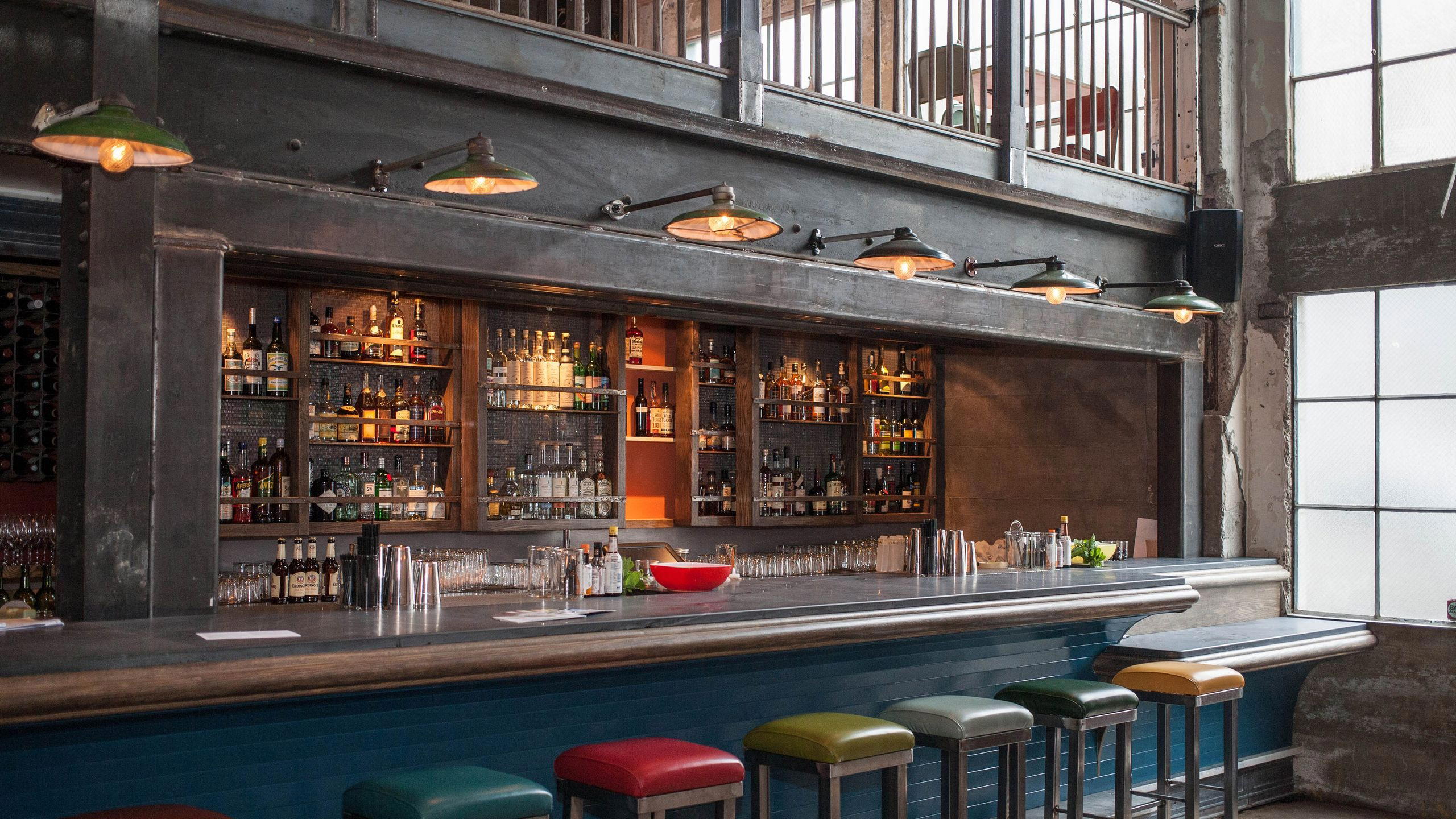
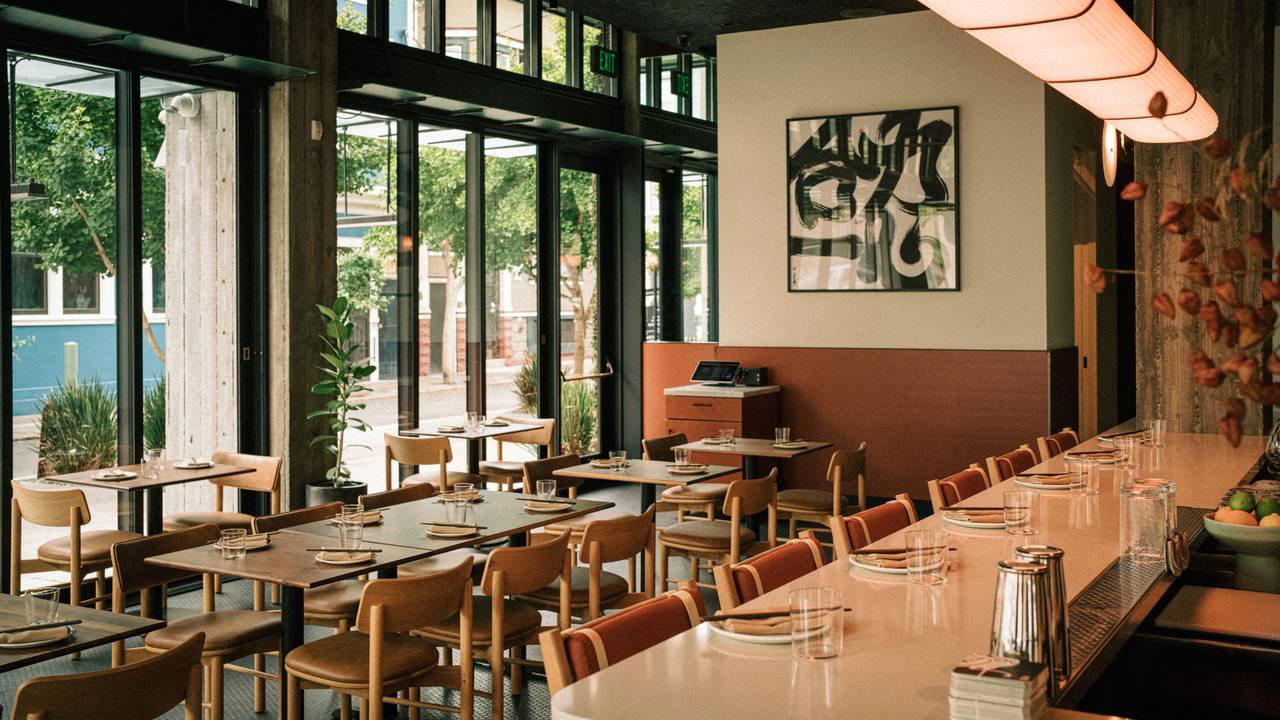
Hotels in San Francisco
Browse all →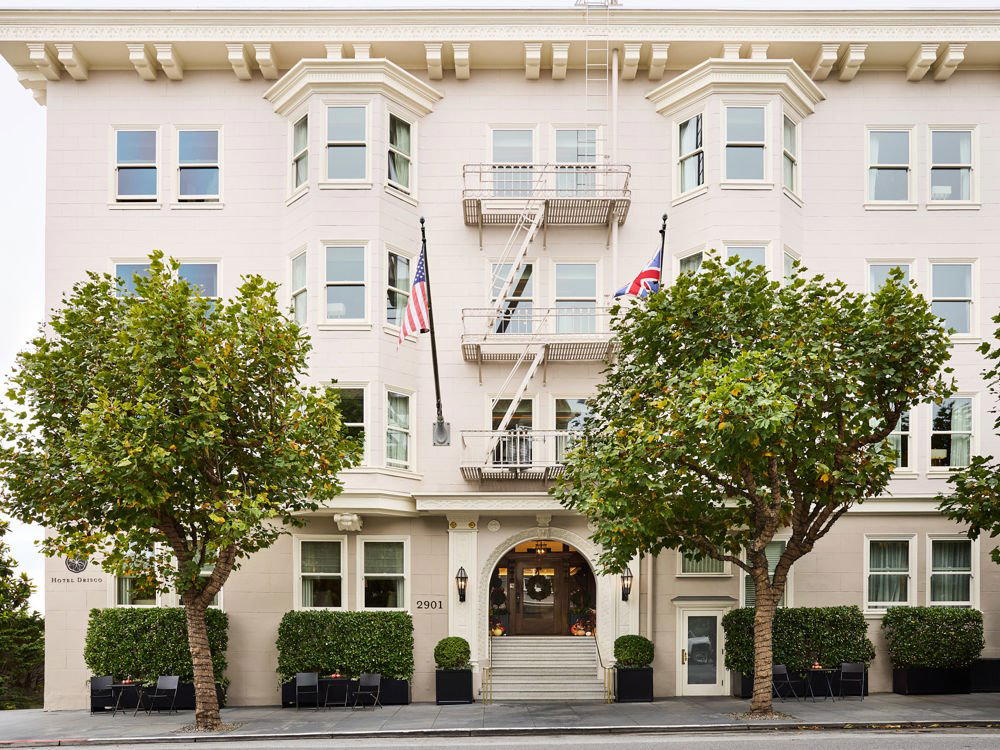
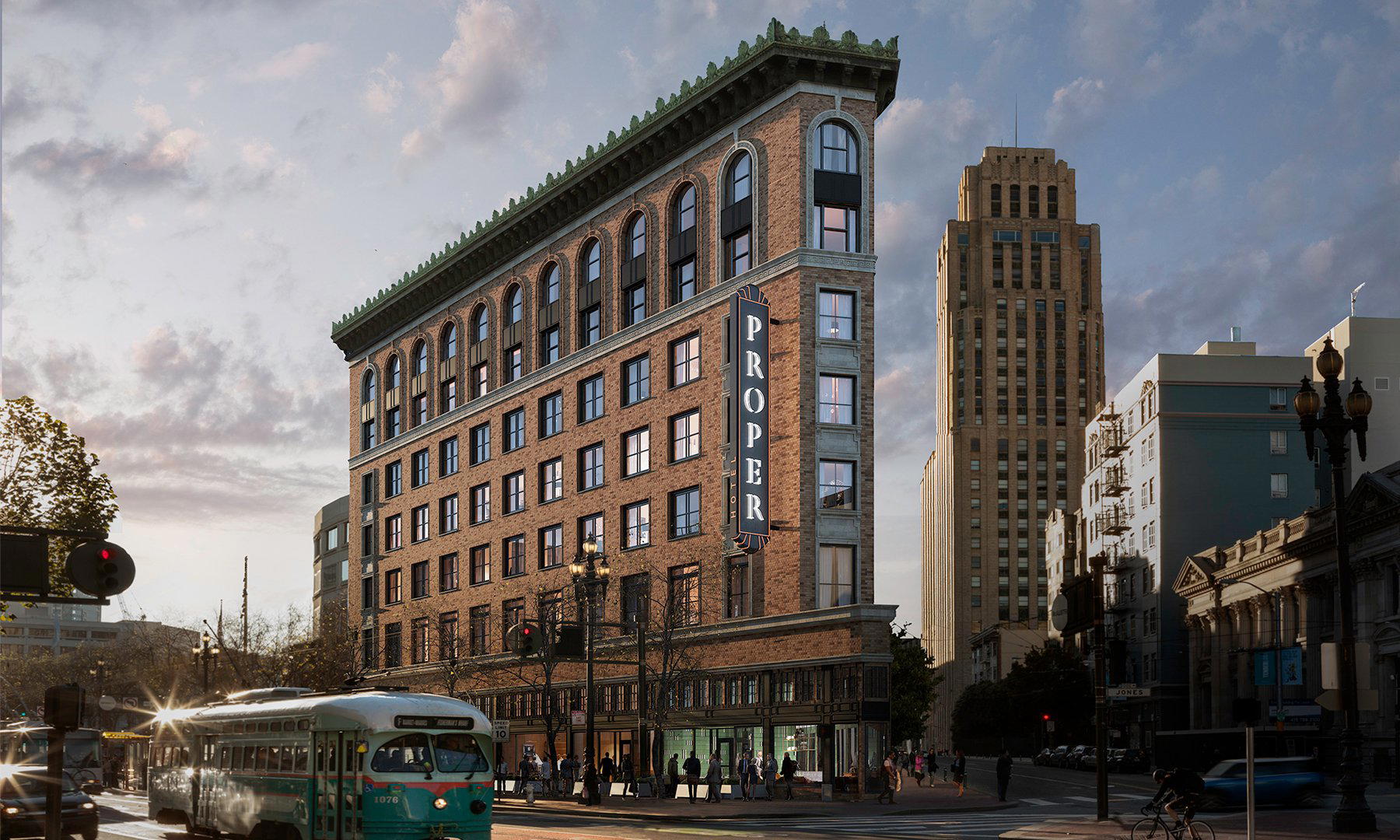


At a Glance
- Lively
- Modern
- Trendy
- Group Dining
- Casual Hangout
- Standalone
Current opening hours
- Monday
- 4–8:30 PM
- Tuesday
- Closed
- Wednesday
- 4–8:30 PM
- Thursday
- 4–8:30 PM
- Friday
- 4–8:30 PM
- Saturday
- 4–8:30 PM
- Sunday
- 4–8:30 PM
Hours can change for holidays and private events. Last verified .
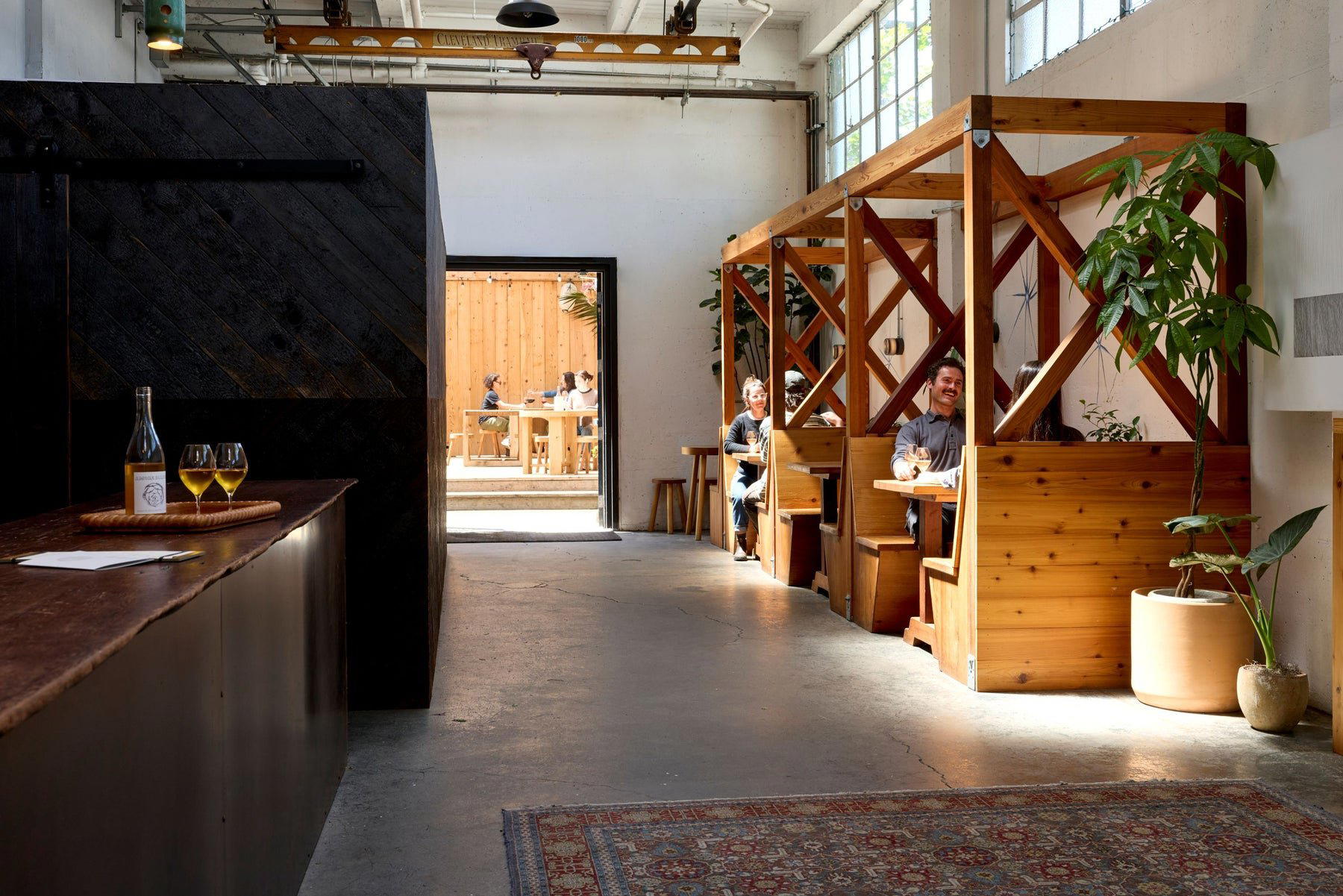
Warm and inviting with 70s Thai ads and movie posters adorning the walls; bustling atmosphere filled with laughter and clinking dishes creating a lively, energetic backdrop.