Google: 4.2 · 662 reviews
Mandu
.png)

At 453 K Street NW in Mount Vernon Triangle, Mandu makes the case that Korean cuisine in Washington extends well beyond its most familiar dishes. Yesoon Lee and Danny Lee, who launched the original Dupont Circle location in 2006, cook fiery broths, plump dumplings, and layered banchan in a spacious room with soaring ceilings and a long bar. A Pearl Recommended Restaurant for 2025, it earns its place at the mid-range $$ tier with consistent, authoritative cooking.
 Discover on Pearl
Pearl is the En Primeur Club membership app — saves, bookings, and concierge access live there. Same editors, same standards.
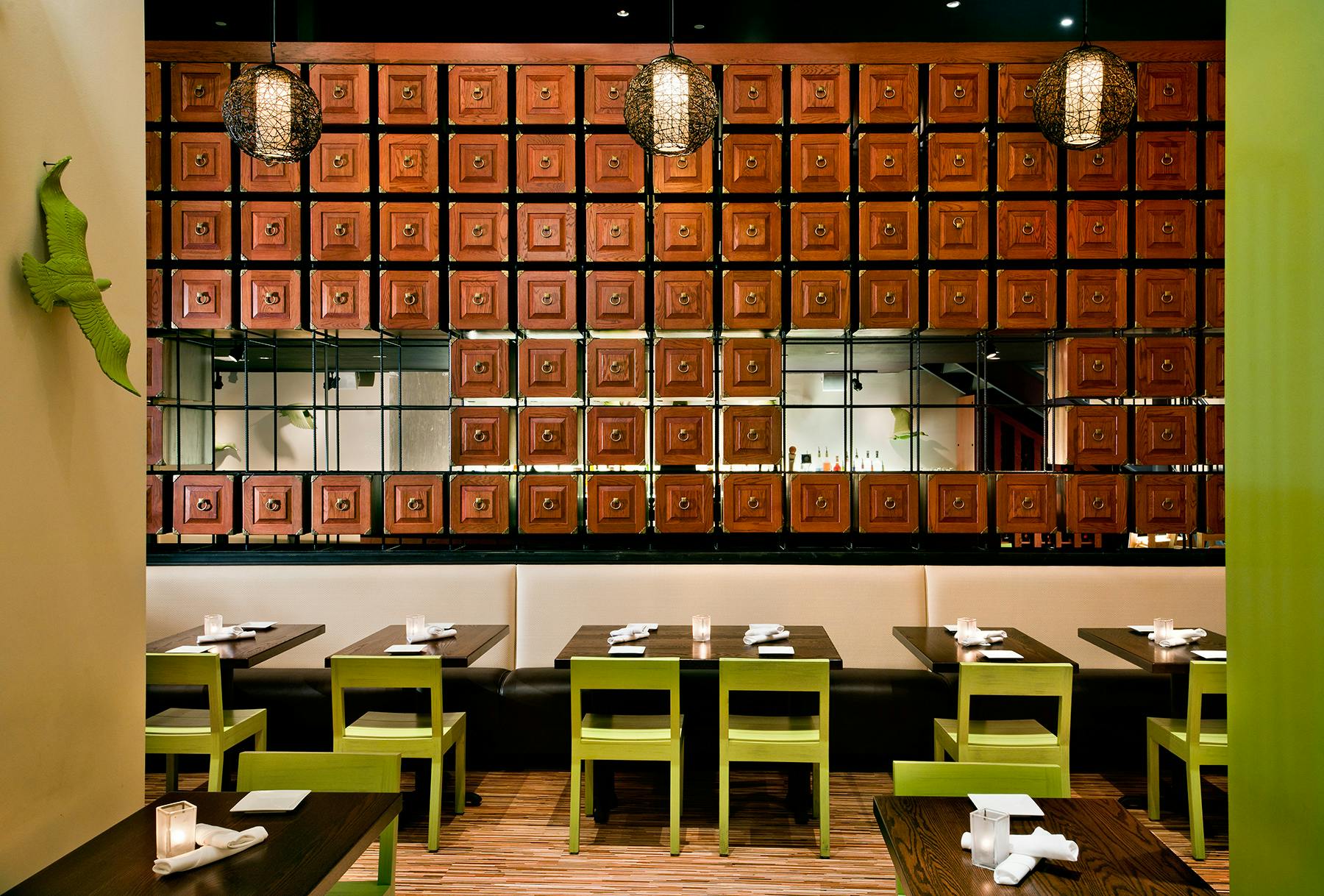
A Long Bar, Soaring Ceilings, and the Kind of Korean Food Washington Needed
Walk into Mandu on K Street in Mount Vernon Triangle and the room announces itself before the food does. Soaring ceilings open the space in a way that most mid-price D.C. restaurants do not attempt, and a long bar runs the length of one wall, making it as practical for a solo diner settling in with a bowl of gamjatang as it is for a group staking out a table for a proper occasion meal. The physical generosity of the room — volume, light, a sense that this is a place that takes the meal seriously without demanding formality — is part of why Mandu works as a destination for milestone dinners rather than just a neighborhood stop.
Mount Vernon Triangle sits at a crossroads between Penn Quarter's more polished dining corridor and the residential sprawl north of Massachusetts Avenue. Mandu occupies a specific niche in that stretch: accessible in price (a mid-range $$ bracket in a city where the celebrated Korean tables elsewhere can run considerably higher), but cooking at a level that earns its Pearl Recommended Restaurant recognition for 2025.
Why This Restaurant Matters in D.C.'s Korean Dining Story
Washington's Korean dining scene has historically concentrated around Annandale in Northern Virginia, where a dense cluster of family-run restaurants built a reputation across decades. The move to bring Korean cooking into the city proper , with the full ambition and staying power that implies , is a more recent story, and Mandu is one of its clearest chapters. The original location opened in Dupont Circle in 2006, positioning Korean cuisine alongside the embassies and the dinner-party crowd of one of D.C.'s most established neighborhoods. That original Dupont Circle Mandu has since been reborn as Anju following a fire in 2017 , a separate operation that has developed its own identity , but the cooking traditions that defined the original continue at this Mount Vernon location.
What Yesoon Lee and her son Danny Lee built over nearly two decades is an argument, made quietly through the menu, that Korean cuisine is a broad and serious tradition rather than a two-dish category. The stews and broths here carry the evidence. This is not the simplified version of Korean food that many American restaurants defaulted to in the years when the cuisine was still fighting for mainstream attention. The cooking addresses a wider register: fermented, spiced, slow-cooked, and deeply savory in ways that reward diners willing to order beyond their comfort zone.
The Menu as Occasion
Banchan arrives as it should: numerous small dishes that reframe the table before the main event. For anyone staging a celebration dinner here, those small plates set a tone of abundance and attention without the performative ceremony of a tasting menu format. This is homey cooking that functions at a celebratory register precisely because it does not try to mimic fine-dining choreography.
The dumplings that give the restaurant its name , steamed beef and pork mandu, plump and well-sealed , are a natural first point of orientation for the table. Korean dumpling traditions vary by region and household, and the version here reads as comfort food with calibration behind it. The skin holds, the filling is seasoned without overpowering, and they disappear quickly.
The dish around which the rest of the menu orbits, however, is the gamjatang: a bubbling-hot soup built on bone-in pork ribs and potatoes in a broth driven red by gochugaru and deepened with perilla seeds. It is the kind of dish that requires the right table context , a cold night, a group willing to share, or a diner who came specifically for it , and it rewards that planning. The heat builds rather than shocks, the ribs pull from the bone without effort, and the broth achieves the kind of layered depth that only long cooking produces. Ordering it at a birthday dinner or a group gathering gives it its fullest setting.
Placing Mandu in D.C.'s Broader Dining Scene
D.C. has developed an increasingly confident dining culture in recent years, with restaurants like Albi, Causa, and Oyster Oyster building international reputations in their respective categories. At the fine-dining ceiling, Jônt operates in the same rarified conversation as Le Bernardin in New York City, Alinea in Chicago, or The French Laundry in Napa. Mandu does not position itself in that stratosphere, and it does not need to. Its peer set is different: restaurants that cook with authority from a specific culinary tradition, at a price that allows regular return visits, in rooms that make the meal feel considered without requiring occasion-level spending.
That pricing position is also what makes Mandu a smart call for larger group celebrations where the per-head cost at a place like Lazy Bear in San Francisco or Single Thread Farm in Healdsburg would stretch a table of eight beyond comfort. The communal format of Korean dining , shared dishes, staggered banchan, a central hot bowl , suits the celebratory table naturally, without requiring the restaurant to design a special event menu around it.
For a wider sense of what Seoul-based Korean cuisine at the highest register looks like, Mingles and Kwonsooksoo in Seoul offer a useful reference point , both operate at a tasting-menu level that shows how far the tradition extends when pushed toward its most refined expression. Mandu is not in that conversation, but it is in the conversation that matters for D.C. dining: how to cook a cuisine honestly, in a city room, at a price that the city can use.
Planning Your Visit
Mandu sits at 453 K Street NW, Washington, DC 20001, in the Mount Vernon Triangle neighborhood, a short walk from several Metro lines and within easy reach of Penn Quarter and the Convention Center area. The $$ price point makes it accessible for the kind of spontaneous group dinner that other celebrated D.C. spots require advance planning to execute. A 4.2 Google rating across more than 630 reviews points to consistent execution rather than occasional brilliance, which is the more reliable quality signal for a restaurant in regular use. For broader planning across the city, see our full Washington, D.C. restaurants guide, along with guides to hotels, bars, wineries, and experiences across the capital.
Where It Fits
A quick comparison pulled from similar venues we track in the same category.
| Venue | Cuisine | Awards | Notes |
|---|---|---|---|
| Mandu | Korean | Credit to Chef Yesoon Lee and her son Danny for showing this city that Korean cu… | This venue |
| Albi | United States, Middle Eastern | Michelin 1 Star | United States, Middle Eastern, $$$$ |
| Causa | Peruvian | Michelin 1 Star | Peruvian, $$$$ |
| Oyster Oyster | New American, Vegetarian, Vegetarian (Sustainable) | Michelin 1 Star | New American, Vegetarian, Vegetarian (Sustainable), $$$ |
| Bresca | Modern French, Contemporary | Michelin 1 Star | Modern French, Contemporary, $$$$ |
| Gravitas | New American, Contemporary | Michelin 1 Star | New American, Contemporary, $$$$ |
Continue exploring
More in Washington DC
Restaurants in Washington DC
Browse all →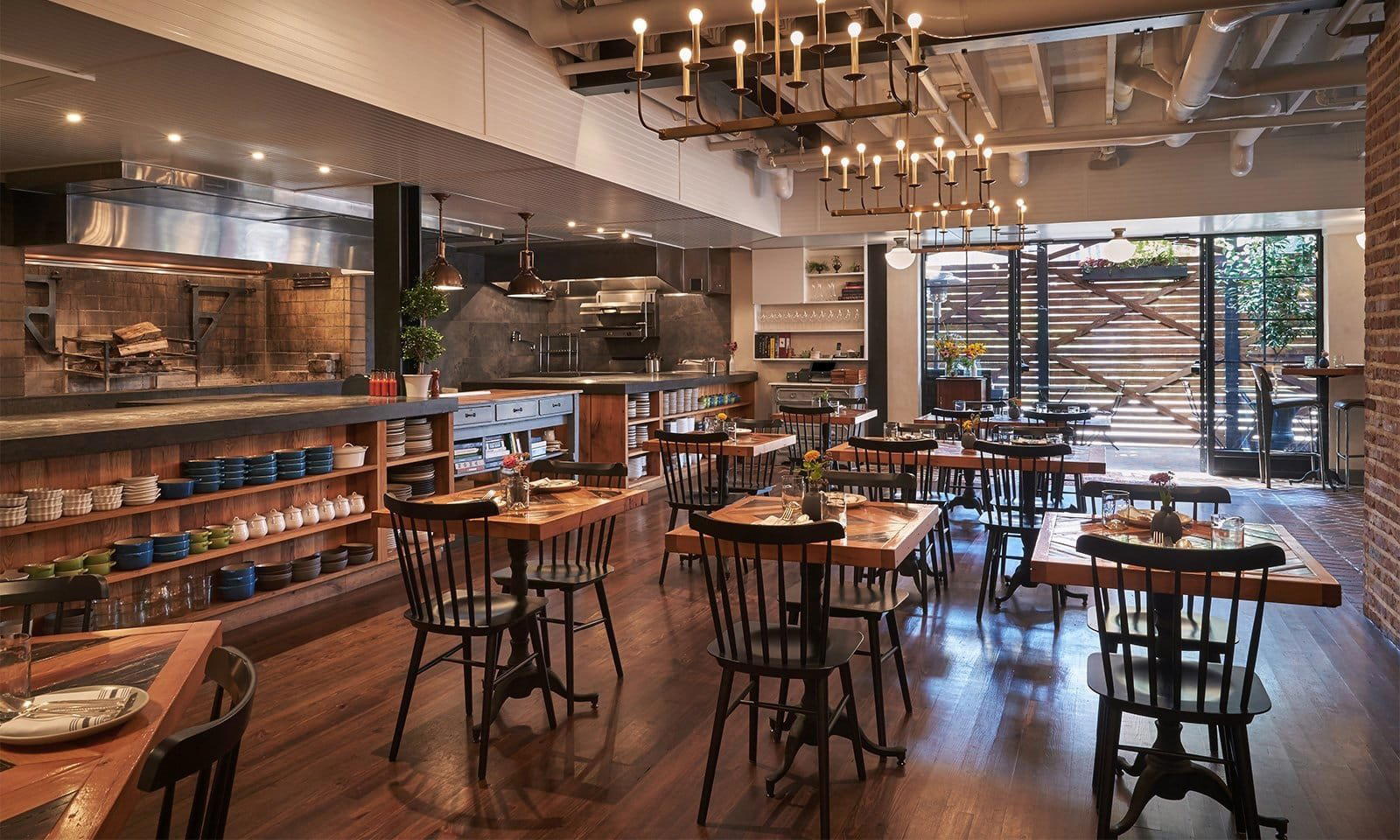
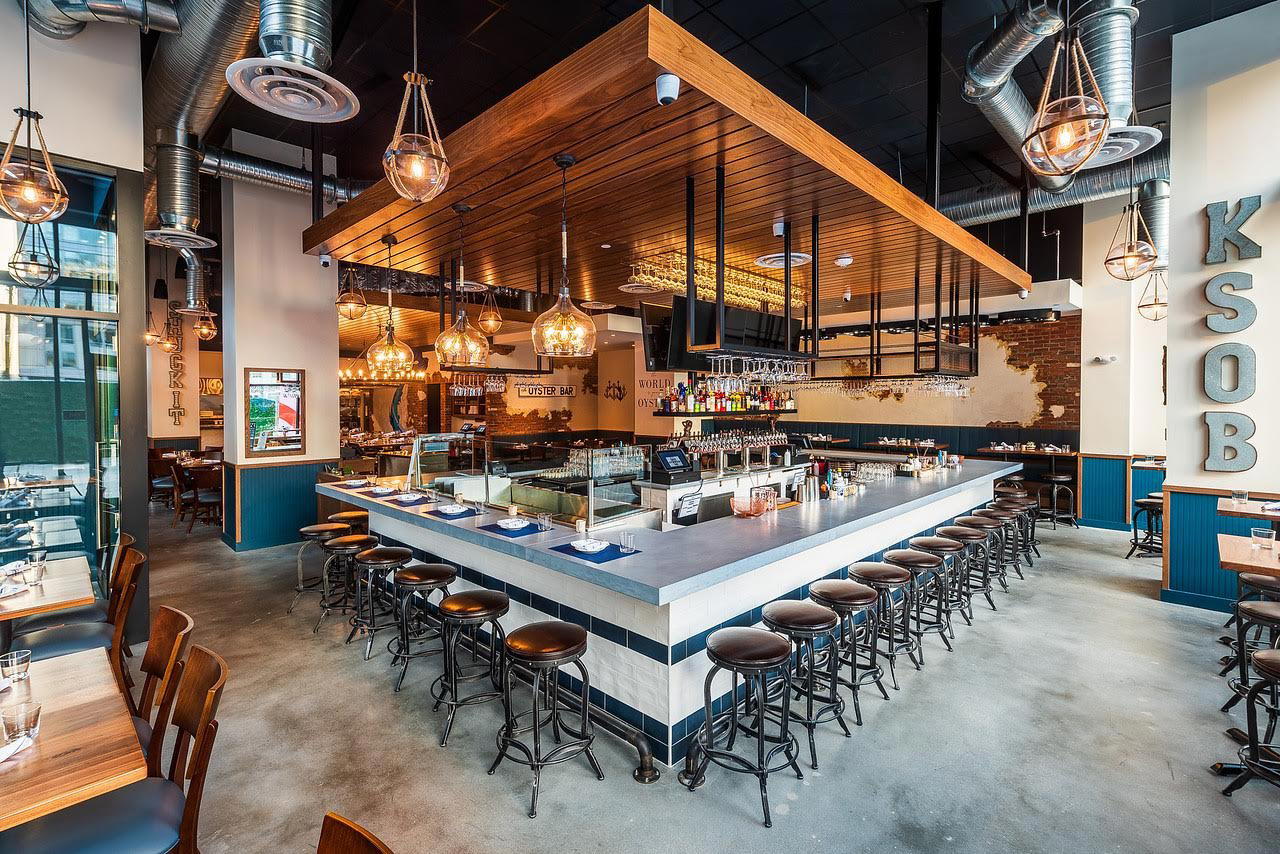
Bars in Washington DC
Browse all →
Hotels in Washington DC
Browse all →
At a Glance
- Modern
- Cozy
- Date Night
- Family
- Business Dinner
- Open Kitchen
- Craft Cocktails
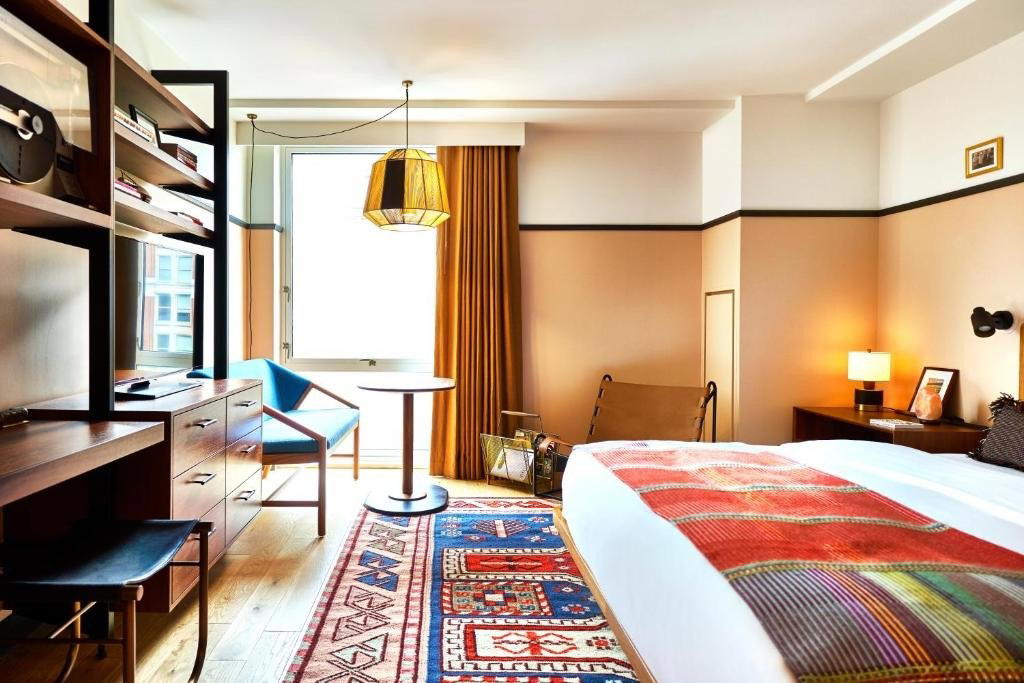
Modern space with soaring ceilings, long bar, and nicely designed environment providing a casual yet warm atmosphere.