Mandalay Restaurant & Cafe
Our verdict
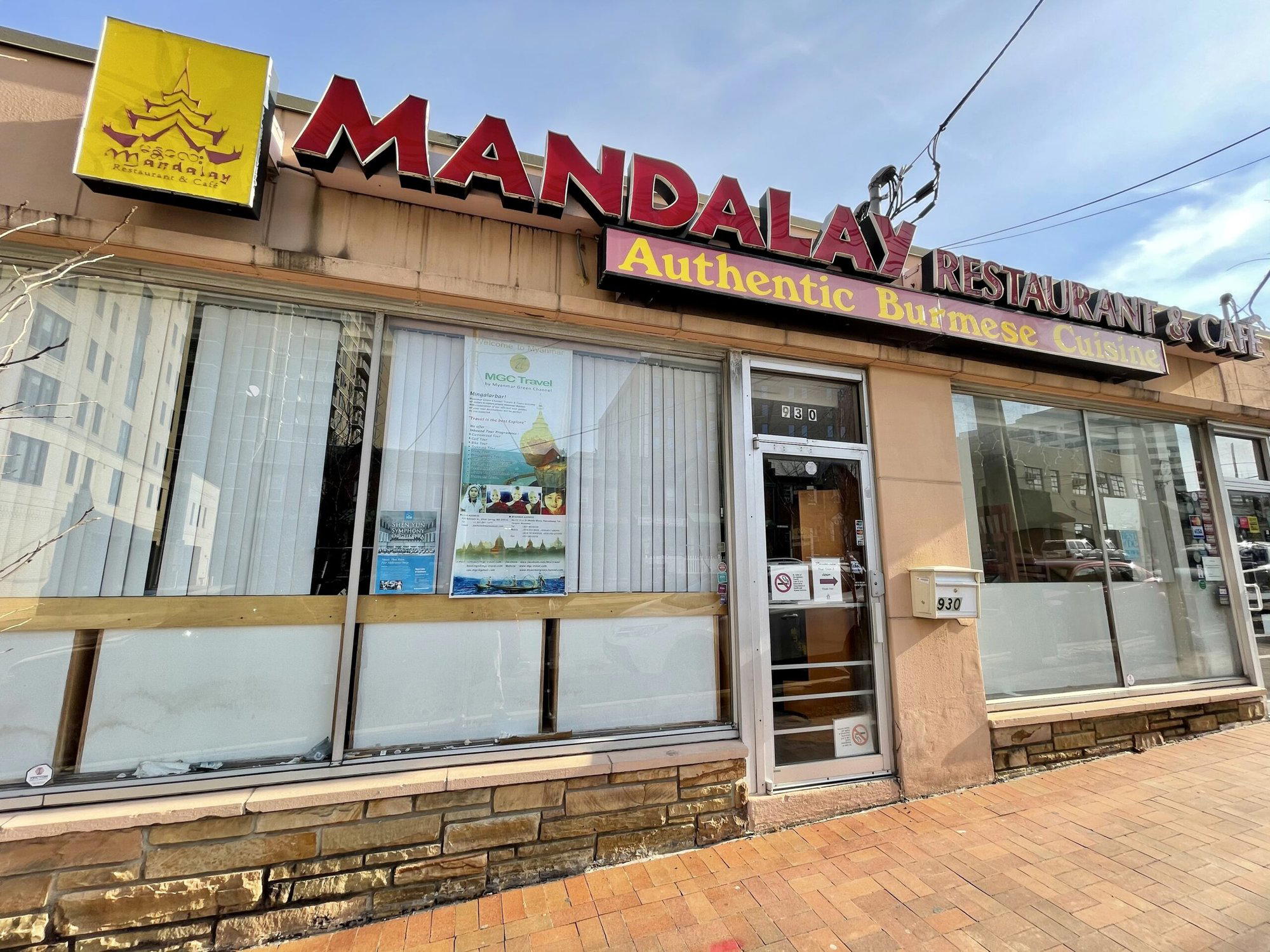
Mandalay Restaurant & Cafe brings Burmese cooking to Silver Spring's increasingly diverse dining corridor on Bonifant Street. In a suburban Maryland scene where Southeast Asian cuisines are underrepresented at the table-service level, Mandalay occupies a specific and useful position: a sit-down address for a cuisine that rarely gets that treatment outside major urban centers. The menu's architecture rewards those willing to move past the familiar and order broadly.

Pearl is the En Primeur Club membership app — saves, bookings, and concierge access live there. Same editors, same standards.
The menu
What to order
- Green Tealeaf Salad
- DanPauk
- Pork and Pickled Mango Hin
Burmese at the Table: What Silver Spring's Dining Scene Gains from Mandalay
Silver Spring's restaurant corridor has spent the last decade pulling in cuisines that the broader Washington, D.C. metro market tends to flatten or ignore. Ethiopian, Caribbean, Central American — the stretch around Bonifant Street and Ellsworth Drive rewards the kind of eater who reads a menu rather than recognizes one. Mandalay Restaurant & Cafe, at 930 Bonifant St, sits inside that pattern. Burmese cuisine at table-service level is scarce in suburban Maryland; Mandalay holds a position that has no obvious local rival for what it puts on the plate.
That scarcity matters editorially. Burmese cooking occupies a genuinely complex position in Southeast Asian food history — drawing simultaneously from Indian, Chinese, and Thai culinary traditions while maintaining techniques and flavor profiles that belong to none of those alone. Fermented tea leaf (lahpet), mohinga fish noodle soup, and coconut-inflected curries represent a culinary lineage that runs through Yangon and Mandalay with a logic entirely its own. A restaurant that takes that cuisine seriously, in a mid-sized American suburb, is worth understanding on its own terms rather than as a novelty.
Reading the Menu as Architecture
The most useful lens for understanding what Mandalay offers is to treat the menu as a structural document rather than a list of options. Burmese menus, at their most coherent, organize around a logic of balance: salads that function as acid-and-crunch counterpoints to heavier curries, noodle soups that anchor a meal's center, and rice dishes that operate as neutral ground between bolder preparations. When a kitchen understands that architecture, the menu guides you rather than overwhelms you.
Lahpet thoke, the fermented tea leaf salad that functions as Burma's most distinctive dish, is the clearest diagnostic of any Burmese kitchen's seriousness. The salad requires fermented tea leaves that carry a controlled bitterness, balanced against fried garlic, sesame seeds, dried shrimp, and tomato. The texture contrast and the interplay between the fermented depth and bright acid is specific enough that there is no approximating it with substitutions. On a menu that includes this dish, it tells you the kitchen is sourcing with intention rather than working around ingredients.
Beyond that anchor, the structural range of a well-constructed Burmese menu moves from light (salads, fritters) through substantial (mohinga, ohn no khao swè coconut noodle soup) to richly braised (pork belly preparations, lamb curries). That progression, when present, is a signal that the kitchen understands Burmese food as a complete cuisine rather than a handful of signature exports. It is the same principle that distinguishes the tasting menu logic at places like Alinea in Chicago or the course architecture at Atomix in New York City, the menu's shape communicates the kitchen's priorities before a single plate arrives.
Where Mandalay Fits in Silver Spring's Dining Tier
Silver Spring's restaurant offerings cover a wider range than the suburb's profile might suggest. The corridor includes everything from fast-casual Ethiopian at Kefa Cafe to the more polished European-influenced room at Elysium, with Caribbean-leaning options like Cubano's and Chinese-American staples at Full Key filling out a genuinely pluralistic middle tier. District Bistro represents the neighborhood's more contemporary bistro direction. Mandalay holds a different position from all of them: it is the area's primary address for a Southeast Asian cuisine that has no category competitors locally.
That absence of local competition can be read two ways. The diners who seek out a Burmese restaurant in suburban Maryland are typically doing so with prior knowledge of the cuisine, which creates a different service and menu dynamic than a restaurant that depends on first-timers drawn by proximity or atmosphere alone.
For a fuller picture of what Silver Spring's dining corridor looks like at any given moment, our full Silver Spring restaurants guide maps the neighborhood's options across cuisine types and price tiers. For readers tracking how regional American restaurant scenes handle cuisines from Southeast and South Asia, the contrast with higher-investment urban formats, Le Bernardin in New York City, The French Laundry in Napa, or Blue Hill at Stone Barns in Tarrytown, clarifies what makes neighborhood-tier cooking in a diverse suburban market valuable on its own terms rather than as a lesser approximation of something else.
Planning a Visit: What to Know Before You Go
Mandalay Restaurant & Cafe is located at 930 Bonifant St, Silver Spring, MD 20910, in the core of the Bonifant Street dining stretch that is walkable from the Silver Spring Metro station on the Red Line. For visitors coming from Washington, D.C. that transit connection makes the trip a direct twenty-minute ride without the parking friction of driving into the suburb's busier blocks. The restaurant operates as a cafe format as well as a full-service dining room, which suggests some flexibility in how visitors choose to engage, a shorter visit for a bowl of mohinga is structurally different from a full multi-course Burmese meal, and the menu appears to support both approaches.
Frequently asked questions
How do I find Mandalay Restaurant & Cafe?
Mandalay Restaurant & Cafe is located at 930 Bonifant St, Silver Spring, MD 20910, Silver Spring.
Is Mandalay Restaurant & Cafe one of the only Burmese restaurants in the Silver Spring area?
Full-menu Burmese restaurants are uncommon across the entire Washington, D.C. metro region, and suburban Maryland has particularly limited representation of the cuisine at the table-service level. Mandalay's location at 930 Bonifant St in Silver Spring places it within a walkable dining corridor, but its cuisine type sets it apart from the corridor's broader mix of East Asian and Latin American formats. Diners coming specifically for Burmese food in the area have few comparable alternatives at the sit-down format.
What dish is Mandalay Restaurant & Cafe famous for?
Lahpet thoke, the fermented tea leaf salad, is Burmese cuisine's most recognizable preparation and functions as the clearest indicator of a kitchen's commitment to the tradition. At a full-menu Burmese restaurant like Mandalay in Silver Spring, it anchors the menu alongside dishes that draw on Indian, Chinese, and Southeast Asian culinary threads. Ordering it early in a meal gives a reliable read on how the kitchen handles the cuisine's more technically demanding preparations.
Can I walk in to Mandalay Restaurant & Cafe?
Walk-in availability at 930 Bonifant St depends on the day and time — the Bonifant Street corridor in Silver Spring draws consistent foot traffic, and smaller dining rooms in that stretch fill faster on weekend evenings. Calling ahead or arriving during off-peak hours on weekdays gives a better chance of being seated without a wait.
What makes Mandalay Restaurant & Cafe worth seeking out?
Sit-down Burmese restaurants operating at a full-menu format are sparse in suburban Maryland, making Mandalay one of the few places in the Silver Spring area where the cuisine can be explored beyond a single signature dish. Burmese cooking draws on fermentation techniques, legume-based preparations, and layered spicing that place it in a different register from the Thai and Vietnamese options that dominate American Southeast Asian dining. That structural gap in the local market is what makes the address at 930 Bonifant St worth tracking down.
Is Mandalay Restaurant & Cafe good for vegetarians?
Burmese cooking has a stronger vegetarian tradition than many of its Southeast Asian counterparts, with chickpea tofu — a preparation specific to Burma and distinct from soy-based tofu — appearing across multiple dish categories. Vegetable-forward preparations are woven into the cuisine's structure rather than added as substitutions, which means vegetarians at Mandalay are working with a menu that accommodates them by default rather than by exception. Specific current menu items should be confirmed directly with the restaurant.
Is Mandalay Restaurant & Cafe worth it?
For anyone with an existing interest in Southeast Asian food beyond the mainstream options in the D.C. metro area, Mandalay in Silver Spring fills a specific gap that few other suburban Maryland restaurants address. Burmese cuisine's complexity — its fermented condiments, its chickpea-based preparations, its layered salad formats — gives a meal there more structural range than a similarly priced visit to a more familiar regional cuisine. The case rests on scarcity and culinary depth rather than on accolades.
Recognition Snapshot
Comparable venues nearby, for context on price, style, and recognition.
| Venue | Cuisine | Price | Notes |
|---|---|---|---|
| Mandalay Restaurant & CafeThis venue — the venue you are viewing | Authentic Burmese | $20–30 | Not listed |
| The Big Greek Cafe | Traditional Greek | $10–20 | Downtown Silver Spring |
| La Malinche | Spanish and Mexican Tapas | $30–50 | Downtown Silver Spring |
| Ruan Thai | Authentic Thai | $10–20 | Wheaton |
| Full Key | Authentic Hong Kong Cantonese | $20–30 | Wheaton |
| Langano Ethiopian Restaurant | Authentic Ethiopian | $10–20 | Fenton Village |
Continue exploring
More in Silver Spring
Restaurants in Silver Spring
All restaurants in Silver Spring →
Bars in Silver Spring
Browse all →


Details
- Cozy
- Casual
- Casual Hangout
- Group Dining
- A La Carte
- Vegetarian Friendly
- Vegan Options
Current opening hours
- Monday
- Closed
- Tuesday
- 11 AM–3 PM, 5–9 PM
- Wednesday
- 11 AM–3 PM, 5–9 PM
- Thursday
- 11 AM–3 PM, 5–9 PM
- Friday
- 11 AM–3 PM, 5–9:30 PM
- Saturday
- 11 AM–3 PM, 5–9:30 PM
- Sunday
- 11 AM–3 PM, 5–9 PM
Hours can change for holidays and private events. Last verified .
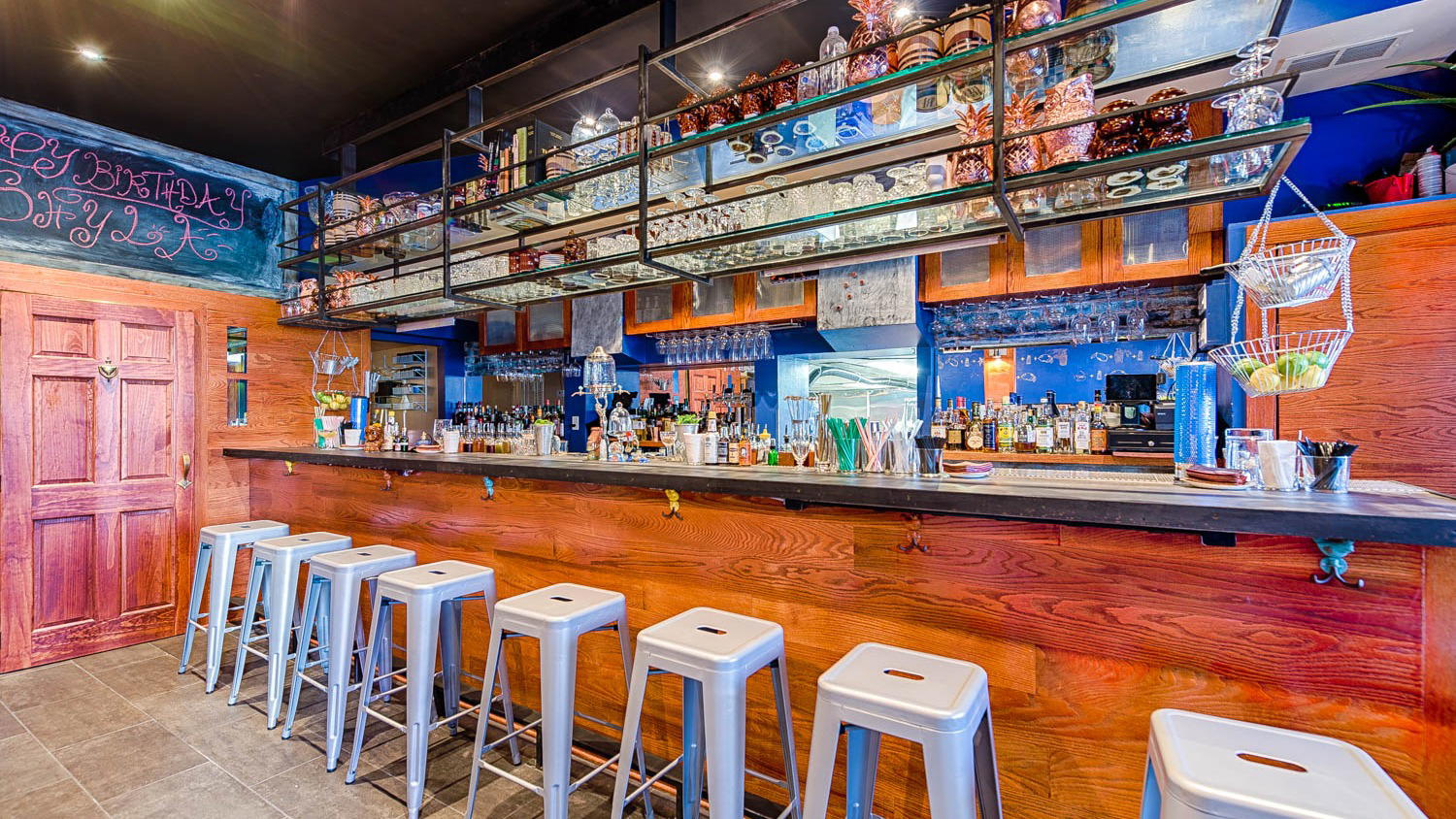
Warm and relaxed atmosphere with simple, welcoming family-run setting.