Cubano's
Our verdict
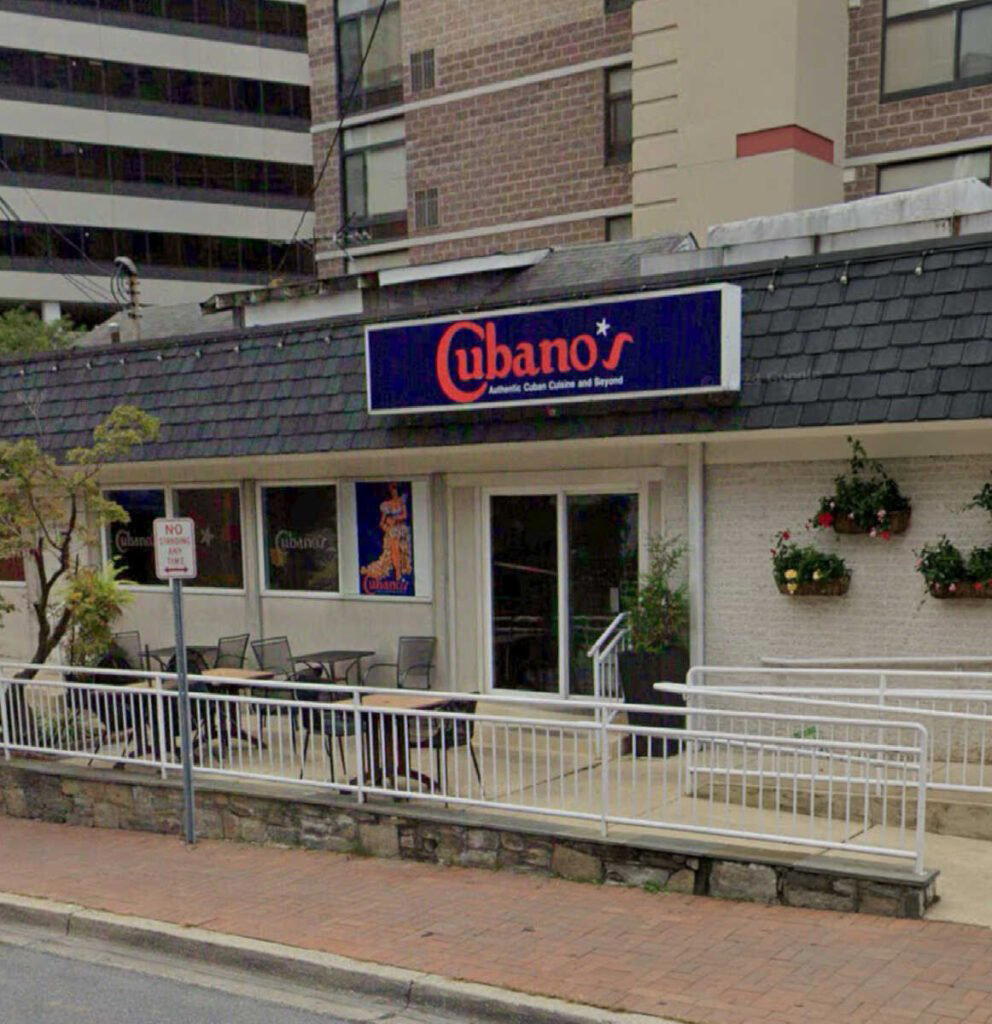
A Cuban-influenced address on Fidler Lane in Silver Spring, Cubano's draws on the ingredient traditions of the Caribbean table, slow-cooked proteins, citrus-forward marinades, and the kind of community-minded cooking that predates any particular chef's signature. It sits within a Montgomery County dining scene that has grown more internationally diverse over the past decade, and earns its place among Silver Spring's more characterful neighborhood options.
The menu
What to order
- Vaca Frita Cubanos
- Yuca con Mojo
- Tostones
Silver Spring's Cuban Kitchen and What It Represents
Montgomery County has spent the better part of two decades absorbing waves of immigration from Central America, the Caribbean, and East Africa, and its dining scene now reflects that demographic reality more honestly than most suburban corridors in the mid-Atlantic. Within that context, Cuban cooking occupies a specific lane: it is not new to the region, but it remains underrepresented relative to its culinary depth. Cubano's, at 1201 Fidler Lane, sits inside that gap. The address is direct Silver Spring, not a destination block, not a redeveloped corridor with valet and a cocktail program, and that ordinariness is precisely the point. The cooking traditions that inform a kitchen like this one were never designed to perform for an audience. They were designed to feed people well.
Cuban cuisine, at its foundational level, is an ingredient-first tradition shaped by scarcity, improvisation, and the agricultural realities of a Caribbean island economy. Pork slow-cooked with sour orange, garlic, and cumin; black beans built over hours from dried legumes; plantains that move between savory and sweet depending on ripeness and preparation, these are not techniques invented for a contemporary menu. They are accumulated practice, passed laterally across households and generations rather than downward from brigade kitchens. That lineage matters when assessing what a Cuban restaurant is doing and whether it is doing it honestly.
The Ingredient Logic Behind the Cuban Table
The sourcing logic embedded in traditional Cuban cooking is worth examining on its own terms, separate from any particular kitchen's execution. Citrus, specifically sour orange (naranja agria), functions as the acid backbone of most mojo-style preparations. It is not a garnish or a finishing note, it is structural, working into proteins during long marinades the way wine works into a French braise. Finding consistent, high-quality sour orange in a suburban Maryland supply chain is not trivial, and how a kitchen handles that sourcing question tells you a great deal about its priorities.
Similarly, the cut and quality of pork used in lechón or pernil preparations determines the result more than any seasoning decision. Cuban cooking is not a cuisine that obscures its proteins under sauce, the meat is central, and its provenance shows. The same applies to plantains: a maduros preparation that uses under-ripe fruit produces a categorically different dish, and not a better one. These are not fine-dining distinctions. They are the baseline requirements of cooking the tradition correctly.
For readers who benchmark ingredient-driven sourcing against higher-tier operations, the standard being applied at places like Blue Hill at Stone Barns in Tarrytown or Single Thread Farm in Healdsburg is obviously different in scale and investment. But the underlying principle, that the quality of an ingredient determines the ceiling of what cooking can achieve, applies equally at a neighborhood Cuban counter. The question is whether the kitchen respects that ceiling.
Where Cubano's Sits in Silver Spring's Dining Pattern
Silver Spring's restaurant geography has a clear structure. The downtown core, particularly around the AFI Silver Theatre and the Georgia Avenue corridor, concentrates the neighborhood's higher-visibility dining. Further out, on streets like Fidler Lane, the character shifts toward the kind of cooking that serves a residential population rather than a transit-adjacent lunch crowd. Cubano's operates in that residential register, which places it in a different competitive set than District Bistro or Elysium, both of which occupy more deliberate dining positions within the Silver Spring scene.
The more useful peer comparisons within the neighborhood are restaurants that draw on non-European culinary traditions and serve communities for whom that cooking is not a novelty. Full Key operates in that register for Chinese-Malaysian cooking; Kefa Cafe does it for Ethiopian; La Malinche for Mexican. Cubano's occupies the equivalent position for Cuban, serving a Montgomery County population that includes a significant Cuban and Caribbean diaspora for whom this food is a reference point, not an exploration.
That dual audience, the diaspora customer who knows the food from the inside, and the non-Cuban diner approaching it as a reference cuisine, is the standard test for any restaurant working in an immigrant culinary tradition. Passing it requires more than recipe accuracy. It requires the kind of operational consistency that builds a regular clientele rather than a first-visit crowd. Whether Cubano's has built that consistency is a question leading answered by the composition of its dining room on a Tuesday evening.
The Broader Cuban Food Moment in the Mid-Atlantic
Cuban cooking has received renewed attention in American dining partly because it maps onto several trends that the food press has been tracking: slow-cooked proteins, citrus-forward acid balancing, rice-and-beans combinations that happen to align with contemporary interest in plant-adjacent eating, and a historical relationship to smoke and char that feels current. None of that is why a Cuban family orders lechón asado. But it does mean that Cuban restaurants in markets like Washington DC and its suburbs are reaching a wider audience than they were a decade ago.
That expansion has produced the predictable split between Cuban-inspired menus built for a broad American palate and kitchens that maintain the original sourcing and technique standards. The former tends to produce a more polished dining experience with a less accurate flavor profile. The latter requires an audience that knows the difference and rewards it with repeat business. Kitchens that have built that reputation over time, from Emeril's in New Orleans to Providence in Los Angeles in their respective culinary traditions, demonstrate what long-term commitment to a food culture's standards actually looks like at scale. The same scrutiny applies, proportionally, to a neighborhood Cuban kitchen in Silver Spring.
Planning Your Visit
Cubano's is located at 1201 Fidler Lane, Silver Spring, MD 20910. The address sits in a residential stretch of Silver Spring accessible by car and reasonably served by the county's bus network, with the Silver Spring Metro station providing the nearest rail access. For a broader orientation to what Silver Spring's dining scene offers across cuisine types and price points, our full Silver Spring restaurants guide maps the neighborhood's options in detail.
Frequently asked questions
What's Cubano's's location?
Cubano's is located at 1201 Fidler Ln, Silver Spring, MD 20910, Silver Spring.
Is Cubano's a good option for Cuban food near downtown Silver Spring?
Cubano's at 1201 Fidler Lane sits in a residential stretch of Silver Spring, distinct from the higher-traffic downtown corridor clustered near the AFI Silver Theatre. That positioning places it closer to the immigrant-community dining pattern that characterizes much of Montgomery County's Cuban and Caribbean food scene, rather than the tourist-facing restaurant strip. For diners specifically seeking Cuban cooking with neighborhood context rather than commercial-district footfall, the Fidler Lane address is consistent with that kind of kitchen.
What's the best thing to order at Cubano's?
Cuban kitchens in this tradition typically anchor their menus around slow-roasted pork, black beans and rice, and pressed sandwiches, dishes that reflect the sourcing and seasoning logic of the Cuban table. Check directly at 1201 Fidler Lane, Silver Spring, MD 20910 for current offerings.
What's the defining dish or idea at Cubano's?
The defining idea behind Cuban cooking, and what Cubano's represents in Silver Spring's dining geography, is the intersection of citrus-forward marinades, legume-based foundations, and slow protein cookery that the Cuban table has carried across diaspora communities. This is food rooted in technique and tradition rather than novelty. Cubano's sits within Montgomery County's broader pattern of immigrant-anchored restaurants that carry genuine culinary lineage.
How does Cubano's handle allergies?
Cuban cooking commonly involves pork, citrus, garlic, and legumes as foundational ingredients, so guests with specific dietary requirements should confirm directly with the restaurant at 1201 Fidler Lane, Silver Spring, MD 20910 before visiting.
Does Cubano's justify its prices?
Price range data for Cubano's has not been recorded in current editorial sources. Cuban kitchens operating in Silver Spring's residential neighborhoods, as opposed to the downtown core around Georgia Avenue, tend to price for the local community they serve, which in Montgomery County skews toward accessibility. On-the-ground pricing is best confirmed at 1201 Fidler Lane.
At-a-Glance Comparison
| Venue | Cuisine | Price |
|---|---|---|
| Cubano'sThis venue (the venue you are viewing) | Authentic Cuban Cuisine | Not listed |
| District Bistro | Classic American Gastropub | $20–30 |
| Elysium | Modern West-African Fusion | $30–50 |
| Full Key | Authentic Hong Kong Cantonese | $20–30 |
| Kefa Cafe | Not listed | $10–20 |
| La Malinche | Spanish and Mexican Tapas | $30–50 |
Continue exploring
More in Silver Spring
Restaurants in Silver Spring
All restaurants in Silver Spring →
Bars in Silver Spring
Browse all →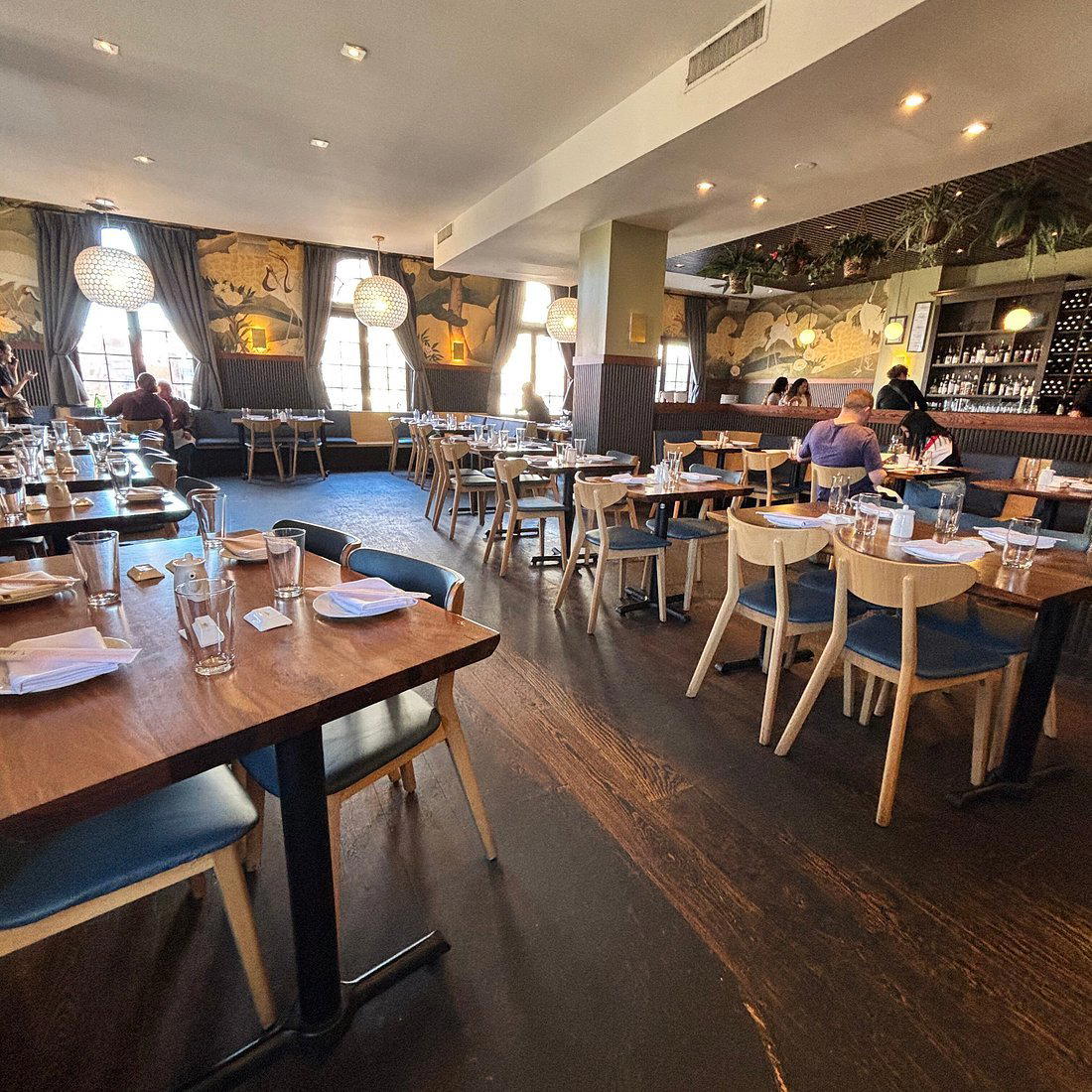





Details
- Cozy
- Lively
- Casual Hangout
- Family
- A La Carte
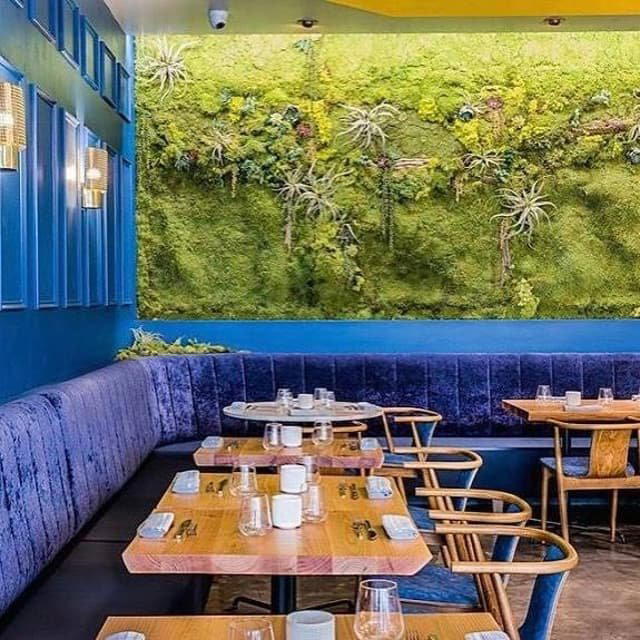
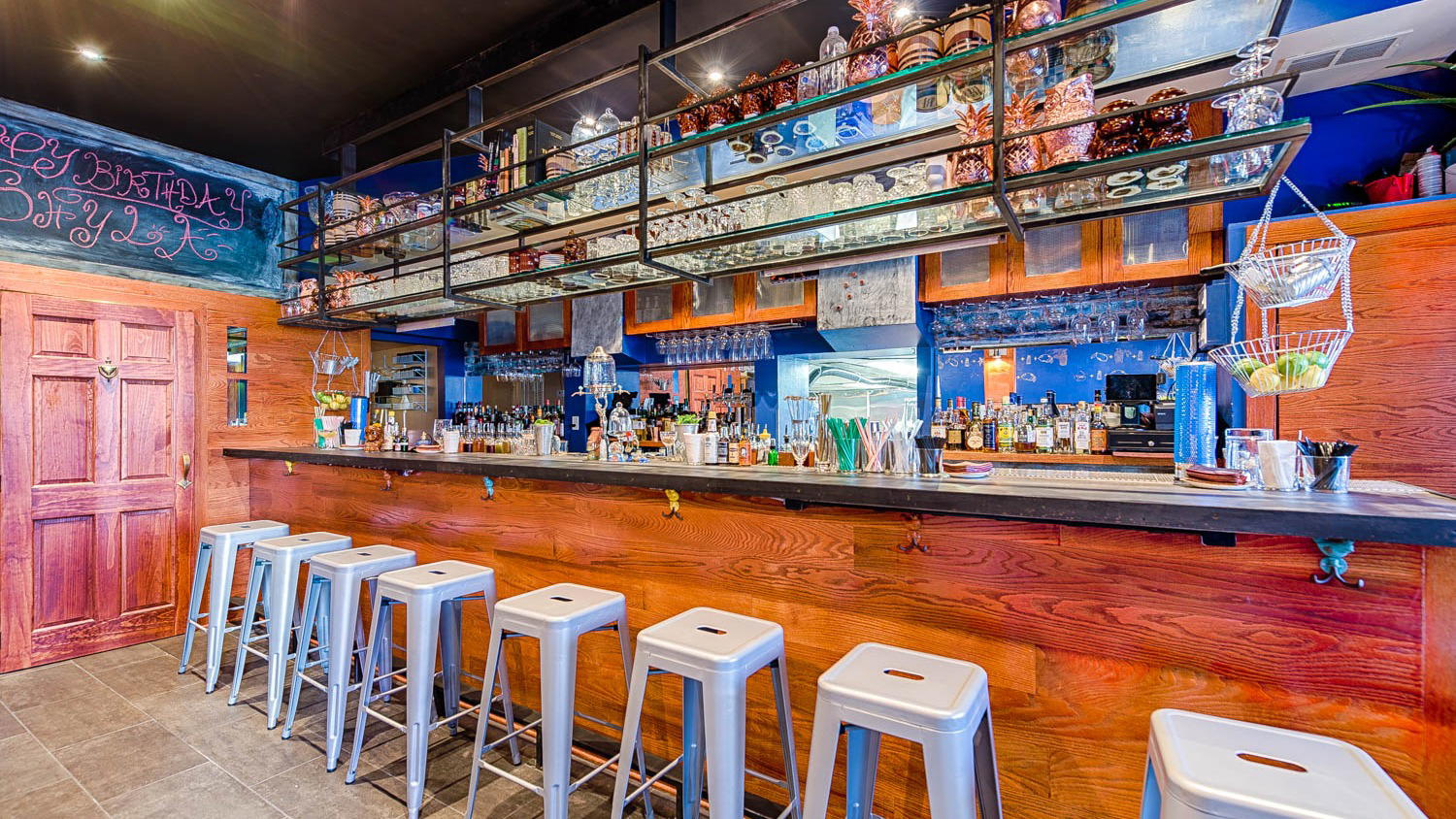
Charming casual atmosphere with colorful Cuban paintings and natural wooden tables.