Mana + Pua
Our verdict
Mana + Pua occupies a modest address on Coral Street in Honolulu's urban core, where Hawaiian culinary identity is expressed through ingredient sourcing that connects the plate to the land and sea around it. The name itself — mana (spiritual power) and pua (flower) — signals a kitchen rooted in place rather than trend. For visitors tracking how Honolulu's independent dining scene is shaping its own voice, this address warrants attention.

Pearl is the En Primeur Club membership app — saves, bookings, and concierge access live there. Same editors, same standards.
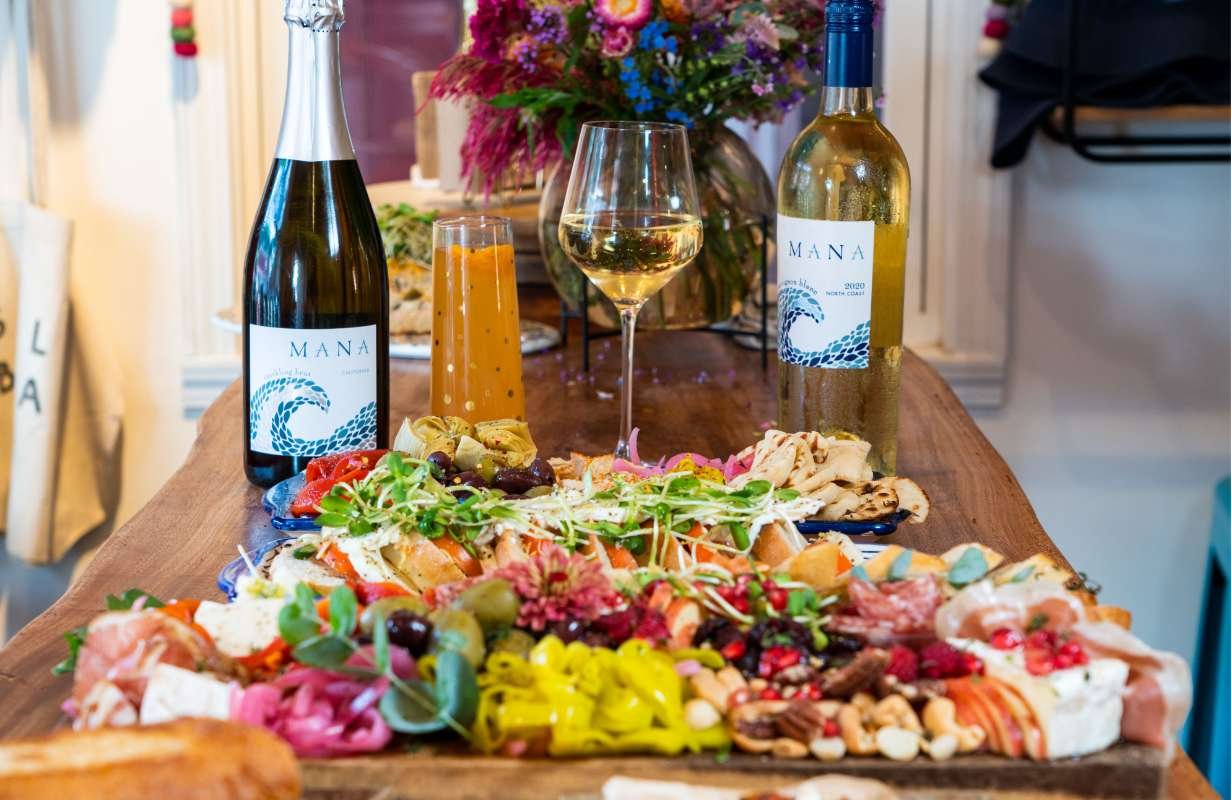
The menu
What to order
- Fyah Grilled Tako'Ako
- Venison Burger
- Smoked Fish Spread
Coral Street and the Question of Where the Food Comes From
Honolulu's dining conversation has shifted measurably over the past decade. The city's most commercially visible restaurants long tilted toward imported luxury: Japanese wagyu, European technique, Continental wine lists. The corrective movement, which gathered momentum in the 2010s and has since hardened into a more confident regional identity, centres on a different premise: that the islands produce some of the most agriculturally and oceanographically diverse ingredients in the Pacific, and that a serious kitchen should be built around them. Mana + Pua, at 324 Coral St in Honolulu, sits within that broader realignment.
The address sits in the city's urban interior rather than along the tourist-facing waterfront corridor. Approaching from downtown Honolulu, the neighbourhood reads as working and residential before it reads as dining — which is itself a signal about what kind of restaurant occupies it. Properties in this tier of the Honolulu dining market tend to operate with fewer concessions to visitor expectations and more orientation toward a local base that returns because the sourcing and cooking hold up across multiple visits.
The Sourcing Logic Behind the Name
The name Mana + Pua carries deliberate weight. Mana denotes spiritual force or power in Hawaiian tradition; pua means flower or offspring, something that emerges from a source. Together, the combination frames the kitchen's orientation before a single dish arrives: the food is meant to come from somewhere specific, to carry the character of its origin rather than erase it in preparation.
This framing places Mana + Pua in a recognisable conversation that extends well beyond Honolulu. Across the United States, kitchens built around provenance rather than prestige-product imports have redefined what regional fine dining means. Blue Hill at Stone Barns in Tarrytown made farm-to-table a structural commitment rather than a menu footnote. Single Thread Farm in Healdsburg built the entire property around a working farm, with the dining room as an extension of agricultural intention. Lazy Bear in San Francisco reframed California seasonal sourcing through a communal-table format. What differentiates the Hawaiian context is the specificity of the archipelago: surrounded by deep Pacific waters, with microclimates that allow tropical, subtropical, and temperate crops to grow within short distances of each other, the sourcing potential for a Honolulu kitchen is genuinely distinct from any continental American equivalent.
Where Mana + Pua Sits in the Honolulu Scene
Honolulu's independent restaurant tier has developed a clear internal hierarchy over recent years. At the established end sit places like 3660 On the Rise, which has operated since 1992 and helped define Euro-Pacific fusion as a durable Honolulu category, and 53 By The Sea, whose waterfront positioning gives it an event-dining identity. Fête (New American) represents a more recent, ingredient-driven sensibility within the New American register. Mana + Pua's Coral Street location removes it from that waterfront-and-event-dining cluster, which tends to indicate a kitchen less interested in occasion dining and more focused on the plate itself.
The comparison set that matters most for understanding Mana + Pua is the cohort of American restaurants that have built identity around where ingredients come from rather than who cooked them or what awards they hold. Addison in San Diego and Providence in Los Angeles both operate in the register of technical accomplishment with strong sourcing commitments. In the Pacific, 8 1/2 Otto e Mezzo Bombana in Hong Kong shows how a city with limited agricultural land can still build a serious kitchen around provenance thinking. The Hawaiian islands, with their fishing traditions and growing agricultural identity, offer a sourcing context that none of those mainland or Pacific-city counterparts can replicate.
The Wider Honolulu Context
Understanding Mana + Pua also means understanding where Honolulu's dining scene draws its energy. Traditional Hawaiian food culture centred on taro, fish, and communal preparation, and the luau format preserved at venues like Ahaaina Luau remains a living expression of those roots. The contemporary independent restaurant scene builds on a different inheritance: the plantation-era mixing of Japanese, Chinese, Filipino, Portuguese, and Korean culinary traditions that produced local staples like plate lunch, saimin, and musubi. A kitchen that takes both strands seriously, the pre-contact Hawaiian and the multicultural local, has richer material to work with than almost any other American regional context.
The broader national reference points for this kind of kitchen confirm how seriously the sourcing-first model is taken at the high end of American dining. Le Bernardin in New York City built its reputation on how fish sourcing shapes what can be done with seafood at the table. The French Laundry in Napa maintains kitchen gardens as part of its production infrastructure. Alinea in Chicago and Atomix in New York City demonstrate that technical ambition and sourcing discipline are not mutually exclusive. The Inn at Little Washington and Emeril's in New Orleans show how regional culinary identity can achieve national recognition without abandoning the specificity that generated it in the first place.
Planning a Visit
Mana + Pua's address at 324 Coral St places it in central Honolulu, accessible from most parts of the city without requiring a car if you are based downtown or in the adjacent neighbourhoods. For visitors coming from Waikiki, the drive runs roughly ten to fifteen minutes depending on traffic conditions, which in Honolulu can vary substantially between midday and early evening. Given the limited publicly available detail about hours and reservation policy, contacting the restaurant directly before visiting is advisable, particularly for weekend evenings or larger groups. Oahu's dining scene is active enough that independent restaurants at this tier fill up without the marketing infrastructure of hotel-backed properties. For a broader orientation to where Mana + Pua sits within Honolulu's restaurant geography, our full Honolulu restaurants guide maps the scene across neighbourhoods and dining styles. The nearby cocktail programme at 855-ALOHA offers a natural bookend for an evening that begins or ends in this part of the city.
Frequently asked questions
What do regulars order at Mana + Pua?
What the name and positioning signal is a kitchen oriented toward Hawaiian and Pacific ingredients, which in practice tends to mean dishes built around local fish, taro-based preparations, and produce sourced from Oahu's agricultural operations. Regulars at restaurants in this tier typically return for the sourcing consistency rather than rotating specials.
Do I need a reservation for Mana + Pua?
Honolulu's independent restaurant tier, particularly in the urban core rather than the Waikiki hotel corridor, operates with limited public booking infrastructure at some addresses. Direct contact with the restaurant before visiting is recommended, especially for evenings and weekends. Given the city's active dining scene and the relatively compact scale typical of independently operated restaurants in this neighbourhood tier, arriving without a confirmed booking carries real risk of a wait or no availability.
What do critics highlight about Mana + Pua?
Public critical coverage specific to Mana + Pua is limited in the available record. The attributes most likely to draw attention from food-focused critics are the same ones that distinguish the sourcing-led tier of Honolulu dining more broadly: how closely the menu tracks what is available locally, how Hawaiian culinary identity is expressed without resorting to surface-level signalling, and whether the kitchen's ambition is matched by its execution. For the Honolulu scene specifically, those questions carry more weight than technique for its own sake.
How does Mana + Pua fit within Honolulu's Hawaiian-ingredient-focused dining movement?
The past decade has seen a cohort of Honolulu restaurants move deliberately toward sourcing from Oahu farmers, local fishermen, and Hawaiian agricultural traditions rather than relying on mainland supply chains. Mana + Pua's name, which references both spiritual vitality and flowering growth, positions it within that movement at the level of stated identity. For visitors tracking how Hawaiian culinary culture is asserting itself through independent restaurants rather than hotel dining rooms, Coral Street is part of that story, alongside peers in the wider Honolulu scene documented in our full Honolulu restaurants guide.
Recognition Snapshot
Comparable venues nearby, for context on price, style, and recognition.
| Venue | Cuisine | Price | Notes |
|---|---|---|---|
| Mana + PuaThis venue — the venue you are viewing | Contemporary European Bistro with Hawaiian Fusion | Not listed | Not listed |
| Upstairs at Pier 38 | Rustic French Seafood & Steak | Not listed | Iwilei |
| Dean & Deluca Hawaii, The Artisan Loft | Contemporary French Bistro with Hawaiian Influences | $50–100 | Waikiki |
| Kai Market | Island Inspired American Breakfast Buffet | $30–50 | Waikiki |
| Adez Steakhouse & Lounge | Hawaiʻi Fusion Steakhouse | $50–100 | Kapahulu |
| Tanaka of Tokyo East | Teppanyaki Japanese Steakhouse | $50–100 | Kapahulu |
Continue exploring
More in Honolulu
Restaurants in Honolulu
All restaurants in Honolulu →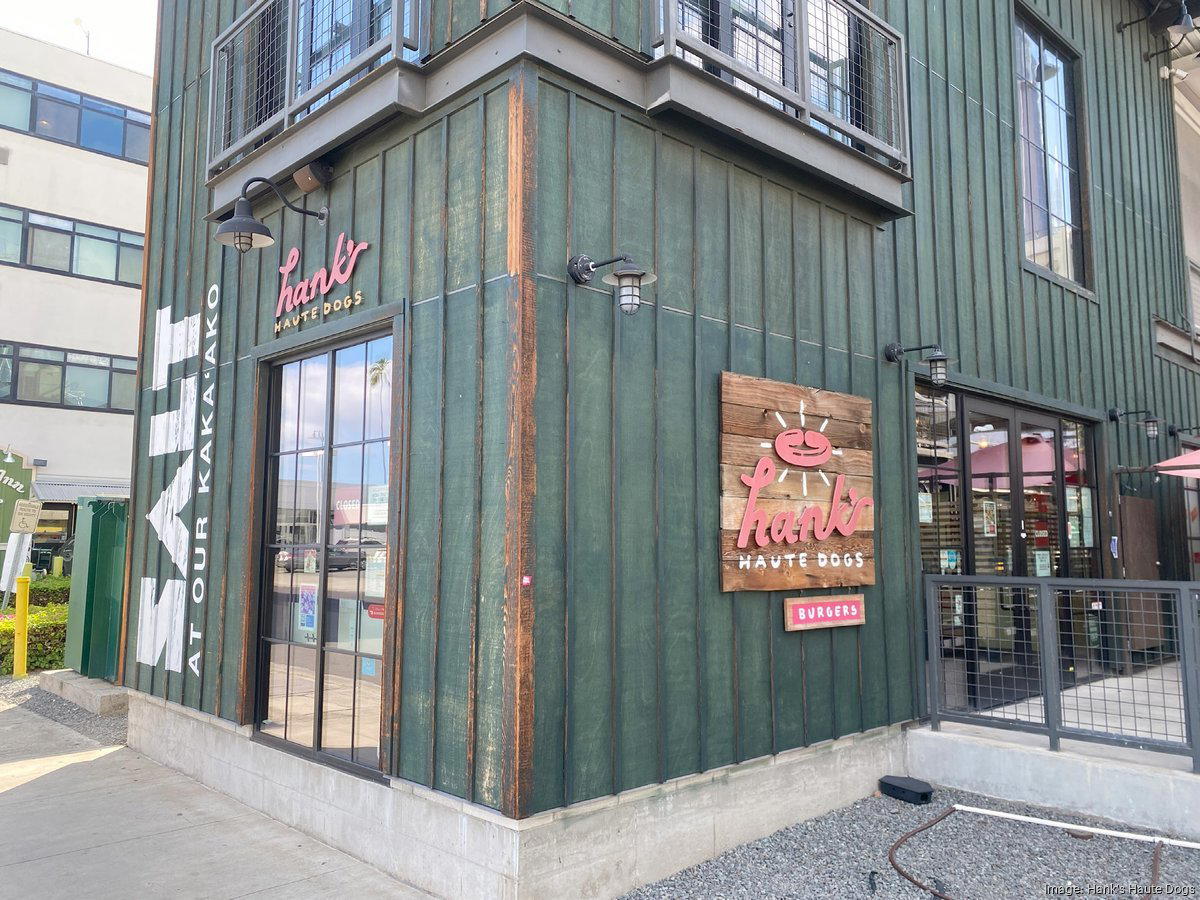
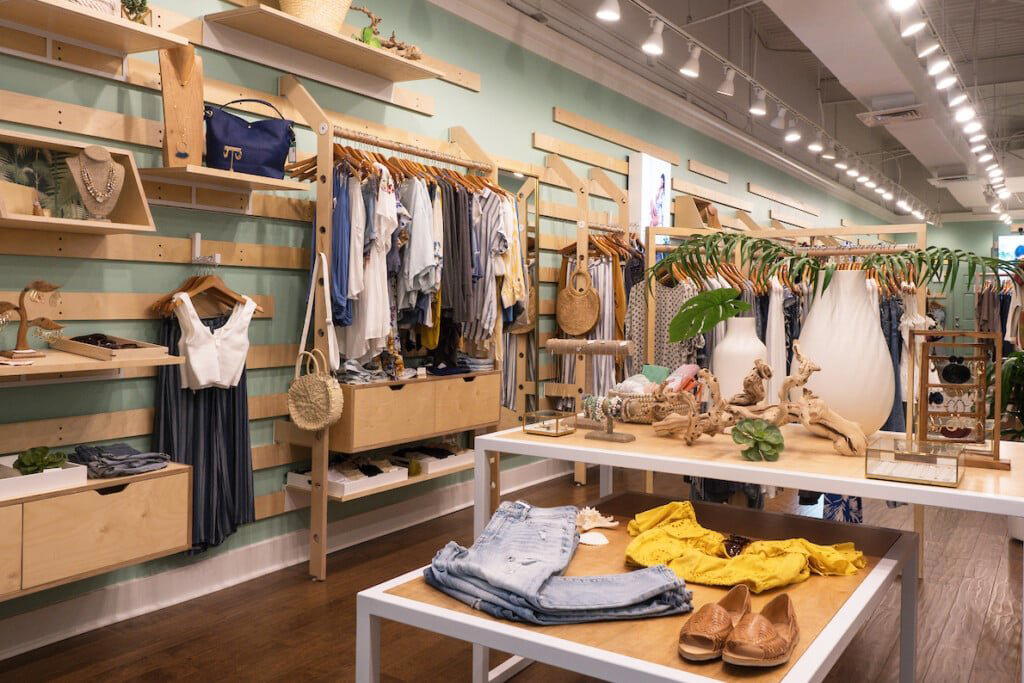
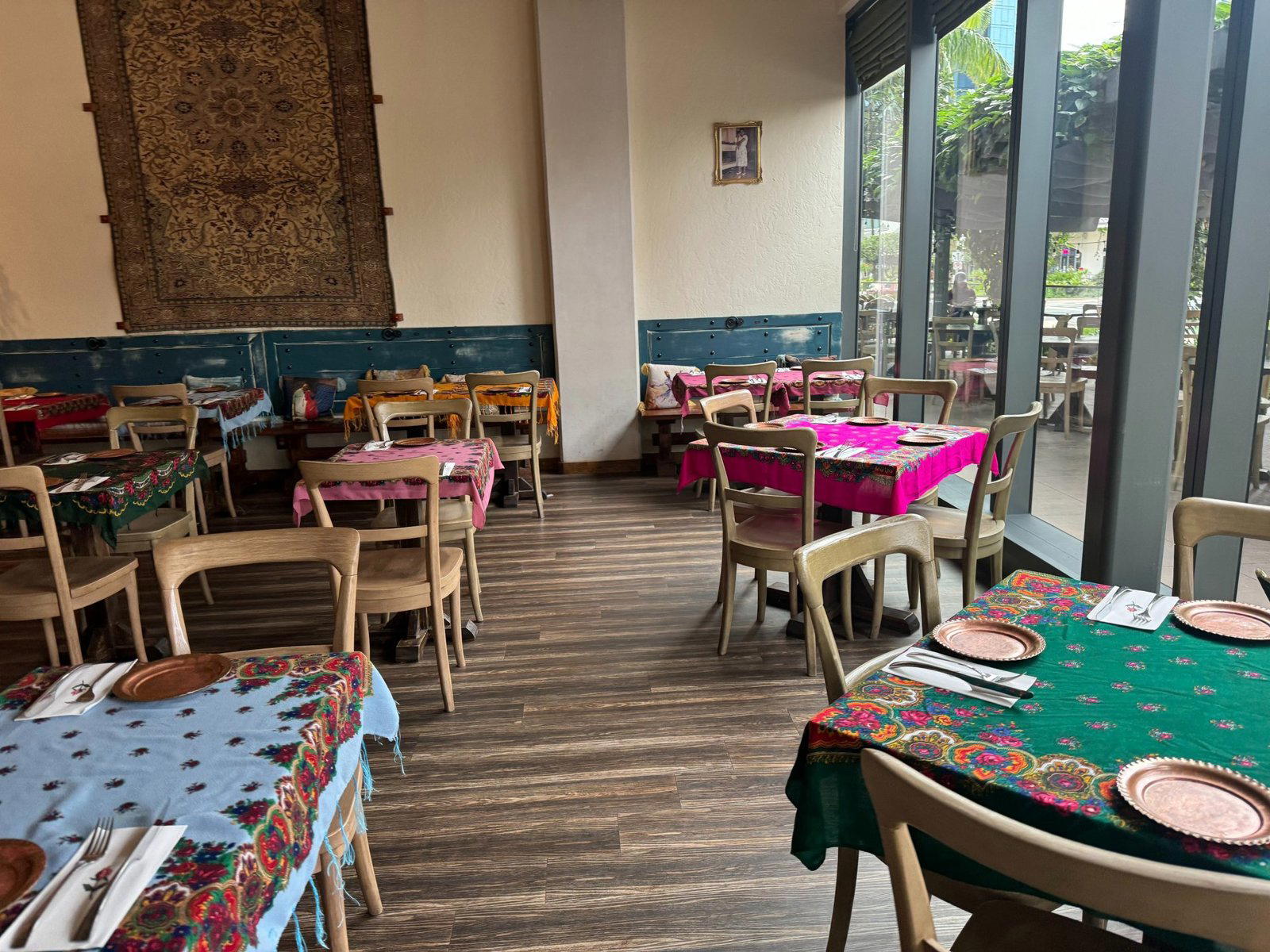
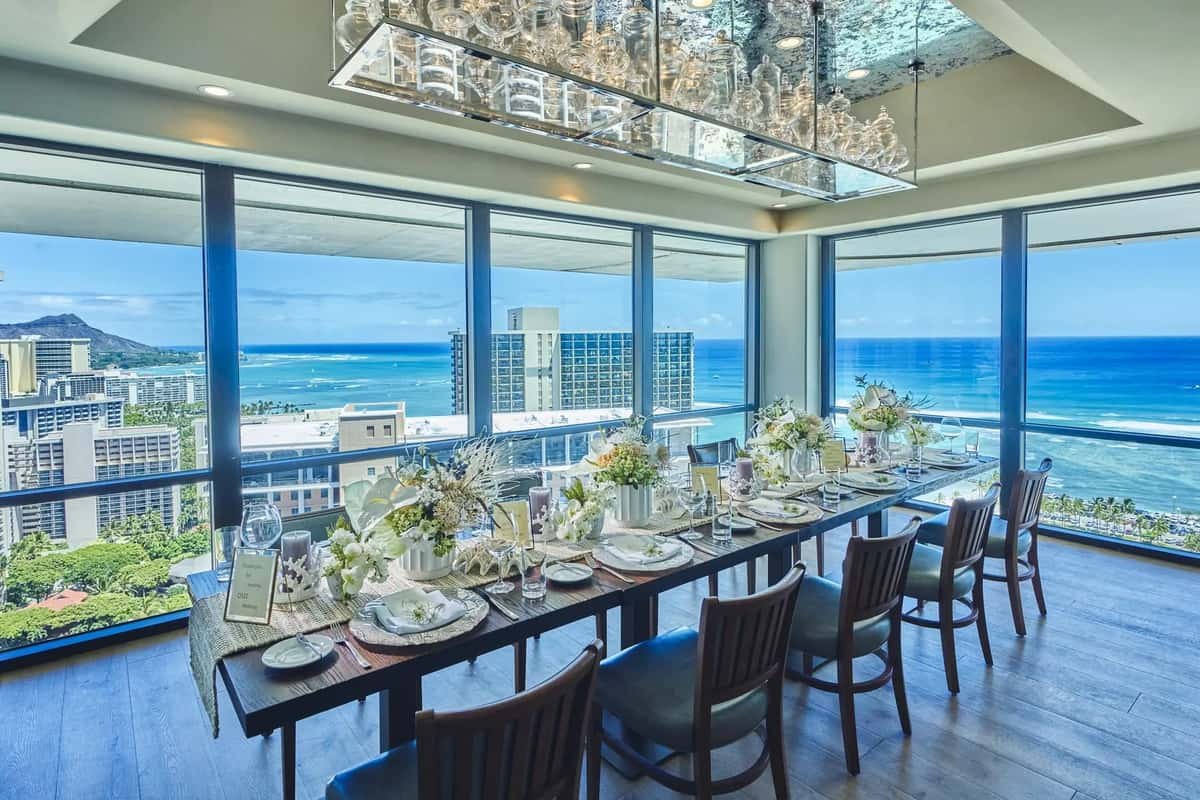
Bars in Honolulu
All bars in Honolulu →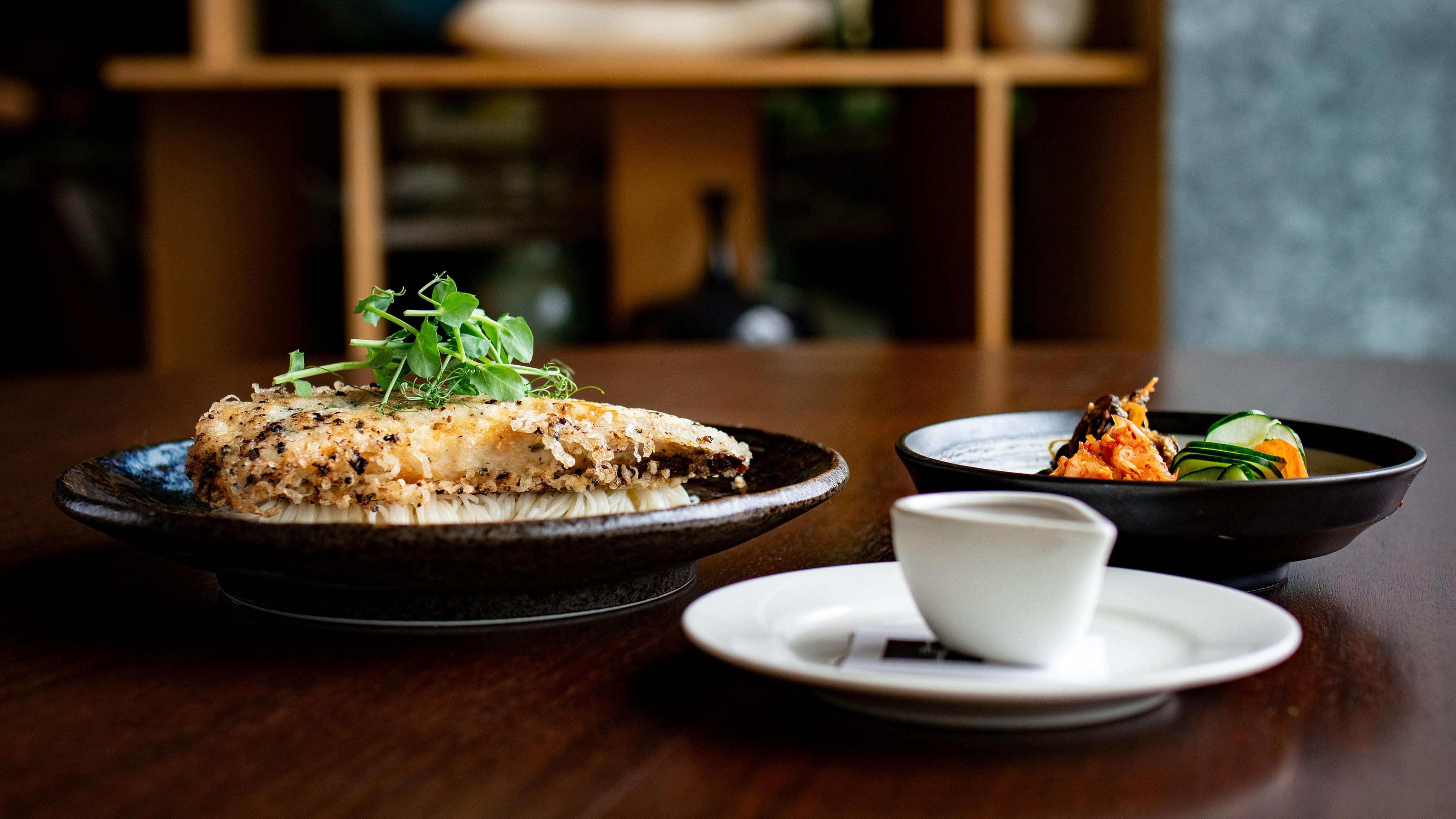
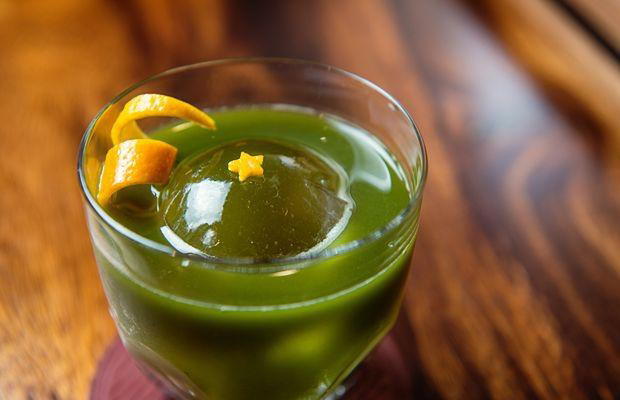
Mana + Pua
The wine
- Wine program
- Curated wine list
- Extensive wine list
- Craft cocktails
Details
- Modern
- Trendy
- Cozy
- Casual Hangout
- Date Night
- Open Kitchen
- Terrace
- Extensive Wine List
- Craft Cocktails
- Local Sourcing
- A La Carte
- Vegetarian Friendly
Current opening hours
- Monday
- 11:30 AM–9 PM
- Tuesday
- 11:30 AM–9 PM
- Wednesday
- 11:30 AM–9 PM
- Thursday
- 11:30 AM–9 PM
- Friday
- 11:30 AM–9 PM
- Saturday
- 11:30 AM–9 PM
- Sunday
- 10 AM–3 PM
Hours can change for holidays and private events. Last verified .
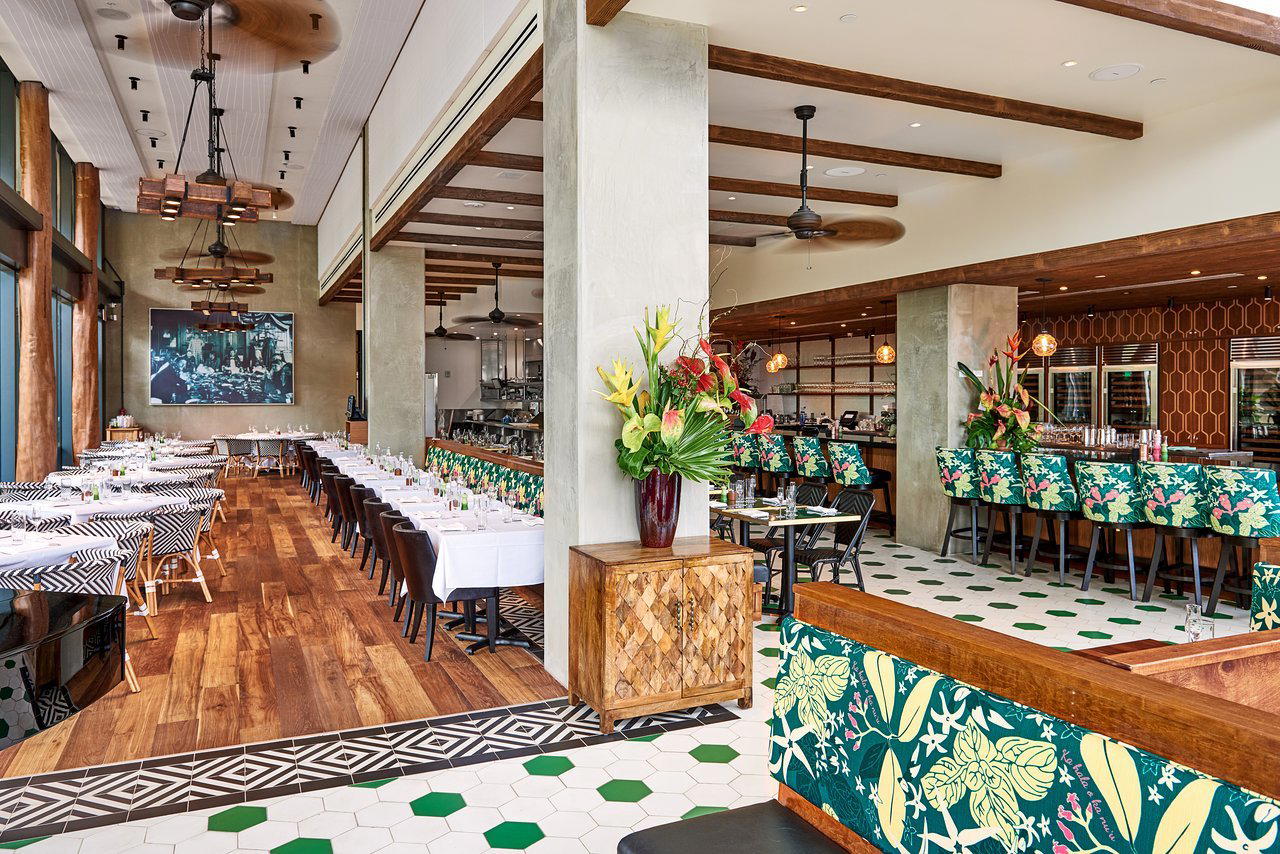
Black and white decor with open-air patio that feels fresh, familiar, and community-oriented.