Kai Market
Kai Market sits inside the Waikiki Beach Marriott Resort at 2255 Kalākaua Avenue, where the restaurant draws on Hawaii's agricultural diversity to anchor an open-kitchen dining room steps from the Pacific. The format positions it within Honolulu's farm-to-table tier, where local sourcing is a structural commitment rather than a menu footnote. For visitors moving between the beach and the city's broader dining circuit, it functions as a reliable point of entry into island-grown cooking.
Pearl is the En Primeur Club membership app — saves, bookings, and concierge access live there. Same editors, same standards.
- Address
- 2255 Kalākaua Ave, Honolulu, HI 96815
- Phone
- +18089318636
- Website
- kaimarketwaikiki.com
- Directions
- Get directions
 Saves & bookings on Pearl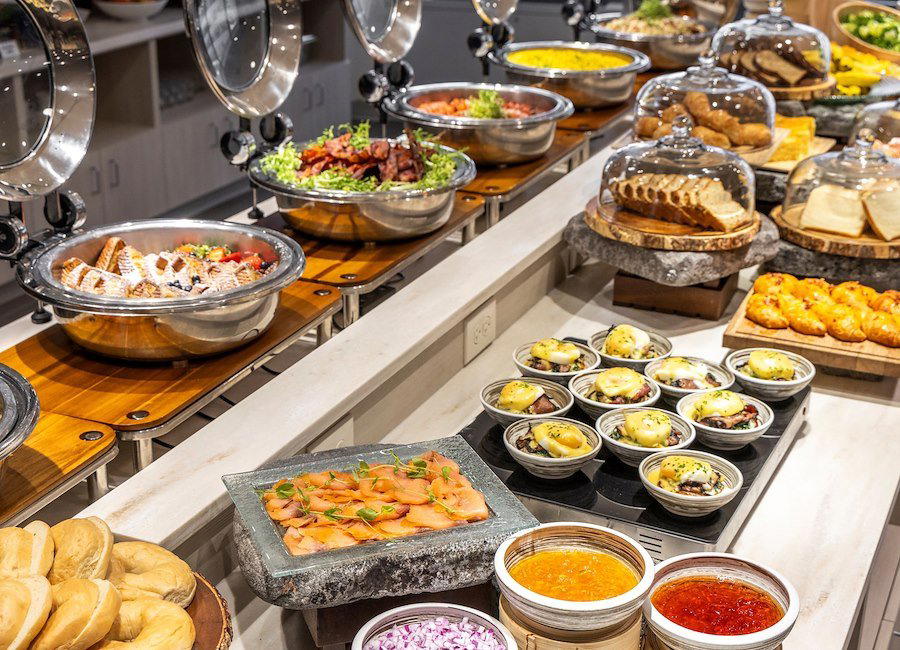
Where the Trade Winds Meet the Table
Waikiki's dining strip along Kalākaua Avenue has always operated at two speeds: the fast lane of resort convenience and the slower, more considered pace of restaurants that take Hawaii's agricultural output seriously. Kai Market, at 2255 Kalākaua Ave inside the Waikiki Beach Marriott Resort, belongs to the second category. The room faces outward toward the energy of the strip while the kitchen faces inward, toward the islands' farms, ranches, and fishing grounds. That orientation shapes everything that follows.
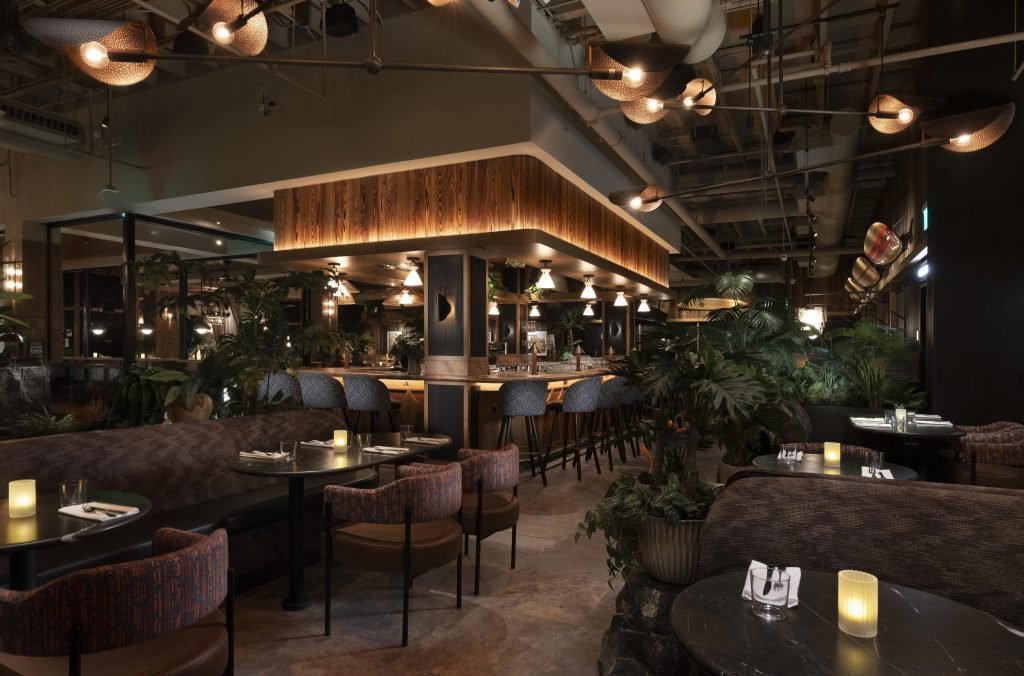
The physical approach is resort-adjacent but not resort-generic. Kalākaua Avenue in this stretch carries a particular texture: open air, the low percussion of waves a block away, the transition from retail noise to something quieter once you step inside a dining room that has deliberately positioned itself as a local-sourcing showcase. The open-kitchen format common to this tier of Hawaii dining creates an audible rhythm in the room, the kind of background hum that signals active cooking rather than reheated production.
Hawaii's Farm-to-Table Tier, Mapped
To understand where Kai Market sits in Honolulu's dining order, it helps to understand how the city's better restaurants have divided along sourcing lines over the past decade. Honolulu has developed a recognizable cohort of restaurants that treat the islands' farmers, ranchers, and fishermen as named collaborators rather than anonymous suppliers. This is not a new idea globally, but in Hawaii it carries specific weight: the islands import the majority of their food, which makes local sourcing a logistical achievement as much as a culinary preference.
Kai Market operates in that cohort, placing it in a different competitive register than the resort buffets that dominate Waikiki's middle tier. Restaurants in this sourcing-forward bracket can be compared usefully to Fête (New American) and 3660 On the Rise, both of which have built reputations around Hawaii-grown ingredients within an refined casual format. 53 By The Sea approaches similar territory from a more occasion-dining angle. Each of these places the islands' produce at the center, but the format and price architecture differ.
At the national level, the conversation around place-rooted, farm-driven tasting menus has been led by restaurants like Blue Hill at Stone Barns in Tarrytown and Single Thread Farm in Healdsburg, where the sourcing relationship is a structural premise of the menu. Hawaii's geography makes a direct parallel impractical, but the underlying logic is the same: the leading version of a place's food is the one that reflects what grows and swims and grazes there.
The Sensory Register of the Room
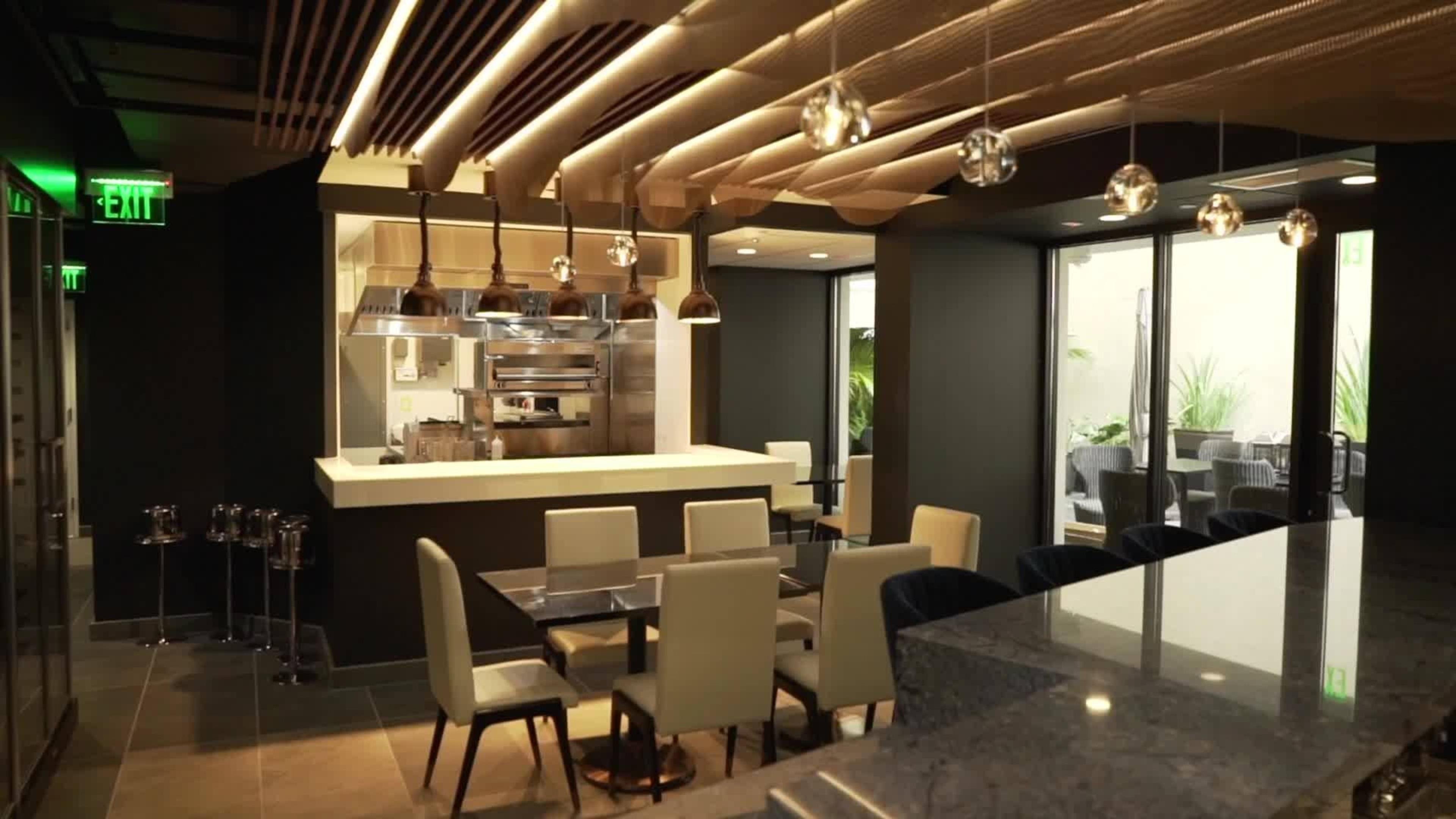
The EA-GN-08 editorial lens asks what you see, hear, and smell when a restaurant is working at its intended frequency. In Kai Market's case, the open-kitchen design means the cooking is audible and visible rather than hidden behind swinging doors. This format carries real editorial implications: it commits the kitchen to a kind of transparency that makes the sourcing claims legible. When proteins come from named ranches and produce from specific farms, a visible kitchen turns those claims into observable practice.
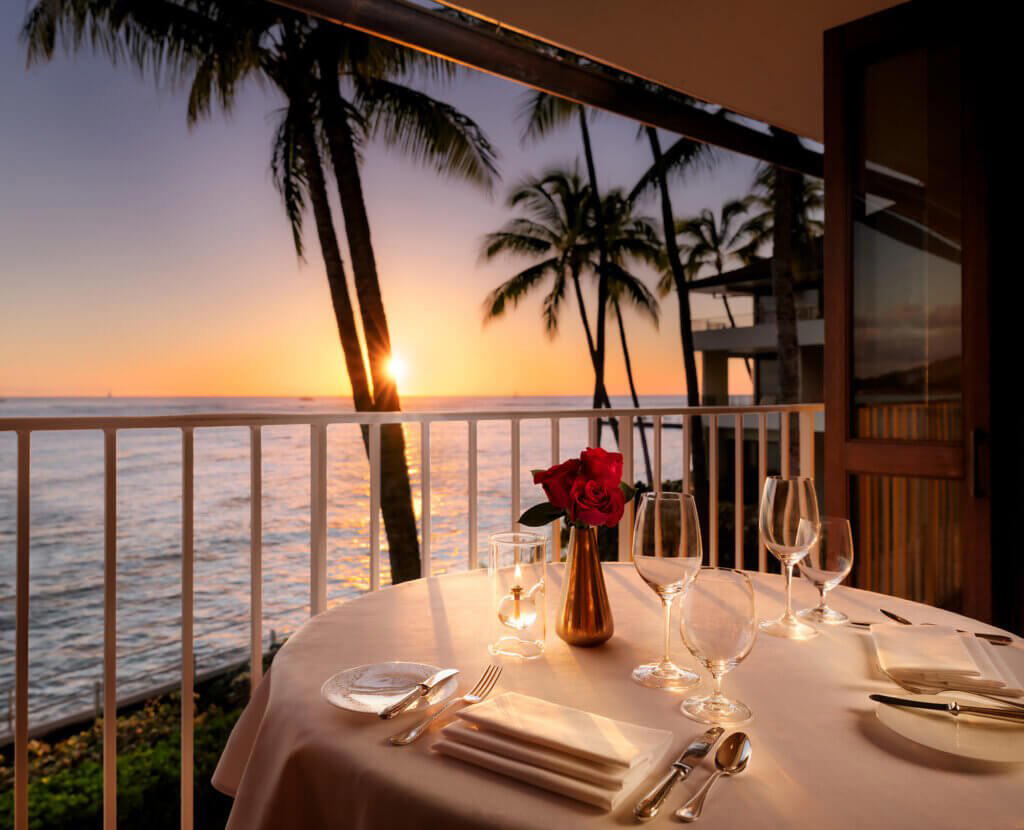
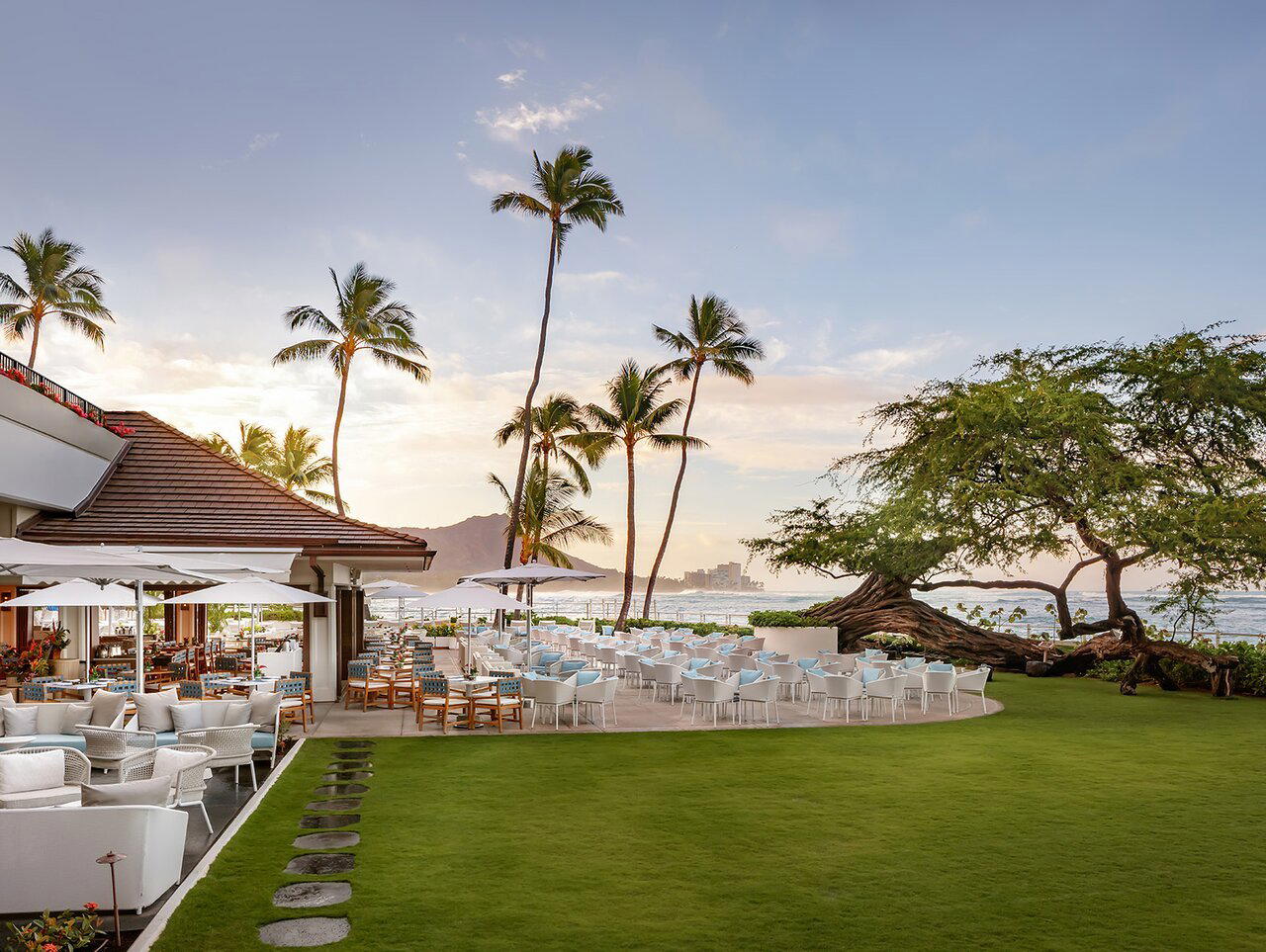
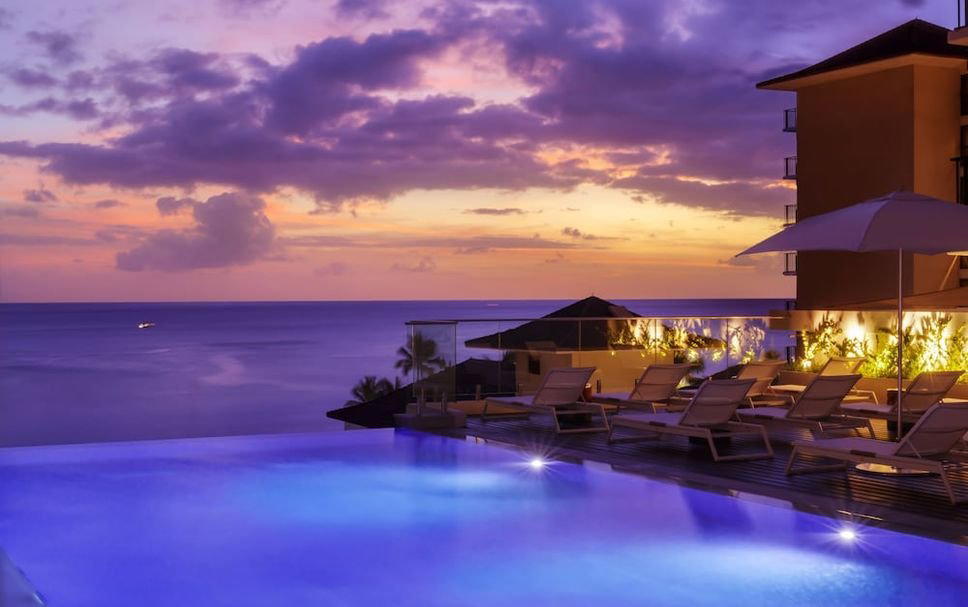
The location inside a Marriott property on Kalākaua Avenue means the room absorbs some of the ambient energy of Waikiki without being consumed by it. Hawaii's light at the end of the day has a particular quality that changes the character of any room facing west or toward the ocean, and Kai Market's position in this corridor means the late-afternoon shift in the room is a feature of the experience rather than an incidental detail. Hawaii dining at this tier tends to lean into the island's natural setting rather than construct an interior world separate from it.
Kai Market in the Honolulu Context
Honolulu's restaurant scene in the Waikiki corridor has historically been divided between resort properties serving large-format buffets for mass tourism and a smaller cluster of destination restaurants that draw both visitors and locals. Kai Market occupies an interesting middle position: physically inside a major resort but conceptually aligned with the sourcing-forward independent restaurants that have defined Honolulu's culinary credibility over the past two decades.
That positioning makes it a practical first stop for visitors who want to understand Hawaii's food culture before moving into the city's more specialist dining. For reference points, the broader Honolulu circuit includes 855-ALOHA and Ahaaina Luau, which approach Hawaiian food traditions from very different angles. The EP Club's full Honolulu restaurants guide maps these tiers in detail.
At the level of national fine dining, the conversation has moved decisively toward place-specificity. Restaurants like The French Laundry in Napa, Providence in Los Angeles, Le Bernardin in New York City, and Addison in San Diego each demonstrate how a deep commitment to a specific region's ingredients can generate a restaurant identity that outlasts individual dishes or menus. Hawaii's isolation and agricultural specificity make it a natural fit for this model, and Kai Market's sourcing framework positions it within that broader national movement even if its format is more accessible than the tasting-menu tier.
For readers tracking where Hawaii's dining sits within the international picture, comparisons to Atomix in New York City, Alinea in Chicago, Lazy Bear in San Francisco, Emeril's in New Orleans, or The Inn at Little Washington in Washington illuminate how far the sourcing-forward format has traveled from its farm-to-table origins into a dominant mode of serious American cooking. 8 1/2 Otto e Mezzo Bombana in Hong Kong offers a useful international counterpoint: a European classical tradition transplanted to a subtropical island city, where the relationship between local and imported ingredients is a constant editorial question.
Planning Your Visit
Kai Market is located at 2255 Kalākaua Ave, accessible on foot from anywhere along the central Waikiki strip. The Waikiki Beach Marriott Resort address means the entrance is direct for both guests and outside diners. Given the restaurant's position in a high-traffic resort corridor, reservations made in advance are the more reliable approach, particularly during peak visitor periods between December and March and again in summer. Waikiki dining at this tier fills quickly when the hotel occupancy is high, and walk-in availability tends to compress on weekend evenings.
How Kai Market Honolulu compares with similar nearby venues.
| Venue | Cuisine |
|---|---|
| Tsurutontan Waikiki | Udon-Japanese |
At a Glance
- Scenic
- Relaxed
- Brunch
- Family
- Waterfront
- Open Kitchen
- Hotel Restaurant
- Craft Cocktails
- Local Sourcing
- Waterfront
Current opening hours
- Monday
- 6:30–10:30 AM
- Tuesday
- 6:30–10:30 AM
- Wednesday
- 6:30–10:30 AM
- Thursday
- 6:30–10:30 AM
- Friday
- 6:30–10:30 AM
- Saturday
- 6:30–10:30 AM
- Sunday
- 6:30–10:30 AM
Hours can change for holidays and private events. Last verified .
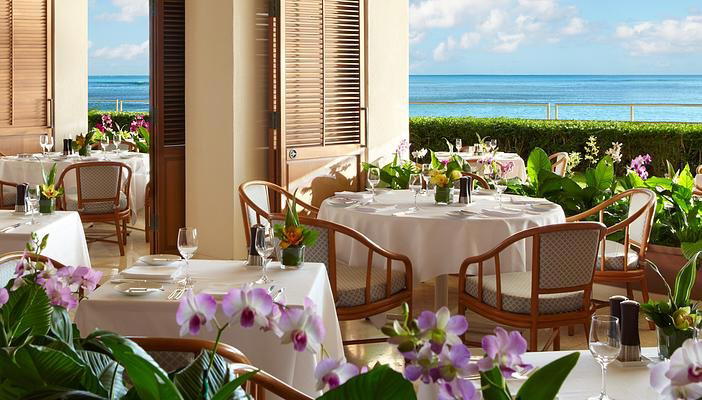
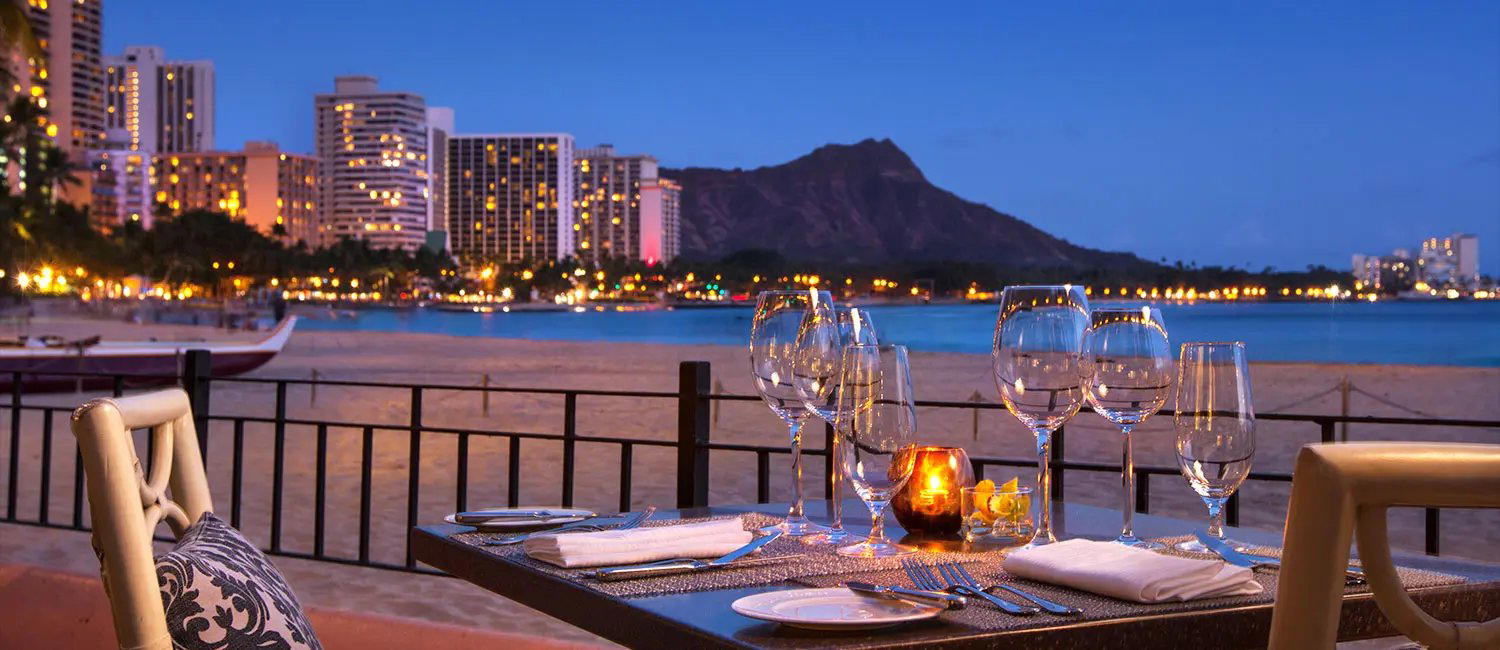
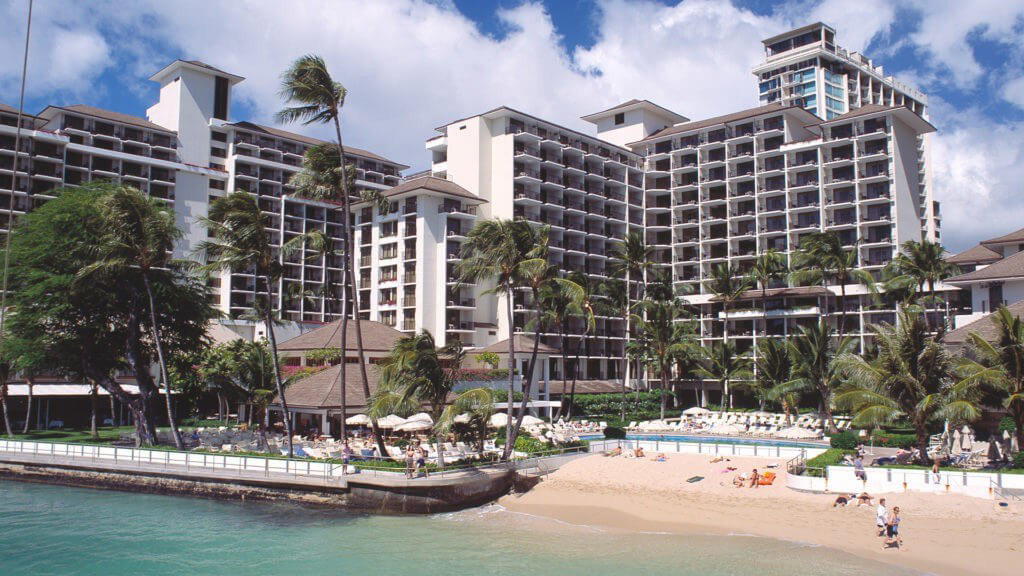
Relaxed indoor/outdoor setting with shaded comfort, sea breezes, and views of Waikiki Beach and Diamond Head.
Know Before You Go
- Getting there
- 2255 Kalākaua Ave, Honolulu, HI 96815