Tanaka of Tokyo East
Tanaka of Tokyo East occupies a familiar address in Waikiki's dense dining corridor, where teppanyaki has long served as the entry point for visitors seeking Japanese performance cooking. The format places theatrical preparation at the center of the meal, positioning it alongside Honolulu's broader Japanese dining scene rather than above it. Regulars return for the ritual as much as the food itself.
Pearl is the En Primeur Club membership app — saves, bookings, and concierge access live there. Same editors, same standards.
- Address
- 150 Kaʻiulani Ave, Honolulu, HI 96815
- Phone
- +18089224233
- Website
- tanakaoftokyo.com
- Directions
- Get directions
 Saves & bookings on Pearl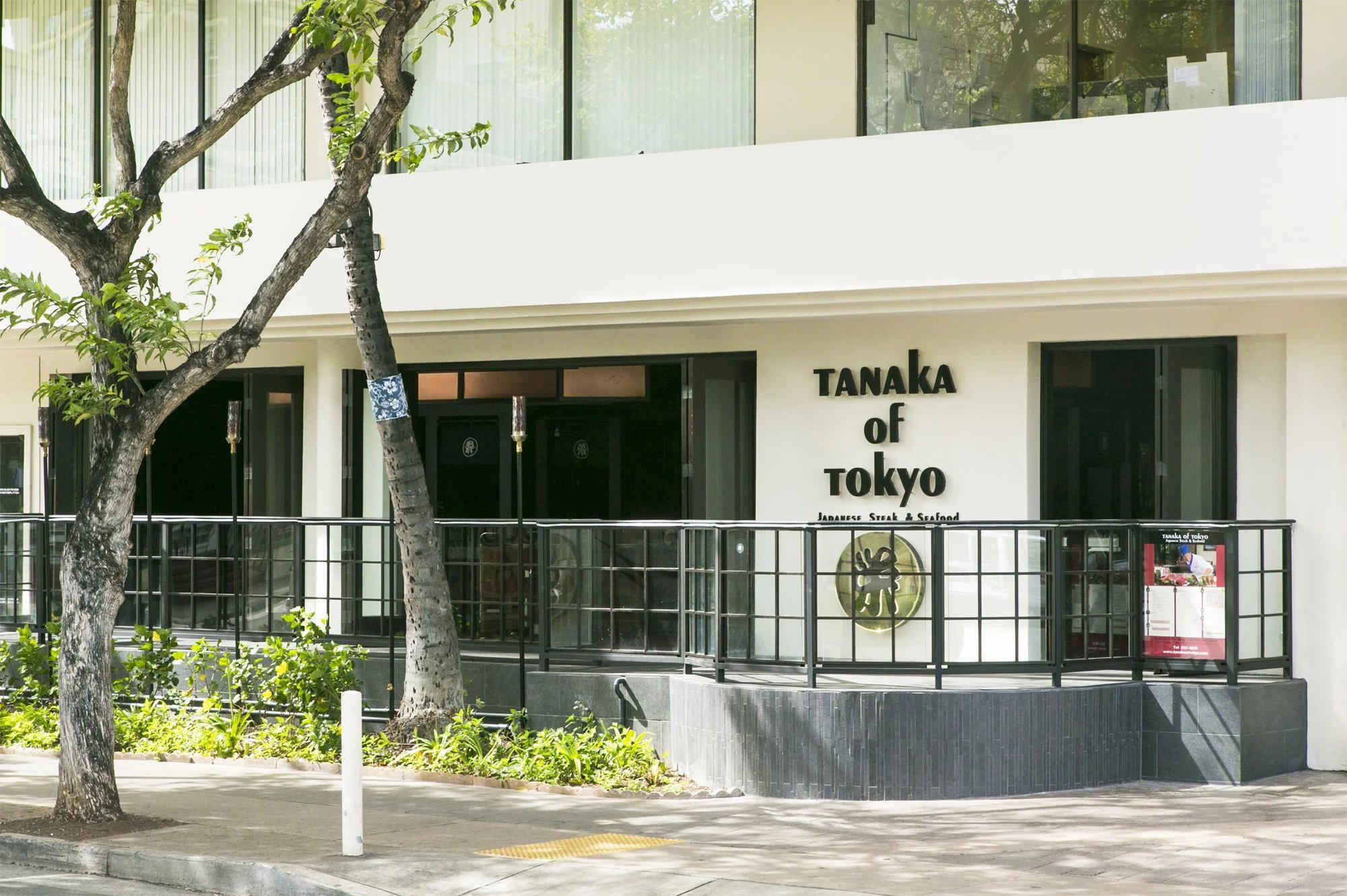
The Waikiki Teppanyaki Ritual
Along Ka'iulani Avenue, where Waikiki's restaurant density is at its highest and the competition for tourist dollars is loudest, teppanyaki has held its ground for decades. The format, imported from postwar Japan and refined for Western audiences through the Benihana model, remains one of the most durable dining formats in Hawaii's visitor economy. Guests gather around a flat iron griddle, a chef works directly in front of them, and the meal unfolds as much through spectacle as through eating. Tanaka of Tokyo East operates inside this tradition, at an address that places it squarely in the middle of Waikiki's Japanese dining cluster.
That cluster is worth understanding before you arrive. Honolulu's Japanese restaurant scene splits into at least three distinct tiers: the izakayas and ramen shops that serve the local Japanese-American community; the sushi and omakase counters that have grown in ambition over the past decade; and the teppanyaki houses that were, for many visitors, their first sustained encounter with Japanese cooking outside Japan. Tanaka of Tokyo East belongs to that third category, which means its regulars are not always the same people who frequent Fête (New American) or the more chef-driven rooms in the city.
What Keeps Regulars Returning
The most telling thing about a teppanyaki room's clientele is how many of them have been before. In formats built around theatrical preparation, the novelty argument only works once. The guests who return to Tanaka of Tokyo East are not returning for surprise. They are returning for a version of comfort that is specific to this format: the predictability of the grill, the warmth of communal seating, the rhythm of a meal that is paced for you rather than by you.
This is different from what drives loyalty at, say, 3660 On the Rise, where Euro-island cuisine rewards attention to the plate, or at 53 By The Sea, where the setting does significant work for the dining experience. Teppanyaki loyalty is built on something more procedural: the sense that the format will deliver on its implicit promise every time. Protein cooked to order, vegetables charred at the edge, rice fried on the same surface. The menu does not require interpretation.
That consistency is the unwritten contract of the teppanyaki format, and it is what the format's most devoted guests are actually buying. Across the American teppanyaki circuit, from Las Vegas to Hawaii, the restaurants that maintain multi-decade followings do so not through menu innovation but through execution reliability. Regulars at these counters often order the same combination across multiple visits, treating the meal as a known quantity rather than an exploration.
Waikiki's Japanese Dining Context
Waikiki supports a concentration of Japanese restaurant formats that would be notable in any American city but is particularly dense given the neighborhood's geography and its role as the primary landing point for Japanese visitors to Hawaii. Alongside teppanyaki houses like Tanaka of Tokyo East, the corridor includes ramen operations, izakaya-style spots, and newer entries like 855-ALOHA and teppanyaki alternatives like Ahaaina Luau, which operates in the broader Hawaiian performance-dining space.
Japanese visitors in particular have driven demand for teppanyaki in Waikiki in a way that differs from the mainland pattern. In Japan, teppanyaki is a high-end format associated with Kobe beef and premium counters. In Hawaii, the format occupies a middle tier, accessible to families and groups, priced for the visitor economy rather than for the luxury segment. That positioning means Tanaka of Tokyo East competes less with the serious Japanese dining rooms in the city and more with other group-format restaurants where the communal table is the point.
For a broader sense of where this venue fits within Honolulu's full restaurant spectrum, the our full Honolulu restaurants guide maps the city's dining tiers with more granularity.
How This Format Compares Nationally
Teppanyaki as a category sits well outside the prestige circuit that includes Le Bernardin in New York City, The French Laundry in Napa, or Alinea in Chicago. It also operates differently from the farm-to-table seriousness of Blue Hill at Stone Barns in Tarrytown or the ingredient-driven focus of Single Thread Farm in Healdsburg. The comparison set that actually applies is the group-dining, performance-cooking category: restaurants where the format is the experience and the food is its delivery mechanism.
Within that category, the better-executed teppanyaki rooms distinguish themselves through chef consistency, protein sourcing, and the degree to which the theatrical elements feel practiced rather than perfunctory. Korean fine dining venues like Atomix in New York City have demonstrated that Asian performance-cooking formats can operate at the highest critical tier, but they do so by departing significantly from the communal-grill model. The teppanyaki format, at its finest, makes no such pretension. It is what it is, and the restaurants that succeed within it do so by delivering the format cleanly.
Other destination-level American restaurants, including Providence in Los Angeles, Addison in San Diego, Lazy Bear in San Francisco, Emeril's in New Orleans, and The Inn at Little Washington in Washington, occupy a different tier of ambition entirely. The comparison is not unflattering to teppanyaki; it simply clarifies what the format is for and who it serves. International comparisons, such as 8 1/2 Otto e Mezzo Bombana (Hong Kong) in Hong Kong, further illustrate how differently the premium dining market is structured across cities.
Know Before You Go
Know Before You Go
- Address: 150 Ka'iulani Ave, Honolulu, HI 96815
- Neighborhood: Waikiki, central Honolulu
- Format: Teppanyaki, communal grill seating
- Leading for: Groups, families, visitors seeking a structured dining format
- Booking: See FAQ below for advance reservation guidance
- Price context: Mid-range for Waikiki; consistent with the teppanyaki tier rather than the premium Japanese dining tier
- Nearby alternatives: Fête for New American; 3660 On the Rise for Euro-island cuisine
At a Glance
- Lively
- Energetic
- Group Dining
- Family
- Celebration
- Special Occasion
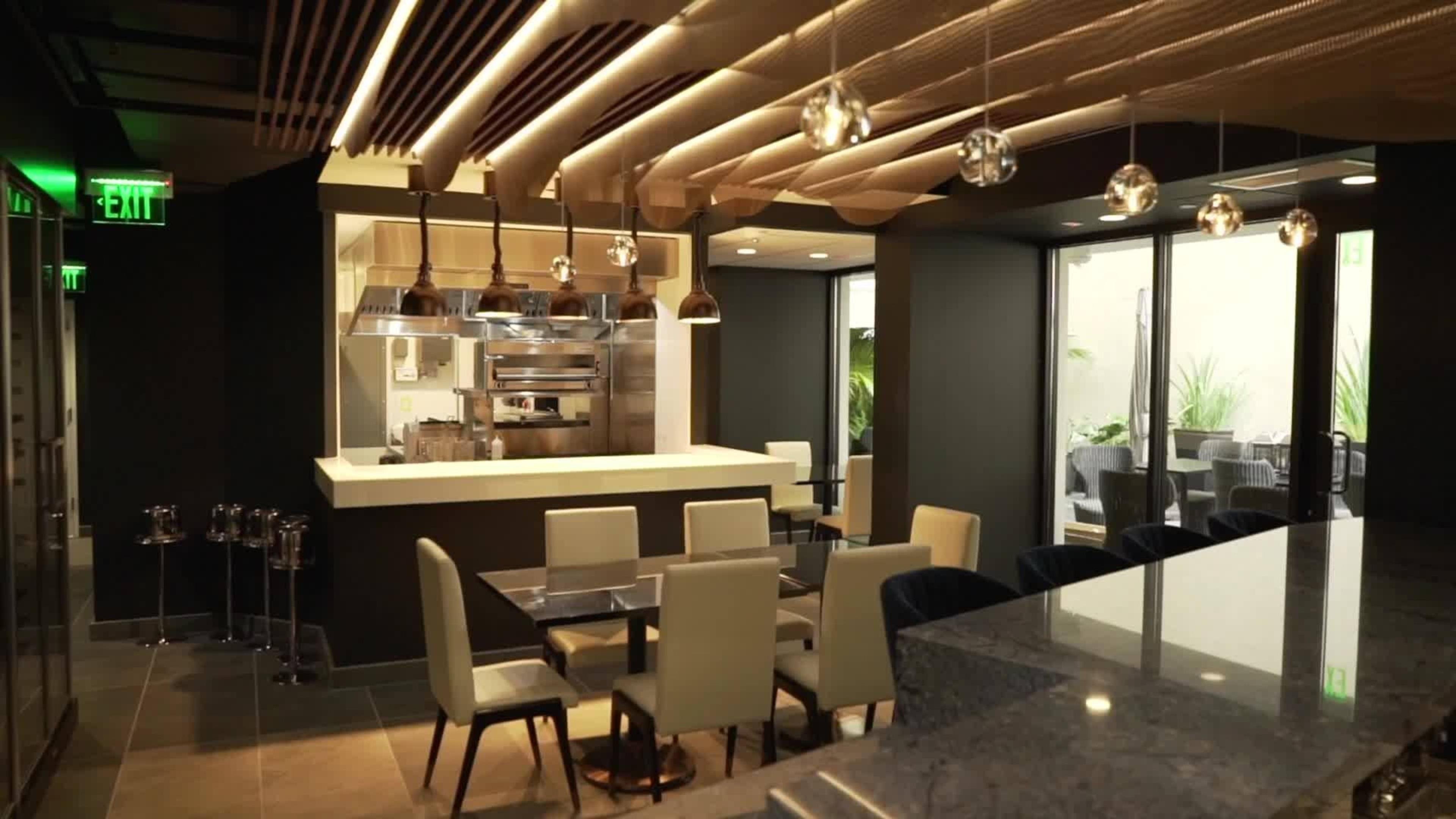
- Open Kitchen
- Sake Program
Current opening hours
- Monday
- 5–9 PM
- Tuesday
- 5–9 PM
- Wednesday
- 5–9 PM
- Thursday
- 5–9 PM
- Friday
- 5–9 PM
- Saturday
- 5–9 PM
- Sunday
- 5–9 PM
Hours can change for holidays and private events. Last verified .
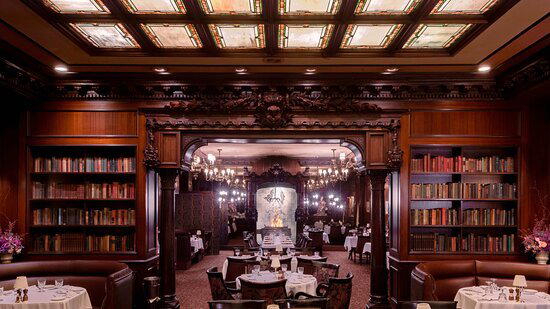
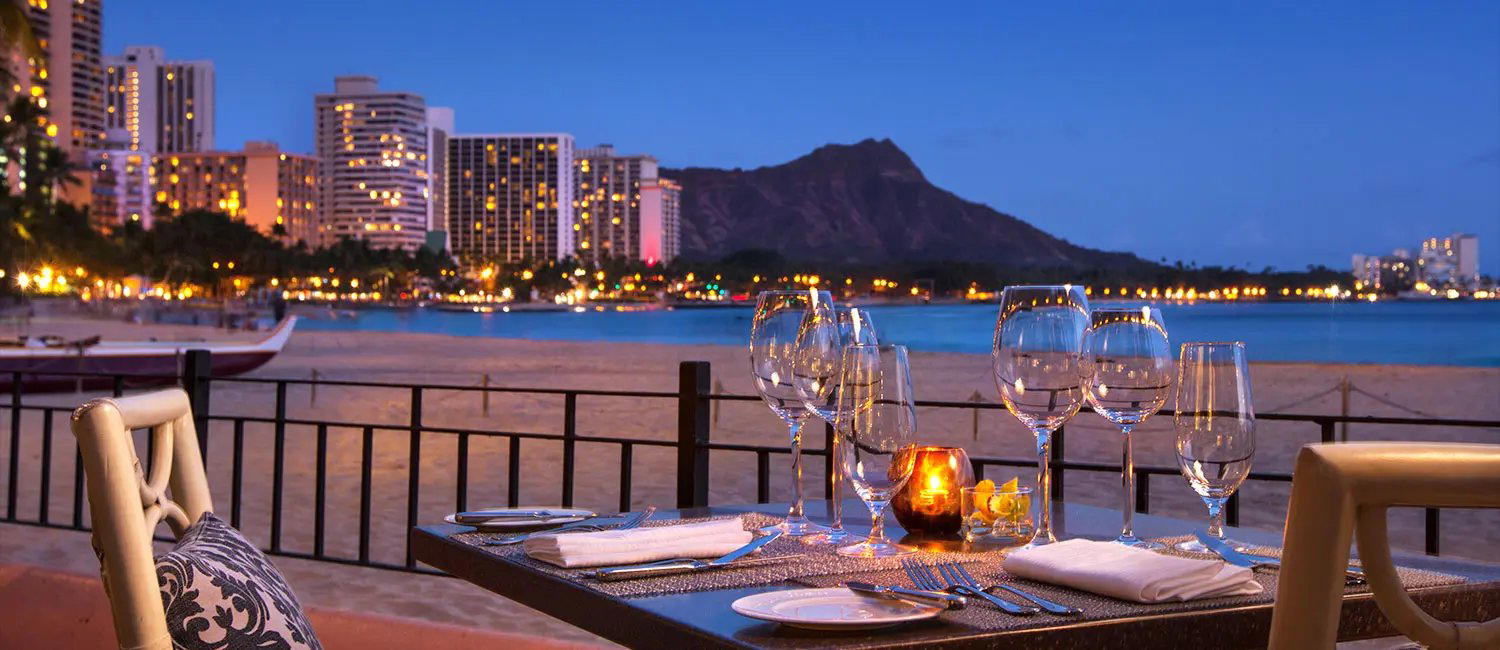
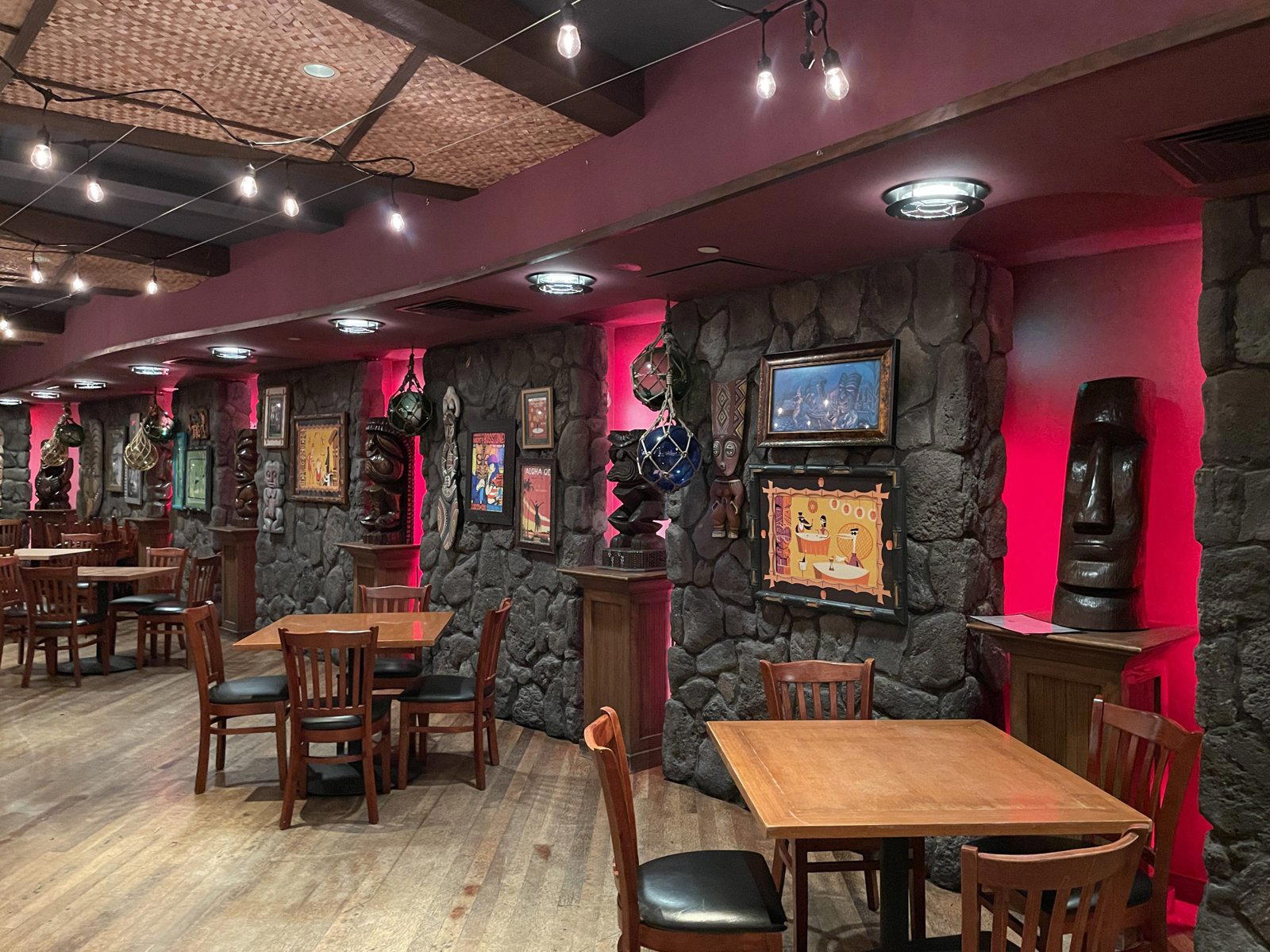
Lively and theatrical atmosphere filled with excitement, laughter, warmth, and upbeat energy from entertaining chefs.
Know Before You Go
- Getting there
- 150 Kaʻiulani Ave, Honolulu, HI 96815