Ryoko's Japanese Restaurant & Bar
Our verdict
On Taylor Street in the Tenderloin, Ryoko's Japanese Restaurant & Bar occupies a tier of San Francisco dining that operates well below the city's Michelin-starred Japanese circuit but draws a loyal following on its own terms. The format combines Japanese food and bar programming in a neighbourhood not typically associated with destination dining, making it an address that rewards those who seek it out deliberately.

Pearl is the En Primeur Club membership app, where members save venues, book tables and use the concierge.

The menu
What to order
- Rainbow Roll
- Volcano Roll
- Fatty Tuna Nigiri
Taylor Street After Dark: Where the Tenderloin's Japanese Bar Scene Holds Its Ground
San Francisco's Japanese dining scene has, over the past decade, split into two increasingly distinct tiers. At the leading, a cluster of omakase counters and kaiseki rooms command prices that track with destination restaurants like Benu and Atelier Crenn, drawing international visitors who have pre-planned their bookings weeks in advance. Below that, a longer, quieter tier of Japanese restaurant-bars operates on looser rhythms, neighbourhood loyalty, and a format that mixes food and drink without demanding a three-month planning lead. Ryoko's Japanese Restaurant & Bar at 619 Taylor Street sits in this second category, in a part of the city that doesn't court glossy editorial attention.
The Tenderloin remains one of San Francisco's most contested neighbourhoods to characterise. It is dense, residential, and commercially mixed in ways that the more polished dining corridors of SoMa or the Financial District are not. Restaurants that succeed here tend to do so by serving their immediate community well rather than positioning themselves as destinations for visitors arriving from Pacific Heights or Noe Valley. Ryoko's address on Taylor Street places it squarely in this dynamic, which shapes both the format and the booking logic of what it offers.
The Booking Reality: Planning Around a Neighbourhood Bar-Restaurant
For visitors oriented toward San Francisco's more formally structured dining circuit, the planning logic at a venue like Ryoko's differs in almost every respect. The city's high-end Japanese and contemporary American rooms, including Lazy Bear, Quince, and Saison, operate ticketed or reservation-only systems with deposits and defined menu structures. Ryoko's, by contrast, operates within the more informal register of the Japanese izakaya tradition, where the expectation is a walk-in or short-notice booking rather than a calendar block placed weeks ahead.
That informality carries its own set of considerations. Late evenings, particularly on weekends, compress quickly at smaller neighbourhood venues in dense urban blocks. The Tenderloin's nightlife character means foot traffic on Taylor Street picks up after 9pm, and a venue combining food and bar programming in that environment will feel different at 7pm versus midnight. Visitors arriving from formal dinner contexts elsewhere in the city, perhaps following the tasting-menu format common at The French Laundry in Napa or Single Thread Farm in Healdsburg, should recalibrate expectations accordingly. The rhythm here is looser, the format more social, and the relationship between food and drink more lateral than hierarchical.
Across the broader American dining map, this category of Japanese bar-restaurant occupies a middle space that cities like New York and Chicago handle differently. In New York, the izakaya format has developed its own prestige layer, with venues like Atomix operating at the far formal end of Korean-Japanese fine dining. In San Francisco, the middle register remains less codified, which gives venues like Ryoko's room to function without the expectation-management weight that more decorated rooms carry.
What the Format Offers
The Japanese restaurant-bar format, in its most consistent expression, organises around a kitchen that supports the bar rather than one that competes with it for primacy. Dishes arrive in an order suited to conversation and drinking rather than a chef-directed narrative progression. This is structurally different from the omakase counters that have expanded in cities like San Francisco, Los Angeles, and Hong Kong, where the chef's sequence controls the pace and the bar is secondary or absent. At the formal end of the spectrum internationally, that hierarchical structure is a deliberate part of the value proposition. At the izakaya-leaning end, the value is social flexibility.
For a city with San Francisco's density of Japanese cultural influence, this format has deep roots. The Bay Area's Japanese American community history stretches back to the nineteenth century, and the food culture that followed reflects that longevity in ways that go beyond the recent omakase boom. Neighbourhood Japanese restaurants in San Francisco are not simply budget alternatives to the Michelin tier; many occupy a tradition that predates the contemporary fine-dining conversation entirely.
Arriving at 619 Taylor
The Tenderloin block that holds Ryoko's sits a short distance from the Civic Center cluster and within walking range of Union Square, though Taylor Street itself has little of the retail character that Union Square projects. The area rewards those who arrive with some familiarity with the city's topography and an appetite for a neighbourhood that has not been softened for visitor consumption. Compared to the curated blocks around similar destination-district venues in other American cities, arriving on Taylor Street at night asks something different of the visitor: a willingness to meet the neighbourhood where it is rather than where a hospitality zone might want it to be.
San Francisco's dining geography has always rewarded this kind of lateral movement. Some of the city's most consistent kitchens have operated in commercially unglamorous blocks for years, sustained by regulars who found them without the help of editorial coverage. Ryoko's location in the Tenderloin fits that pattern. It is not a destination by design; it is a destination for those who make it one.
How Ryoko's Sits in the Broader San Francisco Picture
Against the full range of San Francisco Japanese dining, Ryoko's occupies a position defined more by format and neighbourhood than by the credentials that drive the upper tier. The city's most decorated Japanese rooms compete in a national conversation that extends to venues like Providence in Los Angeles and Addison in San Diego. Ryoko's does not compete in that conversation, and the absence of awards data or formal recognitions in its record is consistent with a venue operating in a different register entirely.
That is not a liability. The most complete picture of a city's dining culture always includes rooms that anchor neighbourhoods rather than attract coverage, and San Francisco's Tenderloin has needed more of those than it has historically received. For visitors building a multi-night San Francisco programme that already includes one or two formal high-investment dinners from the full San Francisco restaurant guide, a late evening at a neighbourhood Japanese bar on Taylor Street serves a different function: decompression, discovery, and a more honest read of how the city actually eats on an ordinary night.
Those building itineraries that span the American dining circuit, touching Le Bernardin in New York, Alinea in Chicago, or Emeril's in New Orleans, will find that the San Francisco stop benefits from at least one meal that sits outside the formal circuit. Ryoko's makes that argument by location alone. The Tenderloin is the part of San Francisco that hasn't been packaged for anyone.
For planning purposes: no booking phone or website data is currently confirmed in EP Club's records for Ryoko's. Visitors are advised to verify current hours and reservation options directly before arrival, particularly for weekend evenings when the bar programming draws heavier foot traffic than the kitchen alone would suggest.
Frequently asked questions
Is Ryoko's Japanese Restaurant & Bar suitable for children?
Ryoko's sits at 619 Taylor Street in the Tenderloin, a neighbourhood that skews toward adult evening crowds rather than family dining. The bar-restaurant format, which organises around late-night drinking as much as eating, is better suited to adults. Families with young children would likely find the setting and timing a poor fit.
How would you describe the vibe at Ryoko's Japanese Restaurant & Bar?
The atmosphere at Ryoko's is consistent with the Japanese bar-restaurant format: a kitchen that supports the bar rather than the other way around, drawing a neighbourhood crowd in a Tenderloin block close to Union Square. It runs closer to an izakaya-style gathering point than to the structured formality of San Francisco's omakase tier. Expect noise, low-key décor, and a room that gets more animated as the evening progresses.
Is Ryoko's Japanese Restaurant & Bar a good option for late-night dining in San Francisco?
Ryoko's on Taylor Street in San Francisco's Tenderloin operates within a bar-restaurant format that has historically suited late-evening visits better than early dinner slots. The neighbourhood sits between the Civic Center cluster and Union Square, making it accessible after events or shows at nearby venues. For those looking for Japanese food and drinks beyond conventional dinner hours in central San Francisco, the format is structured for exactly that purpose.
What's the best thing to order at Ryoko's Japanese Restaurant & Bar?
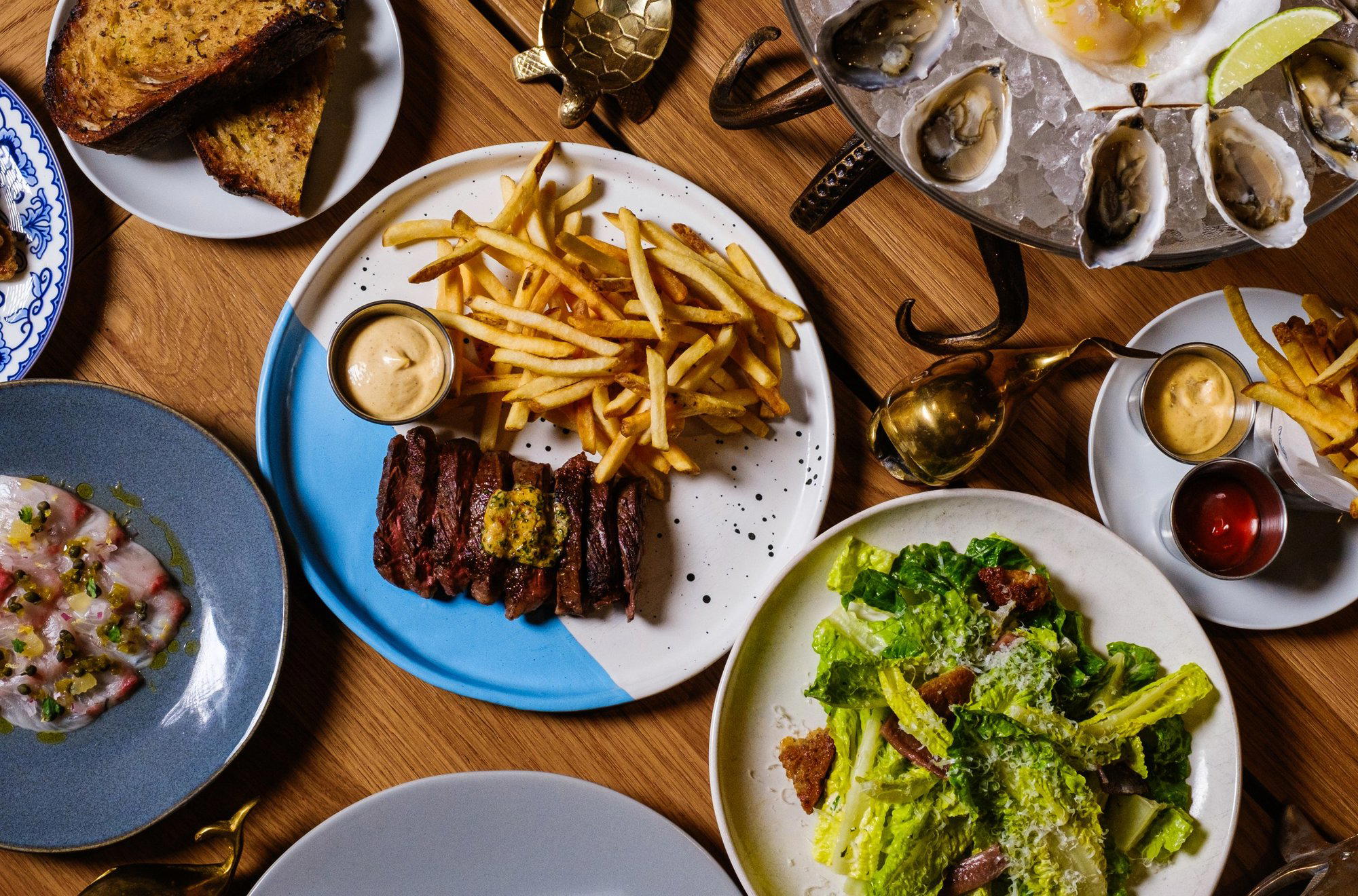
What the bar-restaurant format reliably delivers in venues of this type is a menu built to pair with drinks: smaller plates, grilled items, and cold preparations. Asking staff what's running well on the night is the practical approach here.
What's the address for Ryoko's Japanese Restaurant & Bar?
Ryoko's Japanese Restaurant & Bar is located at 619 Taylor St, San Francisco, CA 94102, San Francisco.
Do they take walk-ins at Ryoko's Japanese Restaurant & Bar?
No booking policy is documented for Ryoko's. Given its position as a neighbourhood bar-restaurant on Taylor Street rather than a reservation-driven omakase counter, walk-ins are a reasonable approach, particularly earlier in the evening. Arriving before the late-night bar crowd peaks improves the odds of being seated without a wait.
What's the standout thing about Ryoko's Japanese Restaurant & Bar?
Ryoko's position in San Francisco's Japanese dining picture is defined by format and location rather than formal credentials. It holds a place in the Tenderloin that the city's tightly spaced omakase counters and Japanese fine-dining rooms do not occupy: a bar-forward, neighbourhood-accessible room on Taylor Street that functions as an after-dark anchor for the area. That specificity of role, rather than any single dish or accolade, is what sets it apart within the broader SF Japanese scene.
How It Stacks Up
Comparable venues nearby, for context on price, style, and recognition.
| Venue | Cuisine | Price | Notes |
|---|---|---|---|
| Ryoko's Japanese Restaurant & BarThis venue (the venue you are viewing) | Lively Japanese Sushi Bar | Not listed | Not listed |
| The Roll | Authentic Japanese Sushi and Futomaki | $30–50 | South of Market |
| The Wild Fox | Japanese Cafe | $20–30 | Financial District/South Beach |
| Marufuku Ramen | Hakata-Style Tonkotsu Ramen | $20–30 | Japantown |
| Orenchi Beyond | Authentic Japanese Ramen | Not listed | Mission District |
| Sarku Japan | Japanese Fast Food | Not listed | South Beach |

Continue exploring
More in San Francisco
Restaurants in San Francisco
All restaurants in San Francisco →
Bars in San Francisco
All bars in San Francisco →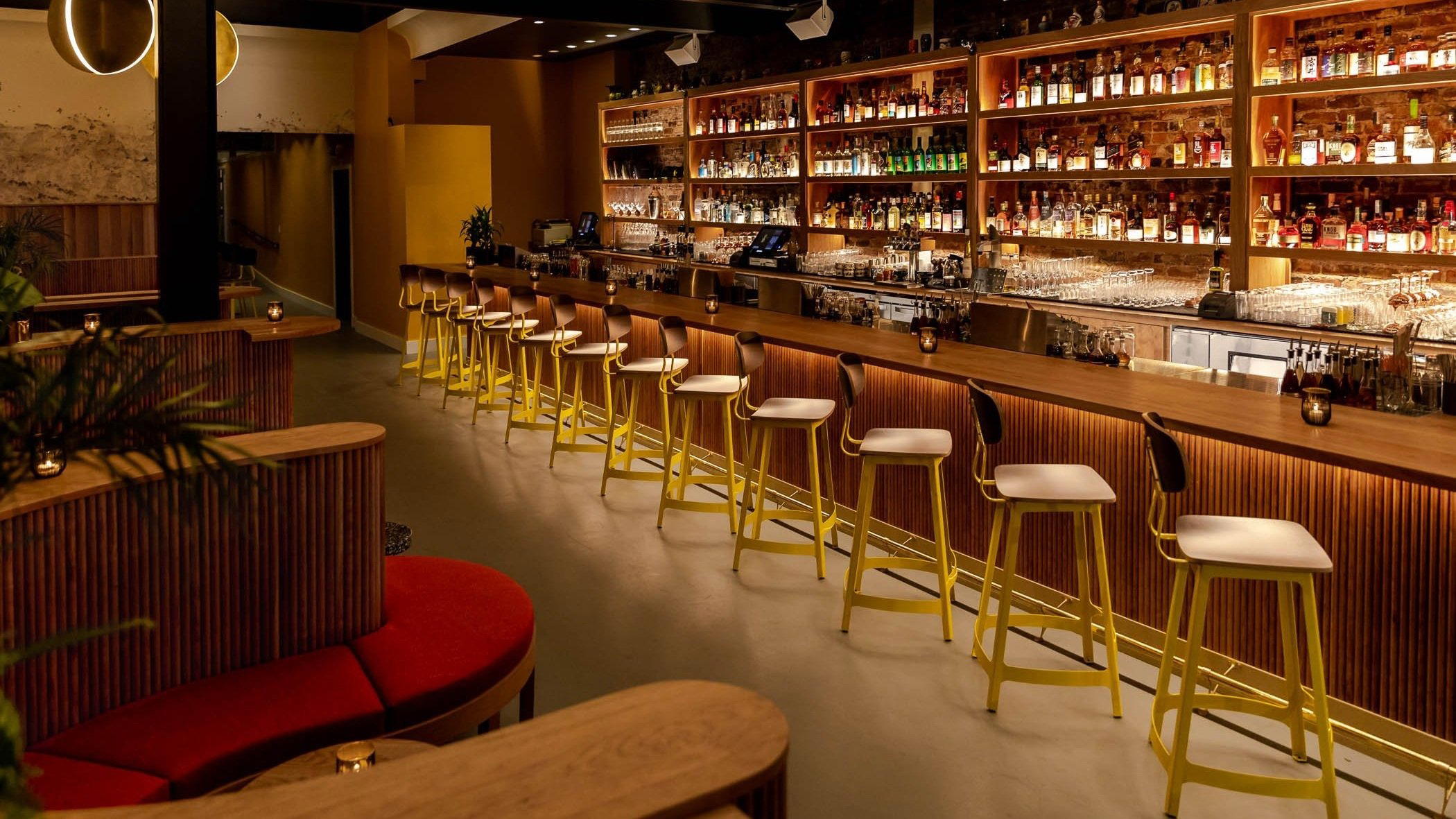

Details
- Lively
- Trendy
- Energetic
- Casual Hangout
- Late Night
- Group Dining
- Open Kitchen
- Sake Program
- Craft Cocktails
- Beer Program
- A La Carte
- Small Plates
- Sake
- Beer
- Vegetarian Friendly
- Vegan Options
- Gluten Free Options
Current opening hours
- Monday
- 6–11:30 PM
- Tuesday
- 6–11:30 PM
- Wednesday
- 6–11:30 PM
- Thursday
- 6–11:30 PM
- Friday
- 6 PM–12:30 AM
- Saturday
- 6 PM–12:30 AM
- Sunday
- 6–10:30 PM
Hours can change for holidays and private events. Hours as of .
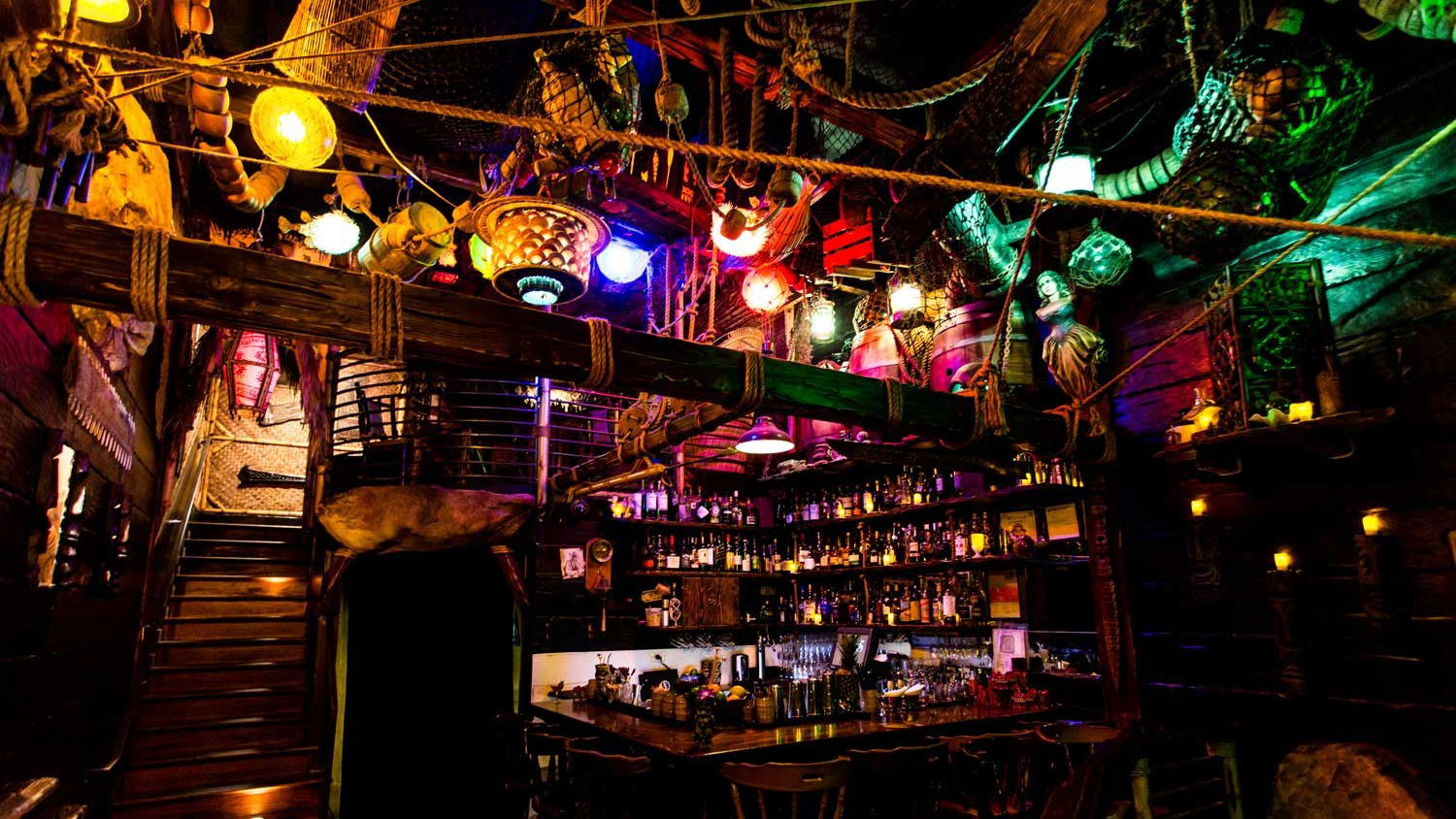
Lively basement atmosphere with techno music, high energy, and Japanese decor creating a lively, party-like vibe.