Katana-Ya
Katana-Ya occupies a specific niche in San Francisco's ramen scene: a compact Geary Street counter where the bowl arrives with the kind of ingredient discipline more commonly associated with the city's fine-dining corridor. The address puts it in the middle of the Tenderloin-adjacent theatre district, a neighborhood that rewards those who look past the marquee lights for serious cooking at a different register.
Pearl is the En Primeur Club membership app — saves, bookings, and concierge access live there. Same editors, same standards.
- Address
- 422 Geary St, San Francisco, CA 94102
- Website
- facebook.com
- Directions
- Get directions
 Saves & bookings on Pearl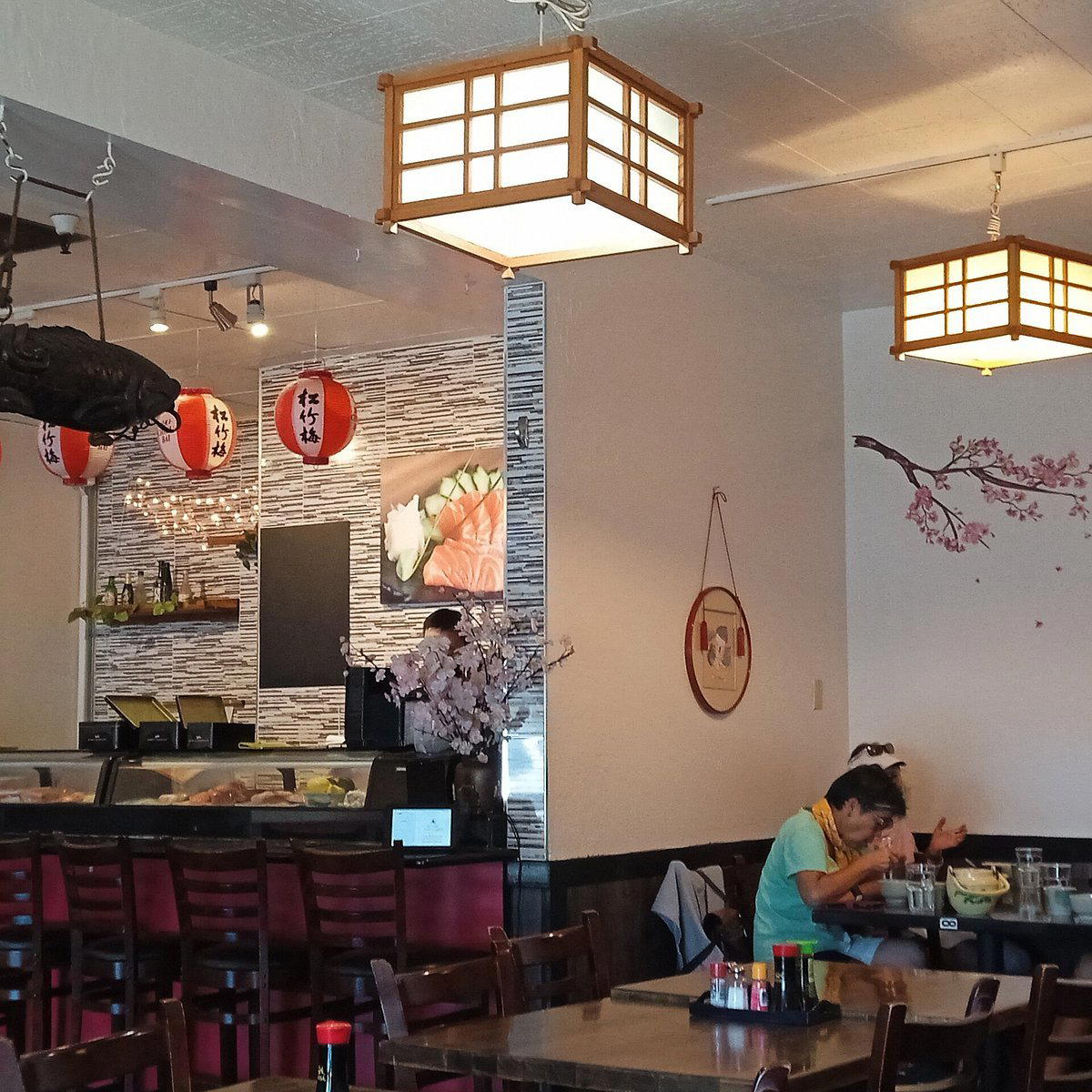
A Counter in the Theatre District
Geary Street runs through one of San Francisco's most compressed culinary corridors, a stretch where kaiseki rooms and legacy dim sum houses share blocks with late-night noodle counters. Katana-Ya, at 422 Geary, belongs to the latter category in format but operates with an ingredient-first logic that separates it from the broader ramen field. The dining room is small, the setup is direct, and the bowl is the entire point. In a city where the fine-dining tier, venues like Benu, Atelier Crenn, and Quince, absorbs so much of the editorial attention, a focused ramen counter on this block tends to deserve more attention than it gets.
Where the Food Comes From
The ingredient-sourcing argument for Japanese ramen in San Francisco is a meaningful one. The Bay Area's proximity to Northern California's agricultural output gives kitchens access to a quality tier that most American ramen operations cannot replicate. Tonkotsu broth, which requires sustained extraction from pork bones over many hours, is only as good as its primary material. When the bones and the accompanying proteins are sourced from farms operating within a serious supply chain, the kind that feeds the broader Northern California restaurant economy, the broth reads differently: more fat-soluble depth, cleaner finish, less need for MSG amplification to paper over sourcing gaps.
That sourcing context matters more in San Francisco than in most American cities. The Bay Area food system has been built over decades by chefs and producers who established relationships that now benefit the entire dining ecosystem, from the highest-profile dining rooms to the street-level counter. Katana-Ya operates inside that ecosystem. The ingredients arriving at a Geary Street kitchen have access to the same Northern California supply lines that make venues like Saison and Lazy Bear possible, even if the price point and format are entirely different.
The regional farm-to-table logic that drives destination restaurants like Single Thread Farm in Healdsburg or Blue Hill at Stone Barns further east has a downstream effect: it raises the baseline quality available to all professional kitchens in the supply zone. A ramen counter with access to that baseline is working with different raw material than a comparable operation in a city without that infrastructure.
The Bowl as the Measure
San Francisco's ramen scene has always been smaller and more selective than Los Angeles or New York, which gives each serious operation more weight. The city does not have the volume of Japanese-American population to sustain dozens of specialist ramen houses at a high level, so the ones that have built a following tend to do so on the strength of a single format executed with precision. That model, one or two broths done with real discipline, rotating toppings sourced carefully, noodles calibrated to the broth weight, is more common in Tokyo's neighbourhood ramen culture than in American cities, where the tendency is to expand the menu to capture broader demand.
At the counter format level, Katana-Ya competes in a comparable set that includes other focused Japanese noodle operations across the Bay Area, but its Geary Street location puts it in direct conversation with the broader Union Square and Tenderloin dining corridor. That neighbourhood positioning matters for how the kitchen sources and prices. A counter this close to the theatre district serves a mixed audience: pre-show diners on a schedule, neighbourhood regulars eating on frequency, and food-aware visitors who have worked their way through the city's higher-bracket options and want something more direct. The kitchen has to serve all three without adjusting the product.
San Francisco's Ramen Position in the National Picture
The national ramen conversation has shifted considerably over the past decade. What began as a curiosity category for American diners has matured into a serious culinary format with regional variation, technique debates, and ingredient standards that rival other professional disciplines. Cities like New York, where venues such as Atomix have demonstrated how Japanese culinary traditions can operate at the highest critical level, have driven that shift. San Francisco's contribution has been quieter but consistent: a smaller number of operations running at a higher average quality, supported by the city's unusually deep Japanese-American culinary history and its direct ingredient access.
That context makes the restaurant a different kind of entry point than a comparable bowl in a city without San Francisco's supply infrastructure. The comparison to other American cities' top restaurants is instructive: just as Le Bernardin in New York, Alinea in Chicago, and Providence in Los Angeles each reflect their city's specific food culture and supply relationships, a serious ramen counter in San Francisco reflects the particular ingredients and culinary discipline available in this specific geography.
Planning Your Visit
The restaurant sits at 422 Geary Street, walkable from Union Square and a short distance from the major Tenderloin cross streets. The location works well as a pre-theatre stop or a lunch anchor; the compact format means turnover is relatively quick during peak hours, and the neighbourhood has enough foot traffic that arriving without a reservation is feasible, though timing matters on weekend evenings when the theatre crowd compresses demand. The restaurant represents the focused counter end of the city's dining spectrum, a useful counterpoint to longer, more ceremonial experiences at venues like The French Laundry in Napa or Addison in San Diego.
The price register sits well below the city's fine-dining tier, which makes it accessible for repeat visits in a way that the $$$$ bracket at venues like Atelier Crenn or Benu is not. That frequency is part of the point: a bowl of this quality, in this city, at this address, is designed to be eaten regularly. For visitors approaching San Francisco through the same editorial lens as venues like Bacchanalia in Atlanta, Emeril's in New Orleans, or The Inn at Little Washington, the register shift is instructive: serious cooking does not require a tasting menu format or a formal dining room, and San Francisco's food culture has always understood that distinction better than most American cities.
How It Stacks Up
Comparable venues nearby, for context on price, style, and recognition.
| Venue | Cuisine | Price | Notes |
|---|---|---|---|
| Katana-YaThis venue — the venue you are viewing | Japanese Ramen and Sushi | $$ | Not listed |
| Orenchi Beyond | Authentic Japanese Ramen | $$ | Mission District |
| Sake Bomb | Japanese Sushi | $$ | Mission |
| Nabe | Japanese Hotpot (Shabu Shabu & Sukiyaki) | $$ | Inner Sunset |
| Izakaya Sozai | Authentic Japanese Izakaya | $$ | Inner Sunset |
| Miyabi Sushi 2 Go | Japanese Sushi | $$ | North Beach |
Continue exploring
More in San Francisco
Restaurants in San Francisco
Browse all →
Bars in San Francisco
Browse all →
Hotels in San Francisco
Browse all →
At a Glance
- Cozy
- Late Night
- Casual Hangout
- Sake Program
Current opening hours
- Monday
- 11:30 AM–11:45 PM
- Tuesday
- 11:30 AM–11:45 PM
- Wednesday
- 11:30 AM–11:45 PM
- Thursday
- 11:30 AM–1:15 AM
- Friday
- 11:30 AM–12 AM
- Saturday
- Open 24 hours
- Sunday
- 12–12:30 AM, 11:30 AM–11:45 PM
Hours can change for holidays and private events. Last verified .
Cozy underground spot with a casual, comforting atmosphere ideal for late-night ramen cravings.