
Michelin Bib Gourmand
Our verdict
Mamak brings Malaysian hawker cooking to Guangzhou's Liwan District, earning consecutive Michelin Bib Gourmand recognition in 2024 and 2025, a distinction that places it among a small tier of affordable restaurants the Guide considers worth a detour. Under chef Kenneth Wan, the kitchen delivers the kind of straightforward, high-conviction Southeast Asian food that is largely absent from Guangzhou's fine-dining corridor.

Pearl is the En Primeur Club membership app, where members save venues, book tables and use the concierge.
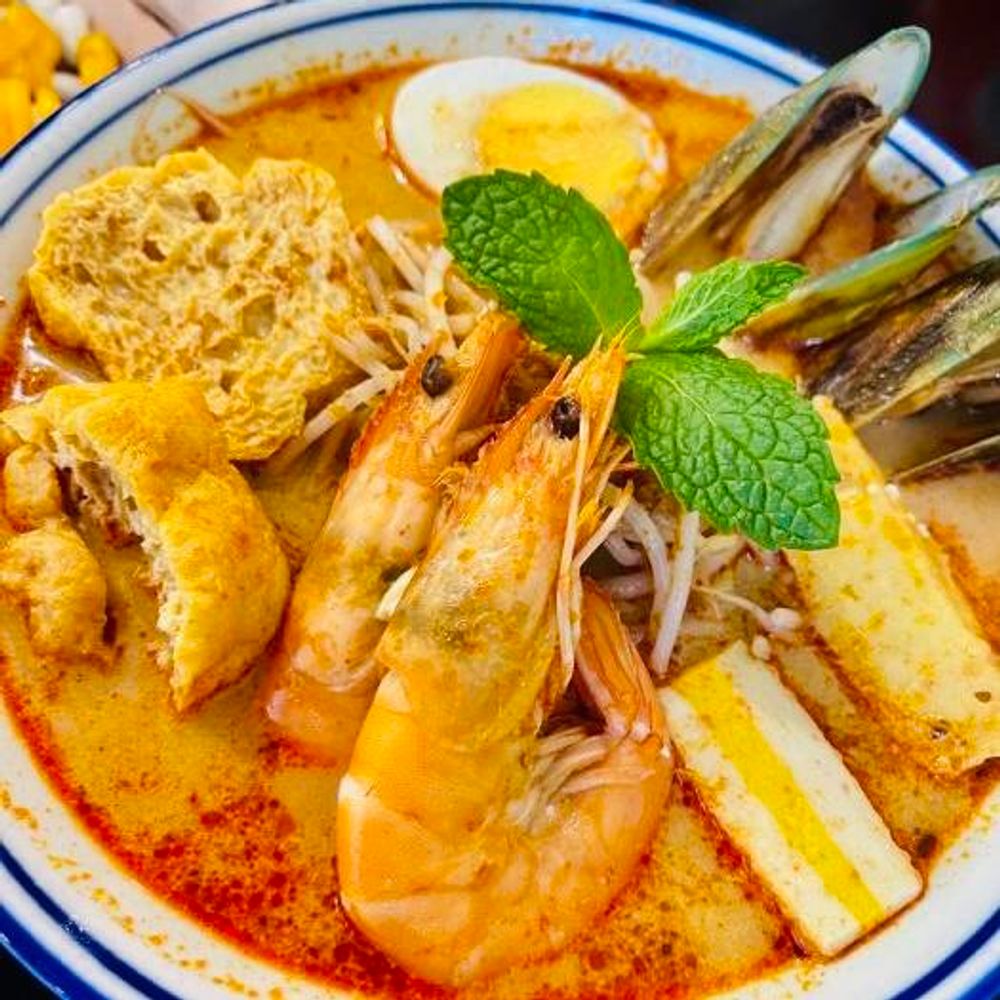
Southeast Asian in a Cantonese City
Guangzhou's dining identity is inseparable from Cantonese cooking. The city's restaurant ecology runs from dim sum teahouses and roast-meat specialists to the high-end Cantonese rooms that draw Michelin inspectors, places like Imperial Treasure Fine Chinese Cuisine and Jiang by Chef Fei. Against that backdrop, a Malaysian restaurant earning back-to-back Bib Gourmand recognition is worth paying attention to. The Bib Gourmand category, Michelin's marker for good food at a price the Guide considers reasonable, sits below the star tier but carries its own editorial weight, signalling that inspectors found quality and value together rather than either one alone.
Mamak operates in Liwan District, one of Guangzhou's older commercial quarters, historically associated with jade trading, Cantonese opera, and the kind of street-level commerce that predates the city's Pearl River New Town skyline. That location already signals something about the restaurant's register: this is not a place positioning itself alongside Taian Table or Chōwa at the ¥¥¥¥ end of the market. The price point is a single ¥, the lowest tier in the range, which makes the Michelin recognition more pointed, not less.
What the Malaysian Kitchen Looks Like from Guangzhou
Malaysian cooking in China's southern cities occupies a specific cultural position. Guangdong Province has deep historical ties with Malaysia's Chinese diaspora communities, and the flavour profiles of Malaysian hawker food, lemongrass, shrimp paste, coconut milk, dried chilli, the sour lift of tamarind, are not entirely foreign to a Cantonese palate schooled on fermented sauces and the interplay of fat and acidity. That affinity makes Guangzhou a more receptive city for this cuisine than, say, a northern Chinese city might be, but it also raises the bar: diners here know when the balance is off.
The category of restaurant Mamak represents, Malaysian, hawker-rooted, low price point, independently operated, is rare in the recognised tier of China's restaurant scene. For comparison, the Malaysian restaurants earning similar critical attention in their home market, such as Dewakan and Beta in Kuala Lumpur, are working in a fine-dining register far removed from hawker tradition. Mamak, by name and by price, is doing something different: keeping the cooking grounded in the hawker format while earning the kind of recognition usually reserved for more formal operations. Chef Kenneth Wan runs the kitchen, though the editorial point here is less about his biography than about what his presence signals: this is a kitchen with a specific culinary identity, not a generic pan-Asian interpolation.
Daytime and Evening: Two Different Restaurants
The lunch-versus-dinner divide matters here more than it does at most restaurants in this price bracket. Guangzhou's Liwan District has a pronounced daytime culture, morning tea, street-level commerce, the unhurried rhythm of older neighbourhoods, and a restaurant at the ¥ price point in this area will draw a working-lunch crowd that is largely local, pragmatic about timing, and unlikely to linger. Lunch at Mamak, by that logic, is likely a quicker, higher-turnover affair, with the kitchen running at pace and the room reflecting the neighbourhood's daytime energy.
Evening service shifts the equation. As Liwan quiets and the more deliberate dinner crowd arrives, the pace changes. A Malaysian kitchen at this price point in the evening is no longer competing with the midday foot traffic; it is competing for the decision a diner makes when they have options across the city. That is where the Bib Gourmand credential does its practical work: it gives prospective diners a reason to make the trip from other districts rather than defaulting to the Cantonese cooking that Guangzhou provides at every price tier.
From a value standpoint, the evening argument for Mamak is direct. Guangzhou's recognised dinner options at higher price points, BingSheng Mansion among them, require a different budget commitment. At the ¥ tier, consecutive Michelin recognition is genuinely unusual; across the broader EP Club Guangzhou restaurants guide, the combination of low price and external validation this narrow is rare.
Where Mamak Sits in the Wider Region
Bib Gourmand spots for non-Chinese cuisines in mainland Chinese cities are uncommon. The Guide's coverage in cities like Guangzhou tends to concentrate on local traditions, Cantonese, Chao Zhou, regional Chinese variants, with international restaurants more often appearing in star categories or not at all. Mamak's consecutive 2024 and 2025 recognitions suggest the inspectors returned and found consistency, which at a ¥ price point in a neighbourhood setting is its own form of credential.
In the wider context of EP Club coverage across China, restaurants earning recognition at this price tier tend to be city-specific institutions with strong repeat-customer bases. Comparable dynamics appear in entries like Xin Rong Ji in Beijing, 102 House in Shanghai, and Ru Yuan in Hangzhou, though each operates in a different culinary register. Further afield, Chef Tam's Seasons in Macau, Dai Yuet Heen in Nanjing, and Xin Rong Ji in Chengdu illustrate how recognised dining in China's major cities continues to diversify across both cuisine type and format.
Planning a Visit
Mamak sits in Liwan District at the address referenced on the Michelin listing, in a part of Guangzhou where the street grid is older and the neighbourhood character is more residential-commercial than the Pearl River New Town corridor.
For travellers building a Guangzhou itinerary around the full range of the city's recognised dining, the EP Club guides to hotels, bars, wineries, and experiences cover the broader picture.
What Should I Eat at Mamak?
The kitchen is grounded in Malaysian cooking, a tradition built on hawker staples, and the Michelin Bib Gourmand recognition across two consecutive years confirms the inspectors found the food consistent and specific rather than generic. No dish list is available in confirmed records, but the cuisine framework points toward the core Malaysian repertoire: noodle dishes, rice-based plates, and the char-forward, paste-driven cooking that defines hawker tradition. Chef Kenneth Wan's involvement gives the kitchen a named culinary authority, and the ¥ price point means the cooking is priced to be eaten across multiple courses rather than rationed. The most direct approach is to order broadly and treat the meal the way hawker dining is designed to be experienced: as a range of dishes shared across the table rather than a single headliner.
The Minimal Set
| Venue | Cuisine | Price | Awards | Notes |
|---|---|---|---|---|
| MamakThis venue (the venue you are viewing) | Malaysian Hawker | $1–10 | Michelin Bib Gourmand | Not listed |
| Imperial Treasure Fine Chinese Cuisine | Fine Cantonese Cuisine | Not listed | 2 Michelin Stars · La Liste Top Restaurants | Cantonese |
| Taian Table | Modern European with Asian Influences | $300–500 | 3 Michelin Stars · La Liste Top Restaurants | Modern European, European Contemporary |
| Chōwa | Franco-Japanese Fusion | $150–200 | 1 Michelin Star · The Best Chef Two Knives | Innovative |
| Imperial Treasure Fine Teochew Cuisine | Fine Teochew Cuisine | Not listed | 1 Michelin Star · La Liste Top Restaurants | Chao Zhou |
| Rêver | Modern French Fine Dining with Cantonese Influences | Not listed | 1 Michelin Star · The Best Chef One Knife | French Contemporary |
Recognition history
Dated appearances from independent guides and award organizations, with the underlying list record or original source where available.
Michelin Bib Gourmand
Michelin
Full recognition history (3 entries)
Michelin Bib Gourmand
Michelin
Michelin Bib Gourmand
Michelin
Continue exploring
More in Guangzhou
Restaurants in Guangzhou
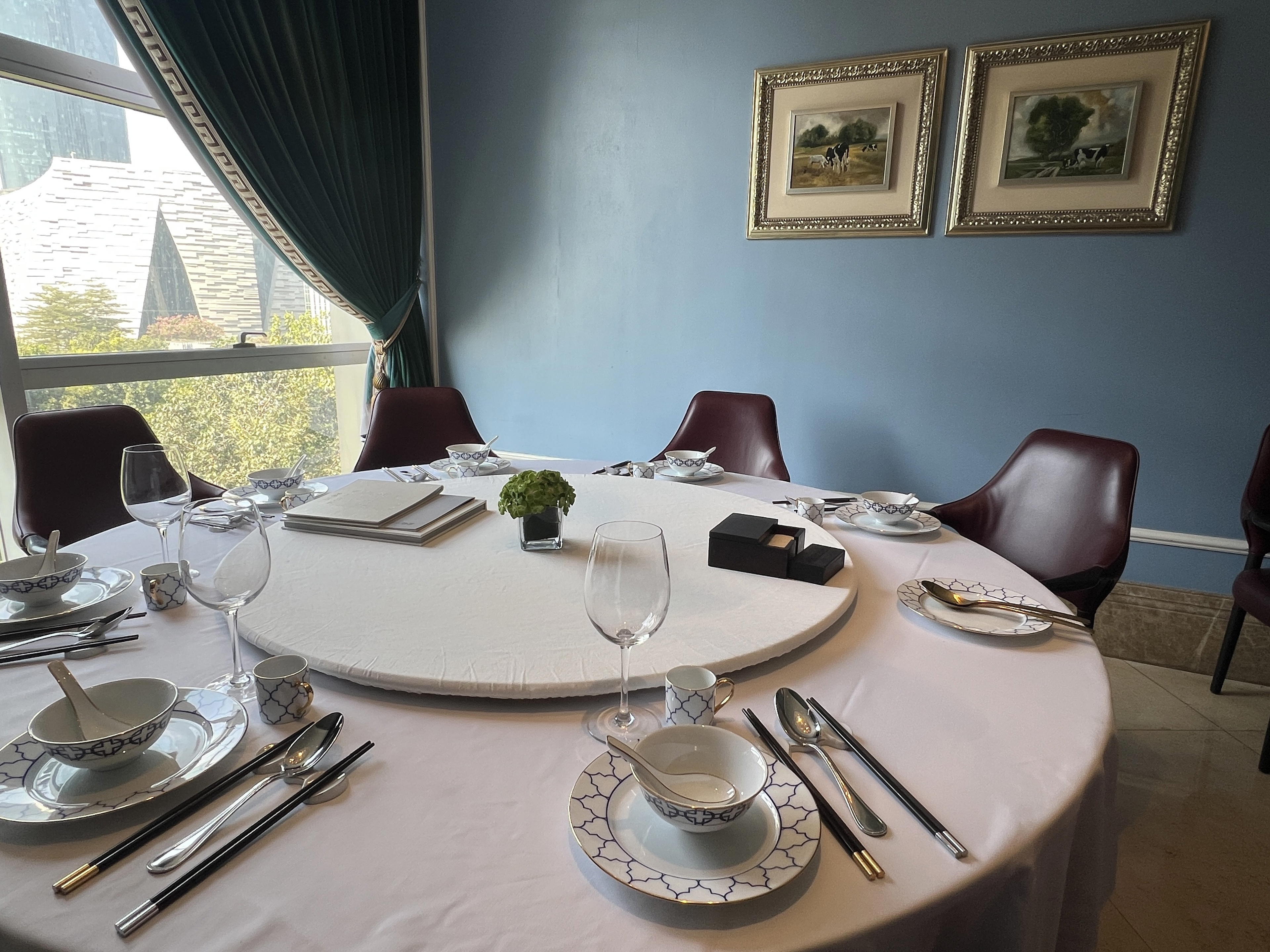
All restaurants in Guangzhou →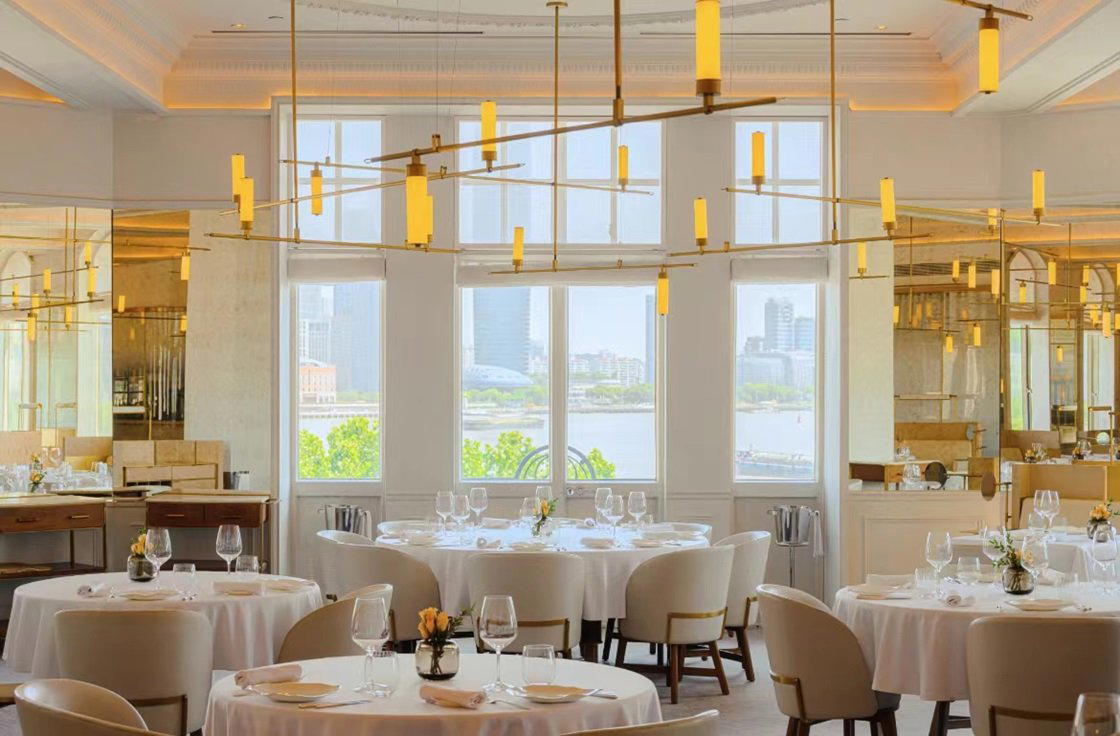
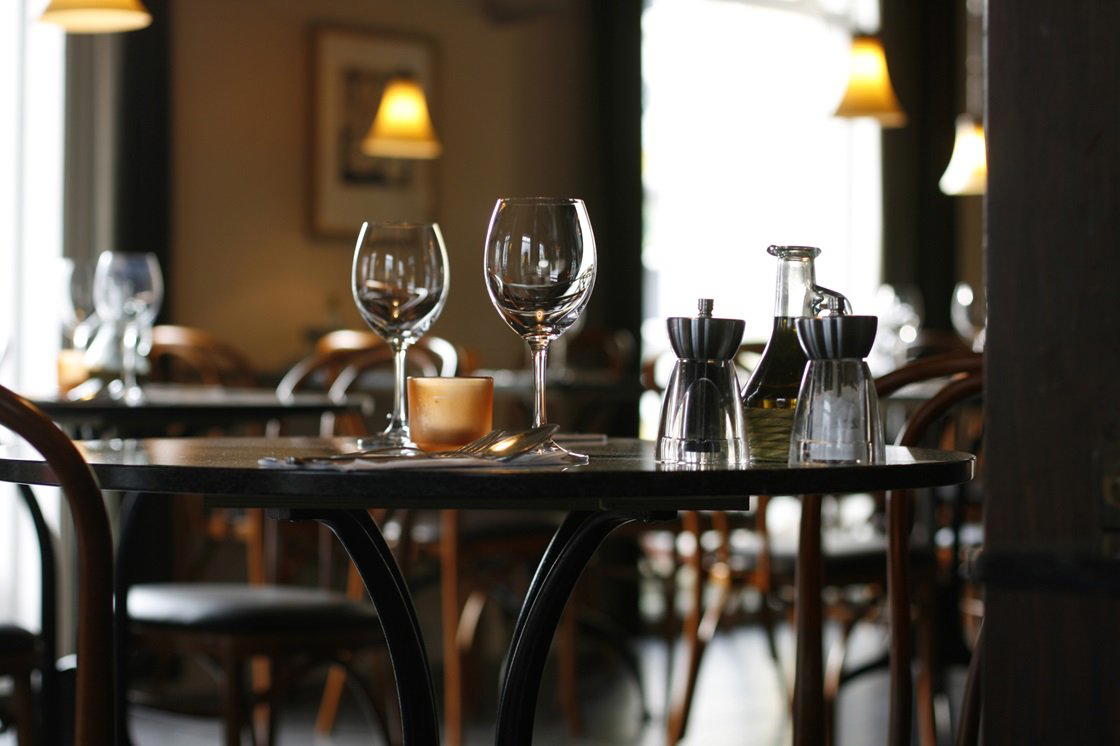
Bars in Guangzhou
All bars in Guangzhou →
Details
- Lively
- Cozy
- Trendy
- Casual Hangout
- Family
- Standalone
- A La Carte
- Halal
Cheerful bold yellow room decorated with Malaysian flags, evoking a lively street food atmosphere.