Our verdict
Mama Uma occupies the second floor of Mercado Barceló in Chueca, one of Madrid's most animated neighbourhood markets. The setting places it squarely inside the city's market-dining revival, where casual format and serious cooking share the same address. For visitors threading through Madrid's broader restaurant scene, it offers a grounded, neighbourhood-rooted alternative to the capital's tasting-menu circuit.

Pearl is the En Primeur Club membership app — saves, bookings, and concierge access live there. Same editors, same standards.
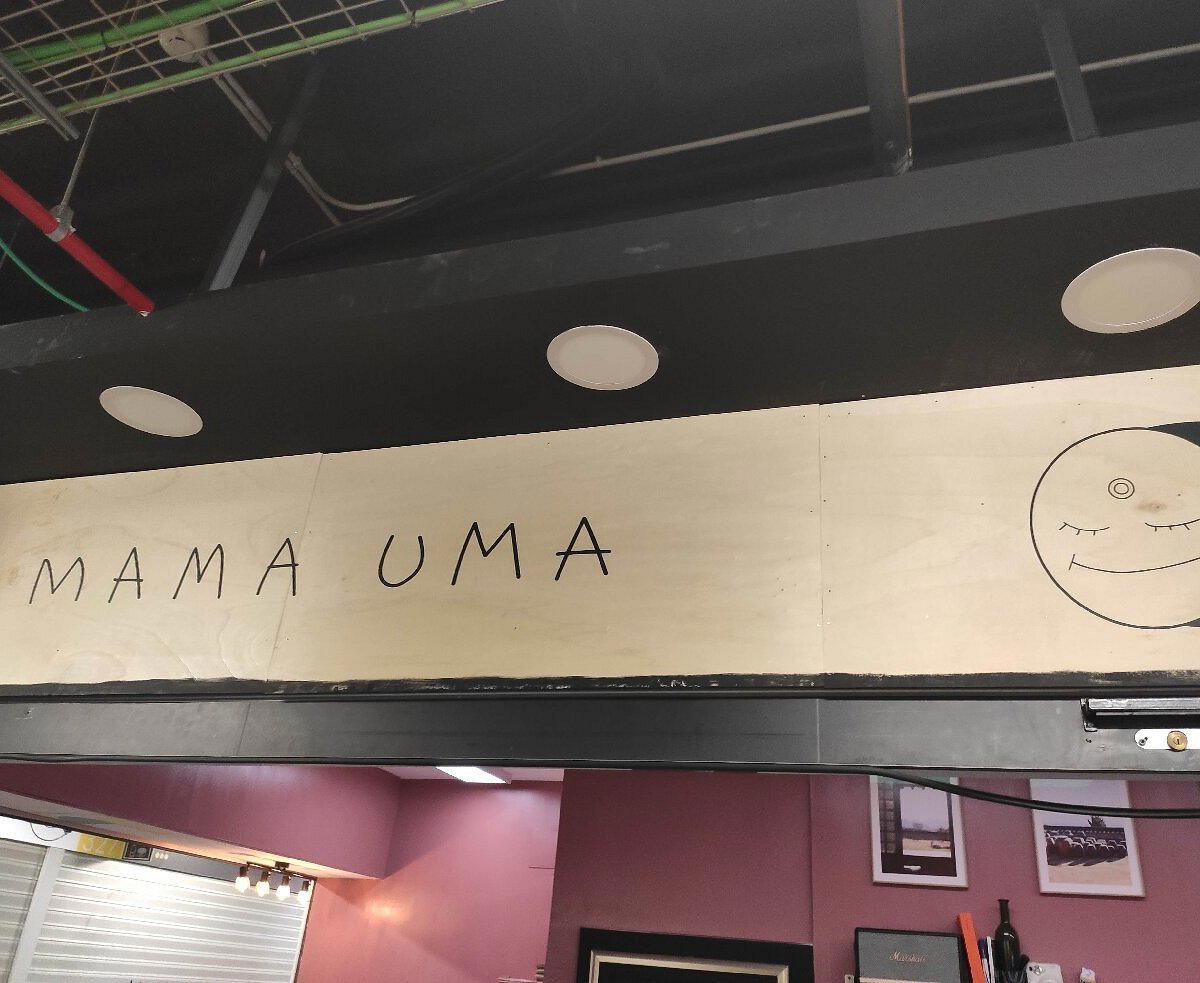
The menu
What to order
- Bibimbap
- Mandu dumplings
- Korean fried chicken
Second Floor, Mercado Barceló: What the Address Tells You
Madrid's covered markets have undergone a quiet but durable transformation over the past decade. Where they once served primarily as morning produce halls, several have been reconfigured to support full-service dining operations that run through lunch and into the evening. Mercado Barceló, on Calle de Barceló in the Chueca district, sits inside that shift. The building itself dates to the 1950s and occupies a prominent civic position in a neighbourhood that has evolved from working-class residential into one of central Madrid's most culturally layered quarters. Mama Uma operates on the second floor, in local 313, which means the approach involves navigating the market's own energy before arriving at the restaurant proper — a detail that shapes the experience before a dish arrives.
That kind of embedded, market-adjacent format carries specific implications. The dining room is not positioned as a destination in the way that Madrid's high-format tasting-menu restaurants are. It belongs to a different category: accessible neighbourhood cooking with a fixed postcode that brings its own character. In a city where DiverXO, Coque, and Deessa occupy the upper register of gastronomic ambition, venues like Mama Uma serve a genuinely different function: they are where locals eat on a Wednesday, not where international visitors make a single pilgrimage reservation.
Chueca as Dining Context
Understanding Mama Uma requires understanding Chueca. The neighbourhood runs roughly between Gran Vía to the south and Alonso Martínez to the north, and its restaurant density is high even by Madrid standards. The streets around Mercado Barceló support a mix of traditional tabernas, contemporary Spanish kitchens, and international concepts that reflects the area's demographic breadth. Chueca is not a tourist corridor in the way that the streets near Plaza Mayor are; it functions as a residential and commercial neighbourhood where dining-out is habitual rather than occasional.
Within that context, a market-level restaurant on the second floor of Barceló occupies an interesting position. The market format keeps the setting informal, the price register accessible, and the clientele predominantly local. This is not incidental — it is structural. Market dining in Madrid, as in Barcelona and across Spanish cities more broadly, tends to maintain a ceiling on formality that tasting-menu rooms remove. The trade-off is scale of ambition versus ease of access, and Mama Uma sits on the accessible side of that divide.
For visitors building a Madrid itinerary around multiple dining experiences rather than a single high-investment meal, that positioning matters. The city's Michelin-decorated tier, including DSTAgE and Paco Roncero, demands advance planning, formal booking windows, and a different budgetary commitment. A neighbourhood market restaurant in Chueca operates on a different rhythm entirely.
The Market-Dining Format Across Spain
Spain has produced some of the most technically demanding restaurant cooking in the world. El Celler de Can Roca in Girona, Arzak in San Sebastián, and Azurmendi in Larrabetzu represent a tier of ambition that requires significant infrastructure to sustain. Further along the spectrum, Mugaritz in Errenteria, Martin Berasategui in Lasarte-Oria, and Quique Dacosta in Dénia have each built reputations around singular culinary languages that operate at some distance from casual dining. Aponiente in El Puerto de Santa María, Ricard Camarena in València, Atrio in Cáceres, and Cocina Hermanos Torres in Barcelona round out a picture of Spanish fine dining as a geographically dispersed, stylistically varied enterprise.
What that tier rarely provides is the texture of ordinary urban life: the sound of a covered market in mid-afternoon, the sight of shoppers passing below, the sense that the restaurant is embedded in a neighbourhood rather than extracted from it. That is what market-format dining delivers, and it is not a lesser version of the experience, it is a different one, with its own specific pleasures. Internationally, similar dynamics play out at covered-market dining operations in Paris, London, and New York, where the market container sets expectations that a white-tablecloth room cannot replicate. Comparison venues at the high end of the American market, such as Le Bernardin in New York City or Atomix in New York City, illustrate just how wide the format spectrum in serious dining has become globally.
What to Expect at Mama Uma
Rather than synthesize placeholders, the more useful observation is structural: second-floor market restaurants in Madrid generally operate with shorter menus than standalone restaurants, adapt their offer to market-sourced produce with high turnover, and maintain a pace that suits both a quick midday lunch and a more relaxed weekend sitting. The Chueca location means foot traffic is consistent, and the Barceló market's own reputation draws a mixed clientele of residents, workers, and curious visitors.
For visitors who have committed time to Madrid's formal dining tier, adding a Mama Uma lunch to the itinerary offers a different register of the same city. The contrast is informative in itself: the gap between what Madrid does at the top of its ambition and what it does in a neighbourhood market on a Tuesday afternoon is part of understanding the city's food culture in full. Those two experiences are not in competition; they are complementary data points. See the full Madrid restaurants guide for the wider picture.
Planning Your Visit
Location: Mercado Barceló, C. de Barceló, 6, Segunda Planta, Local 313, Centro, 28004 Madrid. The market is a short walk from Tribunal metro station on Line 10. Reservations: Timing: Madrid's market restaurants typically see peak traffic between 2pm and 4pm for the main midday meal service; arriving at opening gives the most relaxed experience. Context: Budget and dress expectations align with casual neighbourhood dining rather than the formal requirements of Madrid's tasting-menu circuit.
Frequently asked questions
What's the must-try dish at Mama Uma?
EP Club does not have confirmed menu data for Mama Uma at the time of writing, so naming a specific dish would require speculating beyond what can be verified. What can be said is that market-embedded restaurants in Madrid's Chueca district tend to anchor their offer around produce sourced through the market itself, with a short, rotating menu that follows availability. For confirmed dish-level detail at Madrid's most decorated kitchens, the profiles of DiverXO and DSTAgE provide more structured reference points.
Should I book Mama Uma in advance?
Chueca is one of central Madrid's busiest dining neighbourhoods, and Mercado Barceló draws consistent local traffic throughout the week. If you are visiting on a weekend or during the midday peak, making contact in advance is sensible even for a market-format restaurant. The venue does not carry the kind of extended booking lead times that apply to Michelin-decorated tables like Coque or Paco Roncero, but demand in this neighbourhood is steady enough that walk-in availability on busy days cannot be assumed. Arriving at opening for the lunch service remains the most reliable walk-in strategy across Madrid's market dining tier.
Is Mama Uma a good option for visitors who want to experience a local Madrid market atmosphere alongside a meal?
Mercado Barceló is one of the few covered markets in central Madrid that has maintained genuine neighbourhood character alongside its dining offer, making it a more grounded experience than the heavily tourist-oriented Mercado de San Miguel near Plaza Mayor. Mama Uma's position on the second floor places it within that market environment without removing it entirely from the surrounding activity. For visitors who want to understand how Madrid eats day-to-day rather than how it performs for special occasions, a market-level lunch in Chueca sits closer to that reality than a tasting-menu evening at any of the city's award-holding restaurants. The combination of neighbourhood, format, and setting makes it a useful counterpoint in a broader Madrid dining itinerary.
Recognition, Side-by-Side
Comparable venues nearby, for context on price, style, and recognition.
| Venue | Cuisine | Price | Awards | Notes |
|---|---|---|---|---|
| Mama UmaThis venue — the venue you are viewing | Modern Korean Market Food | $10–20 | Not listed | Not listed |
| Lola 09 | Modern Spanish Tapas | $30–50 | Not listed | Chueca |
| Alegrias | Spanish Tapas | $10–20 | Not listed | Malasana |
| perretxiCo Chueca | Modern Basque Pintxos Taberna | $30–50 | Not listed | Chueca |
| Raimunda | Ibero-American Fusion | $30–50 | Not listed | Recoletos |
| El Perro y La Galleta | Modern Mediterranean with Spanish Influences | $30–50 | Macarfi 6.5 Food Rating | Recoletos |
Continue exploring
More in Madrid
Restaurants in Madrid
All restaurants in Madrid →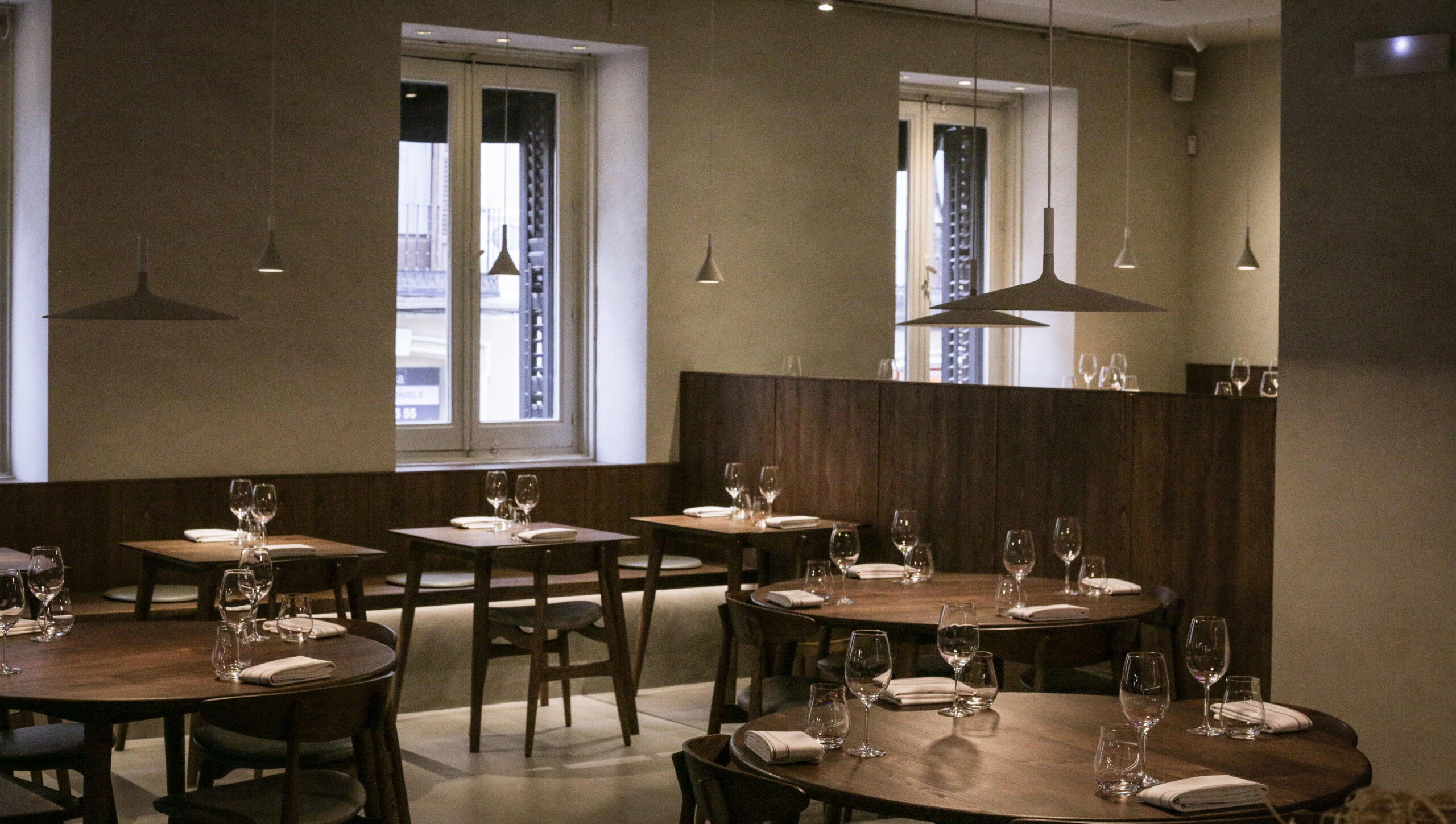
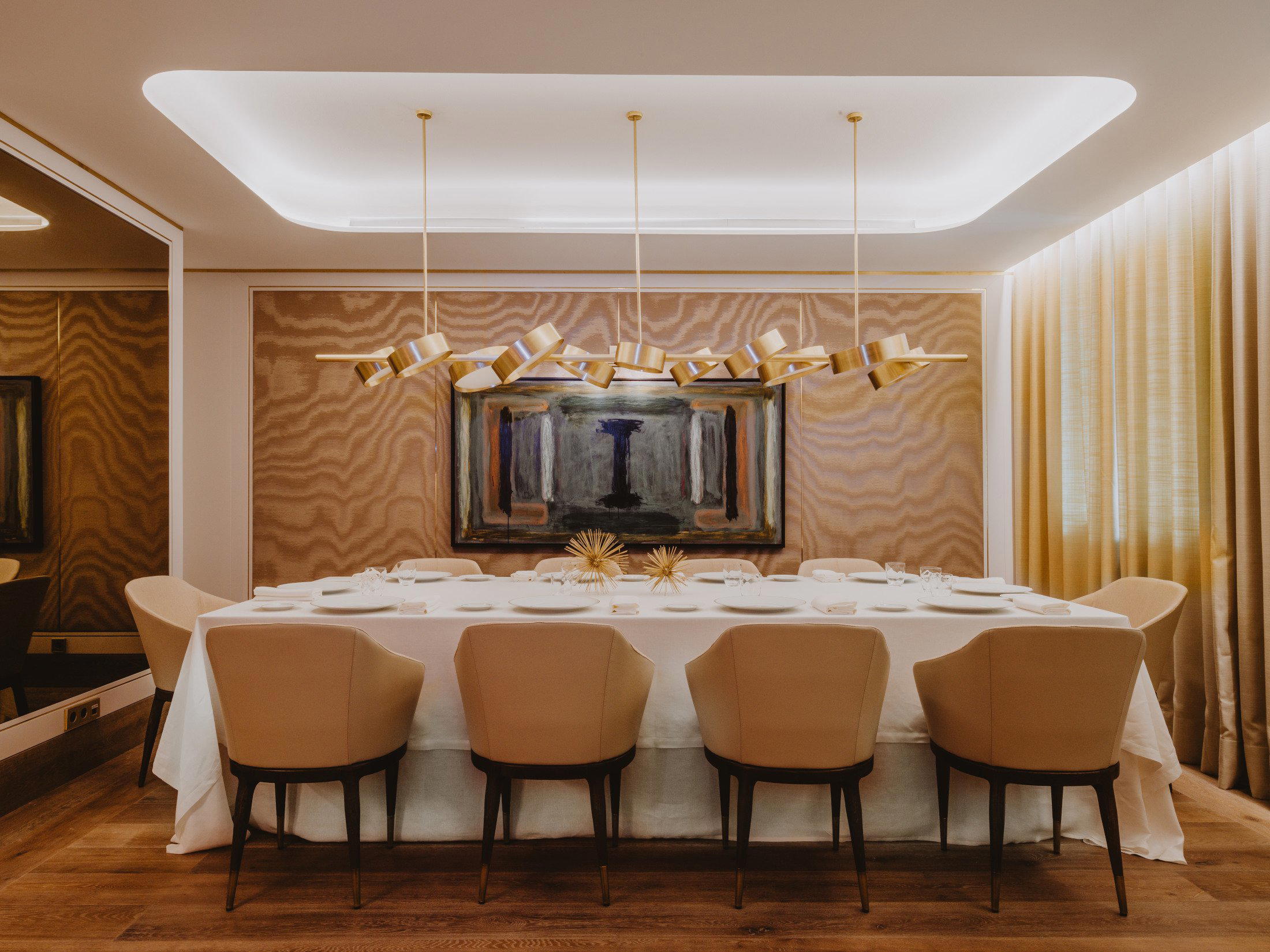
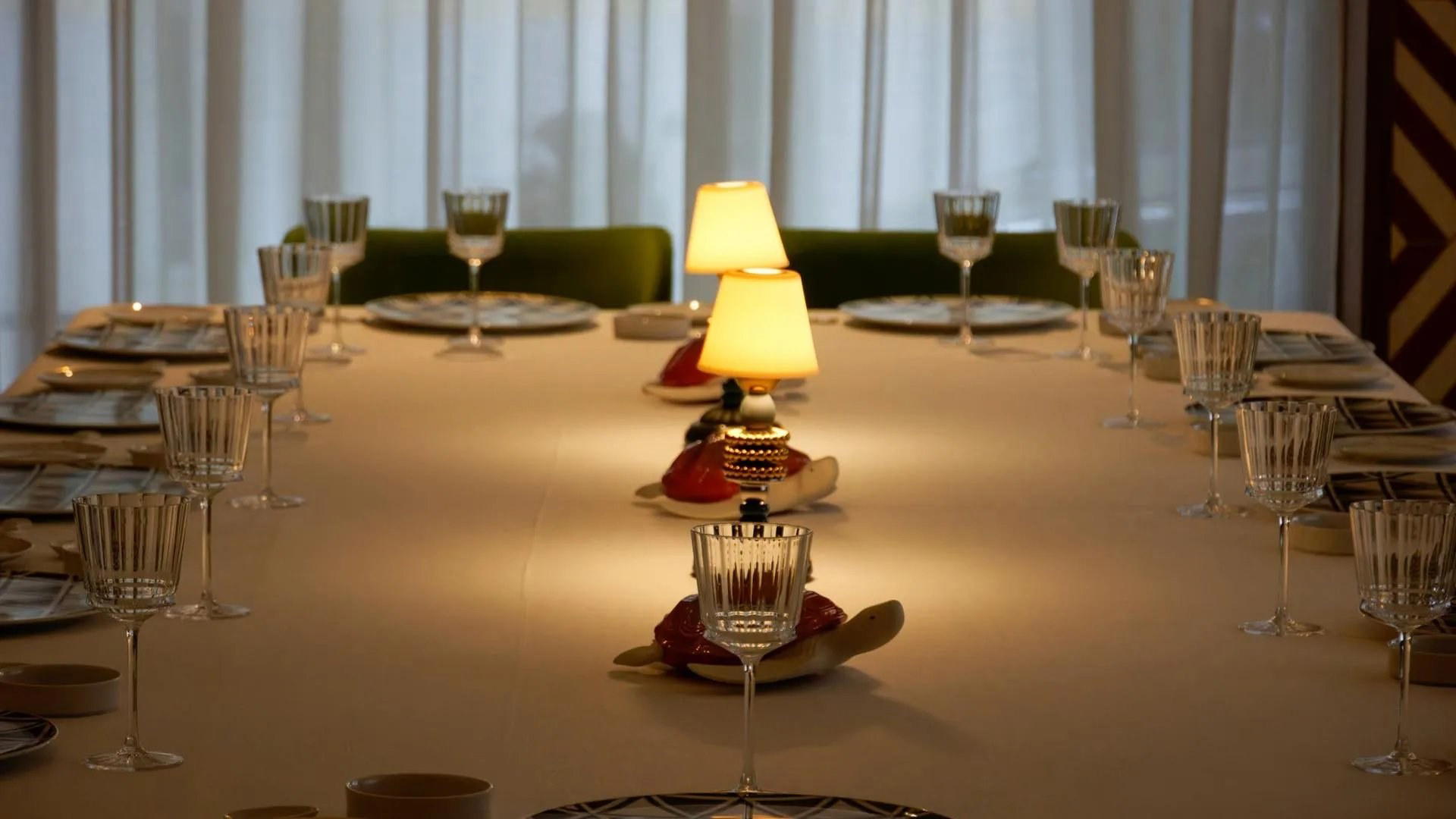
Bars in Madrid
All bars in Madrid →

Details
- Trendy
- Modern
- Casual Hangout
- Open Kitchen
- Organic
- A La Carte
- Small Plates
- Vegetarian Friendly
- Vegan Options
Current opening hours
- Monday
- 1–4:30 PM, 8–11:30 PM
- Tuesday
- 1–4:30 PM, 8–11:30 PM
- Wednesday
- 1–4:30 PM, 8–11:30 PM
- Thursday
- 1–4:30 PM, 8–11:30 PM
- Friday
- 1–4:30 PM, 8–11:30 PM
- Saturday
- 1–4:30 PM, 8–11:30 PM
- Sunday
- 1–5 PM
Hours can change for holidays and private events. Last verified .
Casual market stall atmosphere with focus on fresh, handmade Korean dishes.