Google: 4.8 · 869 reviews
Malabar Bistró Nómada
.png)
A Michelin Plate-recognised bistro in the mountain town of Becerril de la Sierra, Malabar Bistró Nómada runs a concise, regularly changing à la carte built around locally sourced Sierra de Guadarrama ingredients and an exotic-touch cooking style. The €€ price point and flexible sharing format, including half and quarter portions, make it one of the more considered addresses in the Madrid mountain circuit.
 Discover on Pearl
Pearl is the En Primeur Club membership app — saves, bookings, and concierge access live there. Same editors, same standards.
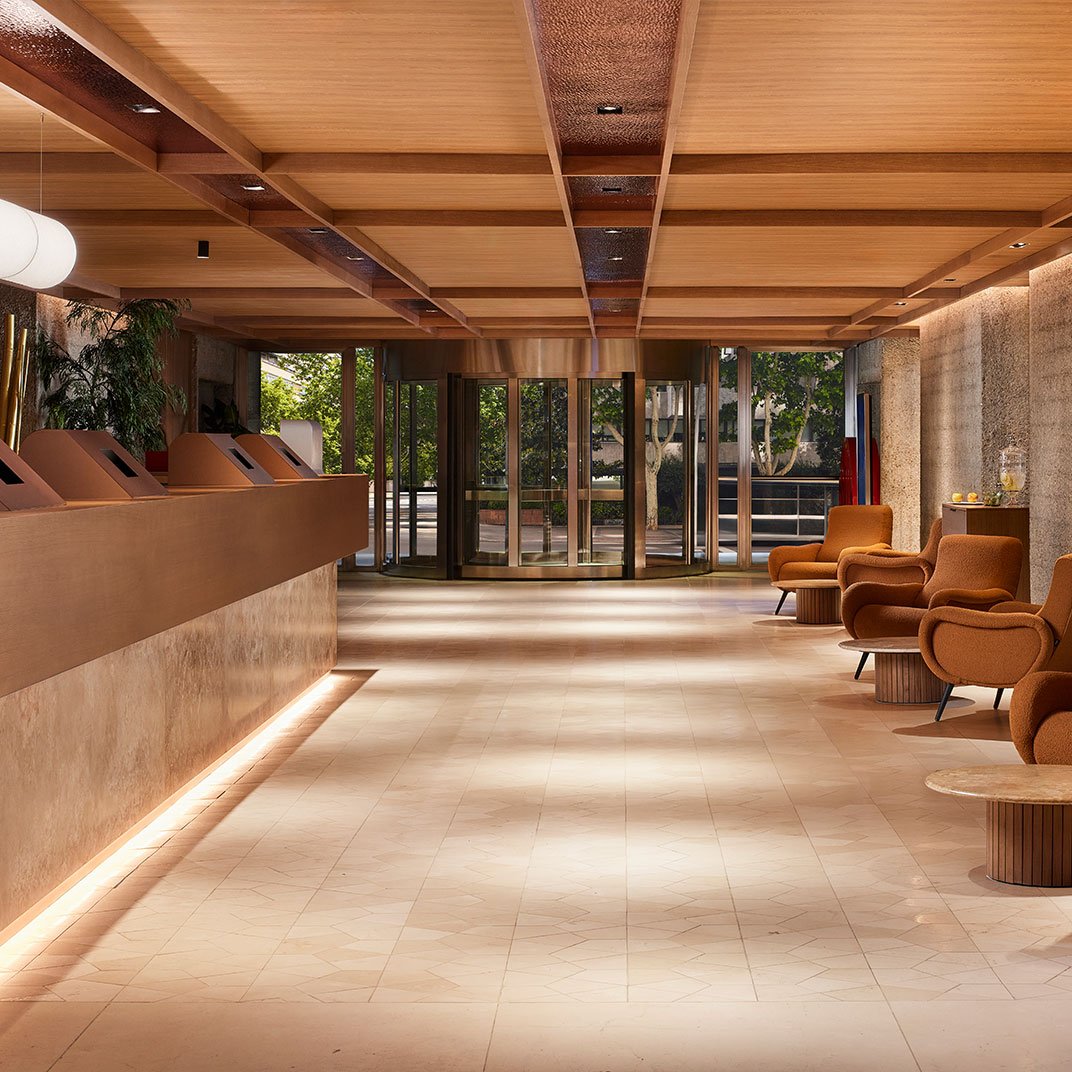
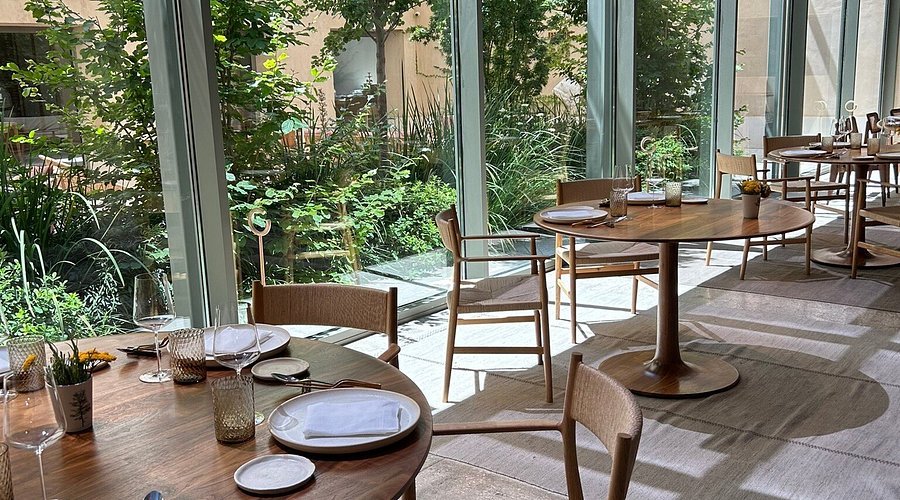
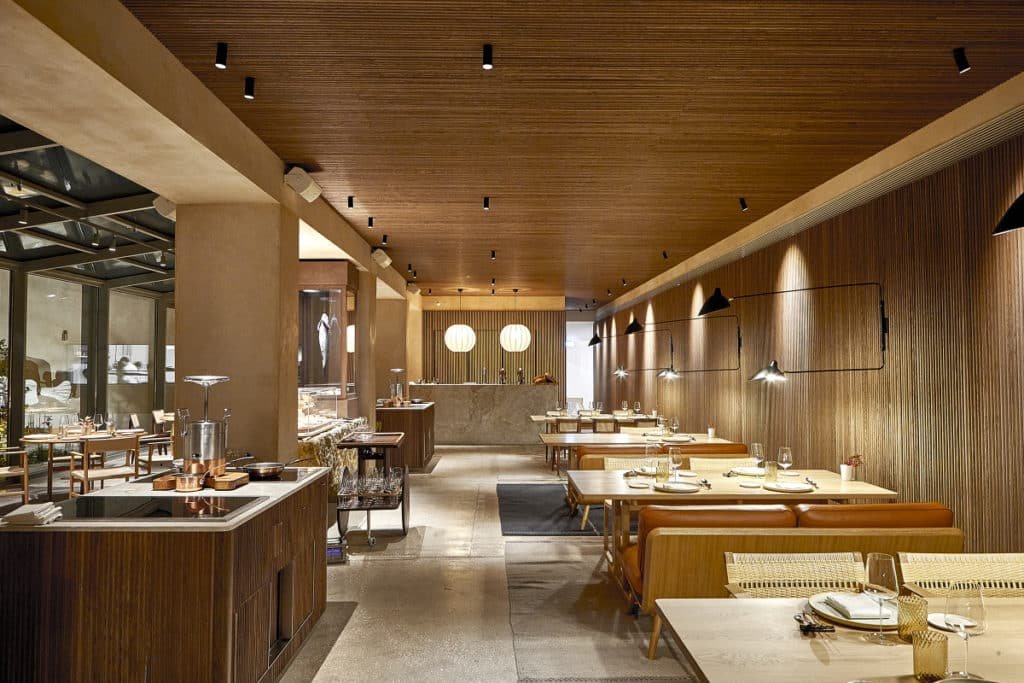
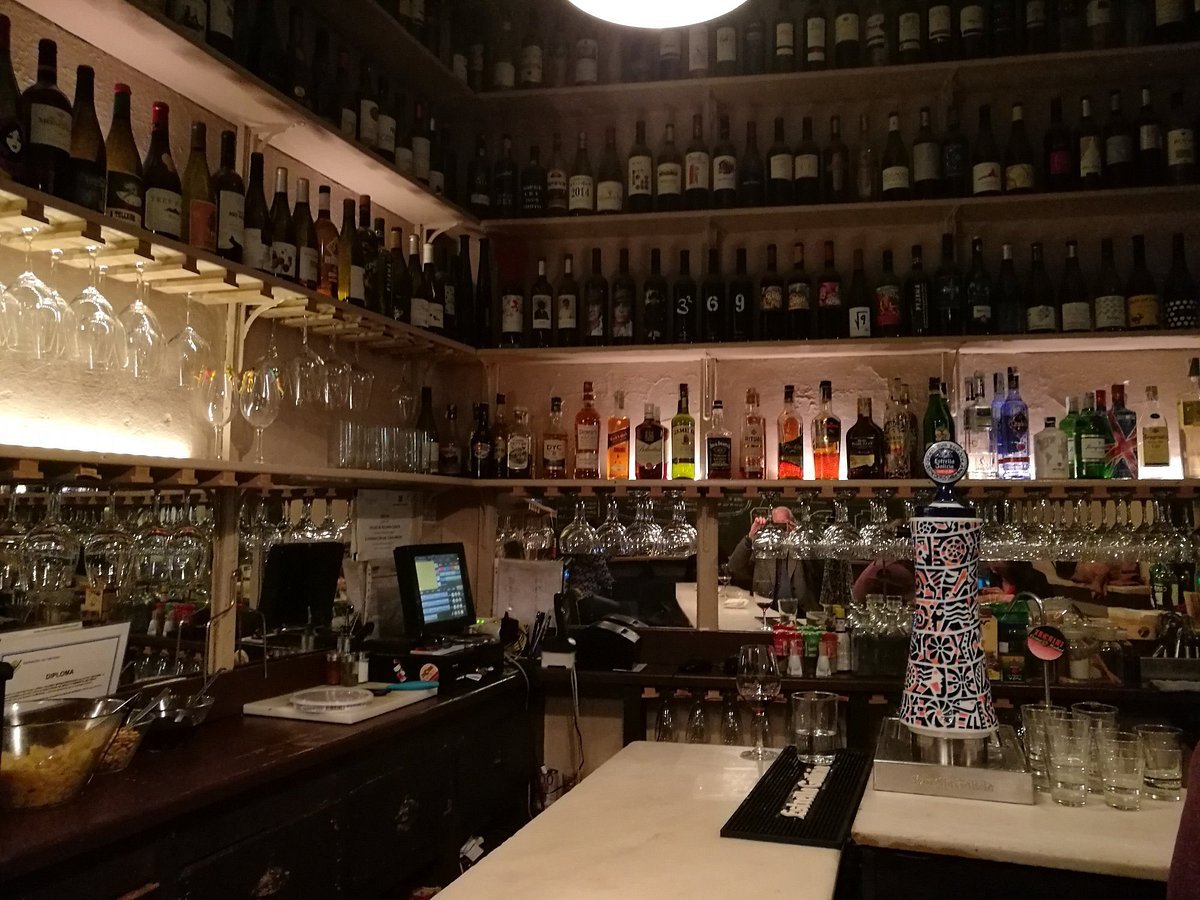
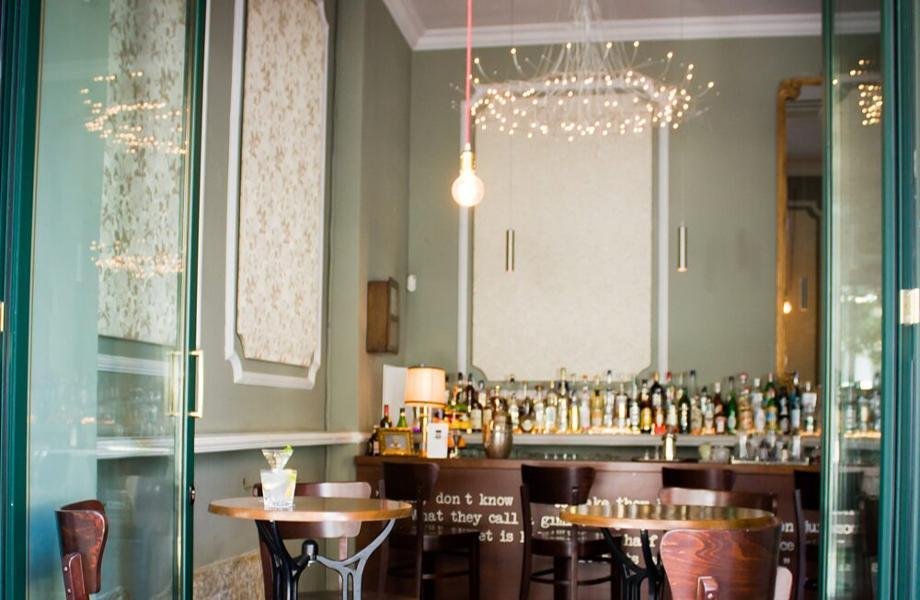
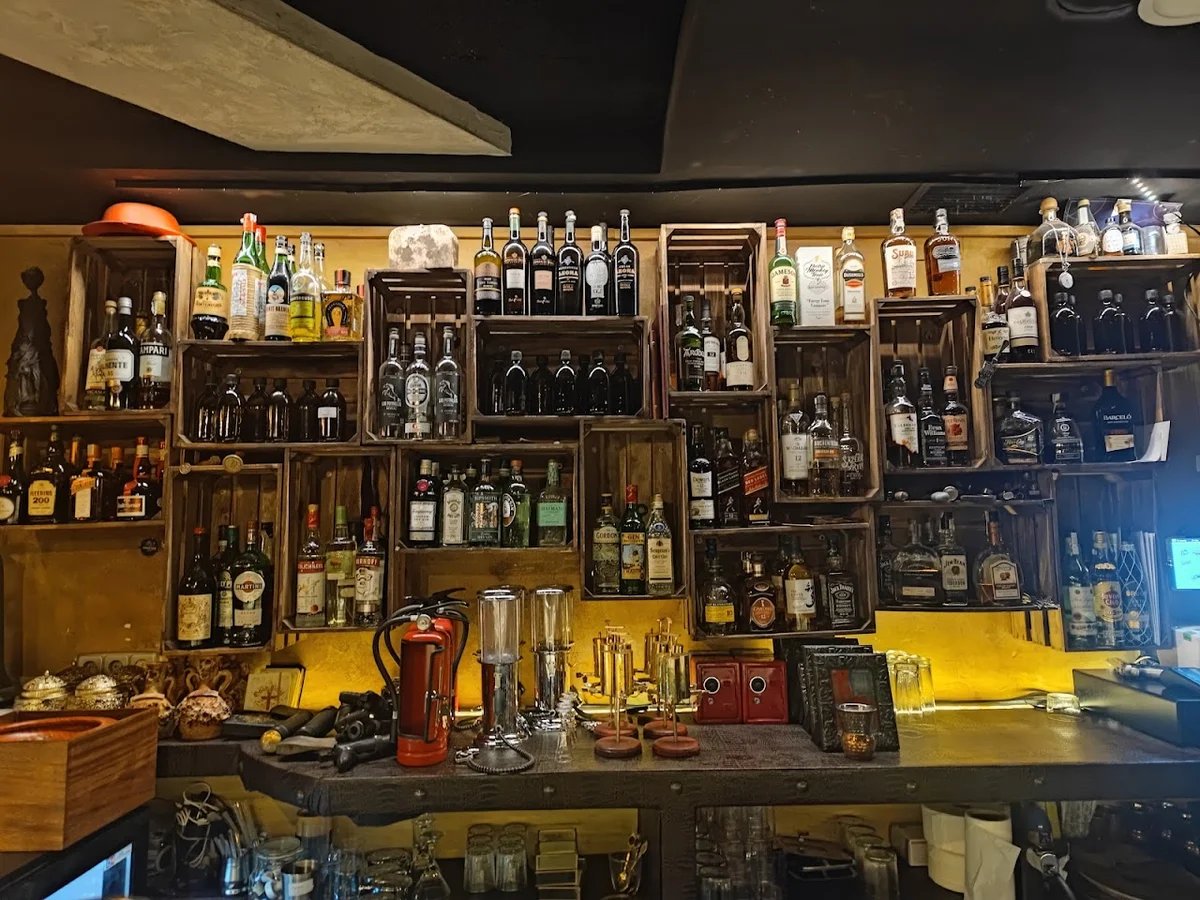
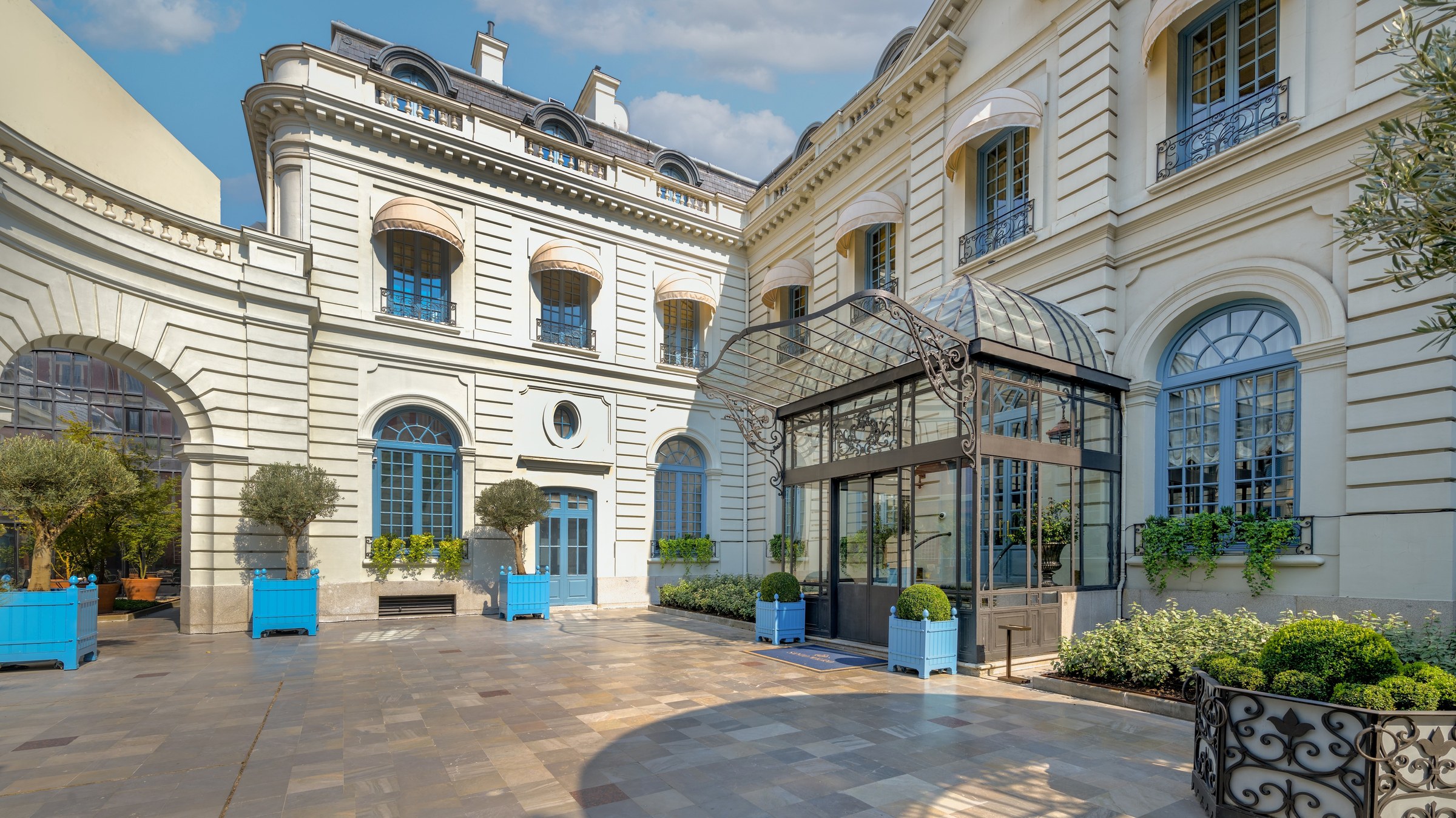
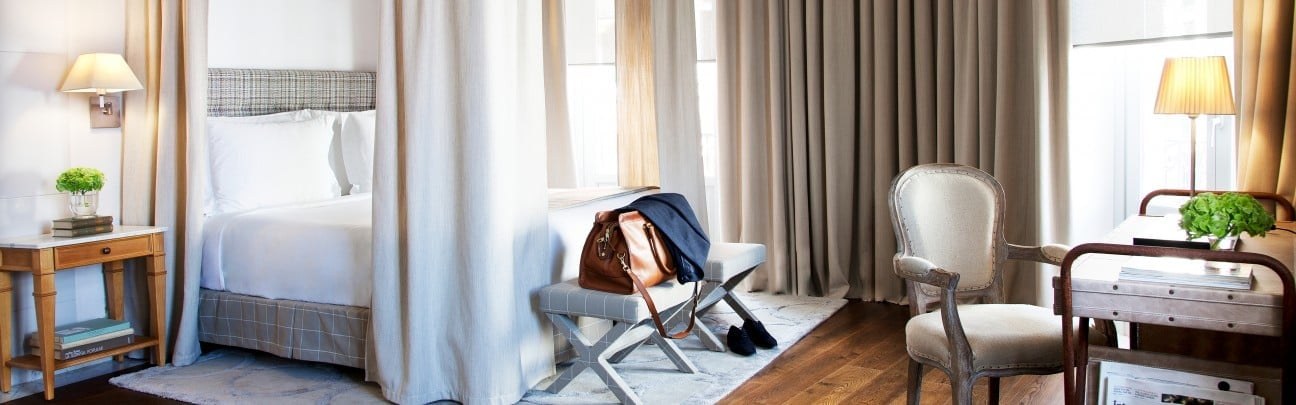
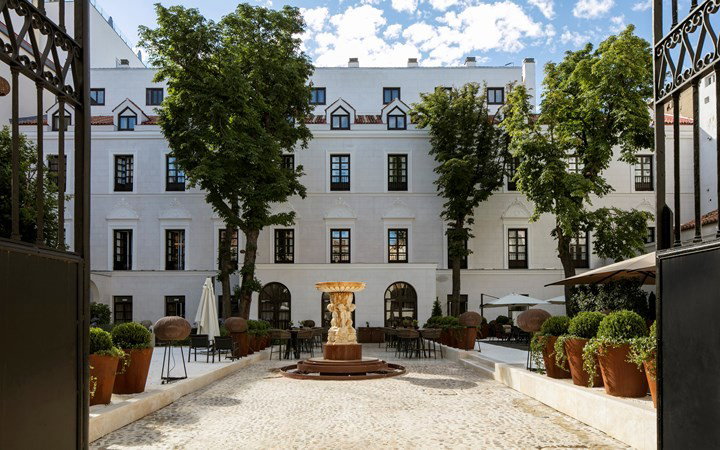
The approach to Calle Real tells you something about what kind of restaurant this is going to be. Becerril de la Sierra sits at roughly 1,100 metres in the Sierra de Guadarrama, a granite-and-pine range that divides the Castilian meseta from the Madrid basin below. The streets here are narrow, the stone is old, and the pace is set by weekenders from the capital rather than international tourist flows. When Malabar Bistró Nómada appears — a townhouse with a patio-terrace at its entrance — it reads less like a destination restaurant and more like the kind of place a knowledgeable Madrileño would quietly keep to themselves. The rustic, unpretentious interior only reinforces that impression.
Where the Food Comes From
The Madrid sierra has been producing serious raw material for centuries: the Buitrago de Lozoya valley, roughly 40 kilometres northeast of Becerril, raises cattle under conditions that reward patience. An ox aged seven years develops a depth of fat marbling and muscle structure that younger beef simply cannot replicate, and that ingredient shows up in the meatballs here as a signal of the kitchen's sourcing priorities rather than as a novelty. The red tuna with pepper-flavoured butter, noted during a documented visit, points in a different direction geographically but follows the same logic: find an ingredient at its peak and treat it with enough technique to clarify rather than obscure what makes it interesting.
This sourcing model, which draws from the immediate sierra and the broader central Spain region before reaching further afield, defines a distinct tier of contemporary Spanish cooking. It sits at some distance from the laboratory-driven creativity of DiverXO in Madrid or the multi-decade institutional ambition of Arzak in San Sebastián, and even further from the tasting-menu formats at El Celler de Can Roca in Girona or Disfrutar in Barcelona. The competitive set here is a smaller, quieter category: smart regional bistros with genuine technique, operating at a price point that allows for regular visits rather than annual pilgrimages.
The Menu Format and Why It Works
The à la carte is concise by design. Dishes change regularly, which is both a quality signal and a practical commitment to seasonality that many restaurants announce but fewer actually honour. The menu includes raciones, half-portions, and quarter-portions for some dishes , a structural decision that shapes how the meal unfolds. It encourages the table to eat widely, to move across the card rather than anchor to a single main course, and to calibrate consumption without the formality of a tasting menu. That flexibility matters in a mountain-town setting where the audience on a Saturday afternoon might range from a couple on a long weekend to a family group with varying appetites.
The Michelin Plate recognition in both 2024 and 2025 confirms that the technique justifies the format. A Plate designation at this price tier signals that the cooking rises above the bistro category's typical ceiling without requiring the infrastructure, staffing ratios, or pricing of a starred kitchen. For the sierra circuit, where most restaurants operate as direct comfort stops for hikers and weekend drivers, that distinction carries weight.
The Exotic Touch and What It Signals
Spanish contemporary cooking has long negotiated the tension between deep regional identity and outward-looking curiosity. The Basque avant-garde of the 1990s proved that the two were not mutually exclusive. What has emerged in smaller, post-boom-era restaurants is a quieter version of that synthesis: local ingredients read through an international lens, technique borrowed from wherever it serves the ingredient leading. The pepper-flavoured butter applied to red tuna is a minor example of this logic , a preparation that leans on classical French texture but applies it to a Spanish ingredient in a mountain setting , and it illustrates how the kitchen here operates at a diagonal to both strict regionalism and generic modernism. For comparison, the kind of coastal sourcing rigour that drives Aponiente in El Puerto de Santa María or the terroir specificity at Quique Dacosta in Dénia has an inland analogue in how Malabar approaches the Buitrago valley or the sierra's immediate produce.
The meticulous presentation mentioned in the Michelin notes is worth contextualising. At the €€ level, plating discipline is not a given. Many bistros at this price tier treat presentation as an afterthought relative to portion size. A kitchen that maintains technique and visual care without inflating prices is exercising a kind of restraint that benefits the diner directly.
Getting There and Planning Your Visit
Becerril de la Sierra is accessible from Madrid by car in under an hour via the A-6 and M-601, making it a practical lunch destination from the capital. The town sits on the southern slope of the sierra, well inside the Sierra de Guadarrama National Park boundary, and the patio-terrace at Malabar becomes the obvious choice on the kind of clear, cool sierra afternoon that the area produces reliably from spring through to early autumn. The €€ pricing means a full meal with drinks stays well within the range of a casual outing rather than a budgeted occasion. The restaurant does not publish a phone number or website in the standard directories, so reservations are most reliably secured by visiting directly or through local booking channels. Given the 4.8 rating across 811 Google reviews, demand on weekends should be anticipated , arriving without a reservation on a Saturday afternoon in summer or early autumn carries risk. If you are building a longer stay around the area, our full Becerril de la Sierra hotels guide covers overnight options, and our full Becerril de la Sierra bars guide maps the evening options in town. The broader sierra dining picture is in our full Becerril de la Sierra restaurants guide. Wineries and experiential programming in the area are covered in our full Becerril de la Sierra wineries guide and our full Becerril de la Sierra experiences guide.
For those using a Madrid trip to map the wider Spanish contemporary scene, the tasting-menu tier is well represented by Martin Berasategui in Lasarte-Oria, Mugaritz in Errenteria, Azurmendi in Larrabetzu, Ricard Camarena in València, and Atrio in Cáceres. International contemporary comparisons are available through César in New York City and Jungsik in Seoul.
Comparable Spots, Quickly
These are the closest comparables we have in our database for quick context.
| Venue | Cuisine | Price | Awards | Notes |
|---|---|---|---|---|
| Malabar Bistró Nómada | Contemporary | €€ | Occupying a townhouse in the mountains around Madrid, this restaurant features a… | This venue |
| Aponiente | Progressive - Seafood, Creative | €€€€ | Michelin 3 Star | Progressive - Seafood, Creative, €€€€ |
| Arzak | Modern Basque, Creative | €€€€ | Michelin 3 Star | Modern Basque, Creative, €€€€ |
| DiverXO | Progressive - Asian, Creative | €€€€ | Michelin 3 Star | Progressive - Asian, Creative, €€€€ |
| El Celler de Can Roca | Progressive Spanish, Creative | €€€€ | Michelin 3 Star | Progressive Spanish, Creative, €€€€ |
| Quique Dacosta | Creative | €€€€ | Michelin 3 Star | Creative, €€€€ |
Continue exploring
More in Becerril de la Sierra
Restaurants in Becerril de la Sierra
Browse all →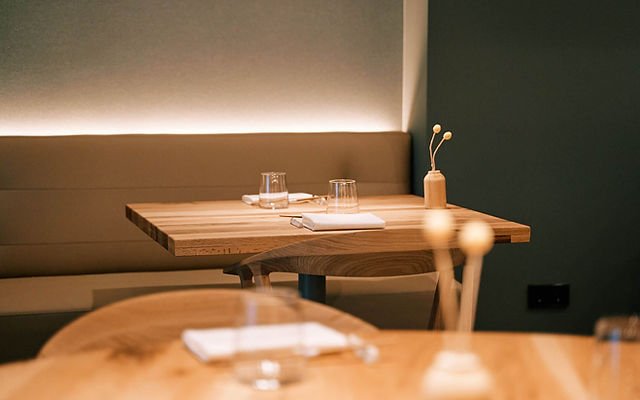
Bars in Becerril de la Sierra
Browse all →

At a Glance
- Cozy
- Rustic
- Intimate
- Date Night
- Special Occasion
- Group Dining
- Terrace
- Open Kitchen
- Extensive Wine List
- Local Sourcing
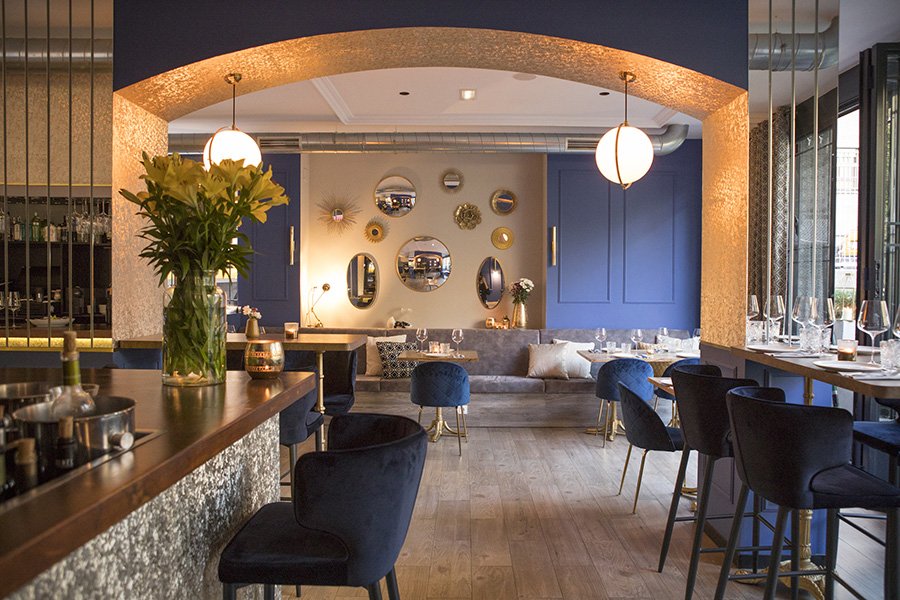
Cozy and inviting bistro atmosphere in a rustic townhouse with an acogedor patio-terrace, warm lighting, and unpretentious charm.