Maison Sun
Maison Sun occupies a corner of Brooklyn's Schermerhorn Street where the dining conversation has quietly shifted toward ethical sourcing and environmental accountability. The kitchen operates within a broader Brooklyn movement that prizes supply-chain transparency as much as technique. For diners tracking both plate quality and provenance, this address is worth the attention.
Pearl is the En Primeur Club membership app — saves, bookings, and concierge access live there. Same editors, same standards.
- Address
- 200-3 Schermerhorn St, Brooklyn, NY 11201
- Phone
- +19177909689
- Website
- maisonsun.nyc
- Directions
- Get directions
 Saves & bookings on Pearl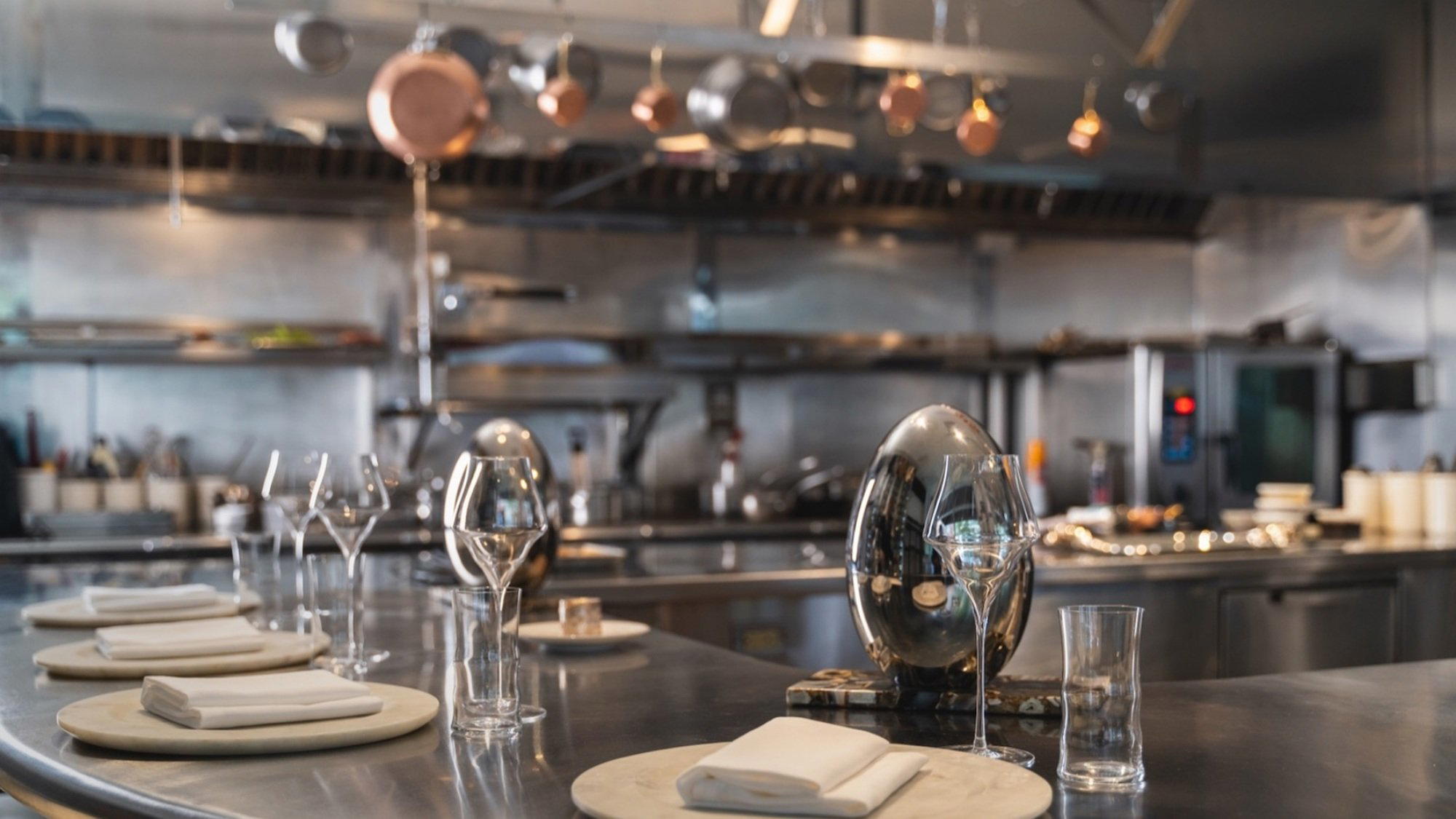
Where Brooklyn's Sourcing Conversation Gets Serious
Schermerhorn Street in downtown Brooklyn sits at an interesting junction: close enough to the financial density of nearby Atlantic Avenue to attract a well-traveled dining public, but removed enough from Manhattan's most visible restaurant corridors to operate at its own pace. In that context, Maison Sun is a Brooklyn restaurant serving a French Vietnamese tasting menu at about $225 per person, with a focus on sourcing. The address at 200-3 Schermerhorn places it in a neighborhood that has seen successive waves of restaurant ambition, from the casual-cool phase of the early 2010s to a more considered, provenance-aware dining culture that now defines the borough's serious end of the market.
This shift in Brooklyn mirrors a broader American dining movement. Across the country, restaurants that have built their identity around environmental accountability, farms named on menus, waste diversion programs disclosed to guests, packaging sourced or eliminated entirely, have moved from the category of novelty to expectation among frequent diners. Properties like Single Thread Farm in Healdsburg and Blue Hill at Stone Barns in Tarrytown established the template at the farm-integrated end of the spectrum. Maison Sun operates in an urban format within that same current of thinking, translating supply-chain seriousness into a Brooklyn setting where the logistics of ethical sourcing are materially harder than on a connected rural property.
The Sustainability Frame: What It Actually Means at the Table
In American fine dining, sustainability rhetoric has outpaced sustainability practice for long enough that diners have developed reasonable skepticism toward the language. The meaningful markers are specific and verifiable: supplier relationships that predate the trend, menus that change in response to what those suppliers can actually deliver rather than what sells, and a kitchen structure that can absorb seasonal volatility without reverting to commodity inputs when the preferred source runs short.
Brooklyn's restaurant scene has increasingly separated into two tiers on this question. One group performs sustainability through language, menu copy that uses farm names as decoration. A smaller group has restructured the kitchen's operating logic around it. The distinction shows in how menus move across seasons, how the kitchen handles secondary cuts and less commercially popular ingredients, and whether the dining room conversation ever includes an honest account of where something isn't available and what replaced it. Among American restaurants that have built genuine ethical-sourcing programs into their operating model, comparisons to Lazy Bear in San Francisco and Addison in San Diego are useful reference points for understanding what depth of commitment looks like in practice.
Brooklyn in the National Dining Picture
New York's dining hierarchy has traditionally been centered on Manhattan, where addresses like Le Bernardin, Per Se, and Masa set the upper ceiling for price and formal recognition. The Korean-led progressive cooking represented by Atomix and Jungsik New York has added a distinct strand to Manhattan's fine-dining vocabulary. Brooklyn's contribution to this picture has been less about competing at the same formality tier and more about establishing a different set of values, casualness of room, directness of service, and, increasingly, transparency of sourcing, as the basis for serious dining.
That positioning creates a coherent comparable set for Maison Sun: restaurants in the northeastern United States, and in urban markets nationally, that have chosen ethical sourcing and seasonal discipline as their primary competitive identity rather than chef pedigree or tasting-menu architecture. Venues like Bacchanalia in Atlanta and The Inn at Little Washington in Washington show that this commitment can coexist with formal recognition. Emeril's in New Orleans and Providence in Los Angeles offer further reference points for how regional sourcing identity can anchor a restaurant's long-term reputation.
Internationally, the environmental-accountability conversation has reached beyond the Anglophone markets. 8½ Otto e Mezzo Bombana in Hong Kong and Alain Ducasse at Louis XV in Monte Carlo represent formal European and Asian fine-dining operations that have integrated sourcing ethics into three-Michelin-star frameworks. The comparison matters because it demonstrates that ethical sourcing need not imply informality or compromise at the plate, a point that Brooklyn's more progressive kitchens have been arguing for several years. Alinea in Chicago makes a different case: that technical ambition and environmental thinking can share a menu without contradiction.
What to Expect in the Room
Downtown Brooklyn's dining rooms tend toward considered minimalism, an aesthetic that signals intent without the expense-account weight of Midtown Manhattan's formal dining spaces. For a restaurant operating an ethical-sourcing program, the room design is often part of the argument: materials chosen for longevity or reclamation, lighting that doesn't overwhelm the plate, a service rhythm that treats transparency as courtesy rather than lecture. The restaurant's interior aligns with downtown Brooklyn's considered minimalism and keeps the room focused on the plate.
Dinner pacing at restaurants with serious sourcing programs tends to be guided by what the kitchen has available on a given week rather than a static printed menu. That means first-time visitors benefit from arriving with genuine curiosity about the day's direction rather than a fixed expectation of what they'll eat. It also means the kitchen's relationship with its suppliers is more legible on repeat visits, when you can track how the menu shifts as seasons turn and availability changes.
Know Before You Go
Address: 200-3 Schermerhorn St, Brooklyn, NY 11201
Neighborhood: Downtown Brooklyn, within walking distance of Atlantic Avenue and Boerum Hill
Price range: About $225 per person.
Hours: Wednesday through Sunday, 5 to 9 PM; closed Monday and Tuesday.
Where the Accolades Land
Comparable venues nearby, for context on price, style, and recognition.
| Venue | Cuisine | Price | Notes |
|---|---|---|---|
| Maison SunThis venue — the venue you are viewing | French Vietnamese Tasting Menu | $$$$ | Not listed |
| Platform by the James Beard Foundation | Rotating Chef Fusion Tasting Menus | $$$$ | Chelsea-Hudson Yards |
| Natsumi Tapas | Japanese-Italian Fusion Tapas | $$$ | Gramercy |
| Sen Sakana | Kosher Nikkei (Japanese-Peruvian Fusion) | $$$$ | Midtown-Times Square |
| Bistrot Ha | French-Vietnamese Bistro | $$$$ | Lower East Side |
| Aura Cocina | Cuban-Asian Fusion | $$$ | East Williamsburg |
Continue exploring
More in New York City
Restaurants in New York City
Browse all →
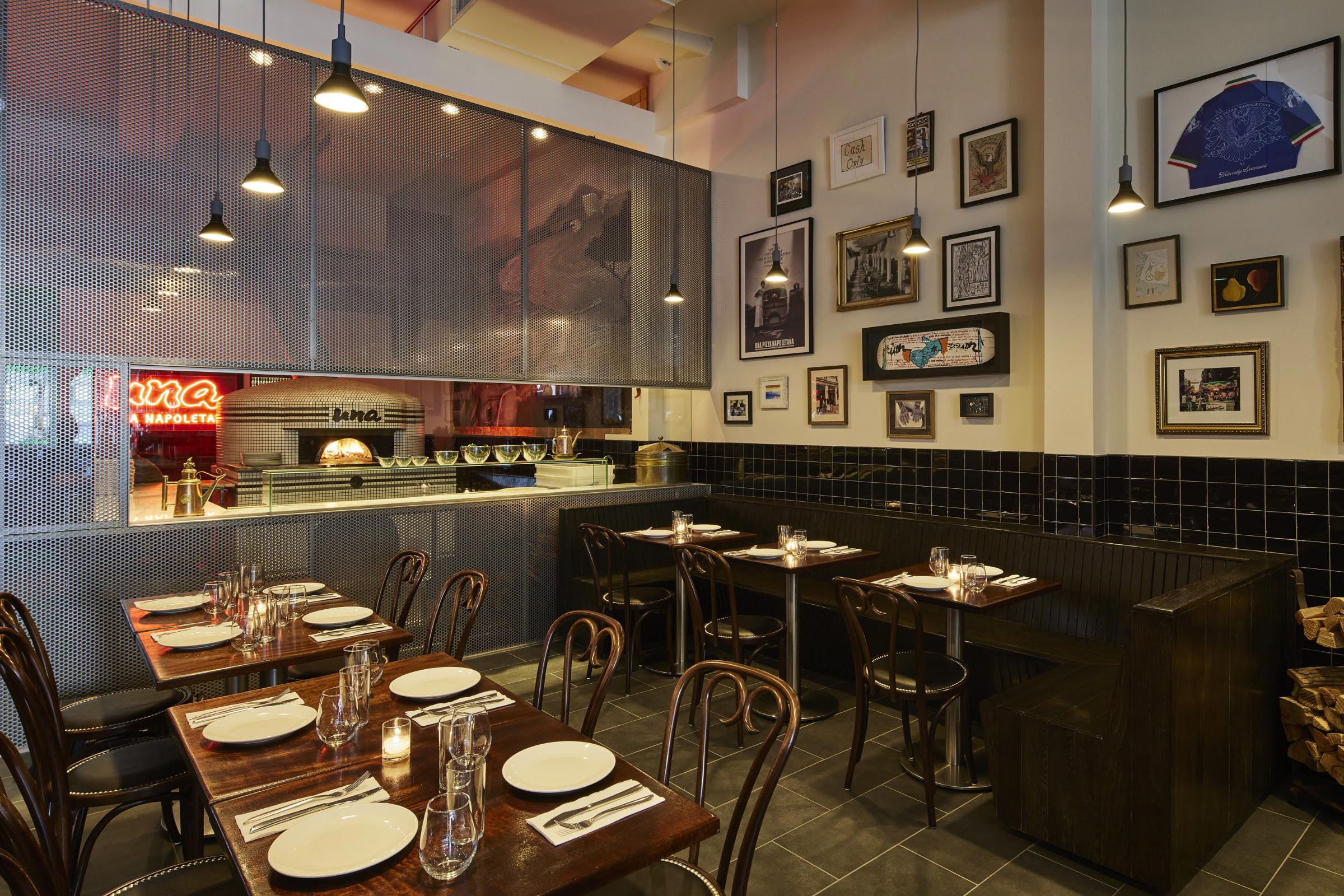
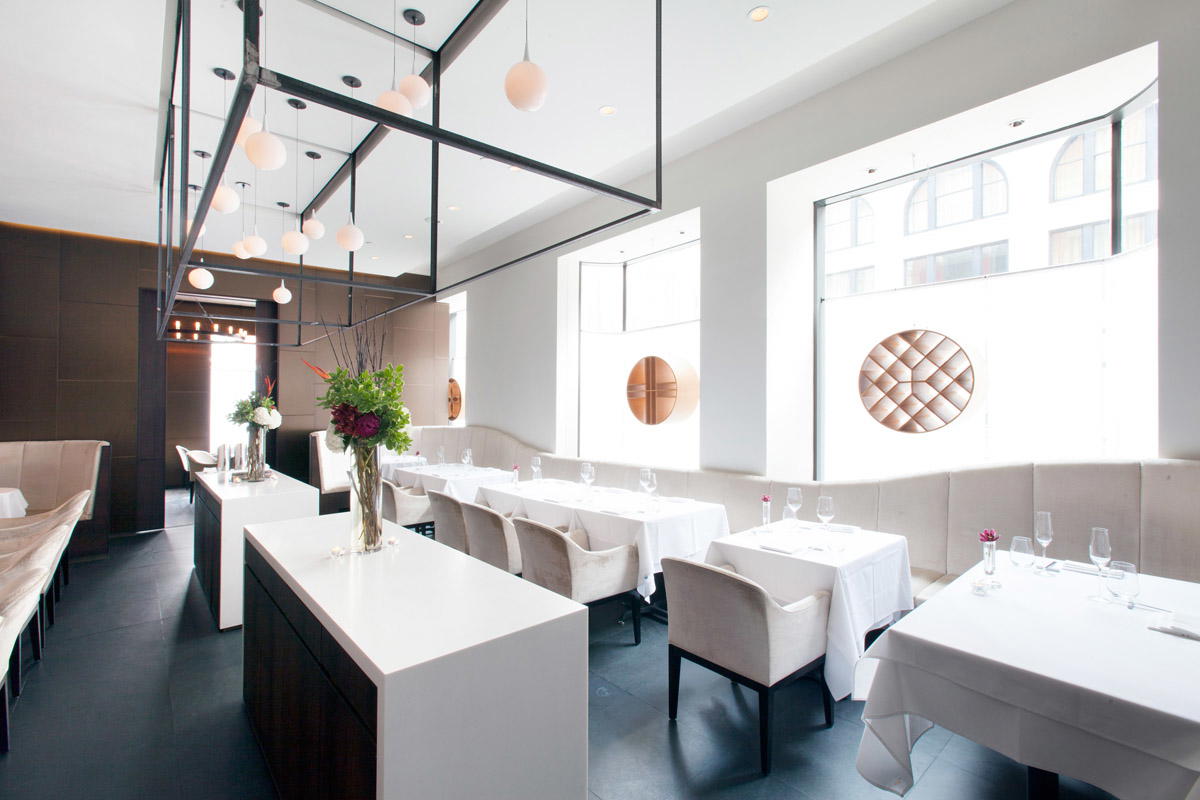
Bars in New York City
Browse all →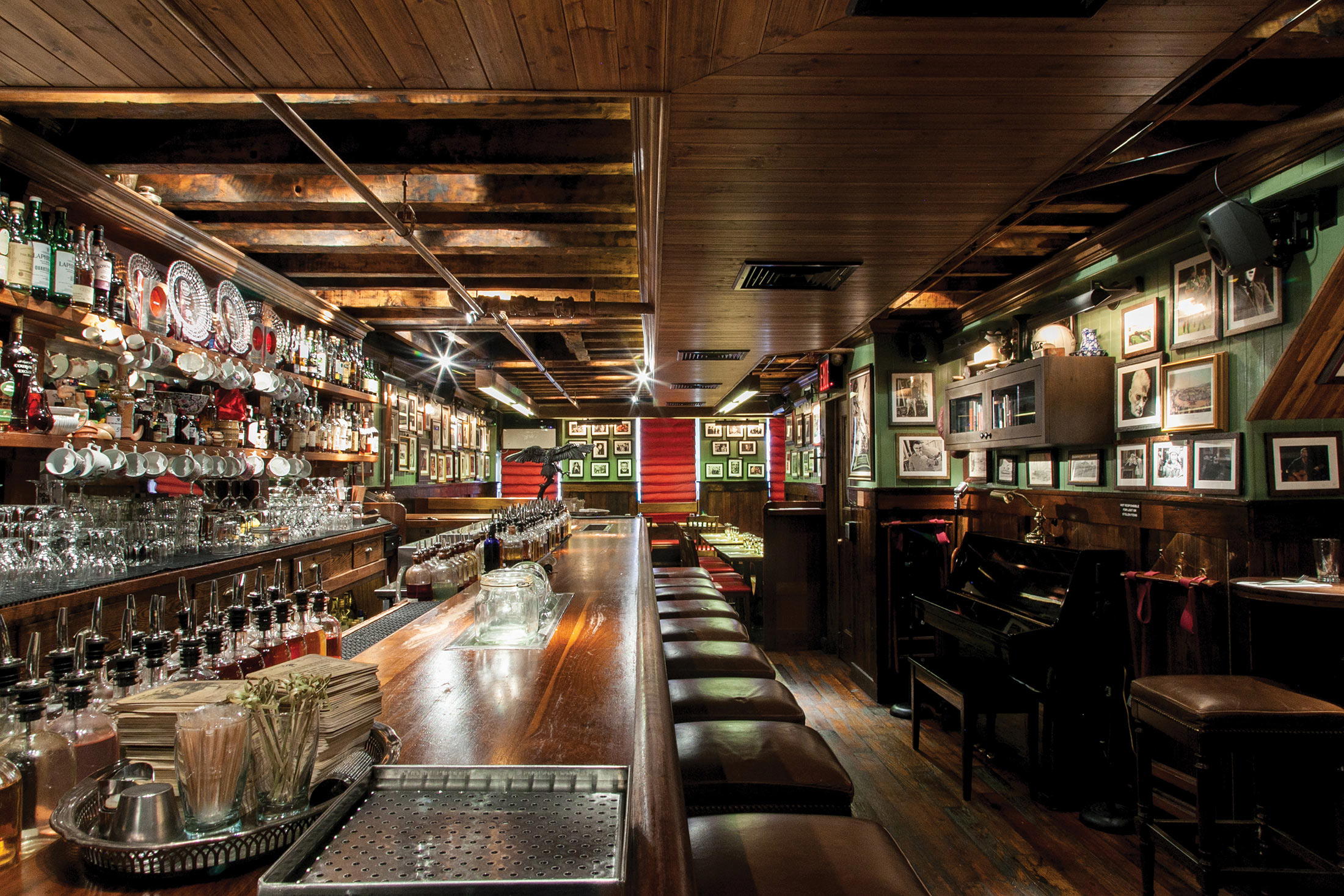
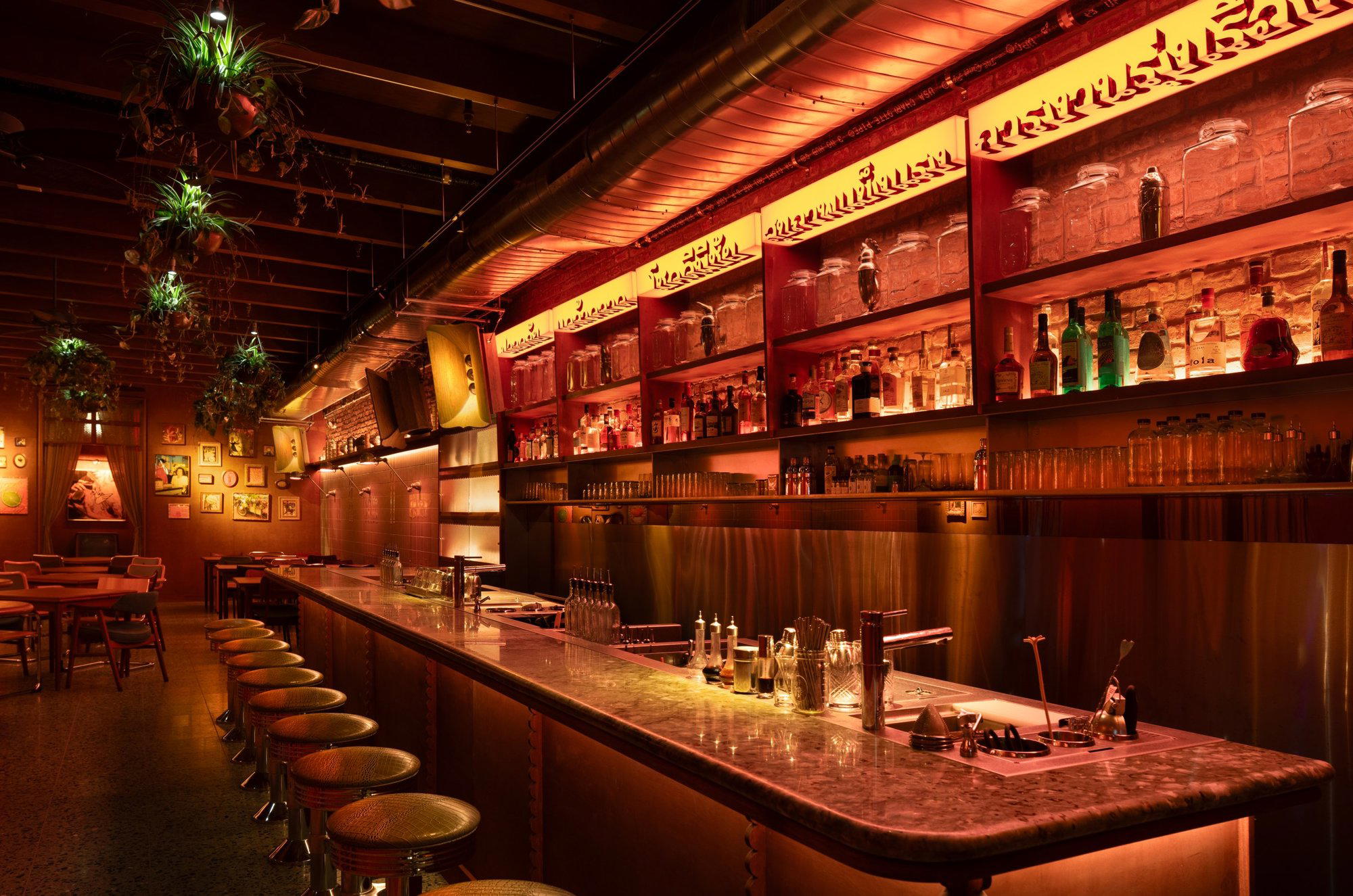
Hotels in New York City
Browse all →








At a Glance
- Intimate
- Elegant
- Sophisticated
- Modern
- Date Night
- Special Occasion
- Chefs Counter
- Open Kitchen
- Extensive Wine List
- Local Sourcing
Current opening hours
- Monday
- Closed
- Tuesday
- Closed
- Wednesday
- 5–9 PM
- Thursday
- 5–9 PM
- Friday
- 5–9 PM
- Saturday
- 5–9 PM
- Sunday
- 5–9 PM
Hours can change for holidays and private events. Last verified .
Intimate family-like vibe at the chef's counter with collaborative team service in a fine-dining setting.