On Geyerstraße in Munich's Isarvorstadt quarter, Makassar brings the flavours of Indonesia's port city to a dining room that sits well outside the city's dominant French and German fine-dining corridors. The address alone signals a different register: a neighbourhood restaurant with a specific culinary identity rather than a tasting-menu institution. For those tracing Southeast Asian cooking traditions in a Central European city, this is one of the few specific anchors Munich offers.
Pearl is the En Primeur Club membership app — saves, bookings, and concierge access live there. Same editors, same standards.
- Address
- Geyerstraße 52, 80469 München, Germany
- Phone
- +494989776959
- Website
- makassar.de
- Directions
- Get directions
 Saves & bookings on Pearl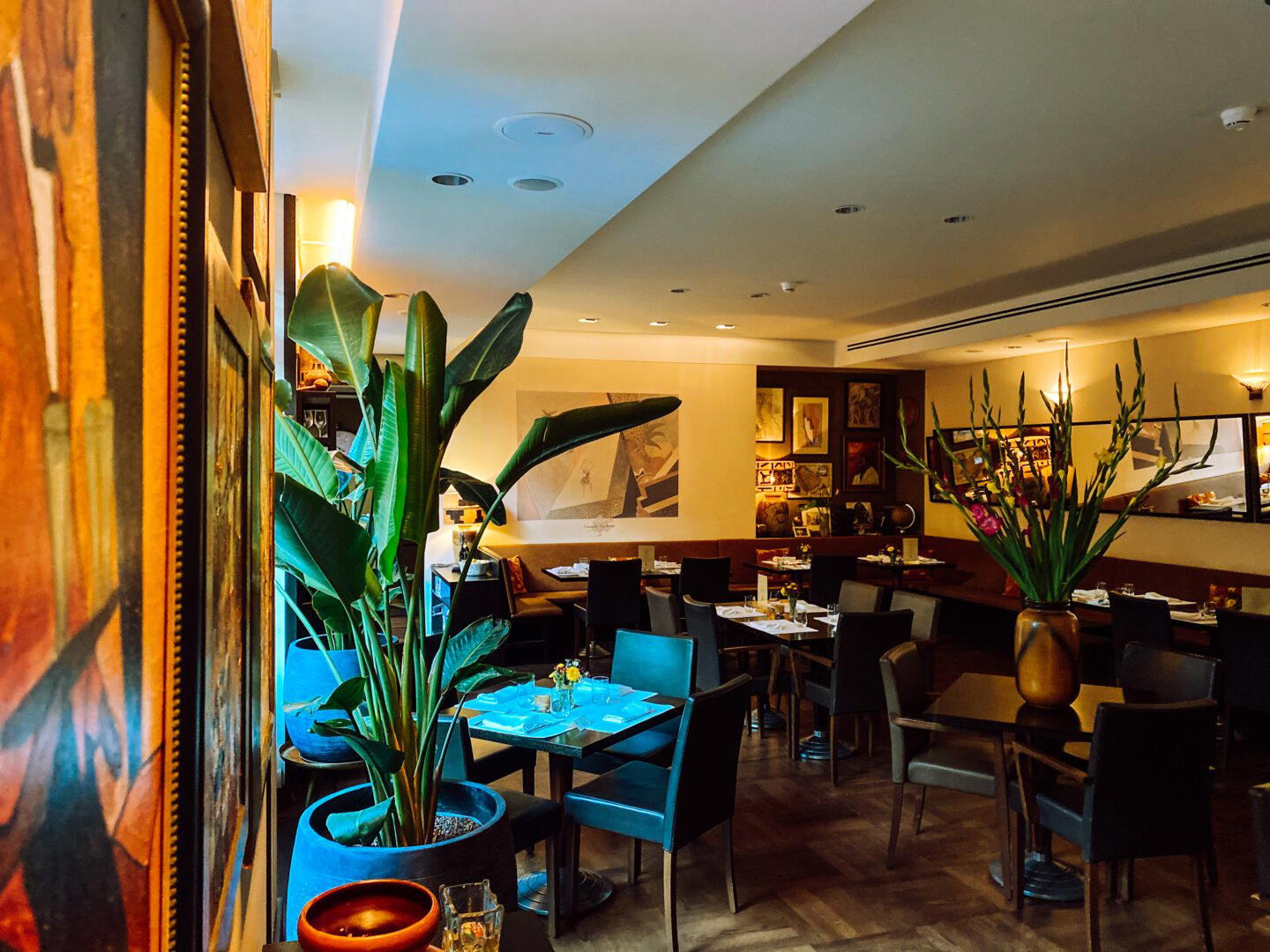
An Indonesian Reference Point in a City Built on Other Traditions
Munich's restaurant culture is shaped, at its upper tier, by French technique and modern German precision. Walk the menus at Tantris or Atelier and you are reading from a well-established Central European playbook. What you will not find in those rooms is any serious engagement with the cuisines of the Indonesian archipelago.
The name itself carries cultural weight. Makassar is the principal city of South Sulawesi, one of Indonesia's major trading ports for centuries, and a place whose culinary traditions run deep into spice, seafood, and slow-cooked meat preparations. In Germany, Indonesian cooking is rarely given the same platform it receives in the Netherlands, where post-colonial food culture made it a national fixture. That context matters when reading a Munich restaurant with this specific name: the reference is not decorative. It signals a particular regional origin rather than a pan-Indonesian shorthand.
What Makassar Cooking Represents on the Plate
South Sulawesi cuisine is among the more distinctive regional traditions within Indonesia's extraordinarily varied food culture. Makassar-style cooking leans toward bold, often rich preparations: coto Makassar, the offal soup seasoned with toasted peanuts and spices, is the dish most associated with the city internationally, and it represents a style of cooking built around layered depth rather than the bright acidity that defines Javanese or Balinese food. Seafood, given Makassar's coastal position on the Strait of Makassar, has historically been central, often grilled over high heat and paired with sambal of varying intensity.
For a European diner approaching this cuisine for the first time, the frame of reference is not Thai or Vietnamese food, despite geographic proximity. The spice routes that shaped Makassar's port culture introduced different flavour profiles: candlenut, galangal, and lemongrass appear alongside preparations with stronger Middle Eastern and South Asian crossover, a legacy of centuries of trade. Understanding that layered history makes the cuisine more legible, and it explains why a restaurant choosing this specific regional banner is making a curatorial decision, not simply serving a general category.
Across Europe, the serious treatment of Indonesian regional cooking remains relatively rare. The Netherlands carries the richest tradition, partly through the rijsttafel format that became a Dutch institution, but individual regional cuisines within Indonesia have rarely been given their own dedicated platforms. In that context, a Munich restaurant anchored to the Makassar tradition specifically, rather than to a broader Indonesian or Southeast Asian identity, occupies an unusual position within the city and within the German dining scene more broadly.
The Neighbourhood and What It Suggests About the Format
Geyerstraße sits in Isarvorstadt, a district that has historically housed a range of mid-tier and neighbourhood restaurants rather than the high-end institutional dining that clusters around the Maxvorstadt or the hotel dining rooms of central Munich. The address fits a neighbourhood restaurant format. In a city where the dominant conversation around prestige dining runs through addresses like Alois - Dallmayr Fine Dining or Tohru in der Schreiberei, a restaurant on Geyerstraße is likely operating with a different set of priorities.
That format suits Indonesian cuisine well. The food traditions of the archipelago suit shared, multi-dish dining. They are built for sharing, for multiple dishes arriving together, for rice as the anchor of every meal rather than an afterthought. A neighbourhood restaurant setting is, in many ways, a more appropriate home for this cooking than a formal dining room would be.
Where Makassar Sits in Munich's Broader Dining Picture
Munich's decorated restaurant scene skews firmly toward European and Japanese-European hybrid formats. The Michelin-starred tier includes JAN, which works in a creative idiom, and Tohru in der Schreiberei, which fuses German and Japanese thinking. Across Germany more broadly, the fine-dining conversation stretches from Aqua in Wolfsburg to Schwarzwaldstube in Baiersbronn. Southeast Asian cuisines, and Indonesian cooking in particular, sit largely outside that framework.
That gap is not distinctive to Germany. Even in cities with more diverse fine-dining ecosystems, Indonesian cooking rarely crosses into the awards-tracked tier. Atomix in New York, which holds two Michelin stars for its Korean tasting menu format, demonstrates that Asian cuisines can gain full institutional recognition in Western cities, but Indonesian cooking has not yet produced a comparable landmark in the European or American awards conversation. Atomix and its peers have shifted the dial for Korean food; a parallel shift for Indonesian cooking remains ahead.
For Munich specifically, Makassar complements the city's decorated restaurants. A diner who visits Tantris or Atelier for the formal French tradition, or travels further to Vendôme in Bergisch Gladbach or Waldhotel Sonnora in Dreis for the German fine-dining circuit, is looking for something these rooms do not offer when they arrive on Geyerstraße. The comparison set is different, and the reason to visit is different.
Makassar widens Munich's dining picture. The city's culinary depth is not measured only at the Michelin level. It is also measured by whether a diner looking for a specific regional Indonesian tradition can find a credible anchor. On that count, an address tied specifically to the Makassar culinary tradition, in a city that does not otherwise offer it, fills a genuine gap. See our full Munich restaurants guide for the complete picture across formats and price tiers.
Know Before You Go
- Address: Geyerstraße 52, 80469 München, Germany
- Neighbourhood: Isarvorstadt, Munich
- Cuisine focus: Indonesian, with reference to South Sulawesi (Makassar) regional traditions
- Format: Neighbourhood restaurant; suited to sharing-style dining
- Reservations: Recommended
- Price range: About $25 per person
- Further context: For Munich's broader dining scene across all price points and cuisines, see our Munich restaurants guide
Recognition, Side-by-Side
Comparable venues nearby, for context on price, style, and recognition.
| Venue | Cuisine | Price | Notes |
|---|---|---|---|
| MakassarThis venue — the venue you are viewing | Colonial French & Cajun Cuisine | $$$ | Not listed |
| Maison Massard | Traditional French Brasserie | $$$ | Haidhausen |
| Rue des Halles | Classic French Brasserie | $$$ | Haidhausen |
| DAS EISBACH | French-Japanese Fusion | $$ | Lehel |
| RELAX | French Gastropub | $$ | Isarvorstadt |
| Gandl | Mediterranean Bistro with Italian and French Influences | $$$ | Lehel |
At a Glance
- Cozy
- Elegant
- Romantic
- Classic
- Date Night
- Special Occasion
- Group Dining
- Standalone
Current opening hours
- Monday
- Closed
- Tuesday
- 6 PM–1 AM
- Wednesday
- 6 PM–1 AM
- Thursday
- 6 PM–1 AM
- Friday
- 6 PM–1 AM
- Saturday
- 6 PM–1 AM
- Sunday
- Closed
Hours can change for holidays and private events. Last verified .
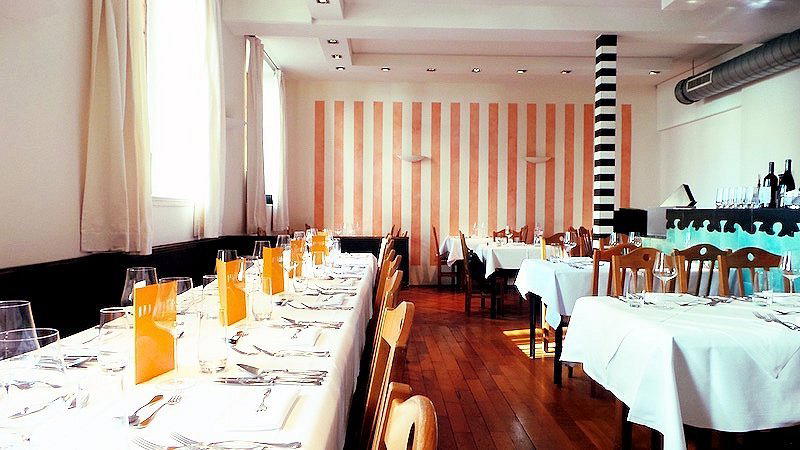
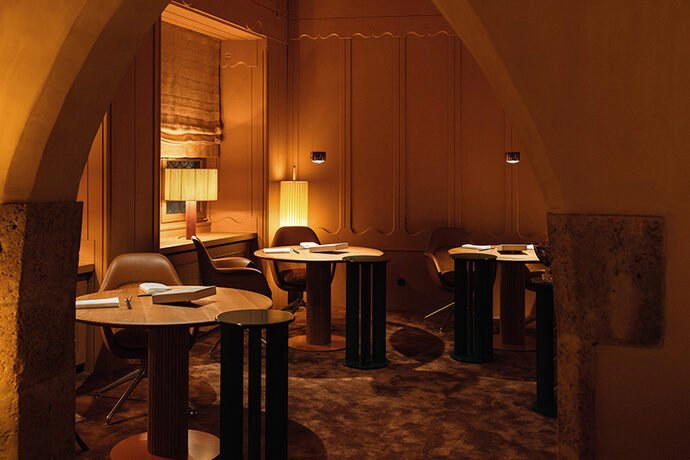
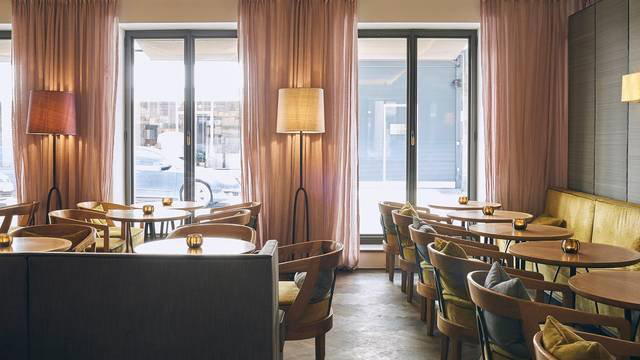
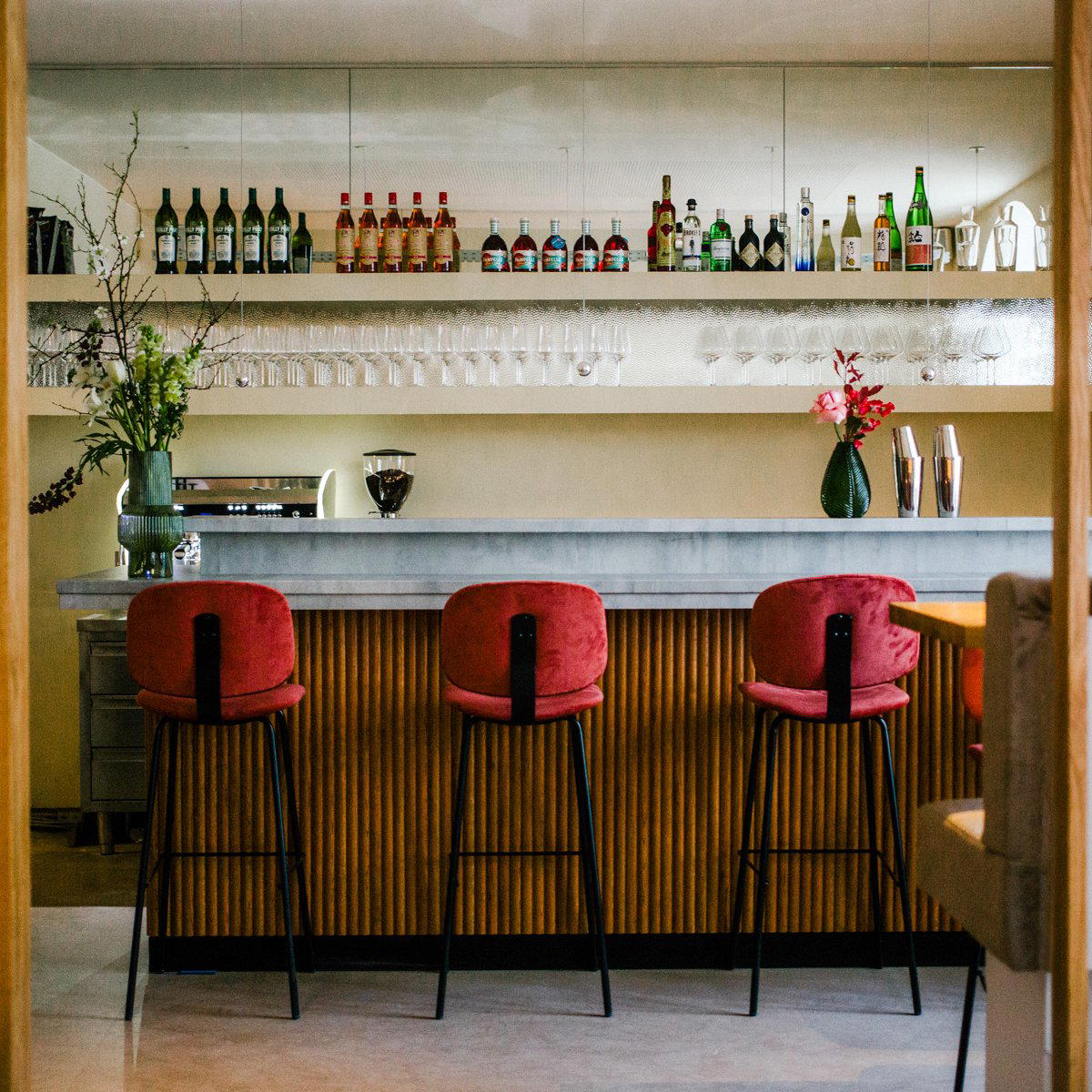
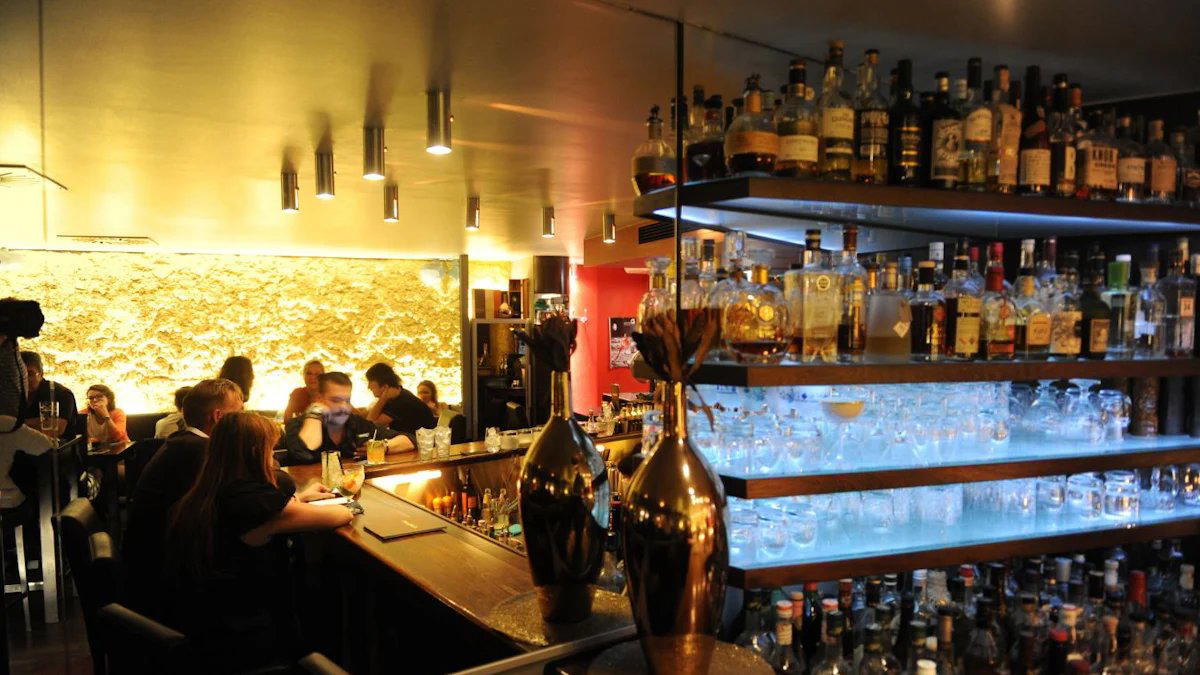
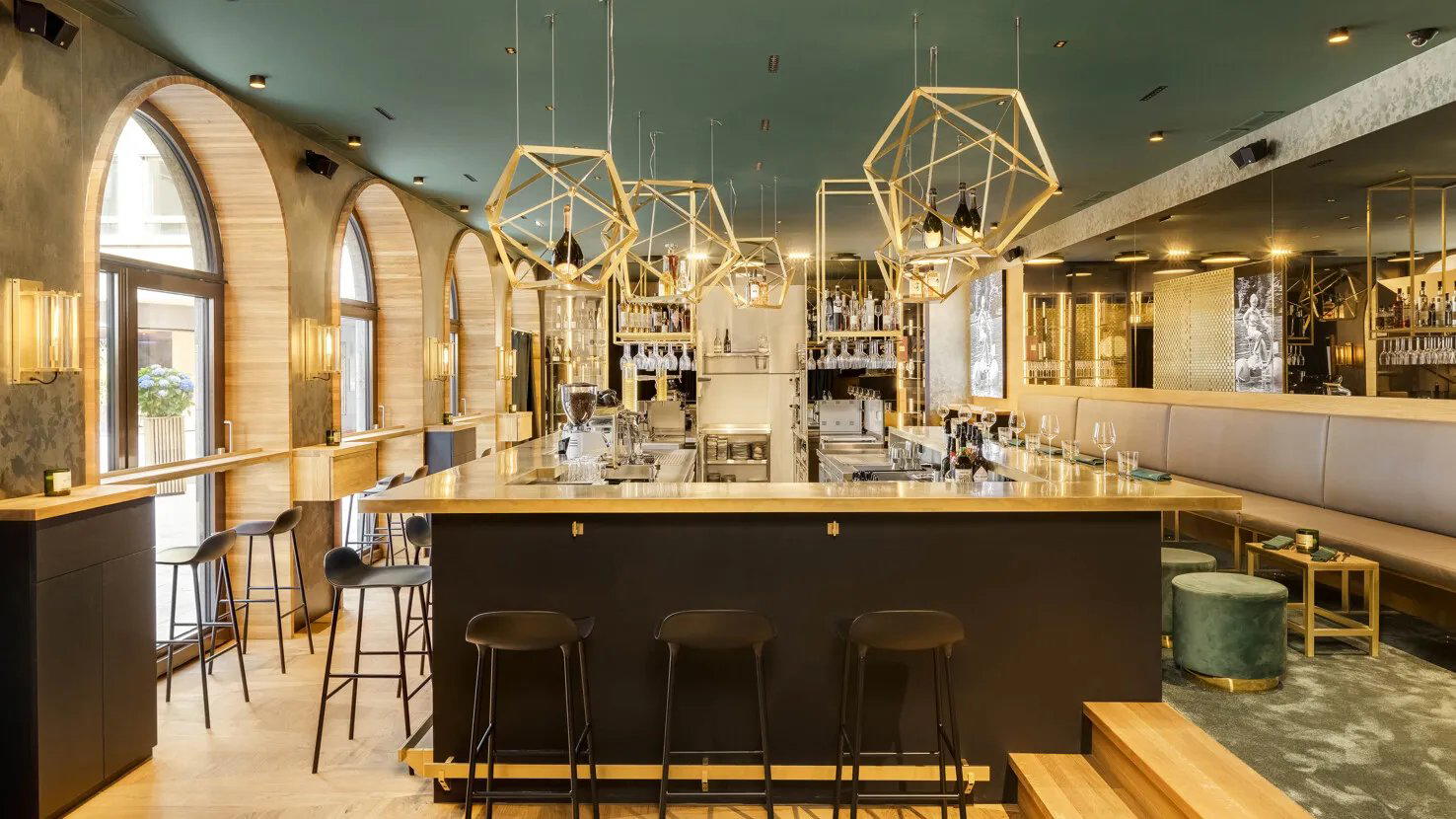
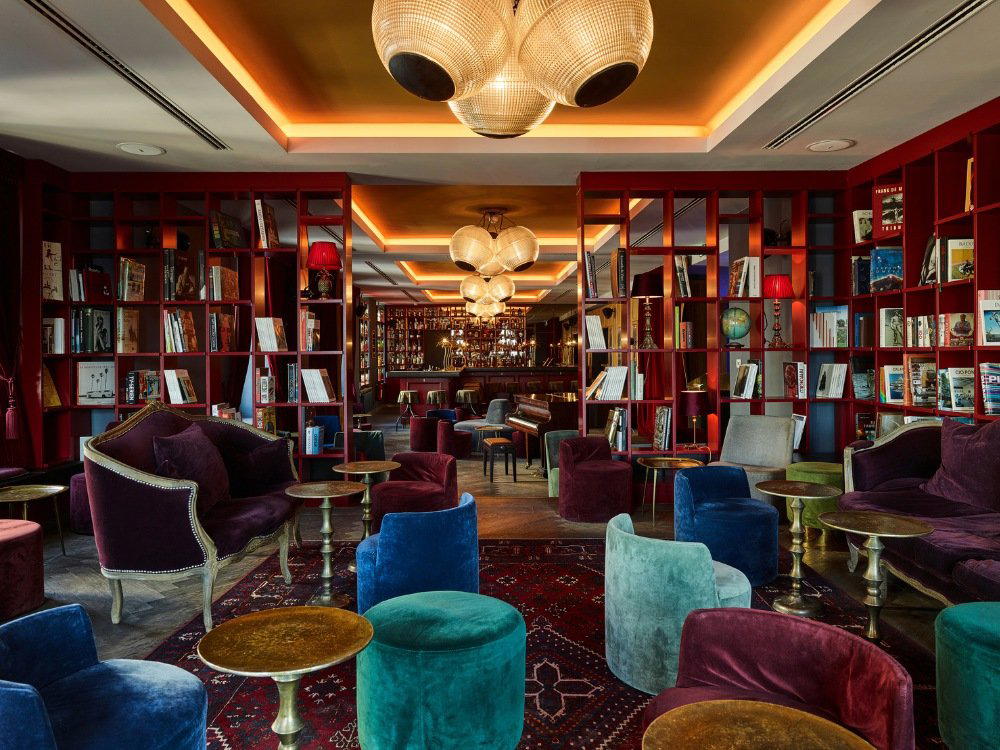
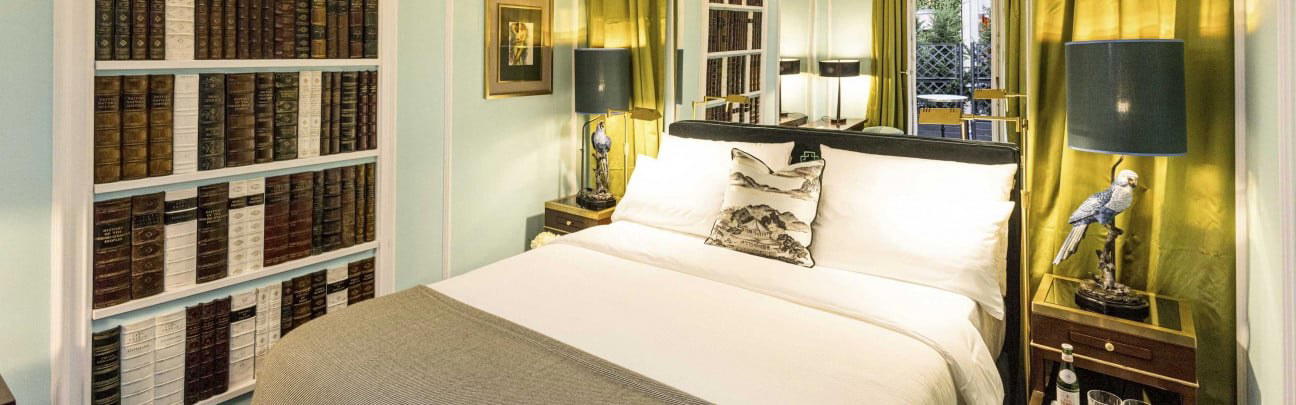
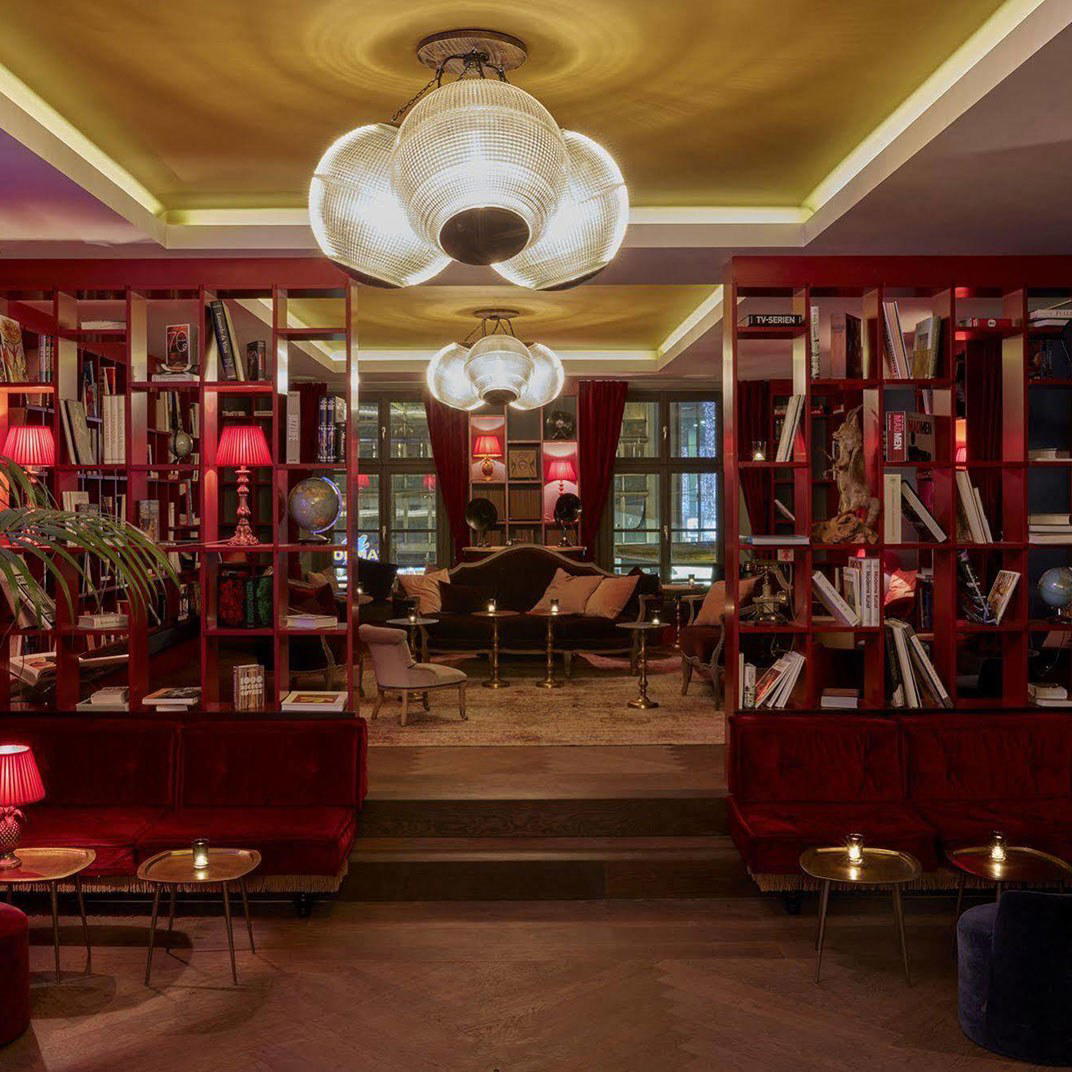
Cozy and elegant atmosphere with lovingly distinctive decor featuring Bavarian high society charm and inviting ambiance that encourages indulgence.