Brasserie OskarMaria occupies a storied address at Salvatorplatz 1 in central Munich, positioned where the city's literary café tradition meets contemporary German brasserie dining. The room draws a cross-section of Munich professionals, cultural visitors, and theatre-goers from the adjacent Residenztheater. Lunch and dinner operate as distinct registers here, making the time of your visit as consequential as what you order.
Pearl is the En Primeur Club membership app — saves, bookings, and concierge access live there. Same editors, same standards.
- Address
- Salvatorplatz 1, 80333 München, Germany
- Phone
- +498929196029
- Website
- oskarmaria.com
- Directions
- Get directions
 Saves & bookings on Pearl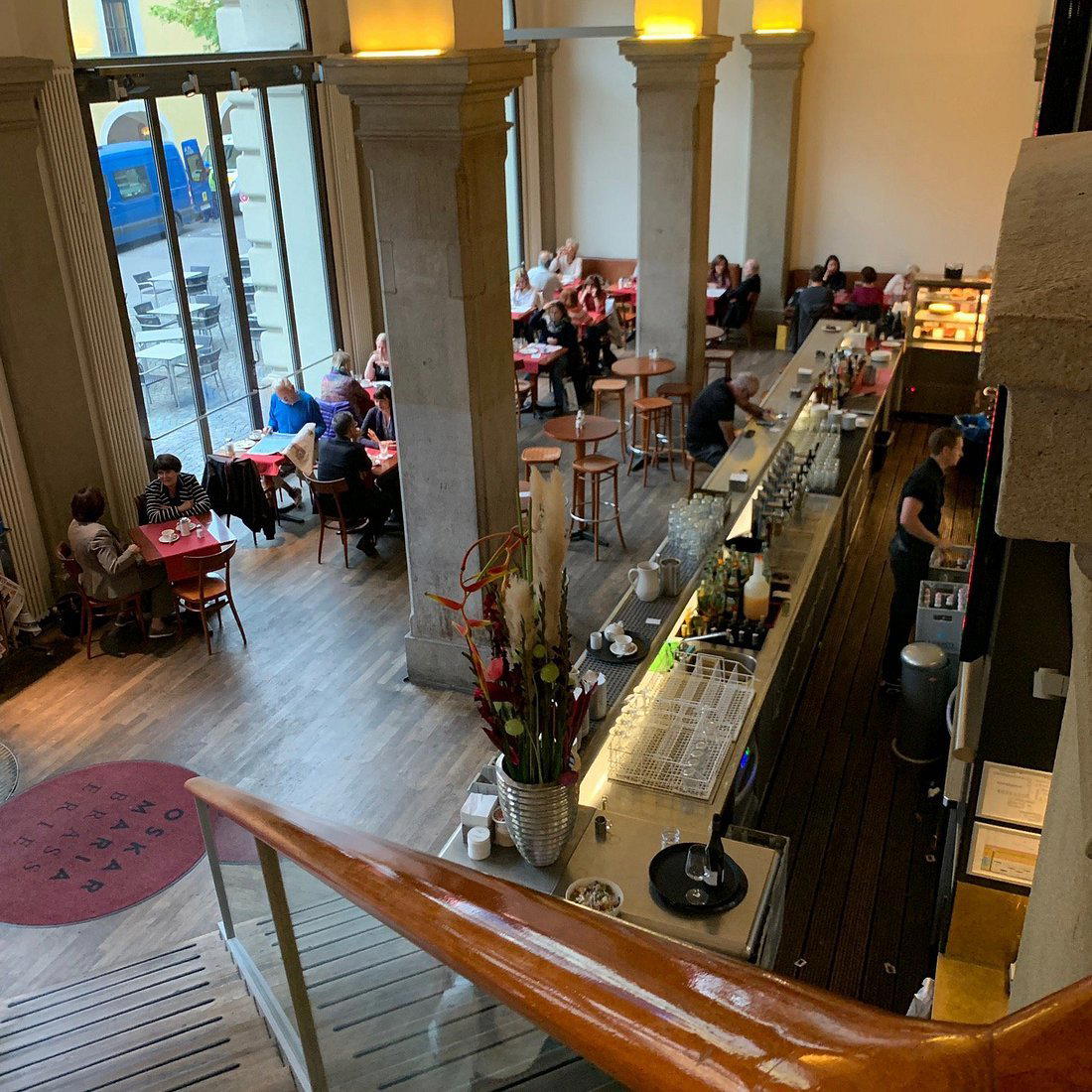
A Room with a Literary Address
Salvatorplatz sits in the inner city just north of the Theatinerkirche, a square that has long functioned as a hinge between Munich's administrative core and its cultural institutions. The Literaturhaus München occupies the building that houses Brasserie OskarMaria, and the brasserie takes its name from the Bavarian writer Oskar Maria Graf, a detail that signals something about the room's self-understanding: this is a place that positions itself within a civic and intellectual tradition, not merely a hospitality one. That context shapes what dining here feels like before a single dish arrives.
Brasseries of this type, anchored to a cultural institution, operating across a full day, serving a mixed public of regulars and cultural visitors, exist in a different competitive category than Munich's cluster of fine-dining destinations. Where restaurants like Tantris, Atelier, and Alois - Dallmayr Fine Dining operate within the city's formal fine-dining tier, OskarMaria belongs to a broader, more sociable register: the kind of room where a two-hour lunch and a pre-theatre dinner occupy the same tables but feel like entirely different meals.
Lunch and Dinner as Two Distinct Services
The lunch-versus-dinner divide is one of the more instructive ways to read a brasserie's actual identity. At midday, the room at OskarMaria pulls in a crowd shaped by the surrounding neighbourhood: professionals from nearby offices, visitors passing through the Literaturhaus for events or exhibitions, and the kind of Munich resident who treats a proper sit-down lunch as a non-negotiable part of the working week. Bavaria still holds that tradition in higher regard than most German cities, and a brasserie at this address is well-placed to serve it.
Lunchtime brasserie service in this mode tends toward a tighter, faster rhythm, fewer courses, sharper price points, the possibility of a single glass of wine without it becoming a commitment. The value proposition at midday is often clearer than in the evening, and for visitors to Munich who want a substantive meal without the ceremony of a tasting menu format, a well-run brasserie lunch can represent one efficient use of both time and budget in this part of the city.
Evening service shifts the room's mood considerably. The Residenztheater sits a short walk east, and OskarMaria's position at Salvatorplatz makes it a natural pre- and post-theatre destination for that audience. Post-theatre dining carries its own logic: later seatings, a crowd that has already been somewhere, conversation that runs longer. The brasserie format accommodates this more naturally than either a quick bistro or a structured tasting-menu house. You can eat at pace here, or you can linger, the format permits both.
Germany's broader dining culture has seen growing interest in this middle register, the space between casual all-day cafés and the rarefied world of multi-Michelin-starred kitchens. Restaurants like JAN and Tohru in der Schreiberei represent Munich's creative fine-dining ambition, but they serve a specific occasion. OskarMaria addresses a different frequency of need.
Where OskarMaria Sits in Munich's Dining Pattern
Munich's restaurant geography has a concentration of high-end dining in the city centre and Schwabing, supported by a network of neighbourhood restaurants that serve a more local clientele. What is less common is a room of genuine civic character, one that functions as a public cultural space as much as a commercial dining room. The Literaturhaus connection gives OskarMaria that quality, placing it closer in spirit to the grand European literary cafés than to a conventional hotel brasserie or standalone restaurant.
That positioning puts it in a comparable set that extends beyond Munich. Comparable formats exist in Vienna, Zurich, and Hamburg, institutions where the room's cultural function is as legible as its menu. For visitors arriving from cities with strong café-dining traditions, this kind of venue will read immediately. For those more accustomed to the binary of casual or formal, the brasserie register here may require a slight recalibration of expectation.
Germany's decorated dining scene, which includes destinations as varied as Schwarzwaldstube in Baiersbronn, Aqua in Wolfsburg, and Vendôme in Bergisch Gladbach, is built largely on a formal fine-dining tradition. The brasserie format, when executed at a high standard, occupies a different but complementary role: it serves the same city's appetite for quality without the occasion-specific framing that a three-course tasting menu imposes.
Planning Your Visit
Salvatorplatz 1 is in the heart of Munich's inner city, within walking distance of Odeonsplatz U-Bahn station and a short walk from the Residenztheater and the Hofgarten. The address is direct to reach on foot from most central Munich hotels. For lunch, arriving between 12:30 and 13:30 puts you in the room at its busiest and most characterful. For dinner, timing around Residenztheater performances is worth considering if you want the room at its most animated, though post-theatre seatings run later and may suit those with more flexibility. As with most Munich restaurants at this level of visibility, checking current availability directly via the venue is advisable, particularly for weekend evenings or event nights at the Literaturhaus.
For those building a broader Munich dining itinerary, OskarMaria sits at a different point on the spectrum from the city's tasting-menu houses. Pairing an OskarMaria lunch with an evening reservation at a more formal destination, Tantris or Atelier, for instance, gives a fuller picture of what Munich's dining range actually covers.
How It Stacks Up
Comparable venues nearby, for context on price, style, and recognition.
| Venue | Cuisine | Price | Notes |
|---|---|---|---|
| Brasserie OskarMariaThis venue — the venue you are viewing | French Brasserie with Regional Influences | $$$ | Not listed |
| Maison Massard | Traditional French Brasserie | $$$ | Haidhausen |
| Makassar | Colonial French & Cajun Cuisine | $$$ | Ludwigsvorstadt |
| Chez Fritz | Classic French Brasserie | $$$ | Haidhausen |
| Moro Mou | Authentic Greek Mediterranean | $$$ | Schwabing |
| Café Luitpold | Historic German Café & Pastry House | $$$ | Lehel |
At a Glance
- Elegant
- Classic
- Lively
- Business Dinner
- Group Dining
- Brunch
- Historic Building
- Terrace
- Extensive Wine List
- Local Sourcing
- Street Scene
Current opening hours
- Monday
- 11 AM–11 PM
- Tuesday
- 11 AM–11 PM
- Wednesday
- 11 AM–11 PM
- Thursday
- 11 AM–11 PM
- Friday
- 11 AM–11 PM
- Saturday
- 11 AM–11 PM
- Sunday
- 10 AM–6 PM
Hours can change for holidays and private events. Last verified .
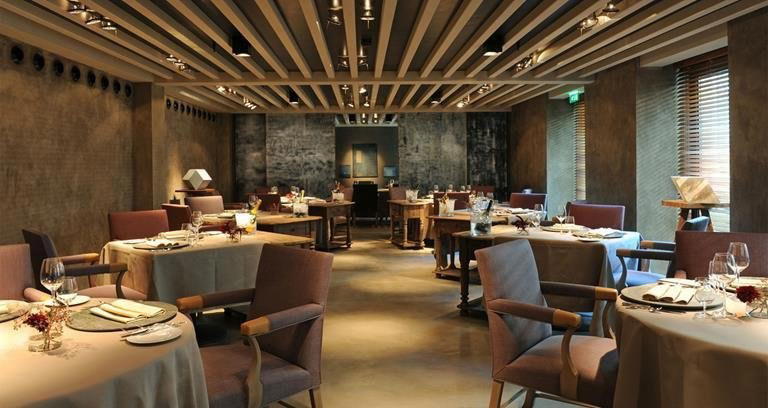
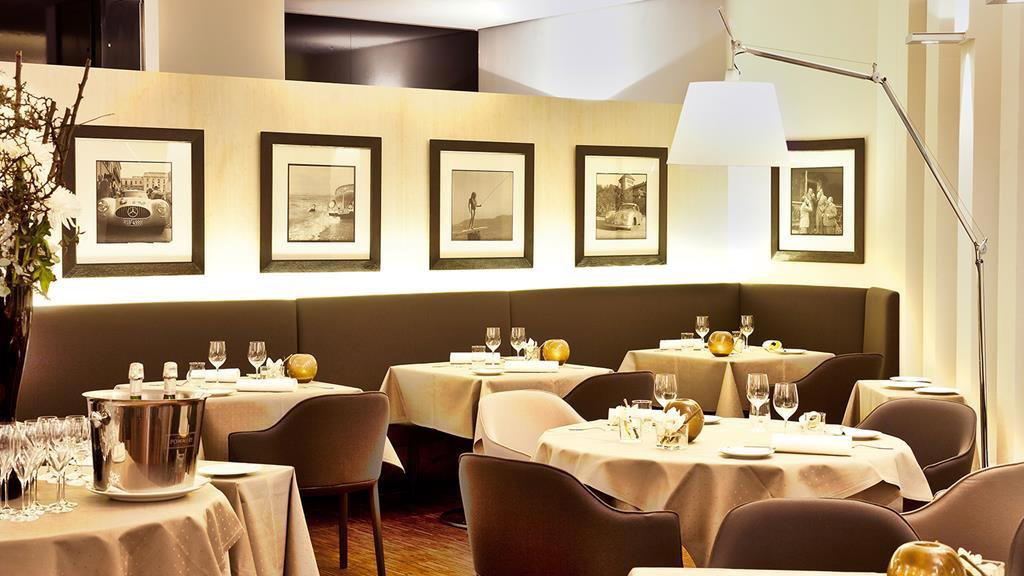
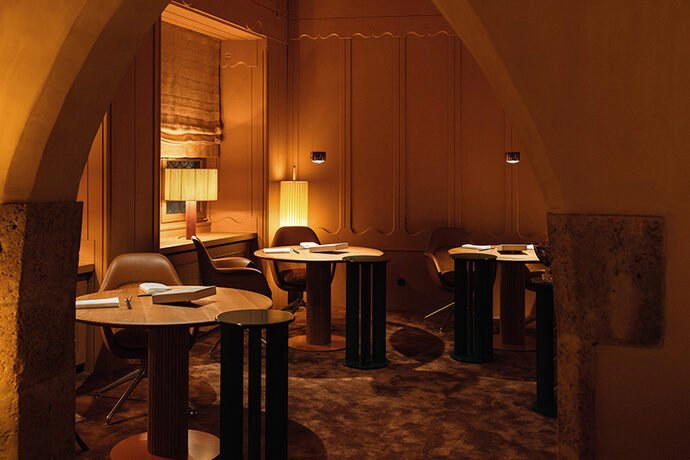
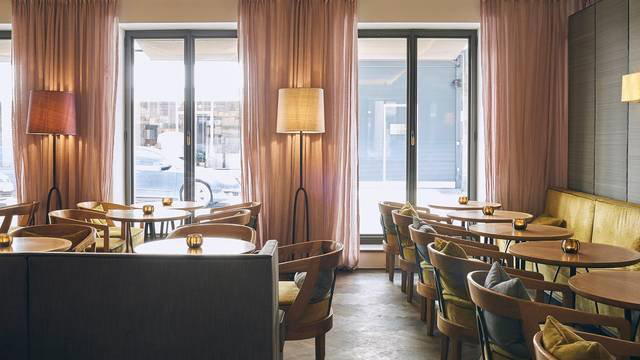
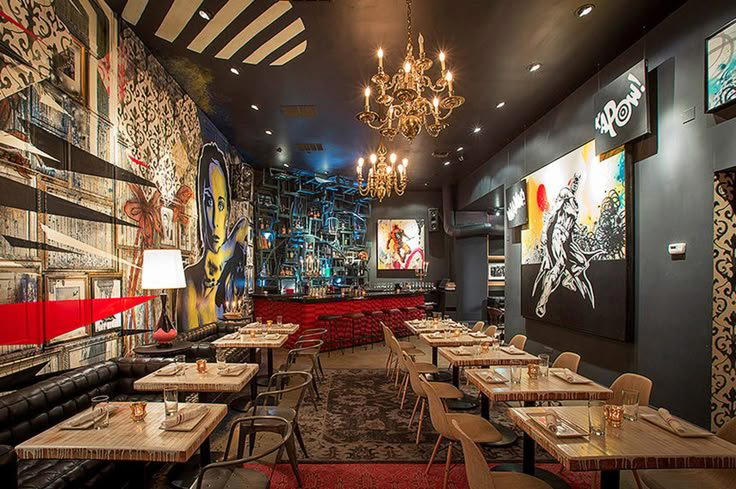
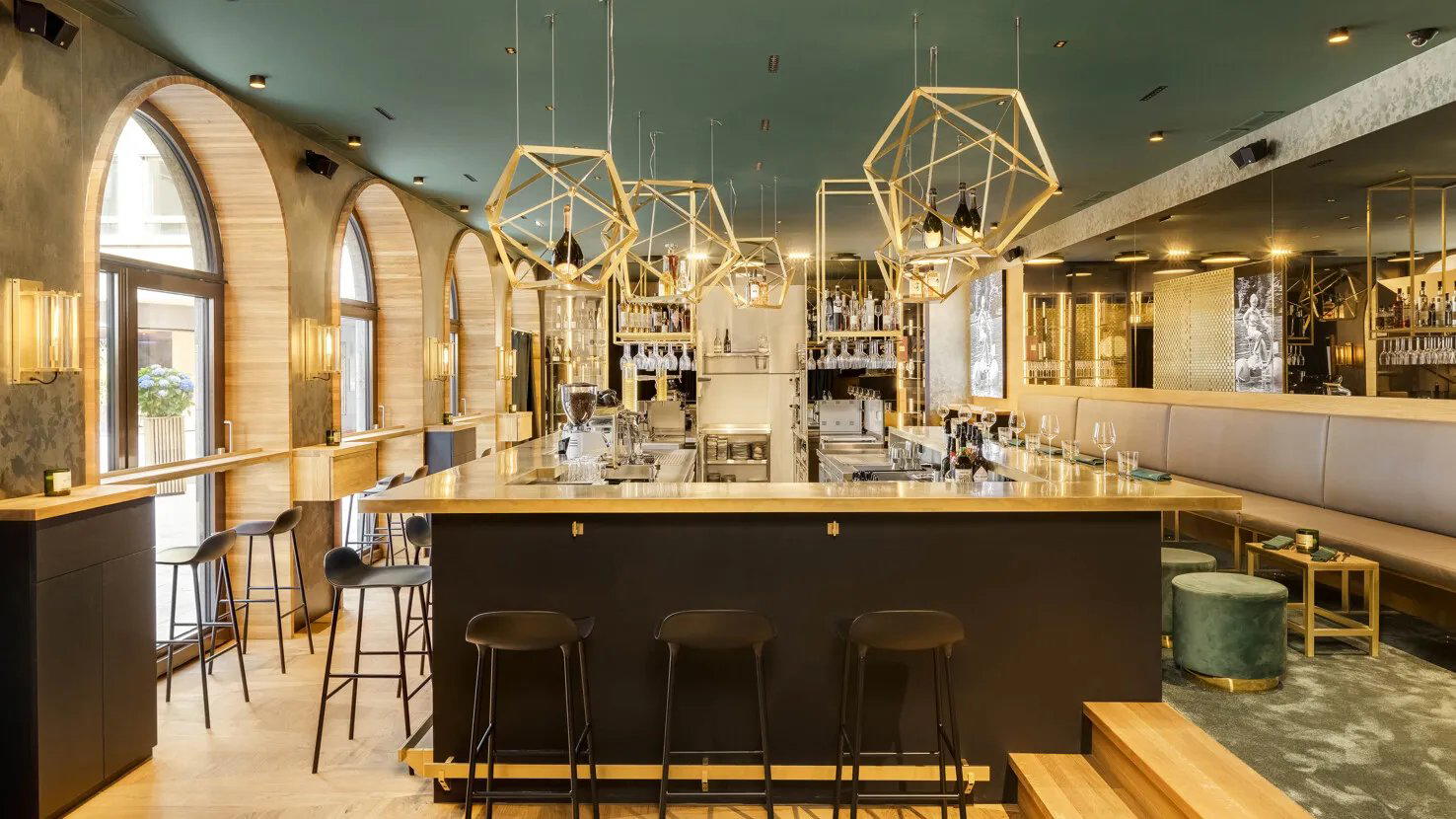
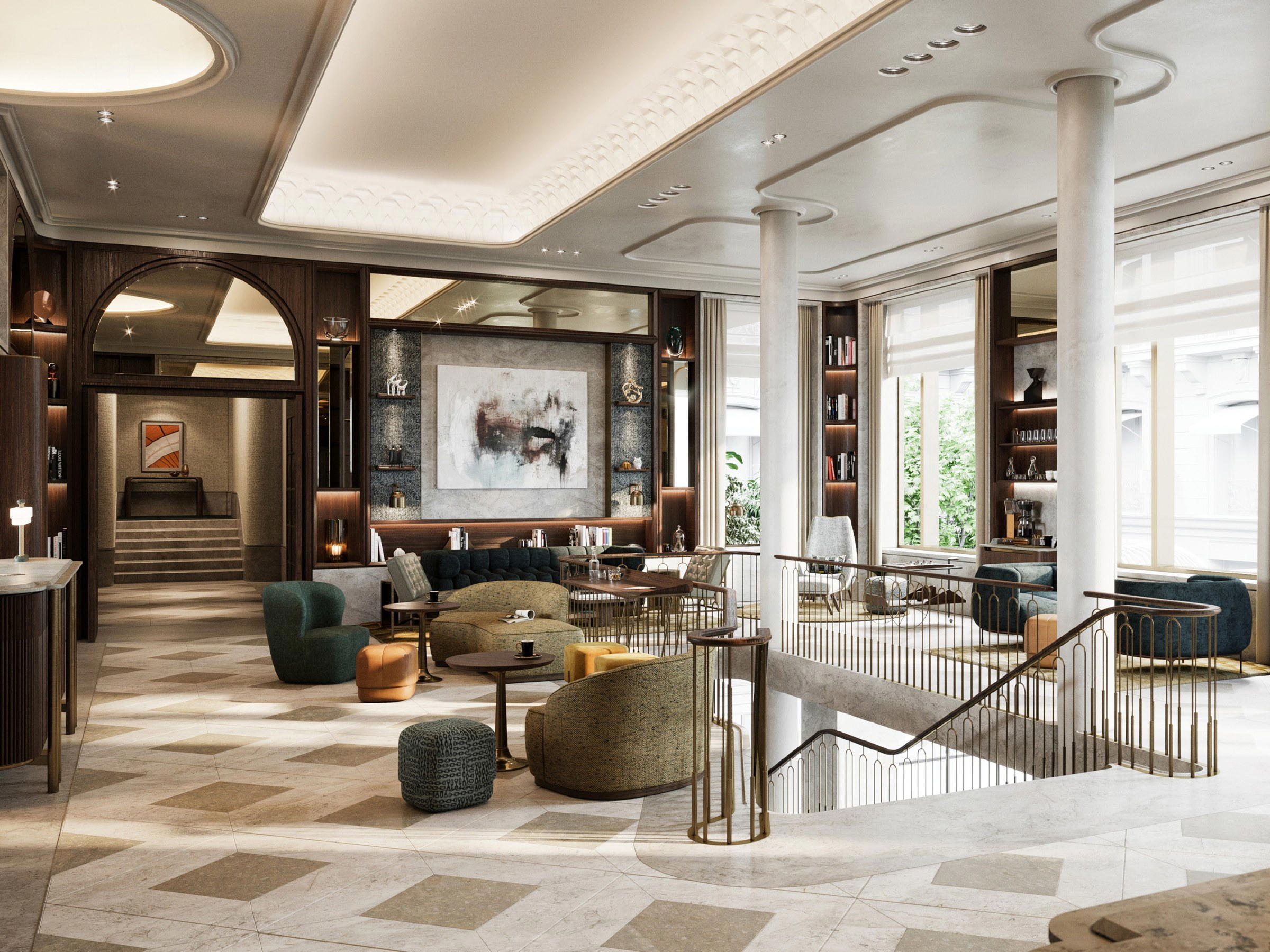
Bright, elegant setting with high vaulted ceilings, cheerful French flair, and lively atmosphere that can get noisy when full.