On the western stretch of Sherbrooke Street West, Maison Inja occupies a corner of Montreal's dining scene that sits between neighbourhood warmth and considered modern cooking. The address places it among the city's more ambitious mid-to-upper tier restaurants, where menu architecture and culinary intent carry more weight than celebrity spectacle. For a fuller read on what Montreal's current restaurant generation is doing, it belongs in any serious itinerary of the city's table.
Pearl is the En Primeur Club membership app — saves, bookings, and concierge access live there. Same editors, same standards.
- Address
- 1458 Sherbrooke St W, Montreal, Quebec H3G 2S8, Canada
- Phone
- +14383807718
- Website
- opentable.com
- Directions
- Get directions
 Saves & bookings on Pearl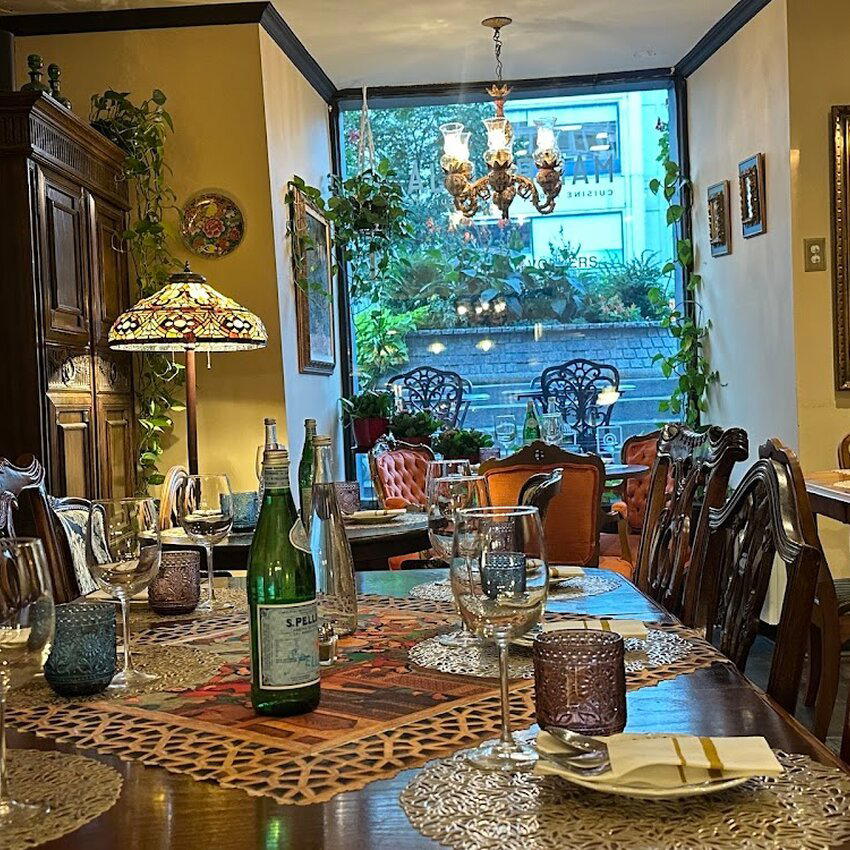
Sherbrooke West and the Shape of Montreal's Modern Table
The stretch of Sherbrooke Street West between Guy and Atwater has long functioned as one of Montreal's quieter but more considered dining corridors. It lacks the concentrated foot traffic of Saint-Laurent or the tourist density of the Old Port, which means the restaurants that take root here tend to rely on repeat custom and word-of-mouth rather than walk-ins. Maison Inja, at 1458 Sherbrooke St W, operates in that context: a neighbourhood address with the ambition of a destination, positioned toward the upper tier of the city's independent restaurant scene.
Montreal's restaurant culture has spent the past decade calibrating between two poles. On one side sit the grand French institutions, tasting-menu destinations like Jérôme Ferrer's Europea or Sabayon, which draw on classical European technique and command top-bracket pricing. On the other sit the more casual, ingredient-led rooms exemplified by places like Mastard, where the format is looser but the sourcing is serious. Maison Inja occupies a middle register that Montreal has historically done well: structured enough to signal intent, relaxed enough to feel like a real meal rather than a ceremony.
Menu Architecture as Editorial Statement
One revealing thing about any serious restaurant is not a single dish but the logic of its menu. How a kitchen organises its offer, the sequence of courses, the ratio of familiar to unfamiliar, the weight it gives to vegetable versus protein, the degree to which it telegraphs technique, communicates more about its culinary position than any press release could. In Montreal's current generation of independent restaurants, menu structure has become a kind of argument: a declaration of what the kitchen believes dining should feel like.
At the upper reaches of this city's table, the tasting menu remains the dominant format for communicating ambition. It controls pacing, forces the kitchen's hand on seasonal relevance, and creates a closed narrative arc that à la carte cannot replicate. Venues like Tanière³ in Quebec City have pushed this format toward hyper-local terroir expression, where every course is a chapter in a geographic argument. Alo in Toronto operates a similarly controlled structure, where the tasting format is inseparable from the restaurant's identity. These are kitchens where the menu is the message.
The alternative, a shorter, more navigable format with a handful of sections rather than a procession of courses, suits a different kind of diner relationship. It assumes the guest is arriving with appetite and curiosity rather than a willingness to surrender the evening entirely. This structure is harder to execute well, because every dish must carry its own weight without the scaffolding of a long sequence. Restaurants like AnnaLena in Vancouver have made this abbreviated, seasonal format their signature, and the approach has found real traction in Canadian cities where the dining culture skews toward conviviality over occasion.
Where Maison Inja positions its menu within this range is part of what makes the address worth attention. The Sherbrooke West location and the name's register both suggest a kitchen thinking carefully about tone as well as content, intimate rather than theatrical, considered rather than performative.
The City Context: What Montreal Expects from This Address
Montreal holds its restaurants to a particular standard that differs from Toronto or Vancouver. The French culinary inheritance is not just historical decoration; it sets a baseline expectation for technique, for the handling of sauces, for the relationship between kitchen and supplier. Diners who grew up eating at L'Express or Schwartz's, institutions that occupy entirely different price brackets but share an obsessive focus on doing one thing correctly, carry those reference points into every meal. The city rewards specificity and punishes vagueness.
That inheritance creates both opportunity and pressure for any independently operated room on Sherbrooke West. The opportunity is that Montreal's dining public is genuinely educated and curious, willing to follow a kitchen through experimentation if the fundamentals are in place. The pressure is that the city's critical memory is long, and a restaurant that overpromises on concept without delivering on execution finds no shelter in marketing language.
Comparable independent addresses elsewhere in Canada, Narval in Rimouski, Restaurant Pearl Morissette in Lincoln, or the more rural formats like Eigensinn Farm in Singhampton, each demonstrate that particularly durable independent restaurants in this country anchor themselves in a clear sense of place and purpose. They are not trying to be their city's grandest table; they are trying to be one coherent expression of what they believe a meal should be. That coherence, more than any award cycle, is what builds the kind of repeat custom that sustains an independent room over years.
Other addresses worth cross-referencing for similar positioning include 3 Pierres 1 Feu and Abu el Zulof, both of which operate in the space between neighbourhood institution and destination dining. Internationally, the comparison set extends to Le Bernardin in New York City and Atomix, restaurants that demonstrate how a tight, architecturally deliberate menu can carry a room's entire identity without relying on scale or spectacle.
Planning a Visit
The restaurant sits at 1458 Sherbrooke St W in Montreal's western downtown, accessible by metro via the Guy-Concordia station on the green line, with the walk taking under ten minutes. The Sherbrooke West corridor is better suited to an early evening arrival when the neighbourhood shifts from daytime foot traffic to a quieter dinner pace. Reservations are recommended. The restaurant is open Tuesday from 12 to 10 PM, Wednesday from 12 to 3:30 PM and 5 to 10 PM, and Thursday through Sunday from 12 to 10 PM. Aux Anciens Canadiens for traditional Québécois context, and for those extending beyond the island, Barra Fion in Burlington and Bearspaw Golf Club in Calgary offer useful points of comparison for understanding how independent Canadian dining rooms calibrate ambiance against price point. And for those who want to understand the full arc of Canada's current restaurant generation, The Pine in Creemore is a useful reference for what happens when a kitchen commits entirely to a local sourcing argument.
The Short List
Comparable venues nearby, for context on price, style, and recognition.
| Venue | Cuisine | Price | Notes |
|---|---|---|---|
| Maison InjaThis venue — the venue you are viewing | Golden Square Mile, Authentic Persian | $$$ | Not listed |
| HENI | Not listed | $$$ | Petit Bourgogne, Modern SWANA (Southwest Asia & North Africa) |
| Ristorante Da Vinci | Not listed | $$$ | Golden Square Mile, Refined Italian Fine Dining |
| Tiamo | Not listed | $$$ | Milton-Parc, Traditional Italian with Wood-Fired Pizza |
| Monème | Not listed | $$$ | Quartier Chinois, Modern French-Quebecois Bistro |
| L'Orignal | Vieux Montréal, Quebecois Comfort Food | $$$ | Not listed |
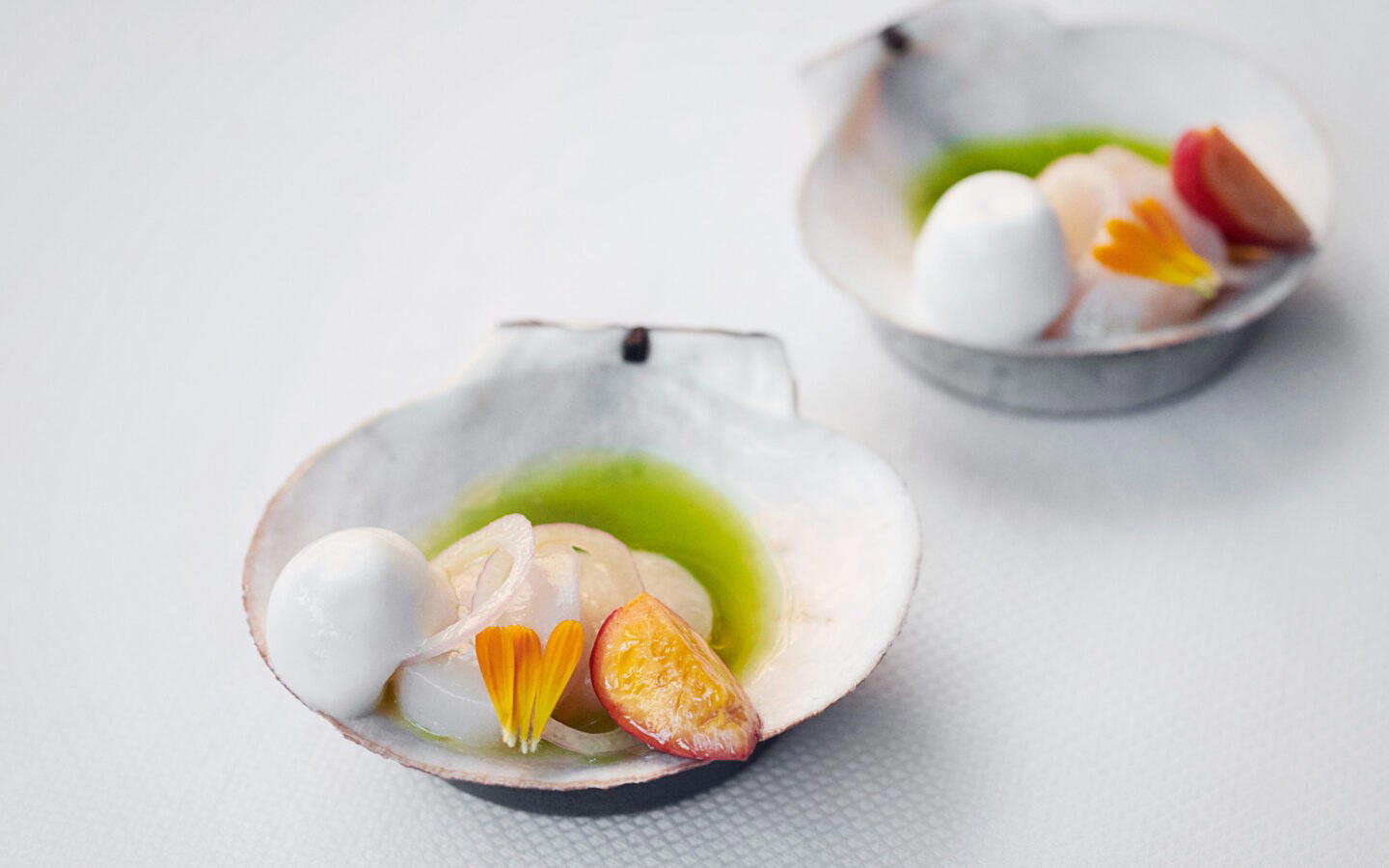
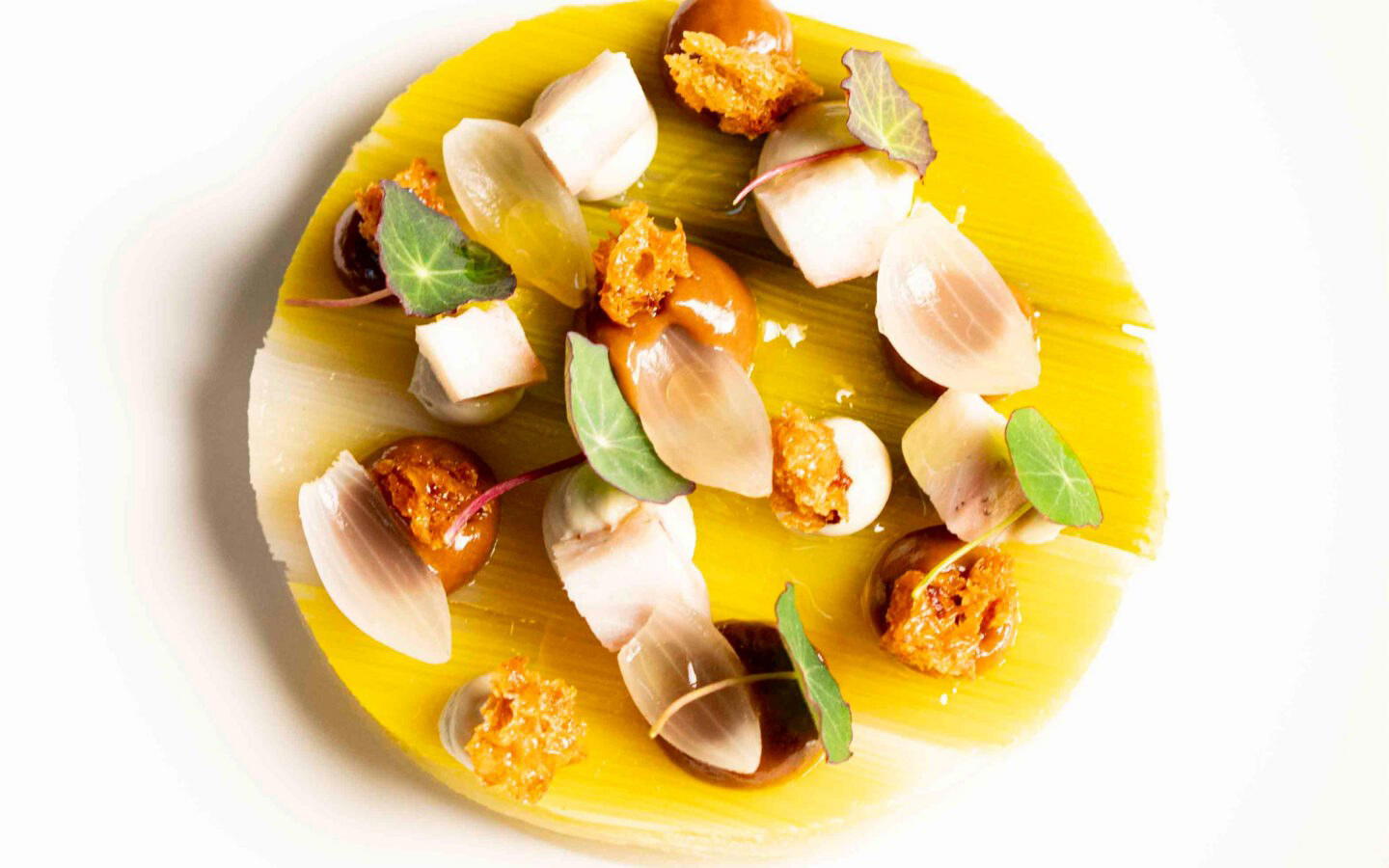
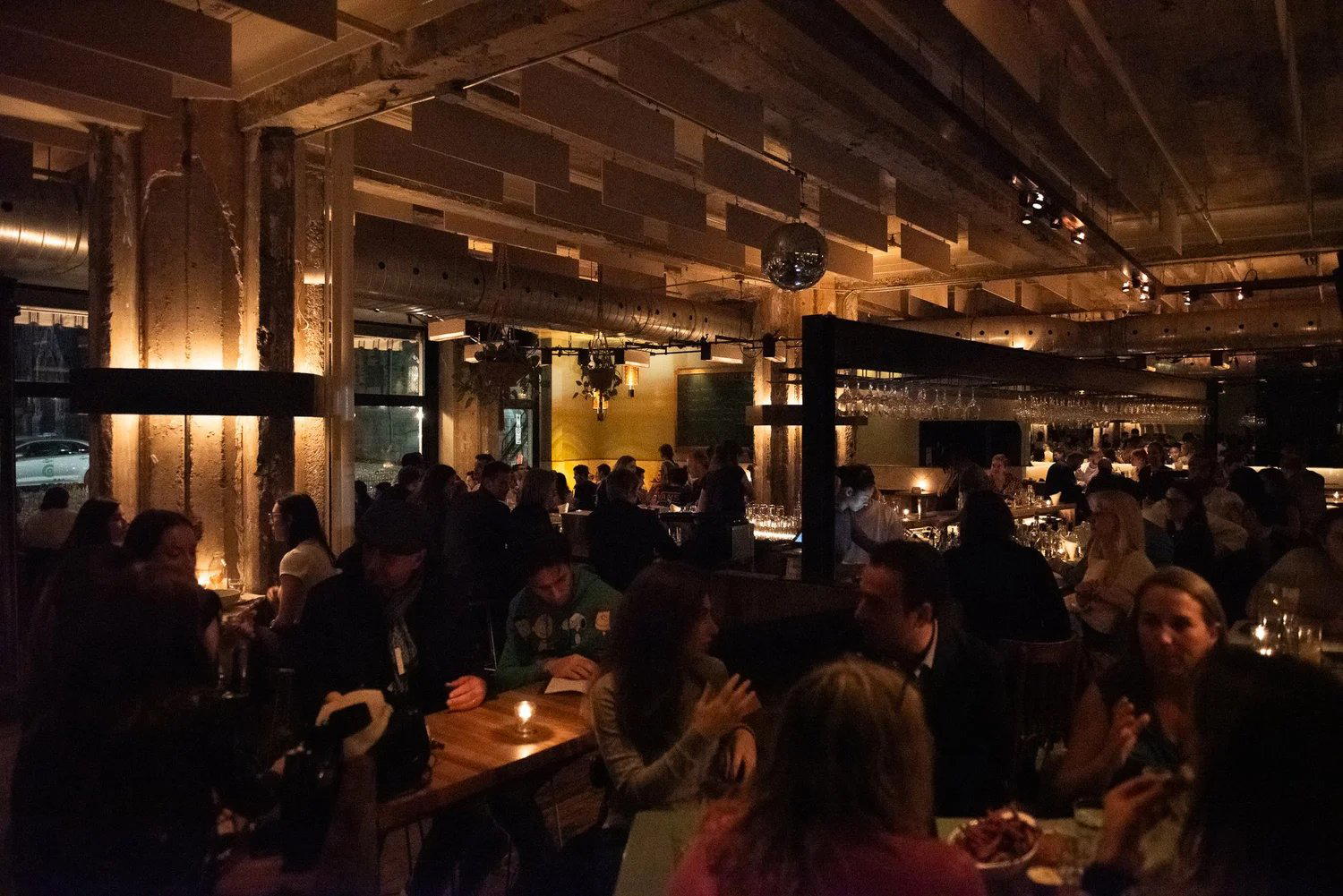
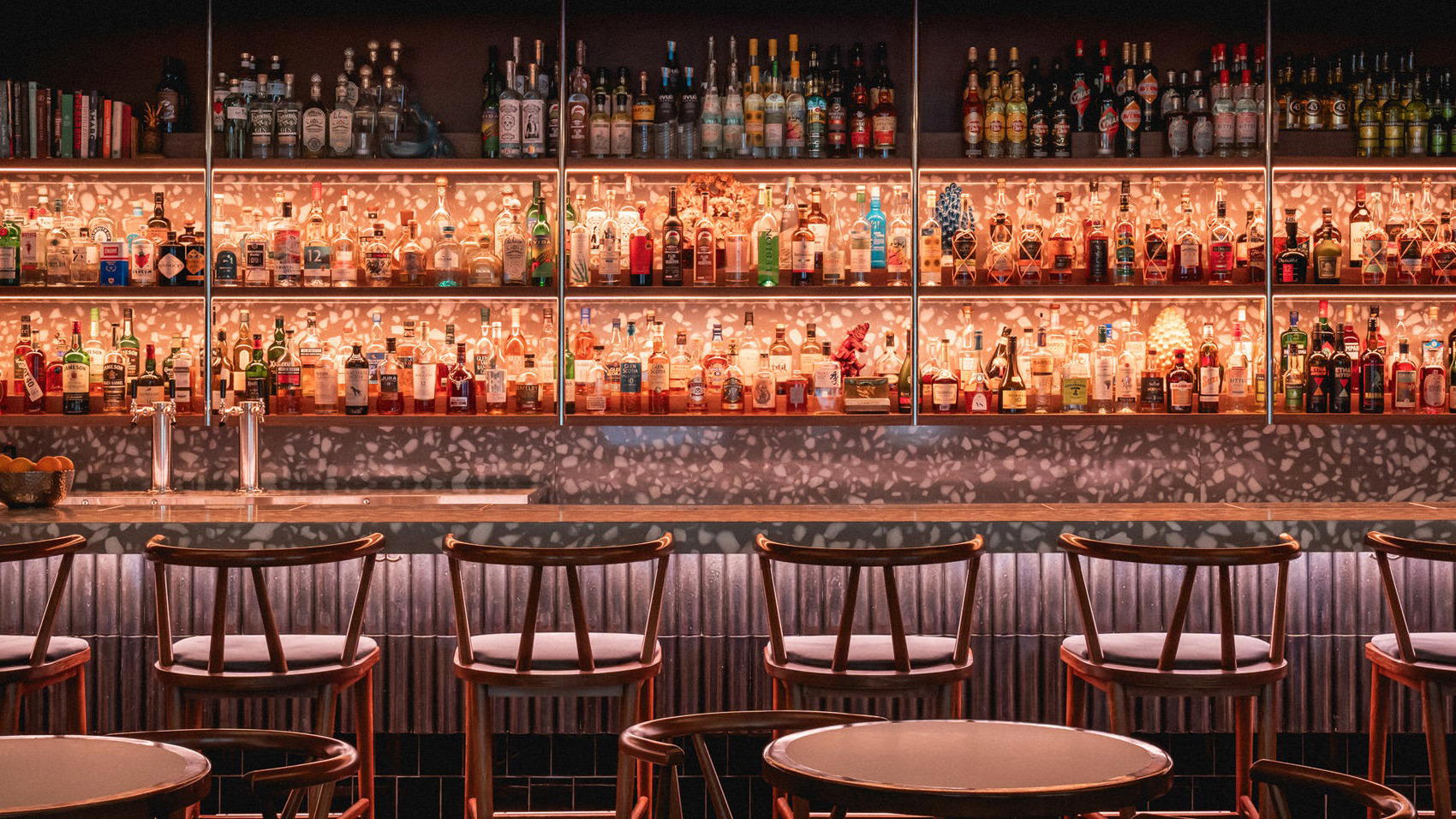
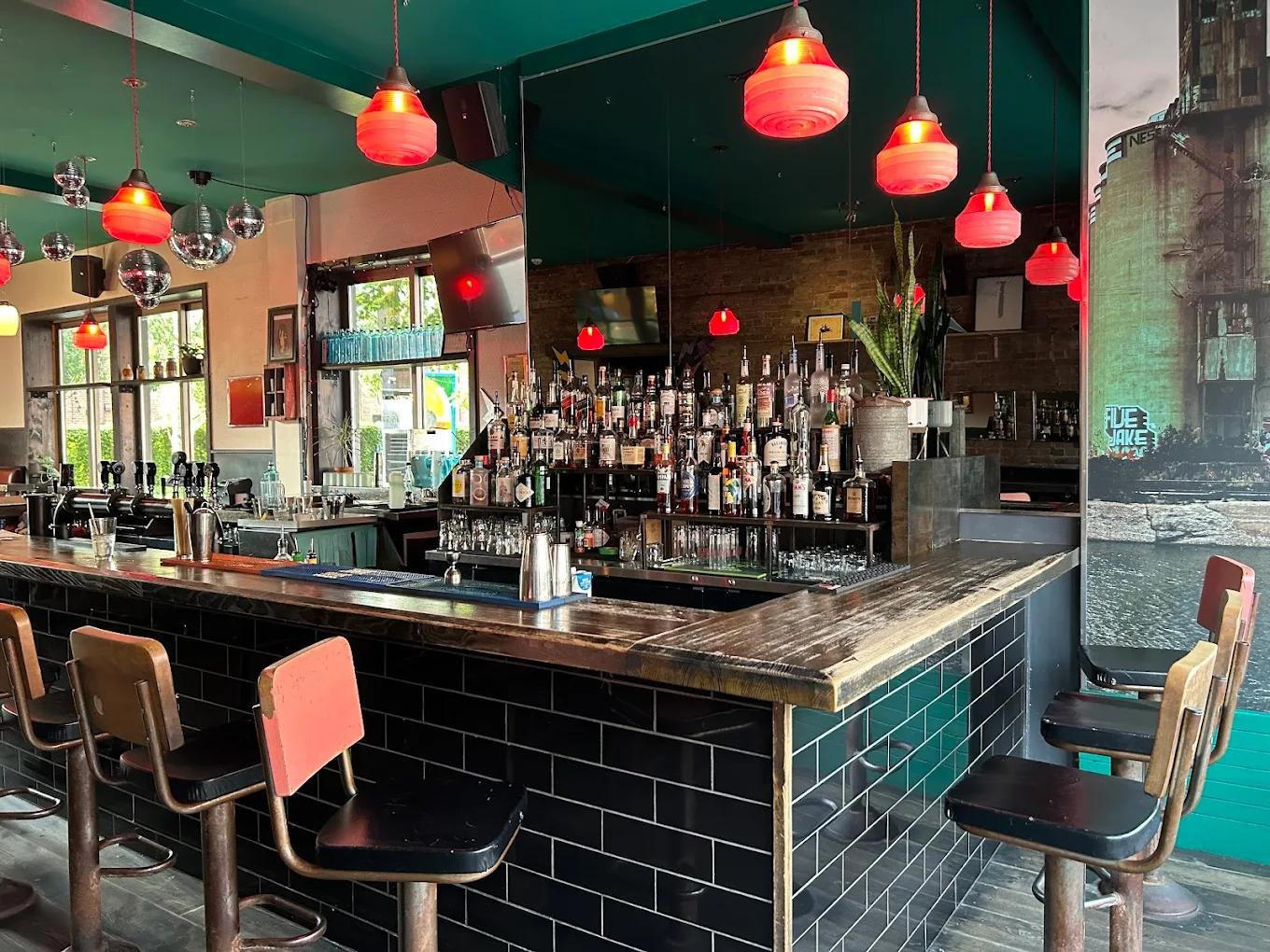
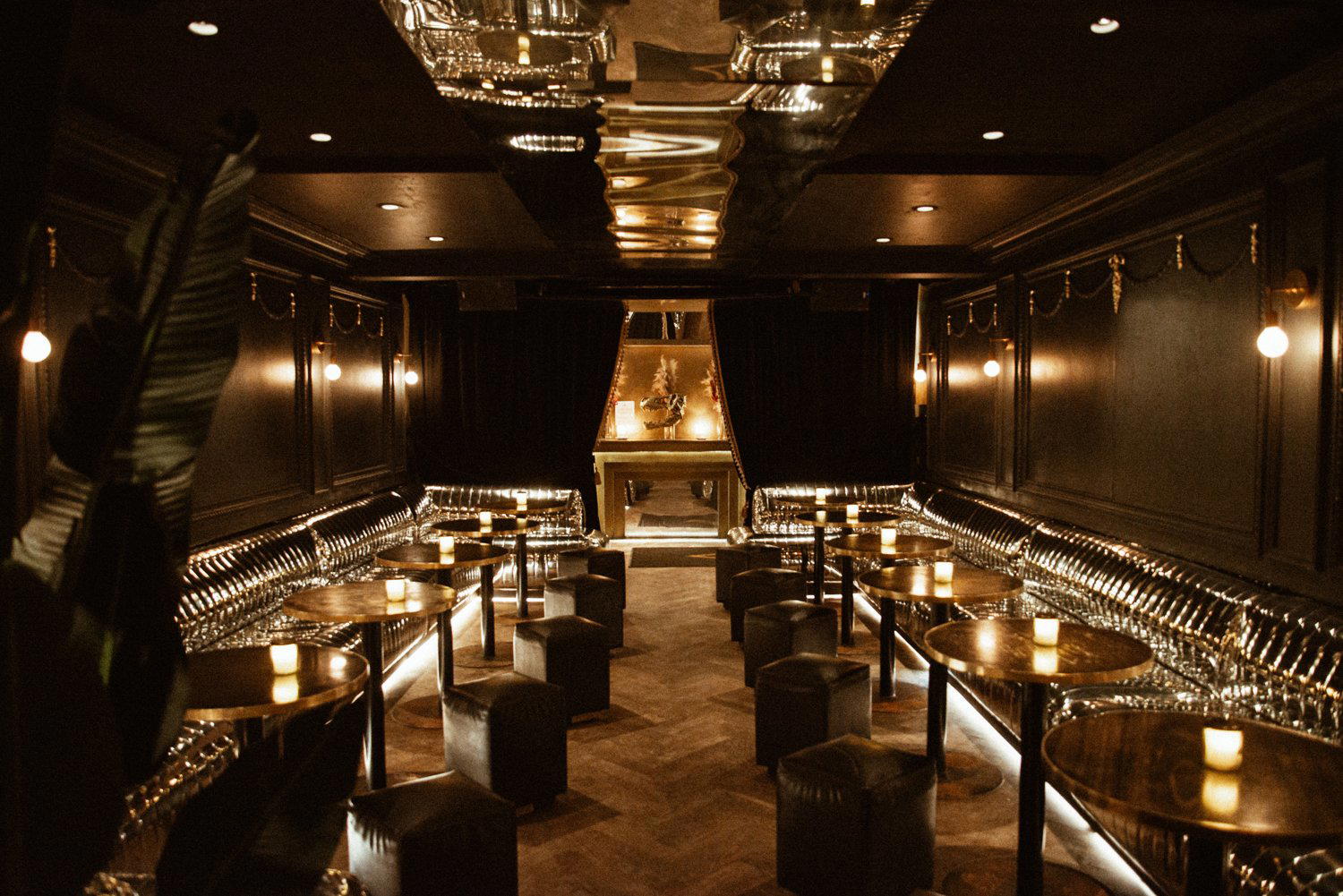
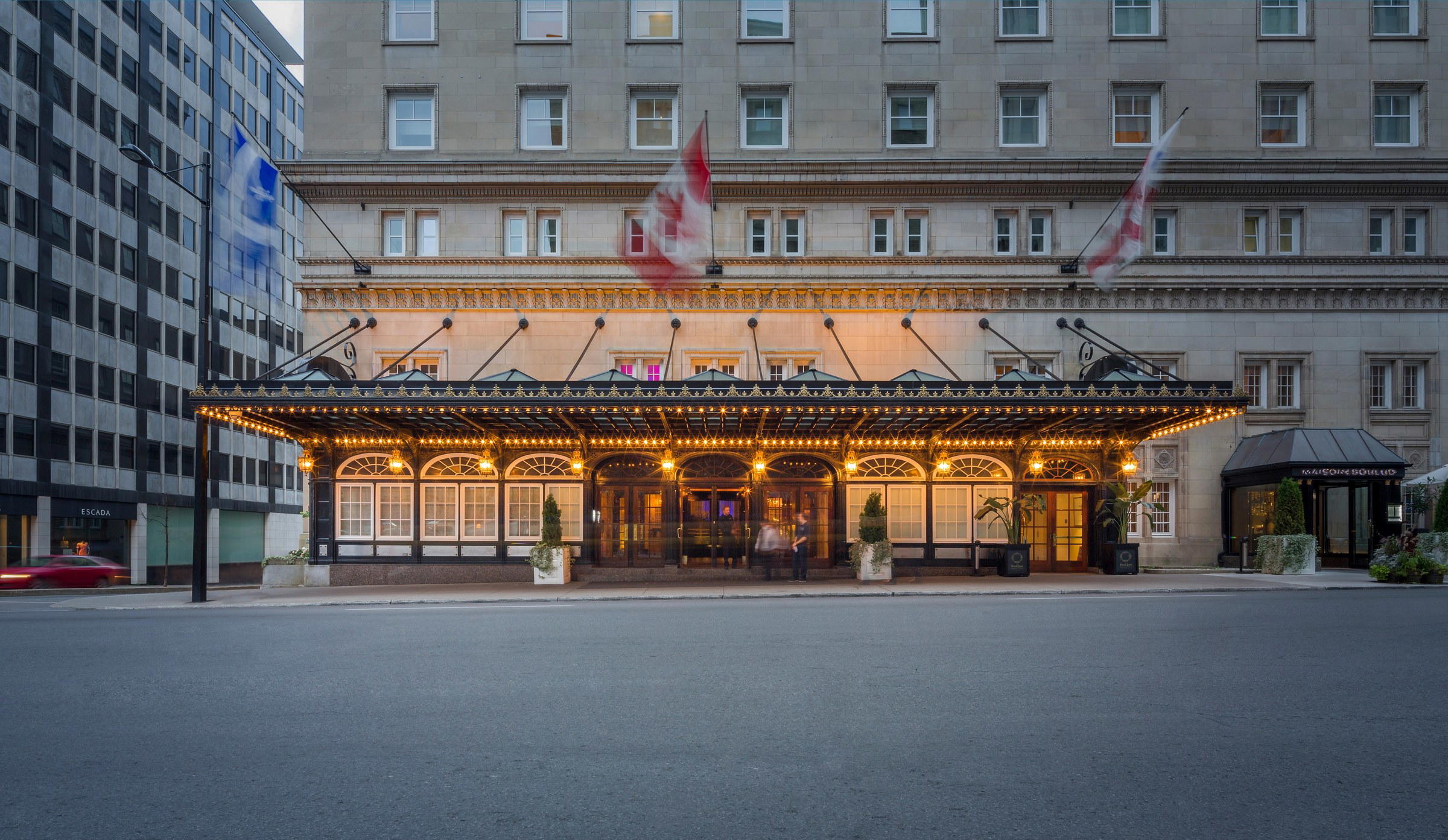
At a Glance
- Cozy
- Elegant
- Modern
- Intimate
- Date Night
- Family
- Casual Hangout
- Standalone
- Extensive Wine List
Current opening hours
- Monday
- Closed
- Tuesday
- 12–10 PM
- Wednesday
- 12–3:30 PM, 5–10 PM
- Thursday
- 12–10 PM
- Friday
- 12–10 PM
- Saturday
- 12–10 PM
- Sunday
- 12–10 PM
Hours can change for holidays and private events. Last verified .
Warm, cozy, and charming with relaxing atmosphere, beautiful decor, and a home dining room feel.