On Bishop Street in downtown Montreal, Ristorante Da Vinci occupies a position within the city's long-established Italian dining tradition — a category that sits apart from the modern cuisine surge at addresses like Europea and Mastard. For those tracing the Italian restaurant lineage in a city shaped by successive waves of European immigration, Da Vinci represents a formal sit-down reference point in a neighbourhood dense with competing dining formats.
Pearl is the En Primeur Club membership app — saves, bookings, and concierge access live there. Same editors, same standards.
- Address
- 1180 Bishop St, Montreal, Quebec H3G 2E3, Canada
- Phone
- +15148742001
- Website
- davinci.ca
- Directions
- Get directions
 Saves & bookings on Pearl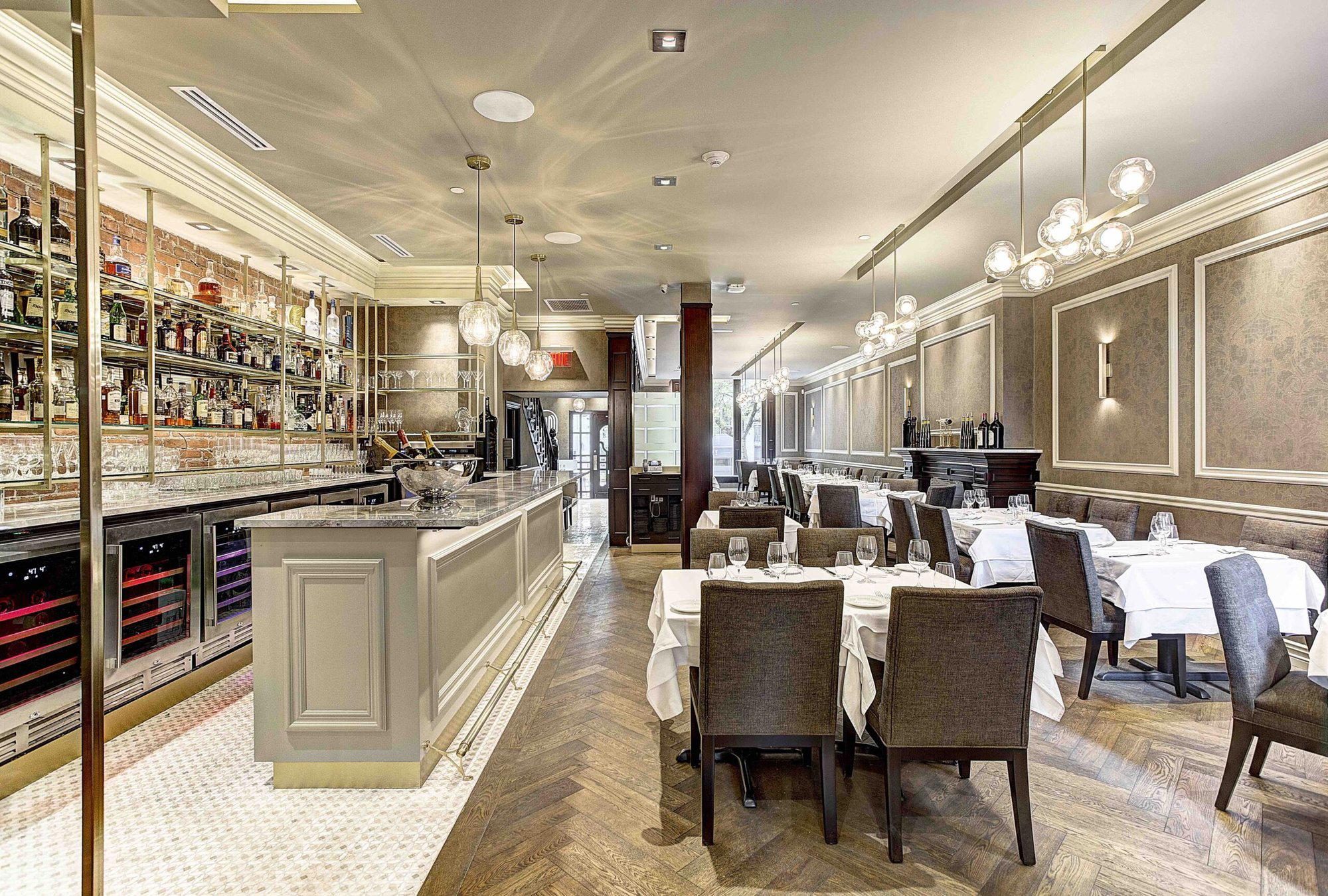
Bishop Street and the Weight of the Italian Dining Room
Downtown Montreal has always maintained a particular relationship with the formal dining room. Long before the modern cuisine wave that now defines addresses like Jérôme Ferrer's Europea or the tighter, more contemporary format at Mastard, the city's restaurant culture was shaped by European immigrants who brought with them a conviction that dinner was a structured occasion with its own grammar. Bishop Street, running through the heart of the downtown core between Sainte-Catherine and René-Lévesque, sits in that older tradition. The buildings here are dense and mid-rise, the foot traffic a mixture of hotel guests, office workers, and the kind of determined dinner-goers who arrive with a reservation rather than a walk-in instinct.
Ristorante Da Vinci at 1180 Bishop St sits within this context. Italian restaurants of its generation in Montreal developed their identity not around novelty but around repetition and reliability — the sense that a table here is governed by an understood set of rituals that predate Instagram menus and ten-course tasting formats. That the address has maintained a presence on a street where dining concepts cycle with some regularity is itself a data point worth noting.
The Ritual Architecture of the Italian Meal
The formal Italian dining room operates on a pacing logic that is fundamentally different from the modern tasting-menu format now common at Montreal's higher-end addresses. Where a progression menu at a place like Sabayon dictates the tempo entirely, a traditional Italian table allows the guest to construct their own sequence: antipasto, primo, secondo, contorno, dolce. This is not a passive structure. It requires the diner to make decisions, to read the menu with some knowledge of how courses relate to one another, and to understand that ordering only a pasta and skipping the meat course is a legitimate choice rather than a failure to engage.
In cities with substantial Italian communities, this format survives most cleanly in restaurants that have served the same neighbourhood across decades. Montreal's Italian community is concentrated further north in Saint-Léonard and Rivière-des-Prairies, but the formal Italian restaurant in the downtown core has historically served a different function: the business dinner, the pre-theatre table, the occasion meal for visitors who want something legible and reassuring in an unfamiliar city. That function has not disappeared, even as the city's dining ambitions have grown considerably more experimental.
Across Canada, the formal Italian dining room occupies a curious position. At one end of the spectrum, places like Alo in Toronto have absorbed Italian technique into a broader fine-dining framework without being identifiably Italian in format. At the other end, neighbourhood trattorie operate without the white-tablecloth register entirely. The mid-tier formal Italian room — starched linen, extensive wine list weighted toward Italian regions, a menu that covers the full progression from antipasto to dessert, is a specific format that cities like Montreal, Toronto, and Vancouver have supported for decades, often in their downtown hotel districts.
Where Da Vinci Sits in Montreal's Dining Map
Montreal's restaurant scene in 2024 and 2025 has been defined by its modern cuisine addresses accumulating international recognition, with Tanière³ in Quebec City drawing comparison as a benchmark for the Quebec fine-dining tier more broadly. Within Montreal itself, the competitive set for a formal Italian room is not Toqué or Europea at the $$$$ bracket, but rather the mid-range formal dining category where the transaction is built on consistency and occasion rather than culinary ambition or chef recognition. That is a different value proposition, and it attracts a different kind of diner.
For visitors building a multi-night Montreal itinerary, the city's Italian dining options serve as a useful contrast to its French-influenced modern cuisine. The bistro format, well represented by L'Express on Saint-Denis, anchors the casual French end. The refined modern end is covered by addresses covered in our full Montreal restaurants guide. The formal Italian room fills a third position: structured, European in pacing, and oriented toward wine and multi-course eating rather than the single-dish or sharing format that has dominated newer openings.
Beyond Montreal, the Italian dining tradition in Canadian cities has its own regional expressions. AnnaLena in Vancouver represents a different approach entirely, drawing on Italian influences within a contemporary Canadian framework. The distinction matters for understanding what a Bishop Street address like Da Vinci is and is not: it is a specific format, not a category of cooking.
The Downtown Core as Dining Environment
Eating on Bishop Street in downtown Montreal places you in a particular kind of urban dining environment. The street is walkable from the hotel strip on René-Lévesque and from the Concordia University buildings, which means the dinner crowd skews toward visitors and downtown professionals rather than the neighbourhood regulars who define restaurants in the Plateau or Mile-Ex. That demographic shapes expectations: the room needs to be readable to someone unfamiliar with Montreal, the service needs to be navigable in English as well as French, and the menu format needs to be the kind of thing a business traveller can work through without needing a glossary.
Italian cuisine in this context functions partly as a lingua franca. A menu of pasta, risotto, grilled proteins, and tiramisu communicates across language barriers and dietary preferences in a way that a more niche regional cuisine cannot. That practical legibility is part of why the formal Italian dining room has survived in downtown hotel districts across North American cities even as the broader restaurant culture has become far more fragmented and specialized.
For those planning a Montreal visit that includes a range of dining registers, pairing a formal Italian evening with a more exploratory meal at addresses like 3 Pierres 1 Feu or Abu el zulof gives a more complete picture of what the city's dining offer actually covers. Montreal's strength as a food city comes from range and density, not from a single dominant tradition. The Italian formal room is one coordinate on that map.
For reference points outside Montreal, the formal dining tradition in Canadian settings extends to addresses like Aux Anciens Canadiens in Quebec City for historic formal dining, and internationally to Le Bernardin in New York City as a benchmark for how a formal European dining format sustains itself in a North American urban context over decades. The comparison is instructive: longevity in formal dining is earned through discipline and consistency, not reinvention.
Know Before You Go
- Address: 1180 Bishop St, Montreal, Quebec H3G 2E3, Canada
- Neighbourhood: Downtown Montreal, between Sainte-Catherine and René-Lévesque
- Cuisine format: Formal Italian dining room
- Booking: Contact details not confirmed at time of publication, check current listings or walk-in availability
- Price range: Not confirmed at time of publication
- Hours: Not confirmed at time of publication, verify before visiting
- Getting there: Walking distance from several downtown hotels and the Guy-Concordia metro station
How Ristorante Da Vinci Montréal compares with similar nearby venues.
| Venue | Cuisine | Price |
|---|---|---|
| Okeya Kyujiro Montréal | Japanese | $$$$ |
At a Glance
- Elegant
- Classic
- Sophisticated
- Intimate
- Date Night
- Business Dinner
- Special Occasion
- Historic Building
- Extensive Wine List
Current opening hours
- Monday
- Closed
- Tuesday
- 11:30 AM–3 PM, 5–10 PM
- Wednesday
- 11:30 AM–3 PM, 5–10 PM
- Thursday
- 11:30 AM–3 PM, 5–10 PM
- Friday
- 11:30 AM–3 PM, 5–11 PM
- Saturday
- 5–11 PM
- Sunday
- Closed
Hours can change for holidays and private events. Last verified .
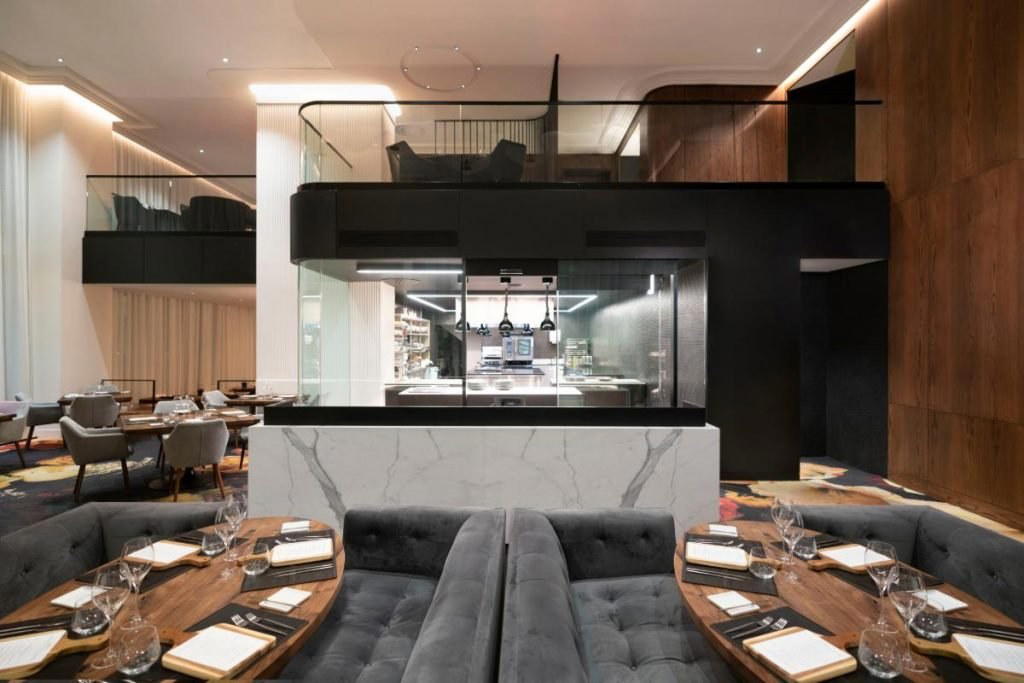
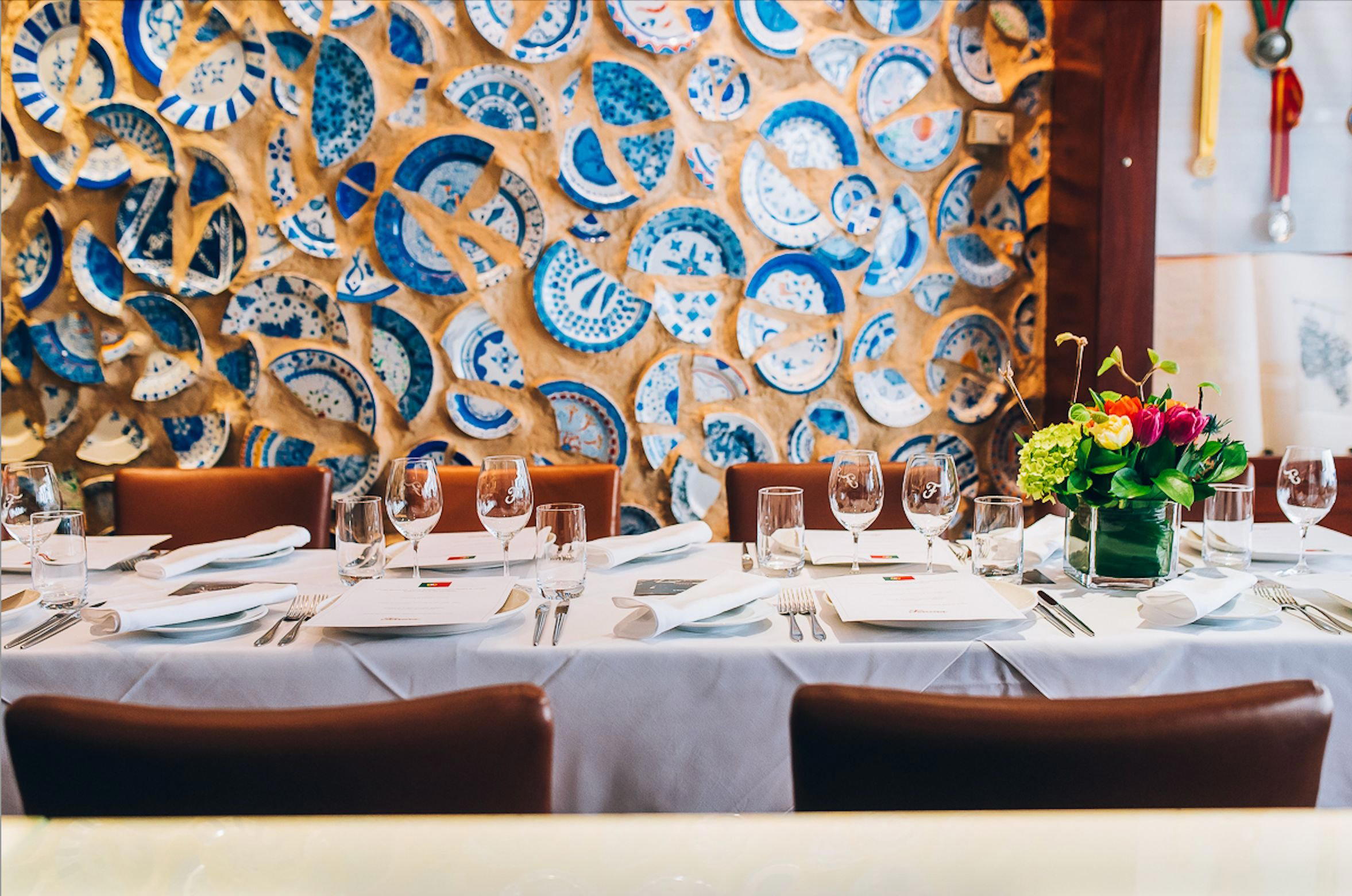
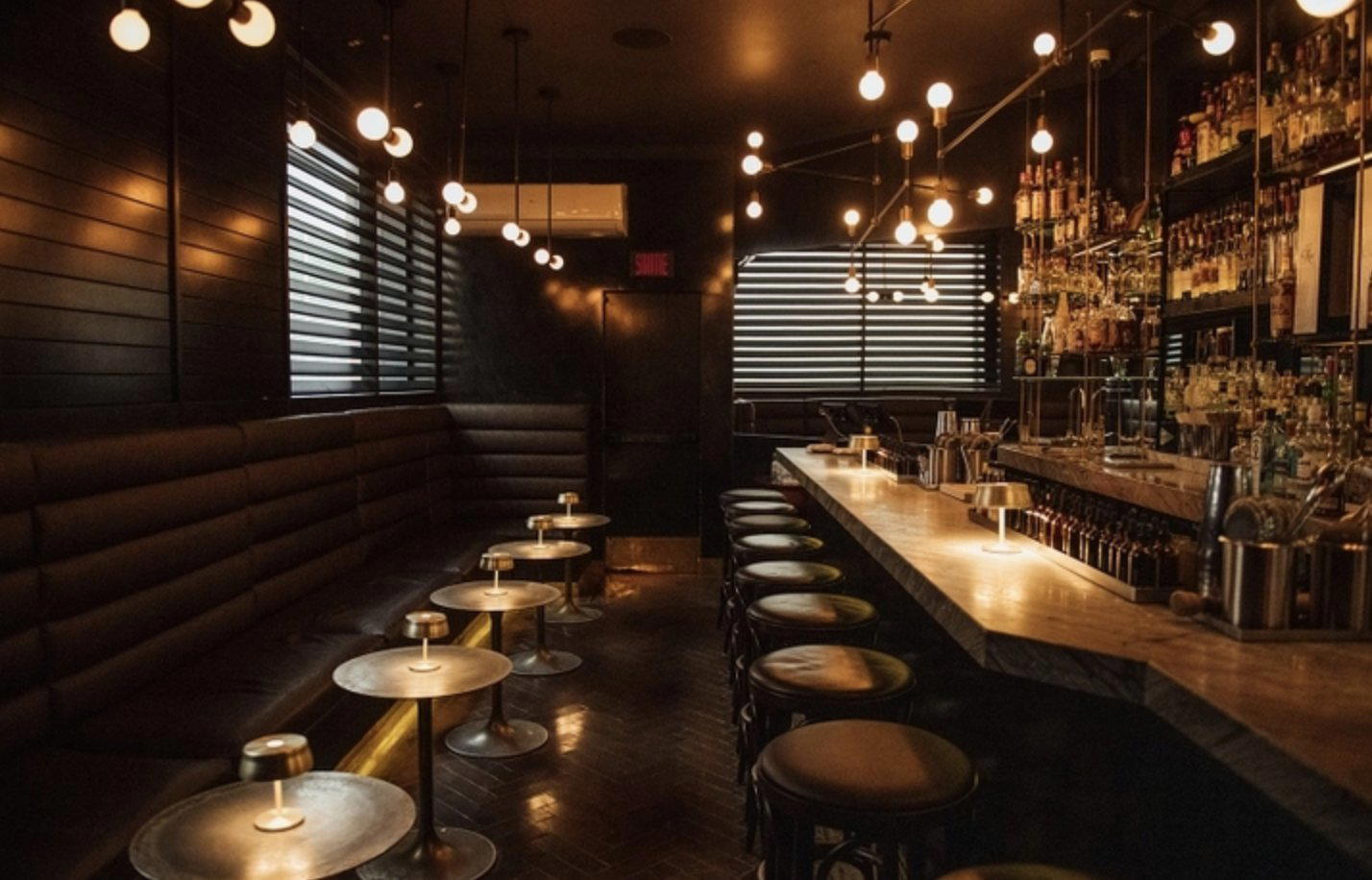
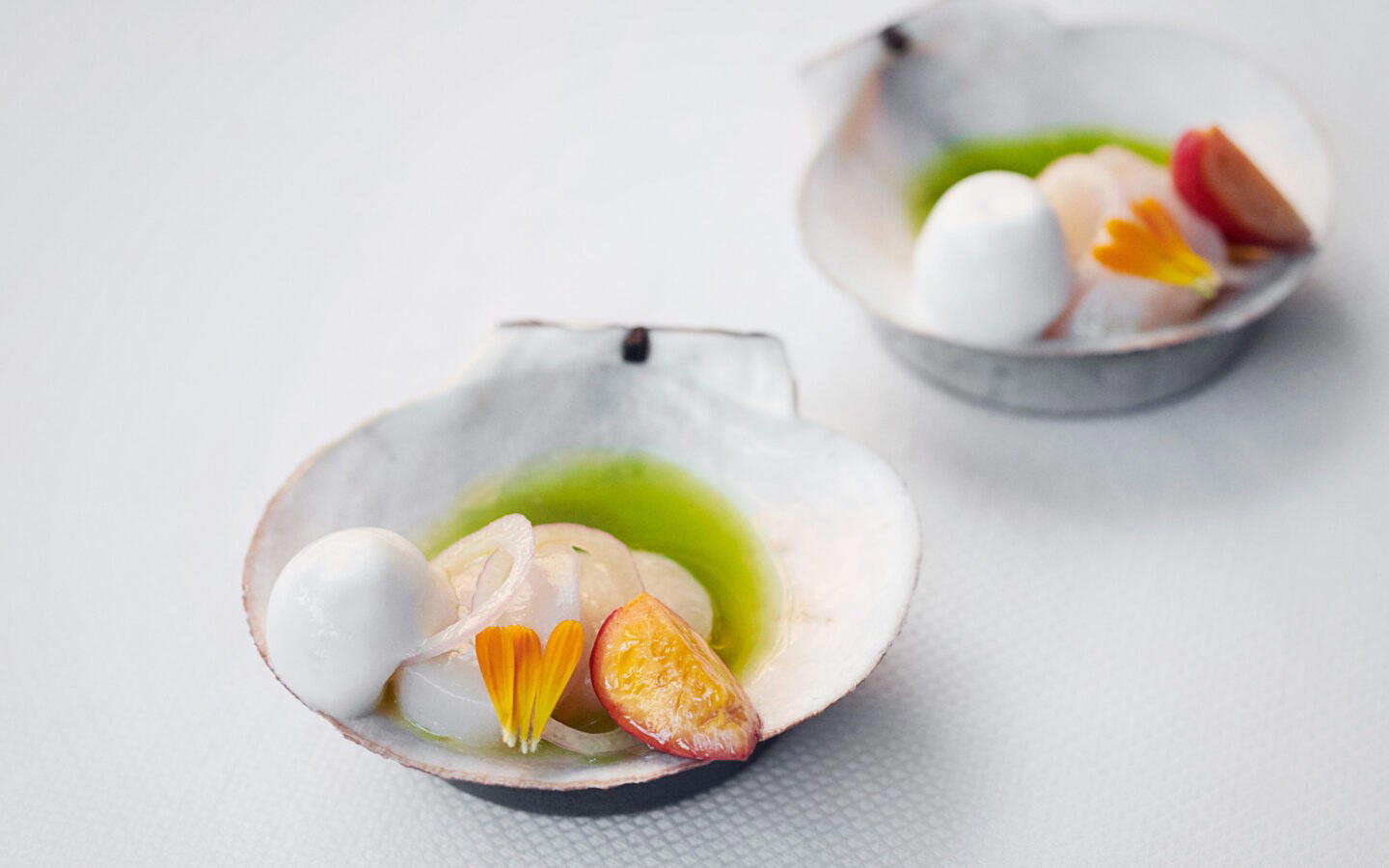
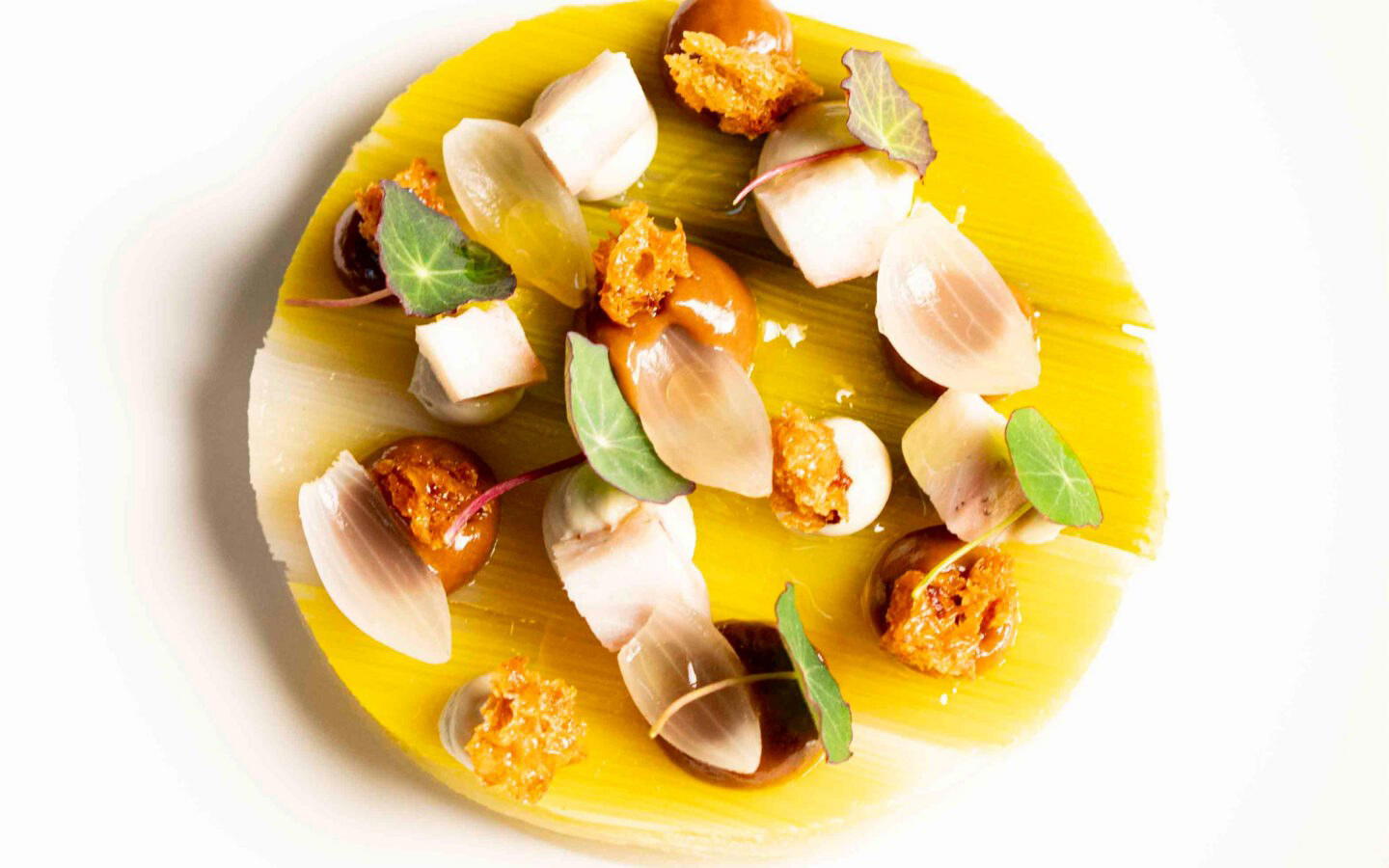
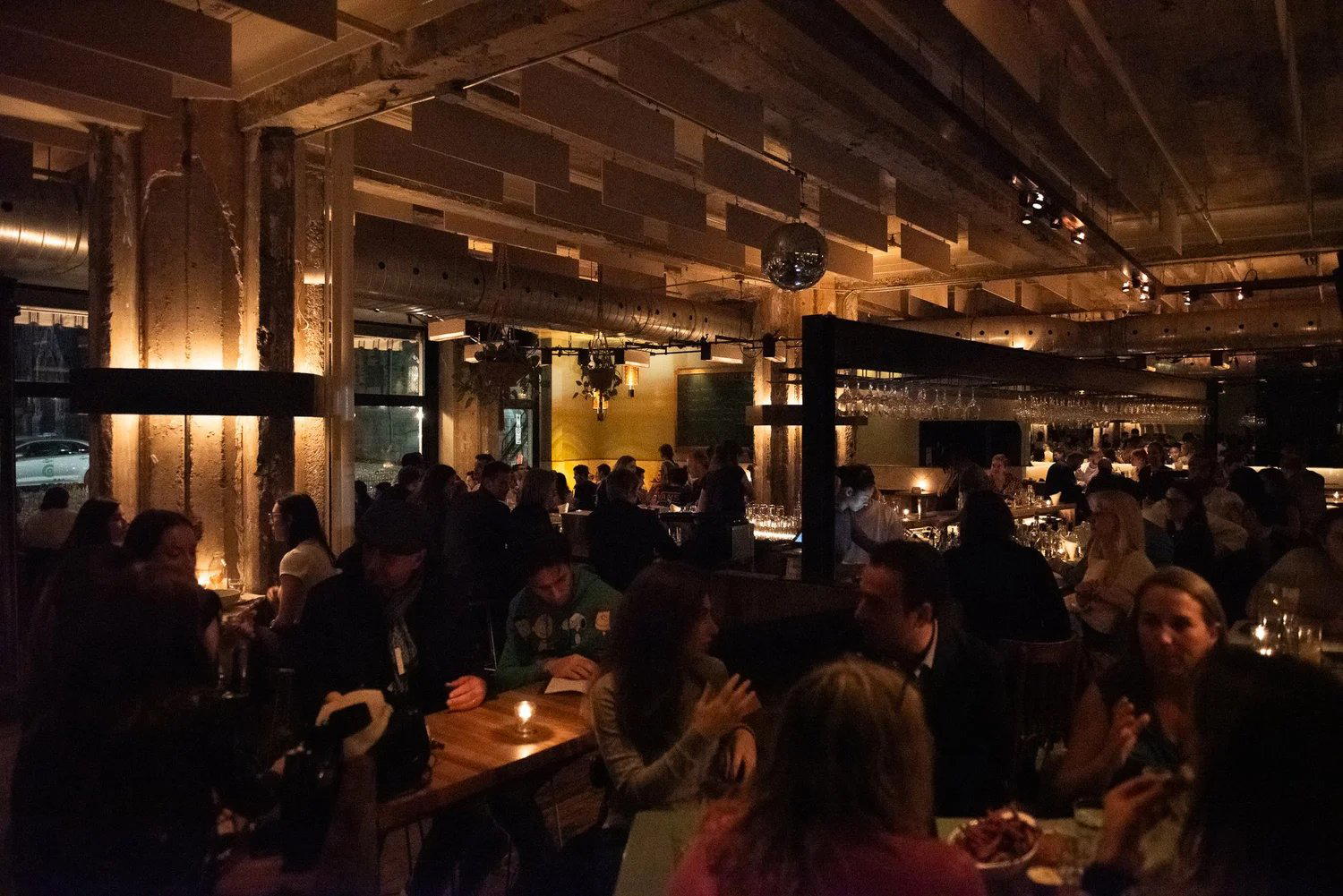
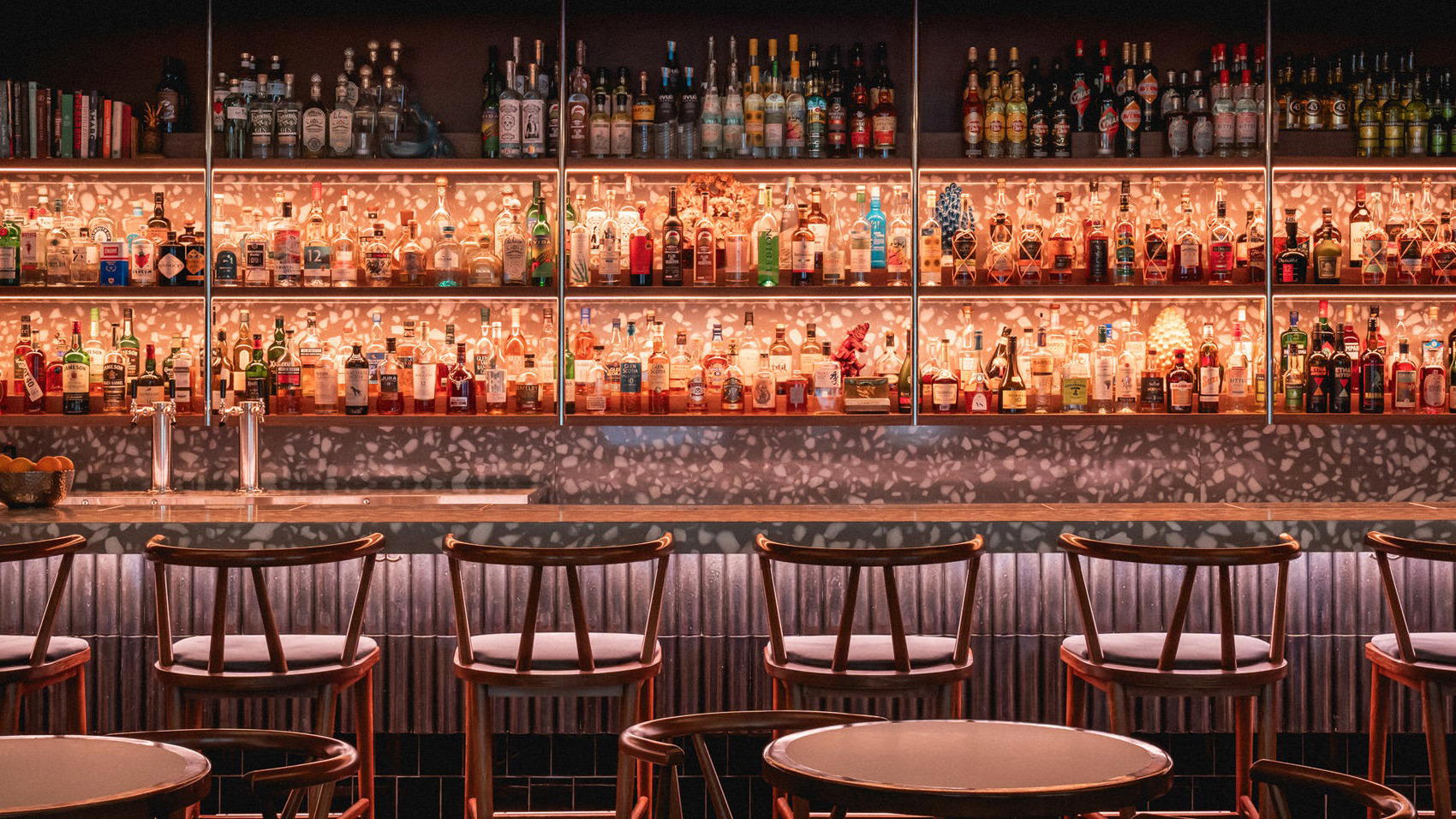
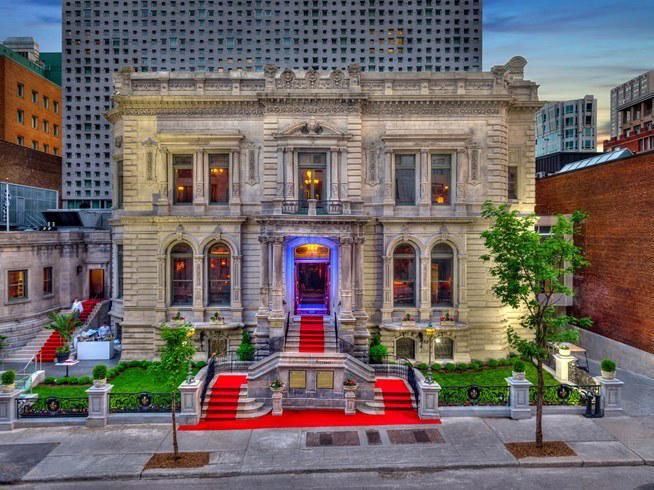
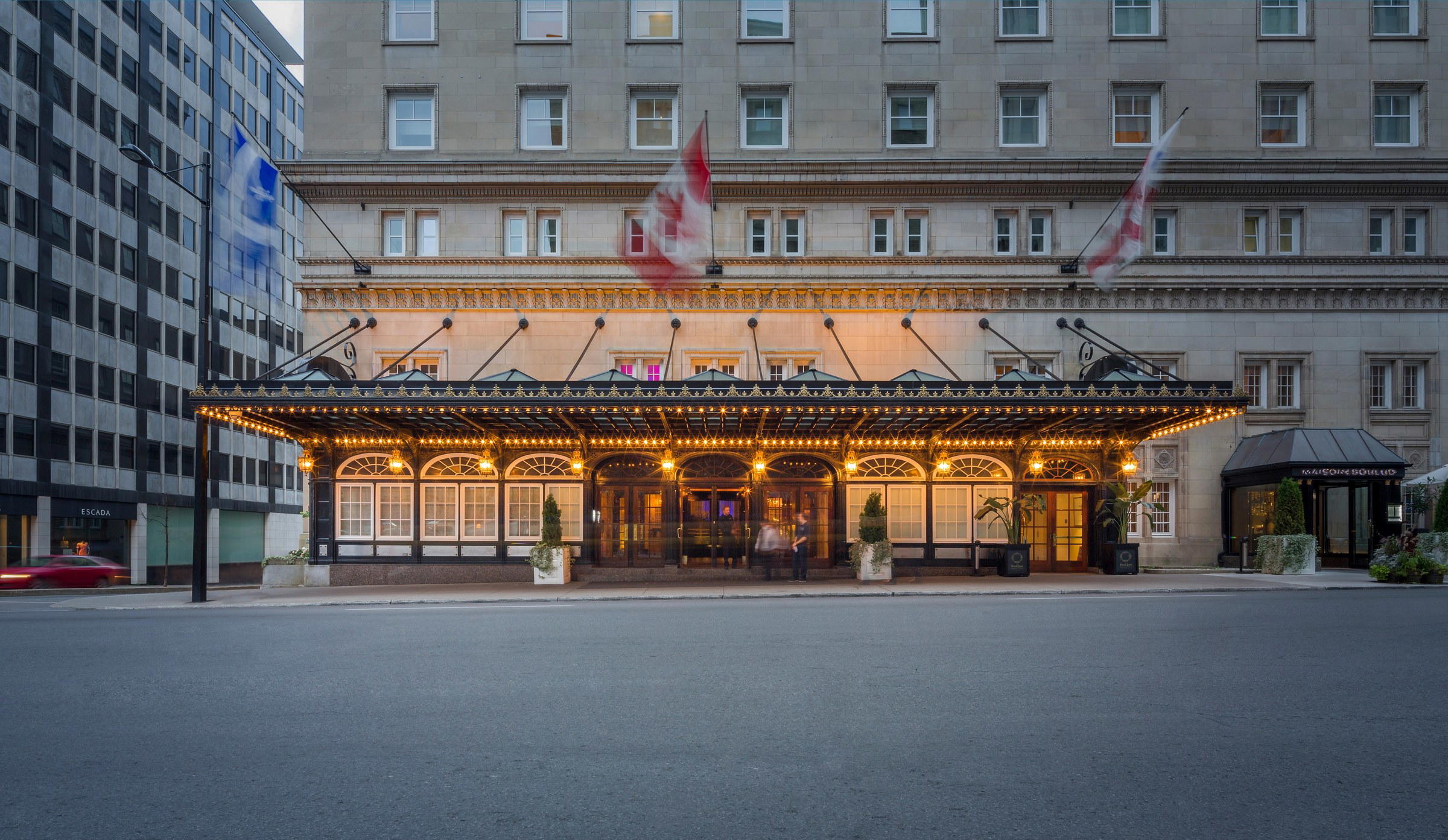
Elegant interior in a beautiful Victorian building with refined, non-pretentious surroundings.
Know Before You Go
- Getting there
- 1180 Bishop St, Montreal, Quebec H3G 2E3, Canada