Our verdict
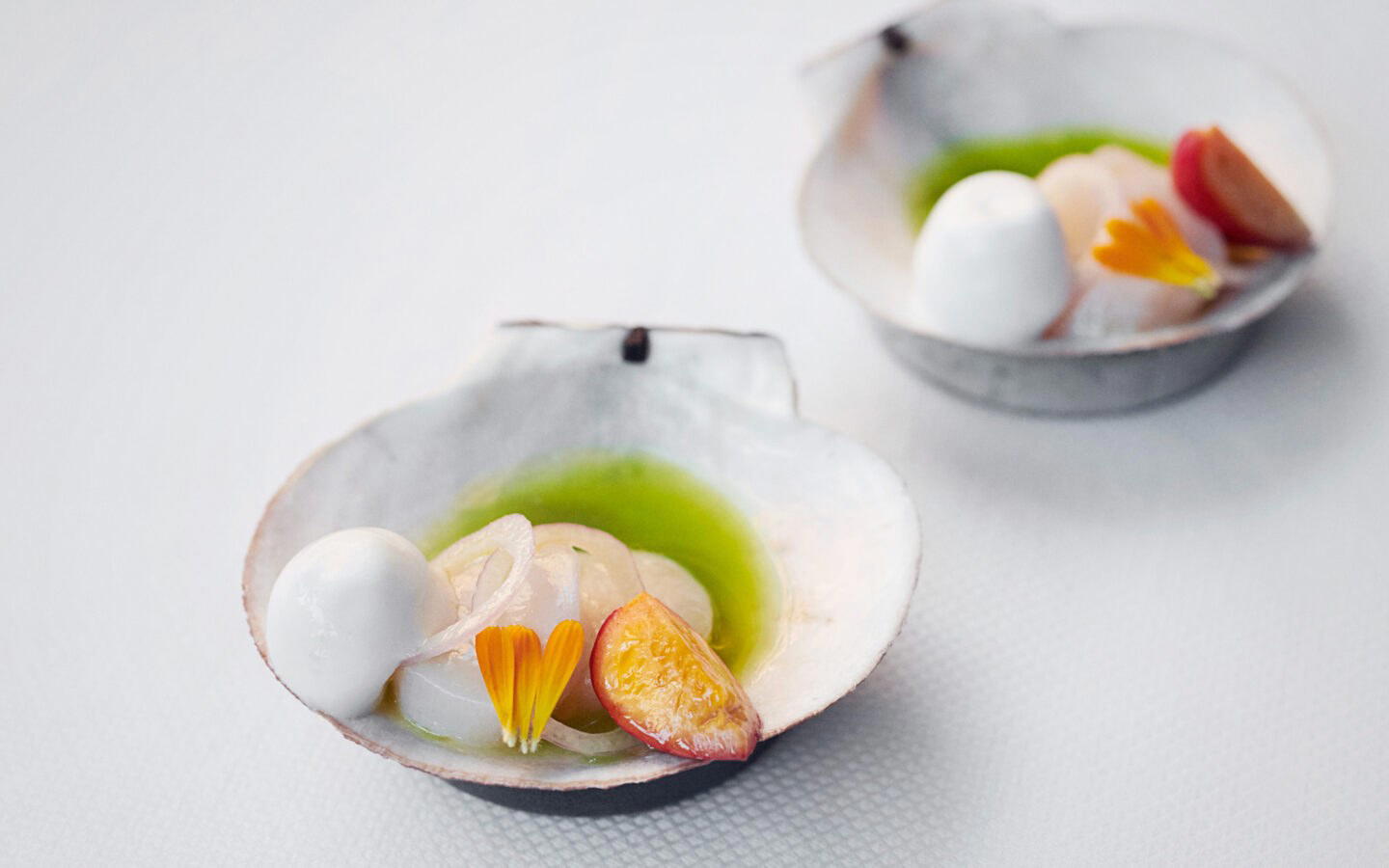
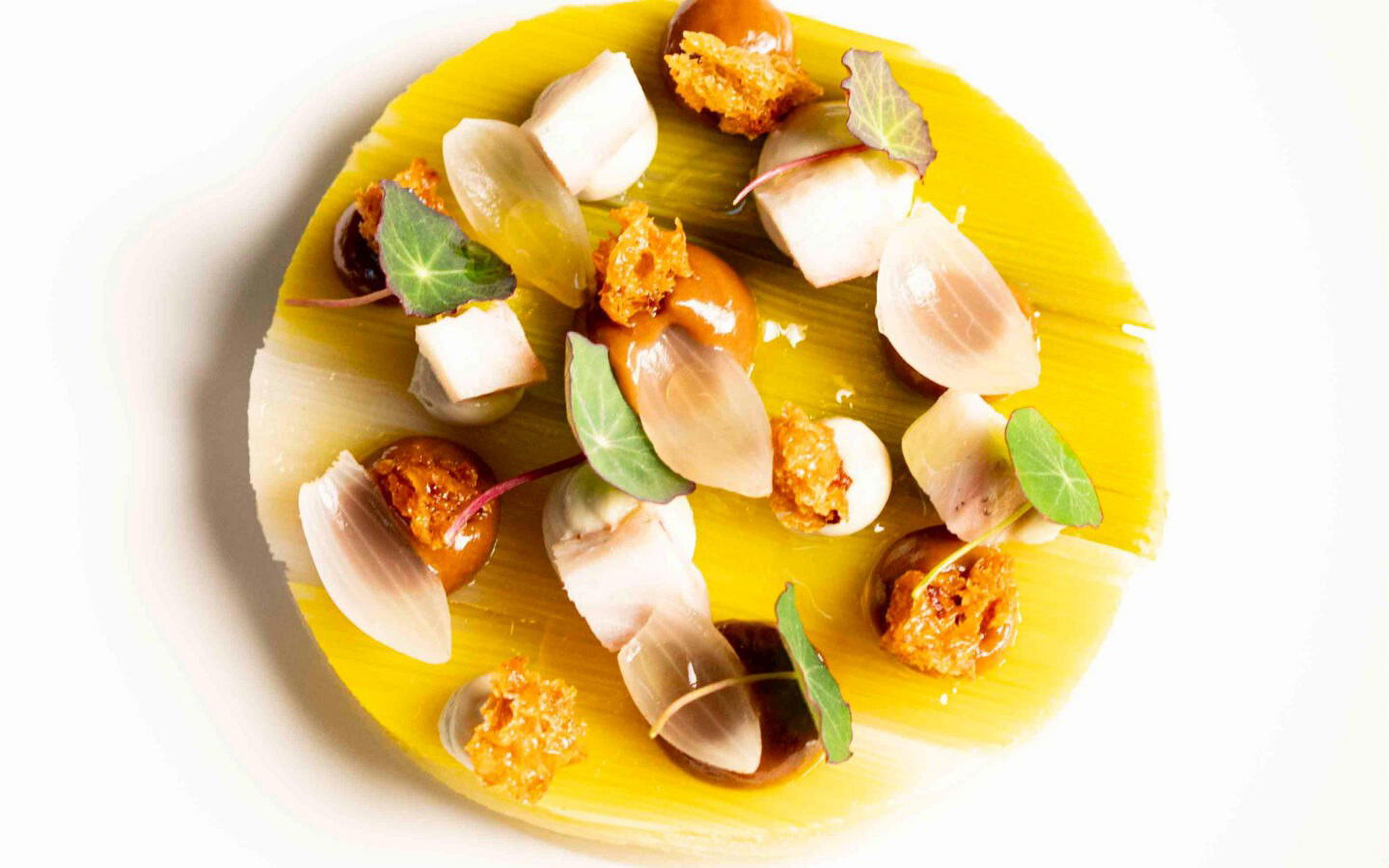
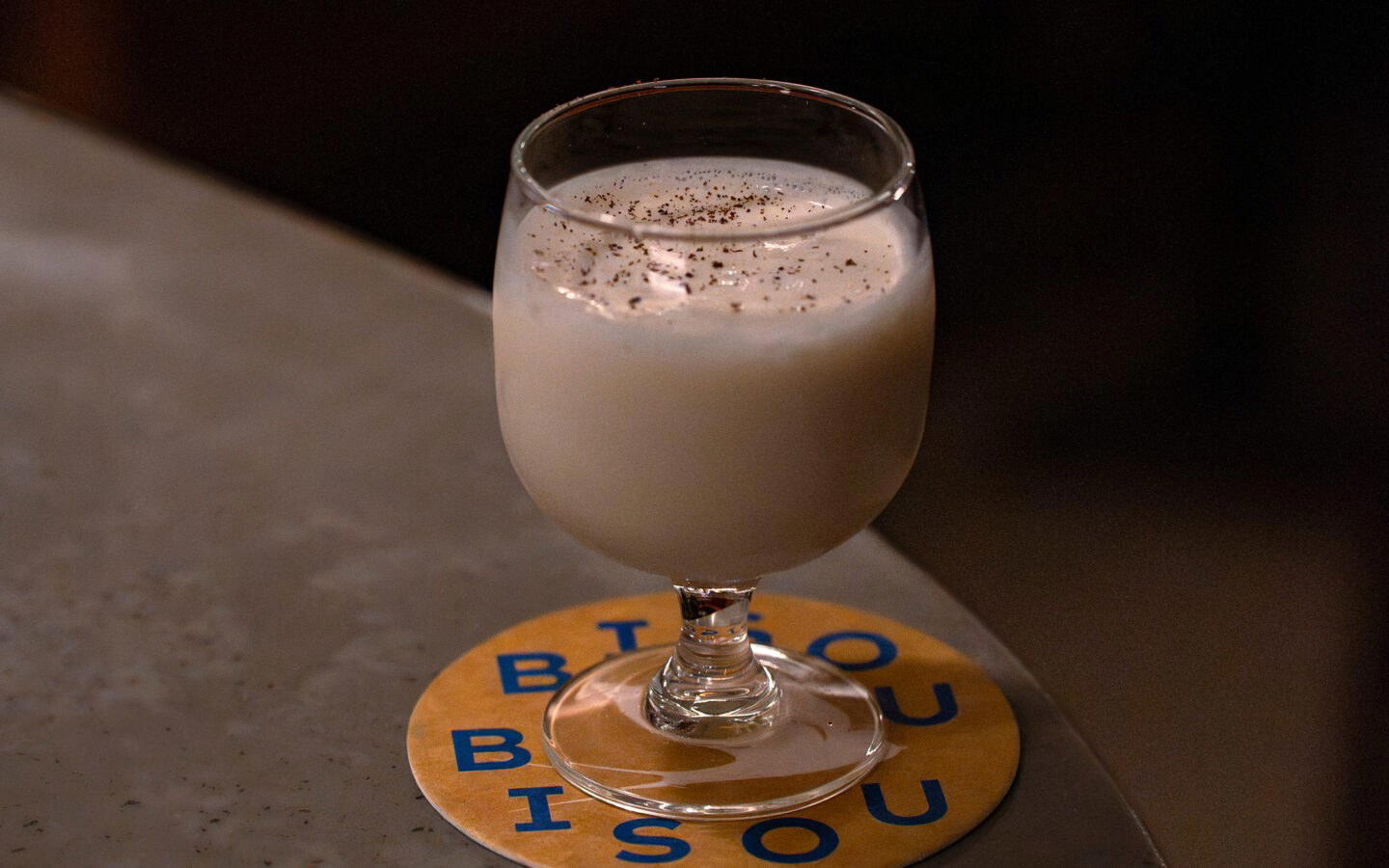
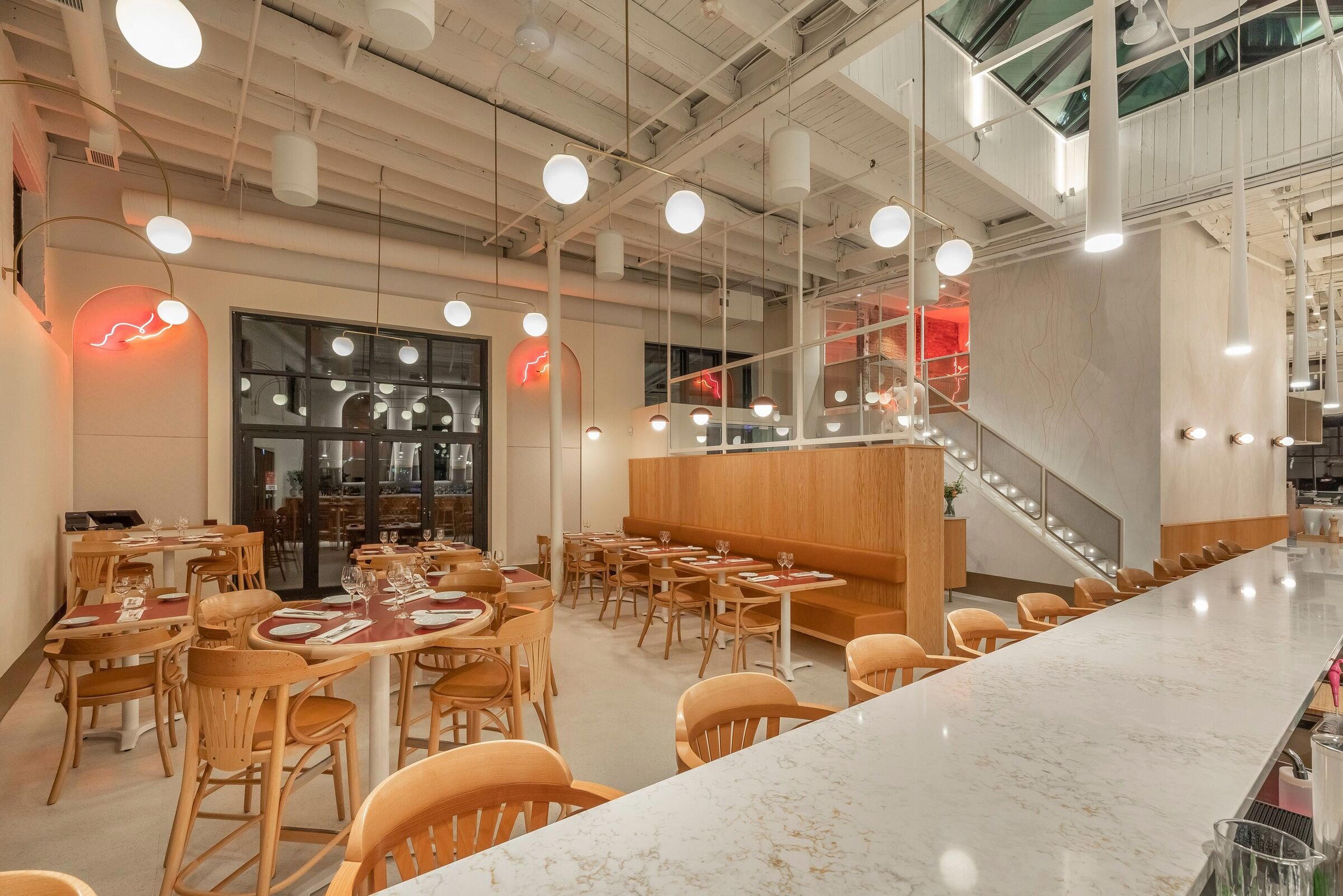
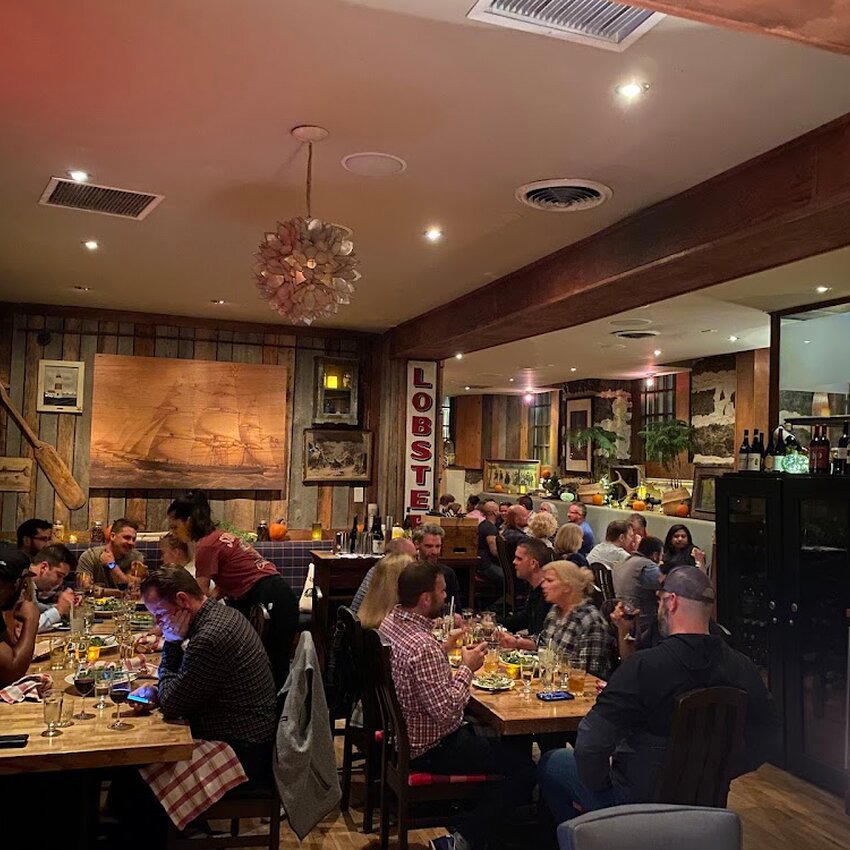
L'Orignal occupies a measured position in Old Montreal's dining scene, where its wine list and market-driven cooking define the offer. The address on Saint-Alexis Street places it within a neighbourhood that rewards those who look past the tourist corridor, and the room's character reflects the quarter's older bones. For visitors who read a wine list before a menu, this is the kind of address that justifies the detour.

Pearl is the En Primeur Club membership app, where members save venues, book tables and use the concierge.
The menu
What to order
- Fresh Shucked Oysters
- Truffle Poutine
- Bison Burger
Old Montreal's Quiet Streets and the Case for Serious Wine
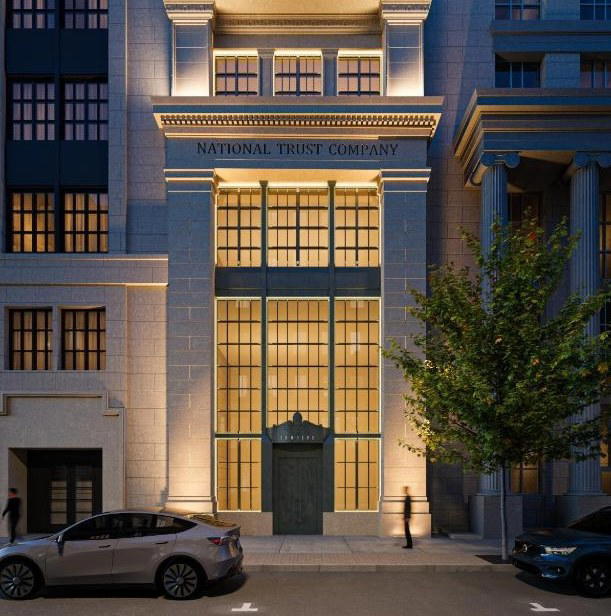
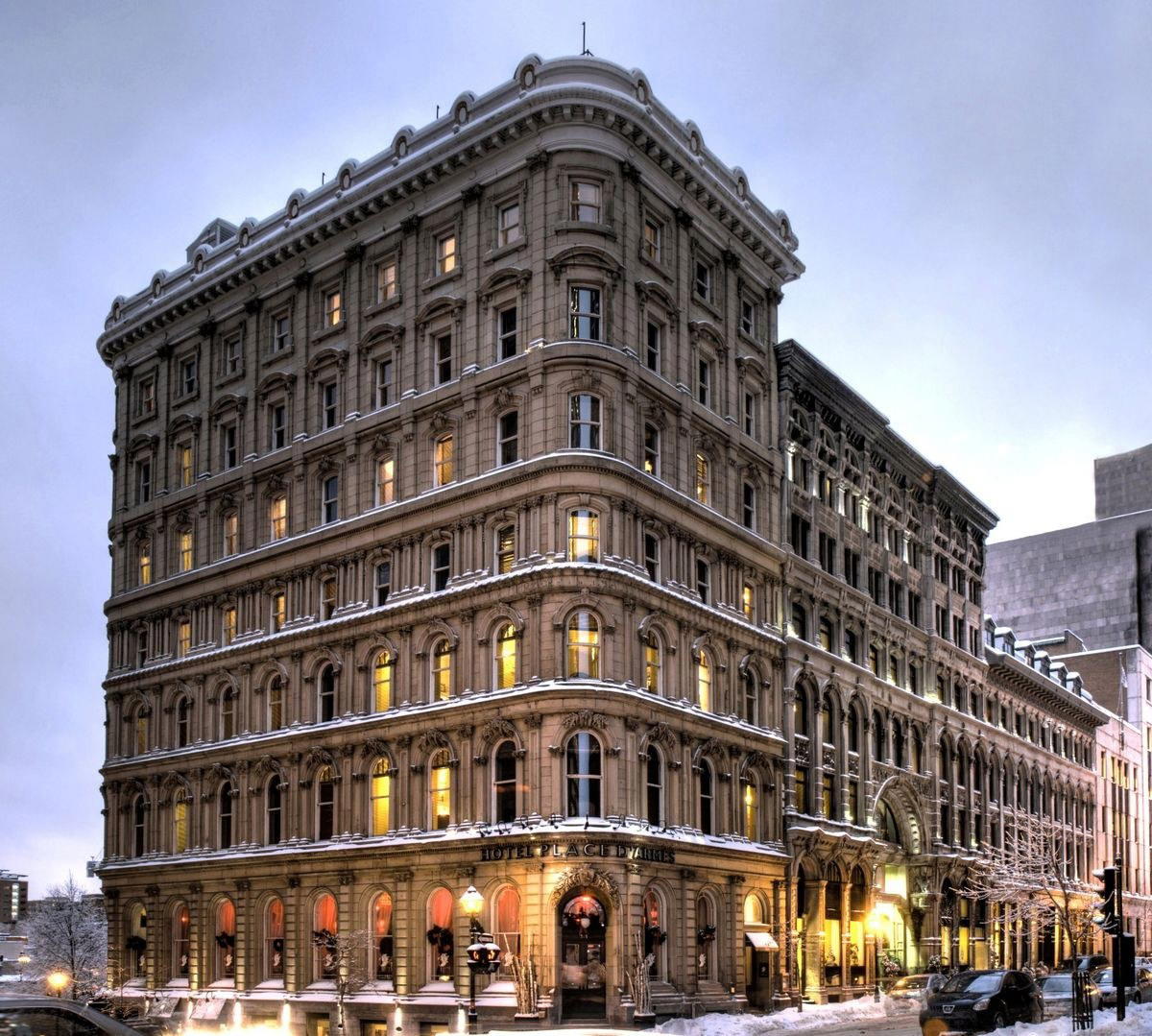
Old Montreal has two registers. There is the rue Saint-Paul version, loud with terrasse traffic and menus printed in three languages for convenience, and there is the quieter grid one block removed, where the stone buildings keep their age and the restaurants inside them tend toward a different kind of seriousness. Saint-Alexis Street belongs to the second category. Approaching L'Orignal from the corner, the scale of the building reads as domestic rather than commercial, which is precisely the point. The neighbourhood's 19th-century warehouse fabric has a way of absorbing restaurants into itself, making the transition from street to dining room feel less like entering an establishment and more like arriving somewhere that was already there.
That physical context matters for understanding what L'Orignal is doing. Old Montreal's premium dining cluster includes addresses running from polished brasserie formats to tasting-menu operations with serious culinary ambitions. L'Orignal occupies a position within that cluster defined less by theatrical format and more by the discipline of its wine program and the kind of ingredient-focused cooking that lets a cellar breathe. In a city where Jérôme Ferrer - Europea and Mastard represent the modernist side of Montreal's high-end dining and Sabayon pushes into refined contemporary territory, L'Orignal draws from a different reference point: the kind of French-leaning bistronomy that treats the wine list as the primary editorial act.
Wine as the Editorial Spine
Montreal's wine culture has shifted perceptibly over the past decade. The Société des alcools du Québec's private import channel has made it possible for smaller restaurants to source from growers who would never appear on a standard retail list, and a generation of sommeliers trained partly in France and partly in the independent wine bars of the Plateau and Mile End have brought that sensibility into dining rooms that can actually build around it. The result, at the better addresses, is a list that reads as a curatorial argument rather than a catalogue.
L'Orignal's wine program fits within that shift. The logic of this format, which is well established in Paris, Lyon, and increasingly in Toronto at places like Alo and in Vancouver at AnnaLena, is that the food serves the wine as much as the wine serves the food. Dishes tend toward acidity, restraint, and textural precision rather than richness and reduction, because the goal is to keep the glass interesting through the meal rather than to compete with it.
In Quebec specifically, this approach dovetails with a growing regionalist impulse. The province's producers, along with the broader Canadian natural wine conversation that includes addresses such as Restaurant Pearl Morissette in Lincoln and Narval in Rimouski, have created enough local reference points that a serious Quebec-inflected wine list is now possible in a way it was not fifteen years ago. Whether L'Orignal commits fully to that regional angle or pulls more broadly from the French natural canon is part of what makes the address worth investigating on its own terms.
Cooking That Works With the Cellar
The market-driven cooking format that tends to accompany wine-first programs is not a fallback position, it is a specific culinary argument. When a kitchen changes its offer according to what arrives from suppliers rather than anchoring to a fixed seasonal menu, it creates the conditions for the kind of spontaneous wine pairing that a skilled floor team can exploit. The server who knows that the kitchen received exceptional duck from a particular farm that week can pull a bottle that was languishing in the cellar waiting for exactly that fat and iron combination.
Montreal's food supply chain gives this approach real traction. Quebec's short growing season produces intense summer and autumn harvests, and the province's producers, from the Lower St. Lawrence to the Eastern Townships, have diversified into the kind of heritage breed proteins and high-quality market vegetables that a bistronomy format can use directly. Comparable dynamics are at work at Tanière³ in Quebec City and, in a more rural format, at Eigensinn Farm in Singhampton, both of which demonstrate that the produce-led model can carry serious ambition without requiring the infrastructure of a brigade kitchen.
For visitors arriving from outside Quebec, the combination of French technical foundation and local sourcing that defines this tier of Montreal dining offers a reference point that Le Bernardin in New York City or Atomix approaches from very different angles. Montreal's particular contribution is a kind of productive modesty: the city's leading rooms tend to understate rather than perform, which is either a cultural trait or a competitive strategy, and possibly both.
The Old Montreal Context: What to Expect from the Quarter
Old Montreal's hospitality offer runs across a wider price and format range than the neighbourhood's cobblestone reputation suggests. At the lower tier, places like Abu el Zulof and 3 Pierres 1 Feu anchor a more casual, accessible register. At the top of the quarter's price band, the competition is with Toqué, the French four-dollar-sign benchmark that has defined Montreal's flagship dining tier for over two decades, and with Europea, which operates at comparable ambition and formality. L'Orignal occupies a zone between casual neighbourhood room and full tasting-menu seriousness, wine-led, market-driven, and priced to reflect that positioning without the full ceremony of a tasting-menu format.
Seasonally, autumn is the moment when this kind of cooking finds its sharpest expression. Quebec's mushroom season, game hunting calendar, and root vegetable harvest converge in October and November to give wine-paired menus a natural richness that June and July, for all their brightness, cannot replicate. Visitors timing a trip to Montreal for the food and wine combination should weight the autumn window heavily, with the caveat that the city's summer terrace culture has its own rewards and the neighbourhood reads differently with the light. For a broader orientation to what Montreal's dining scene offers across all price points and neighbourhoods, the full Montreal restaurants guide maps the city's current state with more granularity than any single address can provide.
Comparable wine-serious formats elsewhere in Canada, including The Pine in Creemore and Barra Fion in Burlington, illustrate that the model is not uniquely urban. But in a city with Montreal's French inheritance and its specific relationship to the SAQ private import system, the wine-forward bistronomy format has more structural support than almost anywhere else in the country. L'Orignal, on its quiet Saint-Alexis address, is one of the cleaner expressions of that support in the Old Montreal tier.
Practical logistics for Saint-Alexis Street are direct by Old Montreal standards: the street sits within a short walk of the Place-d'Armes and Square-Victoria metros, and the neighbourhood's parking situation, while not simple in peak summer months, eases considerably on weekday evenings when much of the area's tourist foot traffic has moved on. For the kind of dinner that requires attention to the wine list, a weeknight booking with no fixed end time is the better configuration, and given the address's position in the serious-wine tier of a city that takes that tier seriously, reservations should be made well in advance of any visit. Those arriving from outside Quebec and comparing the experience against Aux Anciens Canadiens's heritage Quebec register, or against Bearspaw Golf Club's very different western Canadian hospitality model, will find L'Orignal represents something closer to the Franco-Quebec urban core: restrained, cellar-serious, and structured around the assumption that the guest knows why they are there.
Frequently asked questions
What part of town is L'Orignal in?
L'Orignal is located at 479 Saint Alexis St, Montreal, Quebec H2Y 2N7, Canada, Montreal.
Is L'Orignal a good choice for wine enthusiasts visiting Montreal for the first time?
For visitors specifically interested in Quebec's evolving natural and private-import wine scene, L'Orignal on Saint-Alexis Street is one of Old Montreal's more coherent entry points. The wine program functions as the editorial spine of the restaurant rather than an afterthought to the food menu. Montreal's SAQ private import channel has expanded the city's access to small-producer bottles considerably over the past decade, and venues like L'Orignal have been among the direct beneficiaries of that shift.
What's the signature dish at L'Orignal?
L'Orignal operates on a market-driven format, meaning the menu shifts with season and supplier availability rather than anchoring to fixed signatures. That structure is deliberate: the cooking is built to follow the wine program, not the other way around. Specific dish information is best confirmed directly with the restaurant at 479 Saint-Alexis St before your visit.
How hard is it to get a table at L'Orignal?
L'Orignal occupies a narrow footprint on Saint-Alexis Street in Old Montreal, which limits covers and tightens availability on weekend evenings. Its standing in Montreal's wine-serious dining circuit means the room fills reliably, particularly when new cellar arrivals drive interest. Booking ahead is the practical approach; walk-ins are more viable midweek.
Similar Picks
Comparable venues nearby, for context on price, style, and recognition.
| Venue | Cuisine | Price | Notes |
|---|---|---|---|
| L'OrignalThis venue (the venue you are viewing) | Quebecois Comfort Food | $50–100 | Not listed |
| Montréal poutine | Canadian Poutine | $20–30 | Vieux Montréal |
| Bivouac | Modern Quebecois Bistro | $50–100 | Quartier des Spectacles |
| Provisions Restaurant | Seasonal Canadian Tasting Menu | Not listed | Outremont |
| Kava | Mediterranean Seafood & Tapas | $50–100 | Griffintown |