Maison Harlem
On St Nicholas Avenue in the heart of Harlem, Maison Harlem sits at a culinary intersection that defines the neighbourhood's contemporary food story: West African and Caribbean ingredients processed through European and modern American technique. The result is a dining room that reflects Harlem's cultural layering without performing it, drawing a local crowd alongside visitors willing to travel uptown for something the midtown circuit cannot replicate.
Pearl is the En Primeur Club membership app — saves, bookings, and concierge access live there. Same editors, same standards.
- Address
- 341 St Nicholas Ave, New York, NY 10027
- Phone
- +12122229224
- Website
- maisonharlem.com
- Directions
- Get directions
 Saves & bookings on Pearl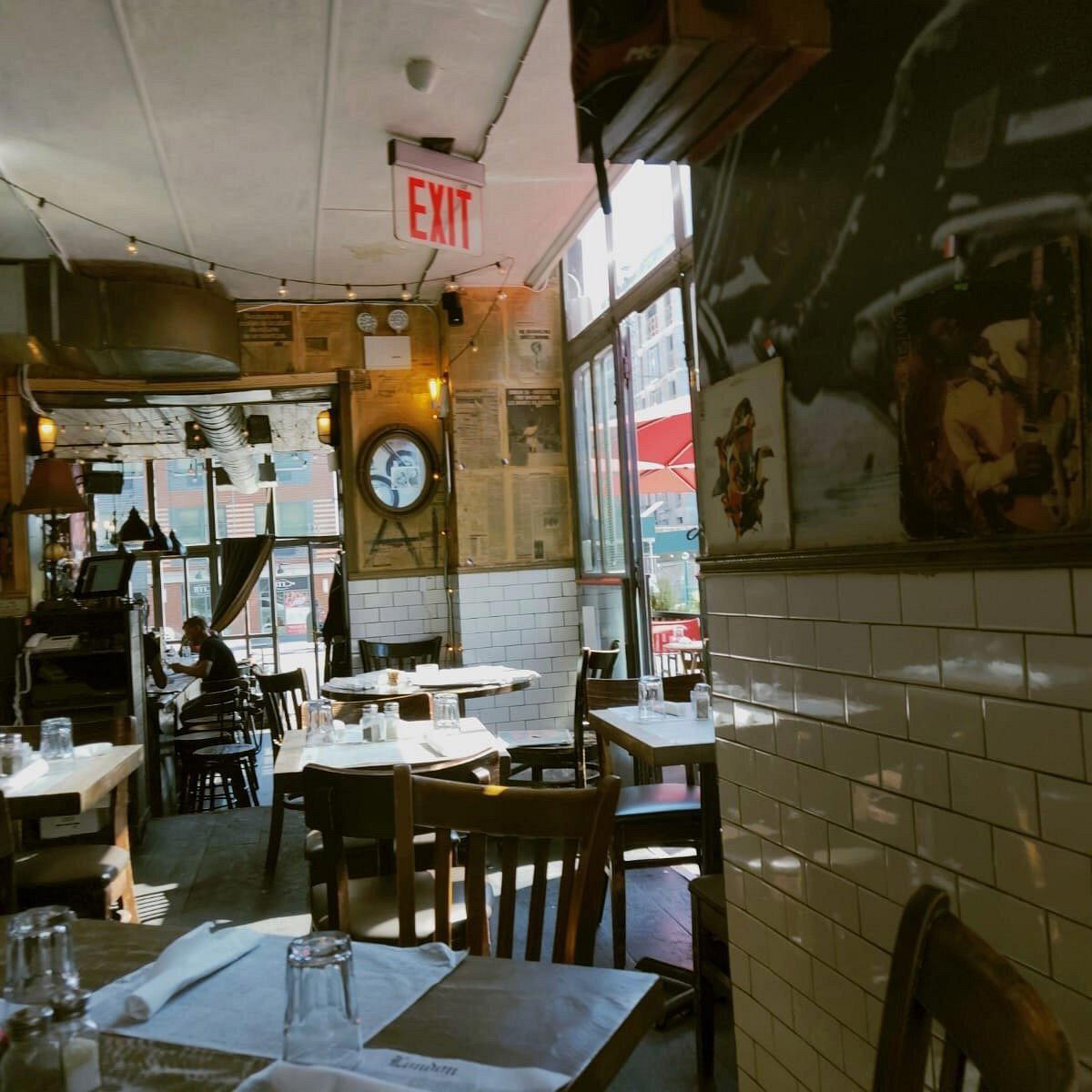
St Nicholas Avenue in the Right Season
Harlem's dining scene shifts perceptibly with the calendar. In the warmer months, the stretch of St Nicholas Avenue around 127th Street fills with foot traffic that spills from brownstone stoops onto restaurant terraces; in winter, the neighbourhood turns inward, and the dining rooms that hold their crowds are the ones with genuine warmth rather than seasonal novelty. Come in autumn, when the last of the Greenmarket produce from the Hudson Valley still lines local kitchens, and the kitchen's sourcing logic becomes most legible on the plate.
That sourcing logic is the editorial headline here. Harlem sits at an underappreciated proximity to particularly productive agricultural land in the northeast: the Hudson Valley, Long Island's East End, and the farmers' markets that funnel regional produce into upper Manhattan. A number of the neighbourhood's more serious kitchens have learned to treat that access as an advantage rather than an afterthought. Maison Harlem operates within that tradition, applying cooking methods that owe debts to both the French-Creole lineage threading through the African diaspora and the broader New York technique-forward moment.
Local Ingredients, Global Technique: The Culinary Frame
The intersection of indigenous products and imported methods is not a new story in New York dining, but it plays out differently depending on the neighbourhood. In midtown, at counters like Le Bernardin or Per Se, the technique is French in origin and the ingredients are sourced globally to match a European-rooted menu logic. In the Korean restaurants that have built reputations downtown, at places like Atomix and Jungsik New York, the product sourcing is regional American but the flavour architecture is distinctly Korean. Harlem's version of this dynamic draws on a different culinary inheritance: the West African and Caribbean traditions that shaped the neighbourhood's food culture through the 20th century, now applied with a contemporary restaurant discipline.
This is the broader American story too. Restaurants like Blue Hill at Stone Barns in Tarrytown have spent two decades making the case that hyper-local sourcing and serious technique are not in tension. Single Thread Farm in Healdsburg does it through a Japanese kaiseki lens. Bacchanalia in Atlanta grounds it in Southern American produce. What these rooms share is a commitment to the idea that the leading argument for a kitchen is found on the farms and fisheries it can access regularly, not in the global supply chains that flatten regional difference. Maison Harlem makes a version of that argument from an address that is itself deeply specific: upper Manhattan, in a neighbourhood whose culinary identity has long been exported elsewhere and rarely credited on the plate.
Where Harlem Sits in the New York Dining Map
New York's restaurant conversation tilts downtown and midtown by default. The concentration of Michelin attention and media coverage in neighbourhoods below 96th Street means that restaurants operating above that line must work harder to appear in the consideration set of visitors who plan their meals from hotel desks in Midtown. Masa at Columbus Circle operates at the summit of the Japanese omakase market partly because of its location's accessibility and its Michelin ceiling of three stars. The award infrastructure rewards addressability as much as cooking.
Harlem's dining rooms operate outside that gravity. The audience is more local, the booking rhythms are different, and the price expectations are calibrated against neighbourhood incomes rather than expense accounts. This is not a disadvantage for the right diner. It tends to mean more natural crowds, lower ambient noise around prestige performance, and a kitchen cooking for repeat customers rather than one-time visitors ticking destinations. For those travelling from comparable contexts, the comparison might be Emeril's in New Orleans, which occupies a similarly city-specific cultural position: meaningful to the neighbourhood, legible to visitors who seek it out.
The Dining Room and Its Atmosphere
St Nicholas Avenue in this stretch is brownstone-flanked and residential in character, which means the approach to Maison Harlem reads more like arriving at a neighbourhood institution than a destination restaurant. This is a deliberate effect in many of Harlem's better dining rooms: the exterior registers calm rather than spectacle. Inside, the register typically shifts toward something warmer and more considered. The room's function in the neighbourhood is social as much as gastronomic, which places it closer in spirit to the community-embedded dining rooms of New Orleans or Chicago's Bronzeville than to the performance-first formats at places like Alinea in Chicago or Lazy Bear in San Francisco.
The contrast with destination-driven formats elsewhere in the American fine dining circuit, from The French Laundry in Napa to The Inn at Little Washington to Addison in San Diego, is instructive. Those rooms are built around an anticipation architecture: you travel to them, you plan months ahead, the meal is framed as an event. Harlem's better restaurants ask for something different: to be taken seriously on their own terms, without the scaffolding of destination mythology. Providence in Los Angeles and 8½ Otto e Mezzo Bombana in Hong Kong have both built durable reputations by operating rigorously within their cities' specific textures rather than against them. The restaurant works in the same register, within a neighbourhood that rewards that approach. On international comparisons, the closest spirit might be Alain Ducasse's Louis XV in Monte Carlo, which draws on Provençal producers and classical French technique to tell a specifically rooted Mediterranean story. The ambition differs in scale; the underlying logic of place-first cooking does not.
Address: 341 St Nicholas Ave, New York, NY 10027. The nearest subway access is via the B/C lines at 125th Street or the A/C/B at 135th Street, both within walkable range.
Peers You’d Cross-Shop
Comparable venues nearby, for context on price, style, and recognition.
| Venue | Cuisine | Price | Notes |
|---|---|---|---|
| Maison HarlemThis venue — the venue you are viewing | French Bistro | $$$ | Not listed |
| Cafe Luxembourg | French-American Brasserie | $$$ | Upper West Side-Lincoln Square |
| Brasserie Cognac Central Park South | Classic French Brasserie | $$$ | Central Park |
| Chez Josephine | Classic French Bistro | $$$ | Hell's Kitchen |
| French Louie | Modern French-American Bistro | $$$ | Downtown Brooklyn-DUMBO-Boerum Hill |
| Le Monde | Classic French Bistro | $$$ | Morningside Heights |
Continue exploring
More in New York City
Restaurants in New York City
Browse all →
Bars in New York City
Browse all →
Hotels in New York City
Browse all →




At a Glance
- Cozy
- Rustic
- Intimate
- Elegant
- Brunch
- Date Night
- Casual Hangout
- Standalone
- Extensive Wine List
Current opening hours
- Monday
- 12 PM–12:30 AM
- Tuesday
- 12 PM–12:30 AM
- Wednesday
- 12 PM–12:30 AM
- Thursday
- 12 PM–1 AM
- Friday
- 11 AM–1 AM
- Saturday
- 11 AM–1 AM
- Sunday
- 11 AM–12:30 AM
Hours can change for holidays and private events. Last verified .
Charming rustic interior with exposed-brick walls, light-filled space, and warm, welcoming atmosphere.