Chez Josephine
Chez Josephine occupies a theatrically decorated dining room on West 42nd Street, positioning itself within the French-inflected, character-driven dining tradition that New York's Theater District has long sustained. Named after the well-known Josephine Baker, the restaurant brings a sense of cabaret-era Paris to Hell's Kitchen's western edge, offering a counterpoint to the precision-driven tasting menus that define Midtown's upper tier.
Pearl is the En Primeur Club membership app — saves, bookings, and concierge access live there. Same editors, same standards.
- Address
- 414 W 42nd St, New York, NY 10036
- Phone
- +12125941925
- Website
- chezjosephinenyc.com
- Directions
- Get directions
 Saves & bookings on Pearl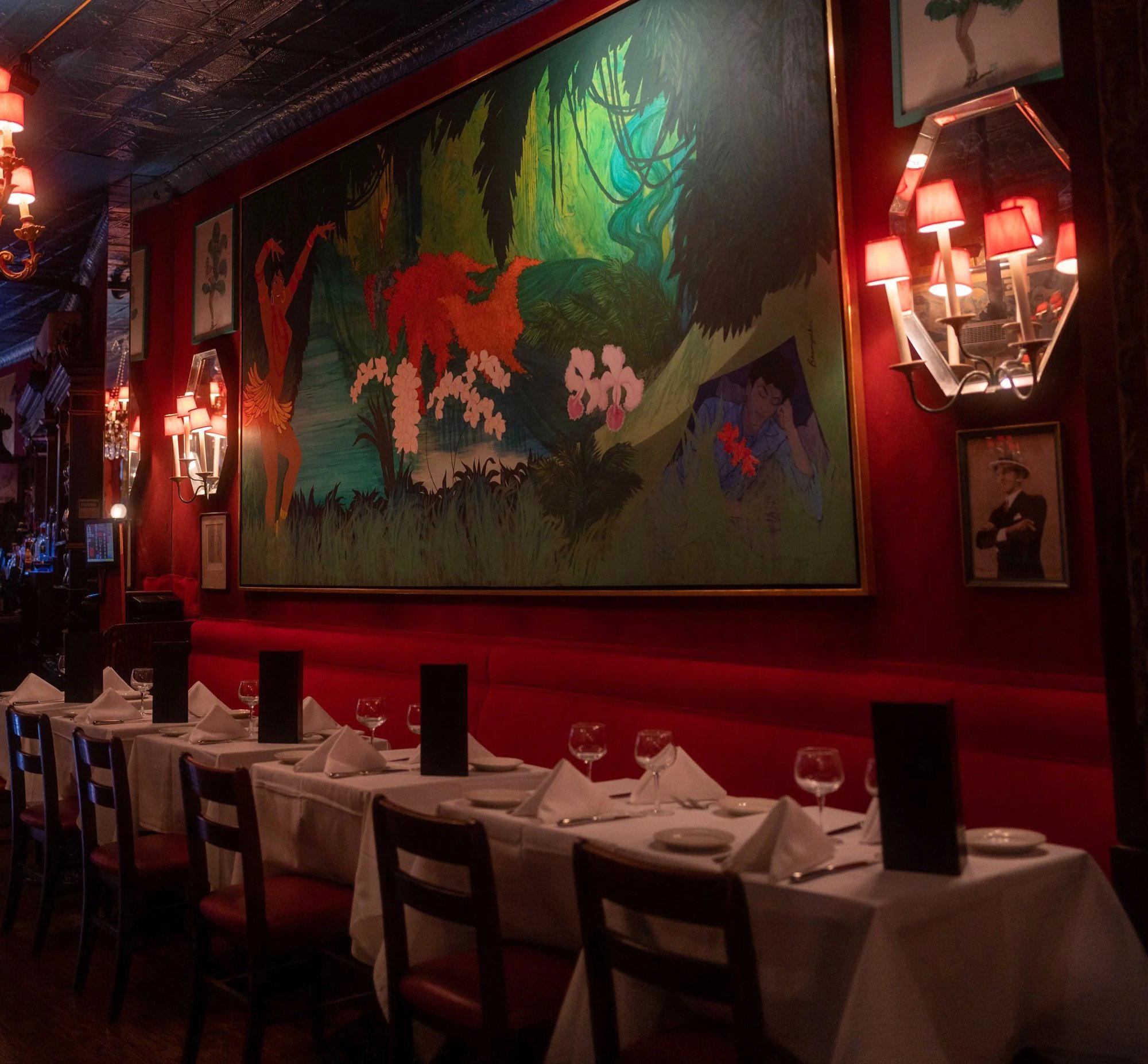
Theater District Dining and the French Bistro Tradition
Chez Josephine is a Classic French Bistro at 414 W 42nd St, New York, NY 10036. The stretch running west from Times Square toward the Hudson operates at a particular frequency: large appetites, pre-curtain windows, and a diner population that wants theatre on the plate as much as on the stage. Within that context, French bistro cooking has proved more durable than its trendier competitors. The format's inherent generosity, sauced proteins, long wine lists, bread that arrives without negotiation, suits a neighbourhood where the meal is part of a longer evening rather than the evening itself.
Chez Josephine, at 414 W 42nd St, fits that tradition. The restaurant takes its name from Josephine Baker, the American-born performer who became among the more celebrated figures in 1920s and 1930s Paris, a connection that grounds the room's aesthetic in a specific cultural moment rather than a generic French-bistro shorthand. That lineage matters in a city where French restaurants operate across a wide spread: from the precise, ingredient-centric discipline at Le Bernardin to the reimagined grand-occasion format at Eleven Madison Park. Chez Josephine occupies a different register entirely, one where the room's personality and the conviviality of the evening carry as much weight as the food.
Sourcing and the French-American Kitchen
The ingredient logic behind classic French bistro cooking in New York has shifted considerably since the 1990s. Kitchens that once imported the premise wholesale, French suppliers, French technique, French hierarchy, now operate in a more locally inflected mode. The Hudson Valley's farms, the fishing grounds off the Northeast Atlantic coast, and the seasonal rhythms of the region's agricultural calendar have worked their way into even particularly classically framed menus in the city. This is the same sourcing current that runs through farm-anchored restaurants like Blue Hill at Stone Barns in Tarrytown, though expressed there at the extreme end of the farm-to-table argument. In a bistro format, the commitment tends to be quieter: a rotation of seasonal vegetables, regional proteins, and market-dependent daily specials that reflect what is genuinely available rather than what a static menu demands.
That sourcing approach distinguishes the more attentive French bistros from those running on autopilot. A properly sourced duck confit, for instance, depends on birds raised long enough to develop the fat content the technique requires, a supply-chain decision, not merely a kitchen one. The same logic applies to the quality of a moules-frites or the integrity of a steak au poivre. French bistro cooking at its functional leading is not a cuisine of concealment; the sourcing is the argument, and the technique is what makes it legible on the plate.
For context, the sourcing conversation in American fine dining has become increasingly specific and verifiable. Places like Single Thread Farm in Healdsburg and Smyth in Chicago have made provenance the structural premise of their menus. Providence in Los Angeles and Addison in San Diego operate with similar rigor at the ingredient level. The bistro tradition doesn't demand that level of transparency, but the leading examples of the format in New York are aware of that conversation and position themselves accordingly.
The Room: Atmosphere as Argument
French restaurant design in New York tends toward one of two poles: the spare, technically serious room that signals the kitchen's priorities, or the theatrically furnished space that insists the evening is about more than the food. Chez Josephine aligns with the latter. The decor references the cabaret aesthetic of interwar Paris, red banquettes, low lighting, a density of decoration that makes the space feel like an event rather than a dining room. This is not a casual observation about interior design; it is a meaningful claim about what kind of restaurant the restaurant intends to be.
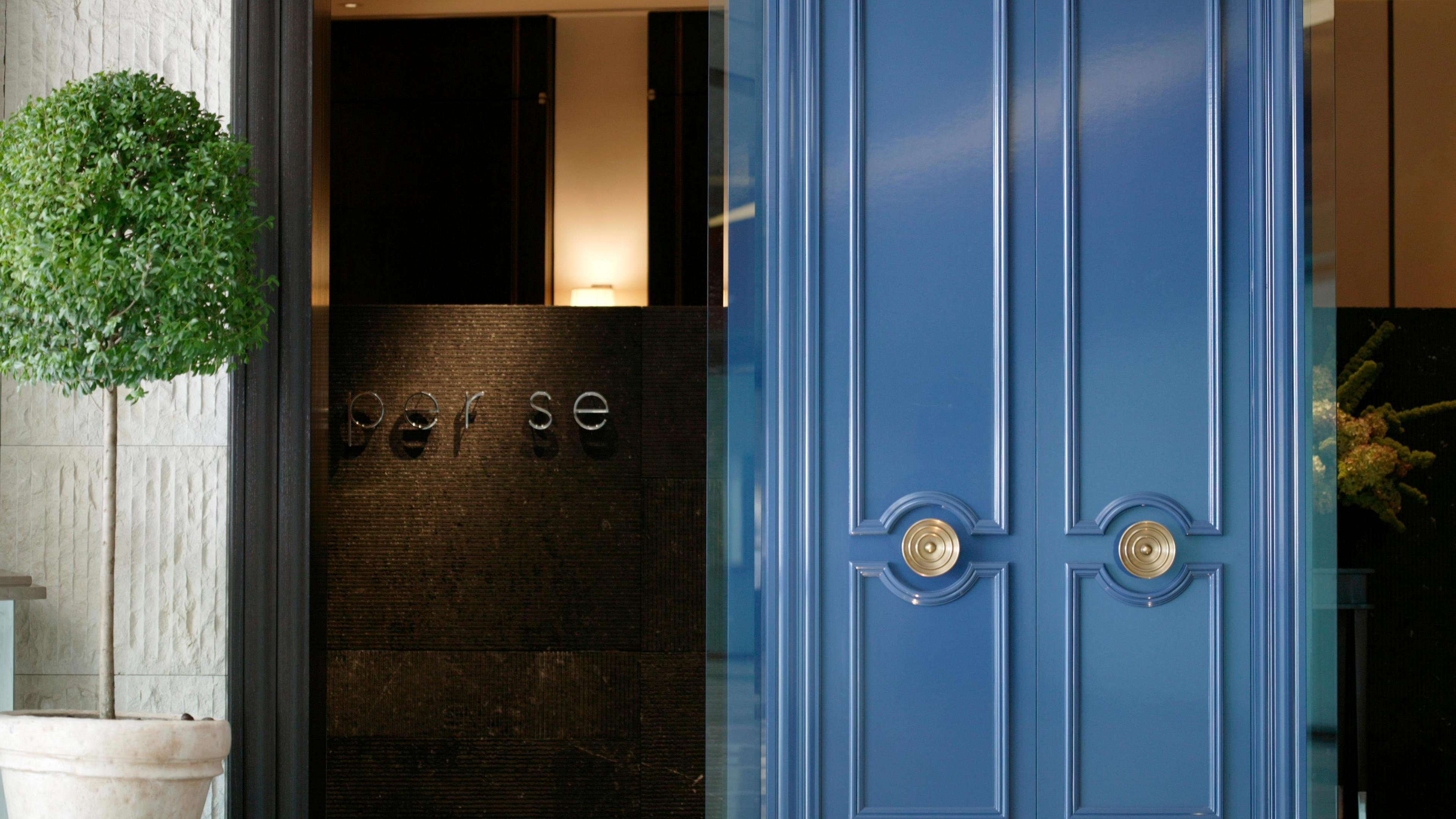
Midtown's upper tier, the Per Se-level rooms, the counter-service formality of Masa, the Korean precision of Atomix, operates with a different visual grammar: controlled, deliberate, often austere. The Theatre District's more character-driven dining rooms make a different bet: that the diner wants to feel transported, not just fed. The restaurant has held that position on 42nd Street for decades, which is itself a form of evidence. Restaurants that get the room-to-neighbourhood fit wrong tend not to survive the theatre pre-curtain crowd's ruthless attrition.
For readers planning evenings around performances at the nearby Broadway houses, that durability is a practical data point. The restaurant has served the pre-theatre circuit long enough to have worked out the timing, a competence that matters considerably when a curtain is not optional. Comparable longevity in theatre-adjacent dining can be found at The Inn at Little Washington, which has similarly made occasion dining its structural argument. Regionally, Emeril's in New Orleans and Frasca Food and Wine in Boulder have built comparable reputations for character-driven rooms that sustain themselves through hospitality consistency rather than menu novelty alone.
Where It Sits in New York's French Dining Spread
New York's French restaurant population covers an unusually wide spectrum. At one end, the ingredient-driven precision of Le Bernardin, three Michelin stars, decades of critical consensus, defines what rigorous French cooking looks like in the city. At the other, neighbourhood bistros operate on tighter margins and more forgiving ambitions. The restaurant sits between those poles: formal enough to function as a destination, casual enough that the evening doesn't require the same preparation as a tasting-menu booking. That middle register is where French dining culture has always been most comfortable, and it is a harder position to sustain in New York than it looks. The city's cost structure pushes restaurants toward either high-ticket tasting formats or fast-casual economics; the sustained, mid-formal French bistro requires a consistent customer base and a room that justifies repeat visits. The restaurant's Theatre District location provides both, supplied in part by the steady turnover of Broadway's audience.
For readers exploring French cooking beyond New York, the farm-to-table sourcing argument reaches its most refined expression at The French Laundry in Napa and the ingredient-first philosophy of Lazy Bear in San Francisco. Internationally, the sourcing discipline articulated by Atelier Moessmer Norbert Niederkofler in Brunico and the generational tradition at Dal Pescatore in Runate represent the European parallel to what the leading American French kitchens are working toward.
Know Before You Go
- Address: 414 W 42nd St, New York, NY 10036
- Neighbourhood: Theater District / Hell's Kitchen West
Cuisine-First Comparison
Comparable venues nearby, for context on price, style, and recognition.
| Venue | Cuisine | Price | Notes |
|---|---|---|---|
| Chez JosephineThis venue — the venue you are viewing | Classic French Bistro | $$$ | Not listed |
| Le Marais | Kosher French Steakhouse | $$$ | Midtown-Times Square |
| Le Bistroquet | French-Belgian Bistro | $$$ | Midtown South-Flatiron-Union Square |
| Brasserie Le Mistral | Southern French Brasserie | $$$ | Park Slope |
| Artisanal Fromagerie & Bistro | French Cheese Bistro | $$$ | Midtown South-Flatiron-Union Square |
| Libertine | Traditional French Bistro | $$$ | West Village |
Continue exploring
More in New York City
Restaurants in New York City
Browse all →
Bars in New York City
Browse all →
Hotels in New York City
Browse all →





At a Glance
- Romantic
- Elegant
- Classic
- Intimate
- Well Known
- Date Night
- Special Occasion
- Late Night
- Live Music
- Historic Building
- Craft Cocktails
Current opening hours
- Monday
- 11 AM–12 AM
- Tuesday
- 11 AM–12 AM
- Wednesday
- 11 AM–12 AM
- Thursday
- 11 AM–12 AM
- Friday
- 11 AM–12 AM
- Saturday
- 11 AM–12 AM
- Sunday
- 11 AM–12 AM
Hours can change for holidays and private events. Last verified .
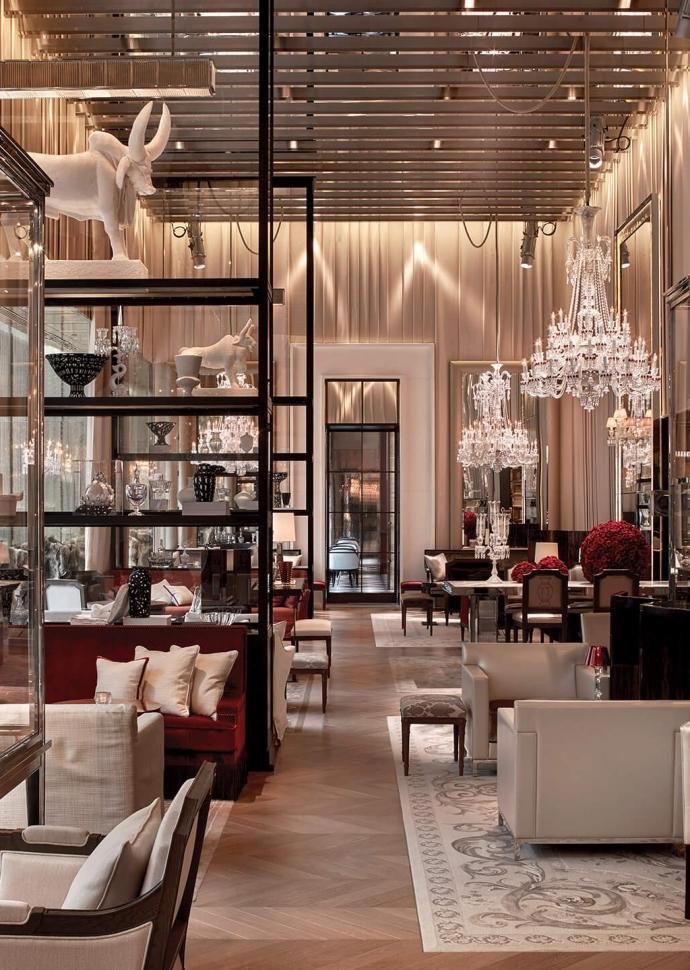
Romantic with red velvet walls, chandeliers, blue-tin ceiling, and vintage portraits, creating an intimate 1930s Parisian atmosphere.