Brasserie Cognac Central Park South
A French brasserie address on 7th Avenue near Central Park South, Brasserie Cognac brings the Parisian café tradition to Midtown Manhattan. Positioned a short walk from Columbus Circle, it occupies a neighbourhood where French-influenced dining has deep roots, placing it in a comparable set that includes some of the city's most recognised formal tables. The format leans brasserie rather than tasting-menu, making it a more accessible point of entry into the area's French dining tradition.
Pearl is the En Primeur Club membership app — saves, bookings, and concierge access live there. Same editors, same standards.
- Address
- 922 7th Ave, New York, NY 10019
- Phone
- +12124705087
- Website
- brasseriecognac.com
- Directions
- Get directions
 Saves & bookings on Pearl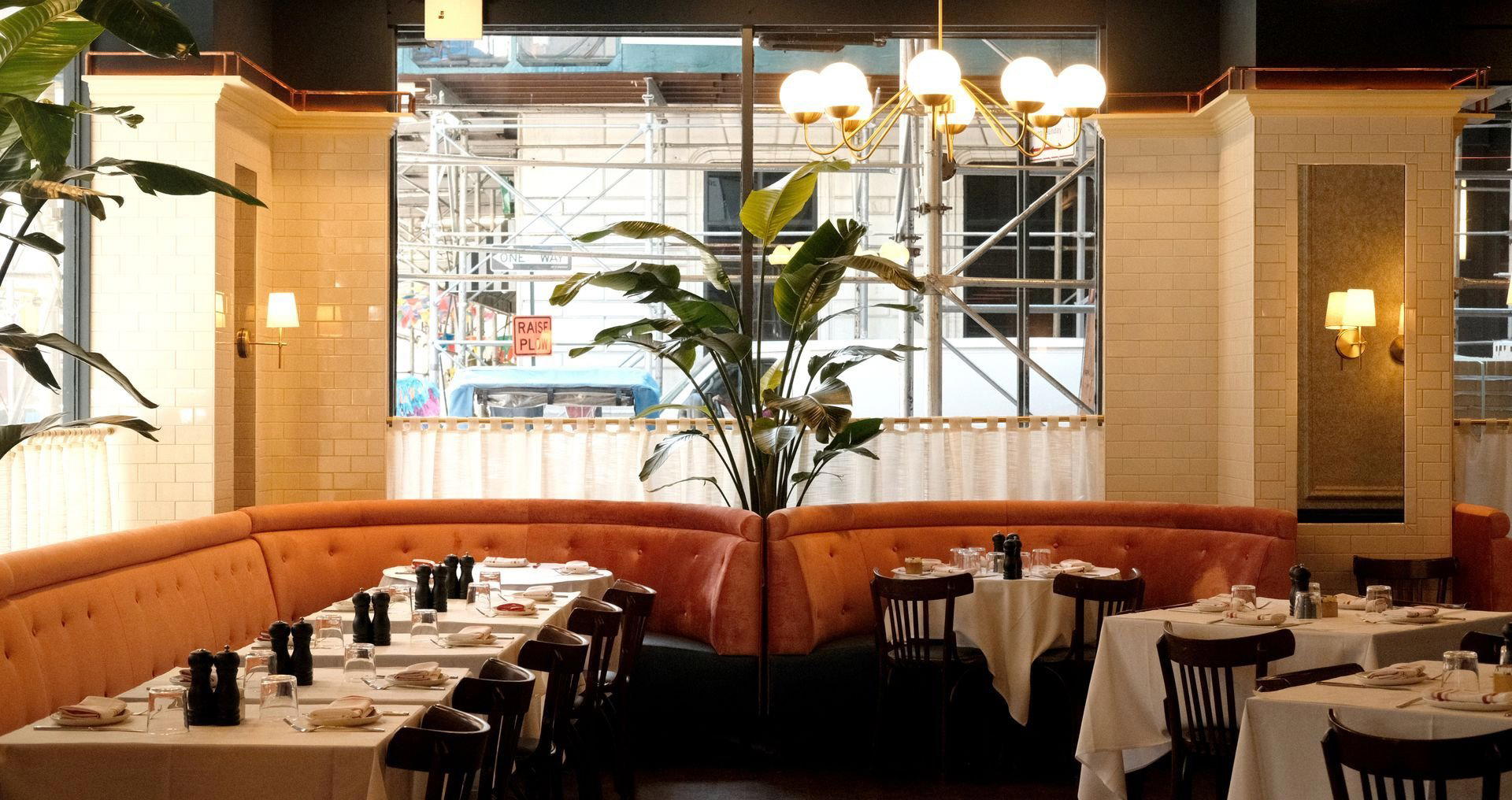
French Brasserie Dining Near Central Park: What the Format Tells You
The brasserie format has always occupied a distinct position in French culinary tradition, sitting between the formal restaurant and the casual bistro. Where tasting menus demand extended evenings and advance planning, the brasserie offers a different contract with its guest: à la carte flexibility, a broader menu register, and a room designed for sustained occupation rather than ceremonial progression. In New York, that format has had a complicated history. The city absorbed it enthusiastically in the twentieth century, built several grand European-style dining rooms around it, and then watched many of those rooms struggle to hold relevance as the fine dining conversation shifted toward chef-driven tasting formats. The ones that survived did so by anchoring their identity in the quality of sourcing and the discipline of classical technique, rather than novelty.
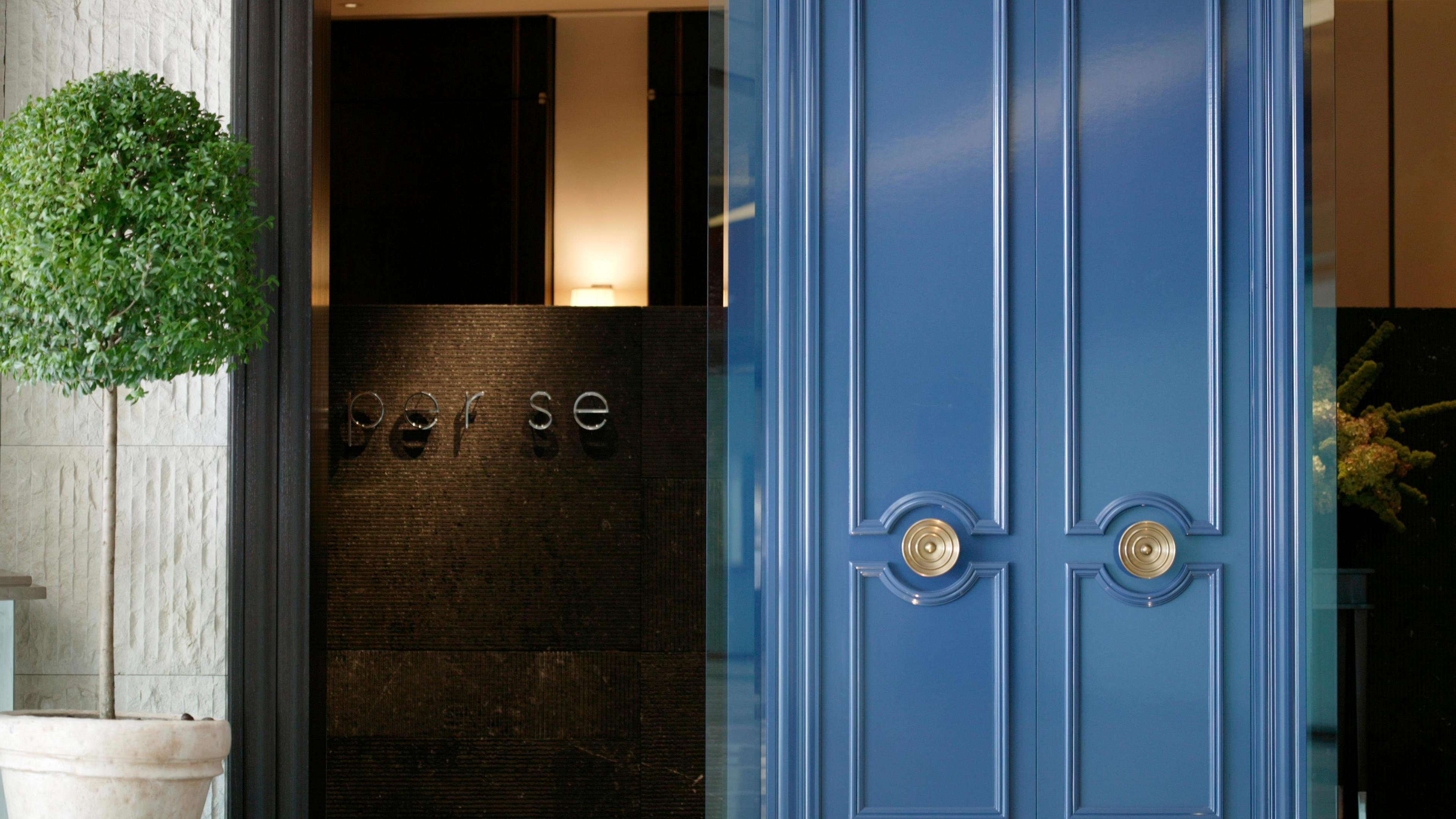
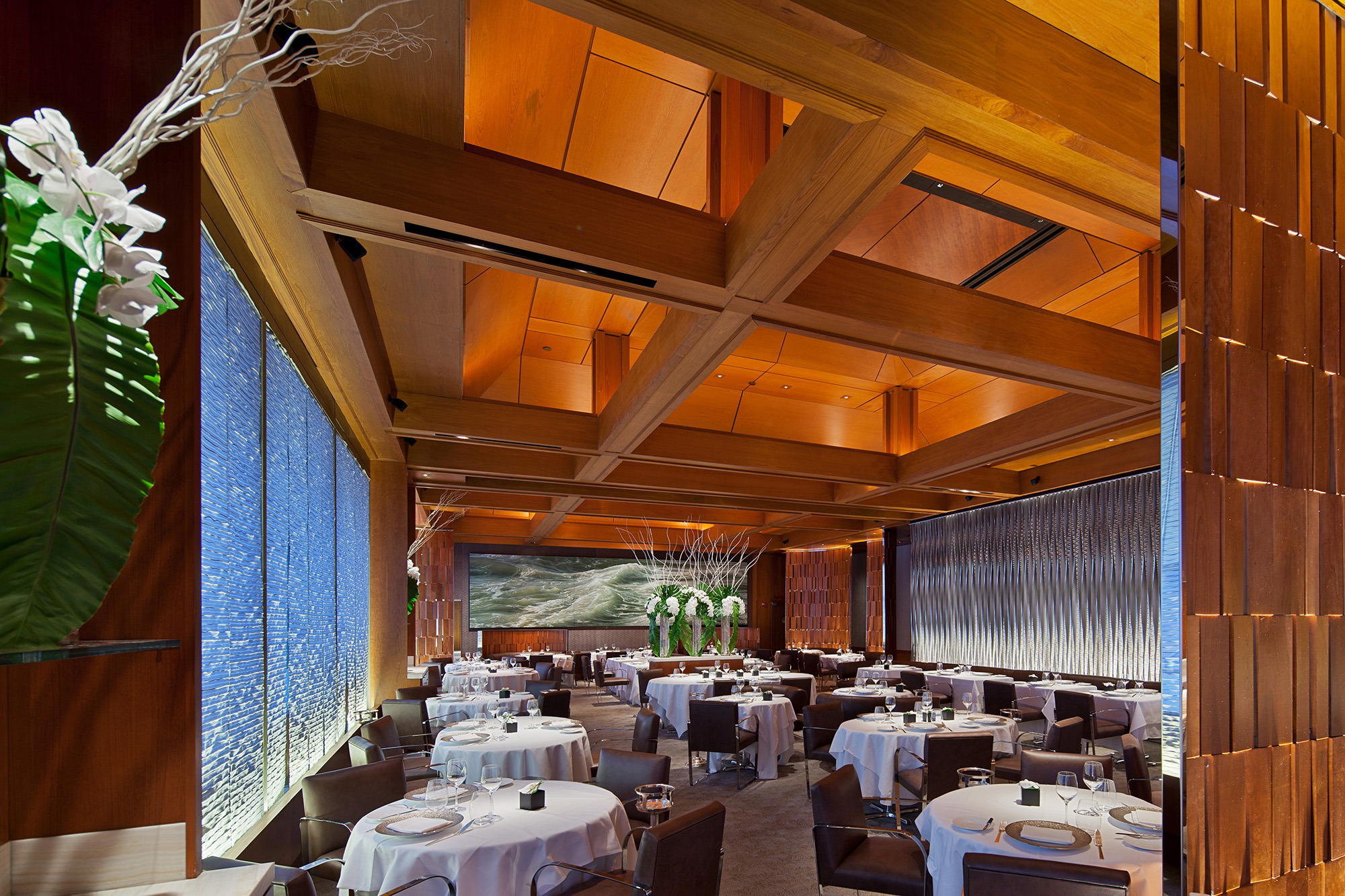
Brasserie Cognac Central Park South, at 922 7th Avenue, sits within this tradition. Its address places it in among the more scrutinised dining corridors in the United States, within walking distance of notable dining rooms. Per Se, Thomas Keller's formal French-Californian room, anchors the Columbus Circle end of this stretch. Le Bernardin, the French seafood institution on West 51st, operates a few blocks south. The brasserie format, by contrast, does not compete with those rooms on ceremony. It competes on daily utility and the reliability of its classical execution.
Ingredient Sourcing and the Brasserie Standard
The defining tension in French brasserie cooking, particularly in New York, is between provenance and price accessibility. The brasserie's classical dishes, whether steak frites, moules marinières, or duck confit, are not technically complex, but they are mercilessly revealing of sourcing quality. A côte de boeuf is either backed by a well-husbanded animal or it is not. Frites are either cut from a particular variety of potato and fried at the right temperature, or they collapse into something generic. The format has no elaborate technique to hide behind, which is precisely why sourcing decisions carry so much weight in this category.
In recent years, the sourcing conversation in New York has been shaped by a generation of restaurants that made ingredient provenance a central editorial point. Blue Hill at Stone Barns in Tarrytown, which operates with its own working farm, turned ingredient origin into the primary dining narrative. Eleven Madison Park, which transitioned to a plant-forward format, placed seasonal and regional sourcing at the centre of its identity. For a brasserie, the sourcing argument is less totalising but no less important. Classical French dishes served in Midtown Manhattan carry an implied promise: that the proteins, produce, and dairy meet a standard commensurate with the neighbourhood and the price point.
Across the United States, the restaurants most closely associated with sourcing discipline in comparable formats include Single Thread Farm in Healdsburg, which integrates farm operations directly into a refined dining program, and Smyth in Chicago, which draws from a dedicated farm in Virginia. At the tasting-menu end, The French Laundry in Napa has long operated kitchen gardens as part of its supply chain. The brasserie category asks for less theatrical integration of sourcing, but the underlying discipline is the same.
The Midtown French Dining Context
Midtown Manhattan's French dining tradition is more layered than its current reputation suggests. The neighbourhood built its culinary identity on expense-account formality, but particularly durable rooms have maintained relevance by evolving their sourcing and service models without abandoning classical anchors. Masa, the Japanese counter at Time Warner Center, and Atomix on 27th Street represent the tasting-menu extreme of the city's premium dining range. The brasserie occupies the opposite end of that formality spectrum while remaining within the French culinary lineage.
For visitors approaching from other American cities, the Midtown French brasserie reads differently depending on context. Those arriving from markets with strong farm-to-table programs, such as the kind supported by Lazy Bear in San Francisco or Providence in Los Angeles, will find the brasserie format less overtly ingredient-forward in its communication, even when the sourcing is disciplined. The New York version of this category tends to embed its quality signals in execution rather than menu annotation.
Regionally, the French influence on American fine dining extends well beyond New York. Emeril's in New Orleans operates within a French-Creole tradition that inflects classical technique through local produce. Frasca Food and Wine in Boulder draws on northern Italian and Friulian traditions rather than French, but represents the same commitment to regional sourcing that defines quality in any European-derived format. Addison in San Diego and The Inn at Little Washington in Washington both demonstrate how French classical training translates across American regional contexts. Internationally, Atelier Moessmer Norbert Niederkofler in Brunico and Dal Pescatore in Runate represent European counterpoints to this tradition, where regional sourcing is the organising principle rather than a secondary consideration.
Price and Positioning
Comparable venues nearby, for context on price, style, and recognition.
| Venue | Cuisine | Price | Notes |
|---|---|---|---|
| Brasserie Cognac Central Park SouthThis venue — the venue you are viewing | Central Park, Classic French Brasserie | $$$ | Not listed |
| Le Jardin Bistro | Lower East Side, Authentic French Bistro | $$$ | Not listed |
| Brasserie Le Mistral | Park Slope, Southern French Brasserie | $$$ | Not listed |
| Yves | Not listed | $$$ | Tribeca-Civic Center, Modern French Bistro |
| Boucherie Union Square | Not listed | $$$ | Midtown South-Flatiron-Union Square, Traditional French Brasserie & Steakhouse |
| Bar Bête | Carroll Gardens, Seasonal French Bistro | $$$ | Not listed |
Continue exploring
More in New York City
Restaurants in New York City
Browse all →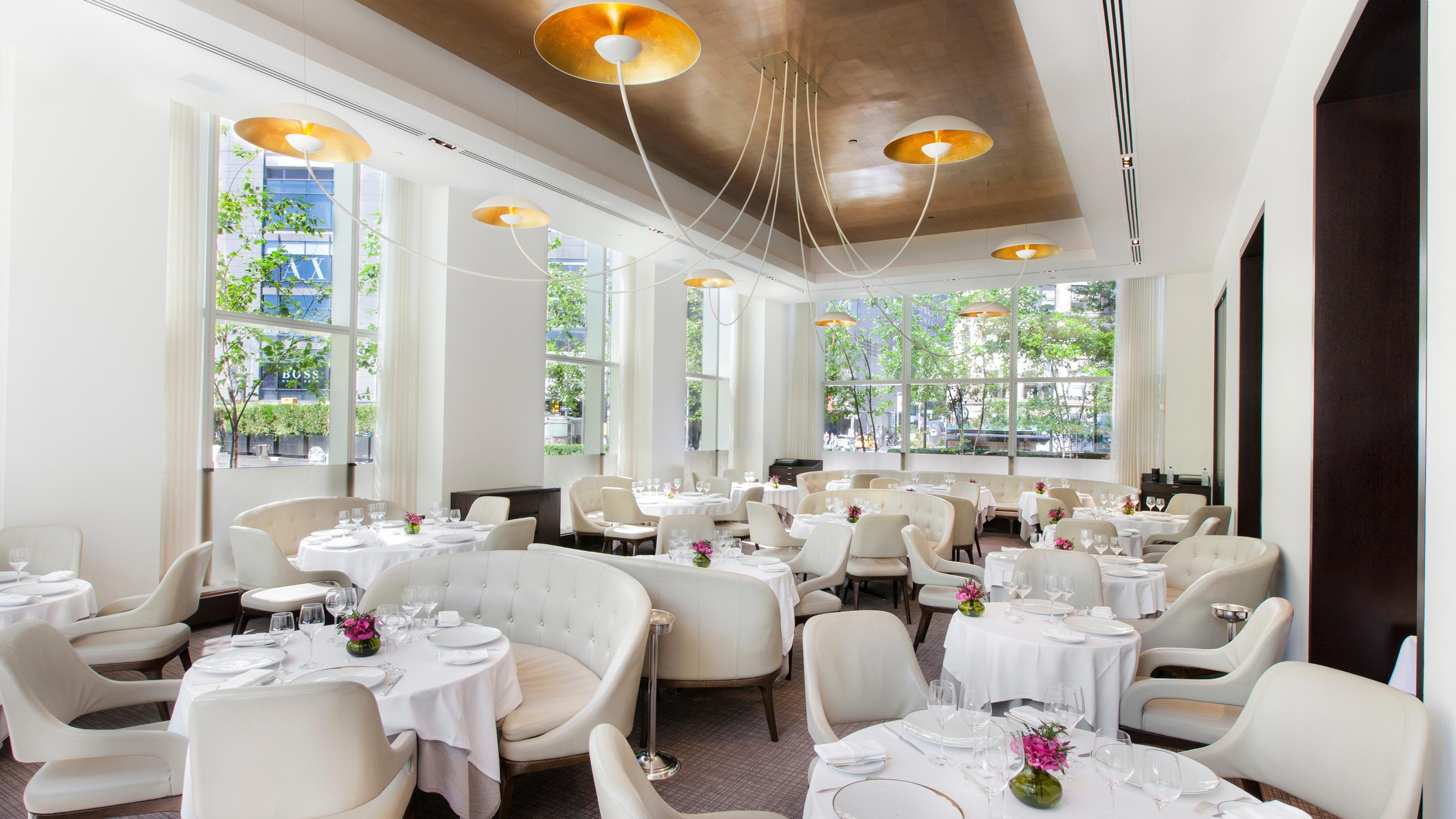
Bars in New York City
Browse all →
Hotels in New York City
Browse all →





At a Glance
- Classic
- Cozy
- Elegant
- Sophisticated
- Business Dinner
- Group Dining
- Celebration
- Casual Hangout
- Date Night
- Standalone
- Extensive Wine List
- Craft Cocktails
- Local Sourcing
- Street Scene
Current opening hours
- Monday
- 9 AM–10 PM
- Tuesday
- 9 AM–10 PM
- Wednesday
- 9 AM–10 PM
- Thursday
- 9 AM–10 PM
- Friday
- 9 AM–10 PM
- Saturday
- 9 AM–10 PM
- Sunday
- 9 AM–10 PM
Hours can change for holidays and private events. Last verified .
Inviting, cozy brasserie ambiance with a mix of classic French warmth and modern sophistication; press and site copy describe it as elegant, chic, and cozy, with outdoor seating available.