Maha has occupied a distinct position in Melbourne's restaurant scene for years, applying classical Middle Eastern technique to Southern Hemisphere produce in a format that sits closer to fine dining than casual mezze. The kitchen draws on the depth of Levantine and Persian cooking traditions while sourcing through local supply chains, placing it in a comparable set that includes some of Melbourne's most serious destination restaurants.
 Discover on Pearl
Pearl is the En Primeur Club membership app — saves, bookings, and concierge access live there. Same editors, same standards.
Where Middle Eastern Tradition Meets Australian Produce
Maha Melbourne is a restaurant in Melbourne's CBD serving Modern Middle Eastern Fine Dining at about US$85 per person. Maha operates squarely in that tradition, applying the layered spice logic of Middle Eastern cooking, sumac, preserved lemon, baharat, pomegranate, to ingredients sourced through the same Southern Hemisphere supply chains that stock the kitchens of Attica and Brae in Birregurra. The result is a dining format that resists easy categorisation: not a Lebanese restaurant, not an Australian fine-dining room wearing a fez, but something that draws genuine authority from both lineages.
That intersection of imported method and local product is where Maha's editorial story lives. The kitchen's approach reflects a broader shift visible across Melbourne's more serious restaurants, where technique arrives from one geography and ingredients from another, and the tension between them generates the interest. You see the same dynamic at play, with different cultural coordinates, at Flower Drum, where decades of Cantonese precision meet the rhythms of Victorian produce calendars. At Maha, the cultural reference points are Persian, Levantine, and Turkish, and the cooking carries the depth that comes from working inside traditions where spice blending, slow-cooking, and fermentation have centuries of accumulated knowledge behind them.
The Dining Room and What It Signals
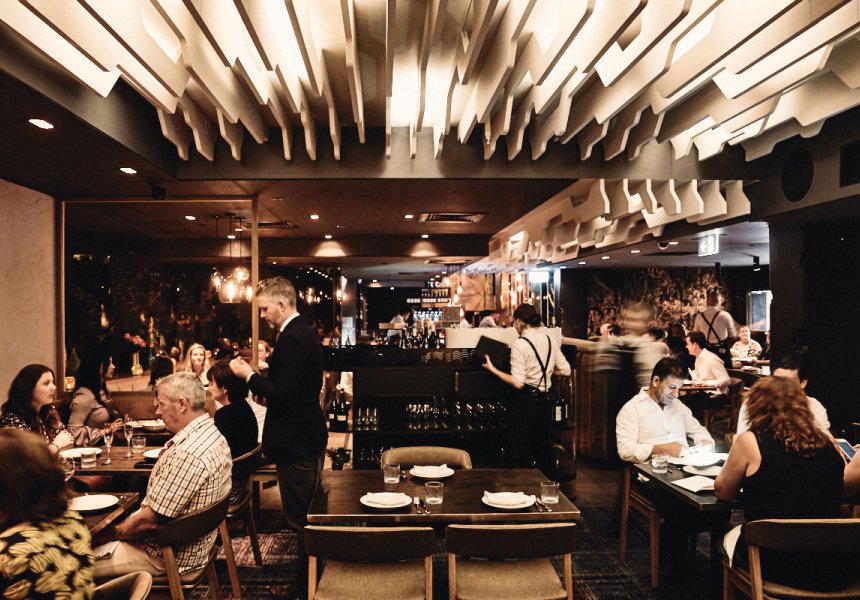
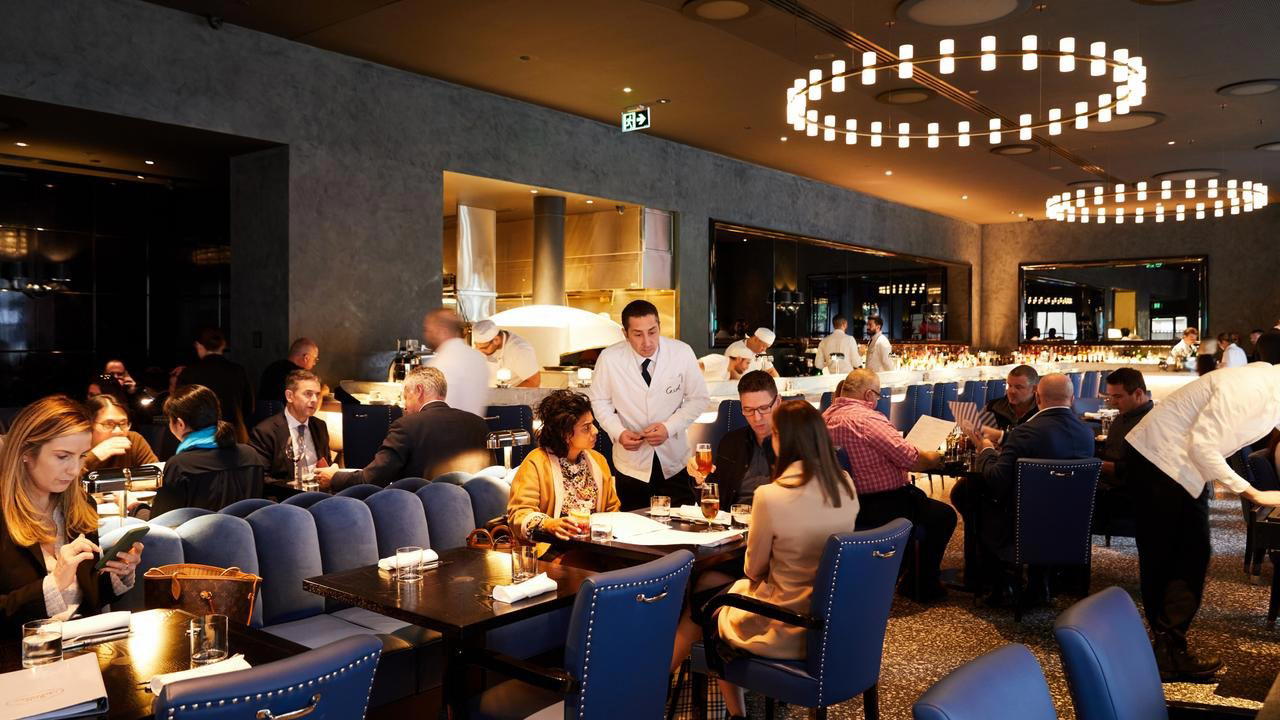
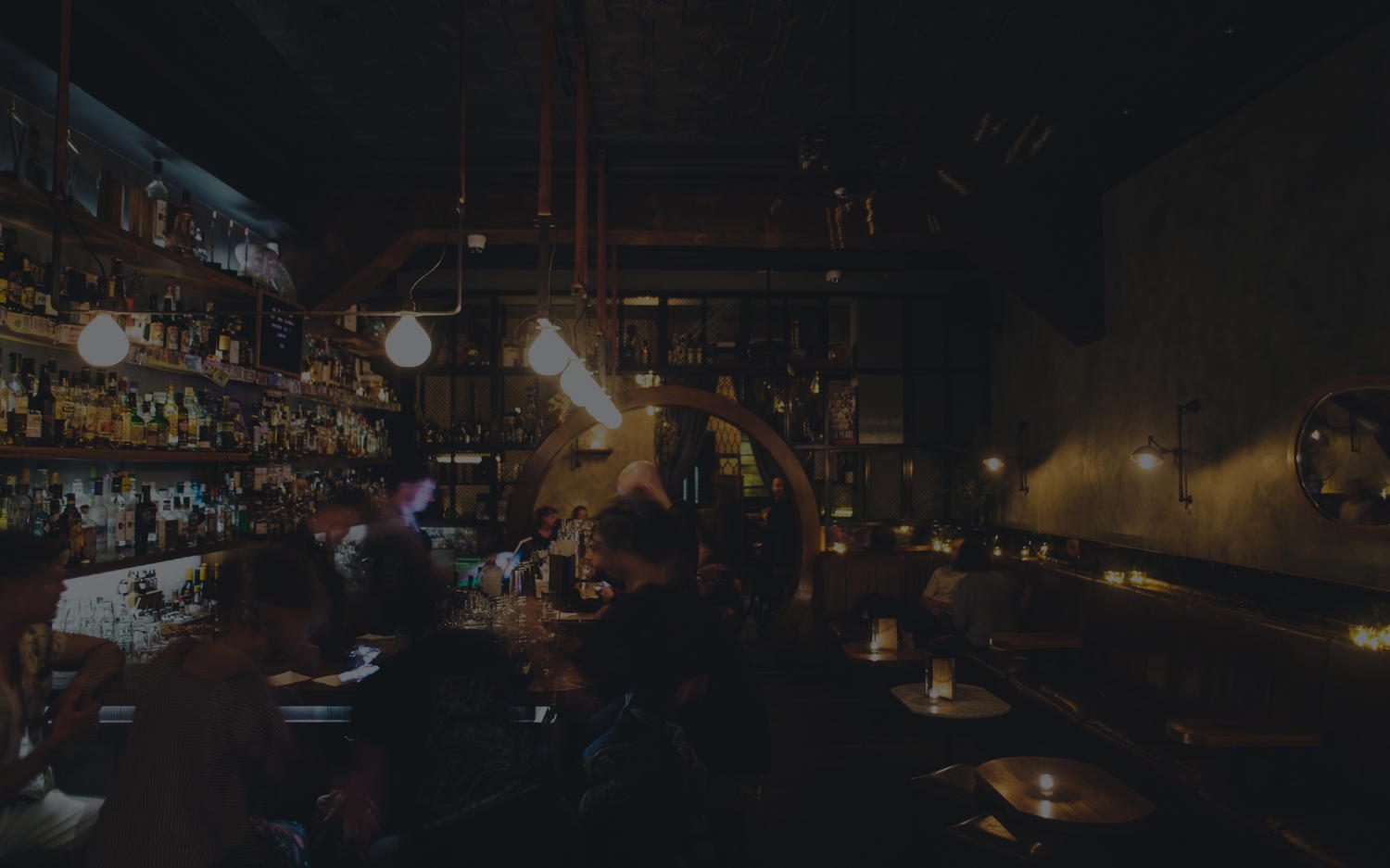
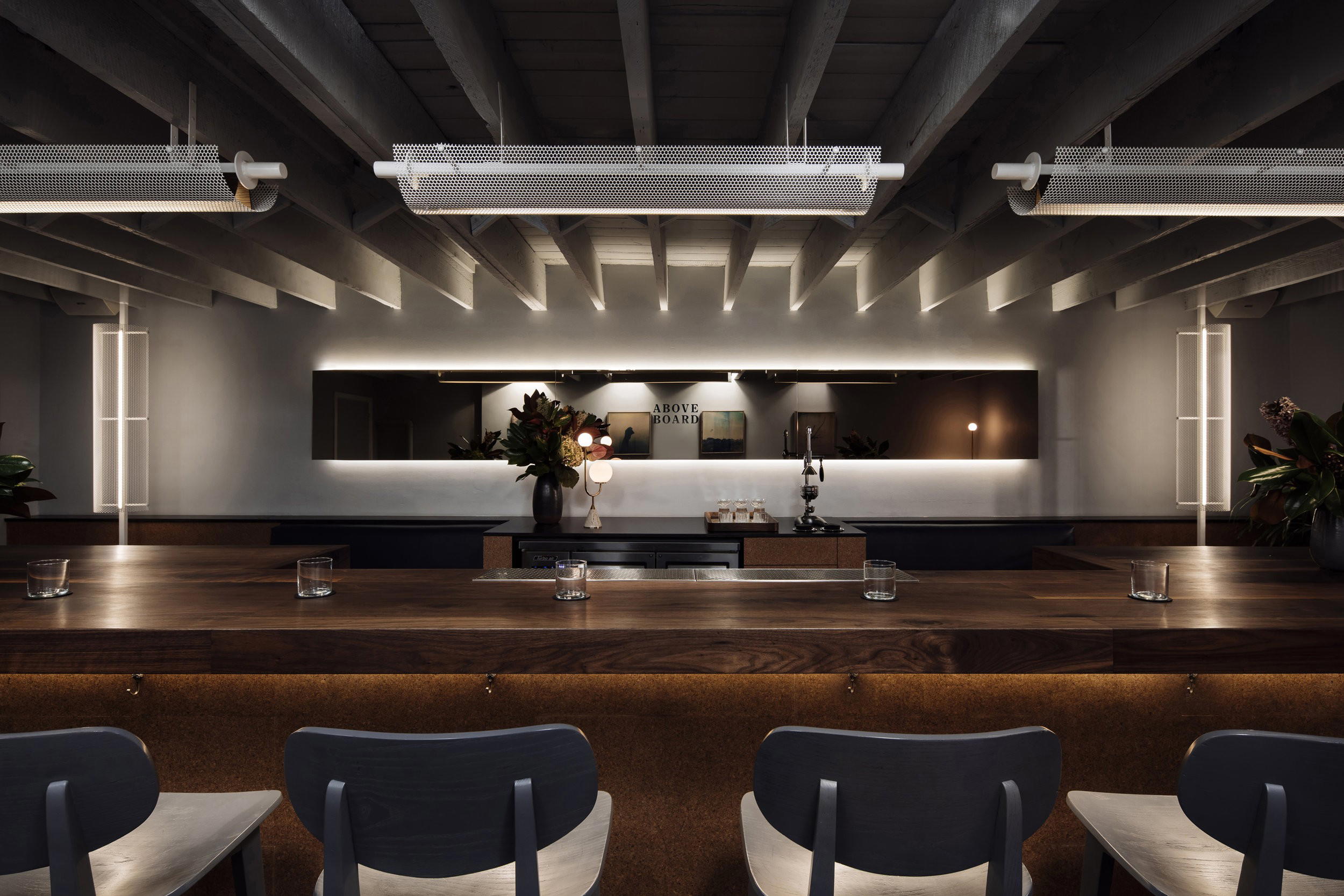
The physical environment at Maha communicates something specific about its place in the Melbourne dining hierarchy. The room is darker and more considered than the city's casual Middle Eastern venues, with design choices that signal sit-down seriousness rather than share-plate informality. This matters because the food format operates in similar territory: structured, with clear progression, and with enough complexity per dish that rushing through it would be a category error. Melbourne has a strong tradition of restaurants that use interior atmosphere as a framing device for what arrives on the plate, 7 Alfred does this in one register, Above Board in another, and Maha's room belongs to the more formal end of that spectrum.
The dining experience is structured around a menu that moves through multiple courses, allowing the kitchen to build flavour progressively in the way that traditional Middle Eastern feasting tables do by default. The format borrows from fine dining's pacing logic while remaining culturally grounded in a cuisine that was always communal and generous. That negotiation between two service traditions is handled with enough care that neither feels compromised.
Technique as Cultural Translation
Most interesting editorial question Maha raises is how classical Middle Eastern techniques translate when applied to Australian-sourced product. Some of the most compelling cooking in this register happens precisely because the ingredients push back against the technique: a Riverina lamb cut behaves differently from its Lebanese equivalent, Australian seafood has different fat profiles and textures than Mediterranean catch, and Victorian dairy operates on its own seasonal logic. The kitchens that engage with this friction honestly, rather than importing ingredients wholesale or softening the technique to fit, tend to produce food with the most coherence.
This is the same dynamic that defines some of the most interesting work being done globally at the intersection of regional technique and non-native produce. Atomix in New York City handles it through Korean fine dining applied to American ingredients; Le Bernardin in New York City has built its entire identity around French classical technique applied to the Atlantic and Pacific catch. Maha operates in that same conceptual space, with Melbourne as its larder and the Levant as its method.
Where Maha Sits in Melbourne's Broader Dining Scene
Melbourne's restaurant culture is dense enough that positioning matters. At the price point and ambition level that Maha operates, the comparable set is specific: restaurants that take their cuisines seriously, invest in produce quality, and expect guests to engage with the menu rather than simply consume it. That cohort includes Attica at the Australian Modern end, Flower Drum at the Cantonese fine-dining end, and a handful of others that hold their cultural ground rather than drifting toward safe internationalism.
For the full picture of what Melbourne's restaurant scene offers across cuisines and price points, our full Melbourne restaurants guide maps the landscape in detail. Maha appears in that context as one of the more coherent arguments for Middle Eastern cooking as a serious fine-dining proposition in an Australian city, a case that Rockpool in Sydney made for a different culinary tradition at a different moment in Australian restaurant history.
For visitors who want to understand Melbourne's range beyond the CBD fine-dining circuit, Bar Carolina in South Yarra and Barry Cafe in Northcote illustrate how the city's dining energy extends well beyond the central restaurant corridor. And for those building a multi-city itinerary across Australia, Bayly's Bistro in Kirribilli, bills in Bondi Beach, Hungry Wolfs Italian Restaurant in Newcastle, Jaani Street Food in Ballarat, Johnny Bird in Crows Nest, and Kulcha Restaurant Wollongong in Wollongong each represent the regional diversity of Australian dining at different scales and ambition levels. Closer to home, 48h Pizza e Gnocchi Bar shows how Melbourne's Italian community holds a parallel claim on serious technique-driven cooking in the city.
Comparable Spots
Comparable venues nearby, for context on price, style, and recognition.
| Venue | Cuisine | Price | Notes |
|---|---|---|---|
| Maha melbourneThis venue — the venue you are viewing | Modern Middle Eastern Fine Dining | $$$$ | |
| Maha | Modern Middle Eastern Fine Dining | $$$$ | Melbourne |
| Tedesca | Wood-Fired Italian Osteria | $$$$ | Red Hill |
| Di Stasio Citta | Modern Italian | $$$$ | East Melbourne |
| Times Berwick | Modern Australian Steakhouse with Italian & African BBQ | $$$ | Berwick |
| Brico | European-inspired Small Plates | $$$ | Carlton North |
Continue exploring
More in Melbourne
Restaurants in Melbourne
Browse all →
Bars in Melbourne
Browse all →
Hotels in Melbourne
Browse all →
At a Glance
- Sophisticated
- Elegant
- Modern
- Date Night
- Special Occasion
- Business Dinner
- Private Dining
- Extensive Wine List
- Local Sourcing
Swish CBD space with modern Middle Eastern elegance and immersive sensory experience.