Our verdict
Di Stasio Citta occupies a considered position in Melbourne's Italian dining tier, where the Spring Street address places it among the CBD's most formally minded rooms. The kitchen works within a tradition-respecting Italian framework at a moment when the city's better Italian tables are increasingly interrogating sourcing provenance and seasonal discipline. For Melbourne Italian dining at this register, it belongs on the same shortlist as Florentino.

Pearl is the En Primeur Club membership app — saves, bookings, and concierge access live there. Same editors, same standards.
- Address
- 45 Spring St, Melbourne VIC 3000, Australia
- Phone
- +61390701177
- Hours
- Daily 12–10 PM
- Website
- distasio.com.au
- Directions
- Get directions
The menu
What to order
- Capellini Con Granchio
- Cotoletta alla Milanese
- Merenda
Spring Street and the Weight of Setting
There is a particular register of Melbourne dining room that announces itself through architecture before the menu arrives. Spring Street, running along the eastern edge of the CBD grid beside Parliament House, has long attracted restaurants that take formality seriously — not in a stiff, hierarchical sense, but in the way that a well-considered room signals that the kitchen behind it is equally deliberate. Di Stasio Citta at 45 Spring St sits in that tradition. The address alone carries context: this is a corridor where the city's most enduring dining institutions have tended to settle, away from the laneway bustle of the CBD's interior and closer to the cultural precinct anchored by the State Library and the theatres on Russell and Exhibition streets.
Melbourne's Italian dining scene has never been a single thing. It runs from the neighbourhood trattorias of Carlton, which built the city's early Italian-Australian identity through the postwar migration waves, through to the polished CBD tables that operate in a more internationally calibrated register. Di Stasio Citta belongs firmly to the latter category — a room designed for a kind of dining that treats Italian cooking as a serious discipline rather than a casual backdrop.
Italian Cooking as Discipline, Not Decoration
The broader shift in Melbourne's premium Italian tier over the past decade has moved toward greater sourcing specificity. Where an earlier generation of formal Italian restaurants in Australian cities drew prestige largely from imported produce and European technique, the more credible tables now build their identity around the tension between Italian culinary logic and Australian seasonal reality. This is a genuinely productive tension: Italian cooking at its core is a regional, ingredient-led tradition, and Australia's agricultural diversity, from Victorian cool-climate dairy and stone fruit to Tasmanian seafood and South Australian olive oil, provides material that can sustain that tradition without defaulting to replica.
Di Stasio Citta operates within that frame. The kitchen's reference points are Italian, but the sourcing conversation in Melbourne's serious dining rooms has increasingly become a question of how closely a restaurant can trace its supply chain and what that traceability means for the plate. For context, Brae in Birregurra and Laura at Pt Leo Estate in Merricks have set a high bar in Victoria for farm-to-table accountability, while Attica has made sourcing provenance a central part of its critical identity. Di Stasio Citta operates in a different culinary register, Italian rather than Australian Modern, but the expectations around ingredient transparency that those restaurants have helped normalise now apply across Melbourne's serious dining tier.
Sourcing Ethics in Melbourne's Italian Tradition
The sustainability conversation in Italian cooking is worth taking seriously on its own terms, because Italian culinary philosophy has always contained the seeds of ethical sourcing: the valorisation of seasonal produce, the respect for regional specificity, the preference for whole-animal cookery and fermented or preserved ingredients that reduce waste. These are not contemporary additions grafted onto Italian food for marketing purposes, they are structural features of the tradition that contemporary restaurants are, in some cases, only now recovering after decades of globalised supply chains made imported ingredients the default prestige signal.
Melbourne's position as a city with access to some of Australia's most diverse temperate agriculture makes this recovery more viable here than in many comparable cities. Victoria's wine regions, artisan cheesemakers, heritage grain producers, and coastal fisheries represent a supply infrastructure that a serious Italian kitchen can draw on without compromise. The question for any restaurant in Di Stasio Citta's tier is how actively it engages with that infrastructure rather than defaulting to imported parmigiano and prosciutto as the only credible Italian signal. The better Italian tables in Australian cities, including Ormeggio at The Spit in Mosman and, at the more casual end, 48h Pizza e Gnocchi Bar in Melbourne, have each found their own answer to that question.
Peer Context: Where Di Stasio Citta Sits in Melbourne's Italian Register
Melbourne's formal Italian tier is smaller than its reputation suggests. Florentino occupies the heritage-formal position, with a room and a wine list that have accumulated institutional weight over decades. Flower Drum, while Cantonese rather than Italian, represents the same class of CBD room where service philosophy and room design carry as much meaning as the food. Di Stasio Citta and the Di Stasio family of restaurants more broadly occupy a position that is simultaneously more personal in aesthetic and more deliberately stylish, a room that references European café culture and mid-century Italian design rather than the grand dining room tradition.
That positioning matters because it attracts a different kind of diner and a different kind of critical attention. Restaurants that pursue a strong design identity alongside serious cooking tend to be assessed on both registers simultaneously, which raises the stakes. 7 Alfred and Above Board occupy entirely different price and format tiers, but they reflect the same Melbourne tendency to treat room design as a communicative act rather than a neutral backdrop. Among Italian peers further afield, Pipit in Pottsville and Provenance in Beechworth demonstrate how seriously regional Australian tables can engage with European culinary traditions on local terms.
For comparison outside Australia, the sourcing rigour that serious Italian-inflected restaurants bring to their produce sourcing finds parallels in how places like Le Bernardin in New York City approach seafood provenance, or how Lazy Bear in San Francisco treats ingredient seasonality as a structural constraint rather than a menu note. The standard, in other words, is a global conversation even when the cooking is deeply place-specific.
Planning Your Visit
Di Stasio Citta is located at 45 Spring St in the Melbourne CBD, within walking distance of Parliament Station on the Bourke Street end of Spring Street, making it accessible from most central Melbourne hotels without requiring transport. The Spring Street corridor is most comfortable approached from the Bourke Street or Collins Street ends of the CBD grid; parking in this precinct is limited during weekday evenings, and the tram network along Collins Street provides a practical alternative. Given its positioning in Melbourne's formal dining tier, dinner reservations are advisable well in advance, particularly for weekend sittings. For a broader picture of Melbourne's dining options at this register and below, see our full Melbourne restaurants guide. Those extending their itinerary to other Australian cities will find comparable levels of Italian seriousness at Rockpool in Sydney, and different but equally considered regional cooking at Botanic in Adelaide or Hentley Farm in Seppeltsfield.
Frequently asked questions
What's the address for Di Stasio Citta?
Di Stasio Citta is located at 45 Spring St, Melbourne VIC 3000, Australia, Melbourne.
How does Di Stasio Citta compare to other formal Italian restaurants in Melbourne's CBD?
Melbourne's formal Italian tier is compact, with Florentino holding the heritage position and Di Stasio Citta occupying a more contemporary register on Spring Street, a corridor that places it among the city's established institutional addresses. Where Florentino leans on its room's history, Di Stasio Citta's identity is shaped by a disciplined approach to Italian cooking as a serious culinary tradition rather than a nostalgic one. For diners weighing the two, the distinction is largely one of tone and architectural atmosphere rather than cuisine category.
What do people recommend at Di Stasio Citta?
Di Stasio Citta's kitchen works within the Italian tradition, where pasta and protein courses carry the weight of the meal rather than elaborate garnishing. Given the venue's position at 45 Spring St in Melbourne's CBD, regulars tend to order with the seasonal menu in mind rather than chasing fixed signature dishes. The room's reputation is built on consistency across the card rather than a single showpiece item.
What's the best way to book Di Stasio Citta?
Di Stasio Citta is located at 45 Spring St in the Melbourne CBD, close to Parliament Station. Reservations for formal Italian rooms at this level in Melbourne typically require advance planning, particularly for weekend evenings. Check the restaurant's current booking channels directly, as contact details are subject to change.
What's the standout thing about Di Stasio Citta?
The room itself does considerable work before the food arrives. Spring Street carries institutional weight in Melbourne, and Di Stasio Citta occupies that address with a dining room that reads as architecture first, restaurant second. In a city where Italian cooking has moved toward sourcing specificity and away from ornament, the venue represents a formal Italian register that few rooms in Melbourne sustain at the same level.
Can Di Stasio Citta adjust for dietary needs?
Italian cooking at this tier generally accommodates dietary requirements through course substitutions rather than restructured menus, given the discipline involved in the kitchen's approach. Guests with specific needs should communicate requirements at the time of booking.
The Minimal Set
Comparable venues nearby, for context on price, style, and recognition.
| Venue | Cuisine | Price | Awards | Notes |
|---|---|---|---|---|
| Di Stasio CittaThis venue — the venue you are viewing | Modern Italian | $50–100 | Not listed | Not listed |
| Scopri | Authentic Regional Italian | $50–100 | Not listed | Carlton, Authentic Regional Italian |
| Caterina's | Authentic Italian Sicilian | $50–100 | Not listed | Melbourne, Authentic Italian Sicilian |
| Yiaga | Modern Australian tasting menu | $200–300 | Gourmet Traveller Best New Restaurant · Conde Nast Hot List Restaurants | East Melbourne, Modern Australian tasting menu |
| IDES | Modern Australian Fine Dining | Not listed | Star Wine List | Fitzroy, Modern Australian Fine Dining |
| Maha | Modern Middle Eastern Fine Dining | $100–150 | Not listed | Melbourne, Modern Middle Eastern Fine Dining |
Continue exploring
More in Melbourne
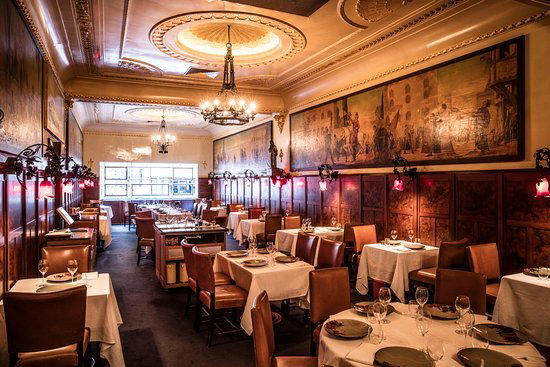
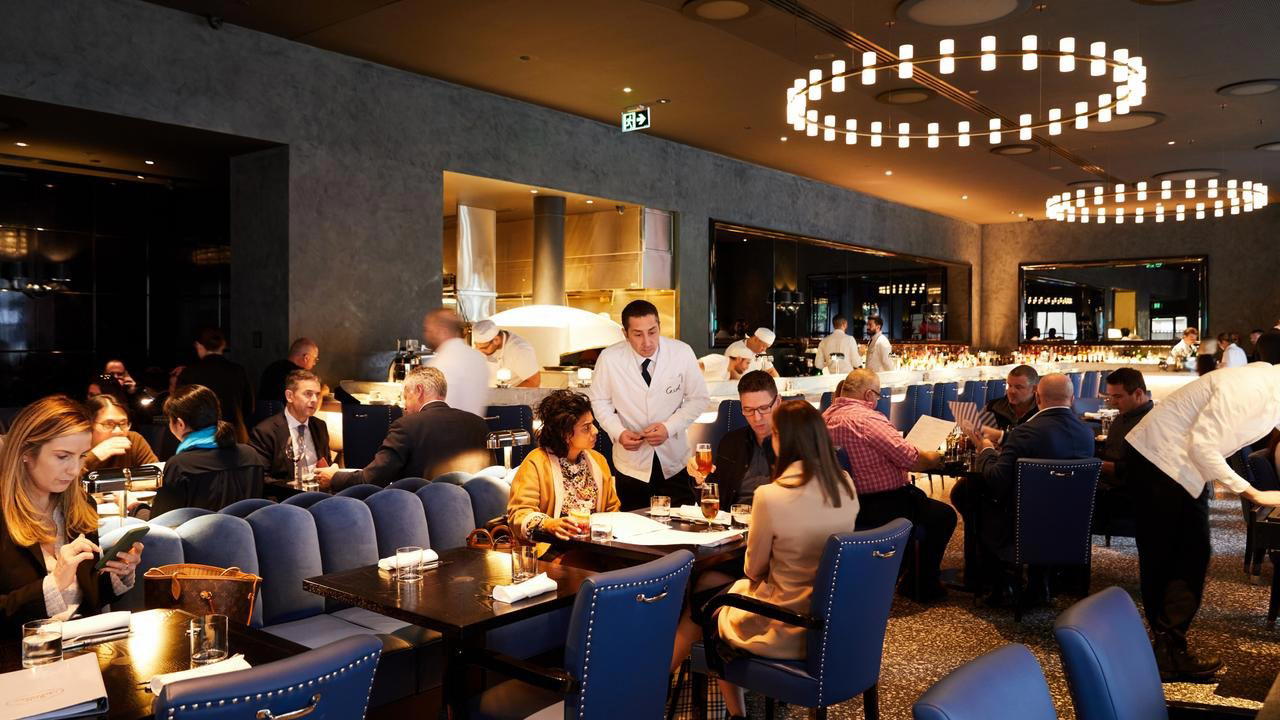
Restaurants in Melbourne
Browse all →
Bars in Melbourne
Browse all →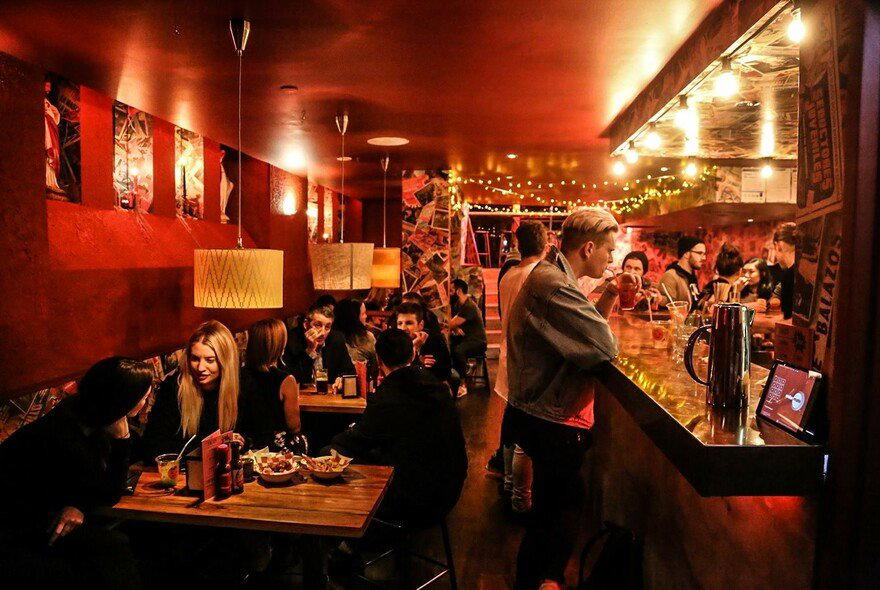
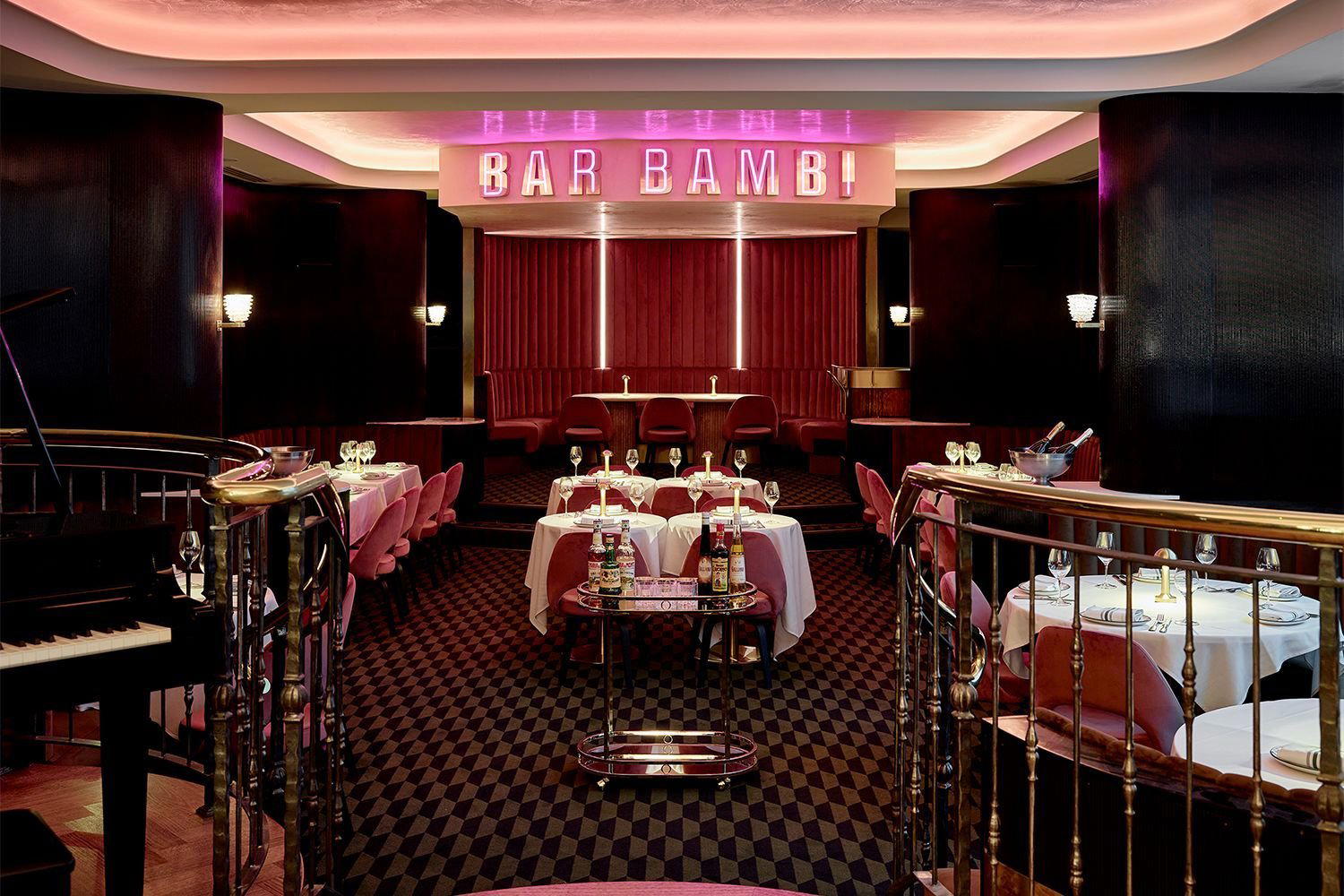
Hotels in Melbourne
Browse all →
Details
- Elegant
- Sophisticated
- Modern
- Well Known
- Special Occasion
- Date Night
- Celebration
- Design Destination
- Open Kitchen
- Extensive Wine List
- A La Carte
- Gluten Free Options
Current opening hours
- Monday
- 12–10 PM
- Tuesday
- 12–10 PM
- Wednesday
- 12–10 PM
- Thursday
- 12–10 PM
- Friday
- 12–10 PM
- Saturday
- 12–10 PM
- Sunday
- 12–10 PM
Hours can change for holidays and private events. Last verified .
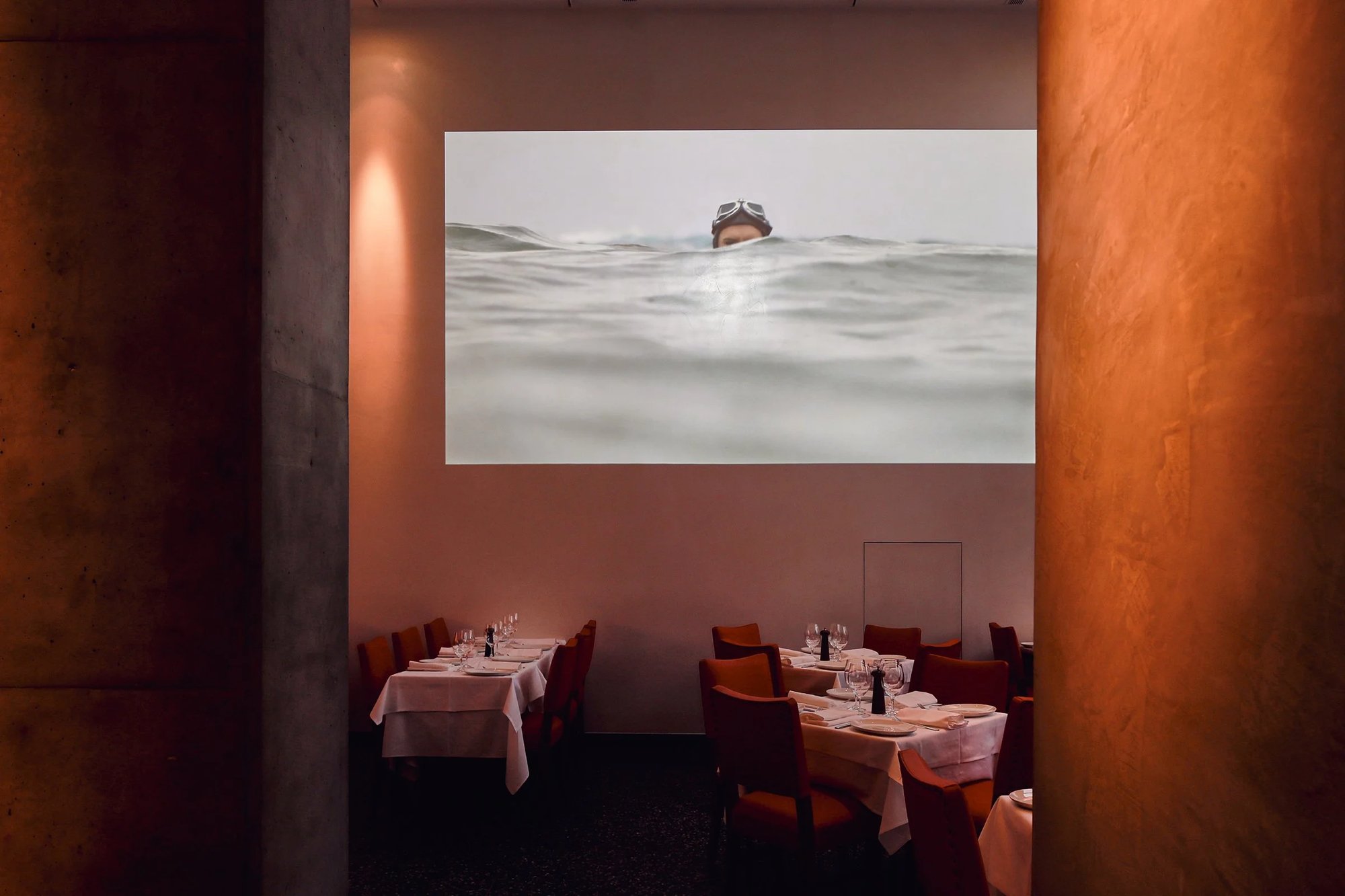
Contemporary brutalist interior with concrete walls featuring video projections, warm and comfortable atmosphere with well-spaced tables.